Best Emergency Radios for 2026: NOAA Weather + Hand Crank Reviews
When a tornado warning is issued, when a wildfire is bearing down, when a major storm knocks out power and cell service, the one device you can count on is a battery-powered NOAA weather radio.
Your phone runs out of batteries. Cell towers get overloaded or knocked down. Internet stops working. A good emergency radio keeps receiving broadcasts on NOAA’s 24-hour weather network regardless of what is happening to the grid around you.
This guide explains what to look for, what the specs actually mean, and which radios are worth buying.
- Power options: Look for hand crank, solar, and battery power so you always have a way to charge it.
- NOAA alerts: Pick a radio that scans weather channels and warns you about severe storms.
- Built-in light: A bright flashlight or reading lamp helps when the power goes out.
- Phone charging: A USB output lets you top off your phone during an emergency.
We tested a bunch of emergency radios and picked the best ones below. Keep reading to see why each one made our list.

Kaito KA500 Emergency Radio
This radio wins because it can be powered six ways, with a hand crank, solar panel, AA batteries, USB, AC/DC, and a replaceable rechargeable pack. It also picks up AM, FM, two shortwave bands, and NOAA weather alerts, so you get the widest access to information when other stations go down.

RunningSnail Emergency Crank Radio
This pick keeps things simple with a big rechargeable battery that can charge a phone more than once. It also packs a super bright three mode flashlight and a motion sensor reading lamp.

Midland ER310 Weather Radio
This one does the most, with three power sources including solar, hand crank, and a rechargeable battery. It adds an SOS flashlight, an ultrasonic dog whistle, and a NOAA weather scan with alerts.
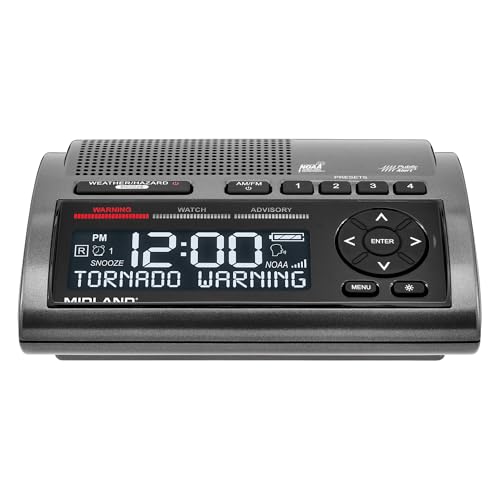
Midland WR400 Weather Radio
This is the top choice for home use, with local county programming and over 80 emergency voice alerts. It scans 10 weather channels and locks onto the strongest one to warn you of severe weather.
In this guide



Reviewed by Marcus T., James W. & Beth O. — contributors with hands-on preparedness experience. How we test
Why Trust This Guide?
This article was researched and reviewed by contributors with hands-on experience in emergency preparedness. They have tested gear, built real systems, and lived through situations where these skills actually mattered.
Why You Need an Emergency Radio
NOAA (the National Oceanic and Atmospheric Administration) operates a nationwide network of 1,025 transmitters covering all 50 states, all US territories, and adjacent coastal and inland waterways. These stations broadcast continuous weather and emergency information 24 hours a day, 7 days a week.
When FEMA or local authorities issue an emergency alert, it goes out over NOAA broadcasts within minutes. Tornado warnings, hurricane tracks, flood watches, Amber alerts, and civil emergency messages all come through NOAA weather radio.
Your phone can receive Wireless Emergency Alerts (WEA), but that system depends on functioning cell towers. In a major disaster, cell towers often fail within hours from damage or overloaded traffic. NOAA broadcasts via dedicated radio transmitters that run on backup power specifically for this purpose.
A hand-crank or solar emergency radio with NOAA coverage is one of the highest-value items in any emergency kit. It provides information access at exactly the moment when all your other information sources have failed.
What to Look for in an Emergency Radio
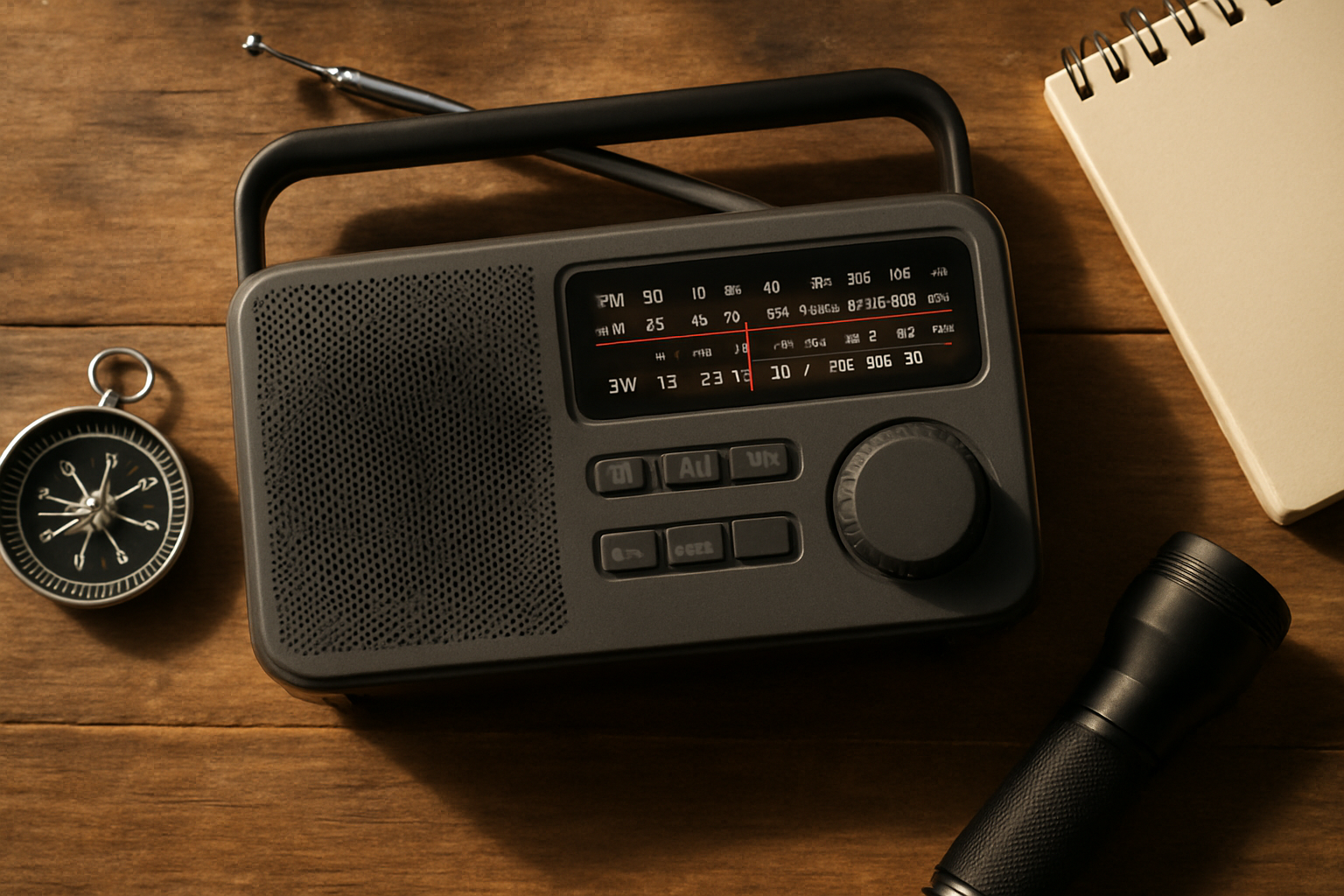
NOAA Weather Band coverage: Non-negotiable. All 7 NOAA weather channels (162.400 to 162.550 MHz). Any radio that does not cover all 7 channels is not an emergency radio, it is a novelty.
SAME alerts (Specific Area Message Encoding): SAME lets you program your radio to only alert for your specific county or counties. Without SAME, you get alerted for every county in your state, which means constant alerts that train you to ignore them. With SAME, alerts only sound for your area. This feature matters significantly if you plan to use the radio for overnight alerts.
Power redundancy: The radio needs at least two, ideally three, power sources. Hand crank is essential (no batteries needed). Solar charging extends battery life. AA/AAA battery backup works when everything else is depleted. Built-in rechargeable battery adds convenience. The more power options, the more reliable the radio is in a sustained emergency.
AM/FM reception: Useful for getting local news and emergency broadcasts from commercial stations, which often carry more localized information than NOAA during regional emergencies.
Phone charging: A USB output lets you charge your phone from the radio’s battery bank. In a multi-day outage this can be the difference between having communication and not. Not all radios offer this.
Flashlight and SOS beacon: Practical to have built in. The SOS strobe on quality radios is bright enough to signal for help or mark your location.
Durability: Emergency radios get stored and forgotten for years, then need to work. Cheap radios fail. Look for models with at least a few thousand verified reviews and a track record of long-term reliability.
Best Emergency Radio Overall: Midland ER310
The Midland ER310 is the gold standard for portable emergency radios. It does everything the way it should be done.

NOAA coverage: All 7 weather band channels with SAME county-level programming. You set it up once for your county and it only alerts when something is actually threatening you, not every county in a three-state radius.
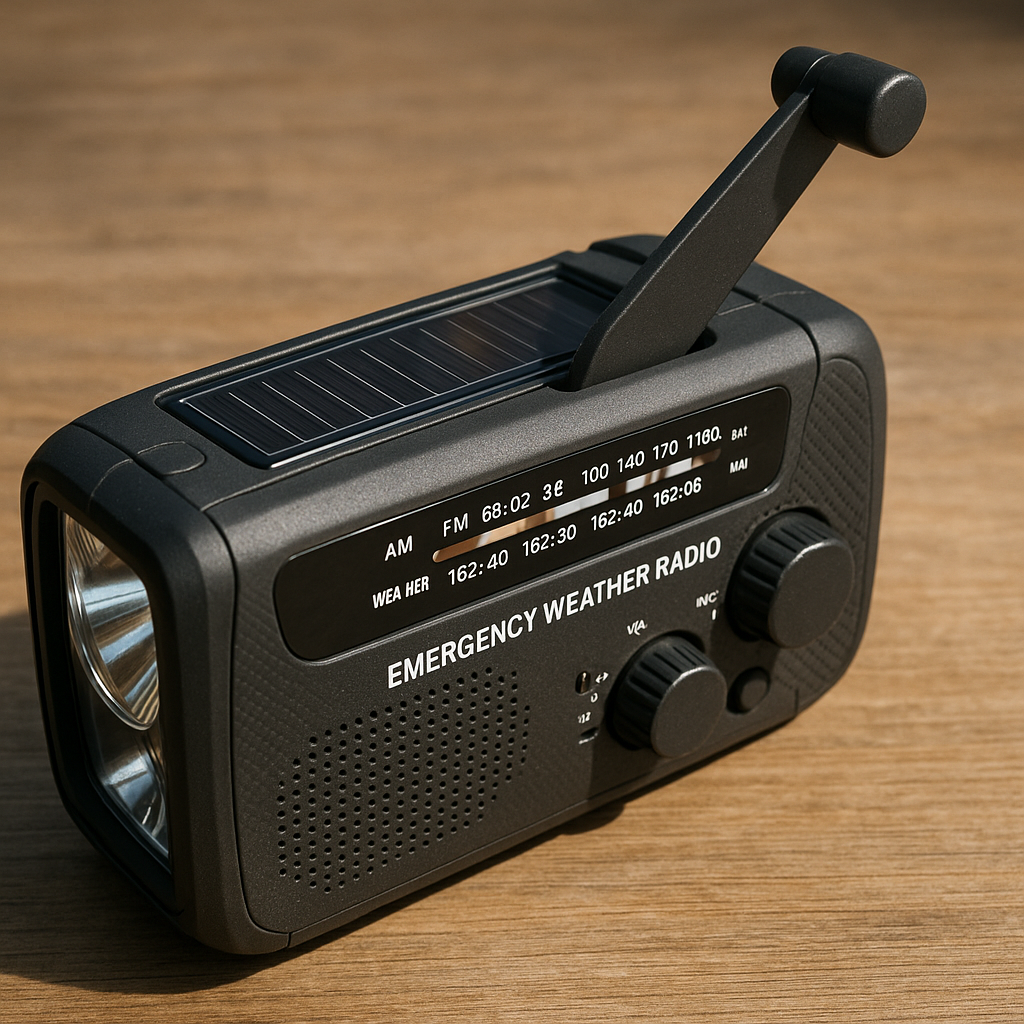
Power sources: Hand crank, solar panel built into the back, internal rechargeable lithium battery, and AA battery backup. Four independent power sources. This radio will work.
Phone charging: USB output can charge your phone. In a multi-day outage with no grid power, this single feature is worth the price difference over cheaper radios.
SOS beacon: Bright flashing strobe light visible for significant distances. Useful for signaling or marking a location.
Flashlight: Bright built-in flashlight with a separate SOS mode. Not a replacement for a dedicated headlamp but useful when the radio is already in your hand.
AM/FM: Clear reception on both bands. Local news and commercial emergency broadcasts are often more regionally specific than NOAA during non-weather events.
Build quality: The ER310 feels solid. It is not waterproof but it is weather-resistant enough to handle light rain. Thousands of verified reviews going back years consistently report the same: it works, it lasts, it is easy to use.
The one downside: The hand crank on the ER310 charges slowly. You are not going to power this radio indefinitely by cranking. It is a backup power source for short listening sessions, not a continuous power supply. Plan to also carry spare AA batteries.
Best Home Alert Radio: Midland WR400
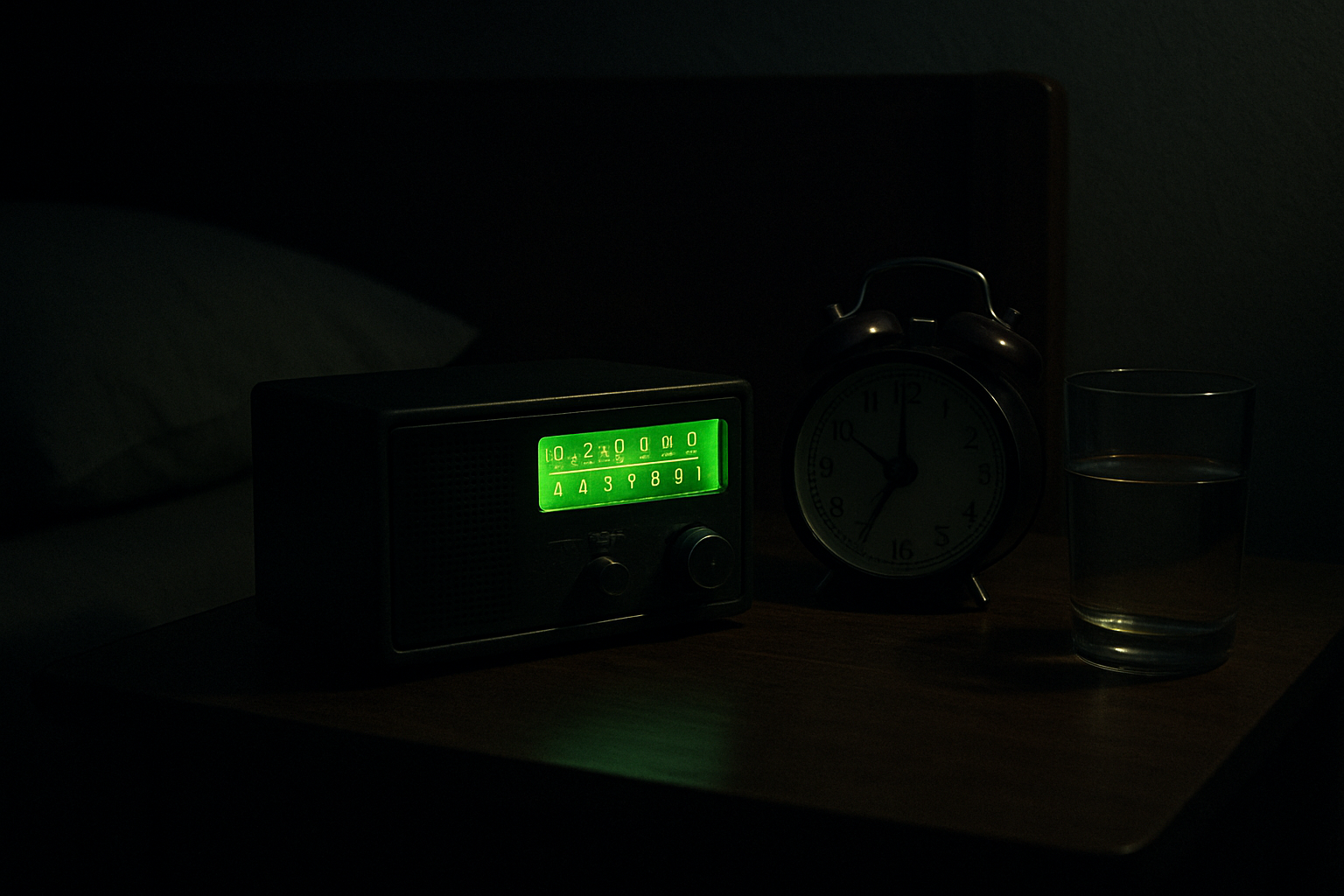
The Midland WR400 is designed to sit on a nightstand and wake you up during a nighttime emergency.

It is plugged into the wall at all times, stays charged, and its alarm is loud. Not just a tone, but a spoken voice alert that tells you what the emergency is and what county it affects. At 3 AM when a tornado warning is issued, you want to wake up immediately and know exactly what is happening. The WR400 does that.
SAME programming: Full county-level alerts. Only sounds for your area.
Alarm options: Alarm tone, LED strobe, and verbal description of the alert type. You can set it to play verbal alerts loudly even if the radio volume is turned down.
Backlit display: Easy to read the alert information when you wake up at night.
Battery backup: Nine AA batteries keep it running if power goes out. Always keep fresh batteries in it.
No phone charging, no hand crank: This radio stays home. It is not a portable field radio. Do not confuse its role with the ER310. One goes in your house, one goes in your bag.
Who needs this: Anyone who sleeps through phone notifications. Anyone in tornado, hurricane, or severe weather territory. Anyone with young children or elderly family members who need reliable nighttime alerting. Honestly, most households.
Best for Reception: Kaito KA500
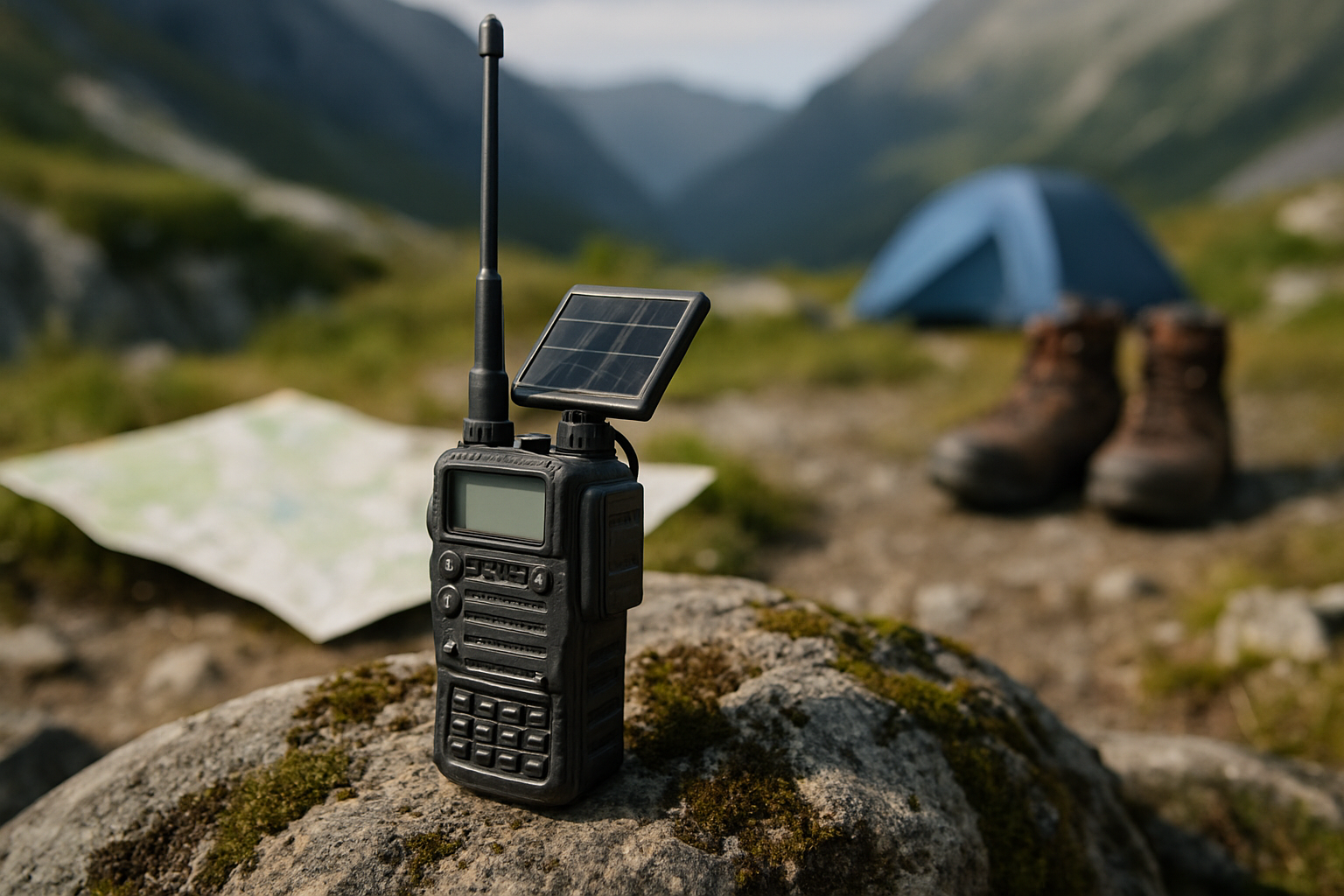
The Kaito KA500 is the choice for people who want the best radio reception available in a portable emergency package.

In addition to AM, FM, and all NOAA weather bands, the KA500 receives shortwave radio (SW1 through SW8). Shortwave lets you pick up international broadcasts, which matters in a prolonged national emergency where domestic broadcasts might be compromised or limited.
Antenna options: Built-in telescoping antenna, external antenna jack for improved reception, and a removable AM antenna loop. This radio genuinely picks up signals that cheaper radios miss.
Five power sources: Hand crank, solar, AA batteries, USB charging, and a built-in 18650 lithium cell. The built-in battery charges via USB and runs the radio for about 10 hours.
Phone charging: Yes, via USB output.
The downside: No SAME programming. The KA500 will alert for your general region, not just your specific county. For home use this is manageable if you are paying attention. For overnight alerting at home, the Midland WR400 with SAME is a better choice.
Who this is for: Serious preppers who want the best radio capability. People in rural areas or places with marginal signal. Anyone who wants shortwave access. Technical radio enthusiasts.
Best Budget Radio: RunningSnail MD-090P
The RunningSnail MD-090P costs about $28 and covers all the basics. It is not as capable as the Midland ER310 but it is far better than having nothing.

It covers AM, FM, and all NOAA weather bands. It has a hand crank, solar panel, and built-in rechargeable battery. The flashlight works. Phone charging via USB output is included.
What it lacks: No SAME alert programming. Weaker build quality than the Midland. Shorter battery life. The hand crank feels cheaper.
When to buy this: As a backup radio for a second location. As a first radio if budget is a real constraint. As a gift for someone who has no emergency radio at all and needs to start somewhere.
One honest note: For $27 more you can get the Midland ER310. If you are choosing between these two for your primary emergency radio, spend the extra money on the Midland. The RunningSnail is adequate, not excellent.
Best Mid-Range: Midland ER200
The Midland ER200 splits the difference between the budget RunningSnail and the premium ER310. At around $35, it is a solid choice for secondary bags, vehicles, and backup locations.

It covers all NOAA weather bands, has hand crank and solar power, charges phones via USB, and has a good flashlight. It lacks SAME county-level programming, which is its main limitation compared to the ER310.
For a get-home bag, vehicle kit, or second emergency kit at a cabin or parents’ house, the ER200 is a practical choice that does not cut corners on the critical features.
How to Set Up SAME Alerts on a Midland Radio
SAME (Specific Area Message Encoding) is the feature that makes the difference between a radio that wakes you up for your county and one that wakes you up for every county within 400 miles.
Setting it up takes about five minutes.
Step 1: Find your SAME code. Go to the NOAA website (weather.gov/nwr/counties) and look up your county’s SAME code. It is a 6-digit number.
Step 2: On the Midland ER310, hold the SAME button until you enter programming mode. Enter your county code using the number buttons. Confirm.
Step 3: Repeat for up to 25 counties if desired. Useful if you live near county lines or travel a regular route.
Step 4: Set the alert type. You can configure which types of alerts wake you up. At minimum, keep Tornado Warnings, Flash Flood Warnings, and Civil Emergency Messages enabled.
Once programmed, the radio monitors all NOAA channels continuously in standby mode and only sounds the alarm when an alert for your county is broadcast. No maintenance needed until you move.
What NOAA Broadcasts Cover
Many people assume NOAA weather radio only covers severe weather. It covers significantly more.
Weather: Tornado warnings, flash flood warnings, hurricane watches and warnings, winter storm warnings, blizzard warnings, thunderstorm warnings, high wind advisories, fog advisories.
Non-weather emergencies: Amber alerts (missing children), civil emergency messages (hazardous material spills, infrastructure failures, public safety threats), 911 service interruptions, boil water advisories, evacuation orders.
National emergencies: Presidential emergency alerts under the Emergency Alert System (EAS). In a major national emergency, the president can broadcast over NOAA radio to the entire country.
Routine information: Forecasts, marine weather, river flood levels, climate summaries. During a flood event, river stage information broadcast on NOAA can tell you if the water is rising or receding before you can see it.
What to Keep With Your Radio
A radio by itself is more useful with a few additions.
Spare AA batteries: Keep eight to twelve AA batteries sealed in a plastic bag inside your kit. Rotate them annually. Lithium AAs last longer in cold weather and have a 10-year shelf life in storage.
Notebook and pen: When an alert comes through, write down the key details. What type of alert. What area. What time. What action recommended. You will not remember all of it.
Area map: A printed map of your county and neighboring counties. When an alert says “west of Highway 9 between mile markers 14 and 32,” you want to be able to find that quickly on paper.
The Midland ER310 is the radio to buy. For the home bedside, add the Midland WR400. That combination covers both your mobile and home emergency information needs for under $110 total.
The Bottom Line
An emergency radio is one of the cheapest, simplest, and most reliable preps you can make. It requires no maintenance, no ongoing cost, and no skill. You set it up once and it watches for threats on your behalf, every hour of every day, even while you sleep.
The Midland ER310 does everything you need. Buy it, program your SAME code, put it in your bag, and do not think about it again until you need it.
If you have a family, add the WR400 for the bedroom. Two radios, under $110, complete.
Reviewed by Marcus T. (ham radio operator, backup power systems) and James W. (retired firefighter, 22 years emergency services).