 Ready
Ready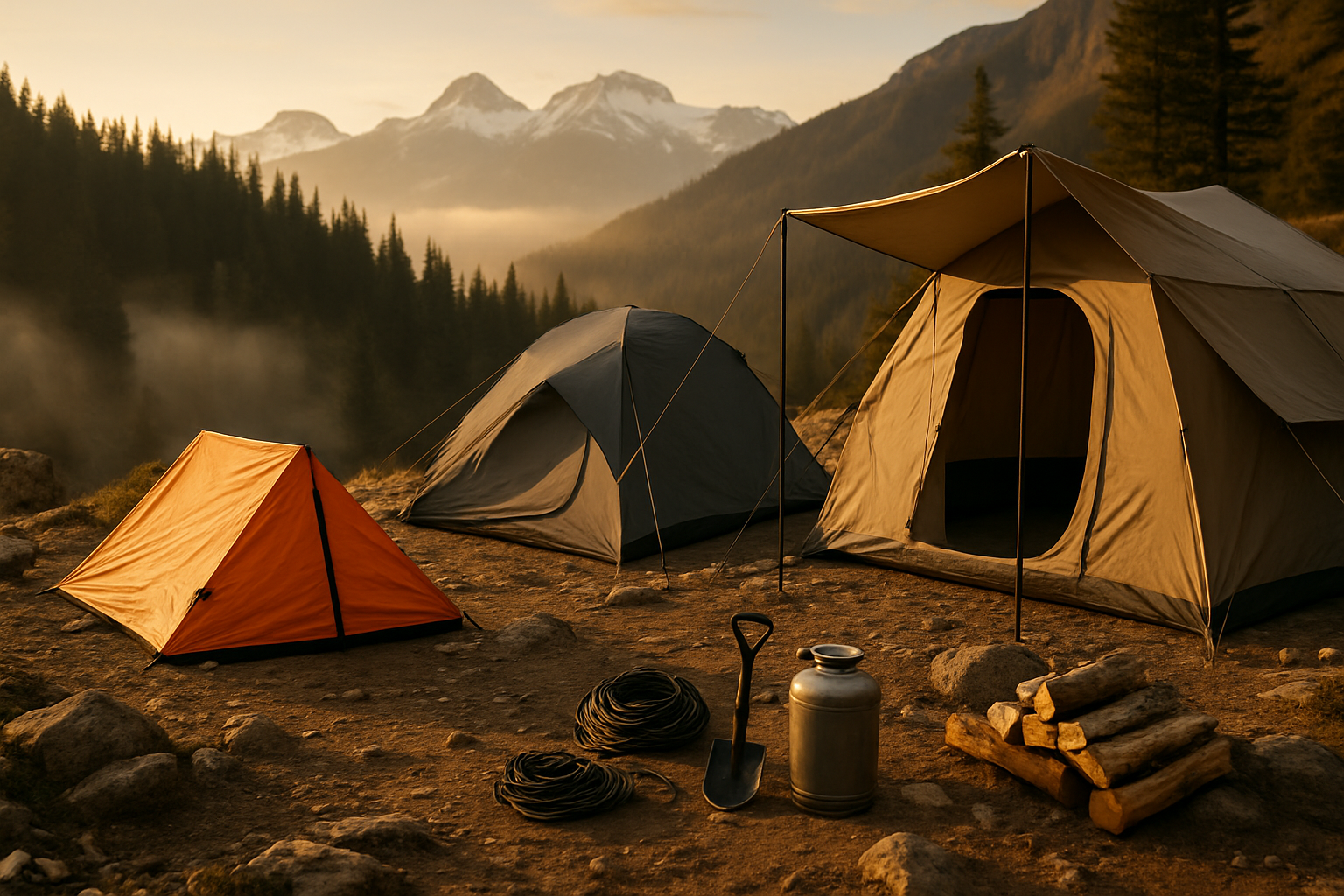
Best Emergency Shelter Tents for Camping (2026): Survival Shelters to Full Cabin Tents
Shelter is one of your most basic needs. When you are outside, the weather can turn fast. Rain, wind, and cold can wear you down in hours. A good tent keeps you dry, warm, and safe. That matters on a fun camping trip. It matters even more in an emergency.
This guide covers a wide range of tents. That is because the best tent for you depends on your plans. There is no single right answer for everyone.
We split the picks into two main groups.
The first group is lightweight survival shelters. These are small and pack down tiny. They fit in a bug-out bag, a car kit, or a hiking pack. Some weigh less than a phone. They are cheap and simple. They give you cover fast when things go wrong.
The second group is roomy family cabin tents. These are for car camping. They are big, tall, and easy to set up. Some pop up in two minutes or less. They fit whole families with room to spare.
The right pick comes down to three things. Your scenario, your budget, and how many people you need to cover. A solo hiker needs a different tent than a family of six.
Below, we break down the top options in each group. We compare size, setup, weather protection, and price so you can choose with confidence.
- Setup Speed: Look for poles that lock into place so you can pitch it in a couple of minutes.
- Weather Protection: Pick a shelter with a rainfly and sealed seams to keep rain and wind out.
- Sleeping Capacity: Match the size to your group, counting extra room for gear.
- Pack Weight: Choose something light and compact if you plan to carry it in a bag.
Below are the shelters we trust most for camping and emergencies. Keep reading the full article to see how each one earned its spot.

CORE 10 Person Instant Cabin Tent
This one earned Top Pick for its mix of roomy space, dependable weather protection, and fast setup. The 1200mm fabric, taped rainfly, and sealed seams keep you dry, and it pops up in about two minutes, making it the most useful full-featured shelter of the group.

Emergency Survival Mylar Shelter
This pick is the simple grab-and-go choice for your bag. It reflects heat back to your body and folds down small so it is easy to carry anywhere.

Onewind Bushcraft Poncho Shelter
This is the most versatile option, working as both a tarp and a temporary tent. It packs super light, so it fits well in a bug-out bag or day hike kit.

CORE 9 Person Instant Cabin Tent
This premium pick brings the same fast pop-up setup with a full rainfly for strong weather protection. It gives large families a roomy, dependable shelter that goes up in about two minutes.
In this guide



Reviewed by Ryan C., Marcus T. & Elena V. — contributors with hands-on preparedness experience. How we test
Why Trust This Guide?
This article was researched and reviewed by contributors with hands-on experience in emergency preparedness. They have tested gear, built real systems, and lived through situations where these skills actually mattered.
Emergency Shelter Tents at a Glance
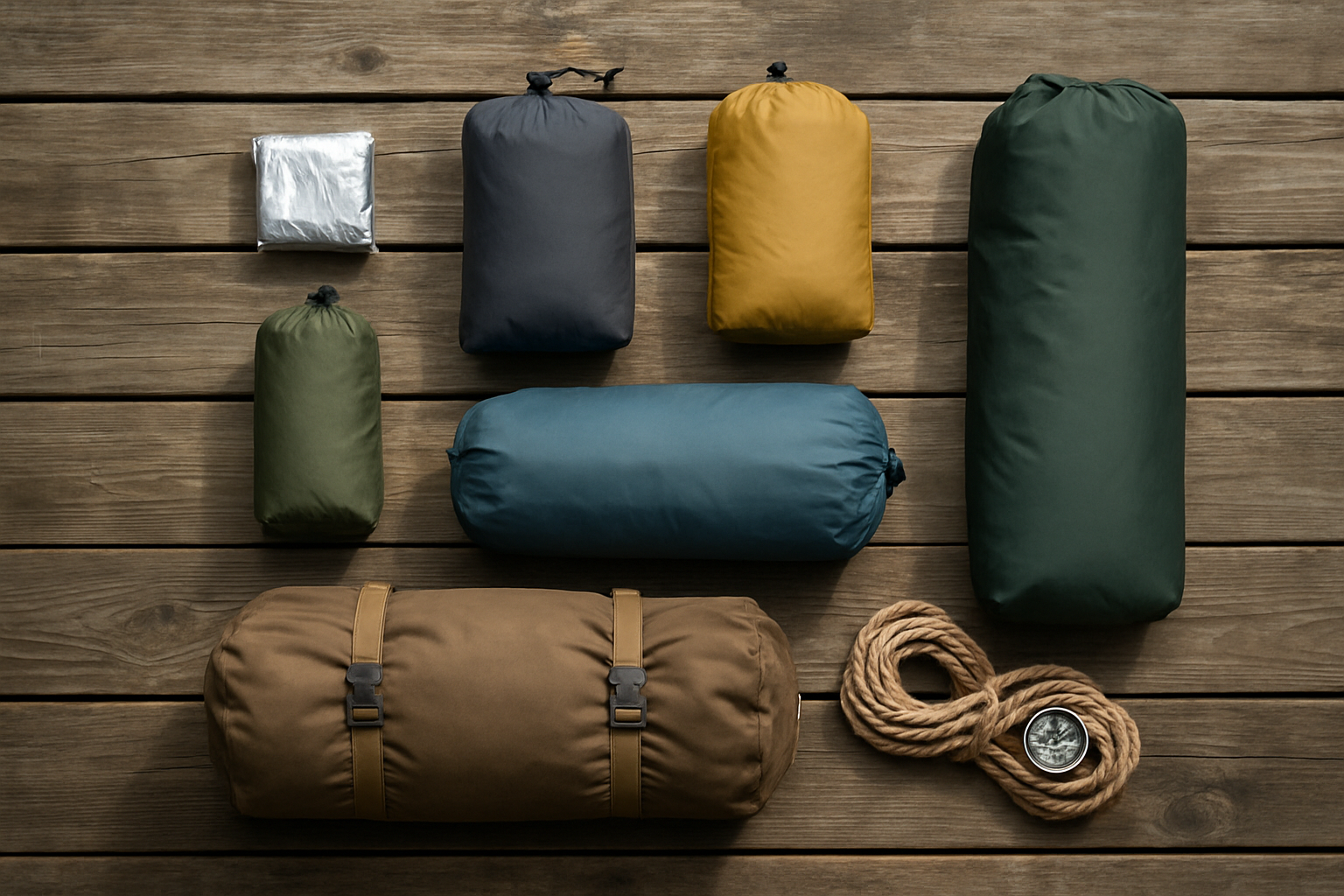
This guide covers eight shelters. They range from big family cabin tents to tiny mylar survival tents. The table below lets you scan the key facts fast. Use it to pick two or three options. Then read the full reviews for those picks.
Each shelter fits a different need. Some are made for car camping with the whole family. Others fit in a jacket pocket for emergencies. Weight and packed size matter most for backpacks and bug-out bags. Capacity and weather protection matter most for family trips.
Here is a quick look at each one.
The Core 9 Person Instant Cabin Tent is our best overall family pick. It sets up in two minutes and sleeps up to nine.

The CORE 10 Person Cabin Tent adds more room. It fits four queen air beds and works well for big groups.

The CORE 4 Person Set is a bundle. You get a tent, a table, and two chairs in one bag.

The Onewind Poncho Shelter is the lightest full option. It doubles as a rain poncho and weighs just 10.6 ounces.

The SURVIVE Mylar Tent has doors on both sides. It traps body heat and fits in a survival kit.

The Go Time Gear tube tent is a budget emergency shelter. It weighs under nine ounces and comes with paracord and a whistle.

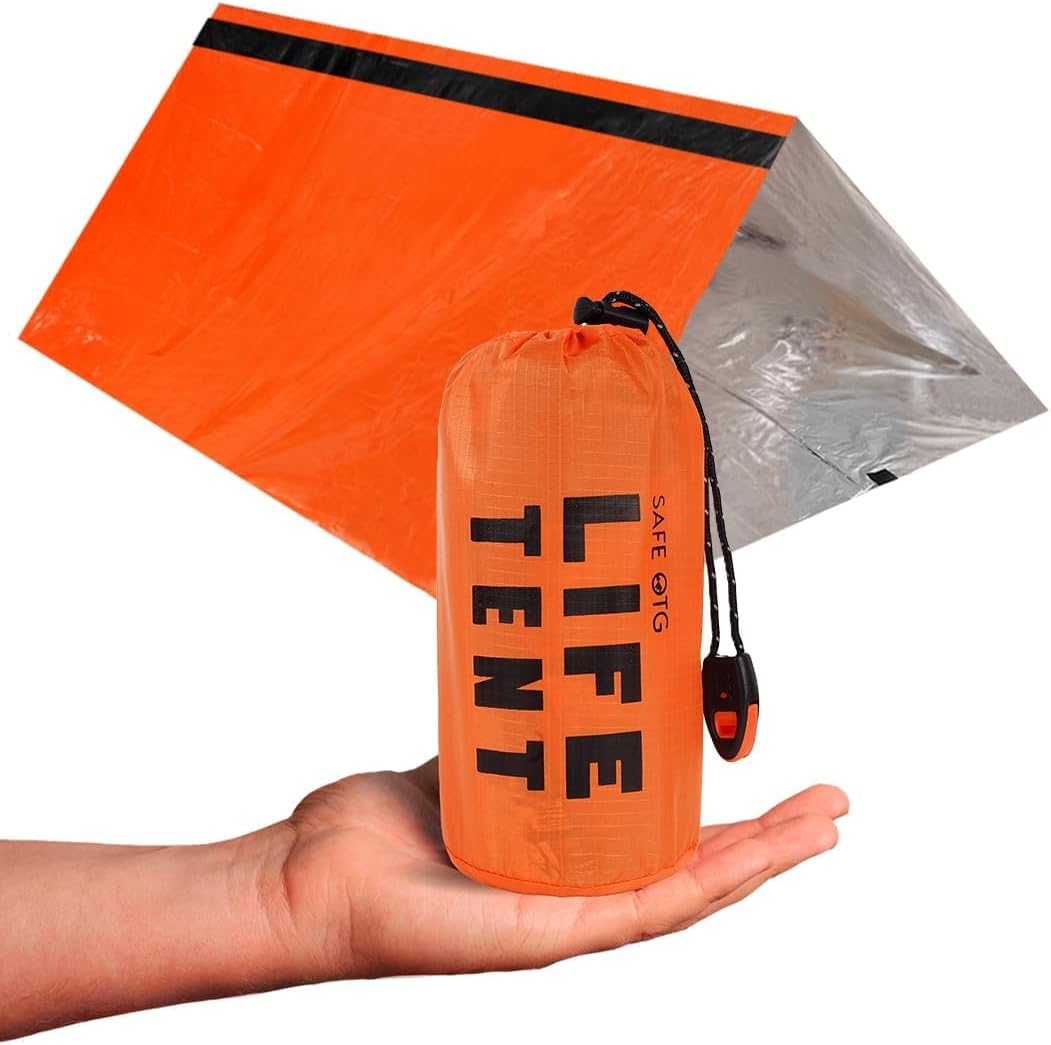
The Life Shelter tube tent is the cheapest option here. It costs under twelve dollars and reflects up to 90 percent of body heat.
The CORE 14x9 High-Capacity Cabin Tent is the biggest pop-up. It is priced higher but gives you a large multi-room space.

Match the shelter to your trip. Big cabin tents are best when you drive to your site. Mylar tents and the poncho shelter are best for packs and emergencies. The detailed reviews cover setup, comfort, and real-world use next.
Best Overall Family Tent: Core 9 Person Instant Cabin Tent
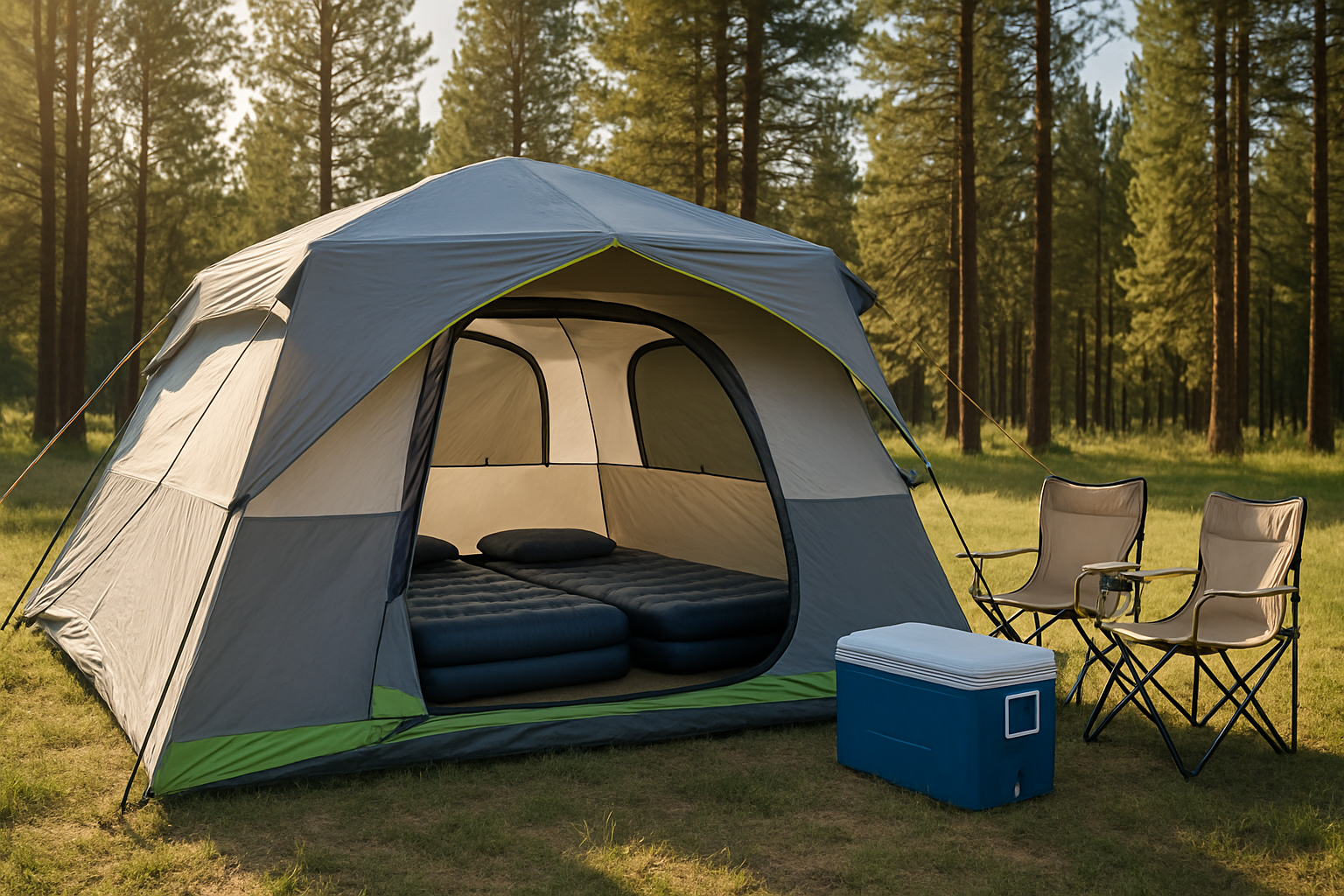
If you want one tent that does most jobs well, the Core 9 Person Instant Cabin Tent is a smart place to start. It works great for family car camping. It also makes a solid base camp shelter if you need room for people and gear. It hits a good balance of space, weather protection, and easy setup.
Setup in Two Minutes
The best feature here is the instant pop up design. The poles are already attached to the tent. You unfold it, extend the poles, and lock them into place. That is it. Core says you can have it up in two minutes or less.
This matters more than you might think. If a storm rolls in fast, you want shelter up quick. If you get to camp after dark, you do not want to fumble with loose poles. A tent that goes up fast is a tent you will actually use.
Room for the Whole Family
The tent measures 14 feet by 9 feet. The center height is 78 inches. That means most adults can stand up straight inside. Standing room makes a big difference when you are changing clothes or waiting out rain.
Core rates it for up to 9 people without gear. In real life, that number is tight. A better plan is 4 people with all their gear and sleeping pads. It fits two queen size air beds. So a family of four sleeps comfortably with room to spare.
Think of the 9 person rating as a max, not a goal. For comfort, plan for fewer people and more space.
Weather Protection That Holds Up
The tent uses Core’s H20 Block Technology. The fabric is rated at 1200mm. That number tells you how well it keeps water out. A 1200mm rating handles steady rain well.
The tent also comes with a fully taped rainfly. The seams are sealed. The windows fully zip shut. These small details stop leaks at the spots where water usually sneaks in. You also get guylines and steel stakes. Stake it down and add the guylines in wind, and the tent stays put.
Who It Suits Best
This tent fits families and small groups who camp from a car. It is not light. It is not made to carry far on your back. But that is fine for most people. You drive to the site, set it up fast, and enjoy the room.
Pick this one if you want space, quick setup, and solid rain protection in a single tent. It is a strong all around choice for weekend trips, longer stays, and even a backyard emergency shelter close to home.
Best Multi-Room Cabin: CORE Instant Cabin Tent (10 Person)
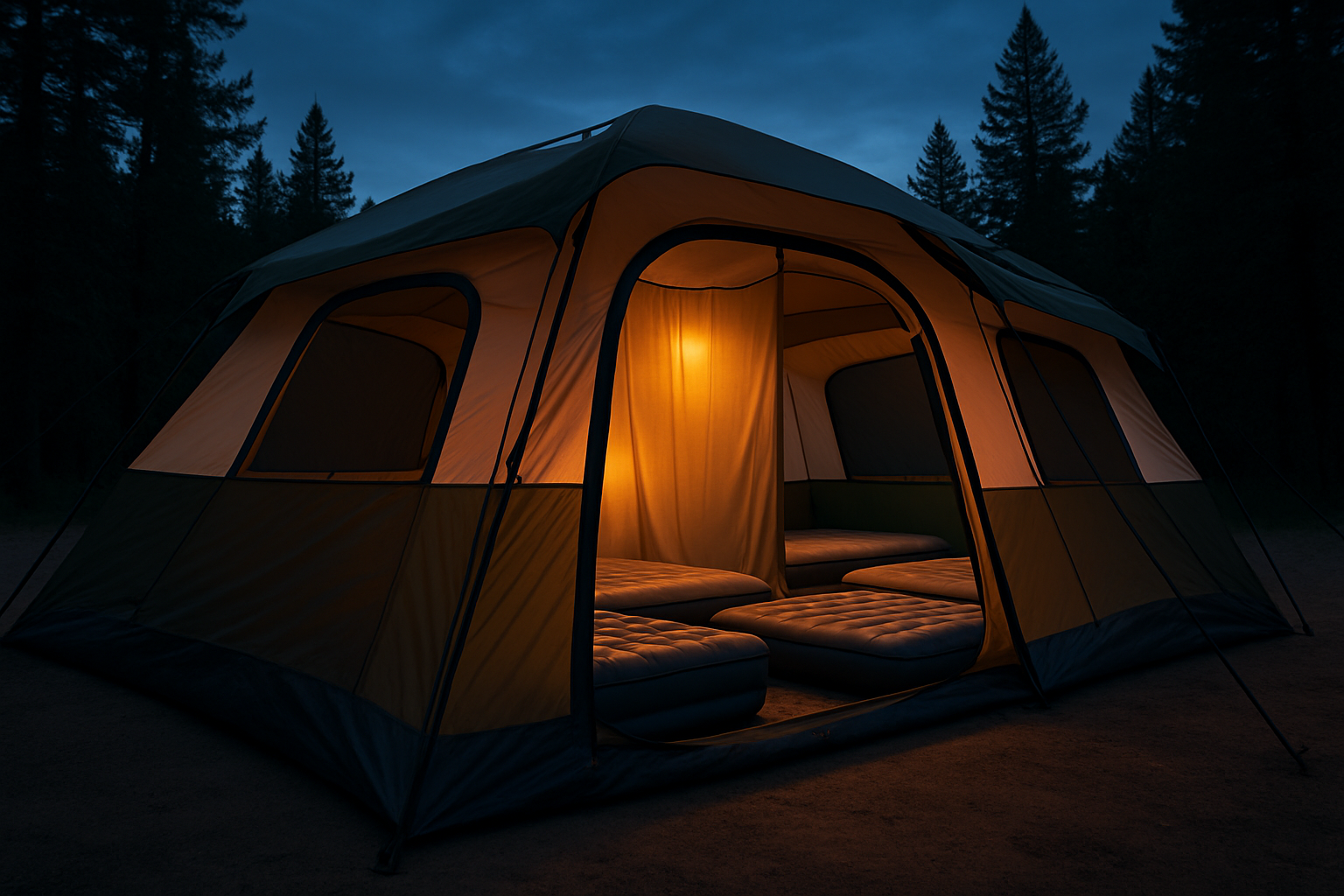
When you need room for a big group, the CORE Instant Cabin Tent (10 Person) gives you space to spread out. This tent measures 14 by 10 feet. That is a large floor. It fits four queen-size air beds. You can sleep up to 10 people without gear. If you bring gear, plan for about 5 people with room to move.
Fast Setup for a Big Tent
Large tents can be hard to put up. This one is not. It uses instant pop-up technology. The poles are already attached to the tent. You just unfold it and lock the poles in place. CORE says setup takes 2 minutes or less. That is a big deal for a tent this size. You will not spend your first hour at camp fighting with poles.
The center height is 78 inches. That is 6 feet 6 inches. Most people can stand up straight inside. You will not have to crouch or crawl. That makes changing clothes and moving around much easier.
Why Room Dividers Matter
The best reason to pick this tent is the room dividers. You can split the inside into separate spaces. This helps in a few ways.
Kids can have their own side. Adults can have theirs. If someone goes to bed early, they can sleep while others stay up. You can also use one section for gear and the other for sleeping. That keeps your sleeping area cleaner.
The tent has built-in storage pockets too. You can keep phones, flashlights, and small items off the floor. Small things stay easy to find.
When the Extra Space Is Worth It
This tent costs more than smaller options. So think about your needs before you buy.
The extra space and dividers are worth it if:
- You camp as a big family or with friends.
- You want kids and adults in separate areas.
- You bring a lot of gear and want room for it.
- You like to stand up and move around inside.
The 10 person tent may be too much if you camp alone or with one other person. A smaller tent will pack down lighter and cost less. But if privacy and space matter to you, this tent earns its higher price.
Things to Keep in Mind
This is a car camping tent. It is heavy and large when packed. You will not carry it far on foot. Plan to set it up near where you park.
The tent is made of 100 percent polyester. That helps it shed light rain. For heavy weather, check the seams and use the rainfly. A big tent catches wind, so stake it down well.
For groups that want room to breathe, this CORE cabin tent is a strong pick.
Best Camping Bundle: CORE 4 Person Instant Cabin Tent Set
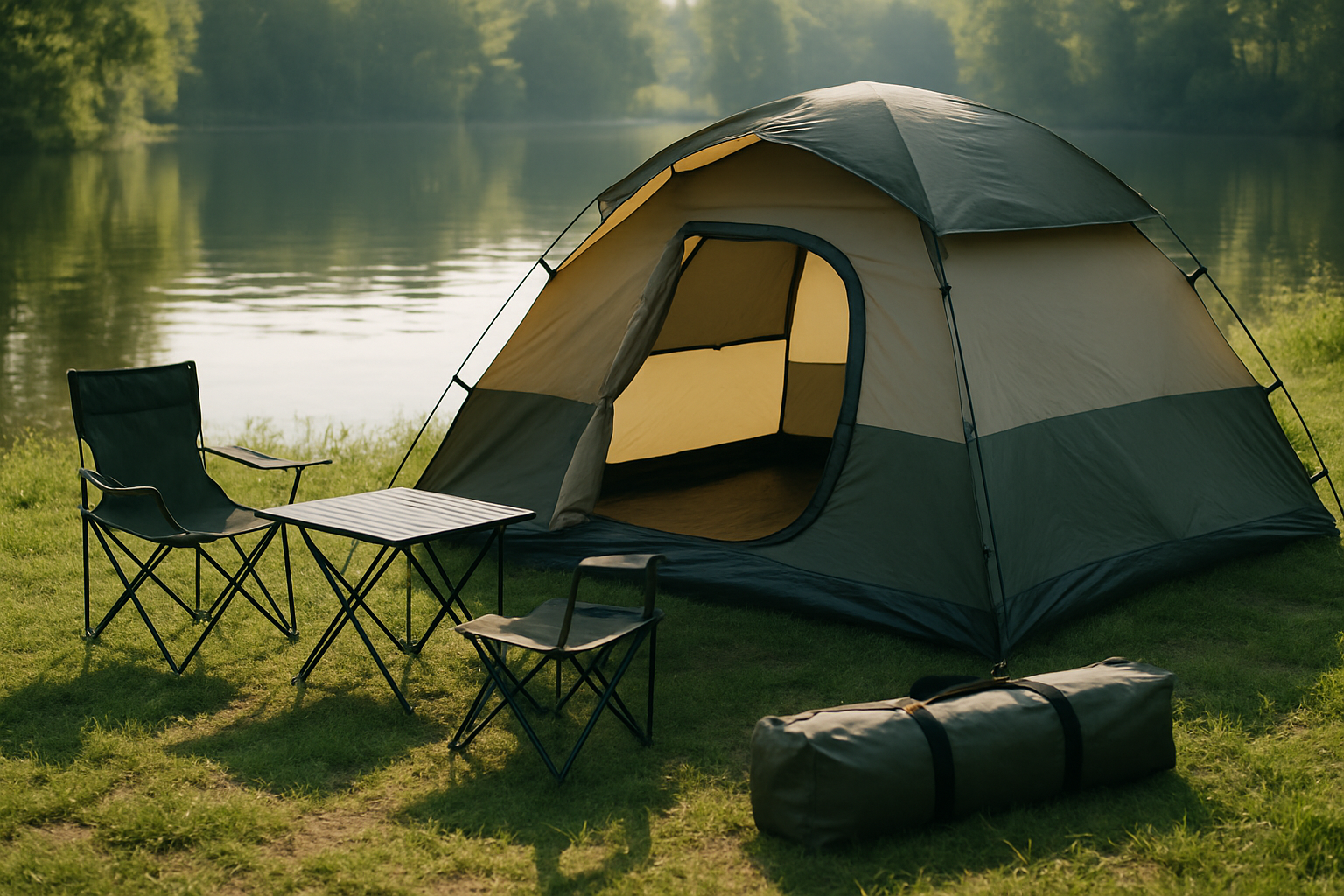
If you are just getting started with camping, buying gear one piece at a time gets confusing. You need a tent, a table, and chairs. You have to guess if they all fit together. This bundle solves that problem. It gives you the main gear in one box.
What comes in the set
The CORE 4 Person Instant Cabin Tent Set includes three things. You get a 4-person pop-up cabin tent. You get an outdoor table. You get two padded quad chairs. All of it packs into a single carry bag. That makes it easy to load in the car and carry to your site.
The tent measures 8 by 7 feet. The center height is 54 inches. That is not quite tall enough to stand up in, but it gives you room to sit up and move around. It fits one queen-size air bed. Two people can sleep in it with room for gear. You can fit up to four people if you skip the extra gear.
Fast setup
The tent uses instant pop-up poles. The poles come pre-attached to the tent. You do not thread them through sleeves. You just unfold the tent and lock the poles into place. CORE says setup takes 60 seconds or less.
That speed matters when you reach camp late or the weather turns. You want your shelter up fast. A quick setup also helps if you are new to camping and still learning the ropes.
Who it fits best
This set works well for couples. It also works for small families with young kids. The tent is a good size for two adults or two adults and a couple of small children. The table and chairs give you a spot to eat and relax without more shopping.
Here is how the pieces stack up.
The value angle
Buying a tent, table, and chairs on their own can add up. Getting them together in one set often costs less. It also saves you time. You do not have to match sizes or check if the chairs pack with the tent. It is all made to travel together.
Keep in mind this is car camping gear. The full set is not light enough to backpack with. But for family car camping trips, it covers the basics in one purchase. If you want an easy start to camping, this bundle is a smart pick.
Best Ultralight Shelter: Onewind Poncho Shelter
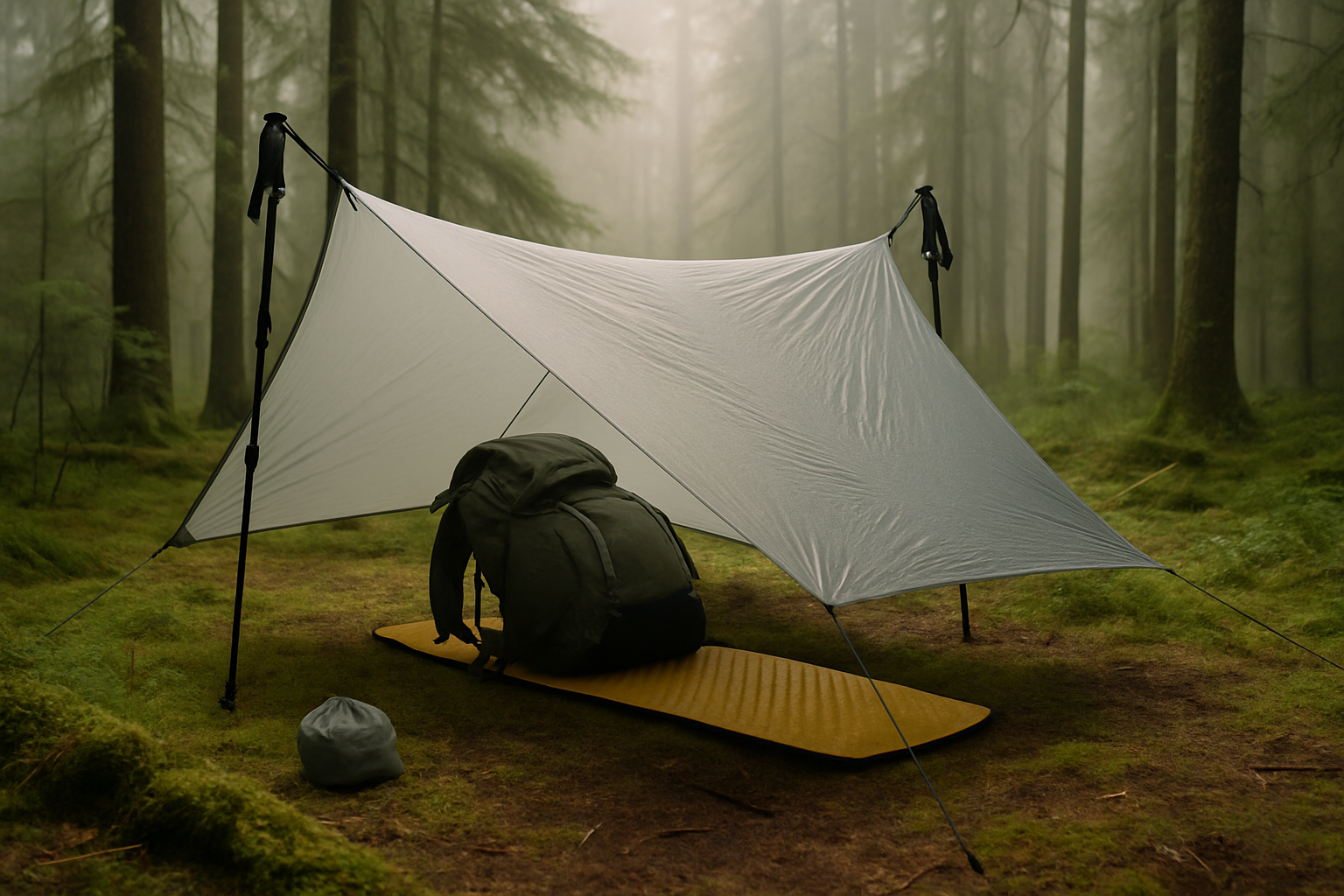
Sometimes you do not need a big tent. You need something small and light that you can carry all day. That is where the Onewind Poncho Shelter comes in. It weighs just 10.6 ounces. That is lighter than most water bottles.
What Makes It Different
Most shelters do one job. This one does two. It works as a tarp shelter to sleep under. It also works as a rain poncho you can wear. You slip it over your head like a long cape. Then you reach up and pull the cord around your neck to make a hood. Now you can hike in the rain and stay dry.
When you stop for the night, you set it up as a shelter. You use a trekking pole or a stick to hold it up. Then you stake down the corners. It covers one person. It also leaves a little extra room for your gear. This saves weight because you do not pack a tent and a rain jacket. You pack one item that does both.
Built for the Trail
The shelter is made from 1.1 ounce ripstop silnylon. It has a silicone PU coating. This helps it shed water and block light rain. It also holds up against wind. Silnylon is a common fabric for gear made for backpacking. It is thin but strong.
The whole thing packs down to the size of your palm. It is about 8.7 inches long when packed. It fits in a small stuff sack. You can drop it in a bug-out bag and forget it is there. The shelter is 10.6 ounces. The suspension cords add 3 ounces. So the full setup is still under a pound.
Who Should Buy It
This shelter is not for a family. It covers just one person. But it is a great pick for the right camper.
- Backpackers who count every ounce will like the low weight.
- Minimalist campers who want less gear will like the two in one design.
- Bug-out bags are a good home for it since it packs so small.
Keep in mind what it does not do. It has no floor and no bug netting. Rain can splash in from the sides in a hard storm. Bugs can get to you at night. So it works best in fair weather or as backup gear. If you want a fully sealed tent, this is not it.
But if you want the lightest shelter you can carry, the Onewind is hard to beat. It gives you rain gear and a place to sleep in one small package. For solo trips and emergency kits, that is a smart trade. You can learn more about the Onewind Poncho Shelter before you pack it.
Best Emergency Survival Tent: SURVIVE Mylar Shelter with Doors
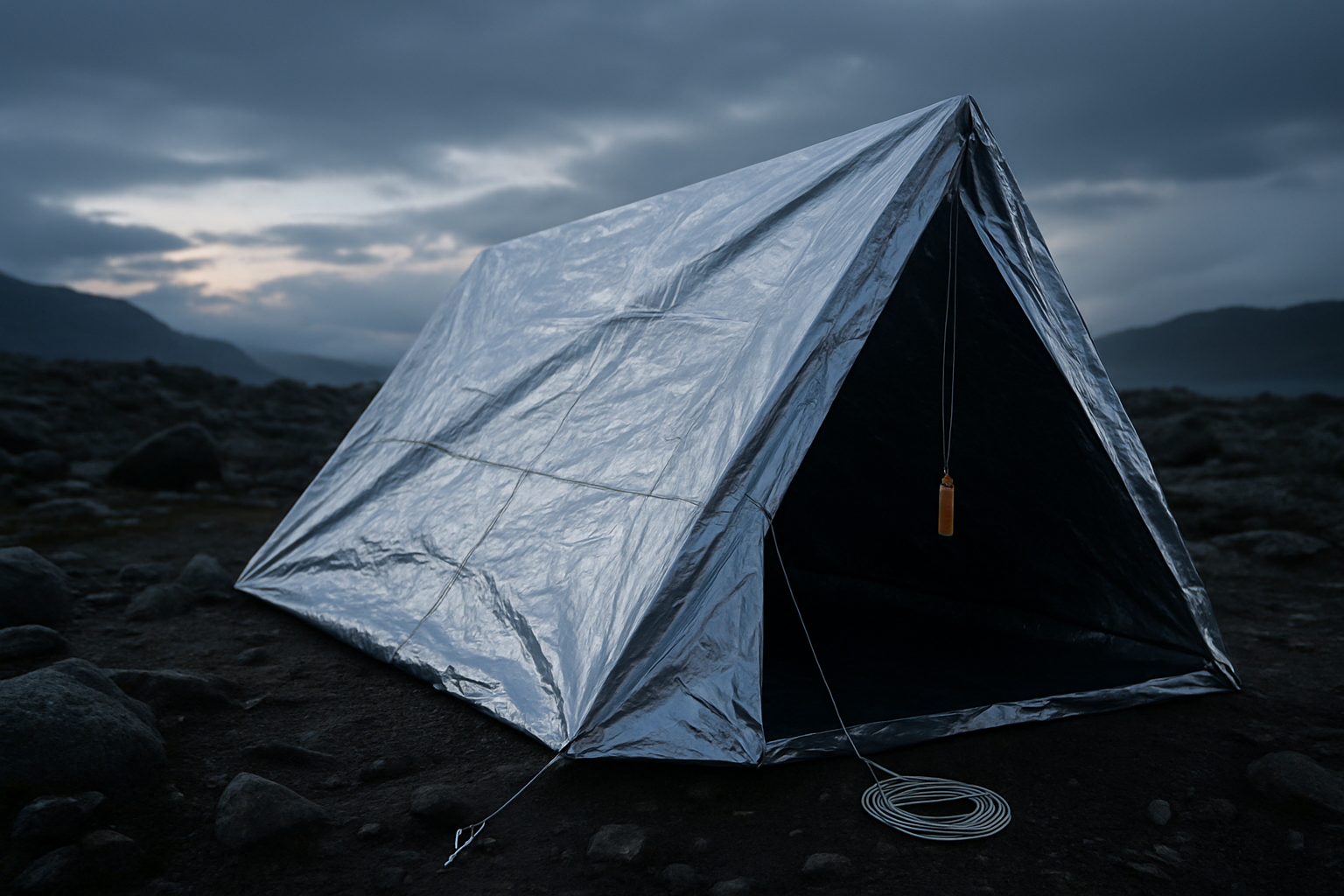
Not every shelter needs to be big. Sometimes you just need something small that keeps you warm and dry. The SURVIVE Mylar Shelter fits that job. It is a 2 person emergency tent made from mylar. That is the same shiny material used in space blankets. It reflects your body heat back at you. This helps you stay warm in cold weather.
Small size, easy to carry
This shelter is tiny when packed. It rolls down to about 3 inches wide and 6 inches long. It weighs only 11 ounces. That is less than a can of soda. You can toss it in a backpack, a car glovebox, or a bug out bag. You will barely notice the weight. This makes it a smart pick for hikers, hunters, and anyone who wants a backup shelter close by at all times.
To set it up, you string the included paracord between two trees or poles. Then you drape the mylar over the cord. It works like a simple A frame tent. You get 22 feet of paracord in the package. That is enough to hang the shelter and still have some cord left for other tasks.
Thermal reflective protection
The main job of this shelter is to keep you warm. Mylar reflects up to most of your body heat. When you crawl inside, the walls bounce that heat back toward you. This can make a big difference on a cold night. It also blocks wind, rain, and snow from hitting your body. That helps you avoid getting too cold, which is one of the biggest dangers in a survival situation.
The bright color has a second use too. It is easy for rescuers to spot. If you are lost or hurt, a shiny shelter stands out against trees and dirt.
Why the door design beats basic tube tents
Most cheap emergency shelters are open tube tents. Both ends stay open to the air. That lets wind and rain blow right through. The SURVIVE shelter is different. It has doors on both sides. You can close them up to seal out the weather. The maker suggests using a rock to hold the doors shut. Once closed, the doors keep the wind, rain, and snow out. They also trap more of your body heat inside.
This is the main reason it edges out basic tube shelters. A closed space holds warmth far better than an open one. On a cold or wet night, that matters a lot.
The kit also comes with a whistle. You can use it to call for help or signal rescuers. For under $25, this is a solid, no fuss survival shelter to keep on hand.
Best Budget Emergency Tents: Go Time Gear and Life Shelter Tube Tents
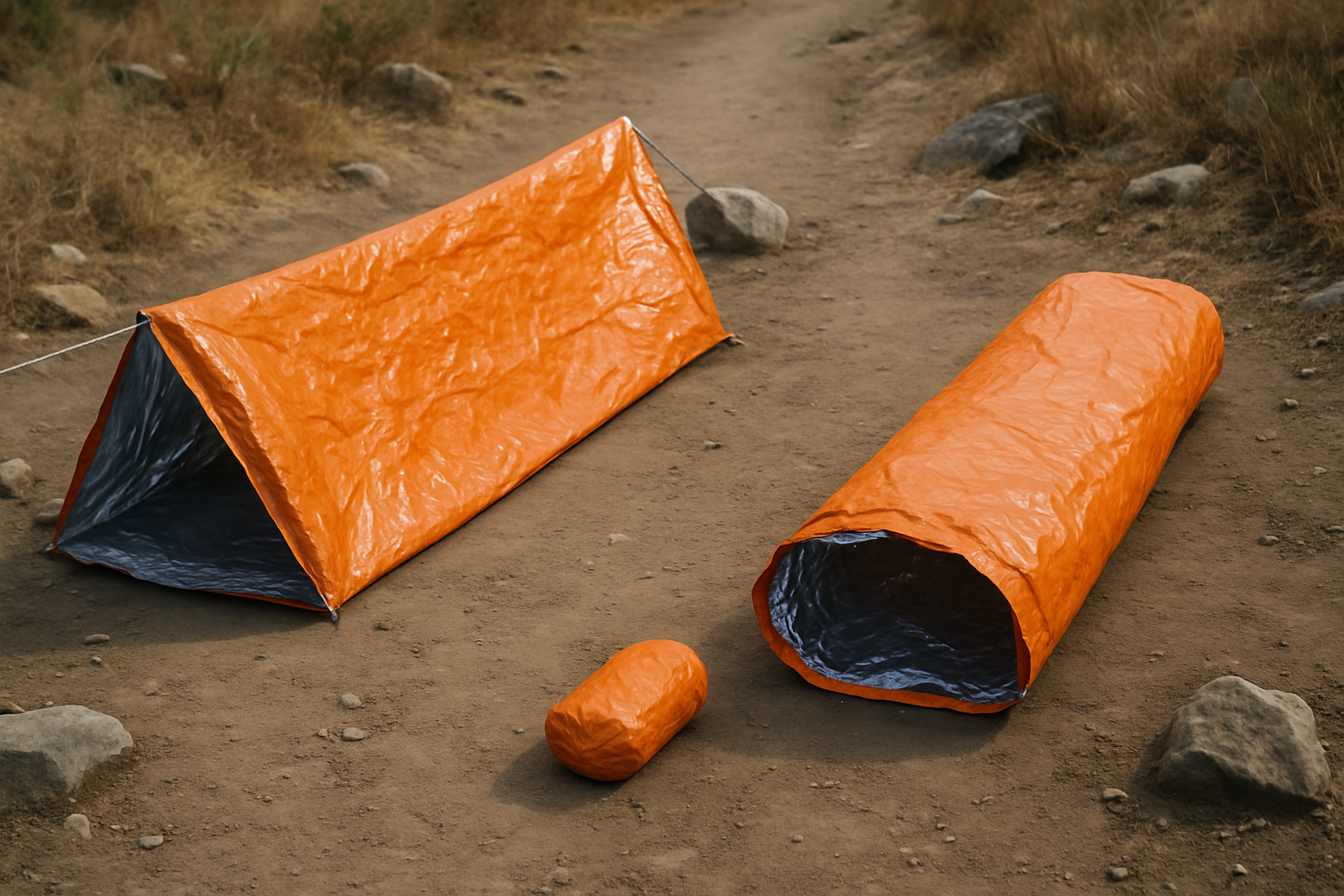
Not every shelter needs to be a big cabin tent. Sometimes you just need something small and cheap that could save your life. That is where mylar tube tents come in. They cost about the price of a fast food meal. They weigh almost nothing. You can toss one in every backpack, car, and emergency kit you own.
Two options stand out here. Both work in a similar way. Both are worth having.
How Mylar Tube Tents Work
A tube tent is a simple sheet of tube-shaped material. You run a cord through it and tie it between two trees or poles. Then you crawl inside. The mylar lining reflects your body heat back at you. That heat is what keeps you alive in the cold.
The Go Time Gear Survival Life Tent is a top pick in this class. It weighs only 8.7 ounces. It comes with paracord and an emergency whistle. The bright orange color helps rescuers spot you. It fits in any bugout bag without taking up space.
The Life Shelter Mylar Tube Tent works the same way and costs even less. The maker says it can hold up to 90 percent of your body heat. It also blocks rain, snow, and wind. It folds down tiny and comes with a whistle and paracord too. At under twelve dollars, it is easy to buy a few and stash them in different spots.
What to Expect at This Price
These tents are for emergencies, not for a fun weekend trip. Set your expectations right so you are not let down.
First, they are not roomy. Both are made for two people, but two people will be tight. One person plus gear is more realistic.
Second, mylar can tear. It is thin. Sharp sticks or rocks can poke holes in it. Clear your ground before you set up. Handle it with care.
Third, they need a cord line to stand. You tie the paracord between two points. If there are no trees, you need poles or trekking sticks. Plan for that.
Fourth, moisture can build up inside. Mylar traps heat, but it also traps the water in your breath. A little airflow helps. Leave the ends open when you can.
The Bottom Line
Both of these tube tents belong in your kit. They are cheap, light, and easy to store. They will not replace a real tent for camping. But when the weather turns bad or you get stuck outside, they can keep you warm and dry. Buy a couple. Put one in each car and each pack. You will be glad they are there.
Best High-Capacity Pop-Up: CORE Instant Cabin Tent (14x9)
If you camp often and want a lot of room, this tent is worth a look. The CORE Instant Cabin Tent measures 14 by 9 feet. That gives you plenty of floor space for a family and their gear. The center height is 78 inches. Most adults can stand up straight inside. That makes changing clothes and moving around much easier.
Fast setup you can do alone
The best part of this tent is the instant pop up design. The poles are already attached to the tent. You just unfold it and lock the poles into place. CORE says you can set it up in two minutes or less. That matters when you reach camp late or a storm rolls in fast. You do not need to sort through loose poles or read a long guide. One person can put it up without much trouble.
Room for the whole family
Inside, the tent fits two queen size air beds. That is a big deal for families who like real comfort. You can sleep four people with all their gear. Or you can pack in up to nine people without gear. The wide floor plan means kids and adults are not stacked on top of each other. There is space to spread out and rest.
The tent also has built in storage pockets. You can keep phones, flashlights, and small items off the floor. This keeps the space neat and helps you find things in the dark.
Weather protection that holds up
This tent uses H20 Block Technology. The fabric has a 1200mm rating. That number tells you how well it keeps rain out. A higher number means better water resistance. The rainfly is fully taped. The seams are sealed. The windows fully zip shut. All of this works together to block rain and wind.
The tent comes with guylines and steel stakes. You use these to anchor the tent to the ground. Staked and tied down the right way, it stands firm in wind. This is why it fits families who camp in changing weather. You get more peace of mind on nights when the sky turns bad.
Who should buy it
This is a premium tent at $429.99. It costs more than a basic shelter. But you are paying for durability, space, and quick setup. If you camp a few times a year or more, that value adds up. It suits families who want one strong tent that lasts many seasons.
If you camp less often or need a smaller pack size, a lighter shelter may fit you better. But for a big group that wants comfort and easy setup, this CORE tent is hard to beat.
How to Choose an Emergency Shelter Tent
Picking the right shelter comes down to how you plan to use it. A weekend family trip needs a very different tent than a bug-out bag. Here are the main things to think about before you buy.
Match the Tent to Your Use
Start with your real needs. Are you car camping with your family? Then a big cabin tent makes sense. You have room in the trunk, so weight does not matter much. Are you packing light for a hike or building an emergency kit? Then you want something small and light instead.
A survival shelter and a family tent do two different jobs. Do not force one to do the other.
Think About Capacity
Tent capacity numbers can trick you. A tent rated for 9 people fits 9 people with no gear. In real life, you get much more comfort with fewer people. The Core 9 Person Instant Cabin Tent comfortably fits 4 people with gear, even though it is rated for 9.
A good rule is to size up. If you have a family of 4, look at a tent rated for 6 or more. That gives you space for bags, boots, and moving around.
Weight and Packed Size
Weight matters most when you carry the tent on your back. A family cabin tent can weigh a lot and pack big. That is fine in a car. It is not fine on a trail.
For a go-bag, small and light wins. The Onewind Poncho Shelter weighs only 10.6 ounces and packs to the size of your palm. Mylar shelters like the Go Time Gear Survival Life Tent weigh even less. They fit in a glove box or backpack pocket.
Weather Resistance
Look at how the tent keeps you dry and warm. Cabin tents use waterproof ratings. The Core tents use 1200mm fabric with taped seams and a sealed rainfly. That handles rain and wind well.
Emergency shelters work in a different way. Mylar shelters reflect your body heat back to you. They can hold up to 90% of your heat. That helps you survive a cold night.
Setup Speed
In an emergency, fast setup keeps you safe. Instant cabin tents pop up in about 2 minutes. The poles are already attached. Mylar tube tents just need a line strung between two points. Both are quick, which is what you want when weather turns bad.
Budget
Price ranges are wide. A basic mylar shelter costs around $12 to $25. A large family cabin tent can run $290 or more. Do not overspend on features you will not use. Buy the tent that fits your real trips and your real risks.
Frequently Asked Questions
How long does a mylar emergency tent last?
Mylar tents are made to be used a few times, not forever. Most are meant for short-term or one-time use in an emergency. The thin mylar can rip or crease if you fold and unfold it a lot. If you buy something like the Life Shelter mylar tube tent, plan to replace it after heavy use or if you spot any tears.
The good news is they are cheap. You can keep a few spares and swap them out without spending much. Check your emergency kit once a year. Make sure the package is still sealed and the tent has no holes.
Can I use a cabin tent as an emergency shelter?
Yes, but it depends on the emergency. A cabin tent like the Core 9 Person Instant Cabin Tent pops up in about two minutes. That makes it a solid choice if you need to leave home fast and have room in your car. It gives you space, weather protection, and comfort for a family.
But a cabin tent is big and heavy. You cannot fit it in a backpack or a small bug-out bag. For car camping and home backup, it works great. For hiking or a grab-and-go kit, a small mylar tent or a lightweight shelter is better.
How many emergency tents should I keep on hand?
It helps to have more than one type. Match your tents to how you might use them.
- One big tent for the family, like a cabin tent, for car camping or a home base.
- One small tent per person in each bug-out bag. Mylar tube tents are light and cheap.
- A backup or two in your car or garage.
Having a mix means you are ready whether you shelter at home, drive out, or travel on foot. Mylar tents cost only a few dollars each, so stocking extras is easy.
Do these tents work in cold weather?
Cold weather is where mylar shines. Mylar reflects your body heat back to you. The SURVIVE Mylar Shelter with Doors can retain up to 90 percent of your body heat. The doors help block wind, rain, and snow, which keeps the inside warmer.
Still, mylar alone is not enough in very cold conditions. You should also pack a sleeping bag, extra layers, and a ground pad. The cold ground pulls heat from your body fast, so put something between you and the dirt.
Cabin tents are not insulated. They keep out wind and rain but do not add warmth. In cold weather, bring warm bedding no matter which tent you use.
Are ultralight shelters good for beginners?
They can be, but they take practice. A shelter like the Onewind Poncho Shelter needs you to set it up with cords and stakes. Try it in your backyard first. That way you learn how it works before you need it for real.
Final Recommendations and Next Steps
You have seen a lot of options. Now let’s make it simple. The right tent depends on how you plan to use it. Here are the top picks for each job.
For Family Camping
If you want one tent for family trips, go with the Core 9 Person Instant Cabin Tent. It sets up in about two minutes. It fits two queen air beds. The H20 Block fabric and taped rainfly help keep rain out. It is a strong choice for most families.
Need more room or separate spaces? Look at the CORE Instant Cabin Tent with multiple rooms. It gives you privacy and space for gear.
Camping with a smaller group? The CORE 4 Person Instant Cabin Tent Set comes with a table and two chairs. That makes it a good deal for new campers who want everything in one box.
For big groups, the CORE Instant Cabin Tent (10 Person) fits four queen beds and sleeps up to ten people without gear.
For Backpacking and Bug-Out Bags
If you hike or carry a light pack, the Onewind Poncho Shelter is your pick. It weighs just 10.6 ounces. It packs down small. It also works as a rain poncho, so it does two jobs at once.
For Emergencies
Every bag and every vehicle should have an emergency shelter. These are cheap, small, and could save your life.
The SURVIVE Mylar Shelter with Doors is the best of the emergency group. It has doors on both sides to block wind, rain, and snow. It holds in body heat. It only weighs 11 ounces.
Want a budget option? The Go Time Gear Survival Life Tent and the Life Shelter Tube Tent both cost very little. They come with paracord and a whistle. Buy a few and stash them in different places.
Your Next Steps
Here is a simple plan.
First, pick one family tent that fits your group size. Set it up once at home before your first trip. That way you know how it works.
Second, buy an emergency shelter for each person’s pack. Then put one more in every car. These take up little space and weigh almost nothing. You will be glad they are there if plans go wrong.
Third, keep learning. A tent is just one part of being ready. Check out our other guides on readyguidance.com for tips on sleeping bags, water storage, first aid kits, and full bug-out bag lists.
The best tents for camping are the ones you own and know how to use. Start with the right shelter for your needs. Then build your kit from there.