Best Emergency Sleeping Bags for Survival, Bug Out Bags, and Disaster Readiness (2026)
Hypothermia kills faster than most people think. Your core body temperature does not need to drop very far before your mind gets cloudy, your coordination fails, and the decisions that keep you alive suddenly become impossible to make. Add a few more degrees below that and you are in life-threatening danger. The cold is not loud or dramatic. It just quietly takes over, one degree at a time.
A sleeping bag is not a camping accessory. In any emergency that leaves you stuck outdoors overnight, whether from a wildfire evacuation, a flooded home, a vehicle breakdown on a remote road, or a full bug-out scenario, your sleeping bag is the single piece of gear that stands between you and the most dangerous condition you can face in the field. Getting this right matters.
This guide covers everything you need to know before you buy: how temperature ratings actually work, the real trade-offs between down and synthetic fill, how to store a bag correctly in a bug out bag without wrecking it, and which bags are actually worth your money across three budget tiers. Every pick in this guide has been vetted by contributors who have used this gear in real emergency conditions.
Why Trust This Guide?
This article was researched and reviewed by contributors with hands-on experience in emergency preparedness. They have tested gear, built real systems, and lived through situations where these skills actually mattered.



Why Your Sleeping Bag Is the Most Important Gear in an Emergency
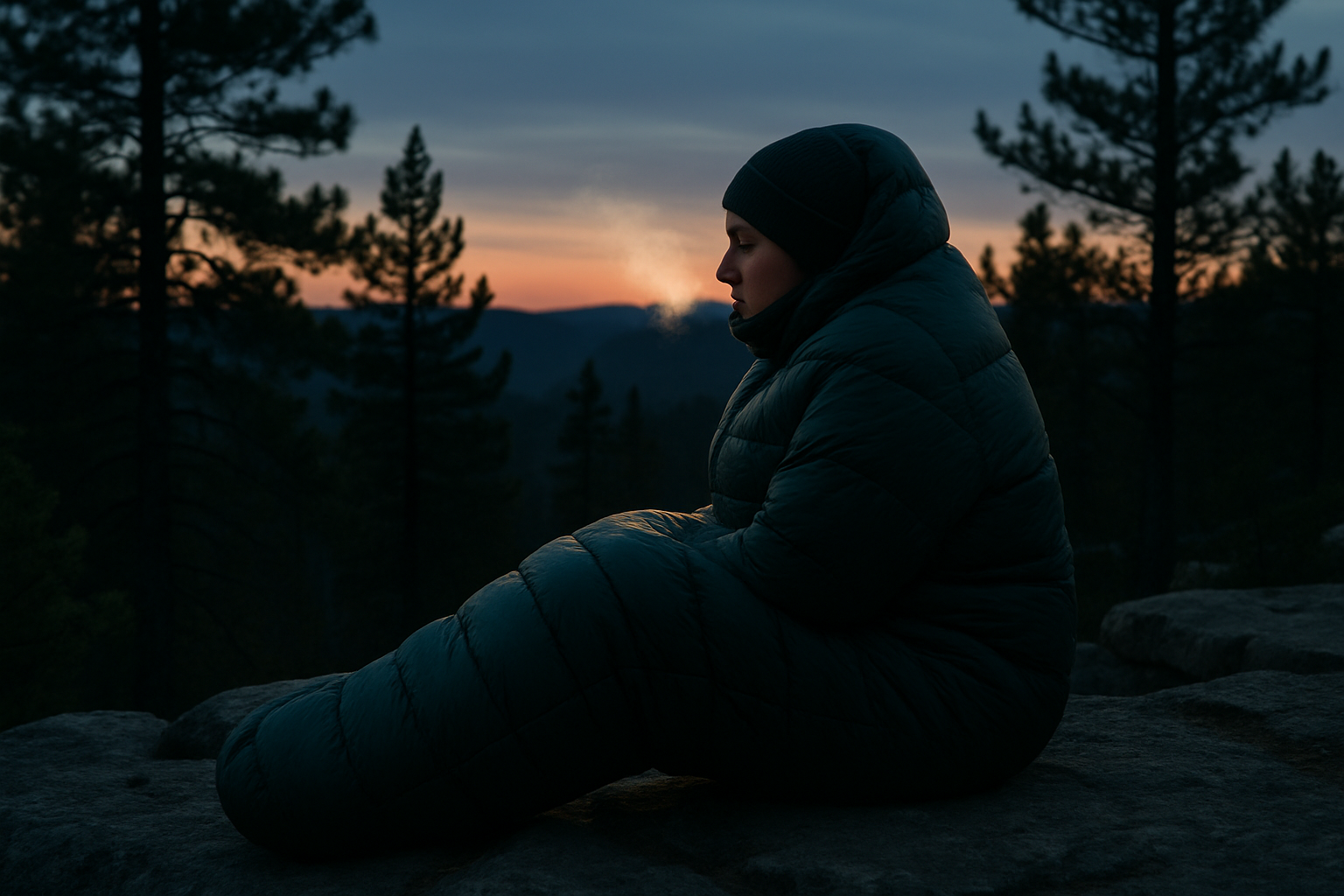
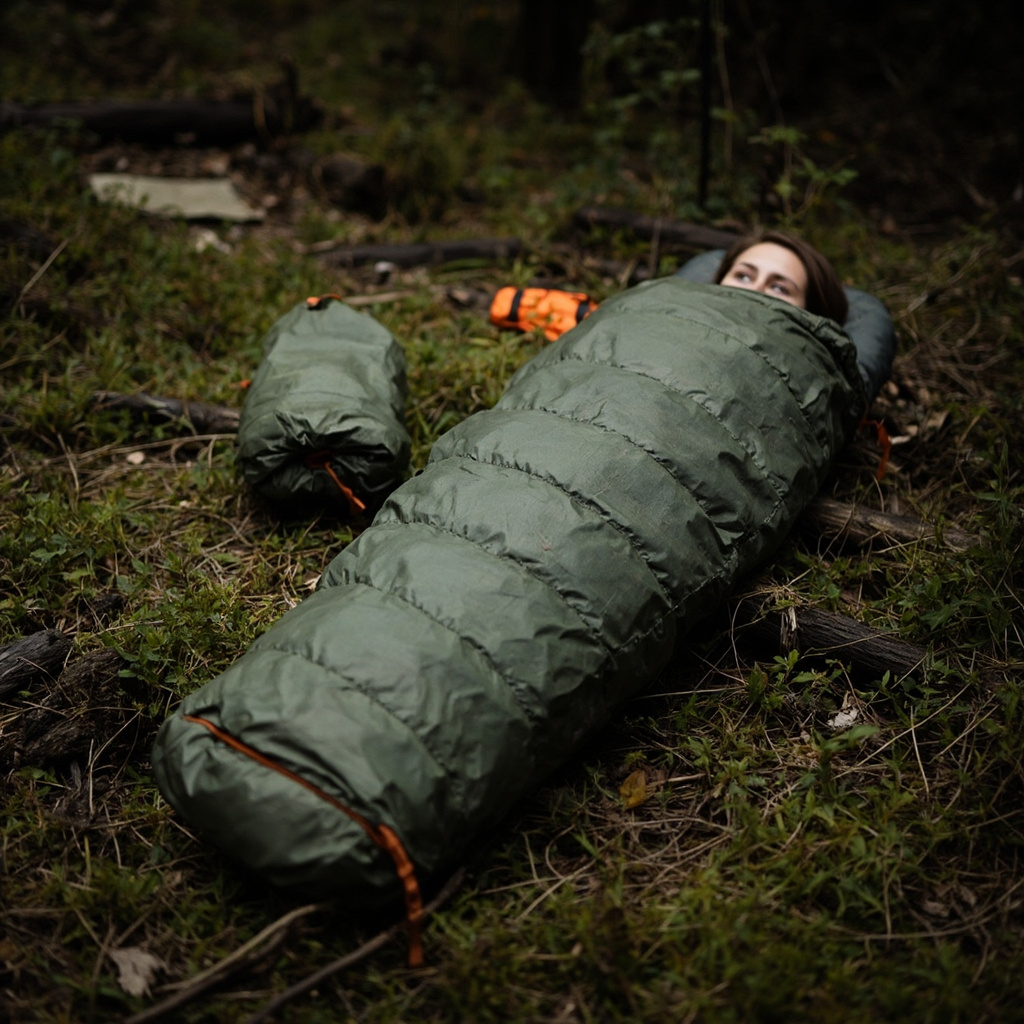
Most people think about flashlights, radios, and water filters when they build an emergency kit. Those things matter. But if you end up spending even one cold night outdoors, nothing in your kit matters more than staying warm.
A quality sleeping bag does something no other piece of gear can do. It creates a microclimate of warm air around your body that your metabolism can maintain and sustain. Without it, your body burns through its energy reserves trying to stay warm, and in conditions below 40 degrees Fahrenheit, a night without adequate insulation can be life-threatening for an adult in average health. For children, older adults, or anyone with health conditions, the threshold is even higher.
The other reason sleeping bags matter in emergency kit design is compressibility and packability. In a bug out bag or a 72-hour kit, every cubic inch of space is contested. A sleeping bag that performs well but takes up half your bag is not actually in your bag. The best emergency sleeping bags balance warmth, weight, compressibility, and durability in ways that work for real emergency kit assembly.
How Temperature Ratings Actually Work
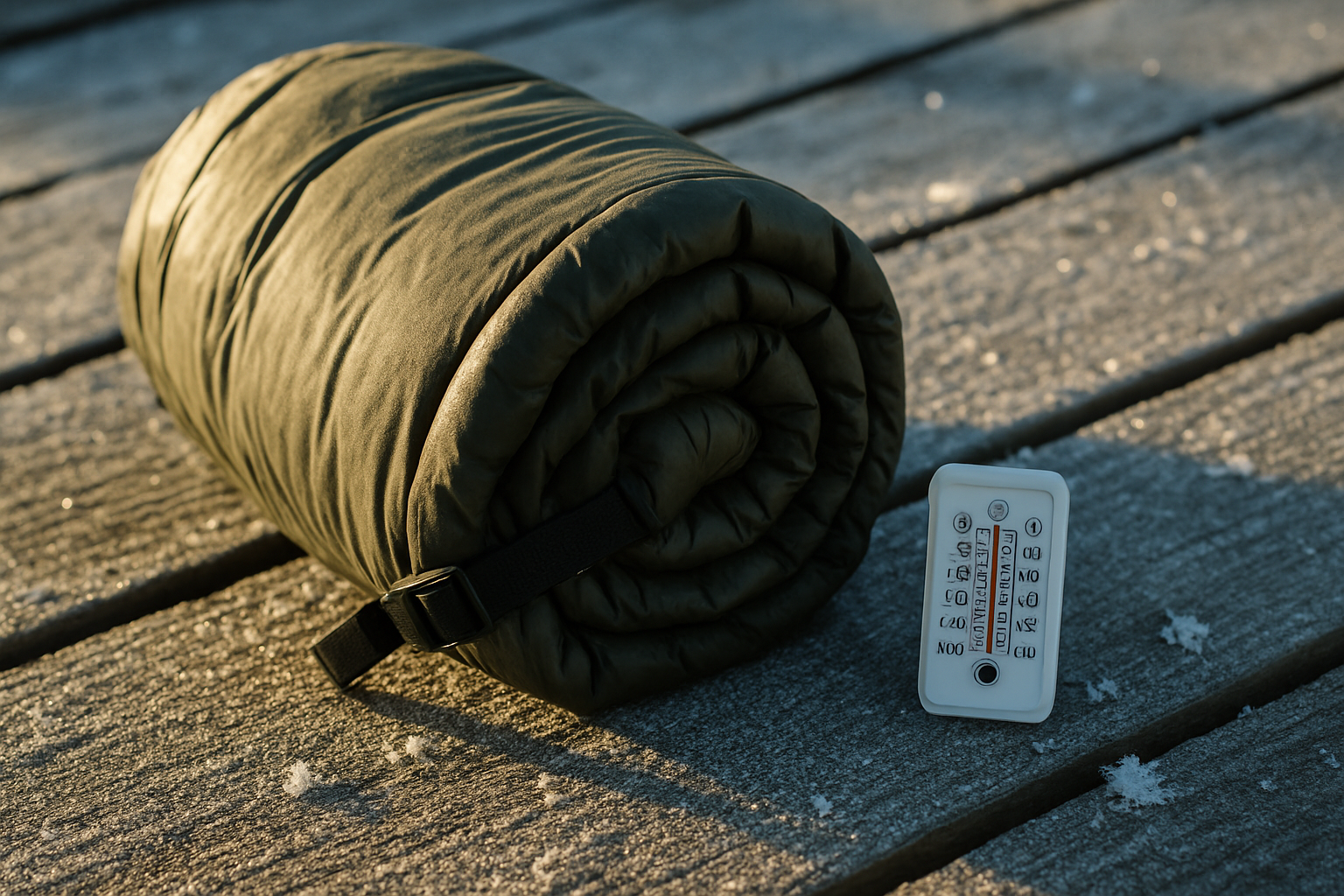
The number printed on a sleeping bag sounds straightforward. A bag rated to 20 degrees Fahrenheit should keep you warm at 20 degrees, right? Not exactly.
The EN 13537 and ISO 23537 Standards
Most quality sleeping bags sold today carry an EN 13537 or ISO 23537 temperature rating from independent lab testing. The test uses a heated mannequin with specific sensor points to measure how much heat a sleeping bag retains at different ambient temperatures.
The test produces three numbers, though most manufacturers only advertise one of them.
Comfort rating is the temperature at which an average woman can sleep comfortably in a relaxed position. This is the most conservative number, and the one you should actually pay attention to if you tend to sleep cold.
Lower limit rating is the temperature at which an average man can sleep in a curled position without waking from cold. This is the number most manufacturers advertise because it sounds more impressive. It is less conservative than the comfort rating by about 10 to 15 degrees.
Extreme rating is the temperature at which survival is technically possible but sleep is not. At this rating you are at serious risk of hypothermia even with all your clothes on. Do not treat this as a usable temperature.
When a bag is advertised as “20F rated,” it almost always means the lower limit rating, not the comfort rating. An average woman might find that bag comfortable only down to around 30F to 35F. A lean person, someone who runs cold, a child, or anyone who is fatigued or dehydrated might need 10 or more degrees of additional margin.
The practical rule for emergency use: Choose a bag rated 10 to 15 degrees colder than the coldest temperature you realistically expect in your area. If winter nights in your region dip to 25F, look for a 10F or 15F bag. The stakes in an emergency are too high to shop based on optimistic numbers.
What Throws Off the Rating
Lab conditions and real-world field conditions do not match. A bag rated to 20F assumes all of the following conditions that in an emergency may not hold.
You are sleeping on an insulating sleeping pad. This is critical and often overlooked. Without a sleeping pad between you and the ground, the cold from below will drain heat from your body regardless of how warm your bag is. The ground is one of the fastest routes for heat loss, and no sleeping bag replaces a sleeping pad.
You are wearing clean, dry base layers. Damp clothing dramatically reduces insulation value. In an emergency, you may not have dry clothes to change into.
You are hydrated and reasonably well-fed. Your metabolism produces less heat when you are dehydrated or running on empty.
You are not wet or damp from exertion, rain, or humidity. Wet clothing loses up to 90 percent of its insulation value.
Each of those factors can effectively lower the temperature performance of your bag by 5 to 10 degrees in real-world conditions. Build your kit with this in mind and buy a bag that has more margin than you think you need.
Down Fill vs Synthetic Fill
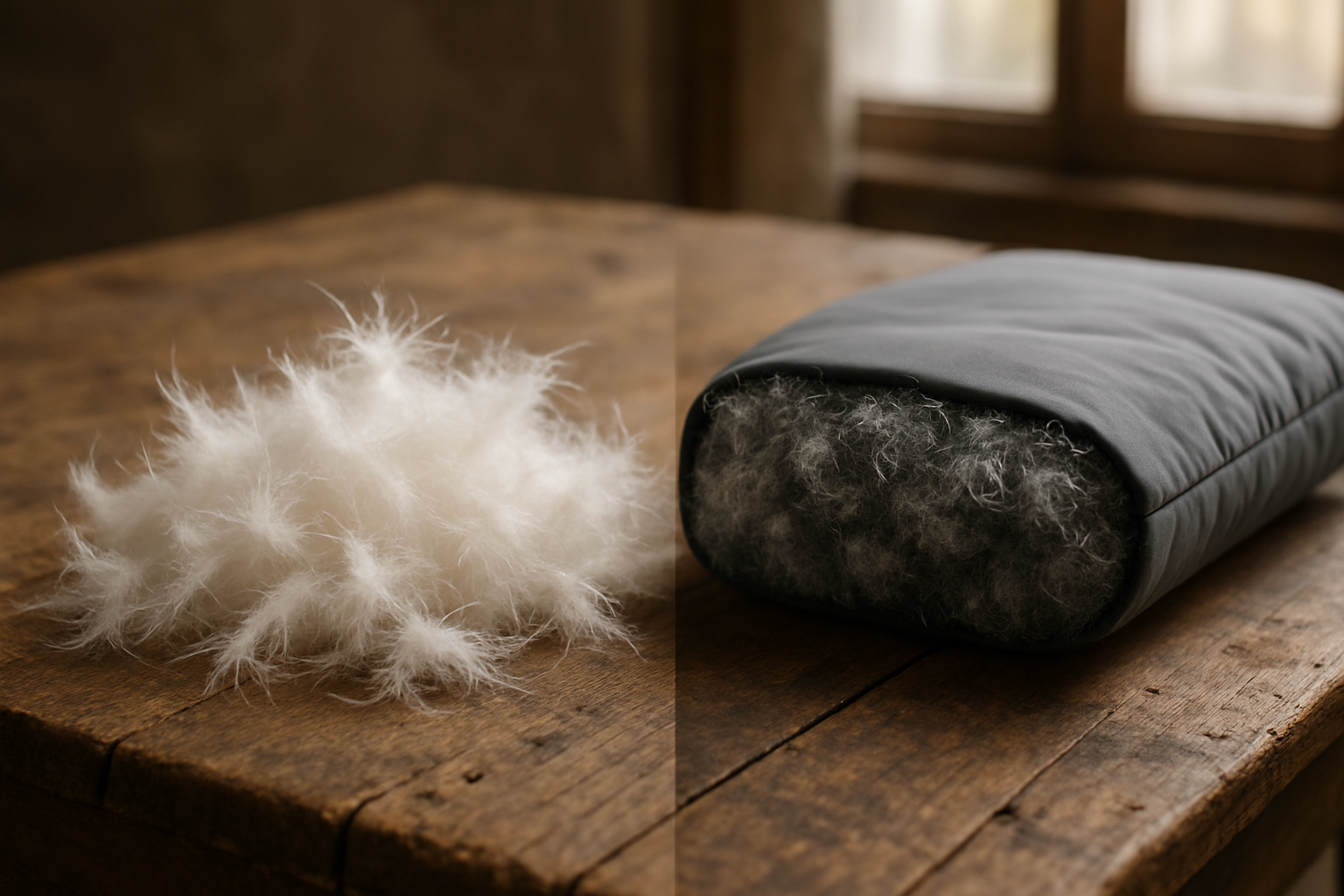
This is the biggest decision you will make when buying an emergency sleeping bag. Both materials work, and both have situations where one is clearly better than the other. Here is the honest comparison.
Down Insulation
Down is the soft plumage under the outer feathers of ducks and geese. It creates loft by trapping air in a three-dimensional cluster structure. The tiny air pockets slow heat loss through convection, which is why down is the best lightweight insulator nature has produced.
The performance metric for down is fill power, expressed as a number like 550, 650, 700, or 850. Higher numbers mean the down lofts more for a given weight, which translates to better warmth per ounce and better compressibility.
Advantages of down:
- Highest warmth-to-weight ratio available
- Compresses smaller than any synthetic alternative
- With proper care, outlasts most synthetic bags by a decade or more
- Retains loft better over years of repeated compression and storage
Disadvantages of down:
- Near-useless when wet. A soaked down bag loses almost all its loft and insulation value. It takes a very long time to dry in field conditions.
- More expensive than synthetic bags of equivalent warmth
- Requires more careful maintenance and storage (needs to be stored uncompressed, not stuffed in a stuff sack long-term)
- Animal source means some people prefer to avoid it
Synthetic Insulation
Synthetic insulation is made from man-made continuous filament or short-staple fibers processed into sheets or clusters. Leading brands include Primaloft, Thinsulate, and Hollow芯 variants. Modern high-quality synthetic insulation performs closer to down than older synthetics did, though it still lags in a few key areas.
Advantages of synthetic:
- Retains most of its insulation value when wet and dries much faster
- Easier to care for and more forgiving of improper storage
- Typically significantly less expensive per degree of warmth
- No animal source materials
Disadvantages of synthetic:
- Heavier and bulkier than down for equivalent warmth ratings
- Degrades faster with repeated compression. Long-term storage in a compressed state causes synthetic insulation to lose loft permanently.
- Typical lifespan of 5 to 7 years before noticeable degradation in warmth
The Practical Verdict for Emergency Use
For stored emergency kits where the bag may sit compressed in a closet for years, down is the better choice because it handles long-term compression better than synthetic fill, provided you store it properly before packing it away. If your kit is a grab-and-go setup where the bag will be stored compressed long-term and you may not be able to unpack it for weeks between checks, synthetic is the more forgiving choice because it tolerates poor storage conditions better.
For an active bug out bag you cycle and repack regularly, either works depending on your priorities.
What to Look for in an Emergency Sleeping Bag
Beyond temperature rating and fill material, these are the features that matter most for emergency use.
Weight and Packability
In a bug out bag or 72-hour kit, your sleeping bag is competing for space with water, food, medical supplies, and clothing. A bag that weighs more than 3 pounds in a kit you are supposed to carry on foot is a bag you will leave behind when you need to move fast.
For stored emergency kits: packability matters less because you are not carrying it. For grab-and-go bags: aim for under 2.5 pounds for a bag rated to 20F or below.
Shell and Liner Durability
Emergency sleeping bags get used in conditions that would destroy delicate camping gear. Look for a ripstop nylon shell that can handle being dragged over rocks, brush, and concrete without tearing. A taffeta or ripstop liner inside is easier to clean and more comfortable against skin than a bare synthetic fill.
Zipper Quality
A full-length zipper lets you use the bag as a quilt, which gives you more temperature regulation options. It also makes getting in and out easier, which matters when you are trying to dress a wound, tend to a child, or respond quickly. Look for YKK zippers or equivalent quality hardware. Cheap zippers fail at the worst times.
Hood Design
A sleeping bag hood is not a luxury feature in cold weather. It is the part of the bag that keeps your head warm, and a loose or absent hood means all the heat your body produces rises out the top of the bag. A properly designed drawstring hood is essential for cold-weather emergency use.
Draft Collar
A draft collar is a small internal flap of insulation that sits around your neck and seals the opening where your body enters the bag. Without it, the warm air inside your bag escapes through the neck opening and cold air leaks in around your shoulders. A good draft collar adds 5 to 10 degrees of effective warmth.
The Best Emergency Sleeping Bags (2026)
These are the contributor-vetted picks across three budget tiers. All are currently available on Amazon. Prices are approximate and subject to change.
Budget Tier (Under $100)
These bags are best suited for building multiple family kits, storing in vehicles, or as backup bags. They trade some weight and compressibility for accessibility and value.
Yellowstone National Park Sleeping Bag 20F

This bag is the one we recommend most often for families building a home emergency kit on a budget. It is warm enough for most emergency situations in temperate climates, it holds up to years of storage without the compression degradation that plagues synthetic bags, and the price makes it possible to put a bag in every bedroom without breaking the budget. It is not the lightest or most compressible option, but for a stored kit that lives in a closet, those trade-offs are worth it.
Naturehike Lightweight Compact Envelope Sleeping Bag

The Naturehike Lightweight Compact is an envelope-style bag that is easy to carry anywhere. It weighs only 1.68 pounds and packs down to about 5 by 12 inches. It comes with a carrying bag and compression straps, so it slides right into a bug out bag. The envelope shape is roomy at 80.7 inches long and 33.5 inches wide, so it fits most adults or kids of average size. It is easy to get in and out and to turn over. The fill uses 80 gram per square meter imitation silk cotton to save space. The waterproof shell helps in damp conditions. This is a good choice for warm-weather kits or as a light backup bag.
Mid-Tier ($100 to $250)
This is where the best value for emergency preparedness lives. Bags in this range offer meaningful improvements in weight, compressibility, and temperature accuracy without reaching premium price points.
Kelty Cosmic 20 Down Mummy Sleeping Bag
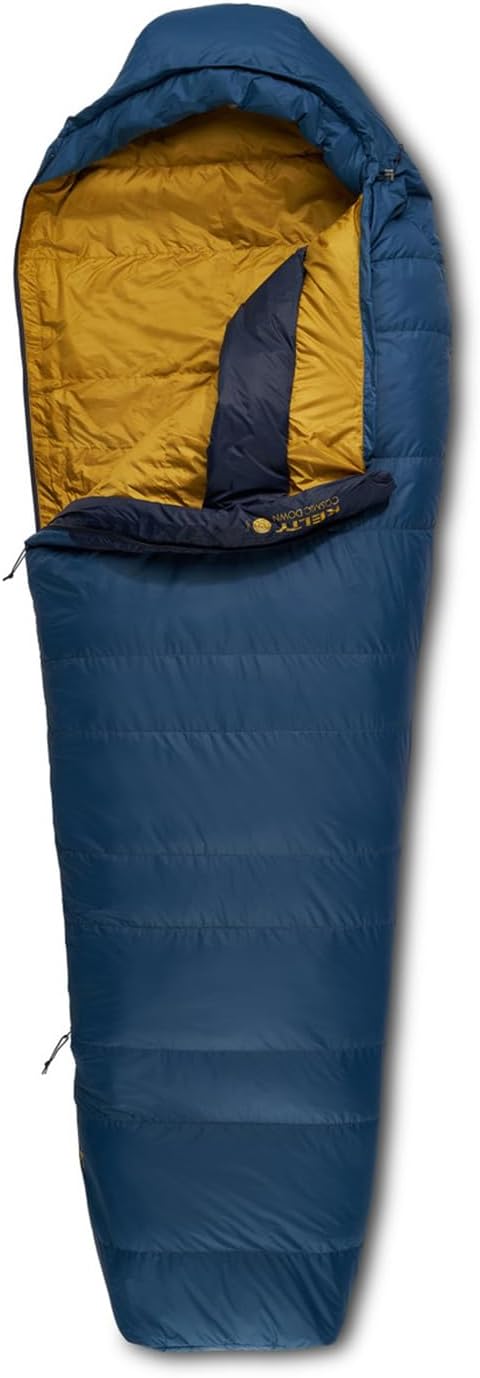
The Kelty Cosmic 20 is a longtime staple of Kelty’s backpacking lineup and a favorite of campers worldwide. It uses 550 fill power compressible down with silky soft fabrics, so it is built for comfort at the campsite. The dual direction zippers make it easy to open and close. The shell and liner use recycled nylon and recycled polyester taffeta, finished with a PFAS-free durable water repellent. That means none of the toxic stuff and more waste kept out of the landfill. Designed in sunny Colorado, this is a solid pick for an emergency kit that doubles as an outdoor recreation bag.
REI Co-op Trailmade 20F
- Temperature rating: 20F (EN rated)
- Fill: 650 fill power certified down
- Weight: 2 pounds 9 ounces
- Pack size: 7 x 13 inches
- Shell: 20D ripstop nylon
- Pros: Excellent compressibility, well-designed hood, stuff sack included
- Cons: Shell fabric is lighter and more delicate than some competitors, not ideal for rough surfaces without a bivy cover
The REI Trailmade is REI’s house brand option that punches well above its weight class. The 650 fill power down performs like bags that cost considerably more, and the compression size makes it practical for larger bug out bags. This is one of the most recommended bags in our contributor group for family members who want a do-everything bag that works for camping and never needs to be removed from the kit.
Naturehike Snowbird 0 Degree RDS Down Mummy Sleeping Bag

The Naturehike Snowbird is a down mummy bag built for cold weather. The 2025 model uses traceable down that is RDS certified. Each label can be scanned to track where the down came from, and the down is also tested by IDS in the USA. It uses 650 fill power duck down with 85% down content. You can pick from three fill weights: 400, 550, or 1000 grams. Keep in mind the SP400 does not have a U Neck Collar or a windshield strip. The SP550 has one windshield strip and the SP1000 has two. The thicker wind barrier helps stop cold spots at the zip gap, and the U Neck Collar adds neck warmth on the models that have it. There is also an internal pocket so you can keep a phone and small items from getting too cold. The YKK zipper is a nice touch for durability.
Premium Tier ($250 to $400)
Bags in this range are built for sustained field use, frequent repacking, and maximum performance in harsh conditions. They are the right choice for anyone who takes their emergency preparedness seriously and wants gear that performs at the highest level.
Western Mountaineering Ultralite 20 Degree

Western Mountaineering makes the Ultralite by hand in the United States. It has a 20F temperature rating and a full 5 inches of loft, so it holds a lot of warmth. The ExtremeLite face fabric keeps the bag light. This model comes in royal blue with a right zip in a 6-foot length. If your emergency kit budget allows for one premium piece of gear, this is where we recommend putting it. The construction quality means it will outlast cheaper alternatives by years.
Western Mountaineering SummerLite 32 Degree

The Western Mountaineering SummerLite is a premium down bag rated to 32F with a full 4 inches of loft. It is filled with 10 ounces of 850 plus fill power goose down, so it packs down small and lofts up warm. The 12 denier shell fabric is lightweight, durable, water resistant, and downproof. The full-length #5 YKK zipper has an insulated draft tube that keeps cold air from sneaking in through the zipper. This version comes in a Regular length with a right zip in cranberry. It is a great pick for warmer conditions or milder climates where a 32F rating is enough.
NEMO Riff 30 (Honorable Mention)

The NEMO Riff is a 30F-rated bag included here because it fills a specific niche for people in milder climates or for warm-weather emergency scenarios. The unique_blanket fold construction gives it a wider shape than traditional mummy bags, which makes it more comfortable for side sleepers and easier to manage in a tent or sheltered space. If you live in the southern United States or a mild climate, a 30F bag like the Riff may actually be more appropriate than the 20F bags in this list.
How to Store a Sleeping Bag in an Emergency Kit
Proper storage is one of the most overlooked aspects of emergency sleeping bag ownership. A bag stored incorrectly can lose enough loft and insulation value to fail when you need it most. Here is how to get it right.
Before Storing
Clean your bag before storing it for any extended period. Body oils, sweat, and dirt degrade insulation over time. Spot-clean any stained areas with lukewarm water and a mild soap. Do not machine wash a down bag unless the manufacturer’s care label specifically permits it. Allow the bag to dry completely before storing.
Short-Term Storage (Days to Weeks)
If you are storing a sleeping bag in an active bug out bag or a kit you rotate through regularly, use the included compression stuff sack and pack it as tightly as is reasonable. This is fine for short periods. After 2 to 3 weeks of compression, unpack the bag and let it loft for 24 hours to restore full performance.
Long-Term Storage (Months to Years)
This is where most emergency sleeping bags fail. Do not store a sleeping bag in a compression stuff sack for more than 2 to 3 months at a time. Long-term compression, especially for synthetic bags, causes permanent loss of loft and insulation value.
The correct way to store a sleeping bag long-term is in a large breathable storage sack or simply loosely rolled in a clean, dry place. A cotton laundry bag or a mesh storage sack allows air circulation while protecting the bag from dust and pests.
For down bags in particular, long-term storage in a compressed state causes the down clusters to lose their ability to re-loft fully. Allow the bag to hang loosely in a closet or rest in a large storage sack for at least 24 hours every 3 to 4 months.
Temperature and Humidity
Store your sleeping bag in a cool, dry place. Excessive heat degrades DWR coatings and can damage shell fabrics over time. High humidity promotes mold and mildew, which can permanently damage down and synthetic fill alike. A climate-controlled closet is ideal. An attic that hits 110 degrees Fahrenheit in summer is not.
Pairing Your Sleeping Bag With Other Gear
A sleeping bag alone is not enough for cold-weather emergency survival. Here is what else you need and why.
Sleeping Pads Are Non-Negotiable
This cannot be stated strongly enough. The ground is the fastest source of heat loss in an outdoor emergency. Without an insulated sleeping pad between you and the ground, your sleeping bag cannot do its job. Cold ground will drain heat from your body through conduction regardless of how warm your bag is.
An R-value of 2.0 or higher is the minimum for warm-weather emergencies. For cold-weather or winter emergencies, look for a sleeping pad with an R-value of 4.0 or higher. The Therm-a-Rest NeoAir XLite and the NEMO Tensor Insulated are the top-rated options in this category.
Base Layers and Clothing Layers
Your sleeping bag works best when you are wearing dry base layers inside it. In an emergency kit, include at least one set of clean, dry base layer tops and bottoms per person. Merino wool is ideal because it retains insulation value when damp and resists odor better than synthetic alternatives. A wool beanie hat is also essential because significant heat loss occurs through the head.
Bivy Cover or Tarp
A simple breathable bivy cover or emergency tarp adds a layer of weather resistance over your sleeping bag and protects it from wind, rain, dew, and abrasion. In a wildfire evacuation or flood scenario, you may be sleeping in an open area without tent shelter. A bivy cover keeps your bag functional in conditions that would otherwise soak or dirty it beyond use.
Matching a Sleeping Bag to Your Emergency Scenario
Different emergency scenarios create different sleeping bag requirements. Here is how to match your gear to the most likely scenarios in your region.
Wildfire Evacuation
In a wildfire evacuation, you may be sleeping in a vehicle, a shelter, or an open area with little notice. A bag needs to compress small enough to fit in a grab bag or go in your car kit without being a burden. Down fill is generally preferred here because a wildfire evacuation in late summer or early fall may mean moderate temperatures. A 20F-rated down bag that compresses to the size of a water bottle is the right tool.
Winter Flood or Storm Emergency
A winter flood or major storm event that leaves you without power and heat in cold weather is a scenario where maximum warmth per dollar matters. A synthetic bag stored in a flooded home basement where it may have absorbed moisture is more resilient than a down bag in this specific scenario. If you live in a flood-prone cold-weather area, include a synthetic 20F bag in your kit as a primary or secondary bag.
Vehicle Breakdown or Remote Travel Emergency
If you travel regularly in rural or remote areas, your vehicle emergency kit needs a sleeping bag. A bulky bag is acceptable here because space in a vehicle is less constrained than in a personal bug out bag. A 20F-rated synthetic bag with a full-length zipper and draft collar is the right choice for a vehicle kit because it tolerates rough storage conditions and temperature extremes better than down.
Full Bug Out Bag
A full bug out bag needs to carry everything you need to survive for 72 hours while remaining light enough to move fast on foot. The best choice here is a premium down bag like the Western Mountaineering UltraLite or the Feathered Friends Lark, which delivers maximum warmth in minimum weight and pack size. Pair it with a high-R-value sleeping pad and a lightweight bivy cover.
Maintenance and Care Tips
A sleeping bag that is maintained properly will outlast most of the other gear in your emergency kit. Here are the care practices that matter most.
Wash your bag at most once or twice per year. Frequent washing degrades the down or fills the shell fabric with detergent residue that reduces breathability. Spot-clean localized stains as they occur. When a full wash is needed, use a front-loading washing machine on a gentle cycle with specialized down cleaner or mild soap. Hang the bag to dry completely, which can take 2 to 3 days for a large bag. Never machine dry a sleeping bag on high heat as this damages the shell fabric and can melt sensitive components.
Repair small tears in the shell fabric immediately using gear repair tape or nylon fabric patches. A small tear that lets wind and moisture in will grow quickly if ignored. Keep a small gear repair kit with your emergency kit that includes seam grip and fabric repair patches.
Check your sleeping bag at least twice per year. Unpack it, inspect the shell for tears or damage, check the zipper for smooth operation, and let it loft fully for 24 hours to restore its insulation value before repacking. This maintenance window also gives you a chance to check the rest of your emergency kit.
Common Mistakes to Avoid
Buying a summer-rated bag for emergency use. A 50F-rated sleeping bag is fine for summer camping. It will leave you dangerously cold in any scenario where nighttime temperatures drop below 60F. Emergency sleeping bags need a 20F or lower rating at minimum.
Storing the bag compressed long-term. This is the most common mistake we see. Months of compression in a stuff sack permanently degrades synthetic insulation and can impair down loft. Store your emergency bag properly or rotate it out of storage every few months.
Skipping the sleeping pad. A $300 sleeping bag with no sleeping pad performs worse than a $50 bag with a proper sleeping pad in cold conditions. Always buy the sleeping pad at the same time you buy the sleeping bag.
Buying two cheap bags instead of one good bag. It is tempting to buy two budget bags to share or to layer them for extra warmth. A single well-rated bag is almost always a better investment than two under-rated bags. Two budget bags take up twice the space, weigh more, and still may not match the performance of a single well-designed bag.
Ignoring the hood and draft collar. The hood and draft collar together account for a large portion of a sleeping bag’s effective warmth. A bag with a poorly designed hood and no draft collar needs to be rated significantly colder to perform at the same level as a bag with good hood and collar design.
Final Checklist Before You Buy
Before you purchase, confirm these five things.
Temperature rating: Is the bag rated 10 to 15 degrees colder than the coldest realistic temperature in your area? If not, keep looking.
Fill type: Is the bag filled with down for better compressibility and longer storage life, or synthetic for wet-weather resilience? Match this to your storage conditions and climate.
Weight and pack size: If this is a carry bag, is the compressed weight and size manageable for your kit? If it is a stored kit bag, this matters less.
Shell durability: Does the shell fabric resist tears and abrasion well enough for the conditions you might face?
Construction quality: Does the zipper work smoothly? Does the hood have a drawstring closure? Is there a draft collar? These details add up to real performance differences.
Trust Block
This guide was researched and written by ReadyGuidance contributors with direct field experience in emergency conditions.
Dale M. is a former Army infantryman who spent 6 years on active duty and now runs a 12-acre homestead in rural Tennessee. He specializes in low-cost, high-reliability preparedness that works on a real budget. He has used sleeping bags in grid-down scenarios without climate control for extended periods.
Ryan C. works as a conservation technician and has spent multi-week periods in backcountry locations without resupply. He has field-tested water filters, fire starters, and cold-weather gear in real conditions. His gear standards come from field experience at elevation in cold and wet weather.
James W. is a retired firefighter and paramedic with 22 years of experience responding to wildfires, floods, and major disasters in western Oregon. He has seen what happens to people who are unprepared for cold nights in the immediate aftermath of large-scale disasters and writes from that experience.
ReadyGuidance is reader-supported. We earn commissions from qualifying purchases made through the links in this guide. These commissions support our editorial process at no additional cost to you.