Ready
Ready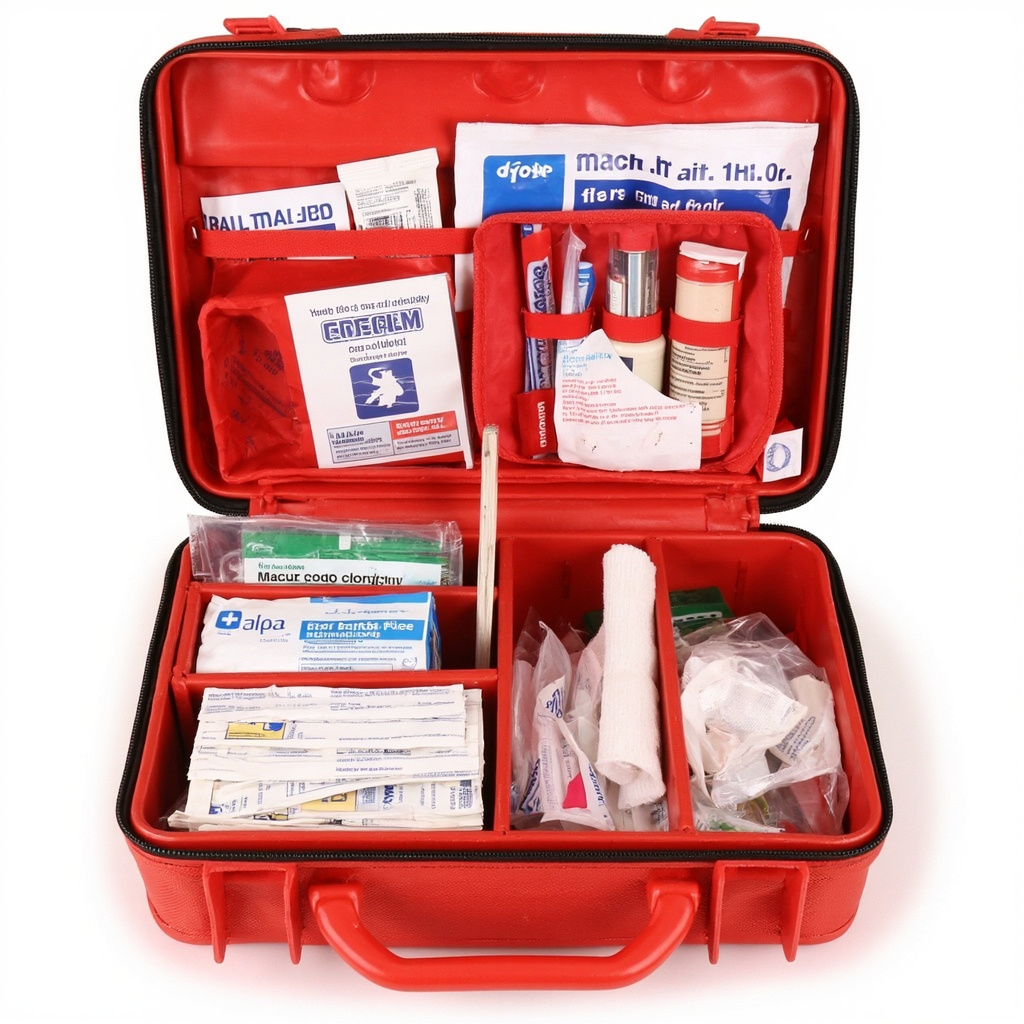
Best First Aid Kits for Emergencies: Honest Reviews for Every Scenario (2026)
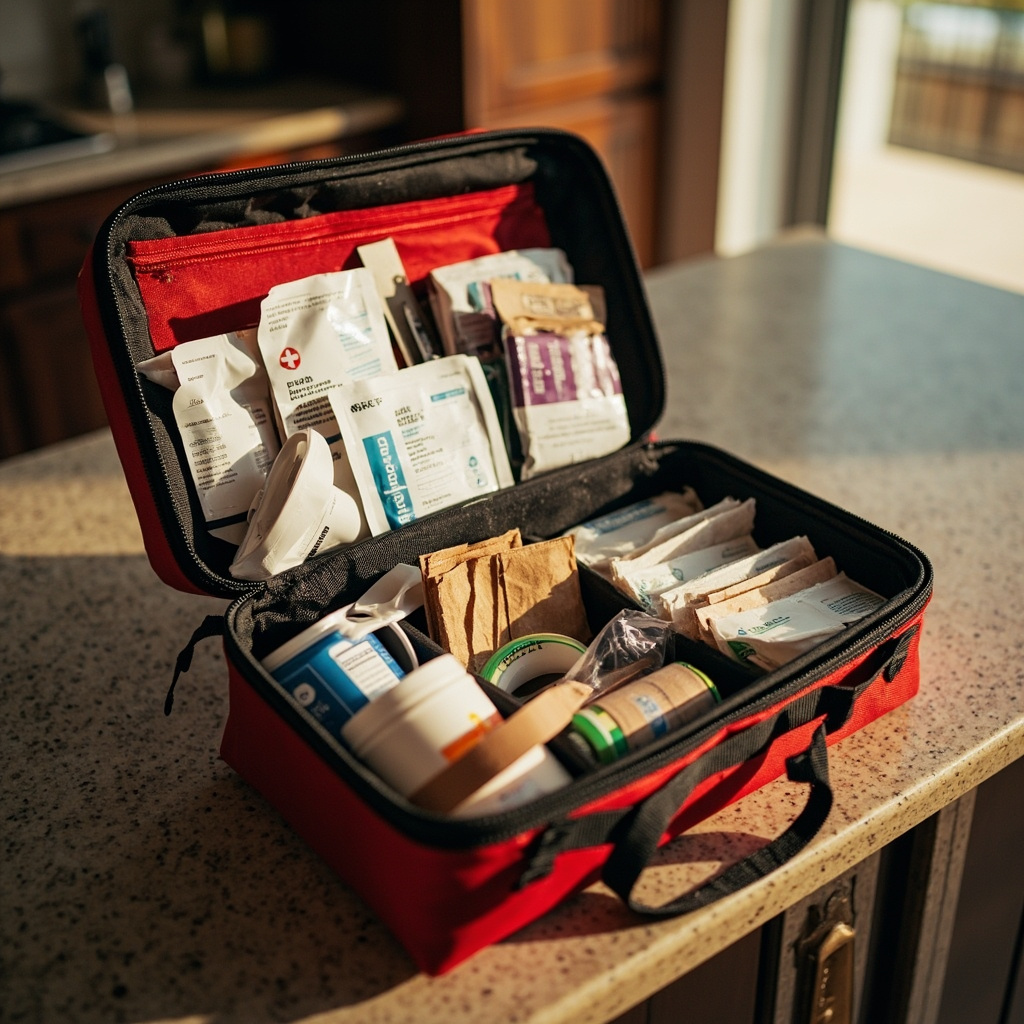
Most people have a first aid kit somewhere in their home. It probably came in a red plastic case, cost about fifteen dollars, and has lived in a bathroom cabinet since they moved in. Inside: a few bandages, some antibiotic ointment, and a pair of latex gloves. That kit is fine for a paper cut. It is not fine for an emergency. This guide is about the difference between a kit that handles minor scrapes and one that can actually save a life when help is thirty minutes away. We will look at the best options for every situation, what hemorrhage control really means, and what you should add to any kit you already own.
- Real trauma gear: Look for items like a tourniquet, gauze, and chest seals, not just small bandages.
- Easy to find: Labelled and organized compartments help you grab what you need fast under stress.
- Weather protection: A waterproof case keeps your supplies dry and ready in any conditions.
- Works everywhere: Pick a kit that fits home, car, and family needs, not just one setting.
Here are the kits we trust for real emergencies. Read on to see how each one earned its spot.

MY MEDIC MyFAK Standard IFAK
This is a complete, well-organized IFAK with genuine trauma capability like professional gauze, splinting, EMT shears, and wound care, plus everyday supplies. That mix gives it the broadest emergency use and reliability for most people across home, auto, and family situations.

PerSys Israeli Emergency Bandage 4 inch
This battle-tested pressure bandage stops serious bleeding fast and is simple enough to apply on yourself. It is a smart add-on when you want strong bleeding control in a small package.

Surviveware Waterproof Survival Kit
With clearly labelled compartments and a fully waterproof shell, this kit keeps supplies dry and easy to find in a stressful moment. It is our most versatile pick for everyday readiness.

North American Rescue Eagle IFAK
Built for the top causes of preventable death, this kit carries a C-A-T tourniquet, gauze, and chest seals for serious injuries. The one-hand quick pull tab and vest mounting make it a strong choice for advanced users.
In this guide



Reviewed by Ryan C., Priya K. & Marcus T. — contributors with hands-on preparedness experience. How we test
Why Trust This Guide?
This article was researched and reviewed by contributors with hands-on experience in emergency preparedness. They have tested gear, built real systems, and lived through situations where these skills actually mattered.
Why Most Drugstore Kits Fall Short
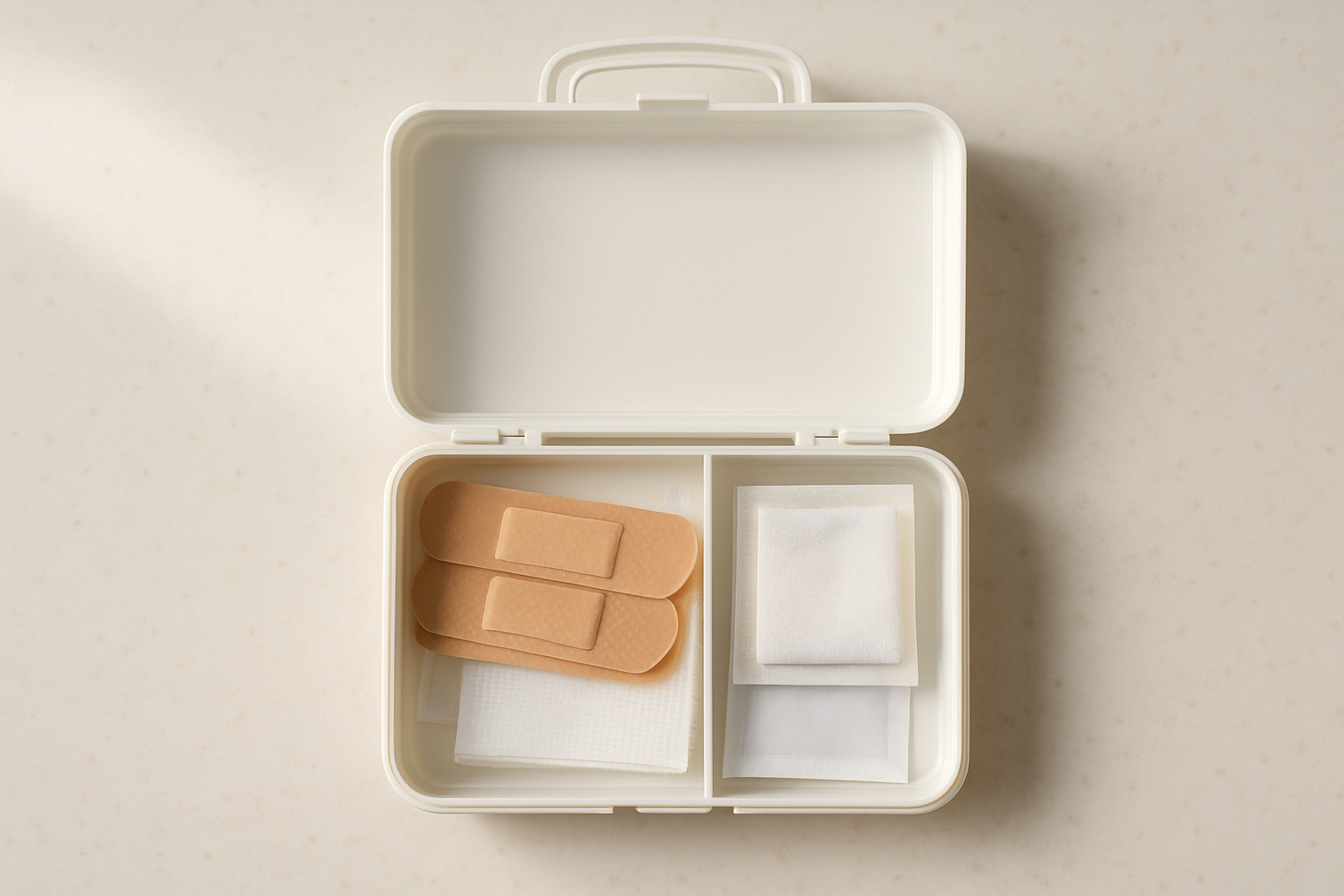
The standard drugstore first aid kit is designed to treat minor wounds in a controlled environment. A cut that needs a bandage. A blister that needs moleskin. A mild headache that needs ibuprofen.
Real emergencies are different. A car accident. A bad fall while hiking. A kitchen accident involving a knife. In those situations, the biggest threat to life is blood loss. Severe bleeding can kill in as little as three to five minutes. A basic kit with adhesive bandages is not equipped to stop that kind of bleeding.
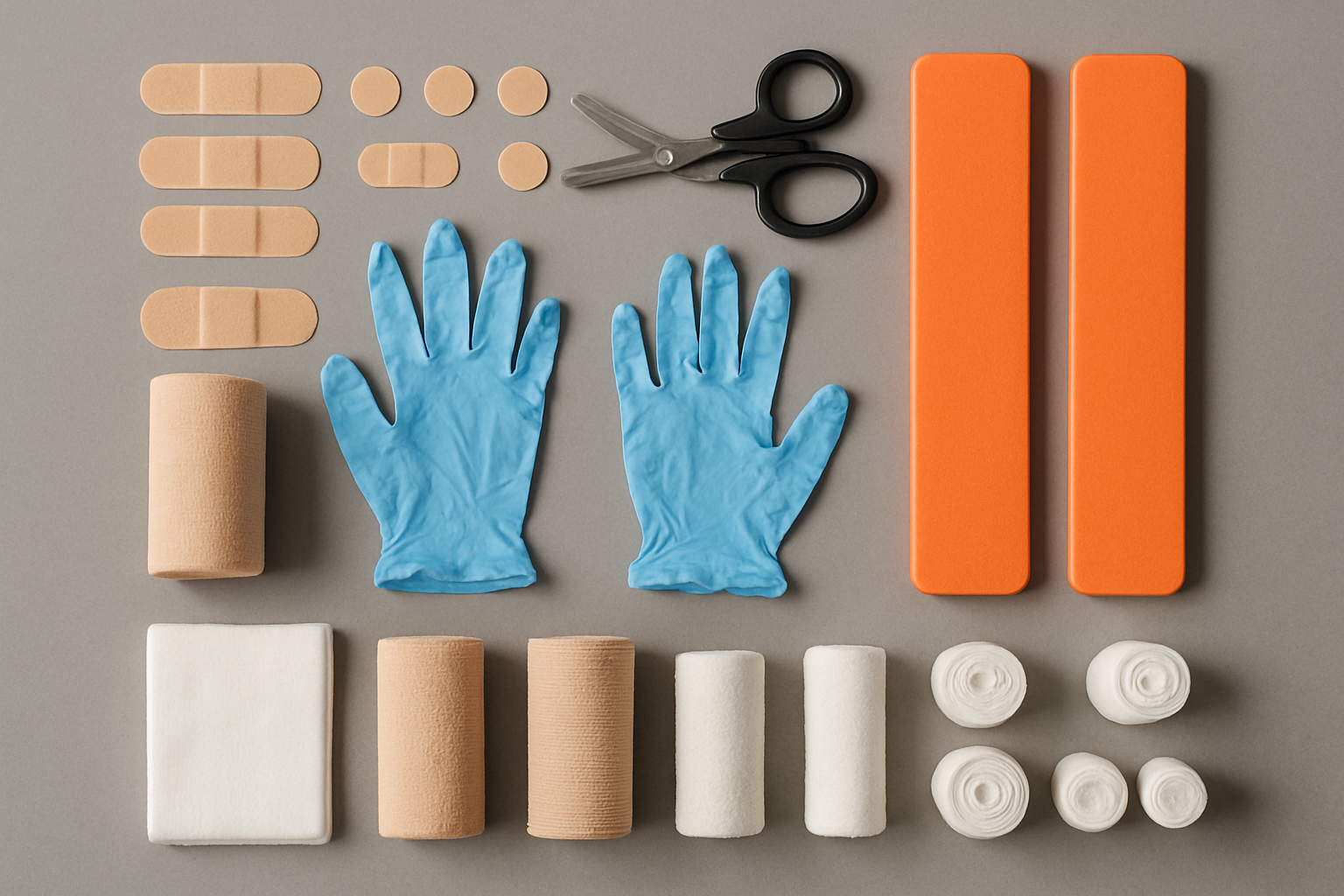
Here is what most drugstore kits are missing:
Hemorrhage control items. No tourniquet. No hemostatic gauze. No pressure bandage. These are the tools that stop serious bleeding fast.
Wound packing supplies. A deep or irregular wound needs to be packed with gauze, not covered with a bandage. Most basic kits include neither the right gauze nor instructions for using it.
Meaningful trauma dressings. The thin gauze pads in a basic kit are not designed for large wounds. They soak through quickly and do not apply adequate pressure.
Quality gloves. Many cheap kits include gloves so thin they tear easily or materials that trigger latex allergies.
Any kind of instruction. Knowing what to do matters as much as having the right supplies. A good kit includes a guide or refers you to training.
This does not mean you need the most expensive kit on the market. It means you need to match your kit to the risks you are actually preparing for. Let us start with the fundamentals.
The Difference Between a Basic Kit and a Trauma Kit
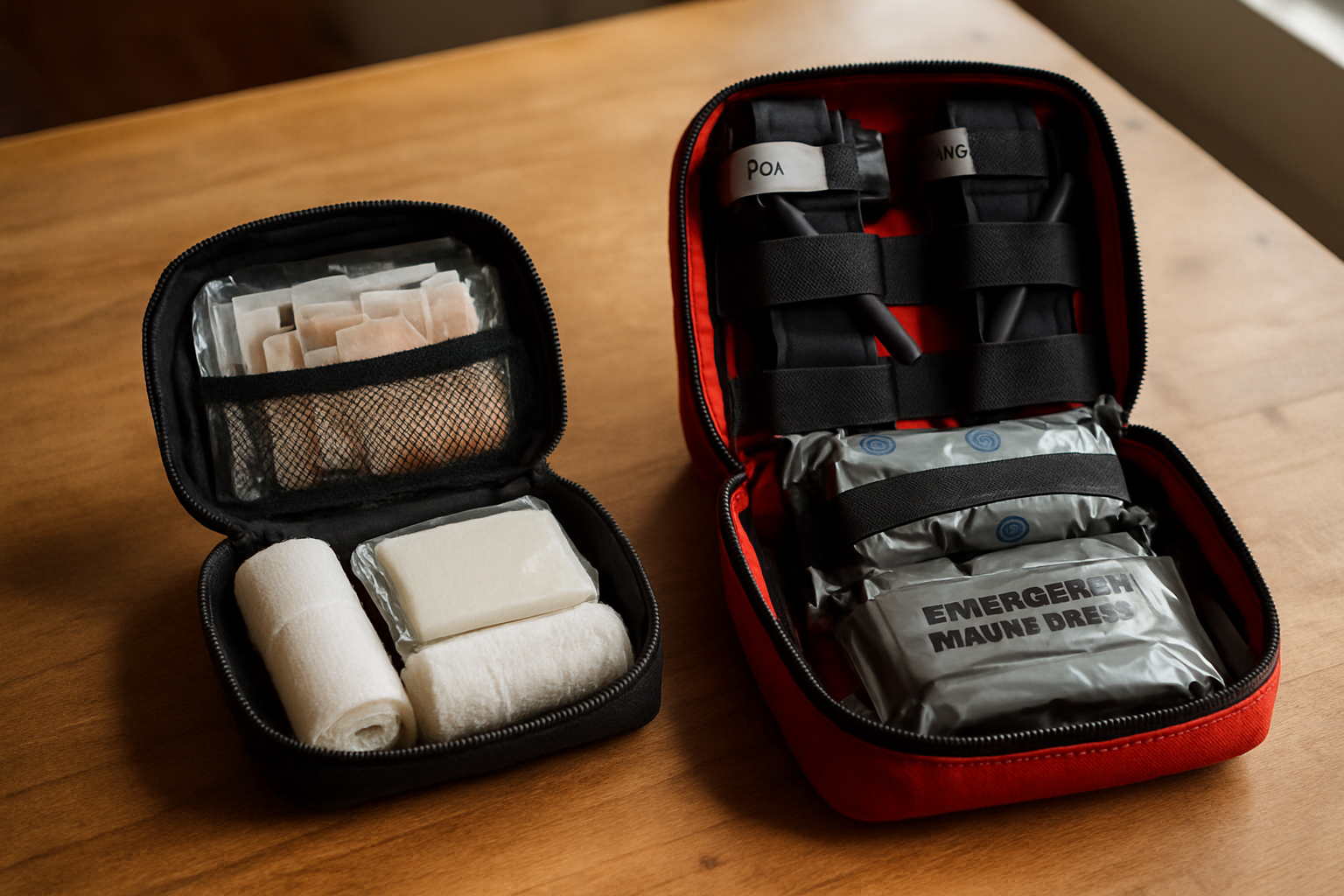
The terms “first aid kit” and “trauma kit” get used interchangeably online, but they refer to different levels of capability.
A basic first aid kit handles everyday injuries. Cuts, scrapes, blisters, minor burns, headaches, allergic reactions, and splinting a sprained ankle. This is the right tool for a school nurse’s office or a camping trip in a front-country campground two miles from your car.
A trauma kit is designed for life-threatening injuries. Severe bleeding from a major blood vessel, penetrating wounds to the chest, traumatic amputation, or head injuries with significant blood loss. A trauma kit contains tourniquets, hemostatic agents, chest seals, and packing gauze. These items are not complicated to use, especially with basic training, but they are meaningfully different from a box of Band-Aids.
An Individual First Aid Kit (IFAK) sits between the two. It is a compact, grab-and-go kit focused on the injuries most likely to be fatal in the first few minutes. Military and law enforcement personnel carry them. Increasingly, civilians carry them too.
For most households, the ideal setup is a combination: a solid basic kit at home for everyday use, plus at least one IFAK-style kit in the car or go-bag for serious emergencies.
What Hemorrhage Control Really Means
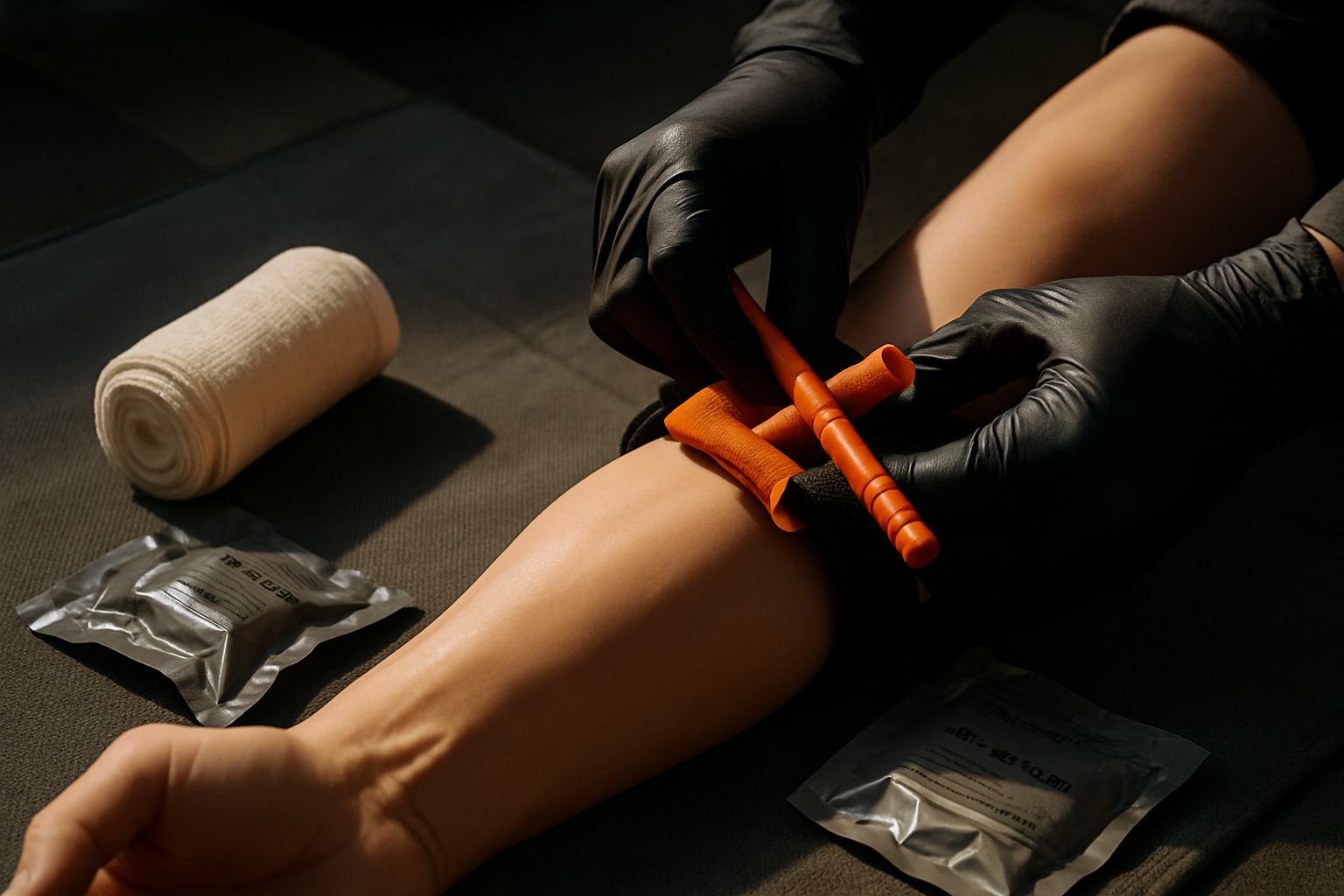
Hemorrhage control is the medical term for stopping severe bleeding. It is the single most important skill in emergency first aid, and it is surprisingly accessible. The Stop the Bleed campaign, launched by FEMA and the American College of Surgeons, has trained millions of civilians in basic hemorrhage control techniques.
There are three core techniques:
Direct pressure. For wounds to the torso or head where a tourniquet cannot be applied, pack the wound with gauze and apply firm, sustained pressure. This is not casual pressure. You need to press hard and hold for a minimum of three minutes. Hemostatic gauze accelerates clotting and makes this more effective.
Wound packing. For deep wounds, especially those that are irregularly shaped, push gauze into the wound to fill the space and apply pressure at the source of bleeding. This sounds uncomfortable, but in a genuine emergency it is the right move.
Tourniquet application. For bleeding from an arm or leg, a tourniquet applied above the wound can stop blood flow within seconds. The goal is to tighten it until bleeding stops. It will be painful. That is appropriate. A properly applied tourniquet is one of the most effective tools in emergency medicine.
The key products for hemorrhage control are:
Tourniquet. The CAT Tourniquet GEN 7 (Combat Application Tourniquet) is the gold standard. It is used by the U.S. military, law enforcement agencies, and emergency responders worldwide. The windlass system allows one-handed application. It is not the cheapest option, but counterfeit CATs are common and potentially dangerous. Buy from a reputable source.

Hemostatic gauze. QuikClot Combat Gauze is impregnated with kaolin, a mineral that accelerates the clotting cascade. It is used by military and emergency medical services for wounds that direct pressure alone cannot control. Pack the wound, apply pressure, and hold.

Hemostatic granules. Celox Hemostatic Granules work differently from kaolin-based products. Celox uses chitosan, a substance derived from shellfish shells, to form a gel that physically blocks bleeding. It works even when normal clotting mechanisms are impaired, such as in patients on blood thinners. Pour directly into the wound, apply pressure. A good alternative for household kits because of its shelf life and ease of use.

Pressure bandage. The Israeli Bandage (Emergency Bandage) is an elastic pressure bandage with a built-in pressure bar that allows the user to apply and maintain strong direct pressure with one hand. It is compact, easy to apply, and stays in place. This is a must-have for any trauma kit.

These four items together weigh less than two pounds and can fit in a jacket pocket. They represent the core of what separates a basic first aid kit from one that can handle life-threatening bleeding.
Best First Aid Kits by Scenario
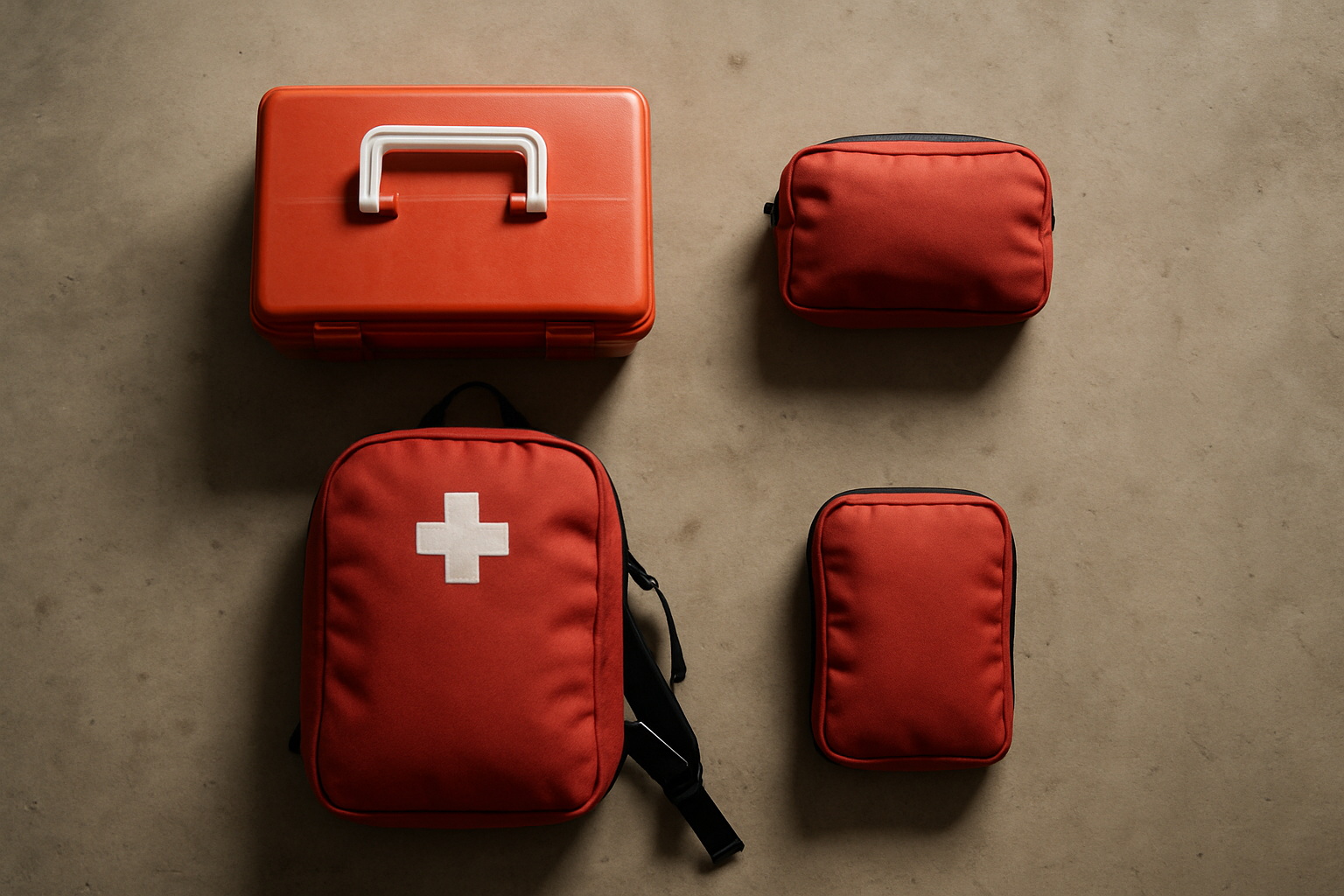
Different situations call for different kits. Here is how to match your kit to your environment.
Best Kit for the Home
Your home kit should be comprehensive. You have space, so take advantage of it. The goal is to handle everything from a sprained ankle to a kitchen laceration to a fall down the stairs while you wait for EMS.
Surviveware Large First Aid Kit

The Surviveware Large is one of the best-organized first aid kits available for home use. It comes in a water-resistant bag with labeled compartments that make it easy to find what you need quickly under stress. Contents include 200 plus pieces covering bandages, gauze, tape, scissors, tweezers, cold packs, and more. The bag has a MOLLE-compatible exterior so you can attach additional pouches as your kit grows.
What it lacks out of the box: a tourniquet and hemostatic gauze. Add those separately (see the “What to Add to Any Kit” section below) and this becomes an excellent all-purpose home kit.
Adventure Medical Mountain Series

Adventure Medical Kits has been making medical kits for outdoor adventurers for decades. The Mountain Series kits are designed for extended backcountry trips but work equally well as a comprehensive home kit. They include a copy of the Wilderness & Travel Medicine guide, which gives clear instructions for using the included supplies. The contents are well-chosen and the quality is noticeably higher than budget alternatives.
Best Kit for the Car
Your car kit needs to be compact enough to store under a seat or in a door pocket, but ready for the most common vehicle-related emergencies. Those include: cuts from broken glass, burns, musculoskeletal injuries from impact, and serious bleeding wounds.
Adventure Medical Kits Trauma Pak Pro

The Trauma Pak Pro is a compact trauma-focused kit designed specifically for serious injuries. It includes QuikClot Sport hemostatic gauze, a trauma pad, gloves, and a triangular bandage. It fits in a glove box or door pocket and is built around hemorrhage control, which makes it the right choice for vehicle emergencies. For routine first aid needs, keep a small basic kit alongside it.
It is small enough that most people actually keep it in the car, which matters more than having a perfect kit sitting at home.
Best Kit for a Bug Out Bag
Your bug out bag kit needs to balance comprehensive coverage with minimal weight and bulk. If you are moving on foot, every ounce counts. The kit also needs to handle injuries in a field environment where professional medical care may be hours or days away.
MyMedic MyFAK
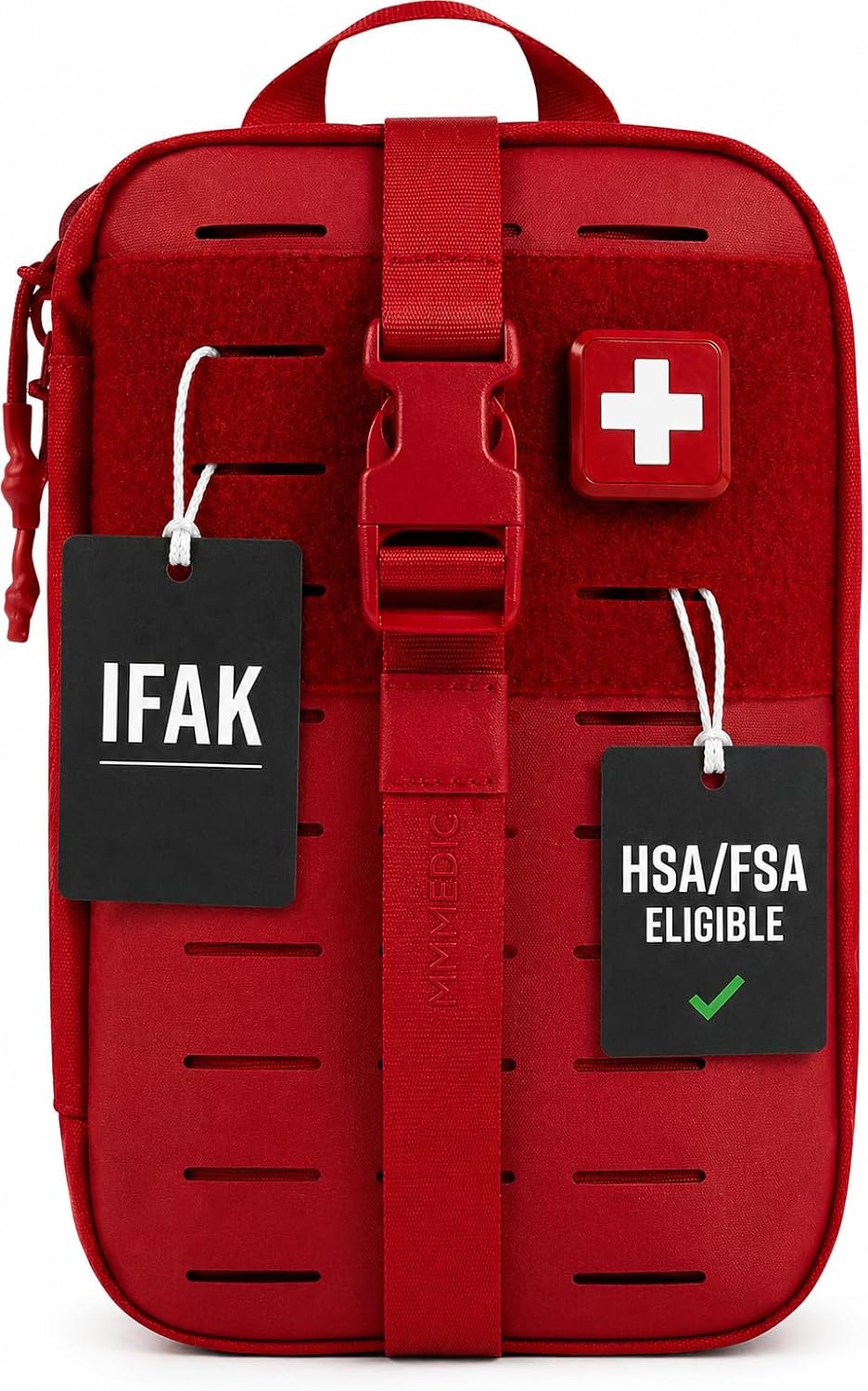
The MyFAK is a modular first aid kit designed with serious preparedness in mind. The basic version covers a broad range of injuries in a compact package. MyMedic also sells trauma-specific add-on modules so you can configure the kit for your specific risk profile. The organization is excellent and the quality is high. It is more expensive than basic alternatives, but the modular design means you buy what you actually need.
One thing to note: MyMedic sells different versions of the MyFAK at different price points. The standard version is a solid everyday kit. If you want trauma capability built in, look at the pro version or add modules.
Best Kit for Hiking and Outdoors
Outdoor first aid priorities overlap with bug out bag priorities but with a few specific additions. Blister care becomes important. Splinting materials matter more. Altitude sickness, hypothermia, and sunburn are realistic concerns depending on your environment.
Adventure Medical Mountain Series
The Mountain Series kits come in several sizes calibrated for trip length and group size. The 1-2 person kit is appropriate for day hikes. The larger versions cover multi-day trips and groups up to eight people. The included guide covers wilderness-specific scenarios including wound care without irrigation water, improvised splinting, and managing hypothermia.
Adventure Medical also makes the Trauma Pak Pro as a separate add-on for hikers who want hemorrhage control without carrying a full trauma kit.
Best IFAK (Individual First Aid Kit)
An IFAK is a small, rapidly deployable kit focused on the most common life-threatening trauma scenarios. Military doctrine developed the IFAK around the leading causes of preventable death in combat: hemorrhage, tension pneumothorax (collapsed lung), and airway obstruction. The civilian version focuses primarily on hemorrhage control.
North American Rescue IFAK Pouch

North American Rescue is one of the premier suppliers of trauma medical equipment to military and law enforcement. Their IFAK systems use the same pouches issued to U.S. military personnel and are designed for rapid one-handed access. The pouch attaches to MOLLE vests, belts, or backpacks and holds a tourniquet, hemostatic gauze, pressure bandage, gloves, and a chest seal.
This is the benchmark for quality in the IFAK category. If you want the same gear used by military medics in a compact civilian package, this is it.
First Aid Kits Comparison Table
How to Choose Based on Family Size and Medical Needs
The right kit depends on who you are preparing for, not just where you are going.
Small Households (1 to 2 People)
A single person or couple can get by with one solid home kit and one compact kit for the car or pack. Prioritize quality over quantity. The NAR IFAK or AMK Trauma Pak Pro in the car, plus a Surviveware Large at home with trauma items added, covers most scenarios.
Budget: $100 to $180 total for both kits, plus individual trauma items.
Families with Children
Children have different medical needs than adults. A family kit should include:
- Pediatric doses of fever reducers (acetaminophen, ibuprofen)
- Smaller bandages in a variety of sizes
- Pediatric oral rehydration salts for vomiting and diarrhea
- Thermometer
- Any medications specific to your children’s needs
The hemorrhage control items for adults are the same for children. A tourniquet works on a child’s limb just as it does on an adult’s. The only difference is applying it higher up on a smaller limb.
For a family of four, consider a large home kit, one kit in each vehicle, and a go-bag kit if you plan for evacuation scenarios.
Households with Medical Conditions
If someone in your household has a chronic medical condition, your kit needs to account for that. Common additions include:
Diabetes: Blood glucose meter, extra test strips, fast-acting glucose (juice boxes, glucose tablets), glucagon kit if prescribed.
Severe allergies: Two or more epinephrine auto-injectors, antihistamines, a written anaphylaxis action plan.
Heart conditions: Aspirin (for suspected heart attack), a copy of current medications and dosing, and a medical alert card.
Blood thinners: If someone in your household takes warfarin, rivaroxaban, or other anticoagulants, hemostatic agents that work independently of the clotting cascade, like Celox, become especially important. Normal clotting mechanisms are impaired, so kaolin-based products may be less effective.
Respiratory conditions: Spare inhalers, nebulizer if relevant, a list of medications with dosing.
Your pharmacist is a good resource for building a medication component to your first aid kit. Ask specifically about which emergency supplies make sense given your family’s prescriptions.
What to Add to Any Kit
Whether you are upgrading a basic drugstore kit or rounding out a premium kit that lacks trauma items, these are the individual products worth adding.
Hemorrhage Control
The Combat Application Tourniquet is the most validated tourniquet in civilian and military use. The GEN 7 version has a wider band that distributes pressure more evenly, reducing injury risk without reducing effectiveness. Buy at least one per kit. Keep it accessible, not buried at the bottom of a bag.
Important: Buy from a reputable retailer. Counterfeit CATs have flooded the market and may fail when you need them most. Look for the North American Rescue, CHINOOK Medical, or direct manufacturer listings.
This is the hemostatic gauze of choice for U.S. military trauma care. It is a 3-inch by 4-yard roll impregnated with kaolin clay. Kaolin accelerates clot formation by activating factor XII in the clotting cascade. Pack the wound firmly, apply pressure, and hold for at least three minutes. Effective on wounds that are too large or too deep for direct pressure alone.
Celox is a chitosan-based hemostatic agent that works by physically gelling around the wound and forming a clot. Unlike kaolin, chitosan-based products do not rely on the body’s natural clotting factors, making them particularly useful for people on blood thinners. Pour granules directly into the wound, apply pressure for one minute. The granules are also available in gauze format.
Israeli Bandage (Emergency Pressure Bandage)
The Israeli Bandage is a purpose-built pressure bandage designed by an Israeli military medic. It has an integrated pressure bar that converts the wrap into a high-pressure dressing with one hand. Elastic, self-closing, and easy to apply even under stress. Add at least two per home kit and one to any car or hiking kit.
Wound Care
Irrigation syringe. A 20cc or 35cc irrigation syringe with an 18-gauge tip delivers enough pressure to clean wounds effectively. Standard wound cleaning with running water is not forceful enough to remove debris and reduce infection risk.
Wound closure strips (Steri-Strips). For lacerations that need closure but do not require sutures, adhesive wound closure strips hold wound edges together and allow healing. They are easier to apply correctly than butterfly bandages.
Non-adherent dressings. Standard gauze sticks to wounds as they dry, causing pain and re-injury when removed. Non-adherent dressings (Telfa or similar) cover wounds without adhering to tissue.
Medical-grade super glue (tissue adhesive). Products like 3M Vetbond or Dermabond can close small lacerations cleanly. Available without prescription and easy to apply.
Airway and Breathing
Nasopharyngeal airway (NPA). A flexible rubber tube inserted through the nostril to maintain an open airway in an unconscious patient. Requires basic training to use correctly. Included in most military IFAKs.
Chest seals. For penetrating wounds to the chest, a chest seal prevents air from entering the chest cavity. This addresses tension pneumothorax, a potentially fatal condition where air pressure collapses a lung. Hyfin Vent Compact Chest Seals are the standard civilian option.
CPR face shield or pocket mask. A barrier device for rescue breathing. Compact face shields fit on a keychain. A full pocket mask provides better seal and airflow.
Other Important Additions
SAM splint. A malleable aluminum splint with foam backing that can be shaped to immobilize any joint. Replaces bulkier rigid splints and weighs almost nothing.
Emergency space blanket. Prevents hypothermia in injured patients or anyone exposed to cold. Reflective design retains up to 90 percent of body heat. At $1 to $2 per blanket, there is no reason not to include several.
Tweezers and splinter probes. Fine-tip tweezers for splinter removal. Splinter probes for subsurface debris.
Nitrile gloves, multiple pairs. At minimum, two pairs per kit. Get the correct size. Gloves that are too large reduce dexterity under stress.
Permanent marker. Write the time of tourniquet application on the patient’s skin. Emergency responders need to know when it was applied.
Emergency contact card. Include a card with key medical information for everyone in your household: blood type, allergies, current medications, physician name and number.
How to Store and Maintain Your Kit
A first aid kit that has been sitting in a hot car for three years is not ready for an emergency.
Temperature matters. Medications degrade in heat. Adhesives lose their stick. Elastic materials become brittle. Store your primary home kit at room temperature. If you keep a kit in the car, check and rotate temperature-sensitive items seasonally.
Expiration dates. Check expiration dates on medications, hemostatic agents, and sealed sterile items once a year. Mark the date on your calendar. Replace anything within six months of expiration.
Replenish after use. Every time you use something from your kit, replace it. A kit with gaps is a kit you cannot trust.
Inspect after exposure. If your kit has been in a flood, a very hot vehicle, or any other extreme environment, inspect every item before putting the kit back in service.
Organize for access. In an emergency, you will be stressed and possibly in the dark. Keep your kit organized so you can find the tourniquet without digging through bandages. Use color-coded pouches or labeled compartments.
Tell others where it is. Your kit cannot help anyone if only you know where it is. Make sure family members and housemates know exactly where the kit is kept and roughly what is in it.
Training Matters as Much as Equipment
A tourniquet does not apply itself. Hemostatic gauze does not pack a wound on its own. The difference between having the right gear and knowing how to use it is the difference between helping and watching.
Two training resources are worth your time:
Stop the Bleed. A free, two-hour course offered through hospitals, community organizations, and online that teaches the basics of hemorrhage control: applying pressure, packing a wound, and using a tourniquet. Find a course at bleedingcontrol.org. This is the baseline. Everyone in your household who is old enough should take it.
First Aid, CPR, and AED certification. The American Red Cross and American Heart Association both offer in-person and hybrid courses. AED certification specifically addresses sudden cardiac arrest, the most common cause of sudden death in adults. These courses typically run four to eight hours and are offered at workplaces, fire stations, and community centers.
Wilderness First Responder (WFR) or Wilderness First Aid (WFA). If you spend significant time in remote environments, these courses are worth the investment. WFR is a 70-hour course that covers extended patient care without immediate EMS access. WFA is a shorter (16 to 20 hour) introduction to the same principles.
Training does not expire the way certification cards do. But skills fade without practice. Consider refreshing your Stop the Bleed and CPR skills once a year.
Building Your Kit on a Budget
You do not need to spend $300 on your first kit. Here is a practical starting point for under $100 that covers the most critical bases.
Budget starter kit (under $100):
- Surviveware Large First Aid Kit ($40 to $50) as your base
- One CAT Tourniquet GEN 7 ($30 to $35)
- One Israeli Bandage ($8 to $12)
Total: approximately $80 to $95. This gives you a comprehensive basic kit with the core hemorrhage control tools added. In the next month, add a hemostatic gauze pack to complete the hemorrhage control tier.
Once your home kit is solid, add a compact kit for your vehicle. The Adventure Medical Kits Trauma Pak Pro is about $30 to $40 and covers the car kit scenario without duplicating everything from your home kit.
Final Thoughts
A good first aid kit is not a luxury. It is the same kind of practical preparation as a smoke detector or a spare tire. You hope you never need it. You will be very glad you have it when you do.
The goal is not to replace emergency medical services. It is to bridge the gap between when an injury happens and when professional help arrives. In a car accident on a rural highway, that gap might be twenty minutes. In a major disaster, it might be hours. The right kit, combined with basic training, can make that gap survivable.
Start with hemorrhage control. Add a tourniquet, a pressure bandage, and a hemostatic agent. Build from there. Take a Stop the Bleed course. Keep your kit accessible and your supplies current.
The best first aid kit is the one you have with you, know how to use, and keep in good condition. Start there.
Reviewed by Ryan C. (conservation technician, backcountry first aid) and Marcus T. (Navy veteran, emergency communications).
ReadyGuidance is reader-supported. When you buy through our links, we may earn an affiliate commission at no extra cost to you. We only recommend products we believe in. See our affiliate disclosure for details.