Ready
ReadyBug Out Bag Checklist: Everything You Actually Need (2026)
A bug out bag is the one bag you grab when you have to leave home fast. House fire. Flood. Wildfire bearing down. A chemical spill on the highway nearby. You pick it up and you go.
Most people never build one. Of those who do, most get it wrong. They either pack too much and end up with a 60-pound bag they cannot carry, or they buy a cheap pre-made kit full of gear that breaks when it matters most.
This guide cuts through both problems. You will know exactly what to pack, why each item is there, and what to buy at every budget level.
- Pick a pack sized for 72 hours of supplies, usually 40 to 55 liters.
- Pack at least 1 liter of water per person plus a way to filter more.
- Include shelter, fire, first aid, and a change of clothes as your core layers.
- Keep your bag light enough to carry for miles, so test the weight before you need it.
- Store the bag where you can grab it in under a minute during an emergency.




Reviewed by Dale M., Ryan C., James W. & Priya K. — contributors with hands-on preparedness experience. How we test
Getting your bug out bag right starts with the correct gear. Below are the items worth ordering, and the rest of the article explains why each one earns a spot.

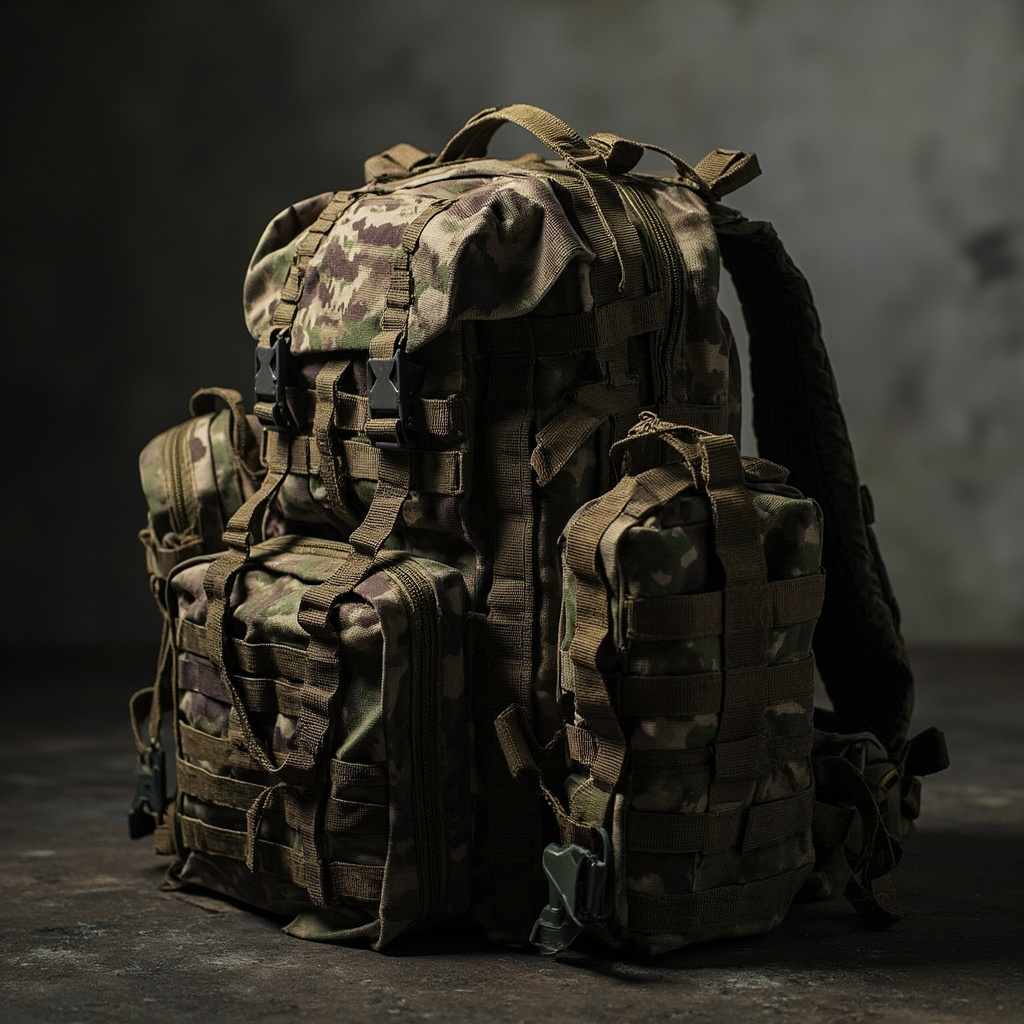
5.11 RUSH72 55L Backpack
This 55 liter pack holds three days of gear with room to spare, and the tough water repellant nylon stands up to rough travel. MOLLE webbing lets you attach extra pouches as your kit grows.
Check Price on Amazon
Osprey Farpoint 40 Pack
A 40 liter pack that fits airline carry on rules, so it works for a bug out bag or a quick trip. The U-zip opening lets you see and reach everything fast when time matters.
Check Price on Amazon
Sawyer Squeeze Water Filter
This filter turns questionable water from streams or puddles into safe drinking water, so you do not have to carry every drop. It is small and light enough to live in any bag without slowing you down.
Check Price on AmazonIn this guide
What a Bug Out Bag Is For
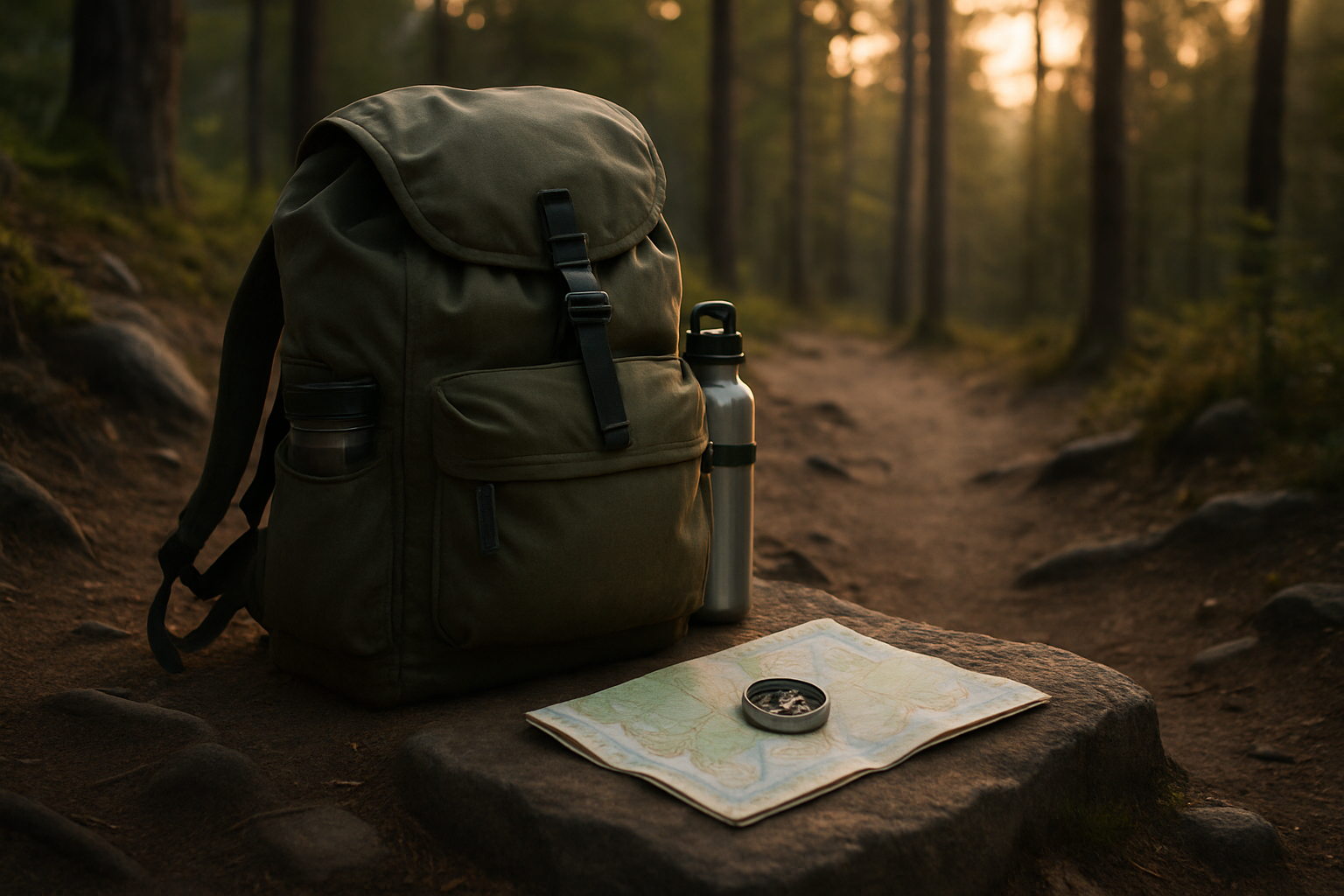
A bug out bag is built for one job: keep you alive and functional for 72 hours to a few days while you travel from your home to a safe location.
It is not a survival kit for living in the wilderness for a month. It is not a doomsday bunker in a bag. It is practical gear for realistic emergencies.
The most common reasons people actually use these bags are natural disasters, house fires, chemical spills, extended power outages, and mandatory evacuations. Not a zombie apocalypse. Not a civil war. Real things that happen to real people every year.
Keep that in mind when you are tempted to add night vision goggles or six months of food.
Why Trust This Guide?
This article was researched and reviewed by contributors with hands-on experience in emergency preparedness. They have tested gear, built real systems, and lived through situations where these skills actually mattered.
The Four Rules Before You Start Packing
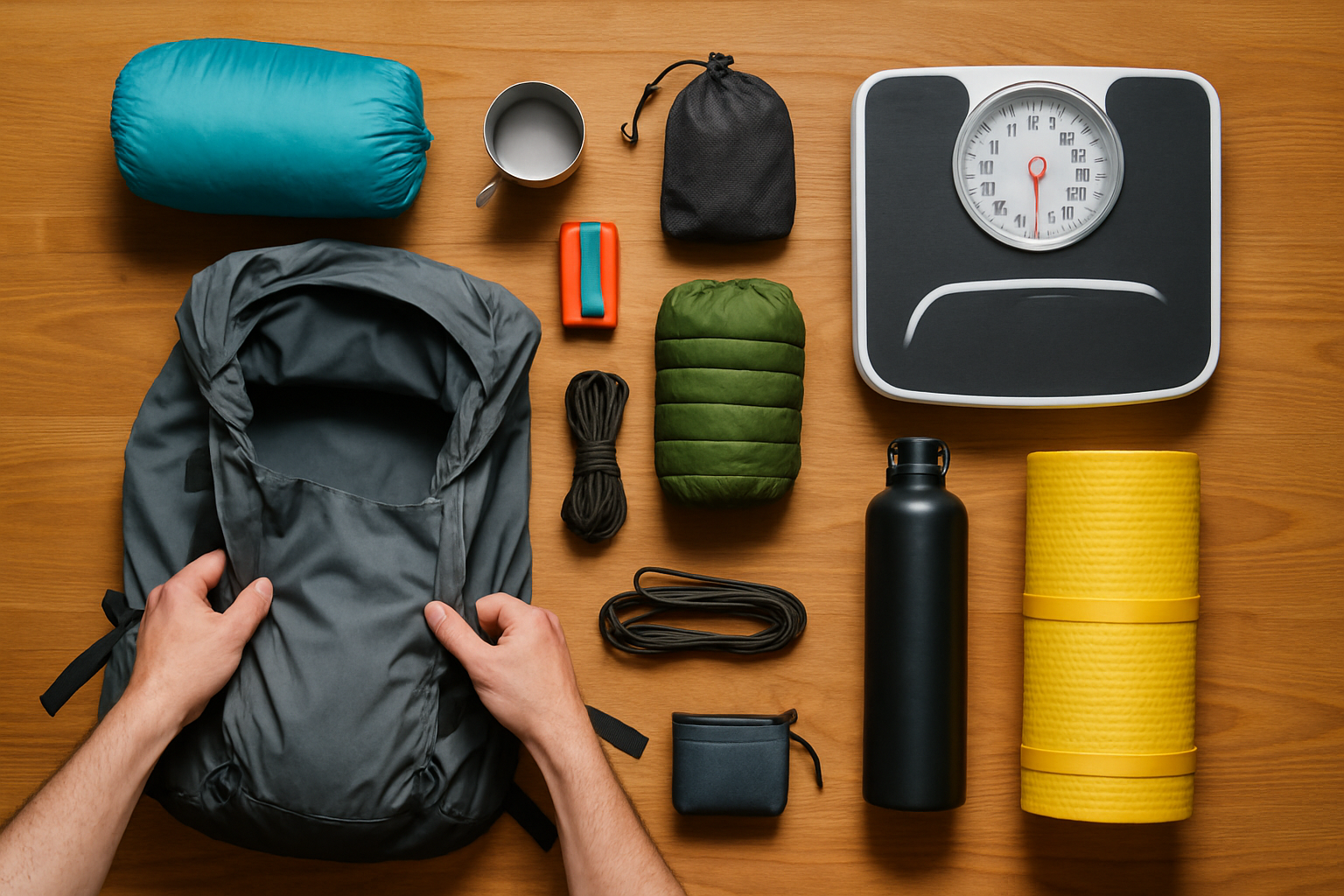
Rule 1: You have to be able to carry it. A bag you cannot lift does nothing. Most adults can carry 20 to 25 percent of their body weight comfortably. For a 160-pound person, that is 32 to 40 pounds absolute maximum. Aim lower.
Rule 2: Everything in the bag has to work. Cheap gear fails under stress. A fire starter that does not spark or a flashlight with dead batteries is worse than nothing because it gives you false confidence. Buy quality for critical items.
Rule 3: You need to know how to use everything in it. A bag full of gear you have never touched is a bag full of expensive confusion during a crisis. Practice with your kit.
Rule 4: The bag has to be ready right now. A bug out bag stored half-assembled or with dead batteries is not a bug out bag. Check it twice a year. Rotate food. Replace batteries.
How to Choose the Right Bag
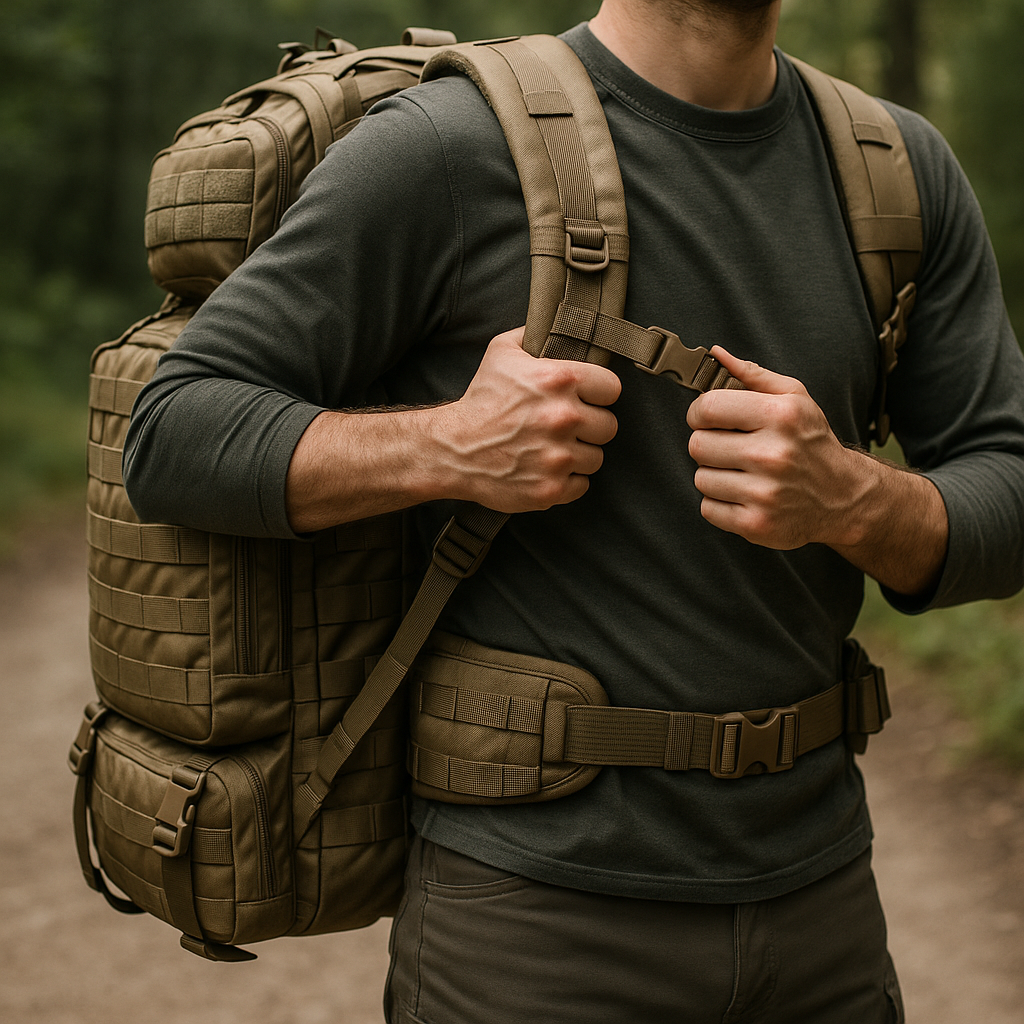
The bag itself matters. A good pack keeps the weight distributed so you can actually walk with it.
Look for these features:
Capacity: 40 to 60 liters is right for most adults. Big enough to hold everything without forcing you to overfill. If you are building a Level 1 minimal kit, 30 liters works.
Frame: An internal frame transfers weight to your hips instead of your shoulders. For anything over 25 pounds, a frame is essential.
Hip belt: Same reason. A padded hip belt moves 60 to 80 percent of the load off your shoulders and onto your stronger hip and leg muscles.
Durable material: Look for 500D to 1000D nylon or Cordura. Cheap polyester tears.
MOLLE webbing: Optional but useful. Lets you attach pouches and add storage as needed.
Our recommendation: The 5.11 RUSH72 2.0 (55L) is the best all-around choice for most people. Tough, comfortable, well-organized. The Osprey Farpoint 40 is lighter and works well for smaller adults or those who prioritize comfort over capacity.


The Complete Checklist by Priority
The items below are broken into three levels. Level 1 is the foundation. No exceptions. Level 2 adds capability for longer or harder situations. Level 3 is for extended scenarios or people who live in higher-risk environments.
Water: The Most Important Category
You can survive three weeks without food. You cannot survive three days without water. Water is your top priority.
The problem: water is also heavy. A liter weighs about 2.2 pounds. You cannot carry enough to last more than a day.
The solution: carry the means to make water safe rather than carrying all the water you need.
What to Pack for Water
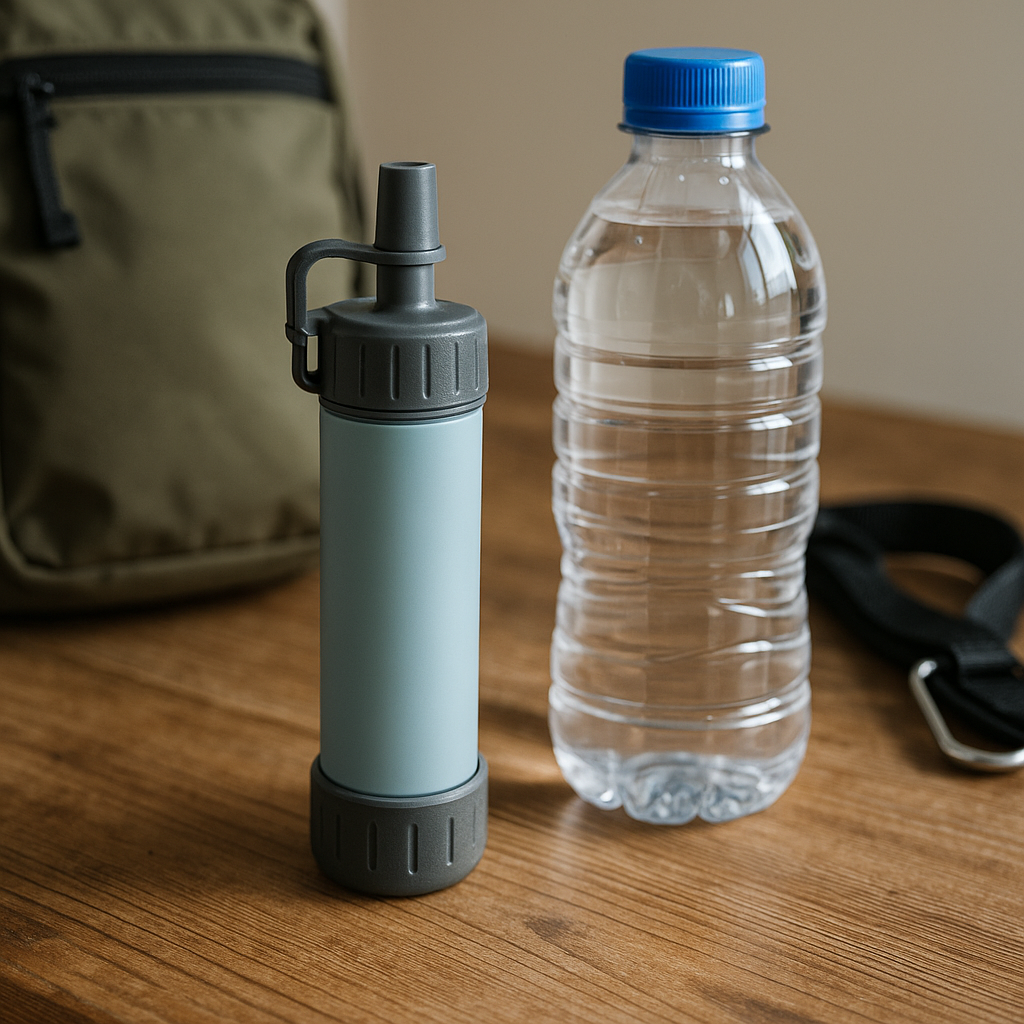
A filter: The Sawyer Squeeze is the gold standard at this price point. It filters 100,000 gallons before needing replacement, weighs 3 ounces, and fits in your palm. The LifeStraw Personal is a solid backup. Both remove bacteria and protozoa from any fresh water source.

Purification tablets: Aquatabs handle viruses, which filters alone do not. In a domestic emergency, viruses in water are rare. In a situation involving flooding, sewage overflow, or international travel, they matter. Pack both.

A hard-sided bottle: Get a Nalgene 32 oz Wide Mouth or a stainless steel bottle. Stainless lets you boil water directly over a fire if your filter fails. That redundancy is worth the extra few ounces.

A collapsible backup: A Platypus 2L collapsible bottle takes up almost no space and lets you carry extra capacity when you find a water source.

Food: Calories Over Comfort
You are not cooking a meal. You are fueling movement and keeping your brain working. Focus on calories, portability, and no-preparation requirements.
What to Pack for Food
Ready-to-eat bars: Datrex 3600 calorie emergency ration bars provide 9 bars at 400 calories each. They taste like shortbread, require no water, and have a 5-year shelf life. One pack covers about 1.5 days.

Mountain House pouches: For a bag with room for a small stove and pot, Mountain House freeze-dried meals are worth packing. Just-in-Case pouches last 30 years and taste like actual food, which matters more than people expect when stress is high.

Trail mix and energy bars: Fill gaps with Clif Bars or similar. High calorie density, no refrigeration, widely available.

Aim for 2,000 calories per day minimum. Physical and mental stress burns calories fast. Under-eating during an emergency leads to poor decision-making, fatigue, and slower movement.
First Aid: Where Most Bags Fail
The biggest gap in most bug out bags is first aid. People grab a $15 kit from a drugstore with bandages and antiseptic wipes and call it done.
That kit handles a scraped knee. It does not handle a serious wound.
In a real emergency involving vehicle accidents, building debris, or any situation involving physical danger, the injuries that kill people in the first hour are bleeding wounds, airway obstruction, and tension pneumothorax. You need gear for the first one, and training helps with all three.
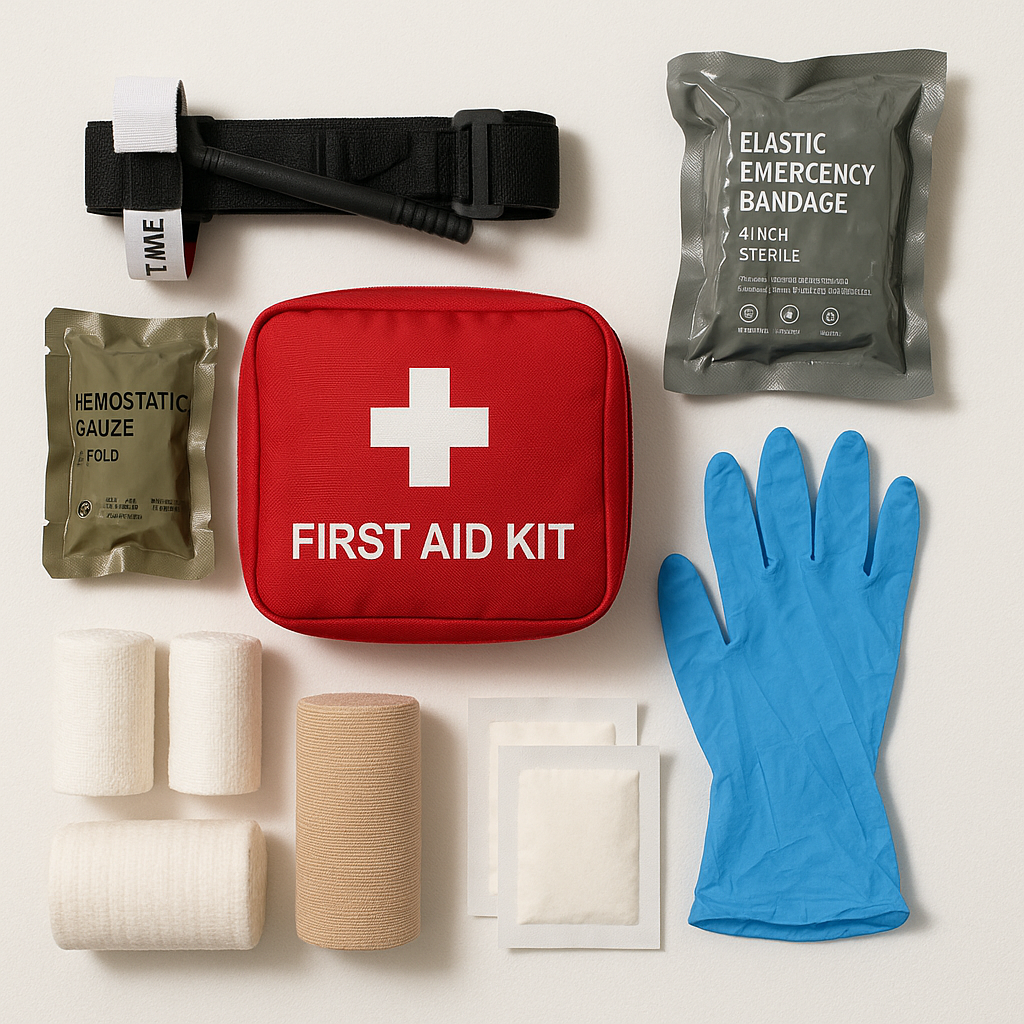
What to Actually Pack for First Aid
The Adventure Medical Kits Trauma Pak with QuikClot is the minimum serious trauma kit. It includes an Israeli bandage, hemostatic gauze, and a tourniquet. This is not optional.

Tourniquet: The CAT Tourniquet (GEN 7) is the standard. It is used by military medics worldwide. Learn to apply it in under 30 seconds. Practice on yourself.

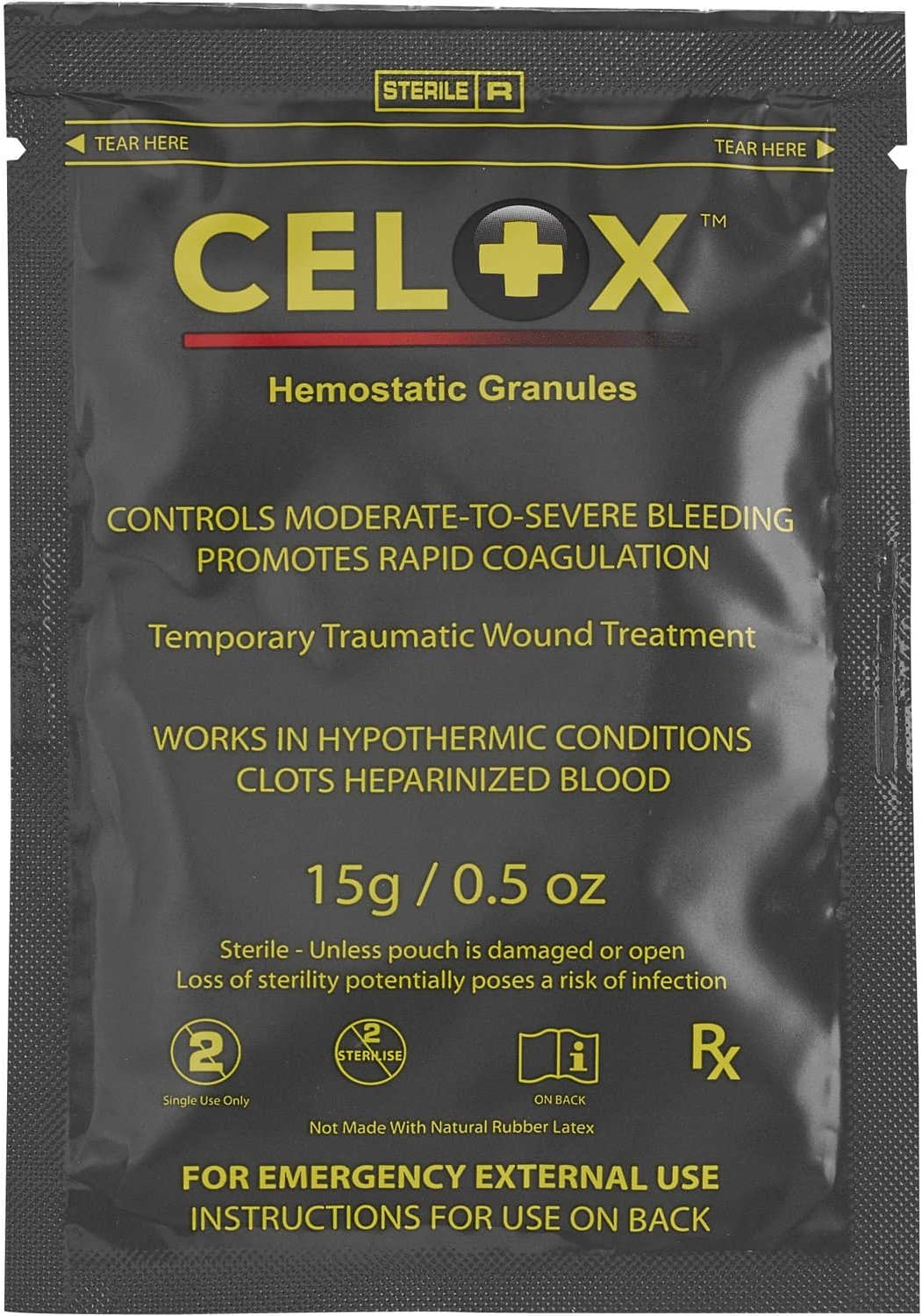
Celox hemostatic granules: For wounds that a tourniquet cannot stop, such as neck, groin, or shoulder injuries. Pack the granules, not just the gauze.
Medications: Add a two-week supply of any prescription medications plus ibuprofen, antihistamine, anti-diarrheal, antacid, and any personal needs.
Know what you packed. Take a Stop the Bleed course. They are free, two hours, and widely available.
Shelter: Weather Kills
Exposure to cold and wet is one of the most common causes of death in outdoor emergencies. Hypothermia can set in at 50°F if you are wet and tired. You do not need to be anywhere near freezing.
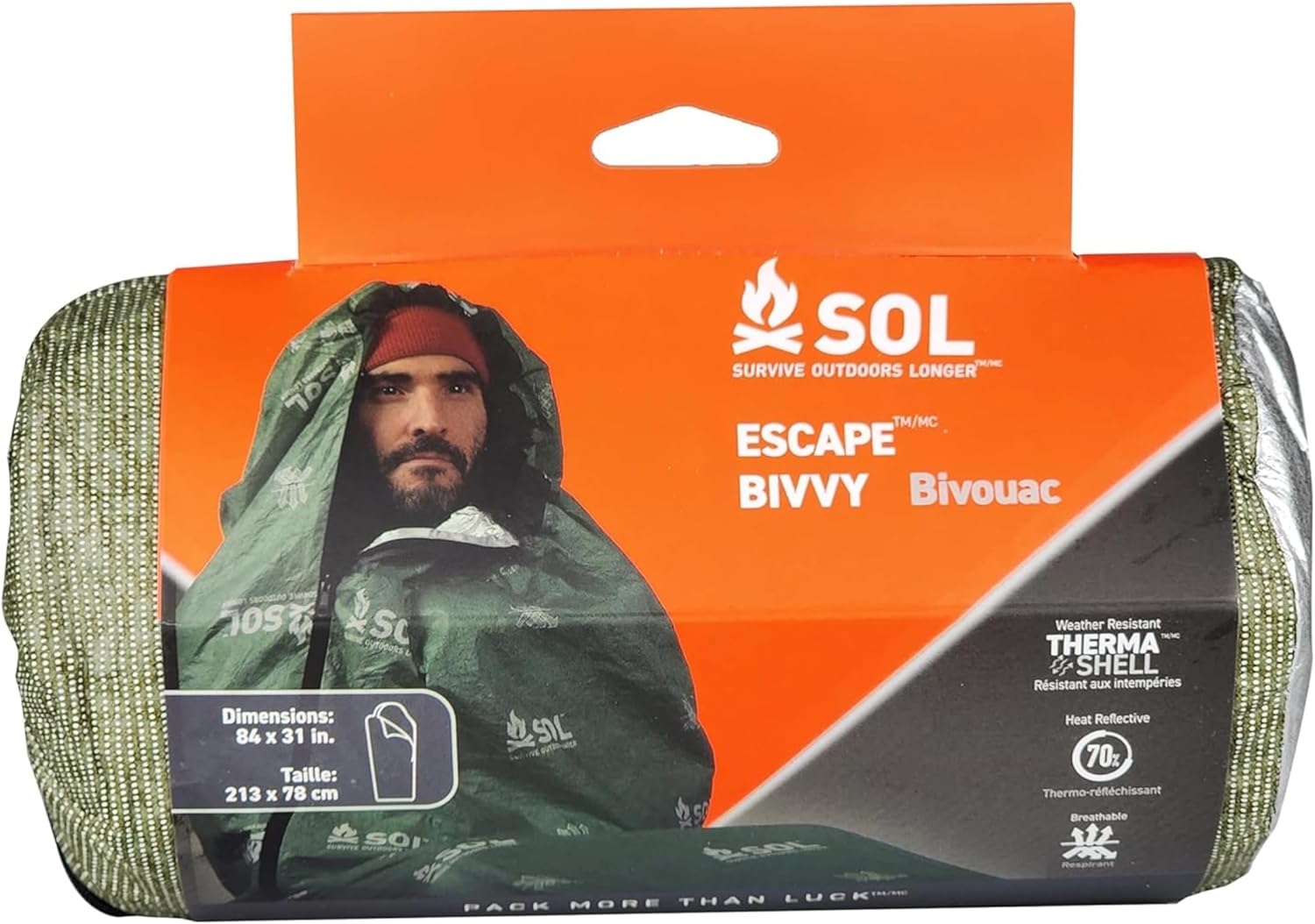
Mylar emergency blankets: Pack two SOL Escape Bivvy bags, not the thin disposable kind. The SOL retains 70 percent more heat, handles condensation better, and does not tear apart the first time you use it. Use one for yourself, one for someone else if needed.
Rain poncho: A heavy-duty poncho that covers you and your pack keeps you dry long enough to reach shelter. Frogg Toggs are lightweight, durable, and under $20.

Tarp: A lightweight silnylon tarp gives you a weatherproof overhead shelter with no poles needed. The DD Hammocks 3x3 Tarp weighs less than a pound and covers two adults.

Communication and Navigation
Your phone will not save you. Cell towers get overloaded in disasters. Batteries die. Grid goes down. You need alternatives.
Emergency radio: The Midland ER310 is the best hand-crank emergency radio on the market. It receives all 7 NOAA weather band channels, has a solar panel built in, includes an SOS beacon light, and works as a phone charger. This is one of the highest-value items in any emergency kit.

Backup power bank: The Anker PowerCore 20100 holds enough charge for four to six full phone charges. Keep it charged. Rotate it every six months.

Compass and map: A Silva Ranger compass and a printed road map or topographic map of your area cost under $30 total. When your phone is dead and roads are blocked, knowing which direction is north and how to read terrain is worth more than any app.

The Items People Always Forget
These do not fit neatly into a category but get overlooked in almost every list:
Cash in small bills: ATMs go down in disasters. Cards stop working. Carry $100 to $200 in fives and tens. You cannot make change in a crisis.
USB cables and wall/car adapters: You have the phone. You have the battery bank. But the cable is home on your desk.
Prescription glasses or contacts: If you wear corrective lenses, pack a backup pair. Walking three miles to a shelter in the dark with blurry vision is a real problem.
Copies of important documents: ID, passport, insurance, medications list, emergency contacts, bank account numbers. Store them in a waterproof document bag inside your pack. Add a USB drive with scanned copies.

Duct tape: Not a whole roll. Wrap 10 to 15 feet around a pencil. Fixes gear, patches ponchos, makes improvised bandages, holds things together.
Paracord (50 to 100 feet): 550 paracord weighs almost nothing and handles shelter building, repairs, clothesline, rescue rope, and a dozen other uses.

Gloves: A pair of work gloves and a pair of warm gloves. Moving debris, climbing fences, navigating damaged buildings. Your hands take a beating.
What to Leave Out
This is where most bags go wrong. People add too much.
Leave out:
- Tactical gear and weapons (unless you have specific training and legal carry authorization)
- More than 5 days of food (too heavy)
- Cooking equipment beyond a small stove unless you have room and train with it
- Paper books beyond a small reference guide
- Duplicate items beyond what redundancy requires
- Anything you have never used and have not practiced with
The weight test: Pick up your finished bag and walk a mile in your neighborhood. If you cannot maintain a normal pace, it is too heavy. Cut weight before adding anything else.
Building Your Bag on a Budget
You do not have to spend $1,000 all at once. Build in phases.
Month 1 ($80 to $120): Get the bag, a headlamp, two lighters, a ferro rod, mylar blankets, and a basic first aid kit. Add ration bars.
Month 2 ($80 to $120): Add the Sawyer Squeeze, water purification tablets, a hard-sided water bottle, and the Midland ER310 radio.
Month 3 ($80 to $150): Upgrade the first aid kit with a tourniquet and QuikClot gauze. Add a fixed-blade knife and multitool.
Month 4 and beyond: Add sleeping gear, solar charger, battery bank, stove, and any Level 3 items that fit your situation.
Buying the right gear once at moderate quality is better than buying cheap gear twice.
Maintain Your Bag
A bug out bag that has not been checked in two years is not a bug out bag. It is a bag of expired food and dead batteries.
Every 6 months:
- Replace batteries in headlamp and radio
- Check food expiration dates
- Verify medications are current
- Test your fire starters
- Check water filter for damage
- Make sure documents are current
Every year:
- Do a full shake-out. Unpack everything. Inspect every item. Repack with intention.
- Walk a mile with the bag. Make sure it still fits and feels right.
Set a calendar reminder. Make it a habit.
The Most Important Thing
Gear is not the point. The point is that when something goes wrong, you and your family do not become victims.
The bag is a tool. The person carrying it is the asset. Practice. Know your area. Know your escape routes. Talk to your family about where to meet if you get separated.
A well-built bag that a prepared person carries is worth ten times a perfect bag owned by someone who has never thought about how they would actually use it.
Build the bag. Then build the knowledge.
Reviewed by James W. (retired firefighter and paramedic, 22 years) and Ryan C. (backcountry guide and conservation technician).