 Ready
Ready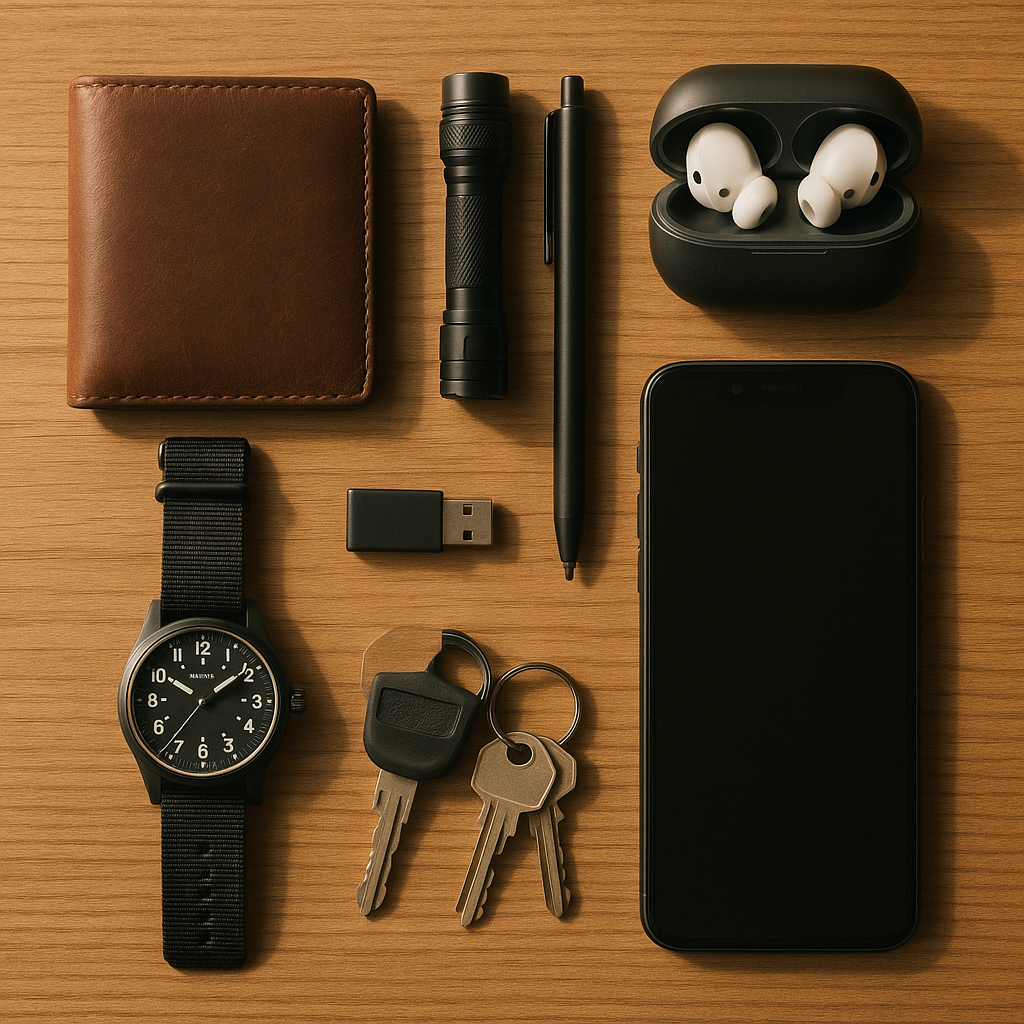
Everyday Carry for Emergency Preparedness: The Realistic EDC Guide (2026)
You already carry an EDC kit. You just might not know it yet.
Your phone, your wallet, your keys. That is the foundation. The question is not whether to carry everyday items. You already do. The question is whether the things you carry every day would actually help you if something went wrong.
This guide is for people who want practical answers to that question. Not tactical fantasy. Not a list of gadgets that look cool on YouTube. Just a clear-eyed look at what is worth carrying, how to carry it without feeling like a pack mule, and how to match your EDC to the emergencies you actually face.
- A realistic EDC covers 3 basics: a light source, a cutting tool, and a fix-it tool.
- Pick a flashlight with at least 200 lumens so you can see in a blackout or find your way at night.
- Carry a knife or multi-tool for cutting, opening, and quick repairs.
- Choose gear small enough to fit on a keychain or in a pocket, so you actually carry it every day.
- Rechargeable or long-lasting tools mean you are ready when you need them, not caught empty.



Reviewed by Priya K., Marcus T. & Beth O. — contributors with hands-on preparedness experience. How we test
Being ready starts with a few smart items you carry every day. Grab these picks, then read on to see why each one earns a spot in your pockets.
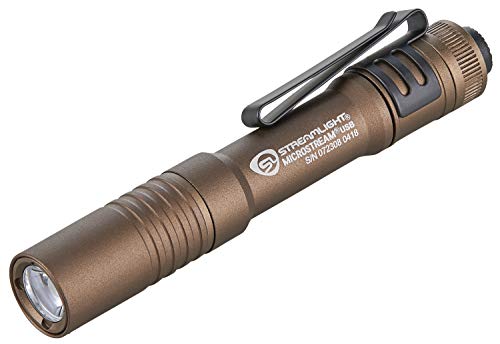
Streamlight MicroStream USB Flashlight
This pocket light puts out 250 lumens and reaches 68 meters, so you can see clearly during a power outage or emergency. It recharges with a USB cable, so you never get stuck without light.
Check Price on Amazon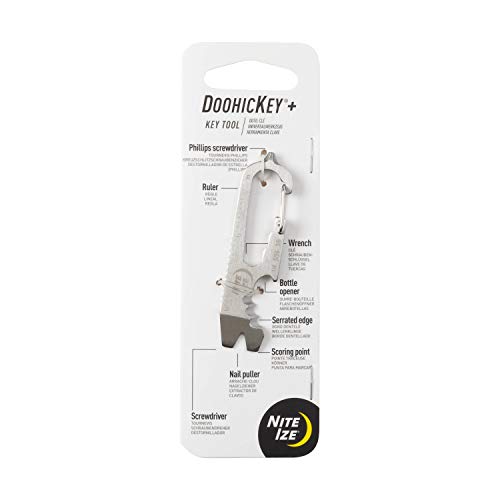
Nite Ize DoohicKey Multi Tool
This keychain tool packs 8 jobs into one small piece, including screwdrivers, a wrench, and a bottle opener. At under 3 inches tall, it stays on your keys so a handy fix-it tool is always with you.
Check Price on Amazon
Victorinox Tinker Swiss Army Knife
This compact knife holds 12 functions, including a blade, screwdrivers, and a bottle opener. It handles cutting and everyday repair tasks while staying small enough for any pocket.
Check Price on AmazonIn this guide
Why Trust This Guide?
This article was researched and reviewed by contributors with hands-on experience in emergency preparedness. They have tested gear, built real systems, and lived through situations where these skills actually mattered.
What EDC Actually Means
EDC stands for everyday carry. In the preparedness world, it refers to the small collection of items you have on your person or in your immediate bag at all times.
The key word is “everyday.” Not just when you feel like it. Not just on camping trips. Every day, including the Tuesday afternoon when your car breaks down on the interstate or the Wednesday evening when the power goes out in your office building.
EDC sits at the front of your preparedness stack. Think of it as three concentric rings. The innermost ring is your on-body carry, the items in your pockets or on your belt. The middle ring is your bag, often called an EDC bag or everyday bag. The outer ring is your car kit or get-home bag. Each ring adds capability, but the inner ring is always with you.
If all three rings are solid, you are well prepared for most everyday emergencies. But if the inner ring is empty, even a great car kit does not help you when you are two miles from your car.
The Tactical Fantasy Problem
EDC has a perception problem. Go online and search for “everyday carry” and you will find photos of expensive custom knives, titanium pens, and loadouts that weigh four pounds before you even pick up your phone.
That stuff is fine if it genuinely works for you. But it puts a lot of people off. They see the tactical complexity and think EDC is not for them. It is.
The real goal of emergency EDC is boring competence. Being able to cut a seatbelt. Charge your phone when you need directions. Make light in the dark. Treat a small cut. Not get lost. Stay warm if you are stuck outside unexpectedly.
None of that requires a custom knife collection.
The Realistic Minimum
You need to be honest about one thing before you build your EDC. What is the actual gap between what you carry now and what you would need in a realistic emergency?
Most people already carry their phone, their wallet, and their keys. That is a stronger foundation than it seems.
Your phone gives you communication, navigation, a flashlight (dim), access to emergency information, and the ability to call for help. Your wallet gives you cash, ID, and cards. Your keys give you access to your home and car.
The realistic minimum EDC just fills in the holes that your existing carry does not cover.
The gaps most people have:
- No backup light source (phone flashlight dies with the battery)
- No cutting tool
- No fire starting ability
- No way to charge a dead phone away from an outlet
- No way to deal with a minor injury
- No water purification if they are stuck away from home
You do not have to fill every gap at once. Start with the highest-probability problems. For most people in most places, that means a light source, a multi-tool or knife, and a phone charger.
Layer 1: On-Body Carry
This is the gear on your body. Pockets, a belt clip, or an inside-waistband pouch. Whatever you are wearing, this stuff is on you.
The constraint here is real. You have limited pocket space, a weight limit before things become uncomfortable, and social context. A large folding knife is fine at a campsite. It draws stares in a business meeting.
The core four for on-body carry:
1. A Real Flashlight
Your phone’s flashlight is a crutch. It drains your battery at the worst possible time. A dedicated light that clips to your pocket and runs on its own battery is worth carrying every day.
The Streamlight MicroStream is one of the best choices available. It runs on a single AAA battery, weighs about an ounce, clips to a pocket cleanly, and puts out 250 lumens on high. That is enough light to navigate a dark parking garage, signal for help, or search a room during a power outage.
It is small enough that you will forget it is there. Which means it will actually be on you when you need it.
2. A Cutting Tool
You need something that cuts. What makes sense depends on your context.
If you work in an office or anywhere that knives would be unwelcome or awkward, a keychain multi-tool is a much better fit than a folding knife. The Nite Ize DoohicKey is a flat, credit-card-sized multi-tool that fits on a keyring. It includes a screwdriver, a bottle opener, and a small cutting edge. It is not a knife, so it travels through many environments without comment.
The Victorinox Swiss Army Tinker is an excellent step up. It fits in a pocket, has a small blade, two screwdrivers, scissors, a can opener, and a bottle opener. It will pass workplace scrutiny far better than a tactical knife, and it handles 90 percent of the cutting and improvising tasks you will actually face.
If a folding knife is appropriate for your context, look for something lightweight and simple. A small folding knife in the 3-inch blade range is practical and legal in most places. Keep it sharp.
If you want a full-featured multi-tool, the Leatherman Skeletool is the best balance of capability and carry weight. It has pliers, a knife, and a combination screwdriver in a stripped-down form factor that weighs under 5 ounces. It is small enough to clip to a bag strap or sit in a pocket without being annoying.
3. Fire
This is the item most people forget. It sounds old-fashioned until you are in a situation where you need it.
Fire means warmth if you are stuck outside in cold weather. Fire means the ability to sterilize something, signal for help, or light something when your flashlight dies. And fire means the ability to light a candle at home when the power is out for three days.
A BIC lighter is the simplest possible answer. It is a dollar. It works. It has been working for fifty years. Put one in your pocket and stop thinking about it.
If you want a backup, a waterproof match case or a ferro rod in your bag adds redundancy. But the BIC in your pocket is the first line. Carry it.
4. A Tile Mate Tracker
This one is slightly unconventional but quietly useful. The Tile Mate on your keyring serves two purposes.
The obvious one: it helps you find your keys. During an emergency or high-stress situation, losing track of your keys at exactly the wrong moment is more common than you would think.
The less obvious one: if you are lost or someone needs to find your location, devices like this can help. The network function lets other Tile users passively update the tracker’s location even when it is not connected to your phone.
It is a small addition that earns its place on the keyring.
Layer 2: Your EDC Bag
Most people carry something. A backpack, a messenger bag, a purse, a work bag. Whatever you carry most days, that is your EDC bag. You do not need to buy a tactical pack. Use what you already have.
The bag layer is where you add capability that does not fit on your body. The items here are larger, heavier, or more specialized than what you want in your pockets.
Phone Power
A dead phone in an emergency is worse than no phone. You know the phone is supposed to work, you have become dependent on it, and when it dies you feel genuinely helpless.
The fix is simple. Carry a slim power bank.
The Anker PowerCore 10000 is the best choice for daily carry. It holds 10,000 mAh, which is roughly 2.5 to 3 full phone charges. The slim version is thinner than most phones. It weighs 6.35 ounces. It fits in a bag side pocket or the front pocket of a backpack and disappears.
Keep it charged. Plug it into the wall once a week if you are not actively using it. It will be ready when you need it.
Water Purification
You might think water purification is overkill for daily carry. But think about the scenarios: you are stuck somewhere for a few hours and the taps are out, you are in a building with a water main break, you are on a hike that went longer than expected.
Carrying purification does not mean bringing a filter pump. A small Aquatabs 10-pack weighs almost nothing and purifies up to 10 liters of water. Drop a tablet in a water bottle, wait 30 minutes, drink. They are used by disaster relief organizations worldwide because they actually work.
Toss a small pack in the zipper pocket of your bag. You will forget they are there until you need them.
Emergency Warmth
An emergency mylar blanket takes up almost no space and weighs less than 2 ounces. It also reflects 90 percent of your body heat, which is the difference between staying warm and hypothermia if you are stuck outside in cold weather or in a vehicle after a crash.
A pocket-size mylar emergency blanket folds up to roughly the size of a large matchbook. It belongs in the bottom pocket of every bag.
Basic First Aid
A small pouch with band-aids, a couple of gauze pads, medical tape, and ibuprofen handles 80 percent of the minor injury situations you will actually face. You can buy a pre-made mini first aid kit or assemble your own. The key is small and flat, so it actually stays in your bag.
A Small Amount of Cash
This belongs in the bag layer, not just the wallet. Keep $40 to $60 in small bills somewhere separate from your wallet. If you lose your wallet, you can still pay for gas, food, or transit.
Layer 3: Your Vehicle or Get-Home Kit
This layer is outside the scope of a pure EDC guide, but worth naming. Your car or get-home bag extends your capability significantly for scenarios where you are traveling and need to get back.
The important point is that EDC is not meant to handle everything. It is meant to handle the first 30 minutes to a few hours of any situation. After that, you want to be in your car, at home, or somewhere with more resources.
EDC buys you time and reduces panic. That is its job.
EDC for the Office
Office workers face a specific constraint. You cannot wear cargo pants and a multi-tool on your belt without drawing attention or violating some workplace dress codes. You need a kit that disappears into a professional environment.
The office-friendly EDC stack:
In your pockets: Streamlight MicroStream clipped inside a front pocket. Victorinox Tinker or Nite Ize DoohicKey on your keyring. BIC lighter in your pocket or bag. Phone and wallet as usual.
In your work bag: Anker PowerCore slim in the front pocket. Aquatabs tucked in a small pouch. Mylar blanket in a zip pocket. Mini first aid kit.
None of this is visible. None of it violates any dress code. You walk into a meeting looking like a normal professional and you are quietly prepared for most common situations.
The Victorinox Tinker specifically is a good choice here because it does not read as a weapon. It reads as a pocketknife that someone’s grandfather carried. You can set it on a conference room table and nobody thinks twice.
The Weight vs. Usefulness Tradeoff
The biggest mistake people make with EDC is adding too much at once. You add a few things, they seem useful, you read about more things, you add those too, and after a few months your bag weighs 15 pounds and your pockets are uncomfortable.
Then you start leaving things behind because the weight is annoying. And you have defeated the purpose.
The rule is: if you regularly leave an item behind because it is inconvenient, that item is not actually in your EDC. It is aspirational carry.
Test every item with this question: Would I carry this on a day when I am wearing light clothes and just want to get through the day without thinking about it?
If the answer is no, you need to find a lighter version or cut the item.
The items in this guide pass that test. The Streamlight MicroStream weighs an ounce. The BIC lighter weighs under an ounce. The Anker PowerCore slim is thinner than a phone. The Victorinox Tinker weighs 2.9 ounces. None of this is burdensome.
Start with less. Add one item at a time and carry it for two weeks before adding another. If it earns its place, it stays. If you keep forgetting it or leaving it in the car, cut it.
Building Around Your Actual Risk Profile
Your EDC should reflect your actual life, not a generic emergency checklist.
Ask yourself a few questions:
How do you commute? If you drive, your car extends your range significantly and you can keep more gear there. If you take public transit, you need everything on your person or in your bag. If you walk or bike, weight matters more.
Where do you spend most of your time? A suburban office worker has different risks than someone who spends time outdoors or travels frequently for work. The office worker might prioritize the power bank and first aid. The outdoor worker might prioritize fire and water.
How far are you from home at peak? If you are never more than a few miles from home, getting back on foot is always an option and your EDC needs are different from someone who travels 30 miles each way.
What are the likely emergencies in your area? If you live in a tornado zone, your priorities are different from someone in earthquake country. Wildfires, ice storms, flooding, power outages: know your local hazards and make sure your kit addresses them.
The tiered table below is a starting point. Use it as a framework and adjust based on your answers to these questions.
The Tiered EDC Table
The One Item Most People Forget
It keeps coming up in this guide because it keeps coming up in real situations. The lighter.
Not a ferro rod. Not a waterproof match case. A BIC lighter.
Fire is one of the most powerful tools in any emergency kit, and it is also the cheapest and lightest. A BIC weighs 0.8 ounces. It costs about a dollar. It has never given anyone a reason to leave it out.
And yet most people who consider themselves prepared do not carry one. They have a fire starter in their bug out bag. They keep a ferro rod in their camping kit. But they do not have anything on their actual person when they walk out the door in the morning.
The situations where fire matters in everyday emergencies are real. Power goes out in winter. You are stuck in a car in a snowstorm. You are stuck outside waiting for a tow. You are in a situation where you need to sterilize a wound and you have nothing else. You need to signal for help in a visibility emergency.
None of those are extreme scenarios. They are things that happen to ordinary people every few years.
Put a BIC in your pocket. Do not overthink it.
How the Leatherman Skeletool Fits In
The Leatherman Skeletool deserves a fuller look because it bridges the gap between a basic multi-tool and a full workshop in your pocket.
It is designed around three functions that actually get used: pliers, a knife, and a screwdriver. Leatherman cut everything else to keep the weight under 5 ounces.
The pliers are spring-loaded and tight, which makes delicate work possible. The knife blade is 2.6 inches, a comfortable general-purpose length. The screwdriver takes standard bit attachments, which means you can swap between Phillips, flathead, and hex drivers.
The carabiner clip on the Skeletool is functional, not decorative. You can clip it to a bag strap, a belt loop, or a gear anchor point without it flopping around.
For the full EDC tier, the Skeletool is the right choice as your primary multi-tool. For the moderate tier, the Victorinox Tinker is lighter and more office-appropriate. Both are excellent. The right one depends on your environment and how much you expect to use the pliers.
Maintaining Your EDC
An EDC kit that is not maintained is not actually a kit. It is a pile of things that might work.
Monthly checks:
- Replace the AAA battery in your Streamlight MicroStream every three to four months, or when output dims. Keep a spare in your bag.
- Check the BIC lighter. Shake it. If you can hear fluid, it is still good. Keep a backup.
- Make sure the Anker power bank is charged. Plug it in if it is below 50 percent.
Every six months:
- Check Aquatabs expiration date. They last five years from manufacture, but if they have been rattling around in heat or humidity, check the packaging.
- Inspect your mylar blanket for tears. Fold and unfold it once. If it tears easily, replace it.
- Check your mini first aid kit. Replace anything used or expired.
When your kit changes:
- If you get a new bag, rebuild the bag layer from scratch. Do not assume everything transferred over.
- If you change jobs or commutes, reassess your risk profile. A new job two miles away changes your needs versus a 45-minute highway commute.
The Gear List at a Glance
Here is every product mentioned in this guide with links for easy reference.
The Bottom Line
EDC for emergency preparedness is not about buying the best gear or carrying the most stuff. It is about having the right few things with you consistently enough that they are there when you actually need them.
Start at the minimal tier. A lighter, a keychain tool, and your existing phone, wallet, and keys. That costs almost nothing and it is a meaningful improvement over nothing.
Then add a flashlight and a power bank when you are ready. Then fill in water purification and warmth.
The goal is a kit that you carry every day without thinking about it, built around the emergencies that actually happen to people like you in places like where you live.
That is it. No tactical fantasy required.