Ready
Ready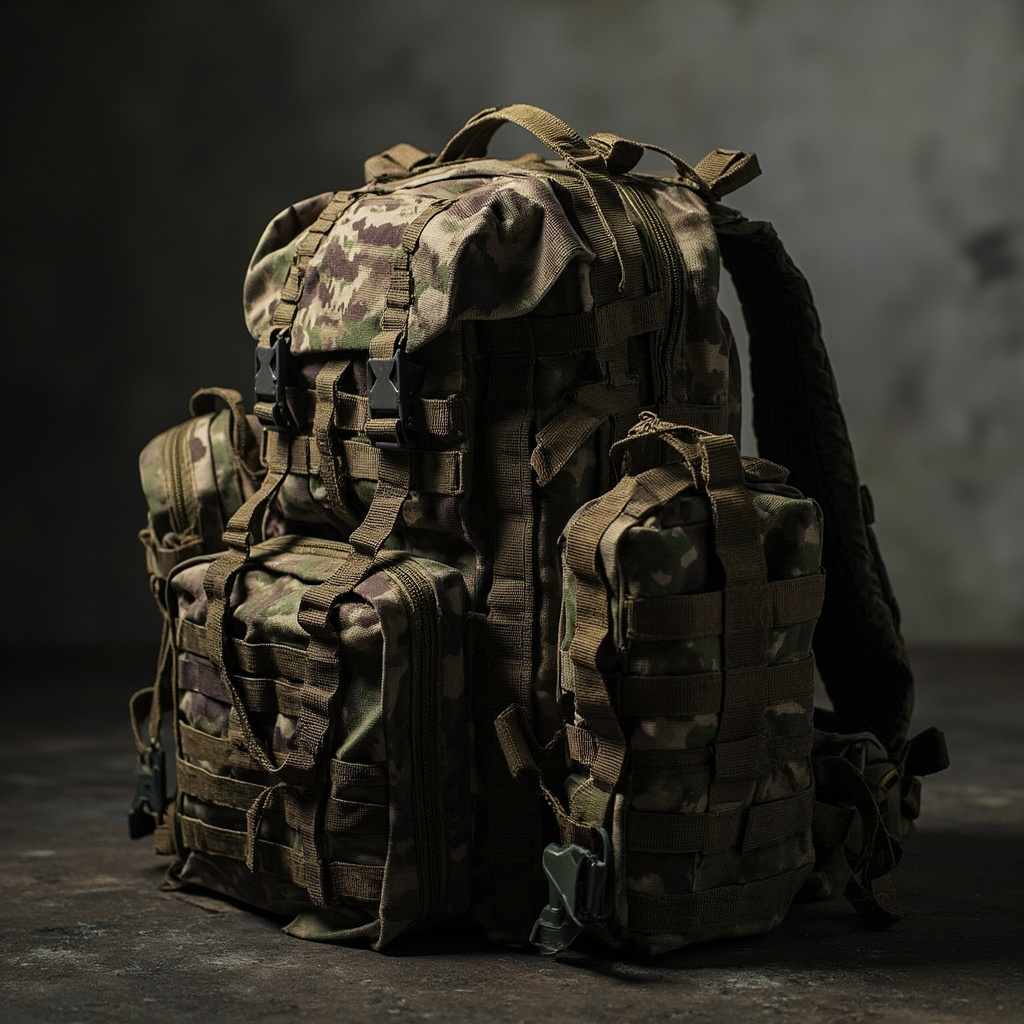
Get Home Bag Guide: The Bag That Gets You Back When Everything Goes Wrong
You are sitting at your desk at work. Twenty miles from home. Then something goes wrong. Maybe it is a major earthquake. Maybe a multi-vehicle accident has locked up the highway for hours. Maybe power is out across the region and traffic signals are dead, intersections are gridlocked, and your car is not going anywhere anytime soon.
You could wait it out. Or you could walk home.
Most people have never thought seriously about that second option. But if you did have to walk, would you be ready? Do you have water? Food for a day or two? Shoes that can handle twenty miles? A map in case your phone dies?
A get home bag is built for exactly this. It is a small, practical bag kept in your car or at your workplace. It holds what you need to travel 10 to 30 miles on foot, safely, over one to three days. Nothing more, nothing less.
This guide explains exactly what goes in it, how to size it for your commute, and how to keep it at work without looking like you are preparing for the end of the world.
- Your get home bag should carry you on foot for at least 24 hours if roads or transit shut down.
- Clean water matters most, so pack a way to filter or treat what you find along the way.
- Choose gear that is light and small, since you may walk many miles carrying everything.
- Bring backup water options in case one filter clogs or breaks.
- Test your gear before you need it, so nothing fails on the day everything goes wrong.



Reviewed by Priya K., Marcus T. & Beth O. — contributors with hands-on preparedness experience. How we test
Getting home safely means packing the right gear before trouble hits. Grab these items now, and keep reading to see why each one earns a spot in your bag.

Sawyer Mini Water Filter
This tiny filter weighs just 2 ounces and screens out particles down to 0.1 micron, so you can drink from streams and puddles on your walk home. It fits in your palm and adds almost no weight to your bag.
Check Price on Amazon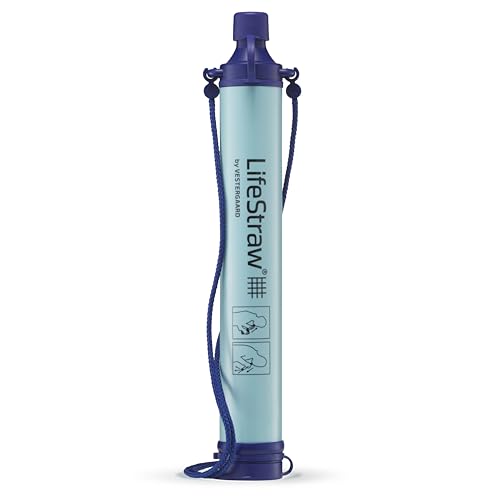
LifeStraw Personal Filter
It removes 99.999999 percent of bacteria and 99.999 percent of parasites from water you find on the road. Sip straight from a source when you cannot stop to fill a bottle.
Check Price on Amazon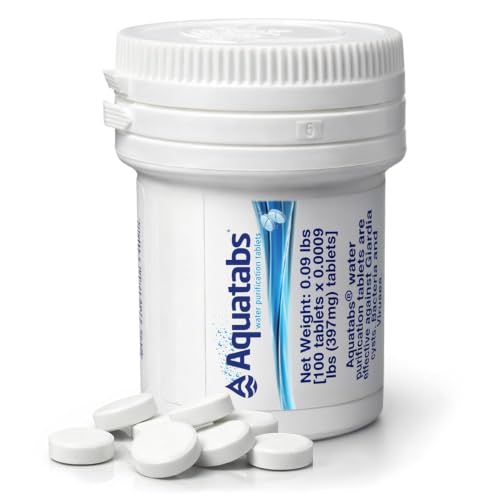
Aquatabs Purification Tablets
These tablets disinfect water when your filter clogs or when you need a lightweight backup. Drop them in, wait, and you have safe water without any moving parts to break.
Check Price on AmazonIn this guide
Why Trust This Guide?
This article was researched and reviewed by contributors with hands-on experience in emergency preparedness. They have tested gear, built real systems, and lived through situations where these skills actually mattered.
Get Home Bag vs. Bug Out Bag: Two Different Tools
These two bags are often confused. They sound similar and share some gear. But they have different jobs.
A bug out bag is built for leaving home. Something has made your house or neighborhood unsafe, and you need to travel to a safer location. It is typically packed for 72 hours to a week. It may be heavier, 30 to 50 pounds, because you are leaving with no clear timeline.
A get home bag is built for getting to home. You are away from home when an emergency hits, and your goal is to close that distance on foot. It is lighter, 10 to 20 pounds maximum. It is built for a shorter trip, usually one to three days. And it has one destination in mind: your front door.
The mindset matters. You are not evacuating. You are returning. That changes everything about what you pack.
The Core Scenario: Twenty Miles, Three Days, On Foot
Let us be specific. You commute 20 miles to work. A major earthquake hits at 10 AM. Roads are cracked, bridges are out or closed for inspection, and the highway is a parking lot of abandoned cars. Your phone shows a “No Service” message. Cell towers are down.
You cannot drive home. You need to walk.
Twenty miles on foot is not a casual stroll. An average person walks about 3 miles per hour on flat ground. With a pack, some road damage, and detours around blocked areas, call it 2 miles per hour on a hard day.
That puts you at 10 hours of walking for 20 miles. That is a full day. In the dark, in unfamiliar terrain, with tired legs, you will likely need to stop and sleep somewhere. Plan for two days. Hope for one.
What does that require?
- Enough water to last until you find a safe source, plus a way to filter more
- Enough food for energy without weighing you down
- Shelter from cold or rain for one or two nights
- A way to see in the dark
- Basic first aid for blisters and minor injuries
- Cash in small bills for anything you can buy along the way
- A paper map because your phone may be dead or useless
That is your list. Everything else is optional.
How to Size Your Bag for Your Commute
Not everyone commutes 20 miles. Some people drive 5 miles. Others take a train and are 40 miles from home. Your bag should match your actual situation.
Use this rough guide:
Under 10 miles: You can probably walk home in a single day with minimal supplies. A small daypack with water, some snacks, a good pair of walking shoes, and a phone battery pack is enough.
10 to 20 miles: This is the most common commuter range. One day of walking, maybe two. Build a moderate bag with full water and food supplies, basic shelter (emergency blanket or bivy), and the full gear list below.
20 to 40 miles: You are looking at two to three days of walking. Add more food, consider a lightweight sleeping bag or extra insulation, and plan your route carefully on a paper map before an emergency happens.
Over 40 miles: At this distance, walking may not be the right answer. Your plan might include riding a bike, finding a ride, or waiting until vehicles can move. Build a bag for 48 to 72 hours and have a clear alternate plan.
The most important number to know is your actual commute distance, door to door, on walkable roads.
Choosing the Right Bag
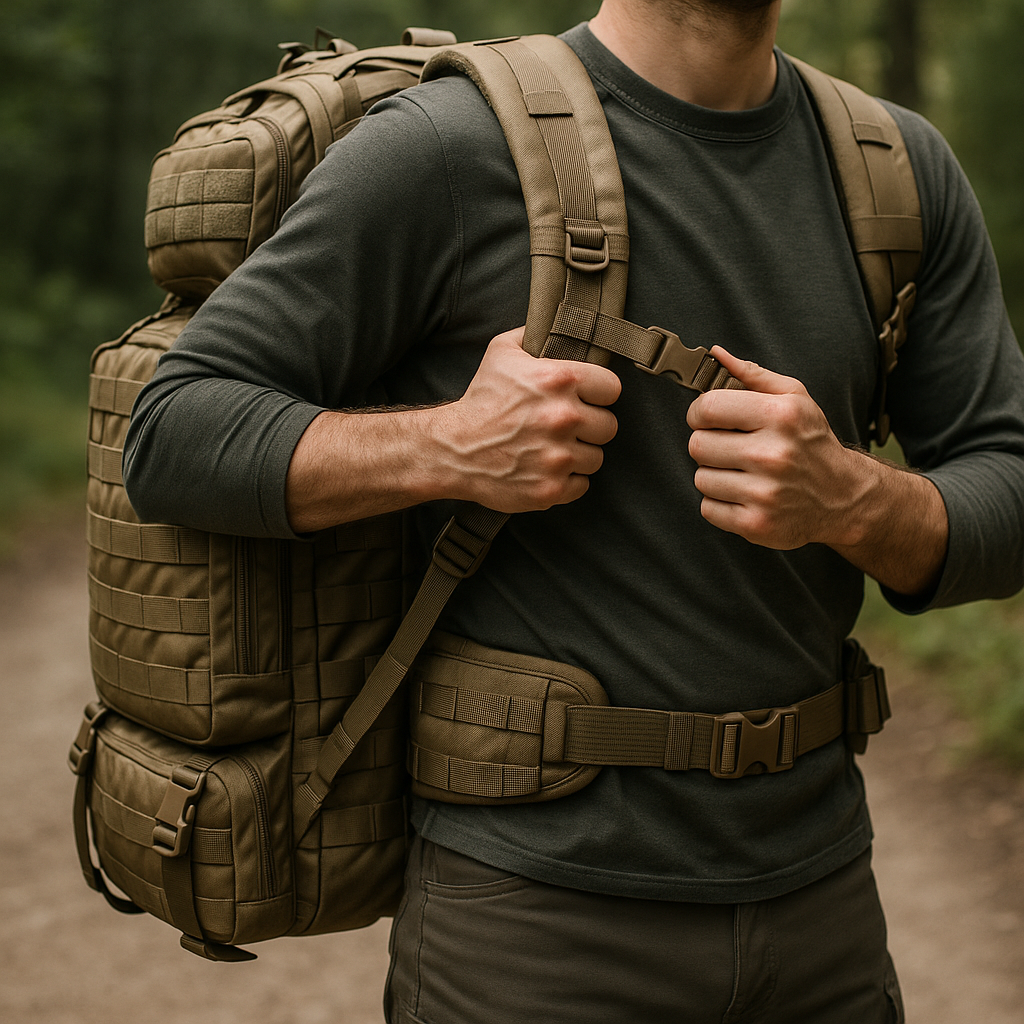
Your get home bag should not look like a tactical assault pack. If you work in an office, a giant military-style bag stored under your desk will raise eyebrows and might get you called into HR. Pick something that blends in.
Good options:
A clean hiking daypack (25 to 35 liters) looks like you hike on weekends. Nobody will think twice. It holds everything you need for a 20-mile walk. It is comfortable on your back for hours.
A laptop backpack with organization works well if you carry it to work every day anyway. Integrate your get home gear into your daily bag so you always have it with you.
A small duffel in your trunk works fine if you mostly commute by car. Keep it in the trunk and pull it out if you ever need to abandon your vehicle.
What to avoid: giant tactical bags, bags covered in MOLLE webbing and attachment points, or anything with military-style camouflage. You want to get home without attracting the wrong kind of attention.
Weight limit: target 15 pounds or under. If you are not in great shape or have joint issues, go lighter. You will be carrying this for hours.
The Complete Get Home Bag Gear List
Here is every category broken down with specific product recommendations.
Water: Your First Priority
You can go weeks without food. You cannot go more than a few hours of hard walking without water before you start making bad decisions. Water is always priority one.
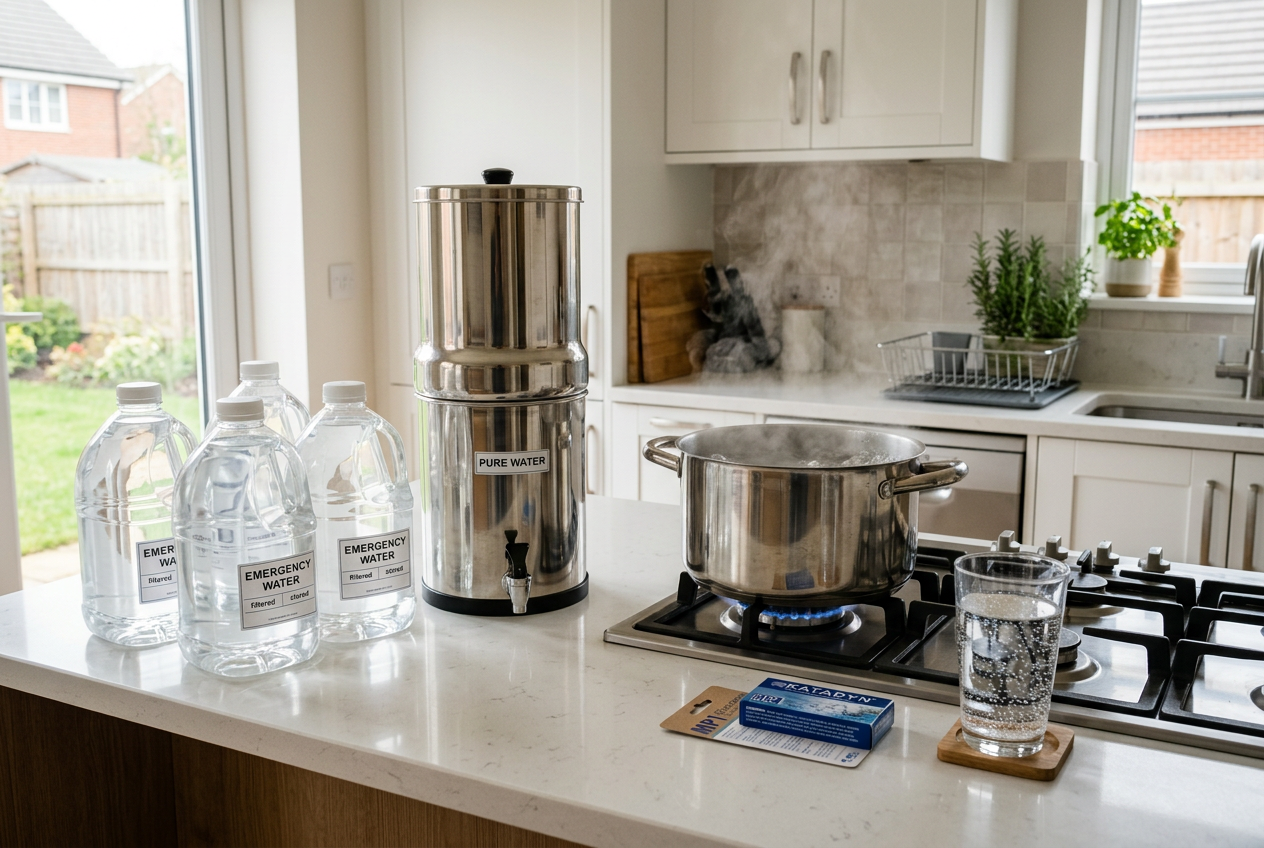
Carry at least 2 liters of water on your person. Plan to replenish from streams, fountains, or any available source using a filter.
The Sawyer Mini Water Filter is the standard recommendation for good reason. It weighs just 2 ounces, filters up to 100,000 gallons, and fits in your palm. Squeeze dirty water through it and drink clean water. That simple. It screws onto standard plastic water bottles, so you can filter on the move.
The LifeStraw Personal Water Filter is another solid choice. You drink directly through it like a straw, pulling water from any source. No squeezing required. Great backup option.
Aquatabs Water Purification Tablets are a cheap, lightweight backup. Drop one in a liter of water, wait 30 minutes, drink. They work when filters get clogged with silt. Keep a small packet in your bag alongside your filter.
Always carry a collapsible water bottle or two 1-liter hard bottles. Having storage matters as much as having a filter.
Food: Light, Dense, Ready to Eat
You do not need a full meal plan for a two-day walk. You need enough calories to keep your legs moving and your head clear. Target 1,500 to 2,000 calories per day.
Forget heavy canned food. Forget anything that needs cooking. Focus on calorie-dense food that is light, durable, and requires zero preparation.
Datrex 3600 Emergency Ration Bars are made specifically for this kind of situation. One package is 9 bars at 400 calories each, totaling 3,600 calories. The whole package weighs about 1.5 pounds. They taste like a bland coconut cookie, but they work. They last 5 years in storage, do not melt or crumble, and do not require water to eat.
Other good additions: packets of peanut butter, energy gels (the kind cyclists use), nuts and dried fruit, protein bars with a decent shelf life. Pick things you actually like eating. An emergency is not the time to discover you hate what is in your bag.
Avoid anything with chocolate that can melt, anything with strong smells that could attract animals if you sleep outside, or anything requiring cooking or hot water.
Shelter: One Night, Maybe Two
You will probably not need to camp. But if it gets dark before you are home, or if the weather turns bad, you need a way to stay warm and dry.
SOL Emergency Blanket is the minimum. These thin mylar blankets reflect 90 percent of your body heat back to you. They weigh almost nothing and fold down to the size of a deck of cards. They are not comfortable, but they will keep you alive on a cold night if you have no other option. Pack at least two. They can also signal for help, reflect sunlight, and serve as a windbreak.
If your commute is long (30 or more miles) or you live somewhere cold, add a lightweight emergency bivy. These are essentially a body-sized mylar sleeping bag. Still compact, but far warmer and more comfortable than a flat blanket.
A light rain poncho is also worth adding. Getting soaked on a two-day walk is miserable and genuinely dangerous in cold weather. Cheap ponchos fold down to nothing.
Light: See and Be Seen
If you are still walking after dark, you need reliable light. Your phone flashlight is a battery drain. Get a dedicated headlamp.
Petzl Tikka Headlamp is the right choice. It runs on AAA batteries, which are easy to find and stockpile. It has 300 lumens on high, which is more than enough light to walk a road at night. It has a red light mode that preserves night vision and is less visible from a distance. It weighs 2.9 ounces including batteries. It is comfortable to wear for hours.
Pack a full set of spare batteries. Lithium batteries last longer in cold weather and have a 10-year shelf life, which makes them ideal for emergency kits.
Multi-Tool: Small Problems, Fast Fixes
A good multi-tool handles a surprising range of problems. Opening packages, cutting cord, tightening a loose strap, first aid tasks, and dozens of other small jobs become easier with one in your pocket.
Leatherman Skeletool is the lightest full-featured Leatherman. It weighs just 5 ounces and includes pliers, a knife blade, a bit driver with common bits, and a carabiner clip. It does not have the full 18-tool spread of a Wave or Signal, but it covers 90 percent of real-world needs at half the weight. For a get home bag, lighter is almost always better.
Power: Keep Your Phone Alive
Your phone is one of your most important tools. Maps. Communication if service comes back. A flashlight if your headlamp fails. A way to call for help.
Keep it charged.
Anker 10000mAh Power Bank holds enough charge to refill most smartphones two to three times. It is compact enough to fit in a jacket pocket. Anker has a strong reputation for reliability, which matters when you need a product to actually work after sitting in a bag for a year. Check the charge every few months and top it off.
Emergency Radio: Stay Informed
During a regional emergency, cell service often fails. But AM and FM radio still works, and NOAA weather radio broadcasts emergency alerts on dedicated frequencies. A battery-powered radio keeps you connected to what is happening even when every tower in the area is down.
Midland ER310 Emergency Radio covers all the bases. It receives NOAA weather alerts, AM, FM, and has a hand crank so you can generate power without batteries. It also has a USB charging output so you can top off small devices, a built-in flashlight, and an SOS alarm. It is one of the best-reviewed emergency radios available and has held that position for years.
Footwear: The Most Important Gear You Might Forget
Here is what most people miss: your commuter shoes or work shoes may be completely wrong for a 20-mile walk.
High heels, dress shoes, and fashion sneakers were not built for distance. After 3 to 5 miles in the wrong shoes, you will have blisters. After 10 miles, you may be limping. After 15 miles, you may not be able to finish.
Keep a pair of comfortable, supportive walking shoes or boots in your car or stored at your workplace. You do not need heavy hiking boots unless you expect serious off-trail travel. A solid pair of trail runners or walking shoes that fit you well is enough. The key is that you have worn them before and know they do not cause blisters.
This is not an exaggeration. Of all the gear in your get home bag, proper footwear may be what determines whether you actually make it home.
Keep a small blister kit nearby: moleskin pads, a few bandages, a safety pin to drain blisters before they get worse. A single bad blister can slow you from 3 miles per hour to 1.5 miles per hour.
First Aid: Light and Targeted
You do not need a full trauma kit. You need to handle the most likely problems for someone walking 20 miles over two days.
Build a small pouch with:
- Blister pads (moleskin or a brand like Compeed)
- A few adhesive bandages in different sizes
- Medical tape
- Ibuprofen or acetaminophen for pain and inflammation
- An ACE bandage for a twisted ankle
- Antihistamine tablets in case of allergic reactions
- Any personal prescription medication you need
If you take daily medications, keep a 3-day supply in your bag. Rotate it out with fresh supply every 6 months.
Navigation: Paper Beats Pixels in a Blackout
Your phone GPS may work even without cell service if you have maps cached offline. But if your battery dies and your power bank is already drained, you are stuck.
Print or purchase a paper map of your commute area. Mark your workplace and your home. Draw two or three routes home that avoid bridges (which may be closed or damaged) and major highway overpasses. Know which roads you would take if your first route was blocked.
Study this map before an emergency. Know the general direction of home from your workplace. North, south, east, west. If you get disoriented, knowing which direction is home is worth more than any app.
A small button compass takes up almost no space and gives you direction even with no phone, no map, and no visible landmarks.
Money: Cash Wins in a Crisis
ATMs stop working when power is out. Card readers do not work when internet is down. In a regional emergency, cash is the currency that keeps moving.
Keep $50 to $100 in small bills ($1s, $5s, $10s, and $20s) in your bag. Small bills matter because vendors may not be able to make change. A $20 for a bottle of water works. A $100 bill may not.
Tuck the cash in a ziplock bag inside a small interior pocket. Forget it is there until you need it.
The Complete Checklist
Adding a Vehicle Kit
If you drive to work, your car can be a base of operations, not just a transportation problem. Build a small vehicle kit that supplements your get home bag.
Keep these in your trunk or glove compartment:
Jumper cables or a jump starter pack. If your car battery dies during an emergency, this gets you moving again without needing another car.
A gallon of water. Separate from your bag. Your car can carry weight that your back should not.
A folding knife or multi-tool (separate from your bag) so if your bag is inaccessible for any reason, you still have a cutting tool.
Work gloves. Useful for moving debris, changing tires, or handling anything sharp or rough.
A reflective vest or bright-colored layer. If you are walking on roads, being visible keeps you safe.
A printed phone contact list. If your phone dies and you need to use a stranger’s phone or a landline, you need those numbers memorized or on paper.
Seasonal additions: In winter, add a warm layer, extra gloves, a wool hat, and hand warmers. In summer, add sunscreen and electrolyte packets.
Keeping It at Work Without Looking Weird
For people who commute via public transit or walk to work, the car kit does not apply. Your bag lives at work. That creates a social situation worth thinking through.
Here are approaches that work:
The under-desk bag. A clean hiking daypack under your desk looks completely normal. Millions of people carry a daypack to work. Nobody will ask about it unless you fill it with obviously unusual gear. Keep it tidy.
The locker option. If your workplace has lockers, keep your bag there. Out of sight, out of mind, and completely secure.
The car option even for transit commuters. If you have a parking garage or nearby lot, leaving a small bag in your locked car is invisible to your workplace entirely.
The honest approach. More people than you think have emergency kits. If a coworker notices, a simple “I keep a walking kit in case I ever can’t drive home” is completely normal and often sparks a conversation where they want to know how to build one.
What makes a bag stand out is tactical-looking gear, visible weapons or tool handles, military branding, and excessive size. A clean blue or gray 30-liter daypack with a laptop sleeve and some organizational pockets looks like a bag for a person who hikes on weekends. Which you might.
Planning Your Routes Before You Need Them
One of the best things you can do right now, before any emergency happens, is plan your walk home.
Open Google Maps. Type in your commute. Then switch to walking directions. You will probably see a primary route and maybe one or two alternatives.
Study these things:
Bridges. How many does your route cross? Bridges are often the first thing closed after an earthquake or flood. For each bridge, identify an alternative crossing. If there is no alternative, your route now goes around the obstacle, and that adds miles. Know this before you are standing at a blocked bridge.
Railroad tracks. Crossings may be blocked by stopped trains or closed gates. Know where underpasses or overpasses exist.
Highways and interstates. You probably cannot walk on a highway. But if roads parallel the highway, those become your path.
Safe stopping points. For a 20-mile walk, you may need to stop and rest, or stop overnight. Look for areas along your route where shelter might be available: parks, churches, community centers, libraries, or neighborhoods with good cover.
Gas stations and convenience stores. These are potential water and food sources even in a partial emergency. Note where they are along each route.
Save your planned routes as screenshots or print them. Then look at them with a paper map to understand the geography without needing a screen.
Do this for both your work-to-home direction and the reverse. You may need to get from home to someone else in an emergency too.
When You Should and Should Not Walk
A get home bag gives you the option to walk home. But walking is not always the right call. It is a last resort when better options are not available.
Wait and see if there is any indication the situation will resolve in a few hours. A highway closure from an accident often clears within 2 to 4 hours. A 20-mile walk takes much longer. Patience is underrated in emergencies.
Wait for transportation options if they are available and coming. Buses, trains, and rideshares may resume service. Coworkers may be driving in your direction.
Walk when roads are genuinely impassable and no alternatives exist, when you have been waiting several hours with no improvement, when communication suggests a longer-term disruption, and when daylight and weather give you a reasonable window to cover the distance safely.
Night walking is harder, slower, and riskier. Starting a 20-mile walk at 4 PM in winter, knowing you have only 2 hours of daylight, is a different calculation than starting at 8 AM in June.
If you have coworkers who live near you, consider walking together. Shared navigation, shared morale, and shared resources make a long walk much more manageable.
Maintaining Your Get Home Bag
A bag you build and forget is not a get home bag. It is a bag of expired food and dead batteries.
Set a reminder twice a year, once in spring and once in fall, to check and refresh your bag. Go through it item by item.
Check:
- Water storage (dump and refill, or check sealed bottles for damage)
- Food expiration dates (Datrex bars last 5 years, but check other snacks)
- Power bank charge (top it off if it has dropped below 70 percent)
- Headlamp batteries (test it, replace if needed)
- First aid supplies (bandages, medications for expiration)
- Cash (still there, small bills, not stuck together)
- Seasonal gear (swap summer items for winter items or vice versa)
- Footwear (still fits, no dry rot on the soles)
The whole check takes about 15 minutes. Do it the same day you change your smoke detector batteries and it becomes a habit.
The Bigger Picture
A get home bag is one piece of a broader preparedness plan, not a complete solution.
It assumes your home is a safe destination. If your home is also damaged or threatened, you need a different plan. That is where a traditional bug out bag and a pre-arranged meeting point come in.
It assumes you are healthy enough to walk. If you have mobility limitations, this plan needs adjustment. Maybe your plan is to shelter in place at work. Maybe it is to find alternate transportation. Plan for the you that actually exists, not the version of you that can hike 20 miles effortlessly.
It assumes you know where home is and can navigate to it. If you regularly work in unfamiliar areas or travel for work, build a plan for those locations too. A business trip 400 miles from home in an emergency is a very different situation than your regular commute.
The point is to think this through now, when there is no pressure. Build the bag. Check it. Know your routes. Have a plan for when the normal way home is not an option.
When something actually goes wrong, the people who had a plan spend their energy walking. The people who did not have a plan spend their energy panicking about where to start.
Build the bag. Know your route. Come home.