Ready
Ready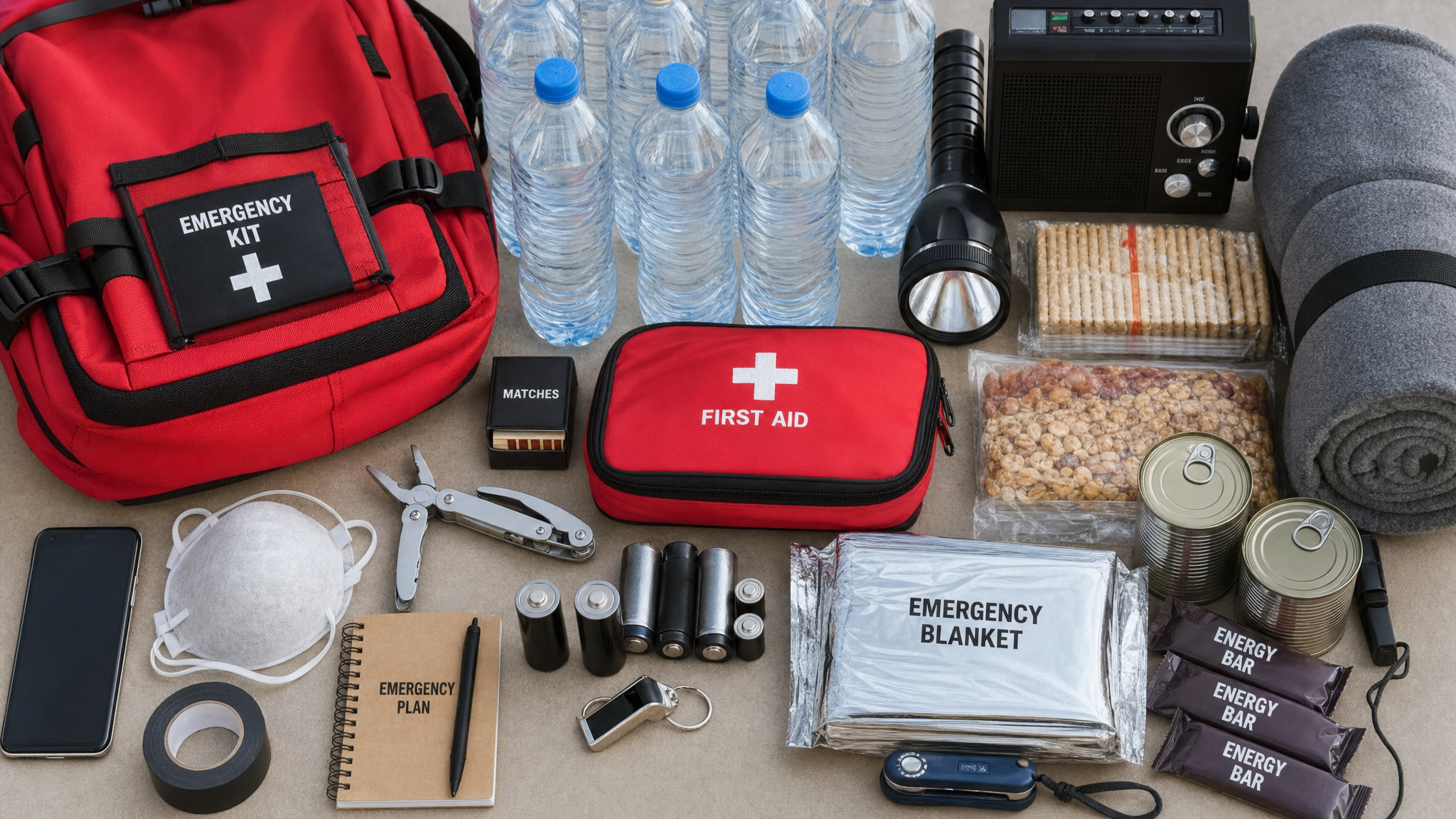
72-Hour Home Emergency Kit: What You Need to Survive the First Three Days
The first 72 hours after a major disaster are the most critical. Emergency responders call this the “golden window.” FEMA estimates it takes about 72 hours for government aid to reach most people after a regional disaster. During that time, you are largely on your own.
A 72-hour home emergency kit is not a backpack you grab when you run out the door. It is a collection of supplies stored at home that lets your family survive comfortably for three days without outside help. This guide walks you through exactly what goes in one, why each item matters, and how to maintain it over time.
The good news: you can build a solid 72-hour kit for around $200 to $400 depending on your family size. This is not a luxury. It is one of the highest-value preparedness investments you can make.
- Plan for at least 1 gallon of water per person per day, so a family of four needs 12 gallons for 72 hours.
- Store water ahead of time in food grade containers, and have a backup way to fill up fast if a storage warning comes.
- Keep a way to clean questionable water, since taps can fail or turn unsafe during an emergency.
- Set up your kit before disaster strikes, not during, because stores empty out quickly.
- Cover the basics for all three days: water, food, light, warmth, and first aid.



Reviewed by Dale M., James W. & Beth O. — contributors with hands-on preparedness experience. How we test
Getting through the first three days after a disaster comes down to having the right gear ready before you need it. Grab these items now, then read on to learn why each one matters.

Legacy 30 Gallon Water Tanks
These six stackable 5 gallon tanks hold enough water for a small family through the first three days. The included treatment drops keep it clean for up to 5 years, so you do not have to swap it out often.
Check Price on Amazon
waterBOB Bathtub Water Bladder
When you get a storm warning, this bladder lets you fill your bathtub with up to 100 gallons of clean drinking water. It keeps the water safe and sealed off from dirt so you have a big backup supply fast.
Check Price on Amazon
Sawyer Squeeze Water Filter
This tiny 2 ounce filter cleans out bacteria, cysts, and microplastics from questionable water. If your stored water runs low, it turns creek or pond water into something safe to drink.
Check Price on AmazonIn this guide
Why Trust This Guide?
This article was researched and reviewed by contributors with hands-on experience in emergency preparedness. They have tested gear, built real systems, and lived through situations where these skills actually mattered.
What a 72-Hour Kit Is and Is Not
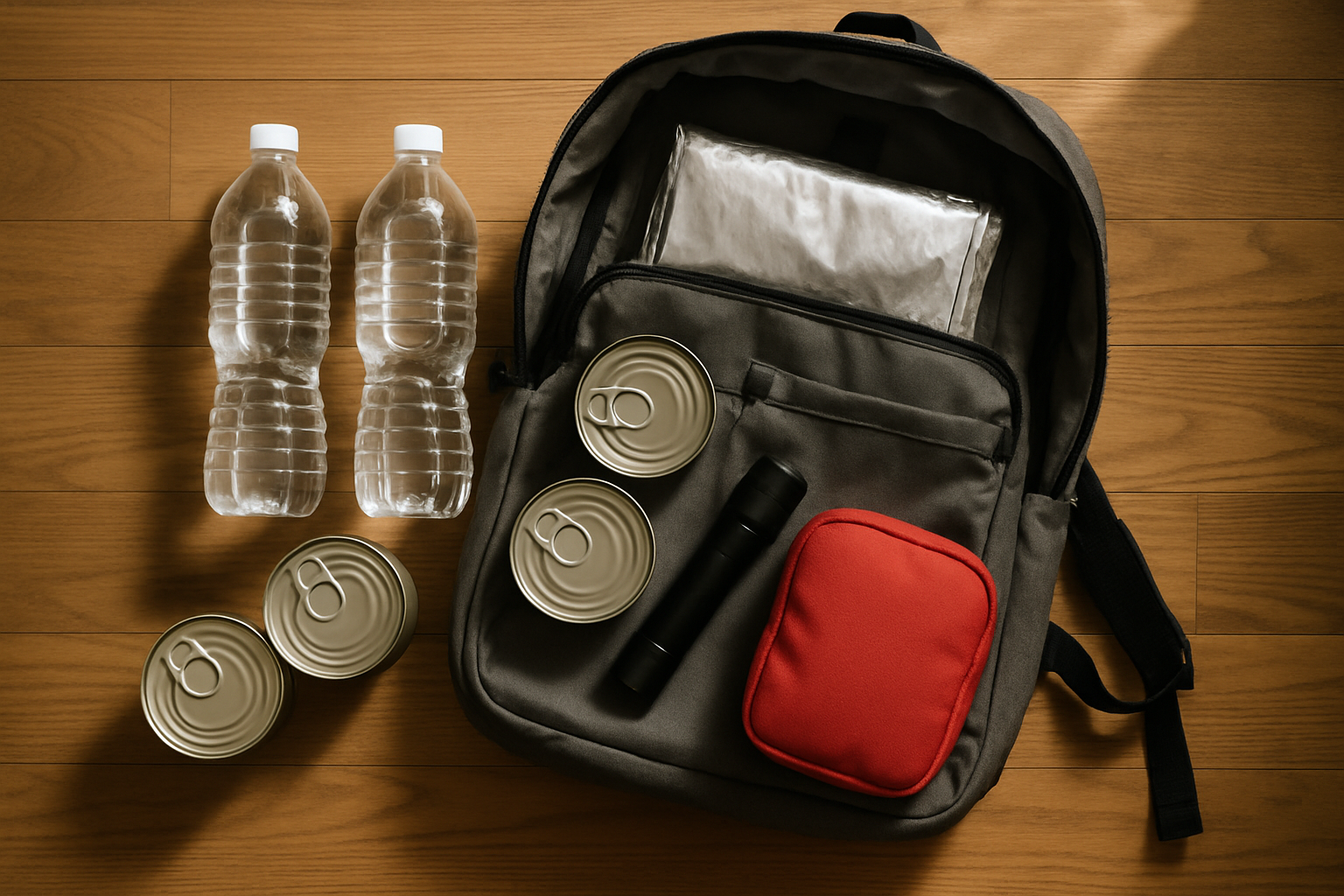
A 72-hour kit covers the first three days of an emergency. It gives you enough water, food, medical supplies, light, and warmth to stay safe while waiting for help or deciding whether to evacuate. It is not meant to replace a full emergency supply cache that might last weeks or months.
Think of it this way. A 72-hour kit answers the question: “Can we get through the next three days without going to a store?” If the answer is yes, you have bought yourself time to make decisions with a clear head instead of under pressure.
The kit lives at home, not in a grab bag. It is for sheltering in place. If you need to evacuate, you would grab a go-bag (a smaller version for the road). But a home kit comes first, because most disasters keep you at home, not on the road.
Water: The First Priority
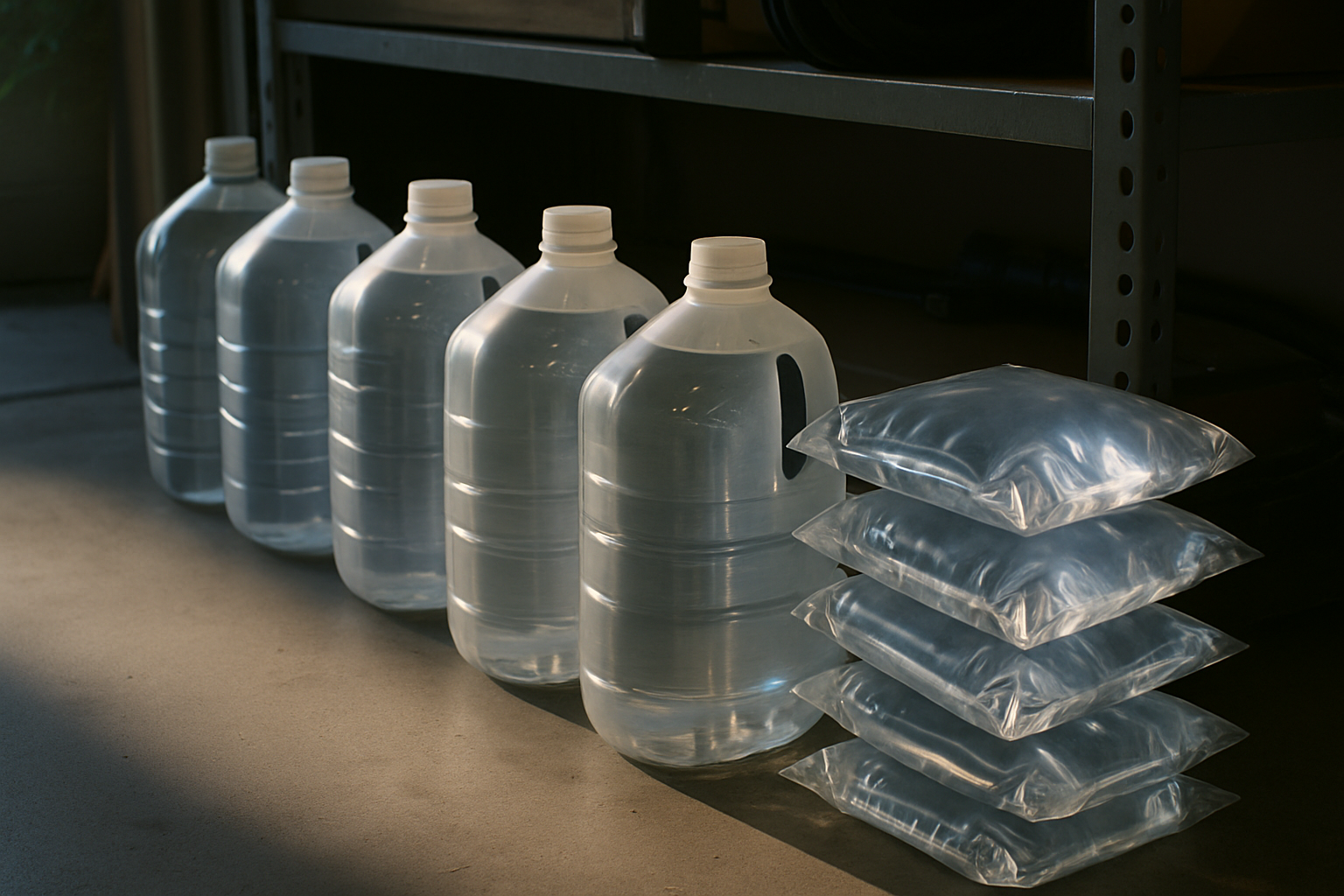
You can survive three weeks without food. Without water, you have about three days, sometimes less. Water is where every 72-hour kit starts.
How Much Water to Store
The standard rule is 1 gallon per person per day. That covers drinking and basic hygiene like hand washing and teeth brushing. It does not cover showering, laundry, or cooking beyond simple preparation.
For a 72-hour kit:
- 1 person needs 3 gallons
- 2 people need 6 gallons
- 4 people need 12 gallons
Add extra for pets, hot climates, nursing mothers, and anyone with a medical condition that increases fluid needs.
Where to Store It
Commercial bottled water is the easiest starting point. Cases of 16.9-ounce bottles stack neatly in a closet and last 1 to 2 years. For larger amounts, food-grade 5-gallon jugs work well. They take up less space per gallon than individual bottles and are easy to handle when full (about 40 pounds).
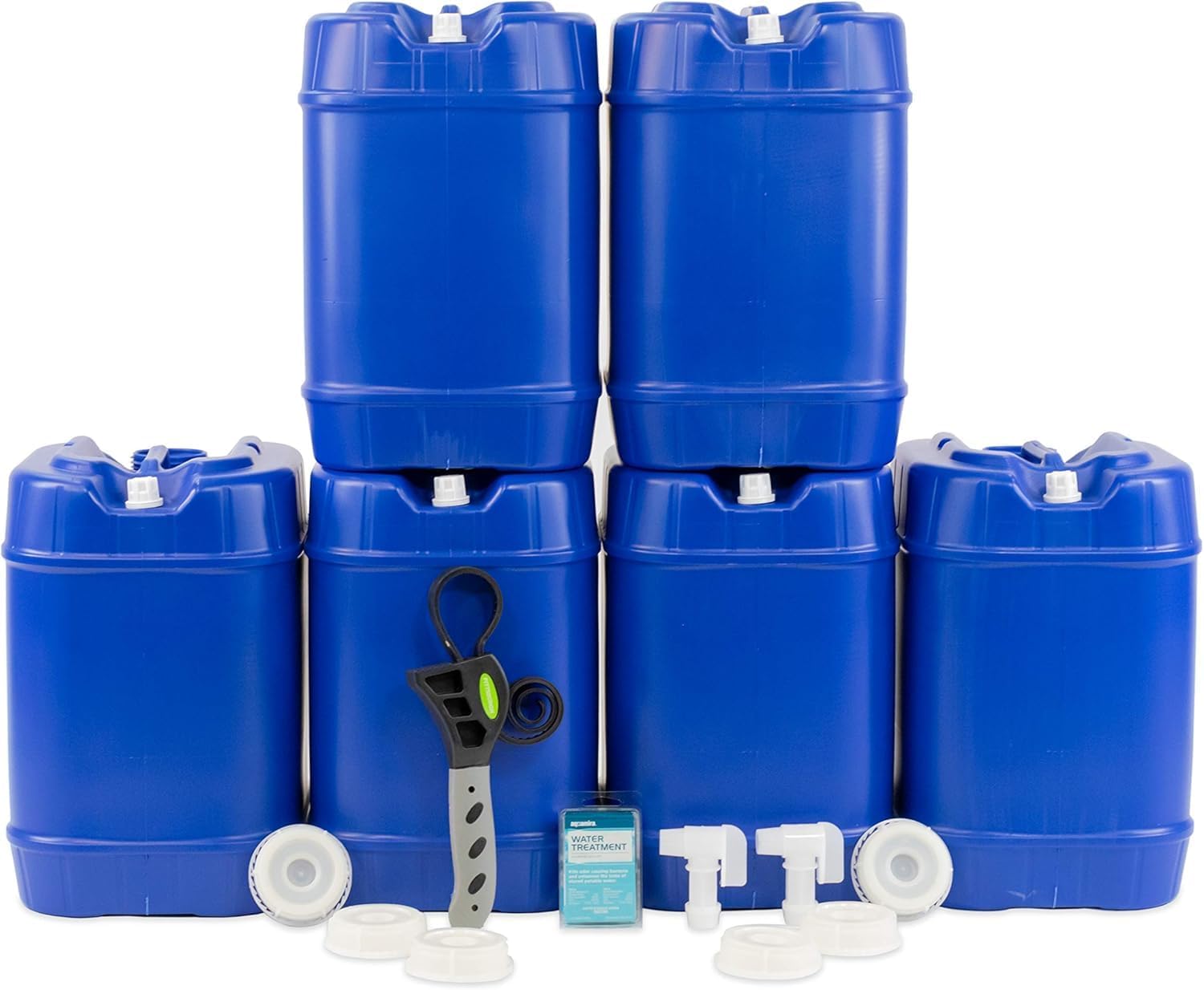
Legacy 5-Gallon Water Storage Containers – Best for 72-Hour Home Storage
A set of six BPA-free 5-gallon containers gives you 30 gallons of water storage. That covers a family of 4 for more than two days at the minimum 1-gallon-per-person standard, or a full 72 hours with extra for pets and hygiene. The stackable design keeps them organized in a closet or basement corner.
- 6 containers at 5 gallons each (30 gallons total)
- BPA-free food-grade plastic
- Stackable design
- Wide-mouth caps for easy filling
- Spigot compatible
If you wait until a storm is approaching to fill containers, a WaterBOB bathtub bladder gives you 100 gallons of drinking water in about 20 minutes. It stores flat until you need it and uses your bathtub as the container.
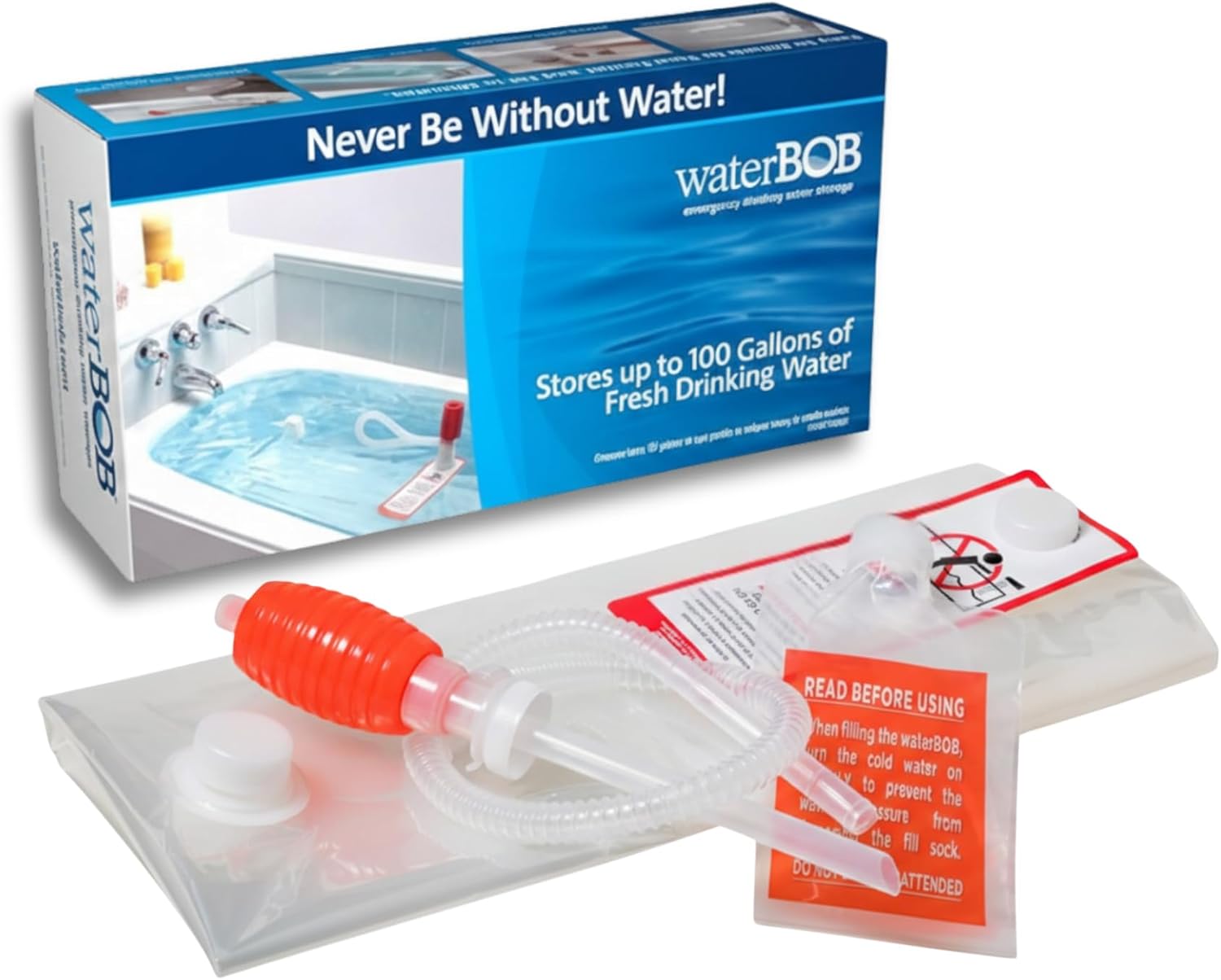
WaterBOB Emergency Drinking Water Storage – Best for Last-Minute Storm Preparation
When a hurricane or winter storm is coming, fill your bathtub with a WaterBOB. You get 100 gallons of clean drinking water in about 20 minutes. The included hand pump makes dispensing easy. One WaterBOB covers a family of 4 for well over the 72-hour minimum.
- Holds up to 100 gallons
- Food-grade BPA-free plastic
- Keeps water fresh up to 16 weeks
- Includes hand pump
- Stores flat until needed
Backup Water Treatment
Even with stored water, have a way to make more water safe to drink if your supply runs low. A water filter handles most natural water sources. Purification tablets work for chemically treated tap water or backup situations.
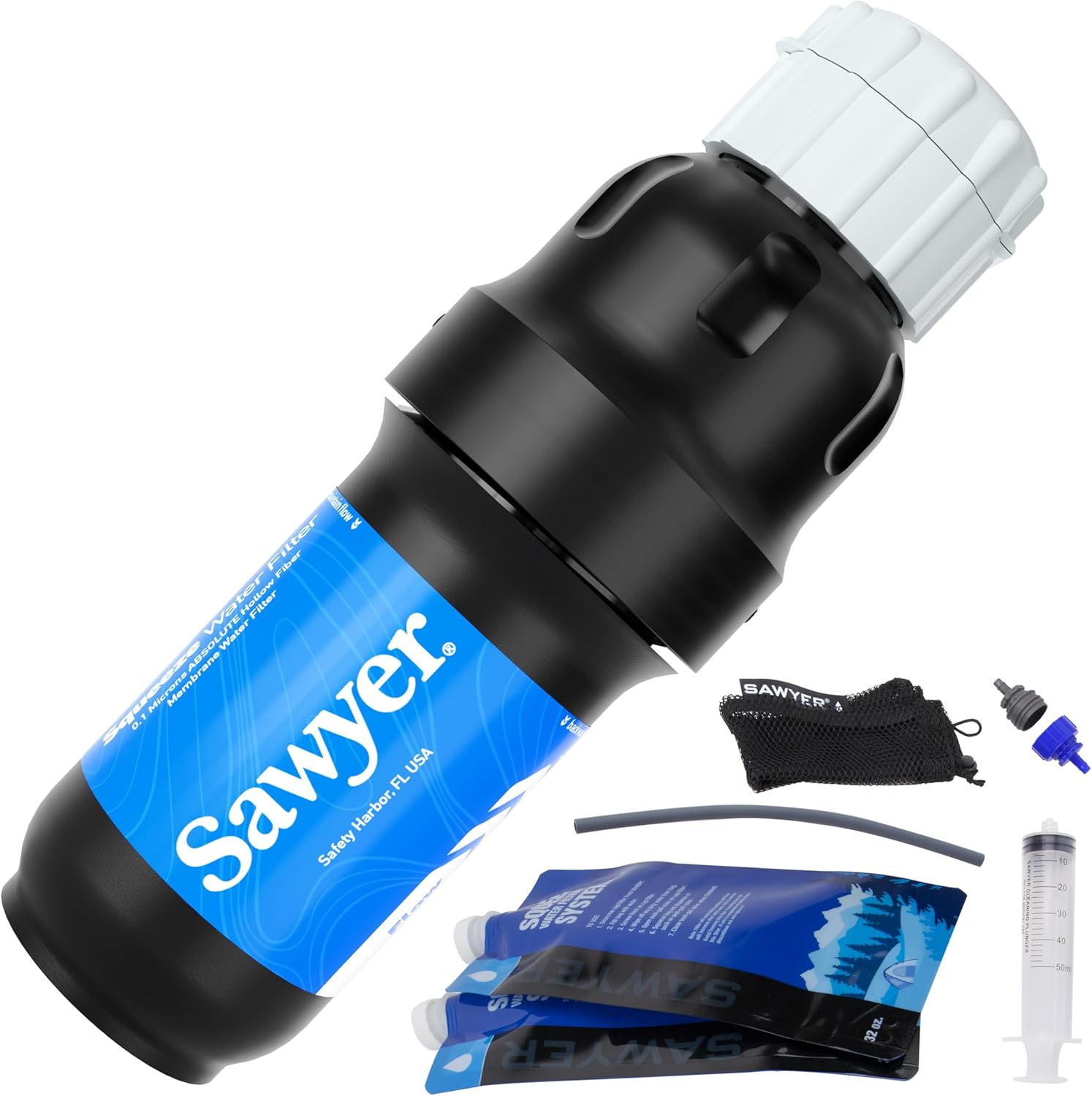
Sawyer Squeeze Water Filtration System – Best Backup Water Filter
The Sawyer Squeeze removes 99.99999% of bacteria and 99.9999% of protozoa. That covers the biological threats most likely in North American water sources. It filters up to 100,000 gallons before needing replacement. A few ounces of filter gives you access to streams, rainwater, and questionable tap water if your stored supply runs out.
- 0.1 micron absolute filtration
- Removes bacteria and protozoa (not viruses, which are rare in most US water sources)
- 100,000 gallon filter life
- Includes two 32-oz squeeze pouches
- Backwashable to restore flow
- Weighs 3 ounces
Food for Three Days
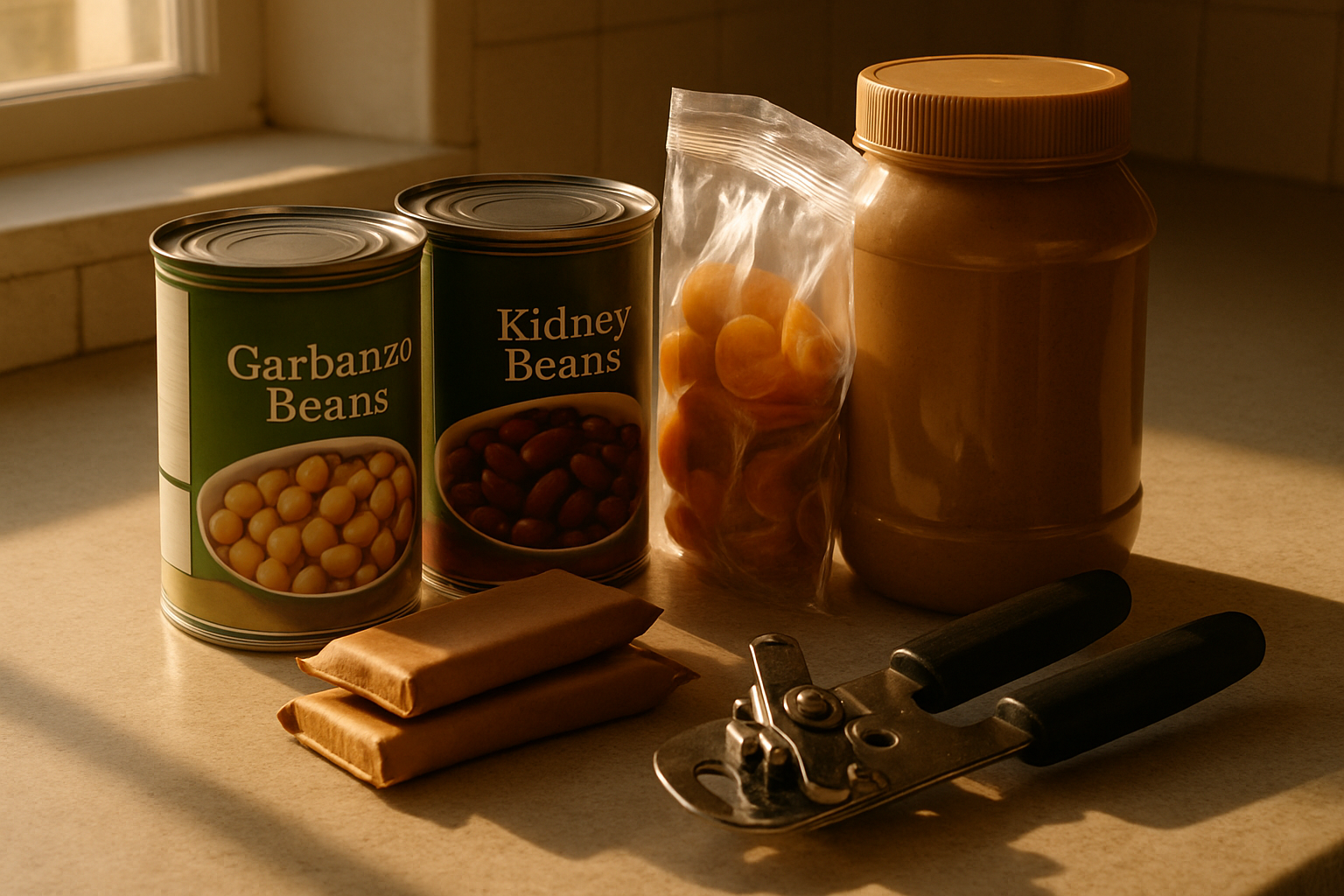
Your body needs about 2,000 calories a day to function well, more if you are doing physical work or dealing with stress. Emergency food does not need to be gourmet. It needs to be shelf-stable, calorie-dense, and require little or no cooking.
What to Stock
Focus on foods that are ready to eat or need only water. During an emergency, you may not have gas or electricity for cooking. A camp stove or Sterno cans give you options, but your core supply should work without heat.
Good 72-hour food options:
- Energy bars and granola bars
- Peanut butter (in jars or single-serve packets)
- Crackers
- Dried fruit and nuts
- Canned tuna, chicken, or salmon (with a manual can opener)
- Ready-to-eat meals in pouches
- Crackers and cheese or peanut butter snack packs
- Beef jerky
- Electrolyte drink mixes or powder
Plan for three meals per day per person. You do not need three full meals. Snacks and bars work as meal replacements in an emergency. The goal is keeping blood sugar stable and energy up.
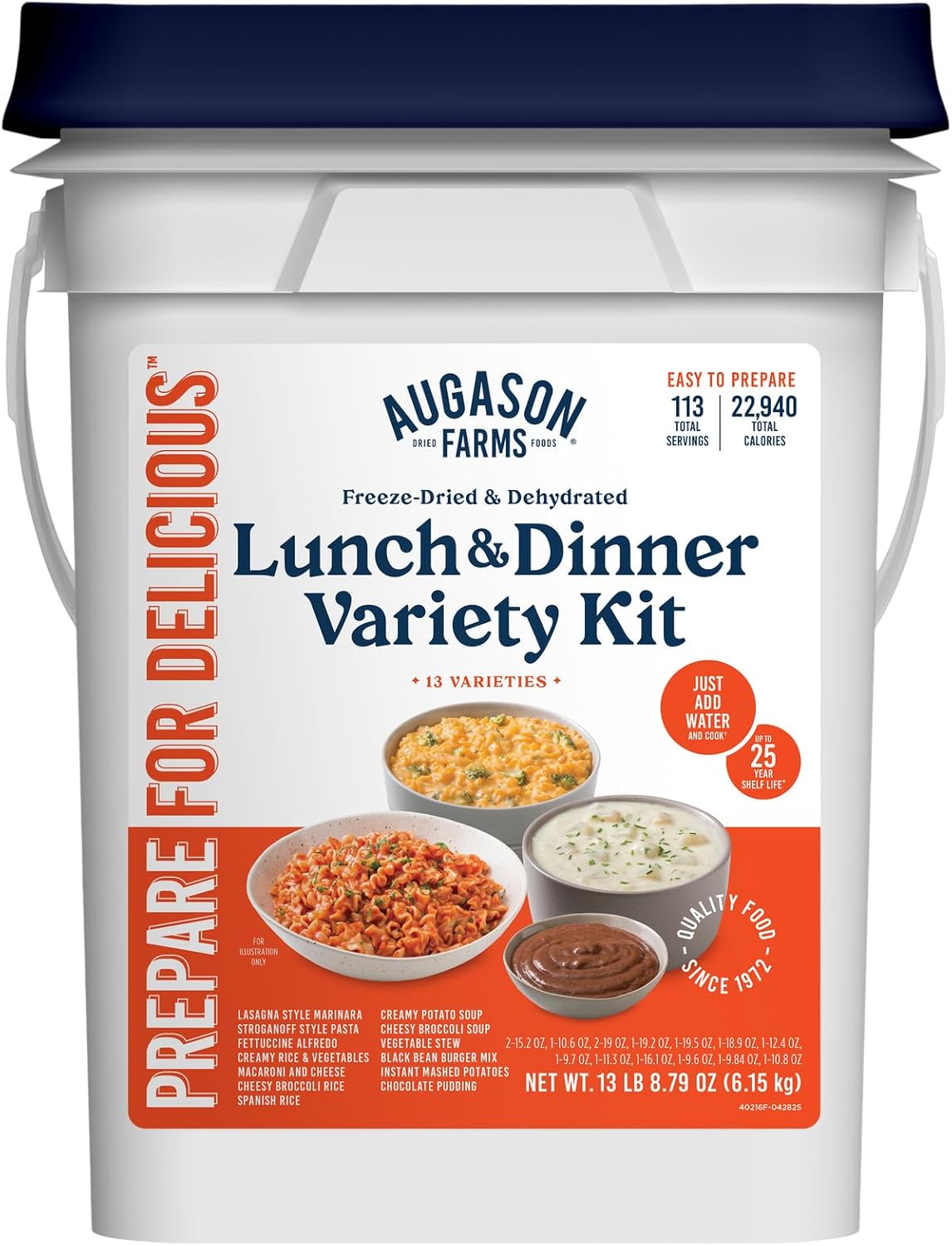
Augason Farms Emergency Food Supply Bucket – Best Ready-to-Eat Food Kit
This 4-gallon pail contains 92 servings of breakfasts, lunches, and dinners with more than 21,000 total calories. Just add water to prepare entrees. The bucket stacks neatly and keeps food dry and protected. Shelf life reaches 25 years unopened. For a family of 2 to 4, one bucket provides a solid 72-hour food base.
- 92 servings across multiple meals
- 21,170 total calories
- Up to 25-year shelf life (unopened)
- Just add water preparation
- Bucket design for easy stacking
Do Not Forget the Manual Can Opener
This sounds obvious, but it gets forgotten constantly. An electric can opener requires electricity. A manual can opener costs a few dollars and works forever. Keep one in your kit and one in your regular kitchen.
First Aid Supplies
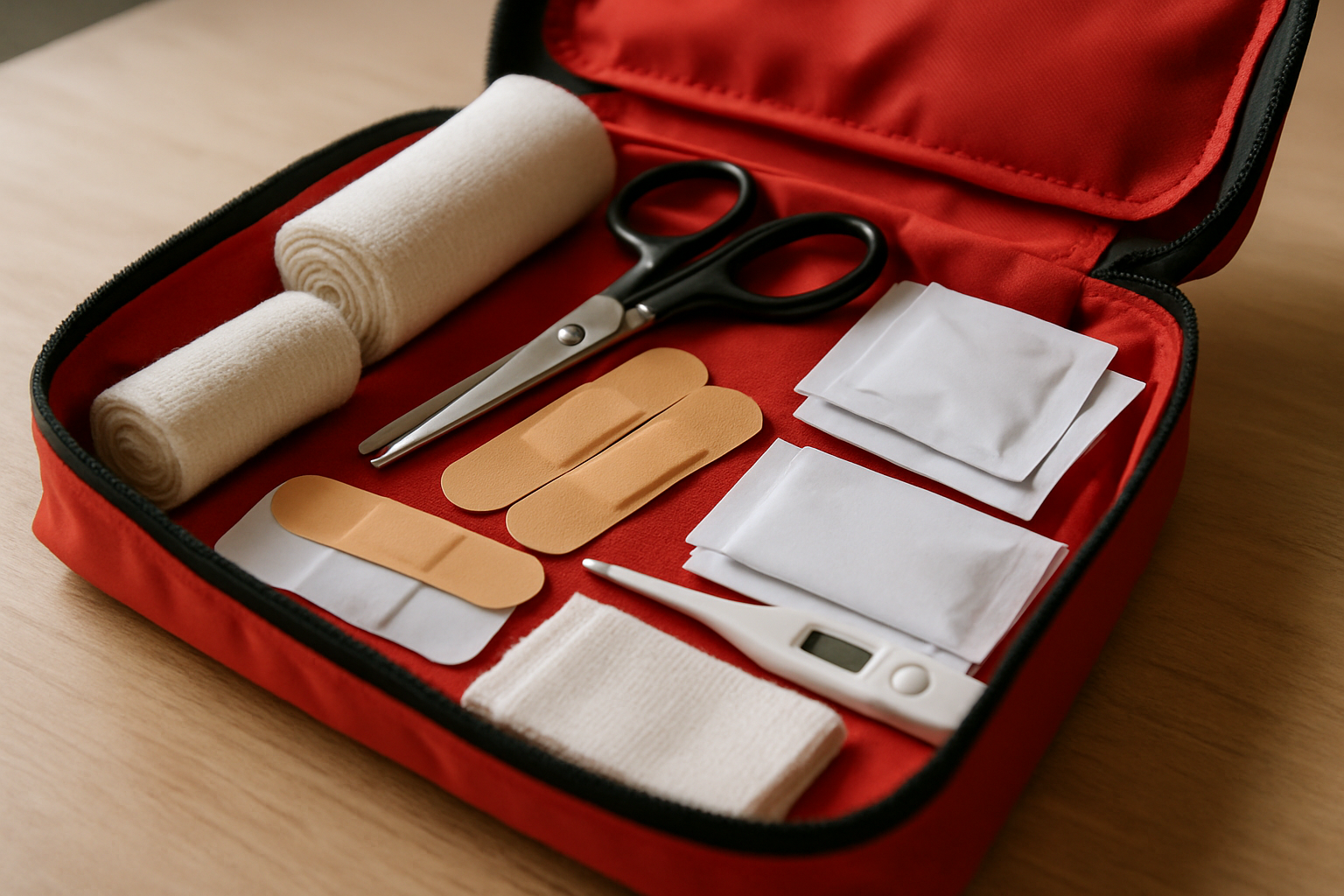
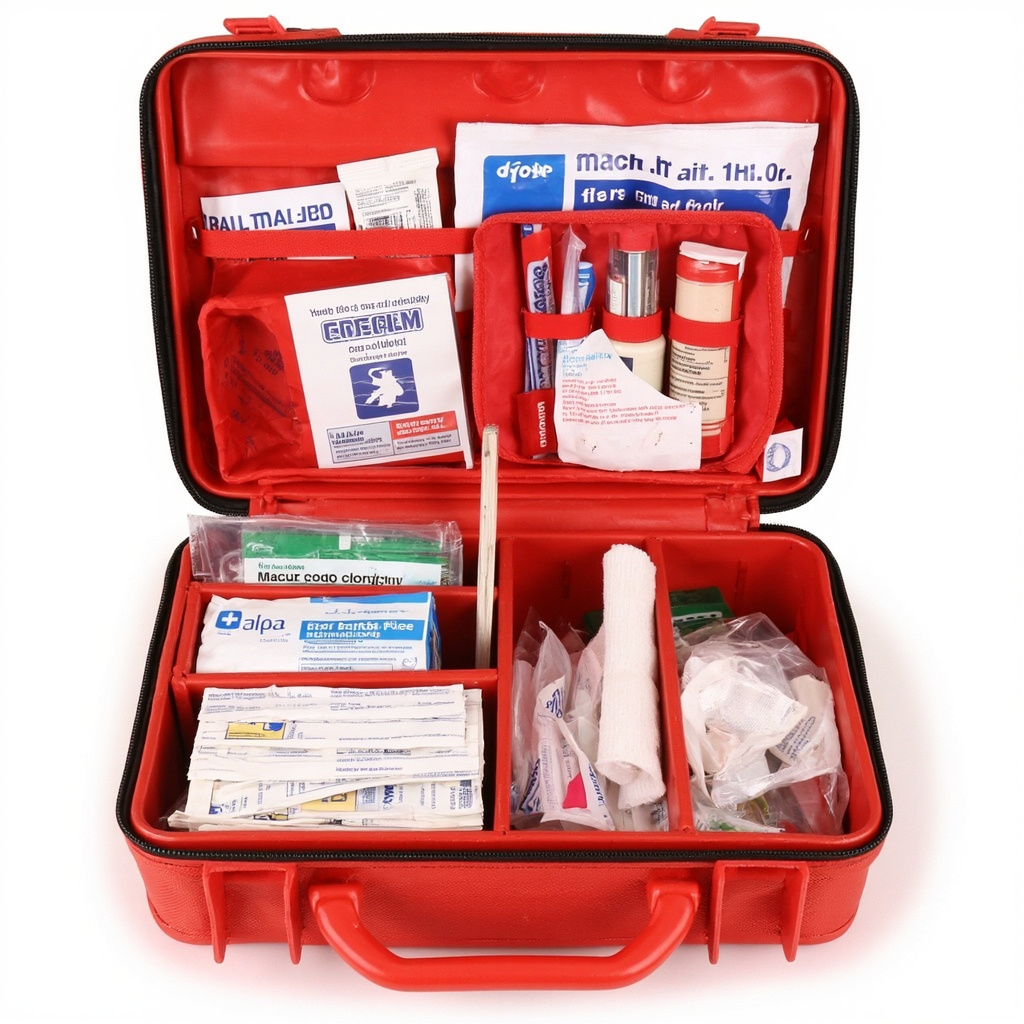
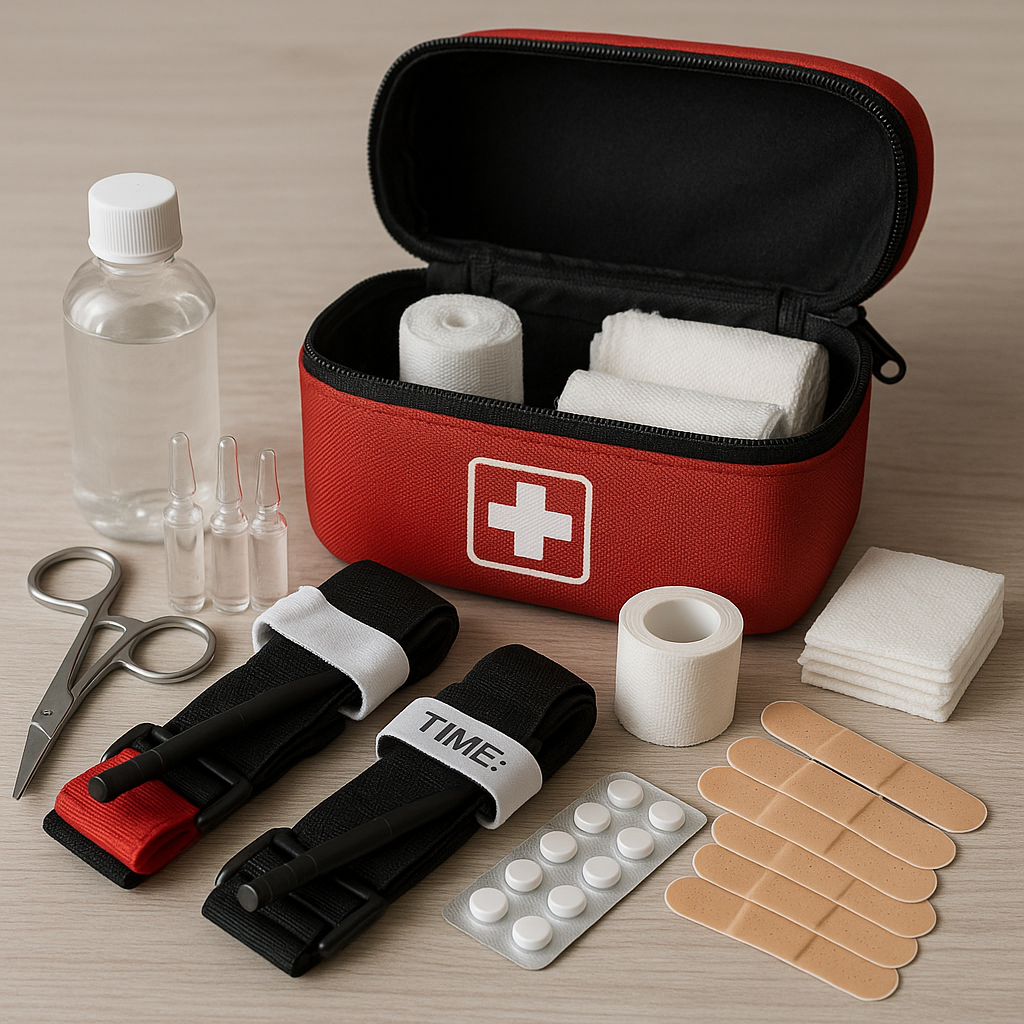
When a disaster happens, injuries are common. Broken glass from shattered windows, falls on slippery debris, cuts from storm damage. A well-stocked first aid kit keeps small injuries from becoming big problems.
Basic First Aid Kit Contents
A complete home emergency first aid kit should include:
Bandages and wound care:
- Adhesive bandages in assorted sizes (at least 20)
- Sterile gauze pads (2x2 and 4x4 inches)
- Medical tape
- Elastic bandage wrap for sprains
- Butterfly closures or Steri-Strips for deep cuts
- Antiseptic wipes
- Antibiotic ointment
- Tweezers
- Small scissors
Medications:
- Ibuprofen (pain and inflammation)
- Acetaminophen (pain and fever)
- Antihistamine (allergic reactions, sleep)
- Antidiarrheal medication
- Antacids
- Hydrocortisone cream
- Personal prescription medications (7-day supply minimum)
Protection:
- Disposable gloves (at least 4 pairs)
- Face mask or N95 respirator
Emergency tools:
- CPR breathing barrier mask
- Instant cold packs
- Emergency first aid guide (booklet)
- Tweezers and small scissors
Beyond Basic: Trauma Supplies
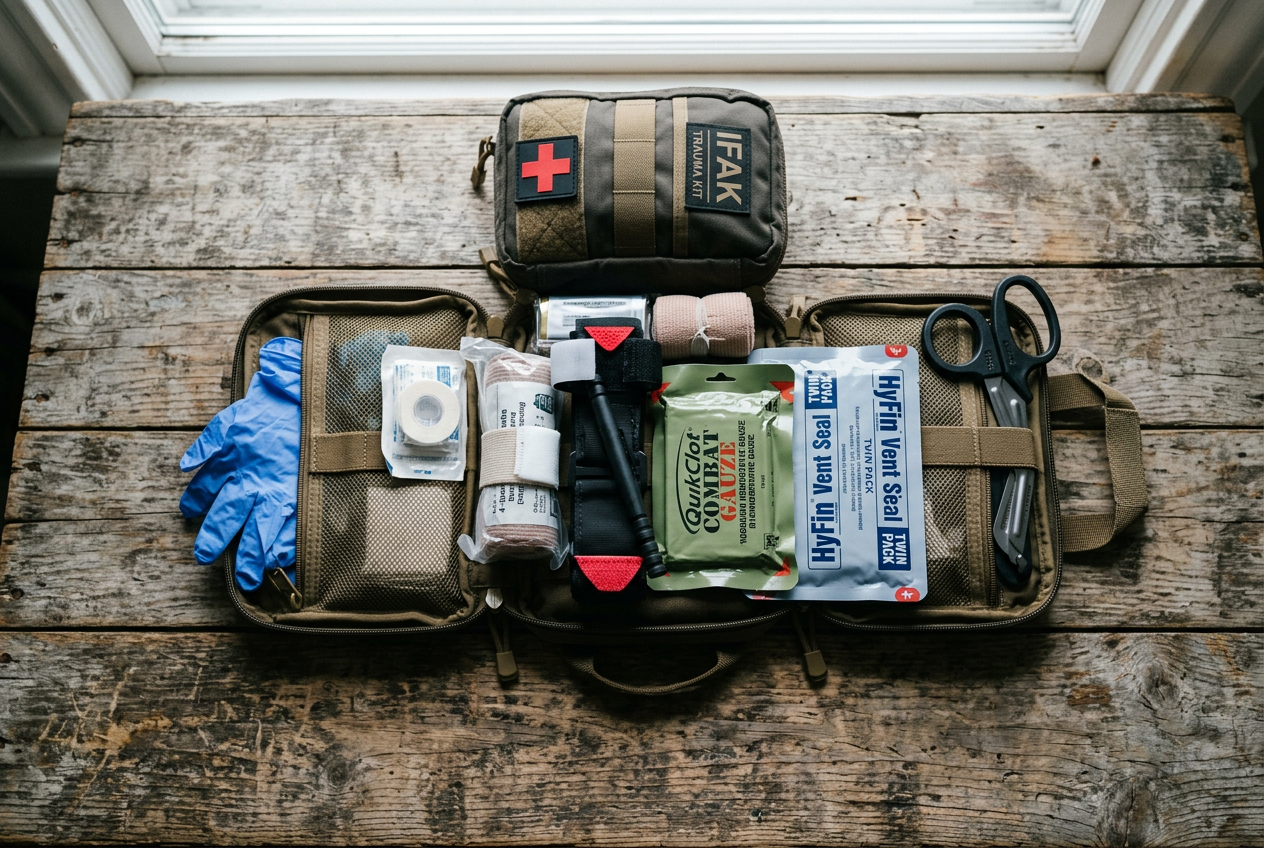
For serious injuries, basic bandages are not enough. James W., a 22-year firefighter and paramedic, puts it this way: “Most people pack bandages and call it a first aid kit. The injuries that kill people in the first 72 hours are bleeding and airway problems. If you are not ready for serious bleeding, you are not ready.”
Consider adding:
- Tourniquet (CAT Gen-7 is the standard)
- Israeli bandage or pressure dressing
- Hemostatic gauze (QuikClot or similar)
- Trauma shears (EMT scissors)
- SAM splint
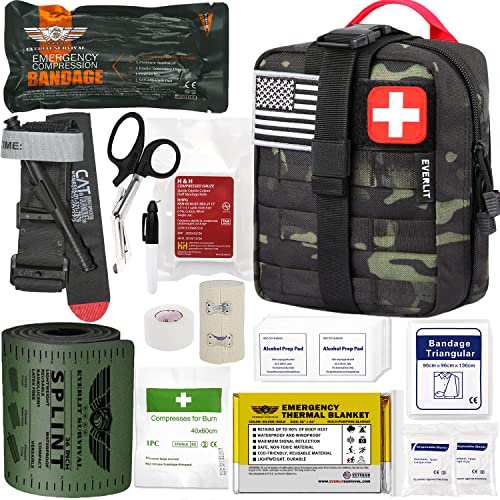
EVERLIT Emergency Trauma Kit – Best Kit for Serious Injuries
This IFAK (Individual First Aid Kit) includes a genuine CAT Gen-7 tourniquet, a 36-inch SAM splint, an Israeli pressure bandage, hemostatic gauze, and trauma shears. Military-grade quality in a civilian kit. If you want to be prepared for serious bleeding and fractures, this kit covers the gap most basic first aid kits leave wide open.
- Genuine CAT Gen-7 tourniquet
- 36-inch aluminum SAM splint
- Israeli pressure bandage
- Hemostatic gauze (QuikClot)
- Trauma shears
- MOLLE-compatible pouch
Personal Medications and Records
Keep a 7 to 14-day supply of prescription medications in your kit. Store them in their original bottles with labels intact. Check and rotate every 6 months.
Also keep copies of:
- Medical conditions and allergies
- Current medications and dosages
- Health insurance cards
- Emergency contact numbers for doctors
- immunization records
Light and Power
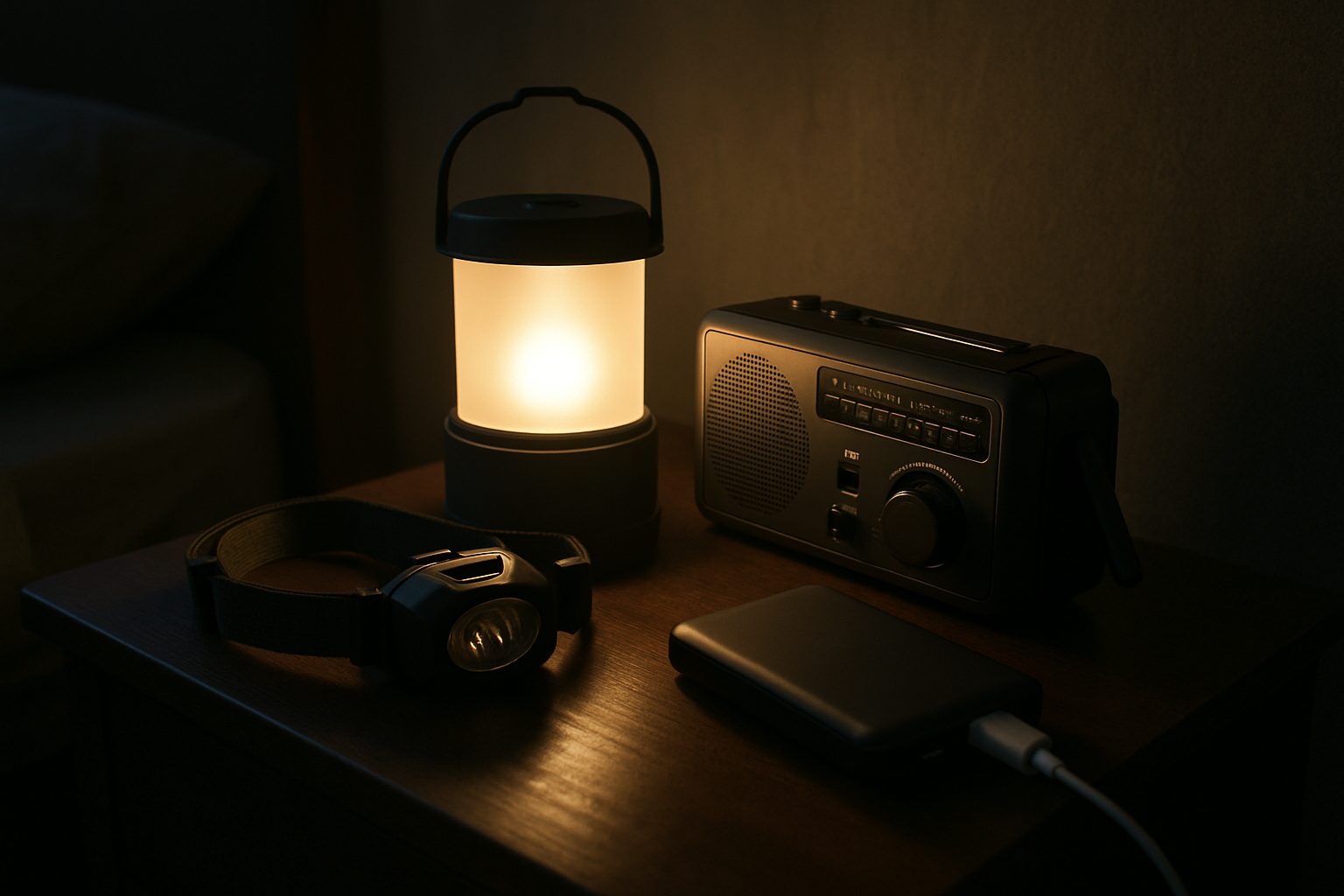
Power outages go with most disasters. You need light to navigate your home safely, read instructions, find supplies, and maintain morale. You also need a way to charge your phone, because your phone is your connection to emergency information.
Headlamps: Hands-Free Light
Headlamps are better than flashlights for most emergency tasks. They free up both hands for first aid, cooking, moving debris, or carrying supplies. Every person in your household should have one.
Look for:
- Minimum 100 lumens output
- Red light mode (preserves night vision)
- Water-resistant rating
- Runs on common batteries (AA or AAA)
- Elastic headband
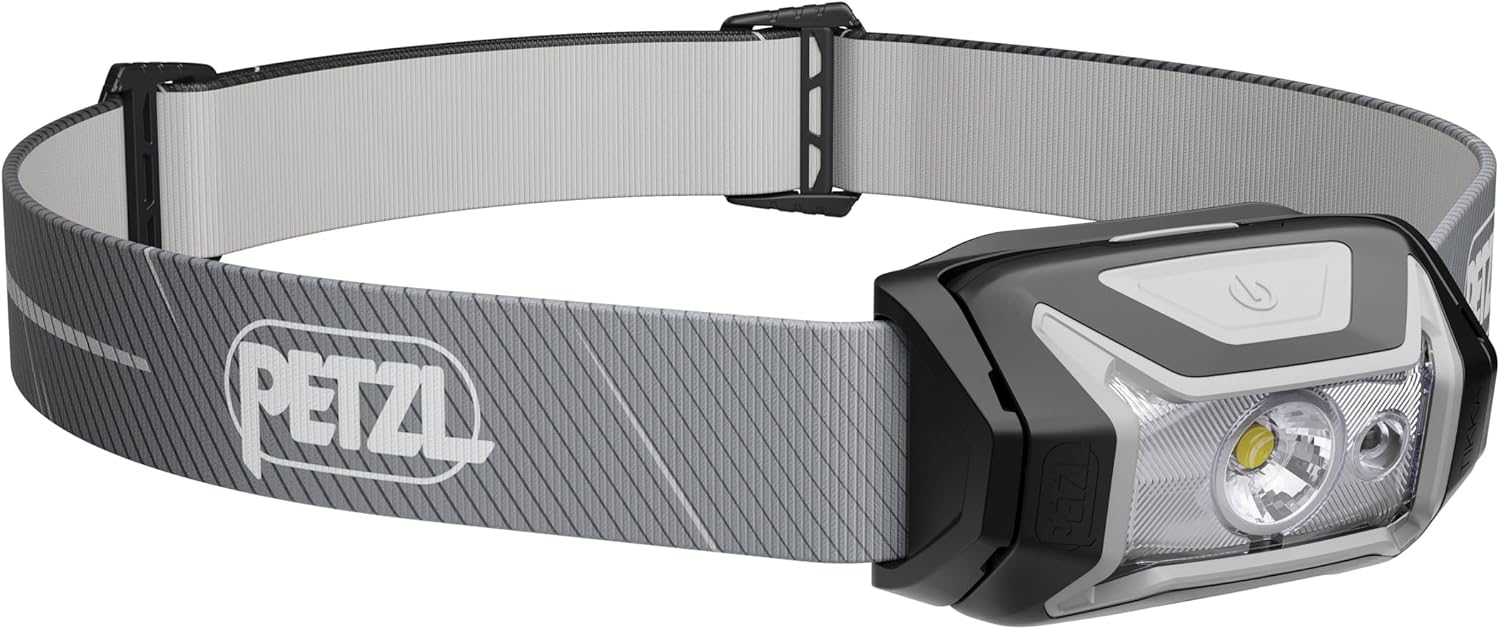
PETZL Tikka CORE Headlamp – Best Value Headlamp for Emergencies
The Tikkina delivers 300 lumens with three lighting modes. The hybrid design runs on either AAA batteries or the Petzl Core rechargeable battery (sold separately). EASY-CLIP headband lets you attach it to a helmet or other gear. At this price point, it is the best balance of brightness, reliability, and battery flexibility we have found.
- 300 lumens max output
- Three modes: proximity, movement, distance
- Red light preserves night vision
- Runs on 3 AAA batteries or Core rechargeable battery
- EASY-CLIP headband for helmet attachment
- IPX4 water resistant
Flashlights and Lanterns
Headlamps handle personal tasks. A lantern provides area lighting for shared spaces like a living room or kitchen.
Keep at least:
- One headlamp per person
- One flashlight per kit as backup (with spare batteries)
- One battery or solar lantern for area lighting
Phone Charging and Power
A dead phone is useless. In an emergency, your phone carries your connection to 911, emergency alerts, and family members. Keep it charged and have backup power ready.
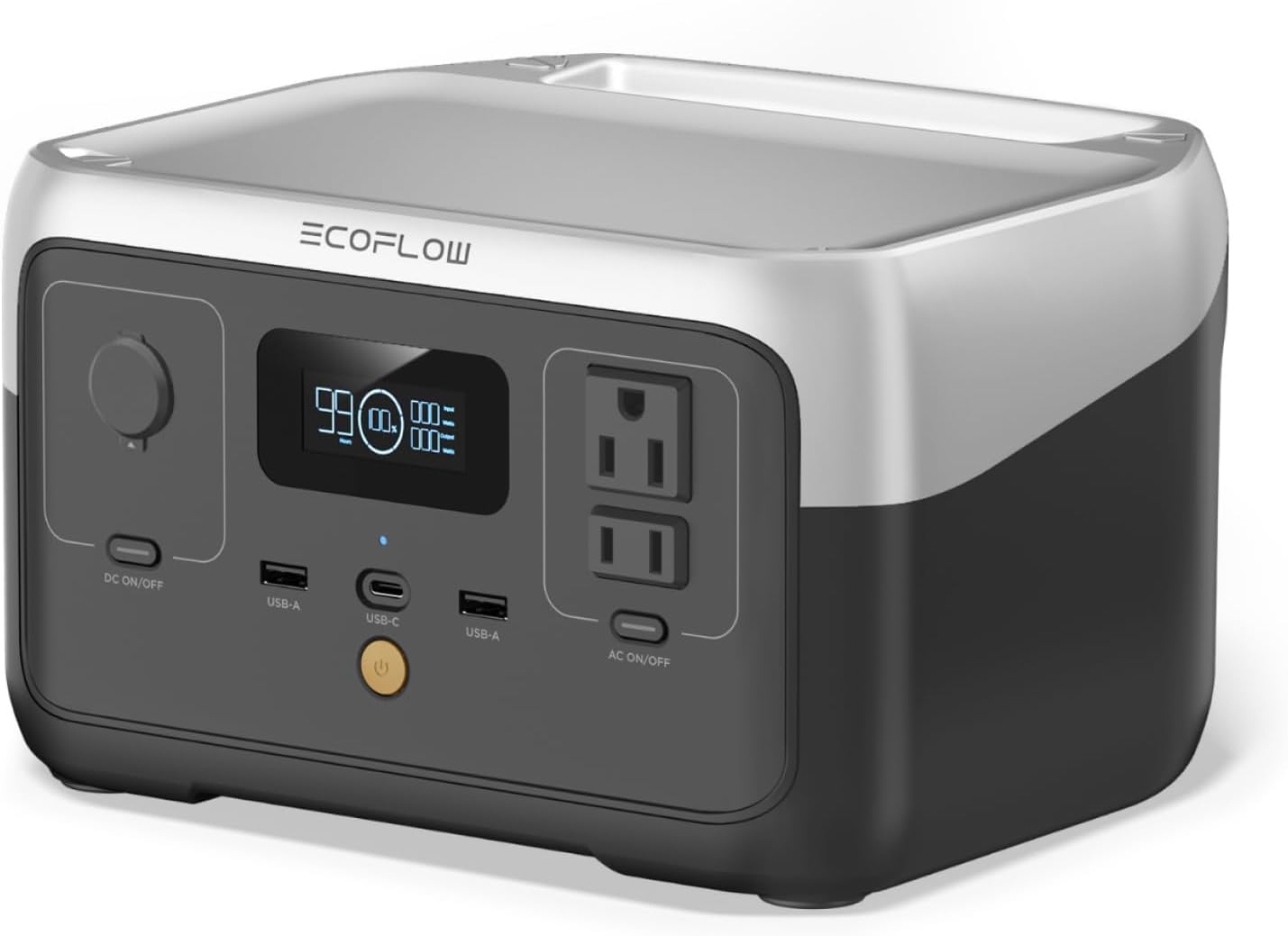
EcoFlow RIVER 2 Portable Power Station – Best Phone and Device Charging
The RIVER 2 provides 256Wh of battery capacity. That is enough to fully charge a smartphone 20 to 25 times, run a laptop, power a radio, or run a small fan for hours. It recharges from a wall outlet in 60 minutes, from a car port in about 3 hours, or from a solar panel (sold separately) for off-grid capability. One of the most versatile power tools in this price range.
- 256Wh capacity
- Recharges 0 to 100% in 60 minutes
- 2 AC outlets, 2 USB-A ports, 1 USB-C
- Solar panel compatible
- LiFePO4 battery chemistry (10-year lifespan)
- 30-pound weight with built-in handle
A smaller backup option is a power bank. They cost less and fit in a grab bag, but they store far less power than a station like the RIVER 2. Get at least a 10,000mAh power bank if you go this route.
NOAA Weather Radio
When cell towers go down or are overloaded, a weather radio keeps you informed. It receives broadcasts from the National Weather Service and emergency management agencies. Many run on hand cranking or solar power, so they work when everything else is dead.
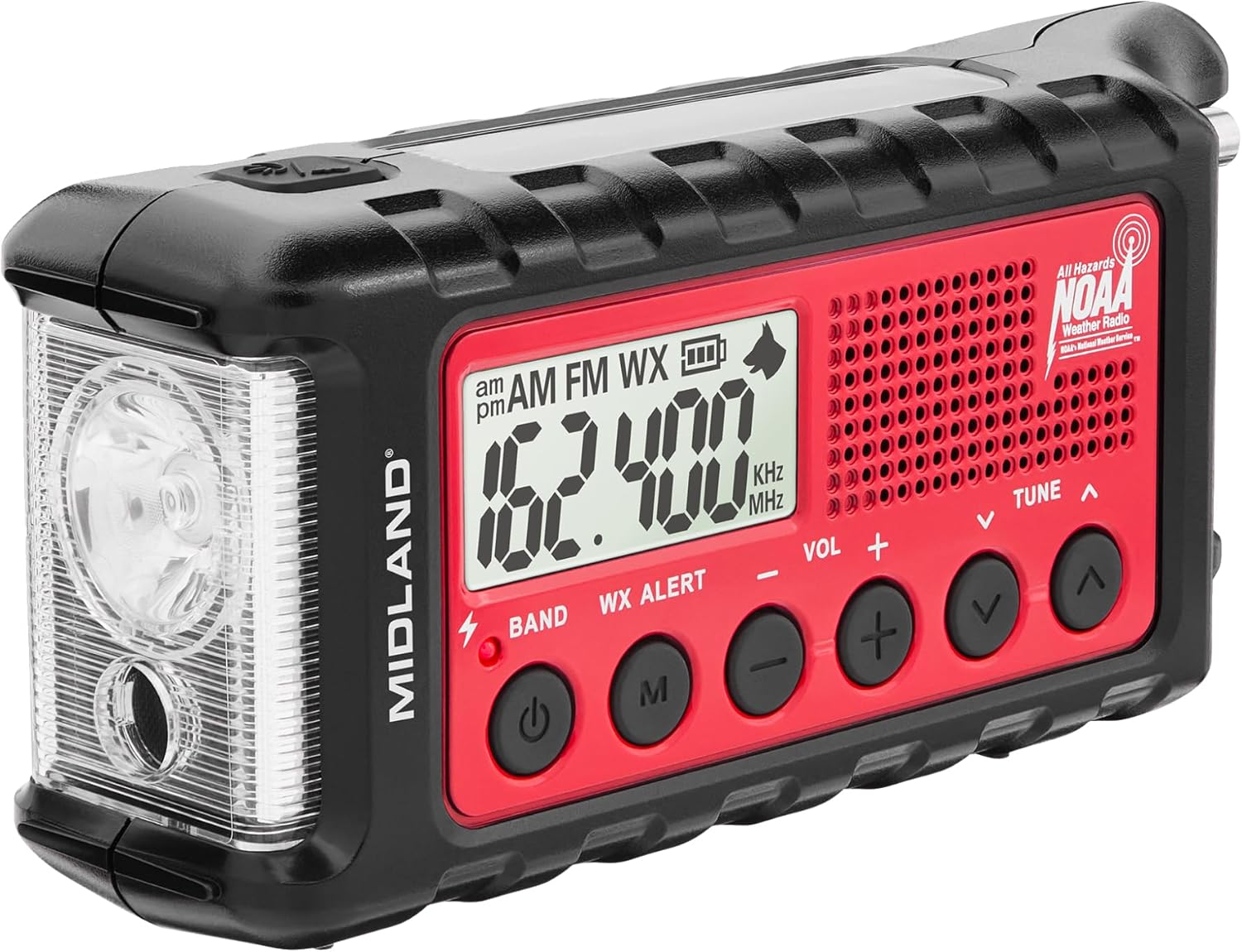
Midland ER310 Emergency Crank Weather Radio – Best Emergency Radio
The Midland ER310 receives all 7 NOAA weather channels plus AM and FM radio. Hand crank, solar panel, USB-C, or batteries charge the built-in battery. The flashlight is 130 lumens, bright enough for most tasks. The SOS beacon flashes an S.O.S. signal. The USB port charges your phone from the radio battery. One device that covers information, light, communication, and power.
- NOAA weather channels + AM/FM
- Hand crank, solar, USB, or battery power
- 130-lumen flashlight
- SOS beacon alarm
- USB-A port to charge phone
- S.A.M.E. weather alerts
Warmth and Shelter
Power outages in winter mean your home loses heat. Even in summer, nights can get cold in many regions. Have a way to stay warm that does not depend on gas or electricity.
Emergency Blankets and Sleeping Bags
Mylar emergency blankets reflect body heat and block wind. They weigh a few ounces and take up almost no space. Every kit should have several.
For more comfort and longer duration, a compressible sleeping bag rated to at least 30 degrees Fahrenheit handles most emergency situations.
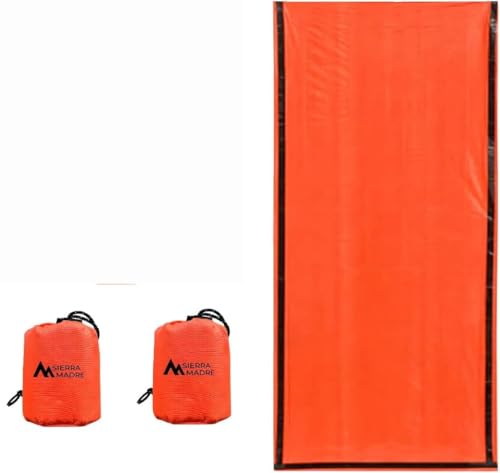
Sierra Madre Emergency Sleeping Bags – Best Warmth per Ounce
These 4-pack Mylar sleeping bags reflect 90% of body heat. They are waterproof, windproof, and lightweight at just 5 ounces each. Toss them in a kit and forget about them until needed. Great as a layer over clothes or inside a regular blanket for added warmth. The 4-pack covers a family or provides backup to other blankets.
- Reflects 90% of body heat
- Waterproof and windproof
- 5 ounces each
- 4-pack
- Reusable if kept clean

Terny Camping Sleeping Bag – Best for Extended Cold Weather Use
A compressible sleeping bag rated to 30 degrees Fahrenheit. Stuff sack makes it compact for storage. Unlike Mylar blankets, these provide actual insulation that traps warm air. Works over a sleeping pad (add one if you have room). Better for multi-night use or temperatures below 50 degrees.
- 30-degree Fahrenheit rating
- Stuff sack for compact storage
- Soft lining and water-resistant outer shell
- Full-length zipper
- Affordable at under $40
Extra Clothing and Layers
Keep a change of clothes in or near your kit. If you lose heat, extra layers are the difference between comfort and hypothermia.
Include:
- One complete change of underwear and socks
- A warm layer (sweatshirt or fleece)
- Rain jacket or poncho
- Sturdy shoes or boots (keep near the kit, not buried in a closet)
Tarp and Plastic Sheeting
A heavy-duty tarp serves multiple purposes. Cover a broken window. Create a privacy shelter. Layer over blankets for wind protection. Line a area for sanitation purposes. Keep a 10x12 foot tarp in your kit along with some duct tape and paracord.
Documents and Financial Preparedness
When disaster strikes, you may need to prove who you are, access bank accounts, or file insurance claims. Paper documents are slow to replace. Keep copies ready.
Documents to Copy and Store
Personal identification:
- Driver’s license or state ID
- Passport
- Birth certificates
- Social Security cards
- Health insurance card
Financial:
- Bank account numbers and contact information
- Credit card numbers and issuer contact info
- Insurance policies (home, auto, health, life)
Medical:
- Prescription list with dosages
- Medical conditions and allergies
- Doctor contact information
- Immunization records
Emergency contacts:
- Out-of-area contact person (everyone in the family should know this number)
- Family phone numbers written on paper
- Children’s school contact info
How to Store Documents
A waterproof document bag keeps papers dry during flooding or fire. Keep a set in your home kit. Keep a second set in a fireproof safe or with an out-of-area relative.
Also scan everything and store digital copies in the cloud. A USB drive in your kit holds the same files offline.
Cash on Hand
ATMs and card readers fail during power outages. After a disaster, cash lets you buy supplies from neighbors or stores that might have managed to reopen. Keep small bills ($1, $5, $10, $20) in your kit.
Plan for $100 to $300 per adult in your household. Smaller bills are better because making change may be impossible.
Tools and Hardware
A few basic tools handle the most common emergency tasks. Keep them in a small kit or toolbox near your main supplies.
Essential Tools for a 72-Hour Kit
- Multi-tool or knife: Opens packages, makes repairs, helps with many tasks. A quality multi-tool with a knife, pliers, and screwdriver handles most jobs.
- Adjustable wrench: Shuts off gas and water mains. Know where your gas meter and water shutoff are before an emergency.
- Duct tape: Repairs, sealing, bundling, creating. A roll of duct tape fixes more problems than you would think.
- Work gloves: Handles broken glass, debris, and general cleanup safely.
- Bolt cutters: For situations where you need to get through a fence, gate, or chain. A 18-inch bolt cutter handles most residential needs.
- Paracord or rope: 50 to 100 feet of paracord has dozens of uses from shelter building to securing gear.
- Whistle: One loud whistle cuts through noise and carries far. Signal for help or alert family members.
- Dust masks or N95 respirators: Protect lungs during cleanup of debris, mold, or smoke.
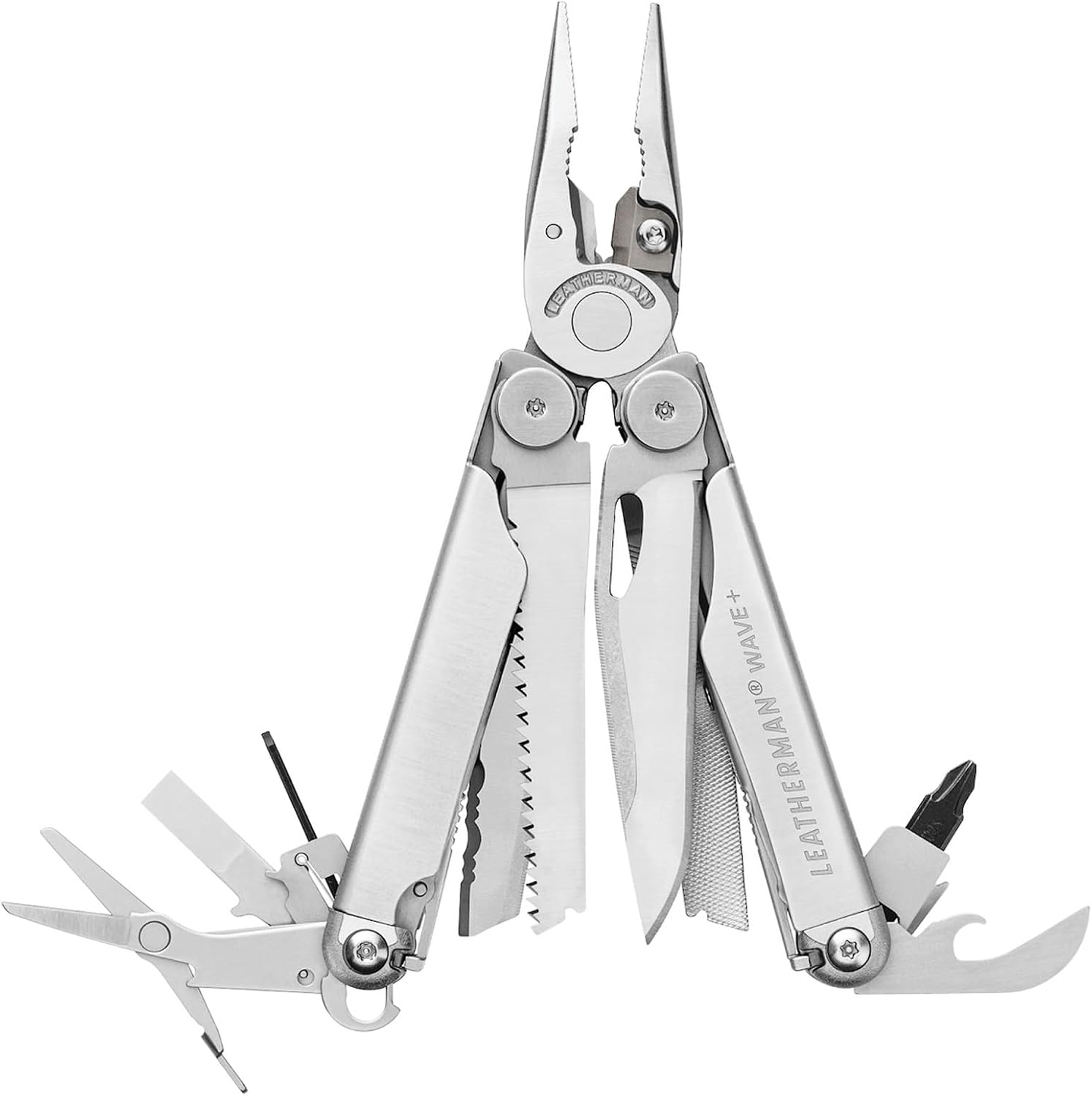
Leatherman Wave Plus Multi-Tool – Best Multi-Tool for Emergencies
The Wave Plus is the standard for a reason. 18 tools built in, including needle-nose pliers, regular pliers, wire cutters, a serrated knife, a straight knife, saw, scissors, and multiple screwdrivers. The outside-access feature lets you open most tools with one hand. Backed by a 25-year warranty. One tool replaces a drawer full of single-purpose items.
- 18 built-in tools
- Outside-access for one-hand opening
- 25-year warranty
- Stainless steel construction
- Includes leather or nylon holster
Sanitation and Hygiene
When water or sewer service is interrupted, sanitation becomes a real concern. Disease spreads fast when basic hygiene breaks down.
Basic Sanitation Supplies
- Toilet paper (a full roll lasts one person about 3 days)
- Hand sanitizer (60% alcohol or higher)
- Liquid soap
- Feminine hygiene products
- Diapers and baby wipes if needed
- Garbage bags (heavy-duty)
- Disposable plates, cups, and utensils
Emergency Toilet
If toilets do not flush, use a bucket lined with a heavy-duty garbage bag. Add kitty litter, sawdust, or shredded paper after each use to control odor. Close the bag tightly and set it aside away from living areas.
Keep a small package of disposable gloves for this task.
Special Needs: Babies, Elderly, Pets
A generic 72-hour kit misses the specific needs of your household. Dale M., a former Army infantryman and homesteader, puts it this way: “If your kit does not account for the people actually living in your house, it is not a complete kit.”
Infants and Young Children
- Formula or breast milk (7-day supply minimum)
- Baby food pouches
- Diapers (plan for 10 to 12 changes per day for infants)
- Baby wipes
- Pacifier if used
- Comfort item (stuffed animal or blanket)
- Any medications your child takes
Elderly Family Members
- Extra prescription medications (14-day supply)
- Mobility aids (walker, cane, wheelchair)
- Hearing aid batteries
- Reading glasses
- Extra clothing and blankets
- List of doctors and medications
People with Disabilities
- Medical equipment that requires power
- Service animal food and supplies
- Communication devices and batteries
- Extra prescription medications
- List of support services and contacts
Pets
- Food (minimum 3 days, 7 days preferred)
- Water for pets (add 1 quart per small animal per day to your water storage)
- Medications
- Collar with ID tag and rabies tag
- Leash or carrier
- Recent photo (in case you are separated)
- Vaccination records if boarding is needed
The 72-Hour Kit Shopping List
Here is the complete list in one place. Use this to build your kit from scratch or check an existing one.
Maintenance: The Step Most People Skip
A 72-hour kit that has expired supplies or dead batteries is worse than no kit at all. It gives you a false sense of security while failing you when you need it most.
Set a Maintenance Schedule
Monthly:
- Check flashlight batteries (replace or recharge)
- Charge power stations and power banks
- Confirm location of kit and that no one moved it
Every 6 months:
- Check water expiration dates and replace or re-treat
- Review food for expiration dates and rotate into daily use
- Check first aid supplies and restock anything used
- Verify prescription medications are current
Yearly:
- Full inventory check against the list above
- Replace any expired food or water
- Update document copies if information has changed
- Test emergency plan with all family members
- Review insurance coverage and update as needed
Beth O., a suburban mom with a medically complex child, puts it this way: “The kit is not a purchase. It is a habit. If you set a twice-a-year reminder, it takes 20 minutes and keeps everything current. If you buy it and forget it for five years, you will have a box full of expired junk.”
Where to Store Your Kit
Your 72-hour home kit should be accessible but protected. The ideal location:
- Cool, dry, dark (heat and light degrade supplies faster)
- Known to all family members
- Easy to reach quickly
- Not blocking an exit
Good options:
- Hall closet near the center of the house
- Basement shelf (unless prone to flooding)
- Garage wall (in sealed plastic bins, off the floor)
Avoid:
- Attic (too hot in summer)
- Areas prone to flooding or moisture
- Under heavy objects that could fall
Frequently Asked Questions
Should I store my kit in a basement or garage? A climate-controlled interior space is better than an unheated garage. Temperature swings (hot in summer, cold in winter) degrade batteries, food, and plastic containers faster than consistent cool temperatures. If you must use a garage, keep supplies in insulated bins off the floor.
How much does a 72-hour kit cost? A basic kit for one person runs $100 to $150. A kit for a family of 4 typically runs $300 to $500. That covers water, food, first aid, light, warmth, documents, and basic tools. Premium upgrades (better sleeping bags, higher-capacity power stations) add cost but not necessarily value for most households.
Can I use camping gear instead of emergency supplies? Yes, with a few caveats. Camping gear is often higher quality than emergency-specific gear. But camping gear is designed for comfortable use in fair conditions. Emergency gear is designed for basic survival in adverse conditions. Test your camping gear for emergency use before relying on it. A 20-degree sleeping bag rated for comfortable use may only keep you alive at 20 degrees when you are tired and stressed.
Should I add a camp stove to my 72-hour kit? A small camp stove with fuel canisters is useful for cooking and warmth. However, your core food supply should not require cooking. The stove is an enhancement, not a necessity. If you add one, store extra fuel canisters safely (outside the house in a cool location, away from any heat sources).
What if I live in an apartment with limited storage space? Space is limited but not impossible. Stack flat water cases under beds. Use a closet for the main kit. Keep a WaterBOB in the bathroom for last-minute water storage. Even a partial 72-hour kit covering water and food for 2 days is better than no kit at all.
Is the 72-hour recommendation from FEMA still valid? Yes. FEMA recommends 72 hours as a minimum supply. Recent disasters have shown that 72 hours is often not enough. The Texas winter storm of 2021 left some areas without power for a week or more. Hurricane Maria knocked out power in Puerto Rico for months. Build toward 2 weeks if you have space and budget.
Should I store weapons in my 72-hour kit? This is a personal decision based on your training, comfort level, and local laws. If you choose to include a firearm, store it locked and unloaded with ammunition stored separately. Have proper training for its use. Weapons add complexity to emergency planning and are not required for basic survival.
The Bigger Picture
A 72-hour home emergency kit is one part of a complete preparedness plan. The other two pieces are a family emergency plan and the knowledge to use what you have stored.
A family emergency plan covers:
- How to communicate if cell phones are down (out-of-area contact person)
- Where to meet if you are separated (two locations: one near home, one outside your neighborhood)
- How to shut off utilities (gas, water, electricity)
- Evacuation routes from your home and neighborhood
Knowledge matters more than stuff. Take a first aid and CPR class. Practice using your gear before an emergency. Cook with your stored food so you know what you have and your family gets used to eating it. Walk through your emergency plan with your household.
The goal is simple: your family should be able to survive the first 72 hours of any disaster without outside help. Everything you store, practice, and learn moves you closer to that goal.
Start today. Pick one category (water is usually the best place to start) and build from there.