Ready
Ready
The Beginner's Guide to Emergency Preparedness: Start Here
Emergency preparedness sounds complicated. Most people picture doomsday bunkers, years of freeze-dried food, and a wall of gear that costs thousands of dollars. That picture is wrong, and it keeps a lot of people from ever getting started.
The truth is that being prepared means being ready for the likely, not the dramatic. A winter storm that knocks out power for three days. A flood that closes roads and empties grocery shelves. A job loss that hits before the emergency fund is full. These things happen all the time, all across the country, to ordinary people. And the ones who come through them with the least stress are the ones who did a little planning ahead of time.
This guide is your starting point. It covers a six-step framework for building real preparedness, how to figure out which risks actually apply to where you live, how to avoid the common traps that waste money and time, and what “two weeks ready” actually looks like in practice. No bunker required.
Why Trust This Guide?
This article was researched and reviewed by contributors with hands-on experience in emergency preparedness. They have tested gear, built real systems, and lived through situations where these skills actually mattered.



Why Most People Never Start (And How to Get Around That)
The number one reason people put off emergency preparedness is that it feels overwhelming. You look at a full prep checklist, see 200 items, and close the tab. That is a completely reasonable response to an unreasonable amount of information thrown at you all at once.
Here is the reframe that helps: preparedness is not a purchase. It is a practice. You do not need to buy everything at once. You do not need to do everything this month. You need to start somewhere and build steadily. A family that has three days of water, two weeks of food, a working first aid kit, and a basic plan is dramatically better off than 90 percent of households. And you can get there in 30 days of small, consistent steps.
The second trap is perfectionism. People spend months researching the absolute best water filter and never buy one. Meanwhile, a 30-dollar filter from the grocery store would have been fine. Done is better than perfect in preparedness. You can always upgrade later.
The third trap is buying gear before building a plan. Gear without a plan is just expensive clutter. We will do the thinking first.
Step 1: Know Your Risks (Realistic Threat Assessment by Region)
Before you buy anything, spend 30 minutes thinking about what you are actually preparing for. The risks in Miami are different from the risks in Minneapolis. The risks in rural Wyoming are different from the risks in downtown Seattle. Your prep should match your reality.
Here is a quick framework for regional threat assessment:
Natural hazards: What has actually happened in your area in the last 20 years? Look up your county’s emergency management website. FEMA’s hazard map is a free resource. Common natural hazards by region:
- Gulf Coast and Southeast: Hurricanes, tropical storms, flooding, tornadoes
- Midwest and Plains: Tornadoes, severe winter storms, ice storms, flooding
- Pacific Coast: Earthquakes, wildfires, tsunamis (coastal), landslides
- Mountain West: Wildfires, drought, severe winter storms, avalanche (mountain communities)
- Northeast: Nor’easters, ice storms, flooding, occasional hurricane impact
- Southwest: Extreme heat, drought, wildfires, flash flooding
Infrastructure hazards: These apply almost everywhere and are the most common reason people need supplies.
- Extended power outages (the number one emergency most households face)
- Water main breaks or boil-water advisories
- Supply chain disruptions (as proven in 2020 and 2021)
- Economic disruptions, job loss, or medical bills
Personal hazards: Medical conditions in your household, elderly family members, infants, pets, or disabilities all change what you need. A household with a diabetic member needs to prep insulin storage carefully. A household with a newborn needs diapers in the supply count. Think through who is in your home.
Once you know your top two or three risks, you have a direction. Most prep is useful across all scenarios, but knowing your region helps you prioritize. If you live in tornado country, a battery-powered weather radio is more important than it is to someone in San Francisco. If you are in earthquake territory, a good first aid kit and a month of food may matter more than an evacuation bag.
The 80/20 of Emergency Preparedness
You do not need to do everything. You need to do the right 20 percent that covers 80 percent of scenarios. Here is what that looks like:
Water. One to two weeks of stored water for your entire household covers almost every common emergency. Most disasters that affect normal people last hours to days. Two weeks of water means you almost never run out. This is the single most impactful thing you can do. See our full guide on home water storage for step-by-step details.
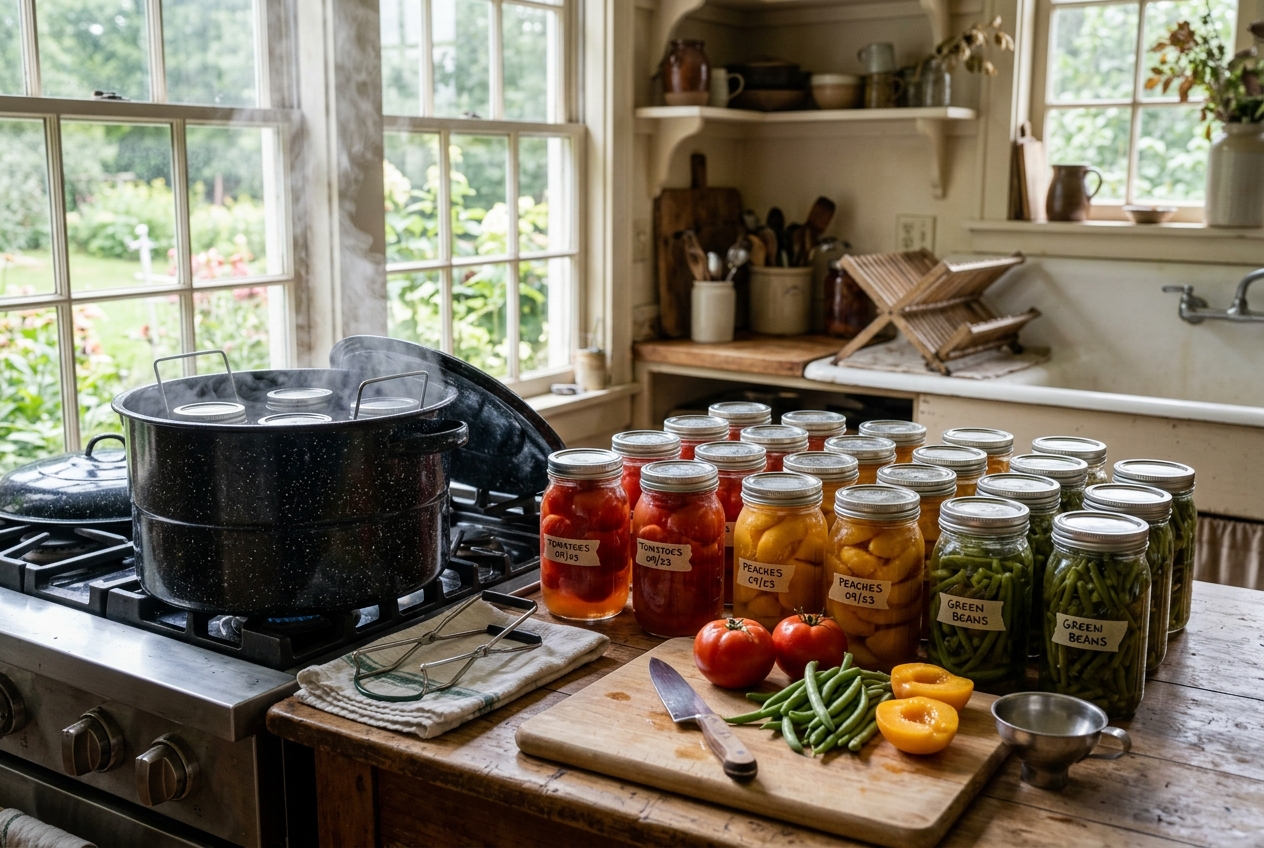
Food. Two weeks of shelf-stable food you already eat covers most scenarios. This does not mean buying freeze-dried survival meals. It means having an extra two weeks of pasta, canned goods, peanut butter, crackers, and the other things your household normally eats. For longer-term storage, see long-term food storage.
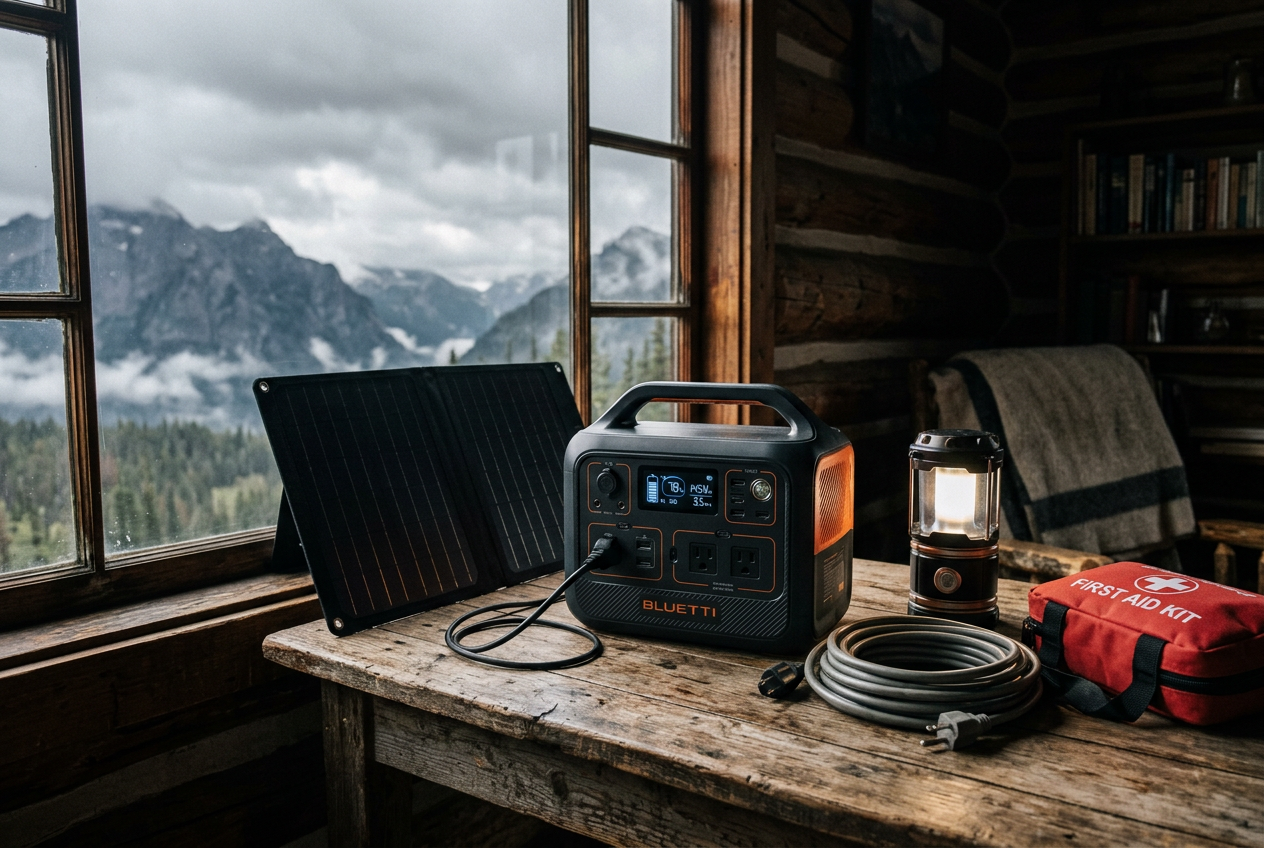
Power and light. A way to charge phones and have light in a power outage matters more than almost anything else on a gear list. A battery bank, a headlamp, and candles cover most situations. A portable power station covers more. See our guide to best portable power stations.
Communication. Knowing what is happening and being able to communicate with family is critical. A battery-powered or hand-crank emergency radio gives you weather alerts and news when cell towers are down. Check out best emergency radios for our top picks.
First aid. A well-stocked first aid kit plus basic knowledge of how to use it covers most medical emergencies. This is an area where a few hours of training pays huge dividends.
A plan. Knowing where to meet, who to contact, and what to do costs nothing and saves lives.
That is the 80/20. Water, food, power, communication, first aid, and a plan. Everything else is an upgrade.
The 6-Step Preparedness Framework
This is the structure we use for building real, lasting preparedness. Work through these steps in order. Each one builds on the last.
Step 1: Financial and Health Foundation
This is the step most prep guides skip entirely, and it is the one that matters most for the majority of emergencies most people face.
The most common emergency is not a natural disaster. It is a financial one. Medical bills, job loss, car breakdown, or unexpected home repair hits far more households every year than earthquakes and hurricanes combined. Having three to six months of expenses saved in an accessible account is the single most powerful thing most people can do for their emergency preparedness.
If that number feels impossible, start with a $500 emergency fund. It is enough to handle the most common financial shocks without going into debt. Build from there.
Health preparedness means making sure everyone in your household has an adequate supply of prescription medications. Most insurance plans allow 90-day supplies. Having a current prescription filled and a month or two of buffer in your medicine cabinet is basic and important. Talk to your doctor about what to do if you cannot access a pharmacy for a week or two.
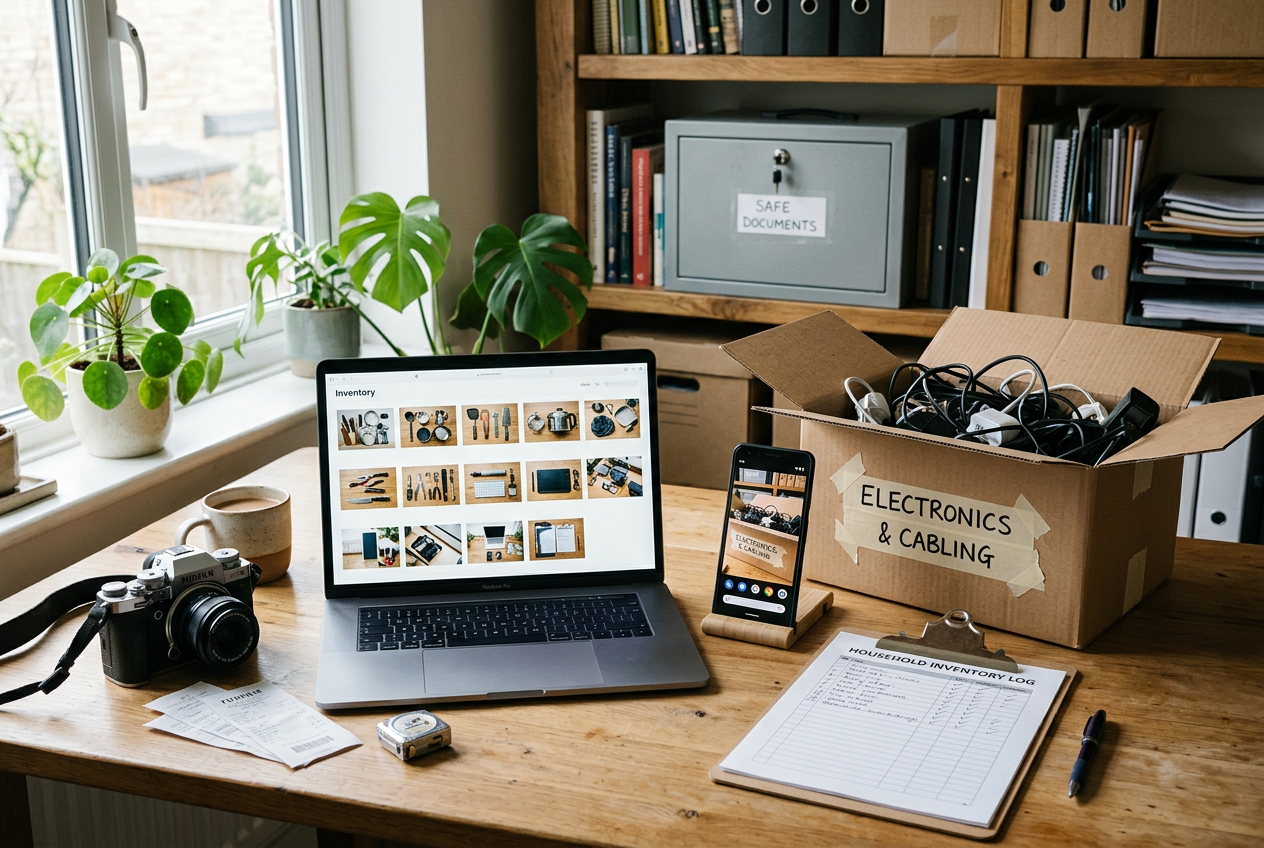
Document your household’s critical health information: blood types, allergies, medications and dosages, and medical history. Store this in a waterproof bag with your important documents. If you are evacuated in a hurry and end up at a medical facility, this information matters.
Step 2: Home Readiness
Your home is your first line of defense. Home readiness means having the supplies and knowledge to shelter in place comfortably for at least two weeks without any outside help.
Water. The rule is one gallon per person per day, minimum. For a family of four, that is 56 gallons for two weeks. Use food-grade containers. The most practical option for most households is a combination of 5-gallon water containers and Nalgene bottles for individual use. Rotate your stored water every six to twelve months.
A Sawyer Squeeze water filter is a powerful backup. It filters 100,000 gallons of water and weighs almost nothing. If your stored water runs out, you can filter from a bathtub, stream, or rain collection.
Food. Build a two-week supply of shelf-stable food your household will actually eat. Focus on:
- Canned proteins (tuna, chicken, beans, lentils)
- Canned and dried vegetables
- Pasta, rice, oats
- Peanut butter and nut butters
- Crackers, granola bars, dried fruit
- Coffee, tea, comfort items
For longer-term food storage, a Augason Farms emergency food bucket covers a variety of needs and has a 25-year shelf life. These are useful as a foundation for extended supply.
Do not forget a manual can opener, disposable plates and utensils, and a camp stove or other off-grid cooking option.
Power. Know your power options:
- Portable battery banks for phones and small devices
- LED flashlights and a Black Diamond Spot headlamp per person (headlamps are hands-free and far more useful than handheld lights)
- A portable power station for larger needs (laptops, medical devices, fans)
- A hand-crank or battery-powered emergency radio
Documents. Keep copies of critical documents in a waterproof bag or portable fireproof document holder:
- IDs and passports
- Insurance policies
- Medical records and medication lists
- Financial account information
- Property deeds or rental agreements
- Emergency contacts
First Aid. A basic kit is not enough for a two-week shelter-in-place scenario. Build or upgrade to a comprehensive kit that includes:
- Wound care (gauze, bandages, medical tape, antiseptic)
- Medications (pain reliever, antihistamine, anti-diarrheal, antacid)
- A CAT tourniquet for serious bleeding emergencies
- Splint and compression wrap
- Tweezers, scissors, thermometer, disposable gloves
- A first aid manual
Step 3: The Bug-Out Bag
A bug-out bag (sometimes called a go-bag or 72-hour bag) is a packed bag you can grab quickly if you need to leave your home in a hurry. Evacuation scenarios include wildfires, flooding, gas leaks, and chemical spills.
The key word is “grab.” If you have to hunt for items when the police are at your door telling you to leave in 15 minutes, the bag is not doing its job. Pack it, store it by the door or in the car, and know exactly what is in it.
Each adult and older child should have their own bag. Contents should be personalized. A basic bug-out bag for an adult includes:
- Water: at least one liter per person, plus a Sawyer Squeeze filter and purification tablets as backup
- Food: three days of calorie-dense, lightweight food (energy bars, jerky, nuts)
- Shelter: emergency Mylar blanket, poncho
- Navigation: a paper map of your region, a compass
- Light: Black Diamond Spot headlamp with extra batteries
- Communication: a Midland ER310 emergency radio for weather alerts and news
- First aid: compact kit with wound care and personal medications
- Multi-tool: a Leatherman Wave+ covers most tool needs in one compact package
- Documents: copies of all critical documents in a waterproof bag
- Cash: small bills, at least $100 to $200 per adult
- Phone charger and backup battery
- Personal hygiene basics
- Change of clothes and sturdy shoes
For a full detailed list with product recommendations, see our bug-out bag checklist.
Infant and child additions: If you have young children, add diapers, formula or snacks, comfort items, and their medical information. Do not assume you can buy these things after an evacuation. Plan for them.
Pet additions: If you have pets, a separate bag with food, a collapsible bowl, medication, and vaccination records is essential. Many emergency shelters do not accept pets. Know your pet-friendly shelter options in advance.
Step 4: Away-From-Home Preparedness
Most people prepare their homes and stop there. But emergencies do not only happen when you are home. They happen at work, at school, in the car, and while traveling.
At work: Many workplaces are hours from home on foot if vehicles or transit are disrupted. Keep a small stash at your desk or in a work bag: a day of food, a small water filter, a backup phone charger, a basic first aid kit, and comfortable walking shoes. Have a plan for how to get home if you had to walk.
In the car: Keep a basic car emergency kit in your vehicle:
- Jumper cables or a jump starter battery pack
- Reflective triangles or flares
- A basic first aid kit
- Bottled water and snack bars (rotate for freshness)
- A blanket
- Phone charger and backup battery
- Basic tools
Family communication plan: What happens if an emergency strikes while your kids are at school and you are at work? Every family needs a written plan that answers:
- Where do we meet if we can’t go home?
- Who picks up the kids if both parents are unavailable?
- What is our out-of-state contact? (Sometimes it is easier to reach someone outside a disaster area than within it.)
- What are the plans for different scenarios (shelter in place vs. evacuate)?
Practice this plan with your kids. Make sure they have it memorized or written down somewhere they can always access it.
Step 5: Skills
Gear is only as useful as the person using it. Skills are the most durable investment you can make in preparedness because they cannot run out of batteries, get stolen, or sit unused in a closet.
First aid and CPR. This is the most important skill set for any emergency. The Red Cross and many community organizations offer basic courses for under $100 and often for free. CPR knowledge is valuable every day, not just in disasters.
Water treatment and purification. Understanding how to use a filter, treat water with bleach or tablets, and identify safe vs. unsafe water sources is practical knowledge that applies to camping, travel, and emergencies alike.
Basic fire starting and cooking. Knowing how to use a camp stove, light a fire safely, and cook simple meals without electricity means you will be comfortable and well-fed in a power outage instead of stressed and hungry.
Navigation. Using a paper map and compass is a vanishing skill. Cell service goes down in major disasters. Practice reading a map of your area. Know the major roads, alternate routes, and landmarks.
Home repairs. Knowing how to turn off your gas, water, and electricity is critical. A gas leak after an earthquake that you cannot stop is a secondary disaster. Spend 30 minutes with your home’s utility shutoffs and make sure everyone in the household knows where they are and how to use them.
Mental health skills. Stress management, clear communication under pressure, and the ability to keep children calm are skills that matter as much as any physical gear. Practice makes a difference. Families that have talked through scenarios in advance handle real emergencies far more calmly than families who have not.
Step 6: Community
The most underrated part of preparedness is community. Neighbors who know each other, share resources, and have complementary skills are a stronger safety net than any individual household’s gear list.
Get to know your neighbors, especially elderly or disabled neighbors who may need more help in an emergency. Exchange contact information. Know who has a generator, who has medical training, who has tools, and who might need help.
Look into local preparedness resources:
- CERT (Community Emergency Response Teams): Free training programs in many areas. FEMA runs a national program.
- Local emergency management agencies: Most counties have emergency management offices with free resources, local hazard maps, and notification systems. Sign up for your county’s emergency alerts.
- Neighborhood groups: Many areas have Nextdoor groups or neighborhood associations where preparedness resources can be shared.
Community preparedness is not just about receiving help. It is about having enough to give some away. When you have extra water and food, you can help an elderly neighbor through a rough patch. That kind of mutual support is what most communities looked like before the last century, and it is worth rebuilding.
What “Two Weeks Ready” Actually Looks Like
Here is a concrete picture of a household that is genuinely two weeks ready. This is a household of two adults and one child.
Water: 63 gallons stored (1.5 gallons per person per day x 3 people x 14 days), split across six 5-gallon containers and several Nalgene bottles for daily use. A Sawyer Squeeze filter as backup.
Food: Two weeks of the family’s normal shelf-stable foods, rotated regularly. A 4-gallon emergency food bucket as an extended buffer. Manual can opener and two methods of off-grid cooking (camp stove and propane, plus a charcoal grill for outdoor use).
Power: Two 20,000mAh power banks for phones and devices. A headlamp for each family member. A 500Wh portable power station that can run a CPAP machine, keep a phone and laptop charged, and run a small fan. A hand-crank emergency radio.
First aid: A well-stocked kit with wound care, medications, a tourniquet, and a first aid manual. One adult has completed Red Cross first aid and CPR training.
Documents: All critical documents scanned and stored on an encrypted USB drive, plus paper copies in a waterproof bag in the go-bag.
Go-bags: One loaded bag per adult, one smaller bag for the child, a small pet bag. All three bags are stored by the back door.
Plan: A written family communication plan with meeting points, contact numbers, and role assignments. The child knows the out-of-state contact number by heart.
Financial buffer: Three months of expenses in a savings account. 90-day supplies of all prescription medications.
Community: Exchange of contact info with six neighbors. Membership in the county emergency alert system.
This is not a fantasy. It is achievable over three to six months of small, steady effort. The total cost for most households is $300 to $800 spread over that time.
Common Mistakes That Waste Money and Time
Buying a pre-made emergency kit and stopping there. Pre-made kits are starter packs, not solutions. They typically contain generic items that may not match your household’s needs, food rations with poor taste, and gear of uneven quality. Use a pre-made kit as a base and customize it.
Storing water in the wrong containers. Not all containers are food-safe. Never store water in milk jugs (they degrade) or in containers that held non-food products. Use food-grade HDPE containers specifically designed for water storage.
Rotating nothing. Food and water have shelf lives. A shelf of expired canned goods and stale crackers is not a food supply. Set a calendar reminder to rotate your supplies every six to twelve months.
Ignoring the specific needs of household members. A prep plan built for a healthy adult male will fail for a household that includes an infant, an elderly grandparent, or someone with a chronic illness. Build a plan for the actual people in your home.
Focusing on rare scenarios instead of likely ones. Spending months preparing for a complete grid-down societal collapse while having no earthquake kit in San Francisco is backwards. Prepare for the likely first, and the less likely second.
Not practicing. A plan that lives only on paper has not been tested. Practice your evacuation route. Do a 72-hour drill with no power. Make sure everyone in the household can use the tools in the first aid kit.
Talking about it instead of doing it. Research is valuable, but it has diminishing returns. At some point you have to buy the water containers and fill them.
Your First 30 Days: Action Plan
This table breaks the first month into weekly sprints. Each sprint is designed to take less than two hours of active work and less than $100 in spending.
After 30 days, you will have covered the core of the 80/20. From there, keep building at a pace that works for your budget. A useful cadence is adding one prep item per grocery run and doing one quarterly review of your supplies.
Where to Go for Gear Guidance
A lot of prep gear is overengineered or underused. Our specific guides go deep on which products actually hold up and why, rather than listing everything available, each guide compares a short list of proven options and explains what makes each right for a specific use case.
Start with the highest-value categories for most households:
- Best Water Filters for Emergencies, How water filtration works, what different filter types remove, and which filter is right for a bug out bag vs. home base.
- Best Emergency Radios, NOAA-capable radios ranked for reliability, power options, and ease of use when the grid is down.
- Best Portable Power Stations, Capacity, watt-hours, and which size covers which scenarios (phones vs. CPAP vs. refrigerator).
- Best First Aid Kits, The difference between a drugstore kit and a trauma kit, and what hemorrhage control items everyone should own.
For a complete go-bag, the bug-out bag checklist covers every category from water to shelter to navigation at three build levels.
Special Considerations for Renters and Apartment Dwellers
A common objection to preparedness is “I rent, so I can’t really prep.” This is not true. Renters can do almost everything on this list.
Space. A two-week supply of water for two people is about 21 gallons. Six 5-gallon jugs take up the space of a small end table. Under-bed storage, closet shelves, and cabinet space all work. Two weeks of shelf-stable food for two people fits in a single cabinet with creative stacking.
Permission. Nothing on this list requires landlord permission. You are not modifying the unit. You are storing supplies.
Portability. Renters benefit from keeping supplies organized and portable. If you move, your supplies move with you. Avoid built-in solutions and favor containers you can load into a car.
Bug-out priority. Because you have less control over your home infrastructure, renters may benefit from a stronger focus on the go-bag and away-from-home prep. Know your building’s evacuation routes. Know where the utility shutoffs are. Know your neighbors.
Preparedness for Families with Children
Kids handle emergencies better when they are included in planning. Talk to your children about what might happen and what the family plan is. Use age-appropriate language and frame it as an adventure plan, not a scary event.
For young children (under 8): Keep it simple. Teach them what to do if they hear a fire alarm. Teach them your address and one phone number to memorize. Give them a small comfort kit in their backpack (a small stuffed animal, a granola bar, their favorite small toy). Practice meeting at the designated outside meeting spot.
For older children and teens: Involve them in planning and packing. Assign them age-appropriate roles (pack your own bag, know how to call 911, know the family meeting location and out-of-state contact). Teens can learn basic first aid. Many enjoy it.
For infants: Plan for diapers, formula, wipes, and medications. Your go-bag should have enough for at least three days. Know which shelters in your area can accommodate infants.
Preparedness for Elderly or Disabled Household Members
This is the area most prep guides underserve. People with mobility limitations, chronic illnesses, or cognitive impairment have specific needs that require specific planning.
Medications. Make sure a 90-day supply is maintained. Know what to do if a medication needs refrigeration and power goes out. Talk to the prescribing doctor about a heat emergency protocol for temperature-sensitive medications.
Medical equipment. If someone in your household uses a CPAP, oxygen concentrator, hearing aids, or other electrically-powered medical devices, your power plan needs to account for these. A portable power station becomes essential, not optional.
Mobility. If someone in your household uses a wheelchair or walker, your evacuation plan needs to account for this. Know accessible exits from your home and building. Know which evacuation routes accommodate wheelchairs. Keep a list of local transportation assistance resources for evacuation.
Communication. If someone in your household has hearing or vision impairment, make sure your emergency communication plan works for them. Weather alerts on a phone may not be heard. A flashing weather alert device exists for the hearing impaired.
Register with local services. Many counties have a special needs registry for people who may need extra assistance in a disaster. Contact your local emergency management office to find out if this service is available and to register eligible household members.
Deepening Your Preparedness: Where to Go Next
This guide is your starting point. Once you have the basics covered, here is where to go next on ReadyGuidance:
- Home Water Storage Guide: How much water you need, which containers to use, how to treat and rotate your supply, and small-space solutions.
- Long-Term Food Storage: Moving beyond two weeks. Shelf life of different foods, storage conditions, rotation systems, and calorie planning.
- Bug-Out Bag Checklist: Complete list for adults, children, and pets. What to pack, what to skip, and how to organize it.
- Best Water Filters for Emergencies: Reviews of the top water filtration options for home and go-bags.
- Best Emergency Radios: NOAA-capable radios ranked for reliability, ease of use, and battery life.
- Best Portable Power Stations: Capacity, watt-hours, and which scenarios each size covers.
The Mindset That Makes Preparedness Stick
The people who build lasting preparedness are not the ones who had a single burst of motivation and bought a lot of gear. They are the ones who made preparedness a quiet habit woven into normal life.
Rotate your food and water. Buy one extra can at each grocery run. Add one item to the go-bag each month. Take a first aid class this year. Learn one new skill per season. Check in with a neighbor. Review your plan once a year and update it when things change.
This is not about fear. It is about confidence. When you know you have water, food, light, communication, and a plan, you look at the weather forecast differently. You do not feel dread when you hear about a storm. You feel ready. That peace of mind is the real point of all of this.
Start small. Start now. The best emergency kit is the one you actually have when you need it.