Ready
Ready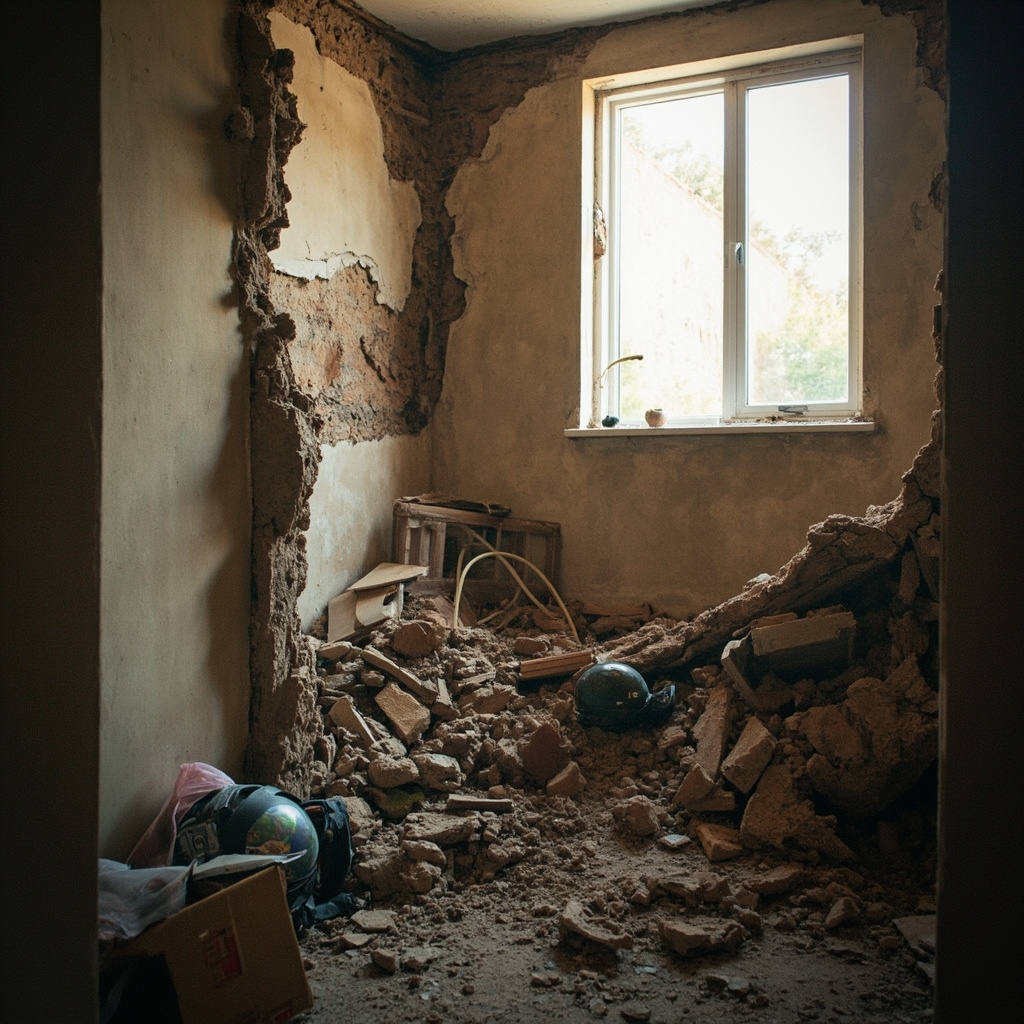
Earthquake Preparedness Checklist and Survival Guide
Earthquakes do not give warnings. No sirens. No weather alerts the night before. One moment everything is normal, and the next, the ground is moving beneath your feet and things are falling off shelves. The 1994 Northridge earthquake struck at 4:31 in the morning. The 2011 Tohoku earthquake in Japan lasted six minutes and triggered a tsunami that killed nearly 16,000 people. Closer to home, the 1989 Loma Prieta quake hit during Game 3 of the World Series and collapsed a section of the Bay Bridge.
You cannot predict when a quake will hit. You can, however, decide right now what you will do when one does. This guide covers everything from securing your home before a quake strikes to surviving the shaking to managing the difficult hours and days afterward when utilities are out, roads are blocked, and emergency services are stretched thin. Read it, act on it, and share it with the people who matter to you.
Why Trust This Guide?
This article was researched and reviewed by contributors with hands-on experience in emergency preparedness. They have tested gear, built real systems, and lived through situations where these skills actually mattered.



The Single Most Important Survival Rule: Drop, Cover, Hold On
Before anything else, you need to know the three-word rule that could save your life: Drop, Cover, Hold On.
This technique is recommended by the American Red Cross, FEMA, and the U.S. Geological Survey. It is backed by decades of earthquake research and thousands of real-world incidents. Here is how it works:
Drop to your hands and knees. This position keeps you stable and lowers your center of gravity so the shaking does not knock you off your feet. Falling is a leading cause of earthquake injuries.
Cover your head and neck with your arms. If a sturdy table or desk is nearby, get under it. The goal is to protect your head and spine from falling debris, flying objects, and broken glass.
Hold On to your shelter if you have one. Keep holding on until the shaking stops completely. Earthquakes often feel like they have ended and then start again.
That is it. Three steps. Practice them until they are automatic.
The Myth You Need to Stop Believing: The “Triangle of Life”
You may have heard of the “triangle of life” theory. It suggests that you should curl up next to a large piece of furniture during an earthquake instead of getting under it, because the furniture will collapse and create a survival space beside it.
This idea is wrong, and believing it could get you killed.
The triangle of life theory originated from a single source with no peer-reviewed research behind it. It has been thoroughly debunked by earthquake engineers, structural experts, and emergency management agencies. Here is why:
First, in most modern buildings, especially in earthquake-prone areas, floors do not pancake the way the theory assumes. If you are in a typical home or office and the ceiling falls, it most likely will not crush a table completely flat. The space under the table is real protection.
Second, the triangle of life theory encourages people to move during an earthquake. Moving during shaking is one of the most dangerous things you can do. You risk being hit by falling objects, losing your footing, and getting cut by broken glass. The research is clear: stay where you are, get low, protect your head, and wait for the shaking to stop.
Third, getting under furniture during actual collapse scenarios in areas with older, weaker construction is still safer on average than crouching next to something that may shift, topple, or roll during shaking.
The Red Cross, FEMA, and every major earthquake preparedness organization in the world endorse Drop, Cover, Hold On. That is the science-backed answer. Ignore the triangle of life.
Before the Quake: Making Your Home Safer
The most impactful earthquake preparedness work happens before any shaking starts. A few hours of effort now can prevent serious injuries and reduce the damage to your home significantly.
Secure Your Furniture to Walls
In an earthquake, unsecured furniture becomes a weapon. Tall bookshelves, dressers, refrigerators, water heaters, and televisions can all topple over, injuring or killing anyone nearby. This is one of the leading causes of earthquake injuries in residential settings.
Furniture wall anchors and anti-tip straps are inexpensive and take about 20 minutes to install. You anchor a strap to a wall stud and attach it to the top of the furniture piece. Most kits come with hardware and instructions. Focus on:
- Tall bookshelves and bookcases
- Dressers and armoires
- Filing cabinets
- Large televisions (secure both the TV and the stand or mount)
- Refrigerators
- China cabinets and hutches
This is especially important in households with young children. A toppled dresser can trap or crush a child in seconds.
Strap Your Water Heater
Water heaters are a major earthquake hazard. When an unsecured water heater tips over, it can rupture the gas line connected to it, creating a fire or explosion risk at exactly the moment when emergency services are overwhelmed. This is one of the primary causes of post-earthquake fires.
Water heater straps are simple metal banding kits that bolt the heater to nearby wall studs. In many earthquake-prone states like California, strapping your water heater is required by law. Even if it is not required where you live, it is one of the most important safety improvements you can make. Installation takes under an hour with basic tools and most kits include everything you need.
Use Earthquake Putty for Breakables
Fragile items on shelves, mantels, and display cases can become airborne projectiles during a quake. Earthquake putty, sometimes called museum putty or museum wax, is a simple solution. You press a small amount under decorative items, lamps, sculptures, and other objects to hold them in place during shaking. It is removable and reusable, and it will not damage most surfaces.
It is worth using on anything breakable that sits on elevated surfaces: vases, lamps, picture frames, and small appliances on countertops.
Know Your Building Type
Not all buildings respond the same way to an earthquake. Understanding what kind of structure you live or work in helps you make smarter decisions.
Wood-frame homes (common in most American suburbs) are actually relatively earthquake-resistant because wood is flexible. They can shift, crack, and lose chimneys, but they rarely collapse completely.
Unreinforced masonry buildings are the highest-risk structures in an earthquake. These are older brick buildings, especially those built before the 1970s. The mortar between the bricks is brittle and the walls can collapse suddenly. If you live or work in an older brick building, find out if it has been seismically retrofitted. Many cities have retrofit programs.
Soft-story buildings are a specific type of apartment or condo building with open ground-floor parking beneath living units. These have failed catastrophically in past earthquakes. The Northridge quake collapsed dozens of them. If you live in a soft-story building, ask your property manager whether it has been retrofitted.
Modern concrete buildings built to post-1980 codes are generally safe. Older concrete buildings, especially those with unreinforced concrete frames, are much more dangerous.
Mobile homes are vulnerable to shifting off their foundations during seismic activity.
Learn Where Your Gas Shutoff Is
After an earthquake, one of the most important things you can do is check for gas leaks. But before that, you need to know where your gas shutoff valve is and how to turn it off. Find it now. It is typically on the gas meter outside your home.
You will need a wrench to turn it. Some people keep a small crescent wrench or a dedicated gas shutoff tool attached to the meter or nearby. Know the location, know how the valve works (turn it 90 degrees to shut off), and do not turn it back on yourself. Only the gas company should restore service after a shutoff.
Identify Safe Spots in Every Room
Walk through your home and identify where you would drop and cover in each room. Under a sturdy dining table or desk is ideal. Away from windows is critical. Away from tall furniture that could topple is essential. Know your spots before you need them.
In rooms without tables, an interior corner away from windows and exterior walls can work. The goal is to be away from anything that could fall on you.
During the Earthquake: What to Do by Location
At Home
If you are inside when shaking starts, do not run outside. Most earthquake injuries happen when people try to run and get hit by falling objects or cut by breaking glass. Stay inside.
Drop, Cover, Hold On. Get under a sturdy table or desk. If none is nearby, drop to the floor next to an interior wall, cover your head and neck with your arms, and stay there.
Stay away from windows. Glass can shatter and travel far.
Do not stand in doorways. The old idea that doorframes are safe is a myth from old adobe construction. In modern buildings, doorways provide no special protection and are often near windows and walls that could collapse.
Stay in bed if you wake up to shaking. Pull a pillow over your head. Getting up and running in the dark during an earthquake is how people get hurt.
Do not use candles, matches, or any open flame immediately after shaking stops. You do not yet know if there is a gas leak.
In a Car
Pull over as quickly as safely possible and stay in the car with your seatbelt on. Avoid pulling over near overpasses, bridges, power lines, trees, and buildings. An open area away from hazards is ideal.
Once the shaking stops, drive carefully. Watch for damaged roads, downed power lines, and debris. Do not drive over a bridge or overpass until you know it has been inspected.
Outside
Move away from buildings, streetlights, and utility wires. Drop to the ground and cover your head and neck until the shaking stops. The greatest hazard outside is falling debris from buildings, especially older masonry structures.
Stay away from any building that looks damaged once the shaking stops.
In an Office Building
Drop under your desk and cover your head and neck. Hold on. Do not run for the stairwell while the building is shaking. After shaking stops, stay alert for the fire alarm and be prepared to evacuate if instructed. Use stairs only, never elevators, during or after an earthquake.
In a Public Building or Store
Drop, cover, and hold on away from shelving and display cases. In a grocery store or hardware store, the shelves themselves become the primary hazard, not the building. Move away from aisles if possible.
In a Stadium or Theater
Stay in your seat and cover your head with your arms. Do not rush for exits during the shaking. The greatest danger in a crowd is the crowd itself. After shaking stops, follow staff directions and exit calmly.
Immediately After the Shaking Stops
The shaking has ended. Now what? The next 30 minutes are critical.
Check Yourself and Others for Injuries
Before you move, check yourself for injuries. Moving a seriously injured person without proper technique can make spinal injuries worse. If someone is unconscious or has a suspected spinal injury, keep them still and call for help.
Provide basic first aid for minor injuries. Have a well-stocked first aid kit in your home.
Check for Gas Leaks
Smell for gas. If you smell gas or hear a hissing noise near a gas line, do the following immediately:
- Do not turn on any lights or electrical switches
- Do not use your phone inside the building
- Open windows and doors as you move toward the exit
- Get everyone out of the building
- Go to your gas meter and turn off the main valve
- Call the gas company from outside and away from the building
- Do not re-enter until the gas company says it is safe
If you do not smell gas, you can assume there is no immediate leak, but still be cautious with open flames for several hours.
Check for Structural Damage
Before you walk through your home, look for visible structural damage. Cracks in walls that run diagonally, gaps between the walls and ceiling, a foundation that looks shifted, or a roof that appears to have sagged are all signs that the building may be compromised. If you see these signs, get out and do not re-enter until a structural engineer or official inspector clears it.
Minor cracks in drywall, broken dishes, and fallen items are normal and do not indicate a structural problem.
Expect Aftershocks
Aftershocks follow almost every significant earthquake. They can occur minutes, hours, or even days after the main event, and some of them can be nearly as strong as the original quake. Every time you feel shaking, Drop, Cover, and Hold On again.
After a major earthquake, the risk of aftershocks is highest in the first 24 hours but continues for days and sometimes weeks. Do not assume that one big shake means it is over.
Avoid Tap Water Until You Know It Is Safe
Water mains can rupture in an earthquake, potentially contaminating your tap water with soil, debris, or sewage. Until local authorities confirm the water supply is safe, treat all tap water before drinking. Use a quality filter like the Sawyer Squeeze or boil water for at least one minute if you have a means to do so safely.
Turn On Your Emergency Radio
Cell towers may be down or overwhelmed. Your phone may not work for voice calls. Your emergency radio will still receive NOAA weather broadcasts, which broadcast emergency information and official updates during disasters. The Midland ER310 is hand-crank powered so it works even when batteries run out.
Tune to your local NOAA frequency for official information about aftershocks, road closures, shelter locations, water safety, and utility restoration timelines.
Building Your 72-Hour Earthquake Kit
A generic emergency kit is a good start, but an earthquake scenario has specific characteristics that shape what you actually need. Roads may be blocked by debris or damage. Water mains may be broken. Utilities may be out. You may not be able to leave your neighborhood for 24 to 72 hours.
Here is how to build a kit designed for exactly that situation.
Water: Your Most Urgent Need
Without running water, most households will run dry in less than a day. You need at least one gallon of water per person per day. For a family of four, that is 12 gallons for 72 hours.
The WaterBOB is one of the smartest earthquake tools available. It is a large plastic bladder that fits inside your bathtub and holds up to 100 gallons of clean tap water. If you feel a large earthquake and have a moment before utilities go out, you can fill it. It keeps the water clean for up to four weeks.
For longer-term filtration, the Sawyer Squeeze filters up to 100,000 gallons of water and removes 99.99999% of bacteria and protozoa. Pair it with collapsible water pouches so you can filter water from multiple sources.
Store additional water in sealed containers or commercially bottled water. Rotate your stock every six months.
Food: Calories That Require No Cooking
After an earthquake, your stove may be unsafe to use (gas shutoff), your power may be out, and you may be under stress and moving around a lot. You need food that requires no cooking, no refrigeration, and minimal water to prepare.
The Augason Farms 30-Day Emergency Food Supply is a proven option with a 25-year shelf life. A large bucket covers one person for a month and requires only boiling water for most meals. For shorter-term needs, keep energy bars, canned goods, nuts, and dried fruit that you can eat without preparation.
Account for any dietary needs, allergies, or medications that require food. If you have infants or pets, include appropriate food for them.
The 72-Hour Emergency Backpack
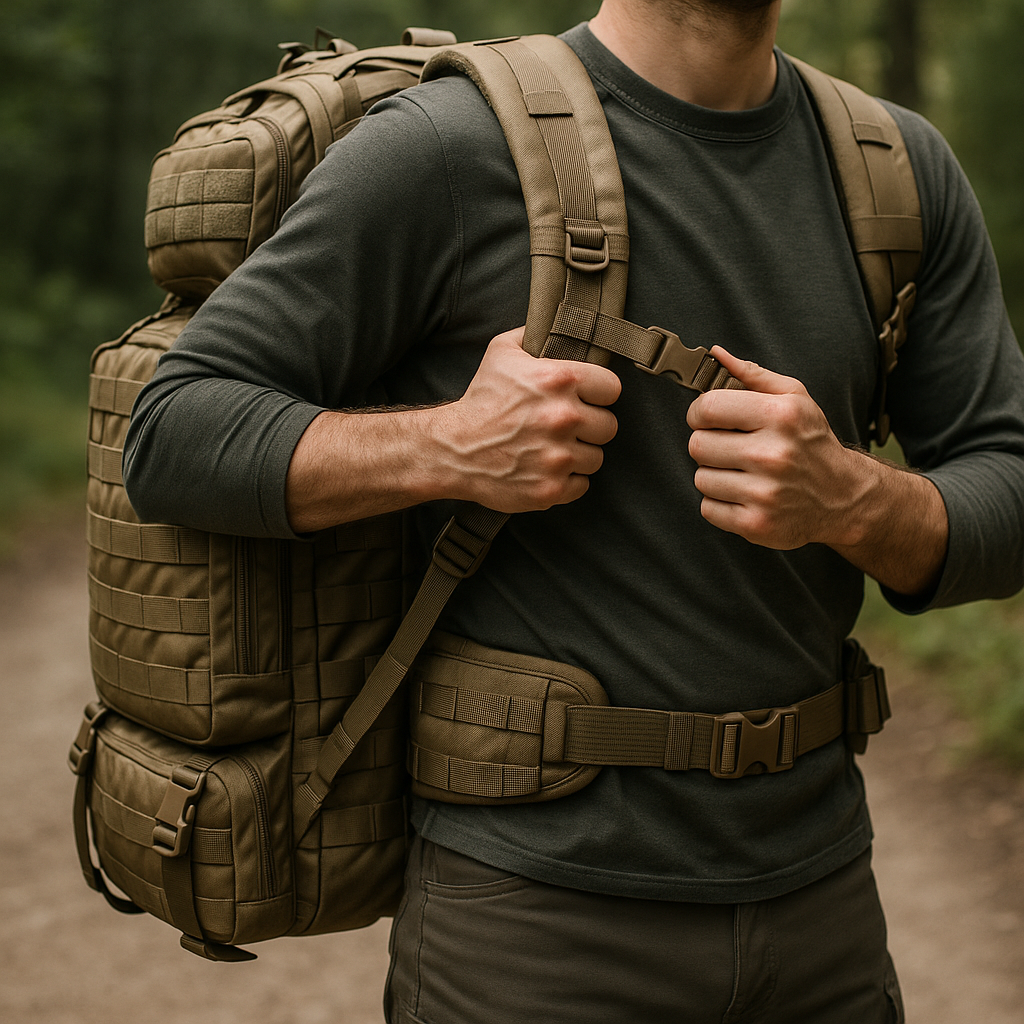
A pre-packed emergency backpack lets you grab and go if you need to evacuate quickly. The Ready America 72-Hour Emergency Kit and similar options include the basics: water pouches, food bars, a first aid kit, emergency blankets, a whistle, and a dust mask. Use it as a starting point and customize from there.
Key additions for earthquake scenarios:
- Work gloves (critical for moving debris)
- Pry bar or crowbar (for opening jammed doors)
- Dust masks or N95 respirators (post-quake debris and air quality)
- Flat-soled shoes with thick soles in each bedroom (broken glass is everywhere)
- Battery-powered or hand-crank flashlight
- Copies of important documents in a waterproof bag
- Medications for at least one week
- Cash in small bills
Work Gloves and a Pry Bar
These two tools deserve special mention because they are specifically useful in earthquake aftermath.
Heavy-duty work gloves protect your hands when you are moving debris, checking your home, or clearing a path through rubble. After a quake, sharp edges are everywhere: broken glass, splintered wood, bent metal, cracked concrete. Bare hands in that environment lead to serious cuts and puncture wounds that become infection risks when medical care is unavailable.
A pry bar or crowbar is invaluable if earthquake damage jams your doors or blocks your exit. A moderate-sized pry bar (18 to 24 inches) is compact enough to store in a kit and strong enough to open swollen or stuck doorframes, move small debris, and create access through damaged areas.
Emergency Radio
Already mentioned, but worth repeating: the Midland ER310 is the radio we recommend. It combines AM, FM, and NOAA weather band reception with hand-crank and solar charging, a built-in LED flashlight, and a USB port for charging devices. When cell towers fail and the power grid is down, NOAA weather radio remains operational and is the official channel for emergency broadcasts.
The Before, During, and After Earthquake Action Checklist
Use this table as a quick reference. Print it, laminate it, and keep it with your emergency kit.
Gear Reference: What to Buy and Why
Here is a summary of the specific products mentioned throughout this guide and why each one earns its place in an earthquake kit.
Planning for Children, Elderly, and Pets
Children
Children need specific earthquake education and practice. The ShakeOut drill program (shakeout.org) provides free materials for schools and families to practice Drop, Cover, Hold On. Run practice drills at home at least twice a year.
Make sure children know their full home address and at least one parent’s phone number by memory. Establish a family meeting place near your home that everyone knows in case you cannot return inside after a quake.
Keep shoes near every child’s bed. One of the first actions in the minutes after a quake is putting on shoes before walking through the home. Children who are barefoot when shaking starts will need footwear immediately.
Elderly and People with Limited Mobility
People who cannot drop to the floor quickly need a modified approach. If someone cannot get under a table, they should cover their head and neck with their arms, bend forward if possible, and stay away from windows and tall furniture. A person in a wheelchair should lock the wheels, lean forward, and cover their head.
Make sure that any mobility aids like walkers and wheelchairs are stored where they can be accessed quickly after an earthquake, including if furniture has shifted or debris is present.
Pets
Keep a carrier, a leash, and several days of food and water for every pet in your home. After an earthquake, pets may be disoriented, frightened, or injured. Familiar items like a blanket or toy can help calm them. Have your pet’s vaccination records stored with your emergency documents, because shelters often require proof of vaccines.
Know the address of at least one pet-friendly emergency shelter or hotel in your area before you need it.
Communication Planning
After a major earthquake, you may not be able to reach your family by phone because networks are overloaded. Plan now for how you will connect.
Text messages often go through when voice calls fail because they use less bandwidth. Make texting the first communication attempt after a quake.
Designate an out-of-state contact. It is often easier to reach someone across the country than someone across town, because local cell towers are the ones under strain. Tell every household member to call or text this person to report their status. The contact acts as a message relay.
Establish a meeting place. If your home is damaged or inaccessible, every household member should know where to go: a neighbor’s home, a specific street corner, a community center. Choose a primary and a backup location.
Know your children’s school’s emergency plan. Schools have reunification plans for disasters. Know the pickup location, the process, and what ID you will need to show.
How to Get Better Prepared Over Time
Earthquake preparedness is not a project you finish in a weekend. It is a set of habits and systems that you build over time.
Start with the highest-impact steps: anchor your furniture and water heater, and build a 72-hour water supply. These two categories of action address the most common causes of injury and the most common post-quake hardship.
Then build your kit over a few weeks, adding items as budget allows. Participate in the Great ShakeOut (shakeout.org) each October, the world’s largest earthquake drill. Practice Drop, Cover, Hold On with your household. Review your kit every six months when you change your smoke detector batteries.
Over time, you will reach a point where earthquake preparedness is simply part of how you live. Not something you have to think about constantly, just something that is done and maintained. That is the goal.
The people who fare best in earthquakes are almost never the ones with the most elaborate equipment. They are the people who practiced the right response until it became automatic, secured their homes before any shaking started, and had a few days of water and food on hand when utilities went out. That is well within reach for anyone reading this.
Frequently Asked Questions
Should I stand in a doorway during an earthquake?
No. The doorway myth comes from old adobe construction where doorframes were the strongest structural element. In modern wood-frame and concrete buildings, doorways provide no special protection. You are better off under a sturdy table away from windows. Drop, Cover, Hold On is the right technique.
Is it safe to go outside during an earthquake?
Running outside during the shaking is dangerous because you are moving through a building while things are falling. The safest approach is to stay where you are, drop, cover, and hold on. After shaking stops, assess whether it is safe to exit and watch for falling debris from buildings as you move outside.
What if I am in bed when the earthquake hits?
Stay in bed. Pull your pillow over your head and hold on. Getting up in the dark during shaking, when the floor may be covered with broken objects, is more dangerous than staying put.
How do I know if my building is safe to re-enter after a quake?
Look for diagonal cracks in walls, a foundation that has shifted, separated wall-to-ceiling joints, or visible structural deformation. If you see any of these, do not re-enter and wait for an official inspection. Red-tagged buildings have been officially declared unsafe. Always follow official tags and orders from emergency management.
How long should my emergency food and water supply last?
Three days (72 hours) is the minimum standard from FEMA. Two weeks is better. After a major regional earthquake, official assistance can take longer than three days to arrive, especially in areas with damaged road infrastructure. A two-week supply keeps you comfortable even in a prolonged scenario.
Can a small earthquake predict a larger one?
Minor earthquakes can be foreshocks to a larger event, but this cannot be determined in real time. After any earthquake, be alert for the possibility of a larger quake and do not immediately dismiss the event as “just a small one.” Stay prepared and stay tuned to your emergency radio.