Ready
Ready
Hurricane Preparedness: The Complete Guide for Before, During, and After the Storm
Hurricanes do not give you much warning. A storm can strengthen from a tropical depression to a Category 4 hurricane in under 48 hours. By the time your local government issues a mandatory evacuation order, the roads are already crowded and the shelves at the grocery store are already empty.
The people who come through hurricanes in the best shape are not the ones who ran out to the store the day before landfall. They are the ones who had supplies at home, a plan in writing, and a clear decision-making process that did not require them to think under pressure.
This guide covers everything you need to prepare before hurricane season, the decisions you need to make before a storm arrives, what to do during the storm, and how to return home safely once it passes.
- Store at least 1 gallon of water per person per day, and plan for a minimum of 3 days, though 2 weeks is much safer.
- Before the storm, fill up water containers, charge devices, and stock nonperishable food.
- During the storm, stay indoors away from windows and keep your emergency supplies close.
- After the storm, avoid floodwater, check for damage, and use only your stored clean water until tap water is confirmed safe.
- Keep a written plan and a stocked kit ready before hurricane season begins.



Reviewed by James W., Marcus T. & Beth O. — contributors with hands-on preparedness experience. How we test
Getting ready for a hurricane starts with having the right gear on hand. Grab these water storage picks now, then read on to see why each one matters.

waterBOB Bathtub Water Storage
This liner turns your bathtub into a clean water tank that holds up to 100 gallons. Fill it right before the storm hits so your family has plenty of safe drinking water.
Check Price on Amazon
Legacy Stackable Water Tanks
Six stackable 5 gallon tanks give you 30 gallons of long term water storage that fits in small spaces. Included treatment drops keep the water clean for up to 5 years without rotating it.
Check Price on Amazon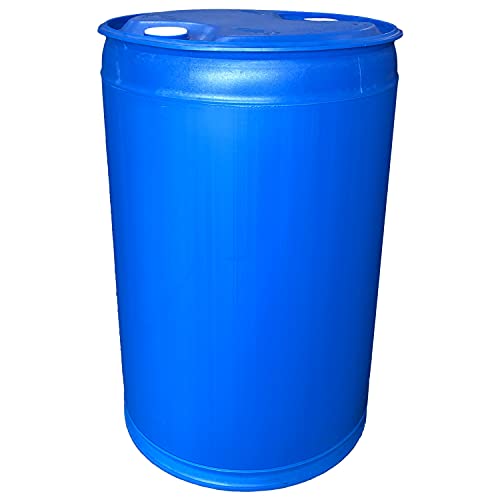
Augason Farms 55-Gallon Barrel
This food-grade barrel holds a big 55 gallon supply for your whole household. It is a dependable way to keep clean water ready long before a hurricane arrives.
Check Price on AmazonIn this guide
Why Trust This Guide?
This article was researched and reviewed by contributors with hands-on experience in emergency preparedness. They have tested gear, built real systems, and lived through situations where these skills actually mattered.
Hurricane Season: When It Starts and How to Track Storms
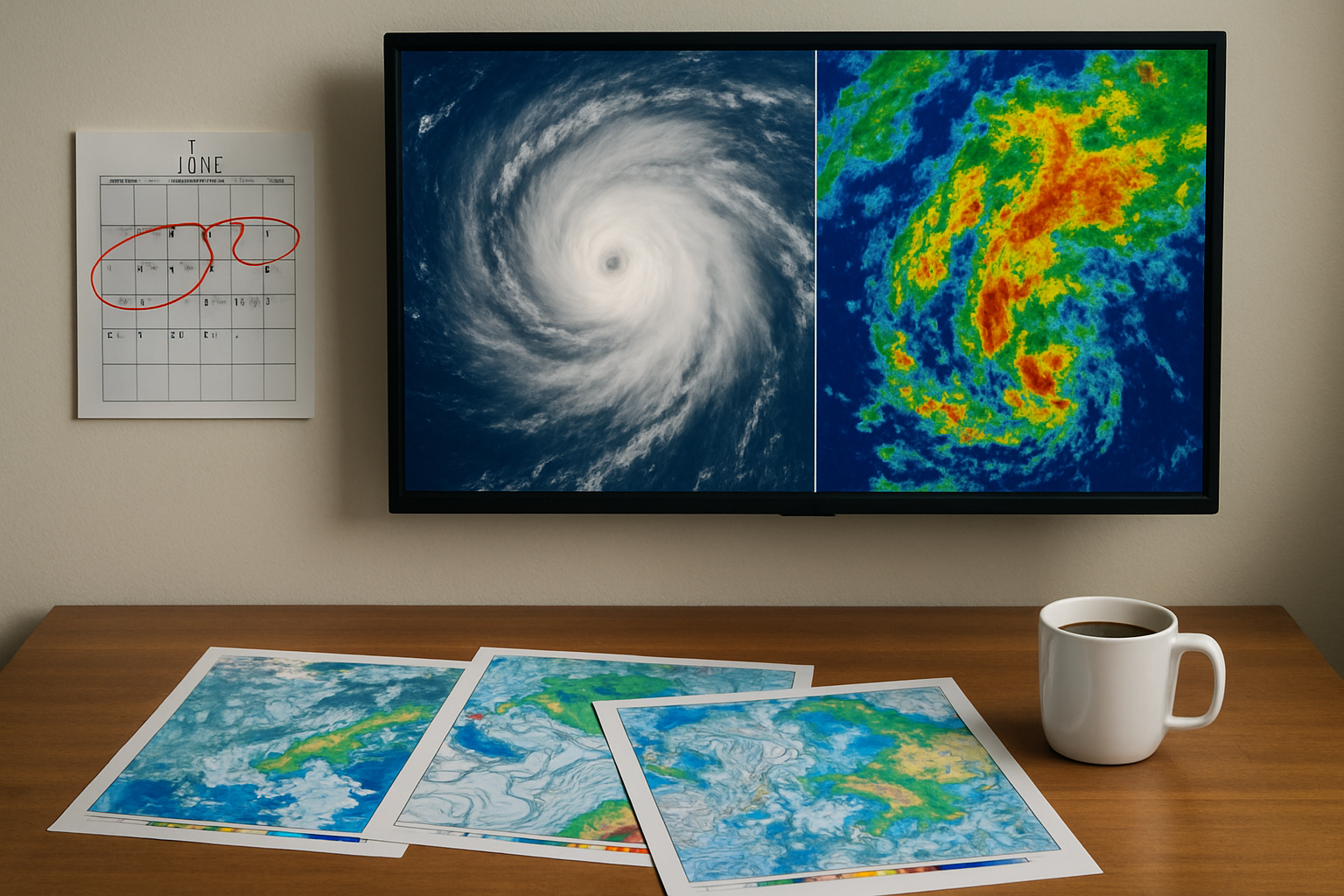
The Atlantic hurricane season runs from June 1 through November 30. The peak of the season falls between mid-August and mid-October. That is when sea surface temperatures are warmest and the atmospheric conditions that fuel hurricanes are most favorable.
The National Hurricane Center (NHC) issues forecasts and watches and warnings for tropical weather across the Atlantic basin. You do not need to check the NHC website every day, but you should know where it is and how to read a storm track forecast before a storm develops near your area.
Storm watches and warnings have specific meanings:
Tropical Storm Watch: Tropical storm conditions (sustained winds of 39 to 73 mph) are possible within the watch area within 48 hours.
Tropical Storm Warning: Tropical storm conditions are expected within the warning area within 36 hours.
Hurricane Watch: Hurricane conditions (sustained winds of 74 mph or higher) are possible within the watch area within 48 hours.
Hurricane Warning: Hurricane conditions are expected within the warning area within 36 hours.
When a hurricane watch is issued for your area, your preparation window has just closed. Everything in this guide should already be done. If it is not, you have about 24 to 36 hours to get as much of it done as possible.
Understanding Hurricane Categories
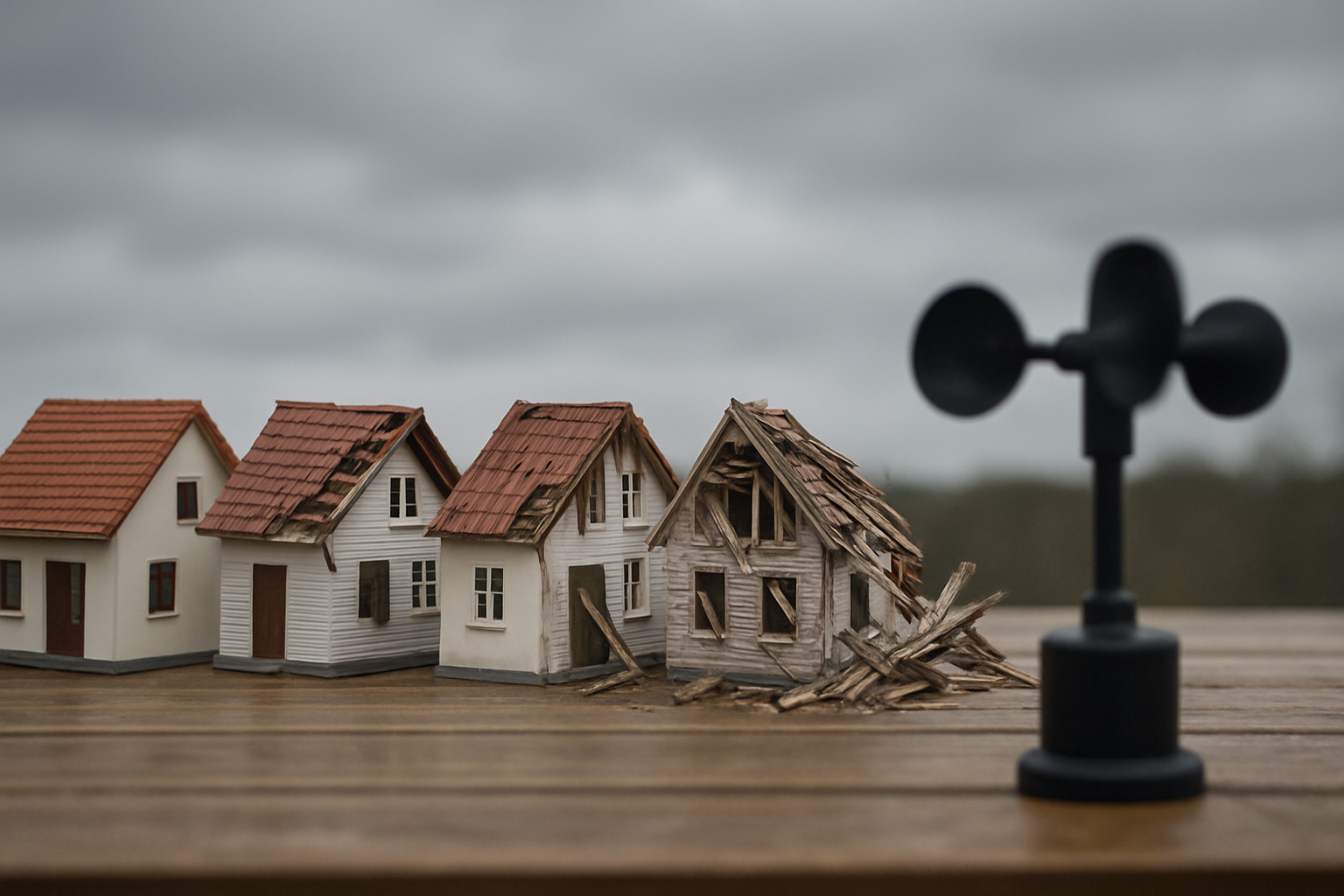
The Saffir-Simpson Hurricane Wind Scale classifies hurricanes into five categories based on sustained wind speed. The category determines the type of structural damage expected, but it is not the only measure of danger. Storm surge, rainfall, and tornado spawning are separate threats that do not always follow the wind speed category.
| Category | Wind Speed | Storm Surge | Expected Damage |
|---|---|---|---|
| 1 | 74 to 95 mph | 4 to 5 feet | Some roof, door, and window damage. Large tree branches snap. Well-built homes survive with minor damage. |
| 2 | 96 to 110 mph | 6 to 8 feet | Major roof and siding damage. Many trees snapped or uprooted. Power outages lasting days to weeks. |
| 3 | 111 to 129 mph | 9 to 12 feet | Devastating damage to well-built homes. Most trees snapped. Power and water unavailable for days to weeks. |
| 4 | 130 to 156 mph | 13 to 18 feet | Catastrophic damage. Loss of roof structure and exterior walls. Power outages lasting weeks to months. |
| 5 | 157 mph or higher | 19+ feet | Total destruction of well-built homes. Most of the area uninhabitable for weeks or months. |
One number missing from this table matters as much as wind speed: storm surge. Storm surge is the abnormal rise in sea level caused by a hurricane’s winds pushing ocean water toward the shore. In a Category 4 or 5 storm making landfall in a shallow coastal area, storm surge can reach 20 feet or more. It moves fast and it is dense. A six-foot wall of moving seawater weighs about 1,700 pounds per cubic foot and can destroy structures that survived the wind entirely.
If you live in a coastal flood zone, storm surge is your primary threat. The wind category matters, but your evacuation decision should be driven by your flood zone designation and the storm surge forecast, not just the wind speed.
The Most Important Decision: Evacuate or Shelter in Place
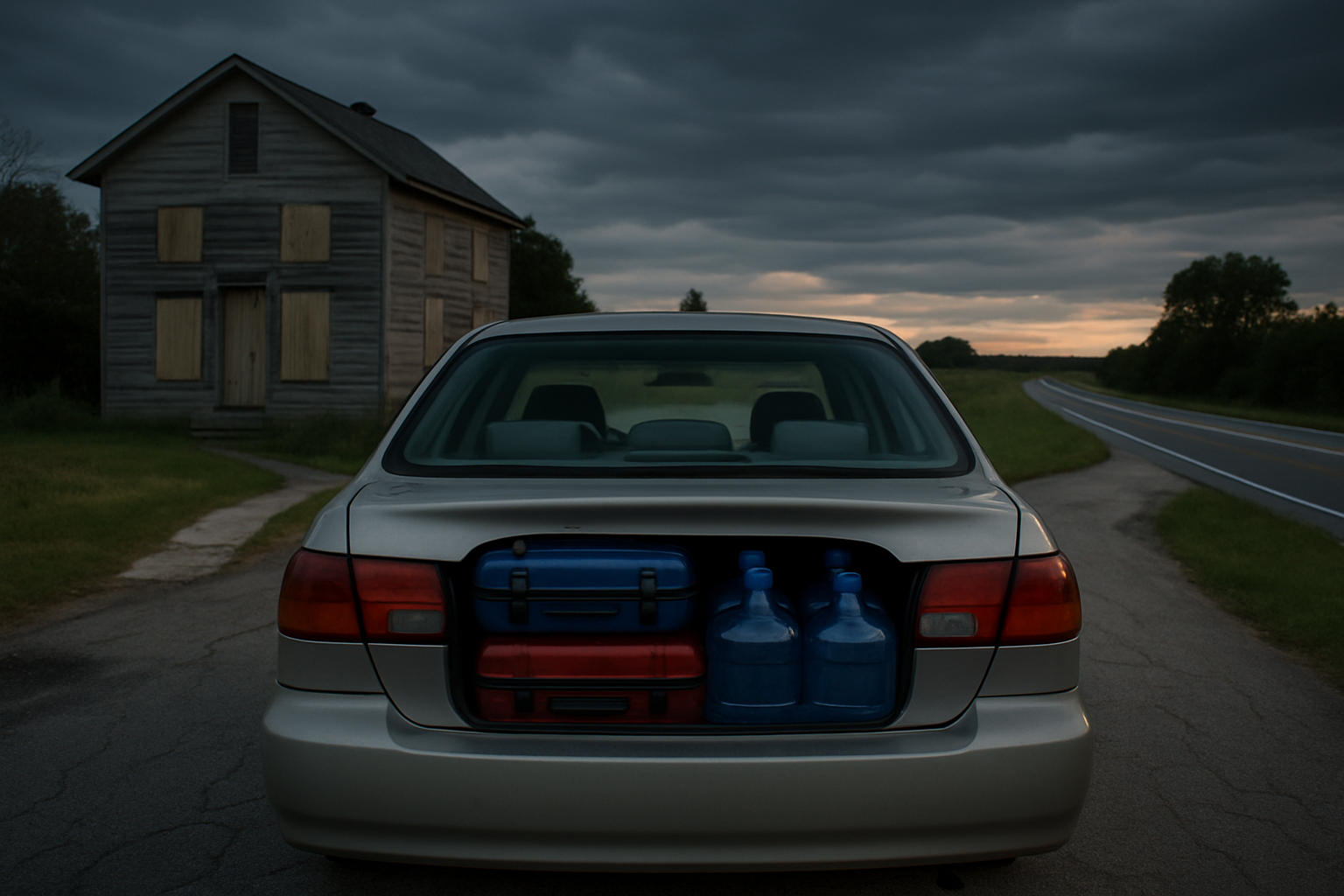
This is the decision that matters most. Make it wrong and everything else is irrelevant.
Here is the rule most emergency managers use: if you are in a mandatory evacuation zone, you leave. No exceptions based on what previous storms did or did not do. The storm that does not hit your block the way you expected is still a storm. The one that surprises everyone is the one that kills people who decided to ride it out.
How Evacuation Zones Work
Most coastal counties use lettered evacuation zones: Zone A, Zone B, Zone C, and so on. Zone A is the highest risk, typically areas directly on the coast or in low-lying areas vulnerable to storm surge. Zone D or E (where applicable) represents lower-risk inland areas.
Your local emergency management agency maintains a map showing which zone your home falls in. Look this up now, before hurricane season, and write it down. When an evacuation order is announced for your zone, leave.
If you are in Zone B or higher and a Category 3 or stronger storm is forecast to make landfall near you, consider leaving even without a formal order. Evacuation orders often come later than they should and traffic can make last-minute departures dangerous.
When to Shelter in Place
Sheltering in place is appropriate when:
- You are inland and outside any designated evacuation zone
- The storm is forecast to be Category 1 or a tropical storm and storm surge is not a factor in your location
- You have the supplies and a structurally sound home to shelter in
It is not appropriate when you are in a mobile home. Mobile homes should be evacuated for any significant storm regardless of category. They are not designed to withstand hurricane-force winds.
Documents to Take When You Leave
Do not learn this list during a storm. Write it down and keep it with your go-bag.
- Government-issued ID for every family member
- Social Security cards
- Passports
- Birth certificates
- Insurance policies (home, auto, health)
- Vehicle titles and registration
- Medical records and prescription information
- Recent utility bills (for proof of address after returning)
- Bank account information
- Emergency contact list on paper
Keep physical copies in a waterproof bag or a fireproof document pouch. Digital backups on a USB drive are useful but not a substitute for physical copies when you need to deal with an insurance adjuster who wants to see original documents.
Water Preparation for Hurricane Season
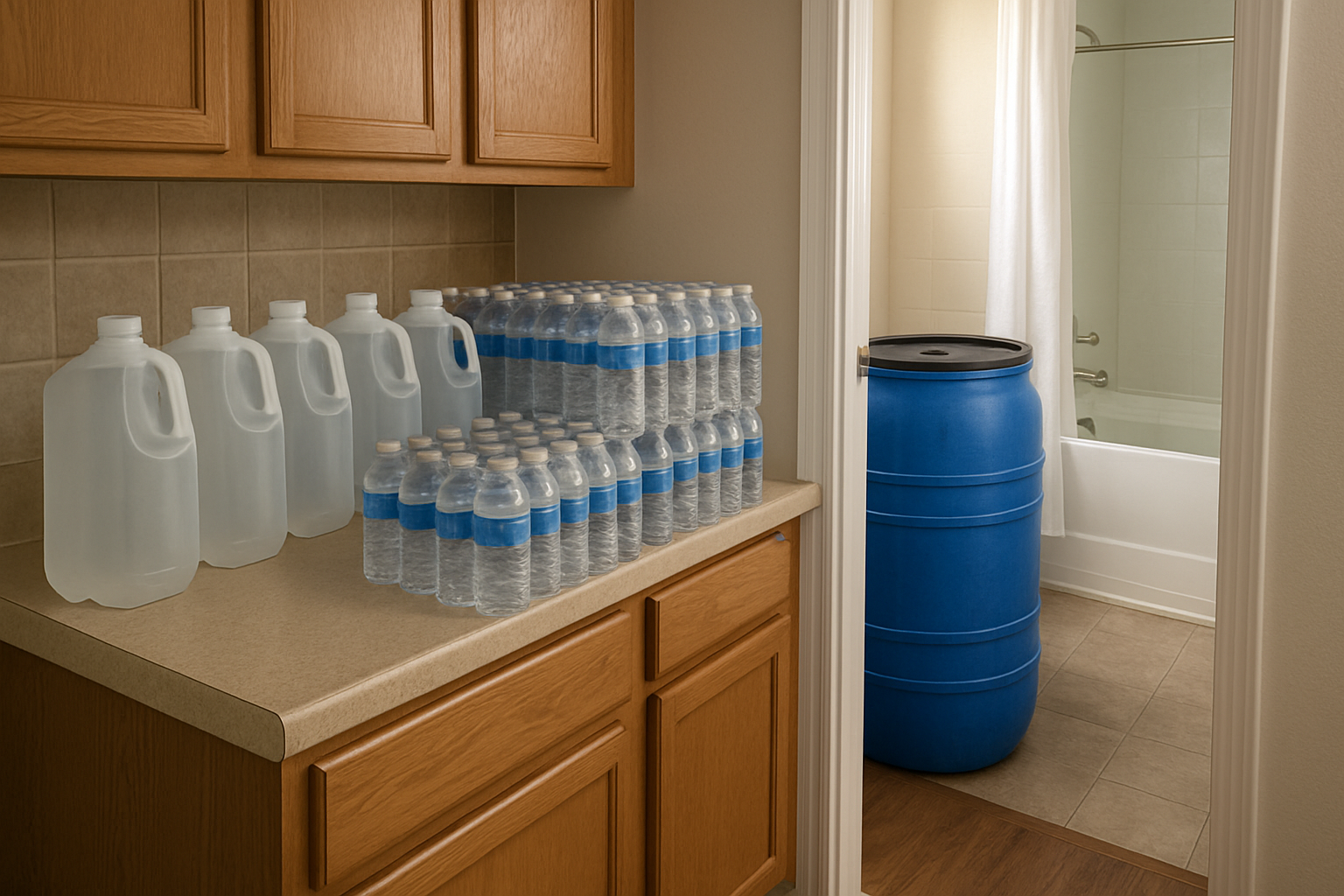
Municipal water systems are vulnerable to hurricanes. Storm surge can contaminate coastal water treatment facilities. Flooding can compromise pipes and water mains. Power outages shut down pumping stations. After a major hurricane, tap water may be unsafe to drink for days or weeks.
FEMA’s baseline recommendation is one gallon of water per person per day. During a hurricane response, when you may be cleaning up debris, sweating in summer heat without air conditioning, and doing physical work, that number should be closer to two gallons per person per day.
For a family of four with a 14-day supply, that means storing at least 112 gallons.
Your Water Storage Options
Bathtub storage with a WaterBOB. The fastest and cheapest way to add 100 gallons of clean water storage is a WaterBOB Emergency Drinking Water Storage liner. It is a food-grade plastic bladder that fits in a standard bathtub and fills from the tap. You fill it as a storm approaches, it holds 100 gallons, and the water stays clean for up to 16 weeks. It costs under $30 and takes up almost no storage space when flat. This should be in every coastal household’s supplies.

Portable stackable containers. Legacy Premium Emergency Water Storage Containers hold 5.5 gallons each and are designed to stack. They are made from BPA-free food-grade plastic and have a wide mouth for filling and a spigot for dispensing. Two of these in a closet give you 11 gallons of permanent storage that does not depend on filling before a storm.

Large barrel storage. If you have the space, an Augason Farms 55-Gallon Water Storage Barrel provides the highest density water storage available in a residential setting. One barrel covers a single adult for 27 days at two gallons per day. This is a long-term infrastructure investment, not a last-minute purchase, but it is the right solution for households serious about water resilience.

Water purification tablets. Even with stored water, you may find yourself needing to treat water from a questionable source after a storm. Aquatabs Water Purification Tablets are the standard for emergency water treatment. Each tablet treats one liter of water and is effective against bacteria, viruses, and protozoa. Keep at least 100 tablets in your hurricane kit.

Portable water filter. A Sawyer Squeeze Water Filter filters up to 100,000 gallons of water over its lifetime and removes 99.99999% of bacteria and 99.9999% of protozoa. It is not a virus filter, which is why you combine it with purification tablets for worst-case scenarios. The Sawyer Squeeze is the right tool when you have access to a water source but are not sure of its quality.
Food Preparation for Hurricane Season
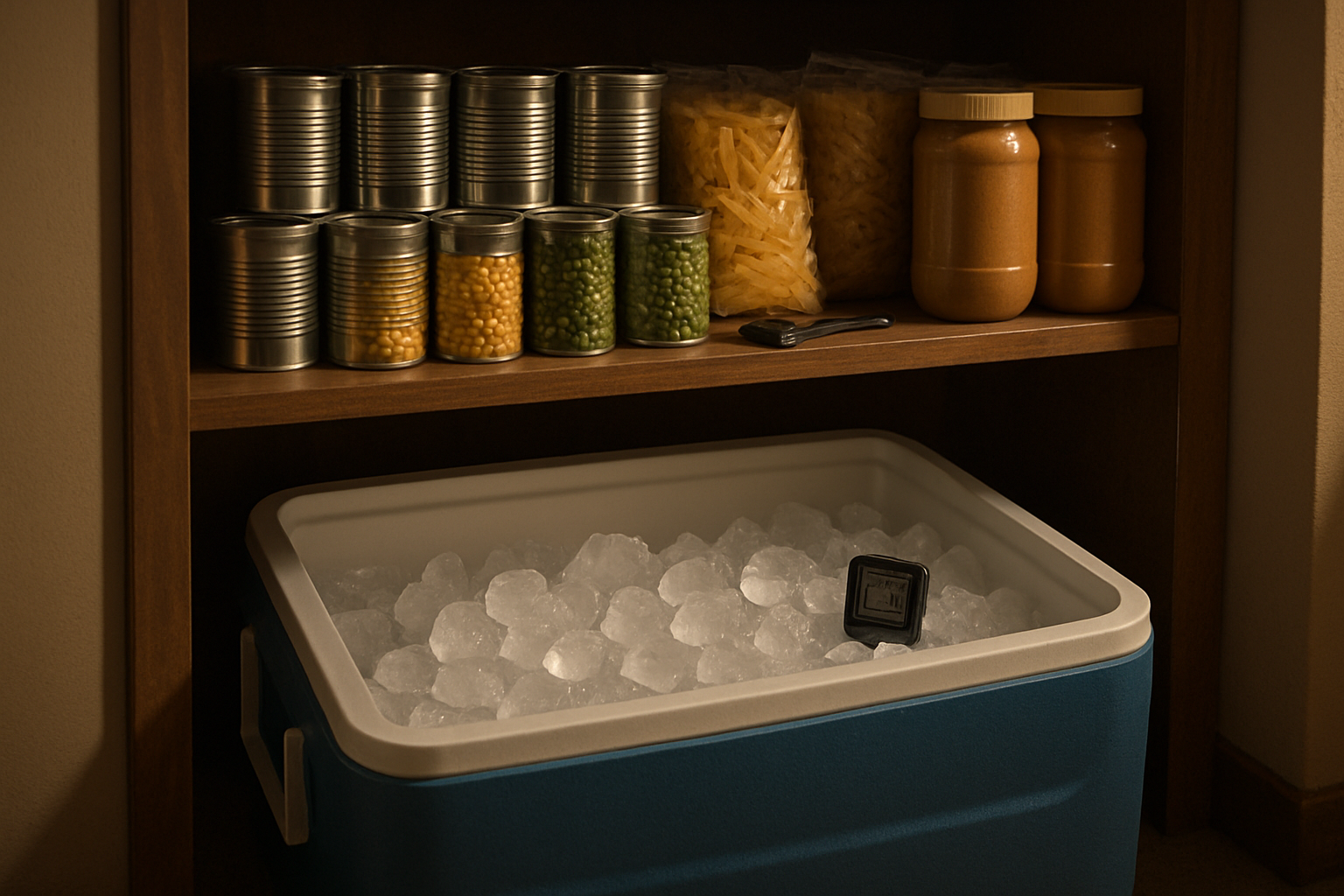
Food planning for hurricane season is different from general emergency food storage in one key way: the summer heat. If you lose power in a hurricane, the temperature inside your home can reach 95 to 100 degrees Fahrenheit within hours. Food that needs refrigeration will spoil in four hours. Food that requires cooking becomes more complicated without electricity.
The best hurricane food is shelf-stable, requires no cooking or very simple preparation, and holds up in heat.
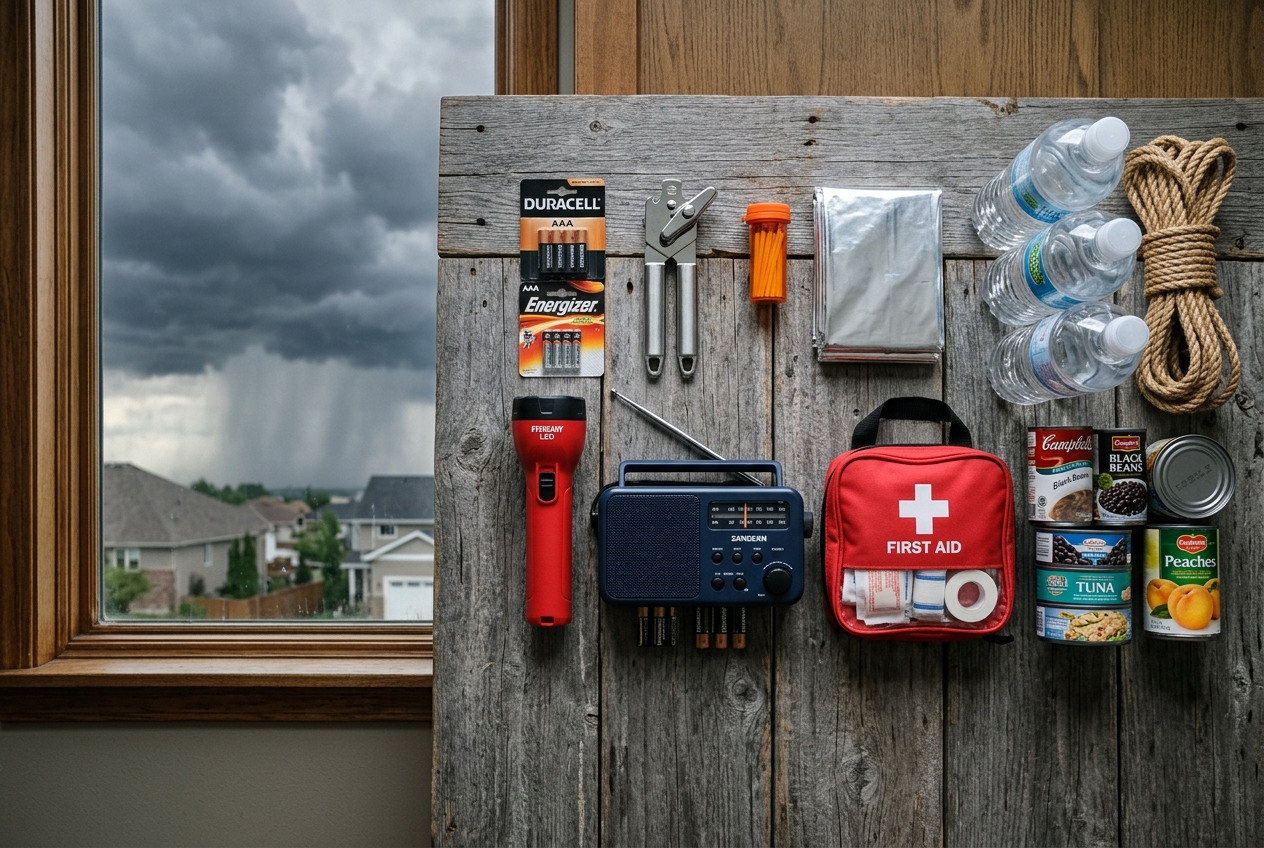
Ready-to-eat options. Canned goods are the backbone of any hurricane food supply. Canned tuna, beans, fruit, vegetables, soups, and peanut butter require no preparation and no cooking. They can be eaten at room temperature. Build at least a 72-hour supply of ready-to-eat food that does not depend on cooking.
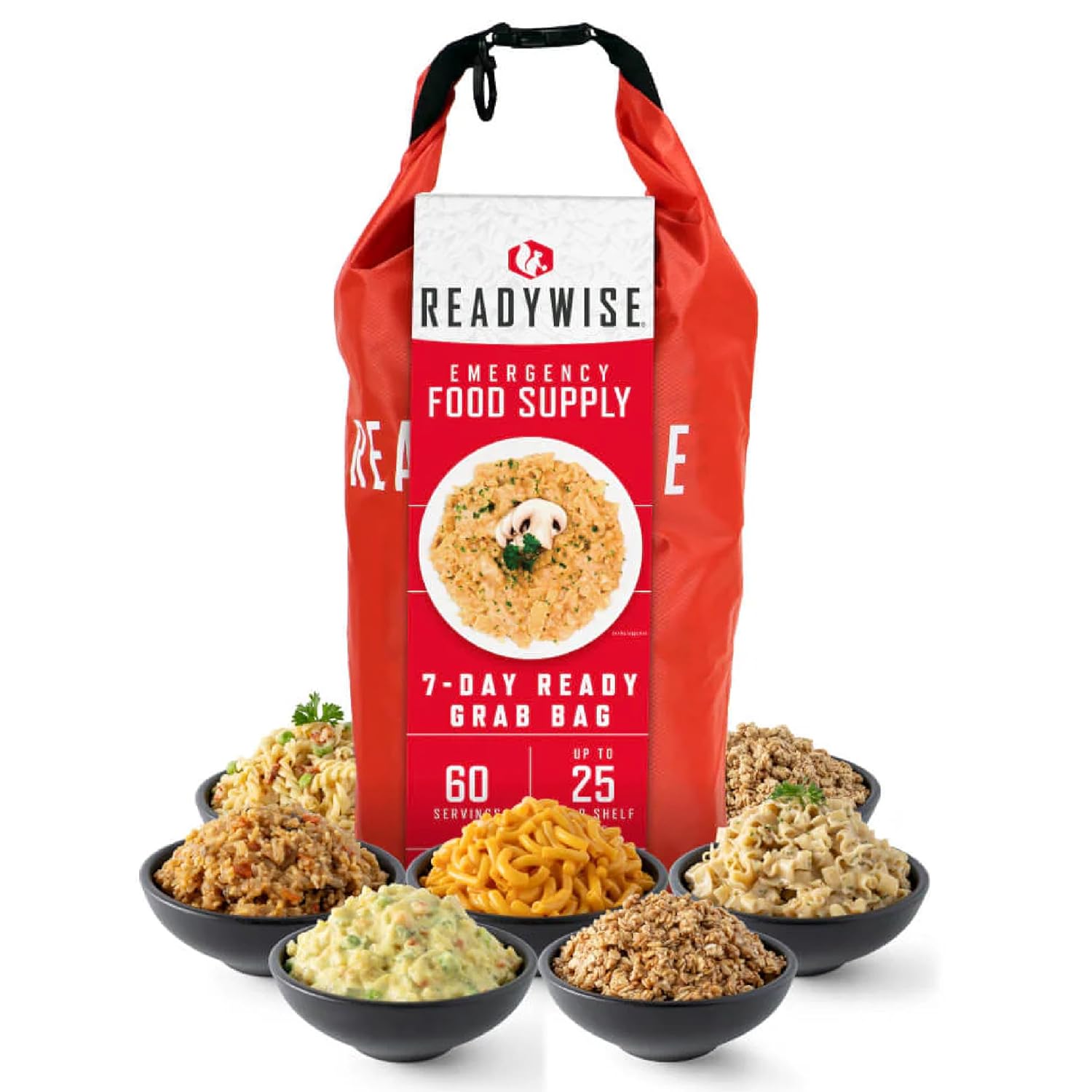
Freeze-dried meals. For longer-term storage, a ReadyWise 7-Day Emergency Food Supply provides 14,322 calories across 7 days and has a 25-year shelf life. The meals rehydrate with water, either hot or cold. In a summer hurricane scenario, cold water rehydration is often your only option, so check that the specific meals you buy support it.
Extended supply. The Augason Farms 30-Day Emergency Food Supply is a single bucket with 36 different meals covering breakfast, lunch, and dinner. It provides about 1,913 calories per day for one person, which is enough for most adults in a low-activity scenario. For a family, budget two to three of these buckets per adult per 30-day period.

Do not forget: a manual can opener, paper plates, plastic utensils, and a way to boil water when you need it. A propane camp stove works well for outdoor cooking during power outages. Never use it indoors.
Power Backup for Hurricanes
Power outages after major hurricanes are measured in weeks, not hours. After Hurricane Maria struck Puerto Rico in 2017, some areas were without power for nearly a year. After Hurricane Ian hit southwest Florida in 2022, hundreds of thousands of households were without power for two weeks or more.
There are two main approaches to backup power: generators and battery power stations.
Portable Generators
A gasoline or dual-fuel generator is the traditional approach to backup power. It provides high output for long periods and can run appliances that battery systems cannot, including central air conditioning and electric water heaters.
The WEN 56380i 3500-Watt Dual-Fuel Inverter Generator is the best option for most households. It runs on gasoline or propane, which gives you flexibility when one fuel is hard to find after a storm. At 3,500 running watts, it handles a refrigerator, multiple lights, phone chargers, a window fan, and a microwave with power to spare. The inverter design produces clean power safe for laptops and electronics.

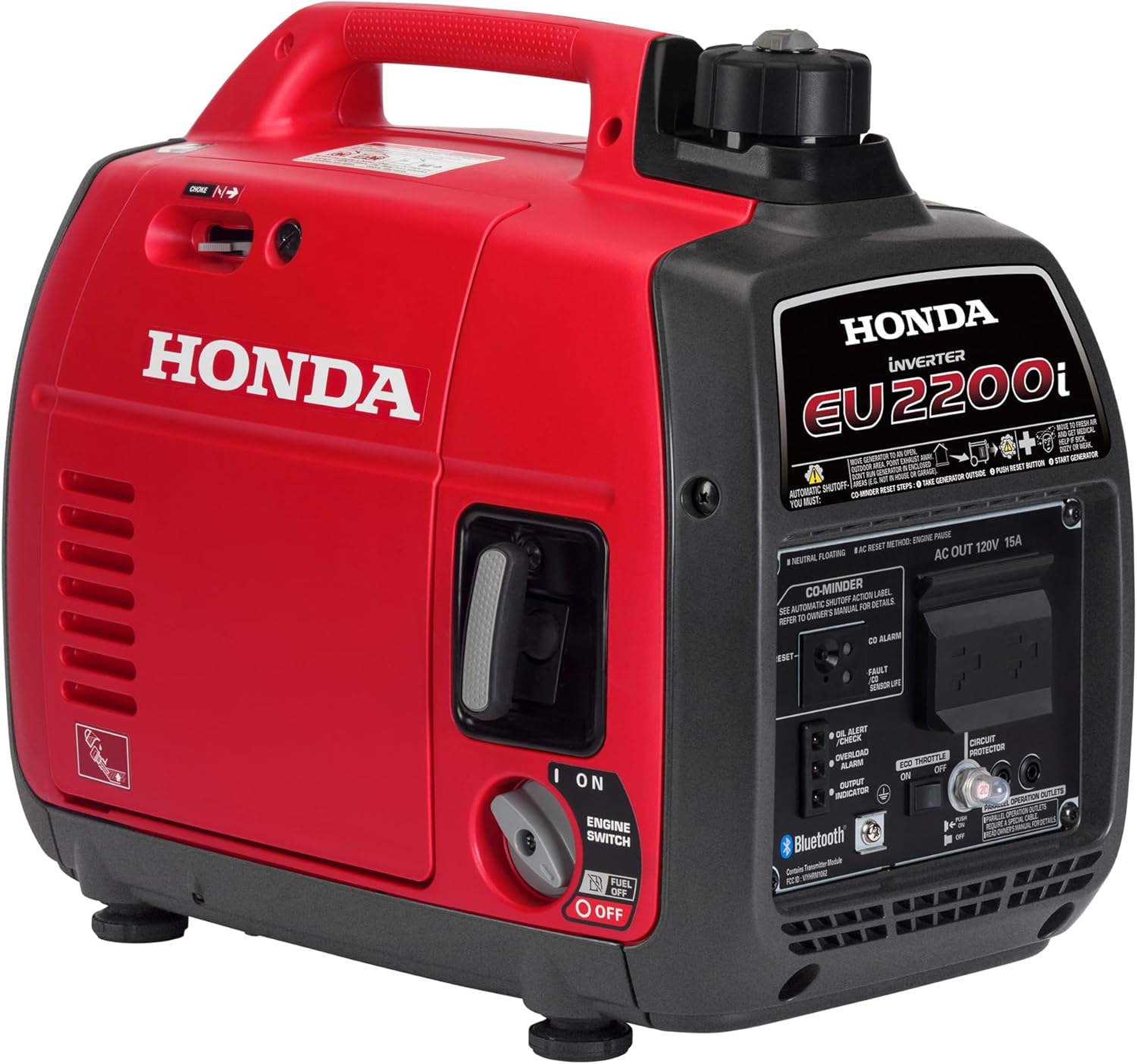
For households that need to run a central air system or a well pump, the Honda EU2200i 2200-Watt Generator is the quietest and most reliable generator in its class. Honda has been refining this engine for decades. The EU2200i starts on the first or second pull after months of storage, which is the most important feature in a generator you only use during emergencies. It is expensive but it is the last generator most people will ever buy.
Generator safety rules:
- Never run a generator indoors, in a garage, or within 20 feet of a window or door. Carbon monoxide kills quickly and has no smell.
- Always run a generator outside on a flat surface, away from any structure.
- Store gasoline in approved containers with a fuel stabilizer added.
- Test your generator at least once before hurricane season begins. A generator that has not been run in a year may not start when you need it.
Battery Power Stations
Battery power stations are the right solution for people who want clean, quiet, indoor power for lights, phones, fans, and small appliances. They do not produce emissions and can be used safely inside.
The EcoFlow Delta 2 Portable Power Station holds 1,024 watt-hours and outputs up to 1,800 watts continuously. It can run a full-size refrigerator for about 10 hours, charge a laptop dozens of times, or power lights and a fan continuously for two to three days. With a compatible solar panel, you can recharge it from sunlight during a multi-day outage.

Battery power stations do not replace generators for high-demand applications like air conditioning or power tools. They are the right tool for quiet, indoor power management during an outage.
Emergency Communications
A hurricane takes out more than just power. Cell towers go down. Internet goes out. Land lines stop working. In the immediate aftermath of a major storm, the only reliable source of information is a battery-powered or hand-crank weather radio.
The Midland ER310 Emergency Hand Crank Radio is the standard recommendation. It receives all NOAA weather band channels, AM, and FM. It runs on three AA batteries, USB power, solar, or hand crank. The crank is slow but it works when nothing else does. Buy this radio before hurricane season and keep it charged.

For the home, the Midland WR400 Desktop Weather Alert Radio is designed to sit on a bedside table and alert you to watches and warnings automatically. It uses the SAME (Specific Area Message Encoding) system to filter alerts by county, so you only wake up for warnings relevant to your location. This is the right radio for home use during hurricane season.

Beyond weather radios, your communication plan should include:
- A written list of emergency contacts with phone numbers on paper. Do not rely on your phone’s contacts when the phone battery may be dead.
- A designated out-of-state contact whom all family members can check in with. Local lines get jammed after a disaster, but calls and texts to out-of-state numbers often go through.
- A pre-established meeting point in case family members are separated.
- A second meeting point farther from home in case the first is inaccessible.
If you want to go further, a ham radio license and a handheld radio lets you communicate when all other infrastructure is down. Many hurricane preparedness communities and county emergency management agencies use ham radio as a backup communication network during disasters.
Protecting Your Home Before the Storm
Home hardening for hurricane season is an ongoing project, not a 48-hour task. The major structural investments happen before the season. The final preparation steps happen when a storm is 72 to 96 hours out.
Structural Investments
Storm shutters or impact-resistant windows. The most important single investment you can make in a hurricane-prone home. Once a window breaks during a hurricane, wind and rain enter the structure, the interior pressure changes, and the risk of roof failure increases dramatically. Storm shutters are the most cost-effective solution for existing homes. Impact-resistant windows are the right solution during a renovation or new construction.
Garage door bracing. Garage doors are the most common structural failure point during hurricanes. A standard garage door is not designed for hurricane-force winds. Bracing kits are available at home improvement stores and can be installed without professional help. If you are buying a new door, choose one rated for your wind zone.
Roof tie-downs. In older homes, the roof is often connected to the walls with toenail construction, meaning nails driven at an angle through the rafter into the top plate. Hurricane straps or clips replace this connection with a direct metal strap that dramatically increases resistance to uplift. This is a renovation project, not a last-minute task.
72 to 96 Hours Before Landfall
When a storm is three to four days out and forecast to affect your area, do the following:
Outside the home:
- Bring in all outdoor furniture, decorations, potted plants, and anything that can become a projectile in high winds
- Trim any tree branches hanging over the roof
- Secure or remove boat trailers, lawn equipment, and portable storage buildings
- Close and latch all hurricane shutters or board windows with 5/8-inch plywood
- Secure propane tanks and clear the roof of any debris
Inside the home:
- Fill the WaterBOB if you have one
- Fill every available clean container with tap water
- Run the dishwasher and washing machine and fill the sinks with clean water as additional temporary storage
- Move valuables to upper floors in case of flooding
- Charge every device: phones, laptops, battery power stations, radios
- Photograph every room and every valuable item for insurance purposes
- Make sure medications are filled and stored in a waterproof container
If you are leaving:
- Turn off utilities at the main shutoffs (gas, water, electricity) unless your local utility advises otherwise
- Leave the refrigerator and freezer set to the coldest settings and close them
- Lock all doors and windows
- Tell a trusted contact where you are going and the route you plan to take
Your Hurricane Go-Bag
A hurricane go-bag is different from a standard bug-out bag. You are usually evacuating by car, not on foot. You have more capacity. And you know roughly how long you will be gone, which helps you pack appropriately.
Documents. Everything listed in the documents section above. Keep them in a waterproof bag inside the go-bag.
Water. At least one gallon per person for the drive and first day. Include purification tablets and a portable filter as backup.
Food. Three to seven days of shelf-stable food. Focus on items that do not need cooking. Protein bars, jerky, nut butter packets, crackers, canned goods with a pull-top lid.
Medications. A minimum seven-day supply of all prescription medications. For medications that require refrigeration (like insulin), a small insulated case with ice packs buys you time. Know the protocol for your specific medication if refrigeration is lost.
First aid kit. At minimum, a kit with bandages, gauze, medical tape, antiseptic, pain relievers, and a tourniquet. If someone in your household has a chronic condition, include condition-specific supplies.
Clothing. Three to five days of weather-appropriate clothing for each person. Closed-toe shoes for all family members. A rain jacket.
Power. Portable power bank for phones (at least 20,000 mAh capacity). Charging cables. A hand-crank weather radio.
Cash. ATMs and card readers do not work without power. Keep at least two hundred dollars in small bills.
Comfort and sanity. For families with children, include small toys, books, or games. Evacuations can involve days in a hotel or shelter. Keeping kids occupied matters more than most gear guides acknowledge.
Pets. If you have pets, include food, water, a carrier, vaccination records, and a current photo of the animal with your family in case you are separated. Many shelters do not accept pets. Know your evacuation destination’s pet policy before you leave.
During the Storm: What to Do and What Not to Do
If you are sheltering in place during a hurricane, the rules are straightforward.
Stay inside. The eye of a hurricane can produce a period of calm that lasts 20 to 30 minutes as it passes over. This is not the storm passing. It is the halfway point. The back wall of the storm is just as dangerous as the front. People who go outside during the eye and are caught when the back wall arrives get killed.
Stay away from windows. Even impact-resistant windows can fail in a strong enough storm. During the peak of the storm, stay in an interior room on the lowest floor above potential flood level. A bathroom, closet, or hallway is safer than any room with exterior windows.
Do not use candles. Use battery-powered lights. Candles are a fire hazard in the dark, cramped, potentially chaotic conditions of a storm shelter.
Monitor the storm on your weather radio. Do not rely on your phone for updates. The NHC and local emergency management will broadcast information about the storm’s track and surge forecast on NOAA weather radio continuously.
If water starts entering your home, move up. If you did not evacuate and flooding is occurring, go to higher floors. If you reach the roof and need to be rescued, bring a flashlight and something bright to signal with. Do not go into your attic without an axe or some way to cut through the roof if the water rises to that level.
After the Storm: Returning Home Safely
The storm passing is not the same as the danger passing. The post-storm environment has its own serious hazards.
Carbon Monoxide
More people die from carbon monoxide poisoning after hurricanes than during the storm itself. Generators and gas-powered equipment produce carbon monoxide. Running any of these indoors or in an attached garage kills people every single year.
When power goes out after a storm and people set up generators in garages or run camp stoves in kitchens, the result is fatal. No exceptions. All combustion equipment goes outside, at least 20 feet from any opening.
Floodwater
Any standing water after a hurricane is potentially contaminated with sewage, chemicals, fuel, and biological hazards. Do not walk through floodwater if you can avoid it. If you must, wear rubber boots and wash thoroughly afterward. Never let children play in floodwater.
Floodwater can hide hazards you cannot see: open manholes, downed power lines submerged beneath the surface, sharp debris. Even shallow floodwater can conceal serious dangers.
If a power line is down and touching floodwater, any water in contact with it can be electrified. Stay far away and call your utility immediately.
Structural Assessment
Before entering your home after a hurricane, do a visual assessment from outside. Look for:
- Foundation cracks or visible shifting
- Major roof damage or partial collapse
- Walls that appear to have moved or buckled
- Cracks in the exterior that were not there before
If you have any doubt about structural integrity, do not enter until a professional has assessed it. A compromised structure can collapse without additional warning.
Once inside, check for gas leaks (the smell of rotten eggs), water leaks from the roof or plumbing, and any signs of electrical damage before turning power back on.
Mold
Mold begins growing in wet building materials within 24 to 48 hours. Any area that was wet during the storm, including walls, flooring, insulation, and furniture, is at risk. Remove wet materials and start drying as soon as possible. A wet shop vacuum, fans, and dehumidifiers (when power is available) are the tools for this job.
Mold cleanup after major water intrusion often requires professional remediation. Document all damage with photographs before you begin cleanup for insurance purposes.
Hurricane Preparedness Checklist
Use this table as a planning tool before hurricane season and as a verification checklist when a storm is in the forecast.
| Timeframe | Action Items | Priority |
|---|---|---|
| Before Season | Look up your evacuation zone. Build a 14-day water supply. Store at least 7 days of food. Buy a weather radio. Test your generator. Review your insurance coverage. Photograph your home and valuables. Write down your family emergency plan. | Critical |
| 96 Hours Out | Monitor NHC forecast. Decide: evacuate or shelter in place. Fuel the car. Start filling water containers. Check medication supplies. Tell out-of-state contact your plans. | High |
| 48 Hours Out | Bring in all outdoor items. Close storm shutters or board windows. Fill WaterBOB. Charge all devices. Pack go-bag if evacuating. Secure pets and pet supplies. | High |
| 24 Hours Out | If ordered to evacuate, leave now. Move valuables to upper floors. Set refrigerator to coldest setting. Turn off utilities if leaving. Lock up and go. | Critical |
| During Storm | Stay inside. Move to interior room away from windows. Do not go outside during the eye. Monitor weather radio. If flooding begins, move upward. | Critical |
| After Storm | Run generator only outside. Avoid floodwater. Assess structure before entering. Document all damage. Start drying wet areas within 24 hours. Contact insurance company. | High |
Putting It All Together
Hurricane preparedness is not complicated. It is mostly a matter of doing the work before it matters, rather than trying to do it in the 48 hours before a storm makes everyone in your county compete for the same supplies at the same time.
The core of the plan is simple: know your zone, know your decision criteria, have water and food stored at home, have a way to make power and get information, have a bag packed for the road, and have a written plan your whole family knows.
A Category 1 storm with a household that has done none of this preparation is more dangerous than a Category 4 storm for a household that has done all of it.
Start before June 1. One item at a time if you need to. But start.
For more on building out your emergency food and water supply, see our guides on long-term food storage and emergency water storage. For home backup power, our generator guide covers options for every budget.