Ready
Ready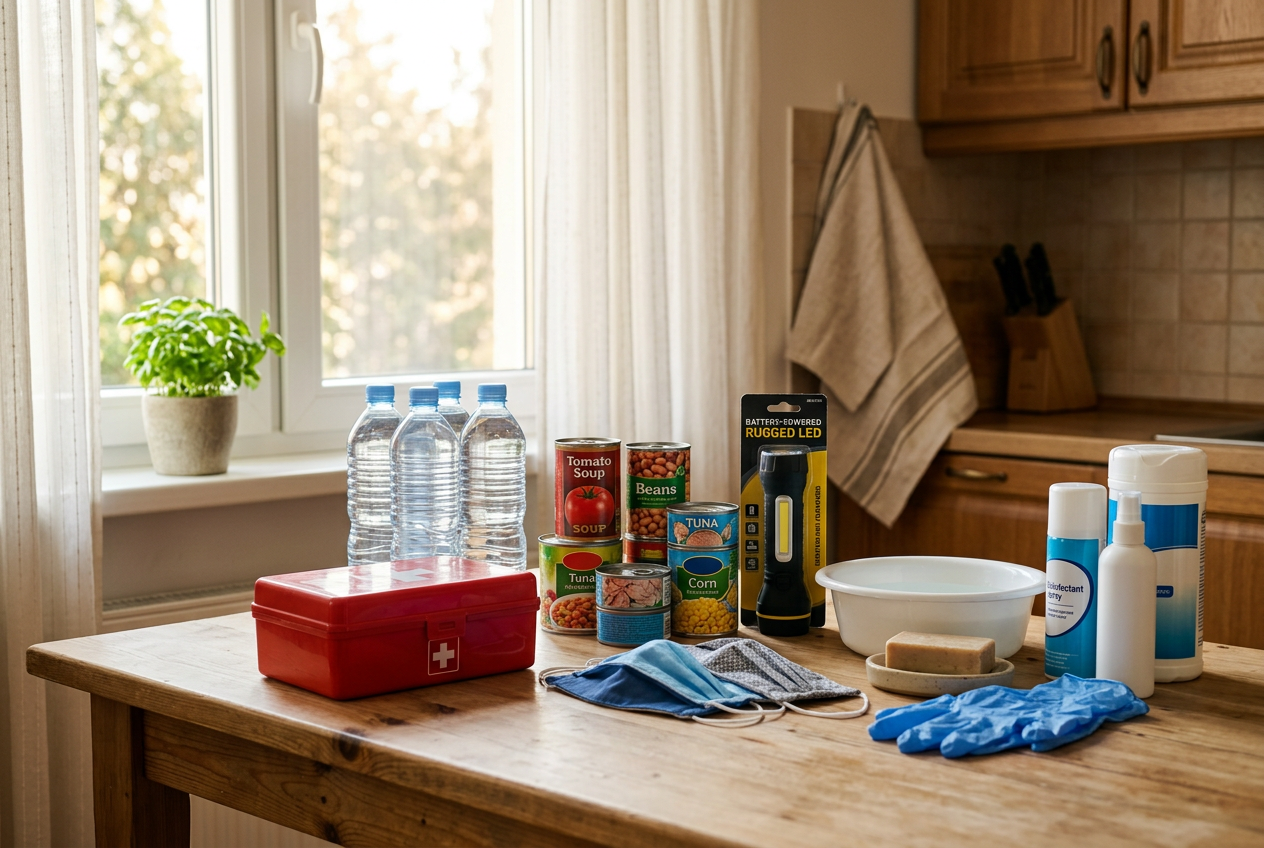
Illness Outbreak Preparedness: A Practical Household Guide
When an alarming illness story appears, it is tempting to prepare for the disease named in a headline. But early reports do not always establish what illness someone has, how it spreads, or whether anyone else is at risk. Your first step is to separate what has been confirmed from what is still being investigated.
Recent reports from Russia have used the word plague in connection with a suspected case. That is not a confirmed diagnosis, and it is not evidence of a plague outbreak or a new pandemic. The earlier version of this guide treated those reports as though they established plague; that was wrong. The practical response for a household is to prepare for illness in general and follow reliable updates as facts become clearer.
What to do today
You do not need a special kit for an unconfirmed disease. Start with a short, useful plan:
- Check your usual supplies. Make sure you have soap, tissues, a thermometer, cleaning supplies, and any medicines your household uses regularly. Replace expired items. If a prescription is running low, ask your pharmacy or clinician about a normal refill; do not stockpile medication.
- Plan for someone to stay home sick. Decide who can bring food, check on vulnerable relatives, care for children, or pick up essentials if a household member cannot go out.
- Keep important contacts handy. Save your health care provider’s number, pharmacy details, and local health department website where the household can find them.
- Follow the right sources. Check your local health department and the CDC’s respiratory illness guidance for advice relevant to your area. A viral post or a dramatic nickname is not a diagnosis.
These steps are useful during ordinary flu season, a local outbreak, or a new situation that is still being investigated.
Reduce everyday spread
Different illnesses spread in different ways, so avoid assuming that one product or precaution solves every problem. For common respiratory illnesses, CDC recommends regular handwashing, cleaner indoor air where possible, staying away from others when sick, and keeping up with recommended immunizations. A well-fitting mask or respirator can add protection in higher-risk situations, particularly around people who are vulnerable to severe illness. Follow disease-specific directions if health officials issue them.
If someone in your home becomes ill, help them rest, drink fluids, and limit close contact with others when possible. Wash hands after handling used tissues or shared items, and clean frequently touched surfaces. Seek medical advice promptly if the person has risk factors for severe illness, symptoms are worsening, or you are unsure what care is appropriate. For a medical emergency, call emergency services.
Make a small illness-ready shelf
Choose supplies your family already knows how to use. Soap and household cleaner matter more than a cart full of unfamiliar gear. A thermometer, tissues, a few well-fitting masks, and your normal medicines can be useful. Keep drinking water and easy meals on hand in quantities that fit your usual household preparedness plan. Rotate what you use rather than buying far more than you need.
If someone relies on a medical device, regular medication, or outside care, make a specific continuity plan with their provider. That is more valuable than a generic shopping list.
Read developing news without jumping to conclusions
Ask three questions before changing your plans: What has a health authority actually confirmed? Is there a risk in my area? Has official guidance for households changed? If the answers are unclear, keep up your ordinary illness precautions and check again later. You can take sensible steps without treating a rumor as an established outbreak.
For a broader plan that covers food, water, communications, and household needs during many kinds of disruptions, start with our beginner’s preparedness guide.
Sources
- CDC: Preventing Respiratory Illnesses
- CDC: Community Respirators and Masks
- Ready.gov: Pandemic preparedness
- Axios: Report on the suspected case in Russia