Ready
Ready
Pet Emergency Preparedness: The Complete Guide to Keeping Your Animals Safe in Disasters
Your pets are family. When disaster strikes, you are not leaving them behind. But evacuating with animals takes planning, and caring for them during an emergency requires supplies most people do not have ready.
During Hurricane Katrina, an estimated 150,000 pets were left behind or died. That tragedy changed how emergency managers think about pets, and it led to the PETS Act requiring evacuation plans to include animals. But laws do not prepare your household. Planning does.
This guide covers everything you need to keep your pets safe: building a pet emergency kit, creating evacuation plans for different animals, pet first aid essentials, identification and documentation, and the specific challenges of evacuating with dogs, cats, birds, reptiles, and small mammals.
- Build a pet emergency kit with at least 3 days of food, water, and any medicines your animal needs.
- Make sure your pet has ID at all times, like a collar tag and a microchip, so you can be reunited if you get separated.
- Keep a sturdy carrier or crate ready for every pet so you can evacuate fast and travel safely.
- Plan ahead for where you will go, since many shelters do not allow animals. Find pet friendly places before you need them.
- Take a current photo of you with your pet and keep copies of vet records in a waterproof folder.



Reviewed by Beth O., James W. & Dale M. — contributors with hands-on preparedness experience. How we test
Getting ready for a disaster means having the right gear on hand before trouble hits. Grab these items now, then read on to see why each one matters for your pets.

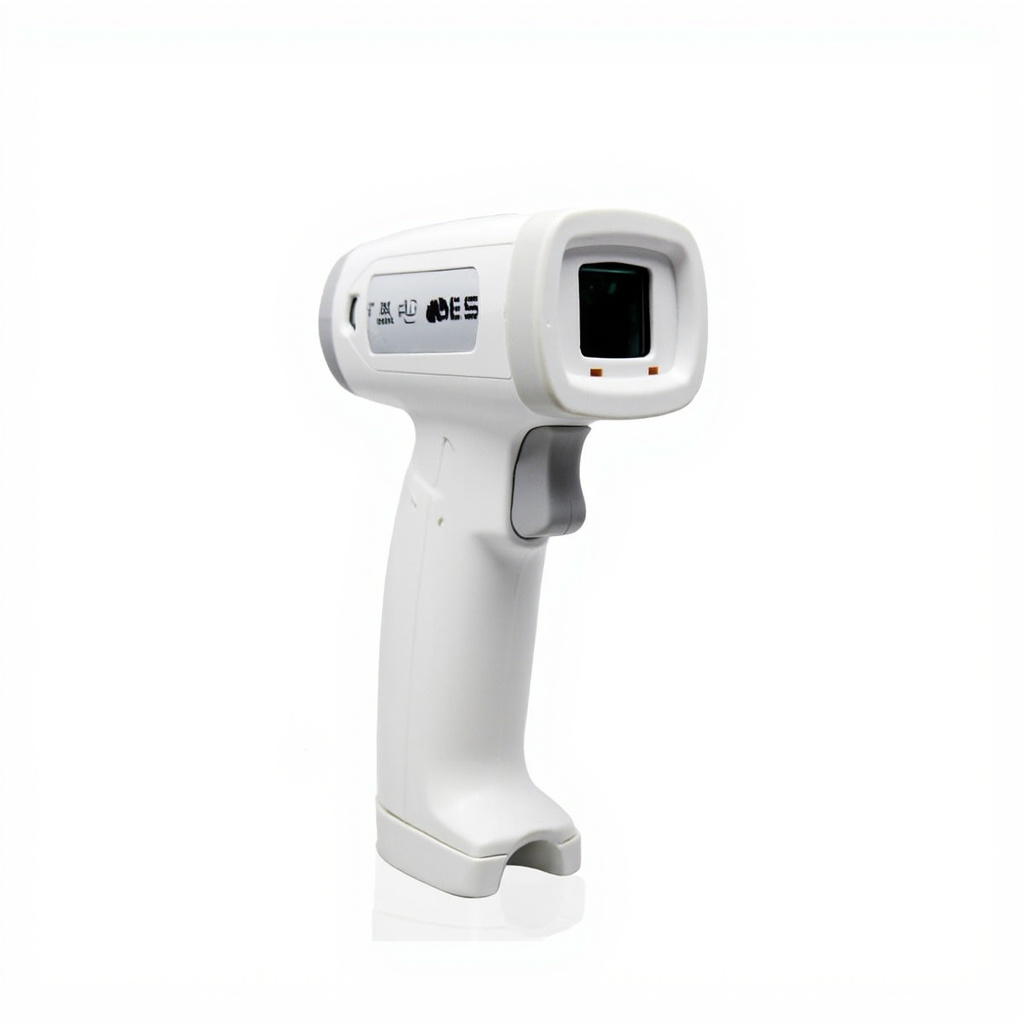
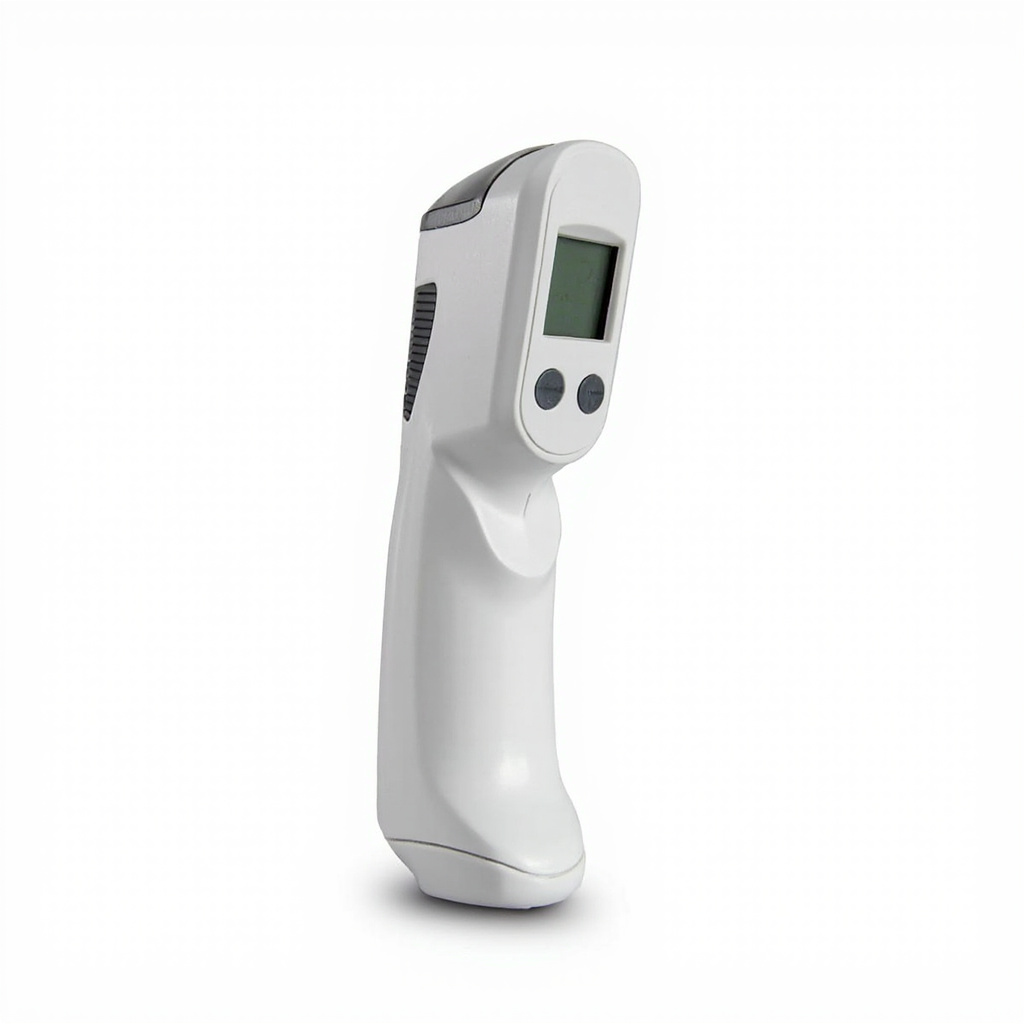
Pet Microchip Scanner
This reader scans your pet's microchip in under a second so you can confirm the ID number is working. During a disaster, a scannable chip helps get a lost animal back to you.
Check Price on Amazon
Dog Friendly Travel Guide
This book lists hundreds of places across all 50 states where you can stay and play with your dog. It helps you plan a safe destination ahead of time in case you have to evacuate.
Check Price on Amazon
Petmate Sky Kennel
This heavy duty crate meets airline and IATA rules for animals weighing 50 to 70 pounds. It keeps your pet secure during an evacuation whether you travel by car or by air.
Check Price on AmazonIn this guide
Why Trust This Guide?
This article was researched and reviewed by contributors with hands-on experience in emergency preparedness. They have tested gear, built real systems, and lived through situations where these skills actually mattered.
Why Pets Need Their Own Emergency Plan
Most emergency preparedness guides focus on humans. That makes sense, but it leaves a critical gap. About 70 percent of American households have at least one pet. When those families evacuate without a pet plan, they face impossible choices.
Pets have different needs than people:
- They cannot communicate pain or symptoms clearly
- They panic in unfamiliar situations
- They need species-specific food and medication
- They require containment during transport
- Many shelters do not accept animals
The good news is that preparing for pets is straightforward. Most supplies overlap with human emergency kits. The key is having everything ready before you need it.
The Pet Emergency Kit: What to Pack
Think of your pet emergency kit in two parts: a go bag for evacuation and a home supply for sheltering in place.
The Pet Go Bag (Evacuation Kit)
This bag should be ready to grab at a moment’s notice. Keep it near your human emergency kit or by an exit door.
Food and water for 72 hours minimum:
- Dry food in a waterproof container or sealed mylar bags
- Wet food cans if your pet requires them
- Collapsible bowls for food and water
- Manual can opener if using canned food
- Treats for stress relief and training
Water needs by animal:
- Dogs: 1 ounce per pound of body weight per day (so a 50-pound dog needs about 50 ounces, or 1.5 liters)
- Cats: About 1 cup per day
- Small mammals: 2 to 4 ounces per day depending on size
- Birds: 1 to 2 ounces per day
Medications and medical records:
- At least 2 weeks of any prescription medications
- Copies of vaccination records (especially rabies)
- Pet first aid kit (details below)
- Contact information for your veterinarian
- Contact information for emergency vets along evacuation routes
Containment and transport:
- Sturdy carrier for cats and small animals
- Leash and collar with ID tags for dogs
- Harness as backup containment
- Muzzle if your pet may bite when stressed (even friendly pets can bite when frightened)
Comfort items:
- Familiar blanket or bed with home scent
- Favorite toy
- For cats: a small amount of used litter from home (the familiar scent reduces stress)
Sanitation:
- Waste bags for dogs
- Small litter box and litter for cats
- Paper towels and disinfectant
- Disposable gloves
Identification:
- Current photos of your pet (in case you get separated)
- Microchip number and registration information
- Backup ID tags with your cell phone number and an out-of-area contact
Home Pet Supply (Shelter in Place)
If you are not evacuating but need to shelter at home for an extended period, you need more supplies.
Two weeks of food and water:
- Rotate stock every few months to keep food fresh
- Store in a cool, dry location
- Include manual can opener if using canned food
Extended medication supply:
- Ask your veterinarian about getting an extra prescription for emergencies
- Some vets will provide a 30-day emergency supply
Litter and sanitation:
- Extra litter for cats
- Puppy pads for dogs if outdoor access is limited
- Trash bags for waste disposal
Entertainment:
- Toys to reduce stress during confinement
- Puzzle feeders for mental stimulation
Pet First Aid Kit: What to Include
A pet first aid kit has some overlap with human first aid, but also important differences. You can buy pre-made pet first aid kits, but building your own ensures you have what you actually need.
Important First Aid Notes
Do not give human medications without veterinary guidance. Many common human drugs are toxic to pets:
- Ibuprofen and naproxen are dangerous for dogs and cats
- Acetaminophen (Tylenol) is extremely toxic to cats
- Some antidepressants and ADHD medications can be fatal
Hydrogen peroxide should only be used to induce vomiting if directed by a veterinarian or poison control. It can cause complications in some situations.
Know the signs of emergency:
- Difficulty breathing
- Excessive bleeding that does not stop
- Inability to urinate or defecate
- Seizures
- Loss of consciousness
- Suspected poisoning
- Major trauma (hit by car, fall from height)
Pet poison control resources:
- ASPCA Animal Poison Control: 888-426-4435 (fee may apply)
- Pet Poison Helpline: 855-764-7661 (fee may apply)
Identification and Documentation
When pets and owners get separated during disasters, identification is the difference between reunion and permanent loss.
Microchips
A microchip is a rice-sized implant placed between the shoulder blades. It contains a unique number that can be read by scanners at shelters and veterinary clinics.
Why microchips matter:
- Collars and tags can fall off or be removed
- Microchips are permanent
- They work even if your pet is injured and cannot wear a collar
Critical step: Register your microchip and keep the information current. A microchip only works if the registration database has your current phone number and address. Update it when you move or change phone numbers.

1. PetSafe Microchip Scanner, Verify Your Pet’s Chip
This universal scanner reads all common microchip formats. Useful for checking that your pet’s chip is still readable and for identifying found animals. Compact enough to keep in your emergency kit.
- Reads all common microchip formats (AVID, Trovan, HomeAgain)
- LCD display shows chip number
- Audible beep confirms scan
- Battery-powered and portable
- Used by shelters and veterinarians
ID Tags
Every pet should wear a collar with current ID tags. Include:
- Pet’s name
- Your cell phone number
- An out-of-area contact number (in case local lines are down)
- “Needs medication” if applicable
Consider adding a second tag with your veterinarian’s contact information.
Photos and Documentation
Keep current photos of your pets on your phone and in your emergency kit. Include:
- Full body shots showing markings
- Close-ups of any unique features
- Photos with you (proves ownership)
- Photos from multiple angles
Store digital copies in cloud storage and physical copies in a waterproof bag.
Evacuating with Pets
Evacuation orders do not wait. When you are told to leave, you need to move quickly and safely with your animals.
Before an Emergency: Preparation
Know your evacuation zone. Many communities have designated evacuation zones for hurricanes, wildfires, and floods. Know which zone you are in and your evacuation routes.
Identify pet-friendly lodging. Research hotels and motels along your evacuation routes that accept pets. Keep a list with phone numbers in your emergency kit.
2. Ruff Guide to the United States, Find Pet-Friendly Lodging
The official BringFido travel guide covering 365 of the best places to stay and play with your dog across all 50 states. Useful for evacuation planning when you need to quickly locate pet-friendly lodging along your route.
- Covers all 50 states
- 365 curated dog-friendly destinations
- Hotels, parks, restaurants, and activities
- Includes policies and tips
- Published by BringFido (Melissa Halliburton)
Research pet-friendly shelters. Not all emergency shelters accept pets. Some communities have separate pet shelters near human shelters. Contact your local emergency management office to learn about options.
Practice loading pets. If your animals are not used to carriers or car rides, practice before an emergency. Load them into carriers, take short drives, and reward calm behavior.
During Evacuation: Execution
Never leave pets behind. If it is not safe for you, it is not safe for them. Pets left behind can be injured, killed, or lost even if the disaster does not directly hit your home.
Secure pets before opening doors. During chaotic evacuations, frightened pets may bolt. Put dogs on leashes and cats in carriers before opening exterior doors.
Bring your pet go bag. Grab the pre-packed kit you prepared. Do not waste time gathering supplies during evacuation.
Keep pets contained. Even well-behaved pets may panic in unfamiliar environments. Keep dogs leashed and cats in carriers throughout the evacuation.
Take familiar items. The blanket, toy, or bed that smells like home provides comfort during stressful times.
After Evacuation: Recovery
Maintain routines as much as possible. Feed pets at regular times, maintain walking schedules, and provide familiar comfort items.
Watch for behavioral changes. Pets may show stress through:
- Excessive vocalization
- Destructive behavior
- House training accidents
- Loss of appetite
- Hiding or clinginess
Keep pets confined initially. When returning home after evacuation, keep pets confined while you check for hazards: broken glass, exposed wires, contaminated water, or displaced wildlife.
Species-Specific Considerations
Different animals have different emergency needs. Here is what to know for common pets.
Dogs
Evacuation considerations:
- Dogs need exercise even during emergencies
- Some dogs become aggressive when stressed
- Large dogs require larger carriers or may travel by leash
- Service dogs have legal access to most shelters
Special needs:
- Working breeds may need more mental stimulation
- Anxious dogs may need calming aids (consult your vet)
- Senior dogs may need orthopedic support and more frequent bathroom breaks
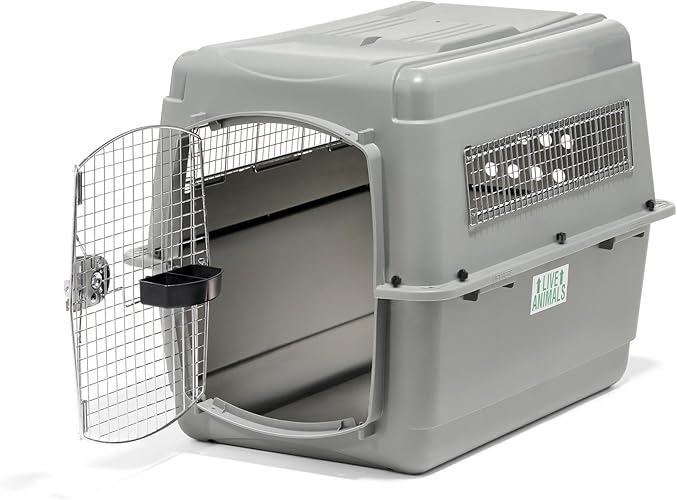
3. Petmate Sky Kennel Pet Carrier, Best for Large Dogs
This airline-approved carrier is built for safety and durability. The heavy-duty construction and steel wire reinforcement make it suitable for emergency transport of large dogs. Available in multiple sizes.
- Heavy-duty plastic construction
- Steel wire reinforcement
- Airline approved for cargo transport
- Multiple sizes for different dog sizes
- Secure latch system
- Ventilation on all sides
Cats
Evacuation considerations:
- Cats are escape artists and must be in secure carriers
- A frightened cat will not come when called
- Cats may hide for days if they escape
- Stress can trigger medical issues in cats (especially urinary problems)
Carrier tips:
- Use a hard-sided carrier for protection
- Cover the carrier with a towel to reduce visual stress
- Place familiar bedding inside
- Practice carrier use before emergencies
Litter box solutions:
- Portable litter boxes fold flat for travel
- Disposable aluminum litter boxes are convenient for evacuation
- Bring litter from home (familiar scent reduces stress)
4. Sherpa Original Deluxe Pet Carrier, Best for Cats
This soft-sided carrier is airline approved and designed for comfort. The mesh panels provide ventilation while the padded interior keeps cats comfortable. Perfect for evacuation and travel.
- Airline approved for in-cabin travel
- Mesh panels for ventilation
- Padded shoulder strap
- Machine washable
- Multiple sizes available
- Lockable zippers prevent escape
Birds
Evacuation considerations:
- Birds are sensitive to temperature changes and drafts
- They are also sensitive to airborne toxins (smoke, fumes, aerosols)
- Birds may stop eating when stressed, which can become serious quickly
- Covering the cage reduces stress during transport
Transport:
- Use a small travel cage or secure the main cage for transport
- Cover the cage to reduce visual stress
- Maintain temperature as much as possible
- Bring spray bottle for misting (helps with temperature regulation)
Supplies:
- Cage cover or towel
- Spray bottle for misting
- Perches that fit travel cage
- Favorite foods (birds may eat more treats when stressed)
- Cage liner material
Reptiles
Evacuation considerations:
- Reptiles require specific temperature ranges
- They can go longer without food than mammals but need proper temperatures
- Transport containers must be secure and escape-proof
- Some reptiles become lethargic in cool temperatures (which can be useful for transport)
Transport:
- Use escape-proof containers with ventilation
- Insulated containers help maintain temperature
- Chemical hand warmers can provide heat (wrap to prevent burns)
- Keep transport time as short as possible
Supplies:
- Secure transport container
- Thermometer to monitor temperature
- Hand warmers for heat
- Water dish
- Hiding spot for stress reduction
Small Mammals (Rabbits, Guinea Pigs, Hamsters, etc.)
Evacuation considerations:
- Small mammals stress easily and may hide illness
- They need consistent access to hay and water
- Temperature extremes are dangerous
- They require secure, ventilated carriers
Transport:
- Use small animal carriers with solid bottoms
- Provide hay throughout transport
- Avoid direct sunlight and drafts
- Keep carriers secure (they can tip easily)
Supplies:
- Timothy hay (essential for rabbits and guinea pigs)
- Water bottle that attaches to carrier
- Bedding material
- Hideaway for security
Pet Emergency Shelter Options
When you evacuate, you need a place to stay that accepts your animals. Here are the main options.
Pet-Friendly Hotels and Motels
Many hotel chains accept pets, though policies vary:
- Some allow only dogs
- Some have weight limits (often 50 to 80 pounds)
- Some charge pet fees ($25 to $100 per stay)
- Some limit the number of pets per room
Pet-friendly chains typically include:
- La Quinta (most locations, no fee)
- Motel 6 (most locations, no fee)
- Red Roof Inn (most locations, one pet free)
- Best Western (varies by location)
- Marriott (varies by brand and location)
Always call ahead to confirm pet policies. During disasters, policies may be relaxed, but do not count on it.
Friends and Family
Staying with friends or family is often the least stressful option for pets. They are in a familiar environment with familiar people.
Considerations:
- Confirm in advance that your hosts are comfortable with pets
- Bring your own pet supplies to minimize burden on hosts
- Keep pets contained if hosts have animals or allergies
- Offer to handle pet cleanup and care
Pet-Friendly Emergency Shelters
Some communities operate pet-friendly shelters during disasters. These may be:
- Co-located with human shelters
- Separate facilities nearby
- Operated by animal welfare organizations
Important notes:
- Not all pets are accepted (aggressive dogs may be excluded)
- You may need to provide your own supplies
- Vaccination records are often required
- You may be responsible for feeding and caring for your pet
Contact your local emergency management office before disasters to learn about pet shelter options in your area.
Boarding Facilities
Veterinary clinics and boarding kennels may offer emergency boarding during disasters.
Considerations:
- Call ahead as facilities may fill quickly
- Bring vaccination records
- Understand fees and payment requirements
- Know pickup procedures and timing
Special Considerations
Service Animals
Service animals have legal protections under the Americans with Disabilities Act. They must be allowed in:
- Emergency shelters
- Hotels and motels (even those with no-pet policies)
- Most public accommodations
Documentation: While not legally required, carrying documentation of your service animal can smooth interactions during emergencies.
Supplies: Service animals need the same emergency supplies as other pets, plus any task-specific equipment they require.
Multiple Pets
Households with multiple pets face additional challenges:
- More supplies needed (food, medications, carriers)
- More complex transport logistics
- Higher costs for pet-friendly lodging
- Increased stress managing multiple animals
Tips:
- Label all carriers and supplies by pet
- Practice loading multiple pets before emergencies
- Consider additional helpers for evacuation
- Budget for higher lodging fees
Pets with Medical Needs
Pets requiring ongoing medical care need extra preparation:
Medications:
- Maintain at least 2 weeks of supply
- Store medications in waterproof containers
- Keep copies of prescriptions
- Know how to administer medications (in case you need help from others)
Medical equipment:
- Portable oxygen if required
- Mobility aids (wheelchairs, slings)
- Special diets or feeding equipment
Veterinary coordination:
- Discuss emergency plans with your vet
- Know the location of emergency vets along evacuation routes
- Understand signs that require immediate veterinary care
Reuniting with Lost Pets
Despite best efforts, pets and owners can get separated during disasters. Here is how to maximize reunion chances.
Before Separation (Prevention)
Microchip and register: This is the single most important step. Update registration when you move or change phone numbers.
Current ID tags: Include your cell phone and an out-of-area contact.
Current photos: Keep recent photos on your phone and in your emergency kit.
After Separation (Action)
Contact local shelters: Call and visit shelters in your area and along evacuation routes. Provide photos and descriptions.
Contact microchip companies: Report your pet as lost so that if they are scanned, you will be notified.
Use social media: Post lost pet notices on local Facebook groups, Nextdoor, and dedicated lost pet sites.
Contact local veterinarians: They may see your pet or hear about found animals.
Check regularly: Reunions can happen weeks or months after disasters. Do not give up quickly.

5. Whistle GO Explore Pet Tracker, GPS Location Tracking
This GPS tracker attaches to your pet’s collar and provides real-time location tracking. Useful for finding pets that escape during chaotic evacuations. Requires subscription service.
- Real-time GPS location tracking
- Nationwide coverage (cellular network)
- Escape alerts and notifications
- Activity and health monitoring
- Waterproof design
- Battery lasts up to 2 weeks
Pet Emergency Planning Checklist
Use this checklist to ensure your pet preparedness is complete.
Documentation
- Microchip implanted and registered
- Registration information current (phone, address)
- ID tags on collar with current contact info
- Current photos stored on phone and in emergency kit
- Vaccination records copied and stored
- Veterinarian contact information in emergency kit
- Emergency vet contacts along evacuation routes
Supplies (Go Bag)
- 72 hours of food in waterproof container
- 72 hours of water
- Collapsible food and water bowls
- Manual can opener (if using canned food)
- 2 weeks of medications
- Pet first aid kit
- Carrier (cats and small animals)
- Leash, collar, and harness (dogs)
- Muzzle (if appropriate for your dog)
- Waste bags or litter supplies
- Familiar blanket or toy
- Disposable gloves
- Paper towels and disinfectant
Home Supply (Shelter in Place)
- 2 weeks of food
- 2 weeks of water
- Extended medication supply
- Extra litter and waste supplies
- Entertainment items (toys, puzzle feeders)
Planning
- Know your evacuation zone
- Identified pet-friendly lodging options
- Researched pet-friendly emergency shelters
- Practiced loading pets into carriers
- Discussed pet plan with all household members
- Shared pet plan with out-of-area contact
Frequently Asked Questions
What if my pet is too big for standard carriers? Large dogs typically travel by leash and harness rather than carrier. For air evacuation, cargo transport may be necessary. Practice leash training and ensure your dog responds to basic commands even when stressed.
How do I keep my pet calm during evacuation? Familiar items help: blankets, toys, and bedding that smell like home. Maintain routines as much as possible. Some pets benefit from calming aids like pheromone sprays or supplements (consult your vet). Covering carriers reduces visual stress for cats and small animals.
What if I cannot find pet-friendly lodging? Contact local animal shelters, veterinary clinics, or rescue organizations. They may offer emergency boarding or know of options. Some communities set up emergency pet shelters during disasters. As a last resort, boarding facilities outside the disaster area may have space.
Should I evacuate if authorities say pets are not allowed at shelters? Yes. Never leave pets behind. Evacuate and make alternative arrangements with pet-friendly lodging, friends, family, or boarding facilities. It is easier to find pet accommodations while you are safe than to coordinate rescue from a disaster zone.
How do I prepare for pets if I live in an apartment? Apartment dwellers face space constraints but can still prepare. Store pet supplies in under-bed storage, closets, or vacuum-sealed bags. Practice carrier training so pets are comfortable in confined spaces. Know your building’s evacuation plan and pet policies.
What about fish and other aquatic pets? Fish are challenging to evacuate. For short-term power outages, battery-powered air pumps can maintain oxygen. For evacuation, transport fish in sealed bags or containers with tank water. Bring water treatment supplies and a thermometer. Consider whether evacuation is necessary for short-term disasters.
Can I leave pets home alone during evacuation? No. This is dangerous and often illegal. Pets left behind can be injured, killed, or lost. They cannot escape flooding, fire, or structural collapse. Take them with you.
How do I handle aggressive or fearful pets during emergencies? Work with your veterinarian before disasters to develop a plan. Some pets may need sedation for transport (get prescriptions in advance). Muzzles may be necessary for dogs that bite when stressed. Practice handling and containment before emergencies.
The Bottom Line
Your pets depend on you for their safety. Emergency preparedness for pets is not optional if you consider them family. The steps are straightforward:
- Build a pet emergency kit with food, water, medications, and supplies for 72 hours minimum
- Ensure identification is current including microchip registration and ID tags
- Plan your evacuation including pet-friendly lodging and transport methods
- Practice with your pets so they are comfortable with carriers and travel
- Keep documentation ready including photos, vaccination records, and veterinary contacts
Start with the basics. A carrier, a week of food, current ID, and a plan beats no preparation at all. Build from there as your budget and time allow.
When disaster strikes, you will be glad you prepared. Your pets cannot do it themselves. They are counting on you.