Ready
Ready
How to Build a Prepper Pantry: A Complete Beginner's Guide
A prepper pantry sounds complicated. The reality is much simpler. It is a stocked supply of food and water you can live on when the grocery store is not an option. That might mean a blizzard that shuts your town down for a week. It might mean a job loss that stretches your budget tight for two months. It might mean a hurricane, a major earthquake, or a regional supply chain problem that empties shelves overnight. Whatever the cause, the goal is the same: feed your family without depending on a trip to the store.
This guide walks through everything from scratch. What to buy, how to store it, how to keep it organized, and which tools are actually worth the money. You do not need a basement or a farmhouse. You do not need to spend a fortune. You just need a plan and a place to start.
- Start with shelf-stable staples like rice, beans, oats, and pasta that last for years when stored right.
- Aim for a 30 day supply first, then slowly build toward 3 months or more.
- Store dry foods in Mylar bags with oxygen absorbers, then place them inside sturdy buckets for protection.
- Keep your pantry cool, dark, and dry to make food last as long as possible.
- Label everything with the date and rotate your oldest food first so nothing goes to waste.


Reviewed by Dale M. & Elena V. — contributors with hands-on preparedness experience. How we test
Getting your pantry ready starts with the right storage gear. Grab these basics now, then keep reading to see how they fit together.

Heavy Duty Mylar Bags
These thick 5 mil bags lock out light and air so your dry staples stay fresh for the long haul. They seal easily with an iron or hair straightener and hold up under heavy weight.
Check Price on Amazon
Individually Wrapped Oxygen Absorbers
These pull the oxygen out of your sealed bags so food does not spoil or grow bugs. Being wrapped one by one means the rest stay good after you open the pack.
Check Price on Amazon
Six Pack 5 Gallon Buckets
These strong buckets protect your sealed Mylar bags from crushing, moisture, and pests. Six of them give you plenty of room to organize a full beginner pantry.
Check Price on AmazonIn this guide
Why Trust This Guide?
This article was researched and reviewed by contributors with hands-on experience in emergency preparedness. They have tested gear, built real systems, and lived through situations where these skills actually mattered.
What Is a Prepper Pantry?
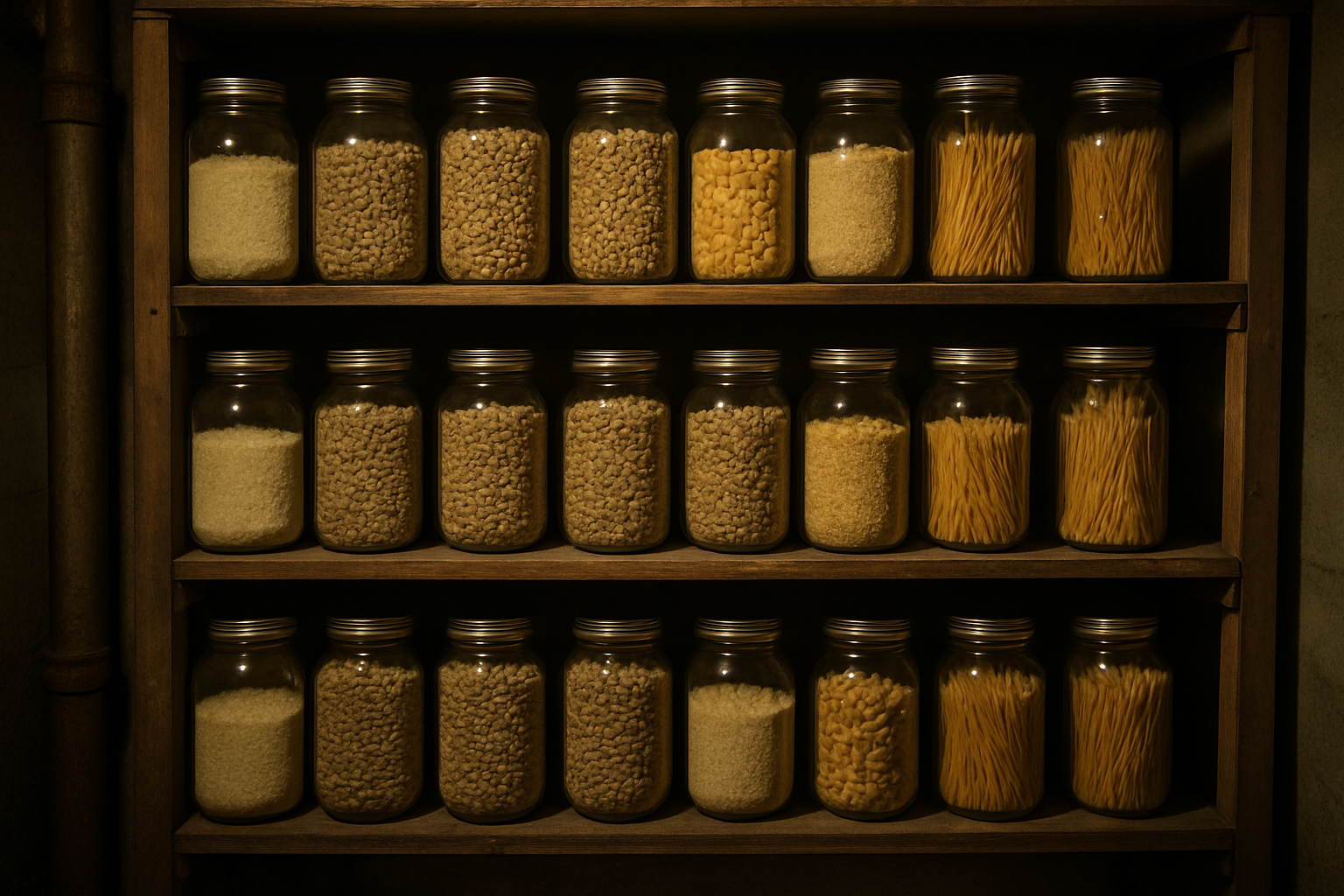
A prepper pantry is a dedicated food supply built around long-shelf-life staples. It is different from a regular kitchen pantry in a few important ways.
First, the foods are chosen for how long they last. White rice sealed in a mylar bag can last 25 to 30 years. Dried beans stored properly can last 10 years or more. Honey never expires. These are not foods that will go bad in six months and need to be replaced constantly.
Second, a prepper pantry is organized around rotation. The oldest food gets used first. New food goes to the back. This is called first in, first out (FIFO), and it keeps your supply fresh without waste.
Third, the goal is depth. Not just having food for tonight, but having food for a week, a month, or a year. Most preppers aim for at least three months of food stored at home. A year is a serious goal worth working toward.
A prepper pantry is not about fear. It is about being the person in your family who has a plan. When a storm is coming, you stay calm because you already have what you need.
How Much Food Do You Actually Need?
The first step is figuring out your target. This means knowing how many people you are feeding and how many calories they need per day.
A simple starting point:
During a real emergency, calorie needs often go up. Cold weather, physical labor, and stress all burn more energy. Plan for 2,000 to 2,500 calories per adult per day and you will be safe.
For a family of four with two adults and two kids, a three-month supply means roughly 600,000 to 700,000 calories. That sounds like a lot. Spread across 90 days and four people, it is about 1,900 calories per person per day. Totally achievable with bulk staples.
The Building Blocks: What to Stock First
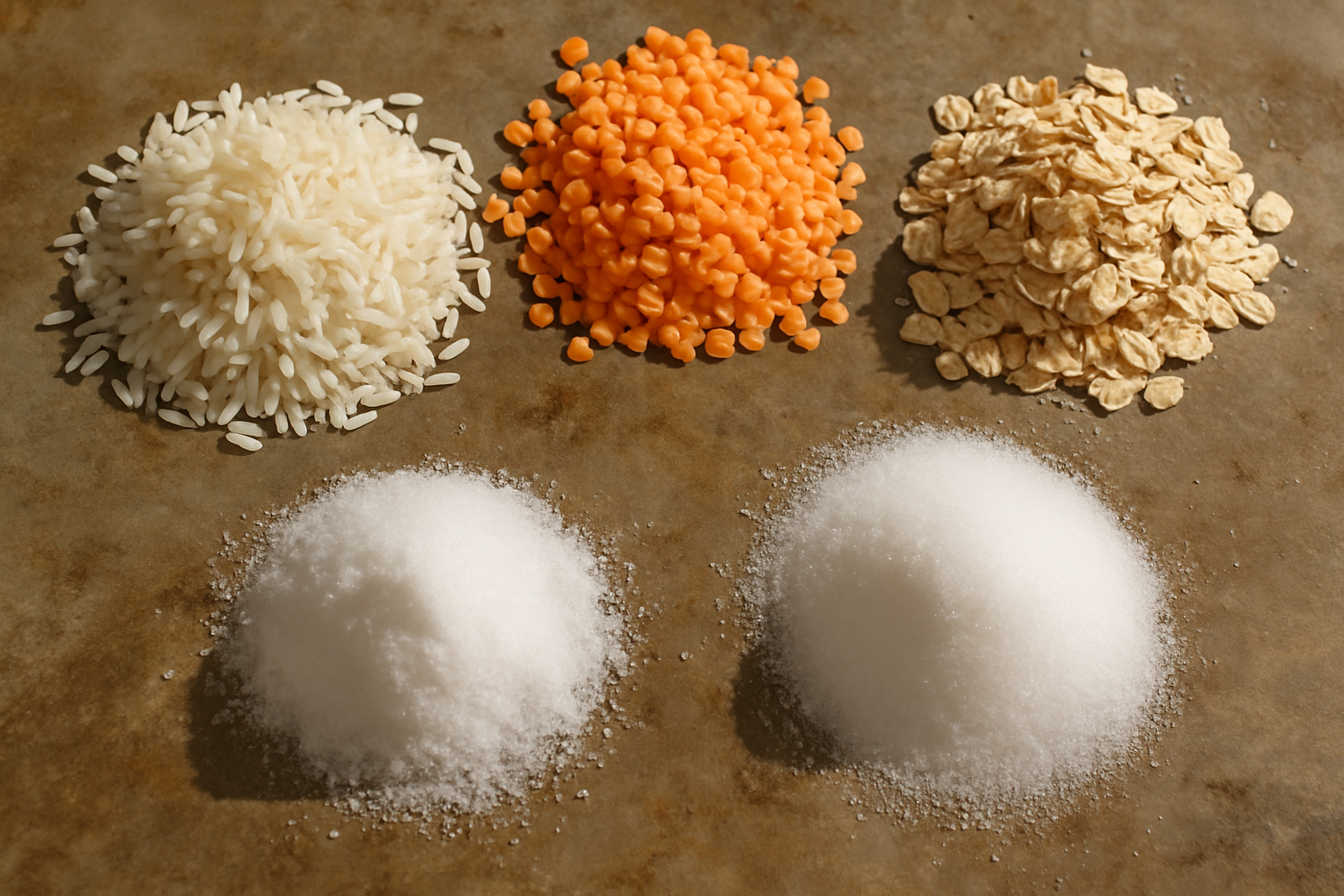
Every prepper pantry is built on the same foundation. These are the foods that are cheap, calorie-dense, easy to store, and versatile enough to use in dozens of different meals.
White Rice
White rice is the backbone of almost every long-term food storage plan. It is calorie-dense, inexpensive, easy to cook, and pairs with almost anything. A single pound of dry white rice provides about 1,600 calories. Brown rice is more nutritious but has a much shorter shelf life because of its natural oils. Stick with white rice for long-term storage.
Stored in an airtight container with oxygen absorbers, white rice lasts 25 to 30 years. Stored in a sealed bag in a cool, dry cupboard, it lasts around five years.
Buy it in bulk. A 25-pound bag at a warehouse store is the most cost-effective option. Repackage into mylar bags and five-gallon buckets for long-term storage.
Dried Beans
Dried beans are one of the best protein sources you can store. They are cheap, last a long time, and add variety and nutrition to a pantry built around grains. Common options include pinto beans, black beans, kidney beans, lentils, and chickpeas. Lentils are particularly useful because they cook faster and do not require soaking.
A pound of dried beans provides roughly 1,500 to 1,600 calories and substantial protein and fiber. Properly sealed, dried beans last 10 or more years, though the cooking time increases as they age.
Pair beans and rice together in meals and you get a nearly complete protein with all the essential amino acids. This combination has fed populations around the world for centuries for a reason.
Rolled Oats
Oats are one of the most versatile and easy-to-prepare staples. They require very little cooking, can be eaten sweet or savory, and store well. A pound of rolled oats provides about 1,700 calories. They are rich in fiber and keep you full for a long time.
Oats sealed in mylar bags with oxygen absorbers last up to 30 years. In original packaging stored in a cool, dry spot they last around two years.
For a prepper pantry, old-fashioned rolled oats are the best choice. They cook faster than steel-cut oats and do not need as much fuel, which matters when cooking resources are limited.
Pasta and Wheat
Dried pasta stores for several years and cooks quickly. It pairs well with canned sauces, olive oil, dried vegetables, and canned proteins. A pound of pasta provides around 1,600 calories.
Whole wheat berries are another excellent long-term staple if you have or plan to get a grain mill. Hard red or hard white wheat stored properly lasts 25 to 30 years. You grind it fresh when you need flour, which gives you incredible flexibility for breads, tortillas, and baked goods.
Cooking Oils and Fats
Calories from fat are critical during an emergency. Fat is the most calorie-dense macronutrient at 9 calories per gram, and meals without fat feel unsatisfying and leave you hungry.
Coconut oil has one of the longest shelf lives of any cooking fat, lasting two or more years unopened. Olive oil stored away from heat and light lasts 12 to 18 months. Ghee (clarified butter) lasts up to a year without refrigeration. White shortening lasts two years or more.
Do not skip fats in your pantry. They are one of the most calorie-efficient things you can store.
Salt, Sugar, and Honey
These three basics do more than flavor food. Salt is essential for electrolyte balance and food preservation. Sugar provides quick energy and improves morale during stressful situations. Honey is a natural sweetener with an unlimited shelf life. Archaeologists have found edible honey in Egyptian tombs that were thousands of years old.
Buy iodized salt in bulk. Store white granulated sugar in sealed buckets. Honey should be stored in its original container out of direct light.
Canned Goods
Canned goods are the fastest path to a stocked pantry. They require no special equipment, are ready to eat without cooking if necessary, and last far longer than the date on the label suggests. The USDA estimates most commercially canned goods remain safe and nutritious for two to five years past the printed date when stored in cool, dry conditions.
Stock canned proteins: tuna, salmon, sardines, chicken, and corned beef. Stock vegetables: corn, green beans, peas, diced tomatoes, and tomato sauce. Stock fruits packed in juice rather than syrup. Stock soups and stews for quick, complete meals.
Rotate your canned goods. Mark the purchase date on the lid with a marker. Use the oldest cans first and replace them with new ones.
The Long-Term Storage Stack: Tools You Actually Need
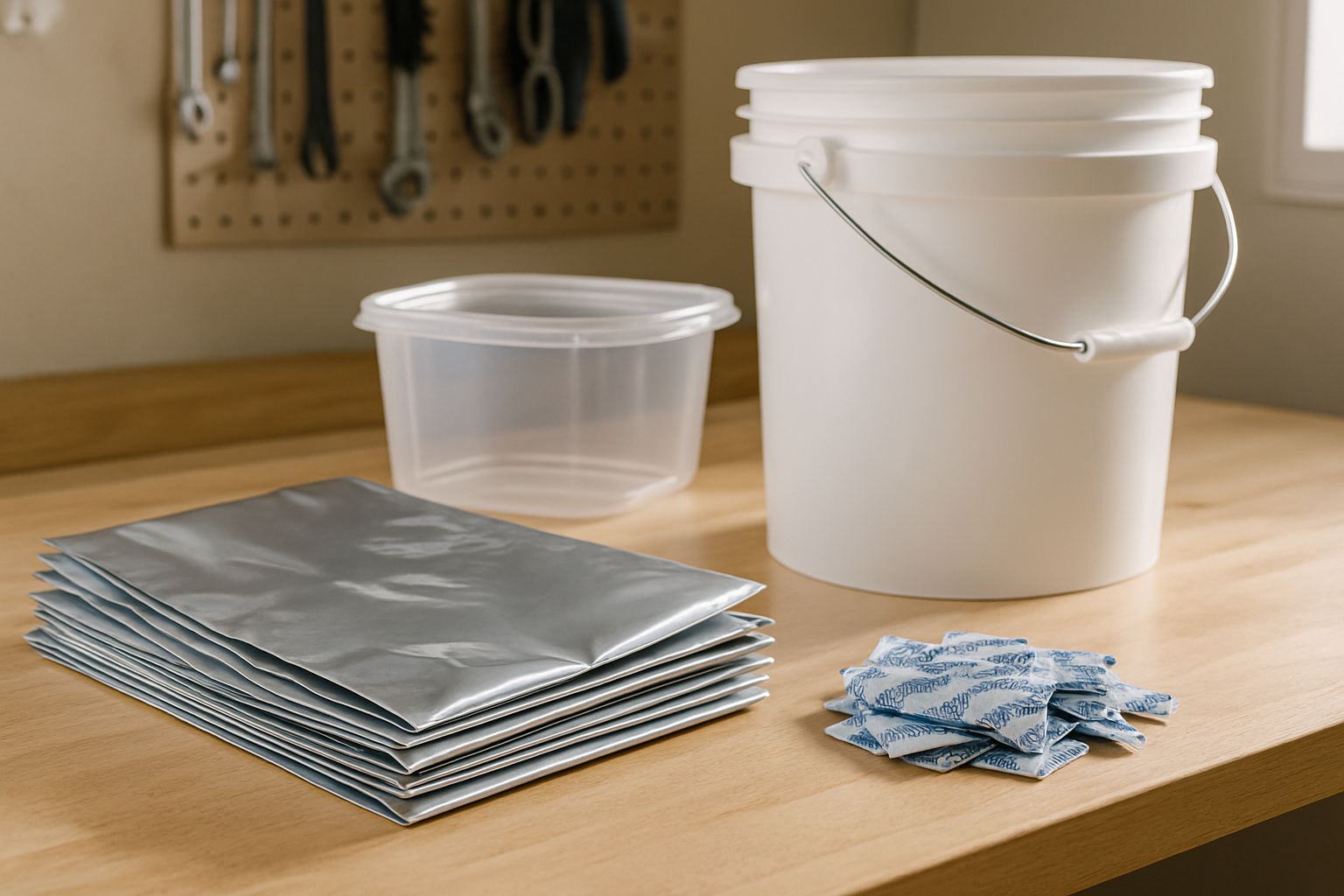
Getting the food is the easy part. Keeping it for years or decades requires the right containers and the right environment. Here is the equipment that actually works.
Mylar Bags
Mylar bags are the gold standard for long-term food storage. They are thick, puncture-resistant, and block light and oxygen far better than any plastic bag or bucket alone. Paired with oxygen absorbers and heat-sealed shut, mylar bags protect dry goods from the main causes of food spoilage: moisture, oxygen, light, and pests.
PackFreshUSA Mylar Bags (1-gallon, 50-pack) are a solid choice for general use. The 1-gallon size fits inside most five-gallon buckets and makes portioning easy. If you open one bag, the rest of your supply stays sealed.

For larger quantities of a single item like a 25-pound bag of rice, a 5-gallon mylar bag seals the whole batch at once.
Oxygen Absorbers
An oxygen absorber is a small packet filled with iron powder that reacts with and absorbs oxygen from the sealed space around it. By removing oxygen from a sealed mylar bag, you eliminate the main cause of oxidation that causes food to go stale and rancid, and you create an environment where insects cannot survive.
Oxy-Sorb 300cc Oxygen Absorbers (100-pack) are reliable and widely used. A 300cc absorber is right for a 1-gallon bag. Use 2,000cc to 2,500cc for a 5-gallon bucket.

Work quickly when using oxygen absorbers. Once the bag is opened, the absorbers start reacting with air immediately. Seal your bags within 15 to 20 minutes, and reseal any unused absorbers in an airtight jar.
Five-Gallon Food-Grade Buckets
Buckets provide physical protection around your sealed mylar bags. They keep rodents out, protect against crushing, and make your storage stackable. Always use food-grade buckets made from HDPE plastic (look for the number 2 on the bottom).
5-Gallon White HDPE Food-Grade Buckets (6-pack) are the standard choice. White buckets reflect light and stay cooler than darker buckets.
Label every bucket with its contents and the seal date. A simple masking tape label with a marker works fine.
Gamma Seal Lids
Standard bucket lids require a rubber mallet to open and close. That is fine for buckets you never open. But for buckets you rotate through regularly, like a working supply of oats or sugar, a gamma seal lid makes daily use practical.
Gamma Seal Lids snap onto a standard five-gallon bucket and replace the fixed lid with a threaded ring and removable cap. You can open and close them with one hand. They are airtight when closed.

Use standard lids for long-term storage buckets that you do not plan to open for months or years. Use gamma seal lids on your working pantry buckets.
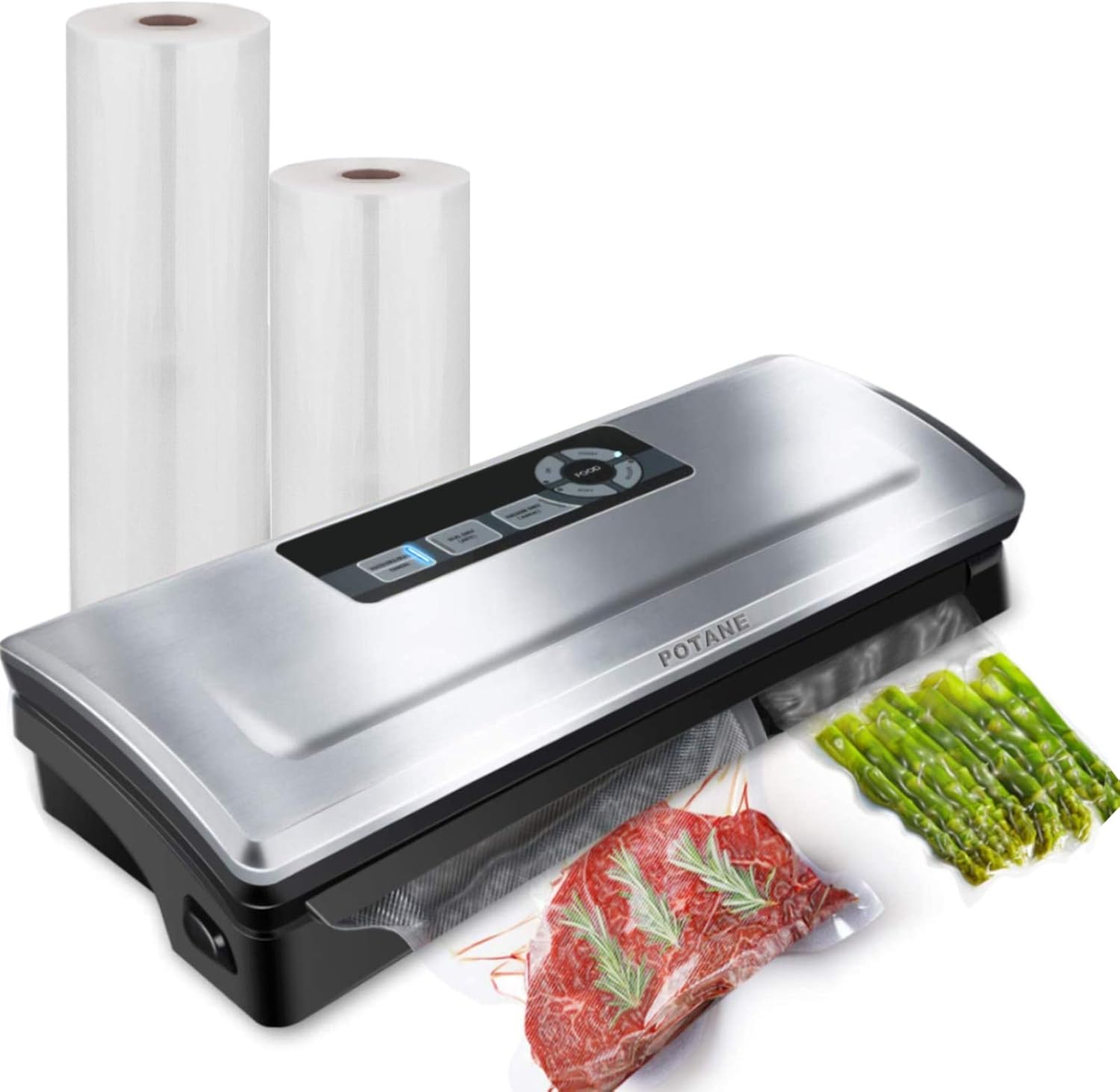
A Vacuum Sealer
A vacuum sealer is useful for extending the life of store-bought items and for creating smaller sealed portions of staples. It does not replace mylar bags and oxygen absorbers for true long-term storage because most vacuum sealer bags are not completely oxygen-impermeable over years. But for a two to five year shelf life on items like dehydrated foods, spices, and dry pasta, a vacuum sealer is excellent.
The FoodSaver FM2000 Vacuum Sealing System is the most popular entry-level option. It is reliable, easy to use, and the bags are widely available. It can also seal mason jars with the jar attachment, which is useful for storing dehydrated foods.
How to Seal Mylar Bags Step by Step
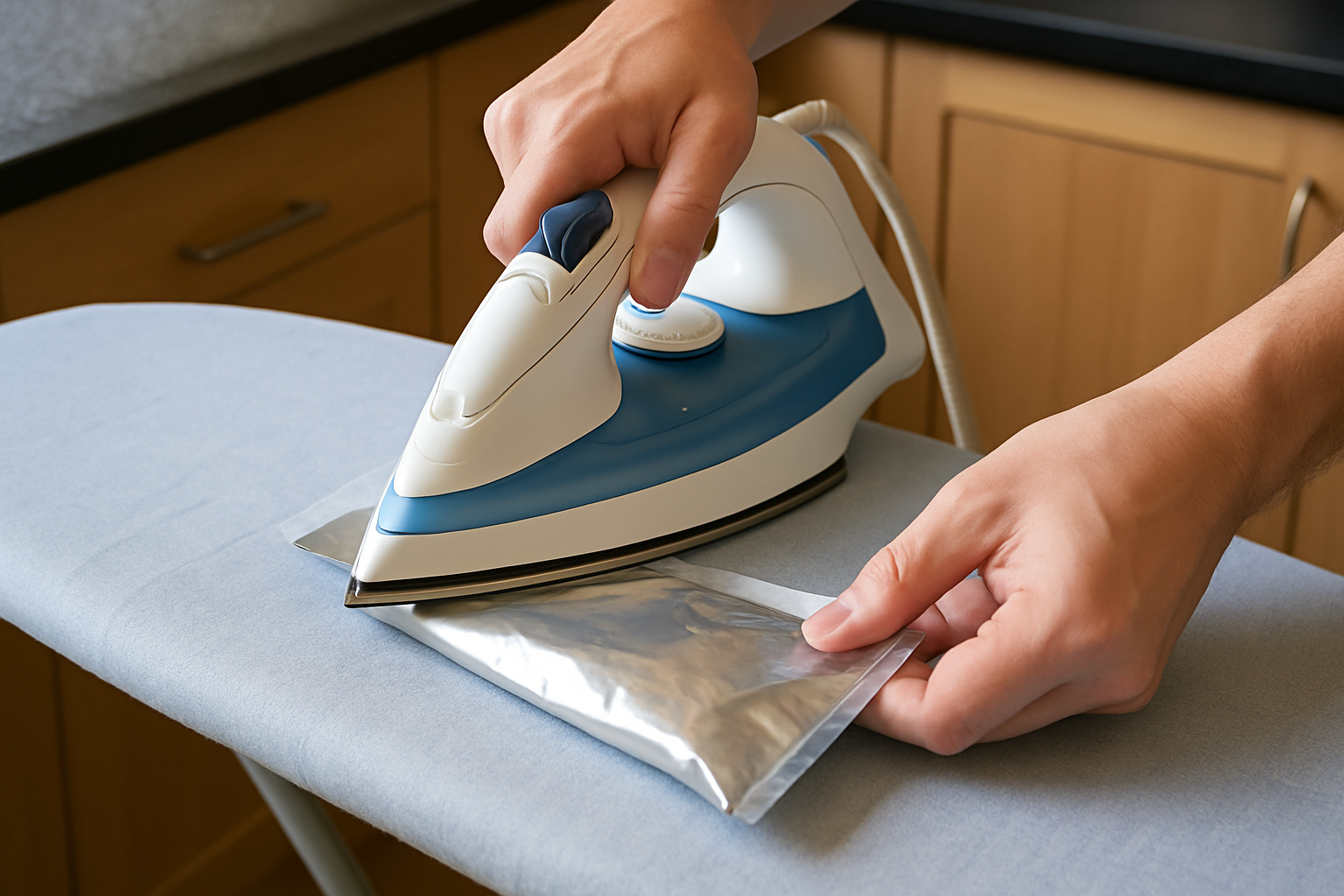
Sealing mylar bags is simple once you have done it a few times. Here is the process:
Step 1: Gather your supplies. You need dry food, mylar bags, oxygen absorbers (keep them sealed until the last second), a flat iron or hair straightener set to medium-high heat, a ruler or straight edge, and labeled buckets.
Step 2: Fill the bags. Pour your dry good into the mylar bag, leaving two to three inches at the top for sealing. Do not fill liquids or moist foods into mylar bags.
Step 3: Drop in the oxygen absorbers. Open your pack of absorbers and immediately put the right number in each bag. For a 1-gallon bag with a dry good, use one 300cc absorber. Seal any unused absorbers in an airtight mason jar right away.
Step 4: Seal the bag. Use a flat iron or hair straightener to heat-seal the top of the bag. Run the iron slowly across the opening, pressing firmly. Let it cool for a few seconds and check the seal by trying to pull the sides apart. Re-seal any weak spots.
Step 5: Place in buckets. Put the sealed bags into your labeled bucket and click on the lid. Write the contents and seal date on the outside.
Within 24 to 48 hours, the oxygen absorbers will have done their work and the bag will look vacuum-sealed, with the sides drawn tightly against the food. This is what you want to see.
Stocking Your Pantry in Stages
You do not need to buy everything at once. Most people build their prepper pantry in stages over several months. Here is a framework that works.
Stage 1: Two Weeks (First Month)
Your first goal is two weeks of food. This handles most emergencies: short-term natural disasters, brief supply disruptions, or a sudden job loss.
Total for two weeks of basic food for two adults: around $100 to $130. This is your foundation.
Stage 2: Three Months (Months Two and Three)
Once you have two weeks covered, expand to three months. This is the minimum most preparedness experts recommend. Three months of food means you can handle a job loss, a long-term regional disaster, or an extended supply chain disruption without running out.
At this stage, add sealed long-term storage buckets alongside your rotating canned goods supply. Buy in bulk at warehouse stores. Invest in mylar bags, oxygen absorbers, and buckets.
Add variety here. Pasta, dried pasta sauces, powdered milk, instant mashed potatoes, bouillon cubes, dried fruits, nuts, peanut butter, coffee, and tea all have a place in a three-month pantry. These items matter for morale, not just survival.
Stage 3: One Year (Month Four and Beyond)
A one-year supply is the serious prepper benchmark. It covers extended scenarios like economic collapse, long-term grid failures, or multi-year disruptions to normal supply chains.
At this stage, long-term storage staples become more important. Sealed buckets of wheat berries, white rice, dried beans, oats, and sugar should make up the backbone. Freeze-dried foods fill in gaps and provide variety.
Ready-made long-term food kits can help here. Products like the Augason Farms 30-Day Emergency Food Storage Supply are designed specifically for long-term pantry building. They include a variety of freeze-dried and dehydrated foods sealed in large cans with 20 to 30 year shelf lives. They are more expensive per calorie than bulk staples, but they require less work and take up less space.
Freeze-Dried vs. Dehydrated: What Is the Difference?
These terms get used interchangeably, but they describe two very different processes with different results.
Freeze-dried food is made by freezing the food and then removing water through a vacuum process. The food retains nearly all of its original flavor, texture, color, and nutritional value. Freeze-dried foods rehydrate quickly and often taste very close to fresh. The shelf life is outstanding, typically 25 to 30 years. The downside is cost. Freeze-drying is an expensive process.
Mountain House Classic Meal Assortment Bucket are the best-known brand. Their products taste genuinely good and require only boiling water to prepare, making them ideal for emergencies when cooking resources are limited.
Dehydrated food is made by removing water using heat. It is faster and cheaper than freeze-drying but removes more nutrients and changes the texture and flavor more significantly. Dehydrated foods often take longer to rehydrate and cook. Shelf life is still impressive, typically 15 to 25 years. Many bulk staples like dried beans, rice, and oats are essentially dehydrated.
For most pantry builders, the right answer is a mix of both. Build your foundation on cheap bulk staples (which are effectively dehydrated) and add freeze-dried options for variety, nutrition, and ease of preparation.
Where to Store Your Prepper Pantry
Location matters as much as what you store. The enemies of long-term food storage are heat, moisture, light, oxygen, and pests. The ideal storage spot is:
Cool. Every 10 degrees Fahrenheit above 70 degrees roughly cuts shelf life in half. A pantry that stays at 60 to 65 degrees will keep food much longer than one that hits 85 degrees in summer. Basements are ideal. Interior closets on the ground floor work well. Garages and attics are poor choices because of temperature swings.
Dark. Light causes oxidation and breaks down nutrients over time. Store food in dark containers, cover shelving with curtains, or use a closed space.
Dry. Moisture causes mold and can compromise sealed containers. Avoid storing food near plumbing, in areas that flood, or in humid crawl spaces. A dehumidifier can help in basements that tend to be damp.
Away from pests. Mice and insects can chew through thin plastic bags and even cardboard. Hard-sided buckets and containers are your best protection. Diatomaceous earth sprinkled around storage areas helps deter insects naturally.
If you live in an apartment with no basement, use interior closets, under-bed storage containers, and spaces behind furniture. Prioritize sealed containers with tight lids. A cool interior space is more important than a large one.
Food Rotation: First In, First Out
All the food in the world does you no good if it goes bad before you use it. Rotation prevents waste and keeps your pantry fresh.
The FIFO system is simple. When you add new food, it goes to the back (or bottom). When you take food, you take from the front (or top). The oldest food always gets used first.
For canned goods, use a can rotation rack. You load new cans in the top and pull from the bottom. The Prepworks by Progressive 3-Shelf Stackable Can Rack holds 27 cans and keeps your rotation automatic. This kind of simple system removes the mental effort of remembering which cans are oldest.
For buckets and sealed mylar bags, write the seal date clearly on the outside of every container. Do a pantry audit once or twice a year. Pull anything that is nearing its end of life and cook with it. Replace it with fresh stock.
One practical habit: cook from your pantry regularly. Not just in emergencies. Make a rice and bean meal once a week. Use a can of tuna for lunch. Eat oatmeal for breakfast. When your pantry food is part of your normal meals, rotation happens naturally and you actually know what you have.
Dealing with Special Diets and Family Needs
A prepper pantry is not one-size-fits-all. Account for your family’s specific needs from the start, because discovering a gap during an emergency is not the time to figure it out.
Infants. If you have a baby, powdered formula has a shelf life of 12 to 18 months and should be rotated regularly. Baby food in jars lasts two years or more. If you are breastfeeding, your own nutrition and hydration are the most critical supply.
Children. Kids have opinions about food, especially under stress. Comfort foods matter. Stock things your children will actually eat: peanut butter, crackers, familiar soups, fruit pouches. A scared, hungry child who refuses to eat unfamiliar food is a real problem.
Medical needs. If anyone in your household has diabetes, celiac disease, severe food allergies, or other dietary requirements, plan your pantry around those needs first. A pantry full of wheat products does nothing for someone with celiac disease. Stock what your family can actually eat.
Elderly family members. Older adults may have difficulty chewing hard or dry foods. Prioritize soft options: canned soups and stews, oatmeal, mashed potato mix, soft canned fruits.
The Hidden Part of a Prepper Pantry: Cooking Without Power
Storing food is only useful if you can cook it. Rice, beans, and oats all require water and heat. During a power outage or emergency, your electric stove might not work.
Every prepper pantry should be paired with at least one cooking option that does not depend on the grid.
Propane camp stoves are the most practical option for most people. The Camp Chef Explorer Two-Burner Camp Stove runs on standard 1-pound propane canisters and puts out serious heat. Store a case of propane canisters with your pantry. In a real emergency, you can also use a standard 20-pound propane tank with an adapter hose.
Wood-burning rocket stoves work without any fuel you have to store. The EcoZoom Versa Rocket Stove burns small sticks and wood scraps and burns hot enough to boil water in minutes. It works outdoors and uses almost no fuel. For anyone with access to a yard or any outdoor space, a rocket stove is an excellent backup.

Solar cooking is free and works on clear days without any fuel. A basic solar oven can reach 250 to 350 degrees Fahrenheit on a sunny day, enough to cook rice, beans, and bread. It is slow compared to a stove, but it costs nothing to operate.
Whatever you choose, practice using it before you need it. Cooking on a camp stove in your driveway once a month is not a hardship. It builds familiarity so the tool feels normal when conditions are harder.
Water: The Part Most People Skip
A prepper pantry without water is not complete. Your body can survive weeks without food but only days without water. Cooking your stored food requires water too. A pot of rice uses two cups of water per cup of dry rice.
The rule of thumb is one gallon of water per person per day for drinking and basic sanitation. For cooking, add another half gallon per person.
For a family of four, a one-month water supply means 120 gallons minimum. That is a lot. Water storage containers help.
WaterBOB Emergency Drinking Water Storage is a 100-gallon bathtub bladder that you fill from your tap when a storm is coming. It is not for everyday use, but it gives you a massive water reserve quickly when you know trouble is ahead.
For everyday storage, 5-Gallon Stackable Water Containers are practical. Store several in a cool, dark location. Replace the water every six to twelve months. Tap water treated with a small amount of household bleach (8 drops of unscented bleach per gallon) can be stored for up to a year.

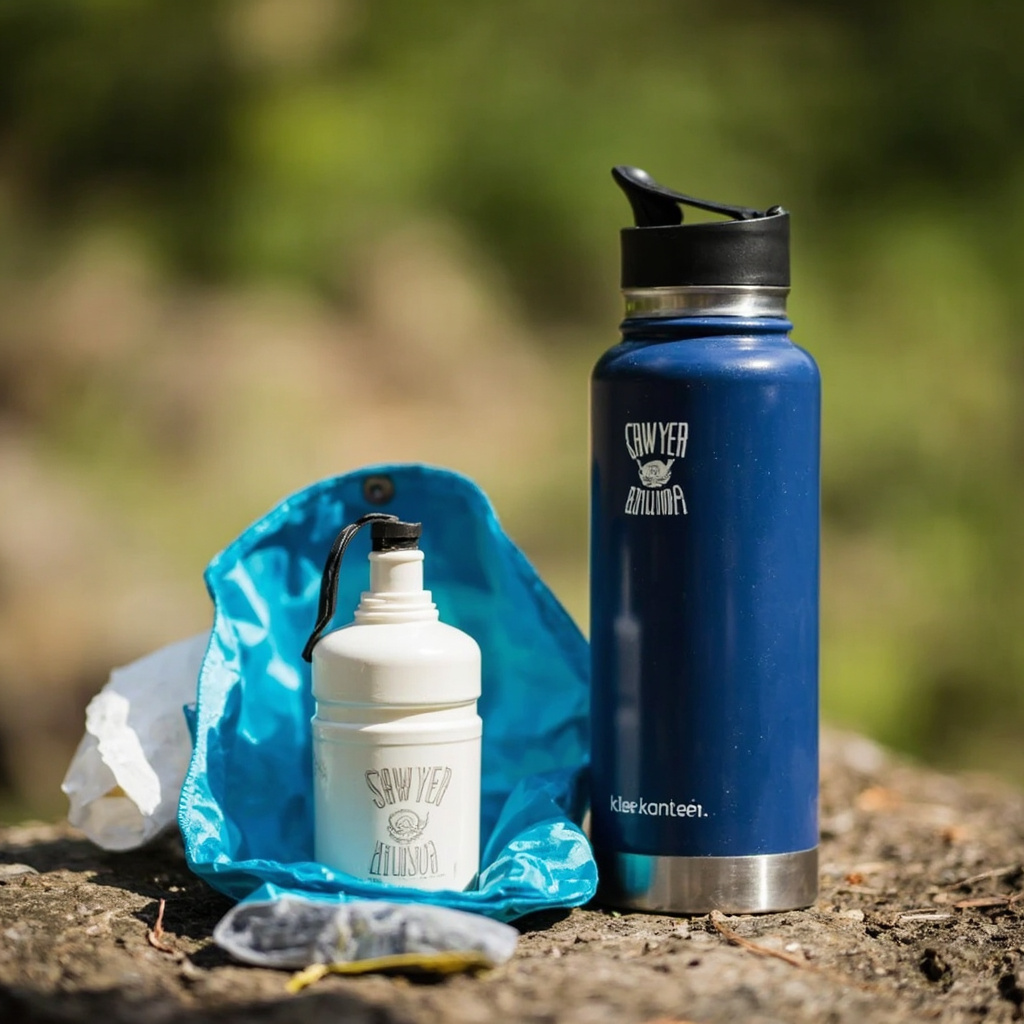
A water filter is also critical. The Sawyer Squeeze Water Filter weighs three ounces and filters up to 100,000 gallons from any freshwater source. This is your backup if your stored water runs out. Pair it with a filter straw like the LifeStraw Peak Series Personal Water Filter Straw for individual use in extreme situations.

Morale, Variety, and the Foods People Forget
A prepper pantry built entirely around survival calories works. But it gets demoralizing fast. People crave variety. They crave familiar flavors. They crave small comforts.
Stock the following items even though they are not strictly necessary:
Coffee and tea. If anyone in your household drinks coffee, the absence of it during an already stressful situation is a real problem. Buy extra and rotate it.
Comfort snacks. Hard candy, chocolate chips, crackers, popcorn, and dried fruit take up little space and make a big difference to morale, especially for children.
Spices and seasonings. Plain rice and plain beans three times a day is demoralizing. A shelf of spices, dried herbs, bouillon cubes, hot sauce, and soy sauce costs very little and transforms basic ingredients into actual meals.
Alcohol. Beer, wine, and spirits have very long shelf lives and serve both morale and barter purposes. Vodka also has uses as a disinfectant in an emergency.
Chocolate. Instant hot cocoa, chocolate chips, or cocoa powder last for years and provide a real psychological lift during difficult situations.
Do not underestimate the power of familiar, enjoyable food during an emergency. The psychological dimension of survival is real. Eating something that tastes good in a hard moment matters.
Common Prepper Pantry Mistakes to Avoid
Storing food you never eat. A pantry full of freeze-dried foods you have never tasted is a bad investment. Before you stock a year’s worth of something, eat it. Some freeze-dried meals are excellent. Others are not. Find out before you commit.
Ignoring rotation. Food that sits untouched for years will eventually expire. If your pantry is completely separate from your regular kitchen and you never cook from it, you will lose food to expiration. Make your pantry part of your regular eating.
Not having enough water. Most people skip water because it is heavy and boring. It is also non-negotiable.
All eggs in one location. If your single storage location is compromised by flooding, fire, or a pest infestation, you lose everything. Keep some supplies in multiple locations if possible.
Skipping the cooking fuel. Fifty pounds of rice is useless if you have no way to cook it.
Not accounting for medical needs. Stock enough prescription medications for at least 90 days if you depend on any. Store them properly. Know what you will do if you cannot access a pharmacy.
Your First Steps This Week
You do not need to do everything at once. Here is a simple action plan for this week:
- Calculate how many calories your household needs per day. Multiply by 30 to set your first goal.
- Go to a grocery store or warehouse club and buy 10 to 20 pounds of white rice, 5 to 10 pounds of dried beans, and a flat of canned goods.
- Mark the purchase date on every can with a marker.
- Find a cool, dry, dark space in your home dedicated to food storage. Clean it out. This is your pantry space.
- Order a pack of mylar bags and oxygen absorbers so you have them ready for your next bulk purchase.
That is it. Five steps and you have started. Every purchase after that builds on a foundation that already exists.
A prepper pantry is not built in a day. It is built in the same way you build any other form of security: one step at a time, consistently, over months and years. The people who are most prepared are not people who panicked and bought everything at once. They are people who started small and kept going.
Start this week.