Ready
Ready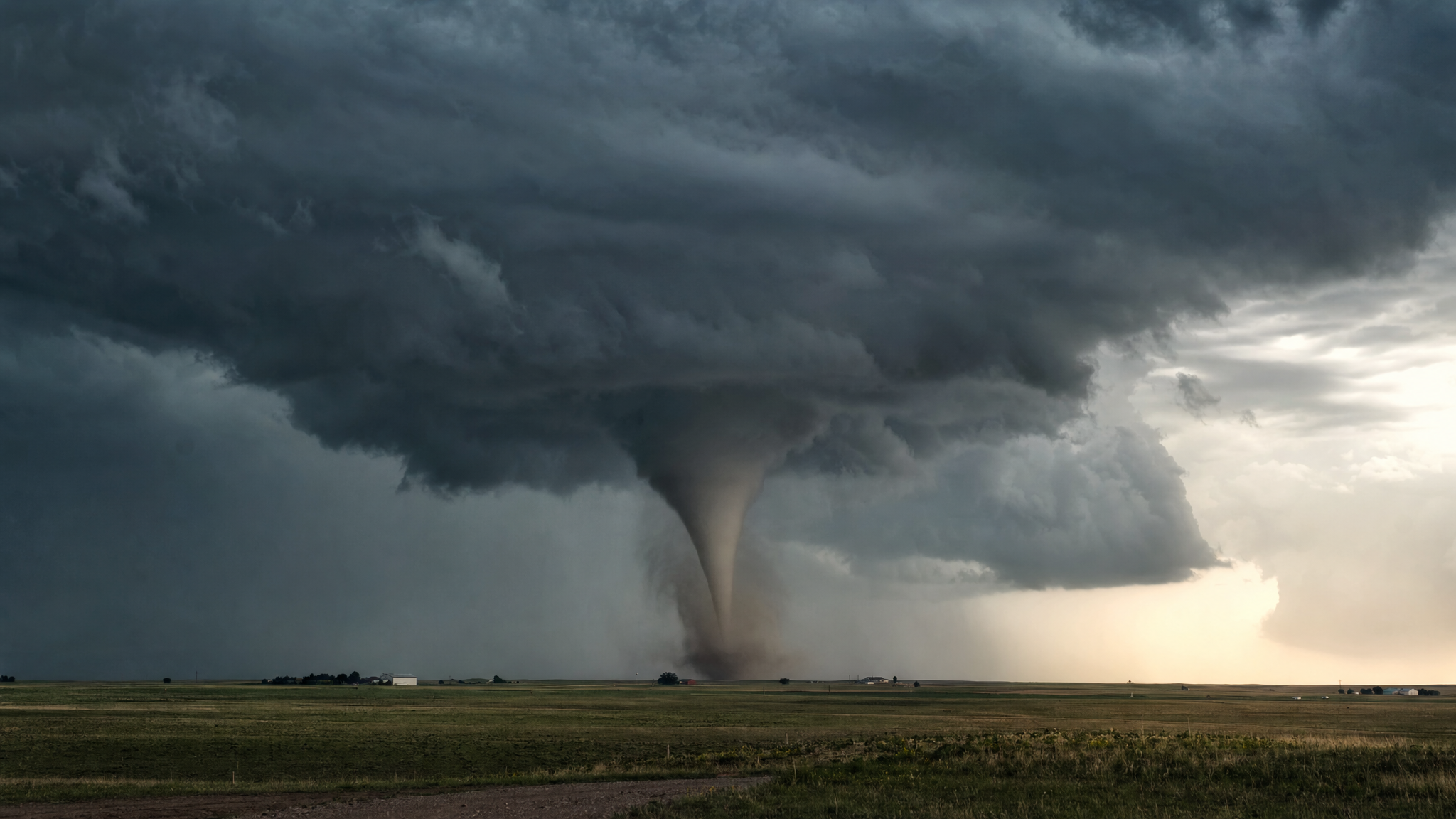
Tornado Preparedness Guide: How to Stay Safe Before, During, and After
Tornadoes are one of the most violent weather events in the world. The United States sees more tornadoes every year than any other country. On average, about 1,200 tornadoes touch down in the US each year, killing around 70 people and injuring hundreds more.
What makes tornadoes so dangerous is how fast they can develop and how little warning you sometimes get. The average tornado warning lead time is 13 minutes. That is not much time if you do not already know what to do and where to go.
The good news is that most tornado deaths are preventable. Most people who die in tornadoes were not in a sturdy shelter, did not receive or respond to warnings in time, or made dangerous decisions during or after the storm. With the right preparation, you can dramatically lower your risk.
This guide walks you through everything you need to know: understanding the warning system, finding the right shelter, building a tornado supply kit, protecting your home, and knowing what to do in the minutes before and after a tornado hits.
- Know your safe spot ahead of time. Go to a basement or a small interior room on the lowest floor, away from windows.
- Have a way to get alerts. A NOAA weather radio warns you even when the power and cell signal are down.
- Keep a 72 hour emergency kit ready with food, water, and first aid for each person in your home.
- Protect your head during the storm. Cover up with a helmet or thick blankets to guard against flying debris.
- After the storm, watch for downed power lines, broken glass, and gas leaks before you move around.



Reviewed by James W., Beth O. & Marcus T. — contributors with hands-on preparedness experience. How we test
Getting ready for a tornado starts with having the right gear on hand before the storm hits. Keep reading to see why these items belong in your plan.

Midland ER310 Weather Radio
This radio scans NOAA channels and sends alerts so you hear tornado warnings even without power. It charges by solar, hand crank, or battery, so it keeps working when the lights go out.
Check Price on Amazon
Ready America 3-Day Kit
This backpack holds emergency supplies for 2 people for 3 days, based on Red Cross advice. It keeps food, water, and first aid ready to grab if you need to shelter or leave fast.
Check Price on Amazon
Giro Register MIPS Helmet
A helmet protects your head from flying debris, which causes many tornado injuries. The MIPS system and hard shell help absorb impact while you shelter in place.
Check Price on AmazonIn this guide
Why Trust This Guide?
This article was researched and reviewed by contributors with hands-on experience in emergency preparedness. They have tested gear, built real systems, and lived through situations where these skills actually mattered.
How Tornadoes Form and Why They Are So Dangerous
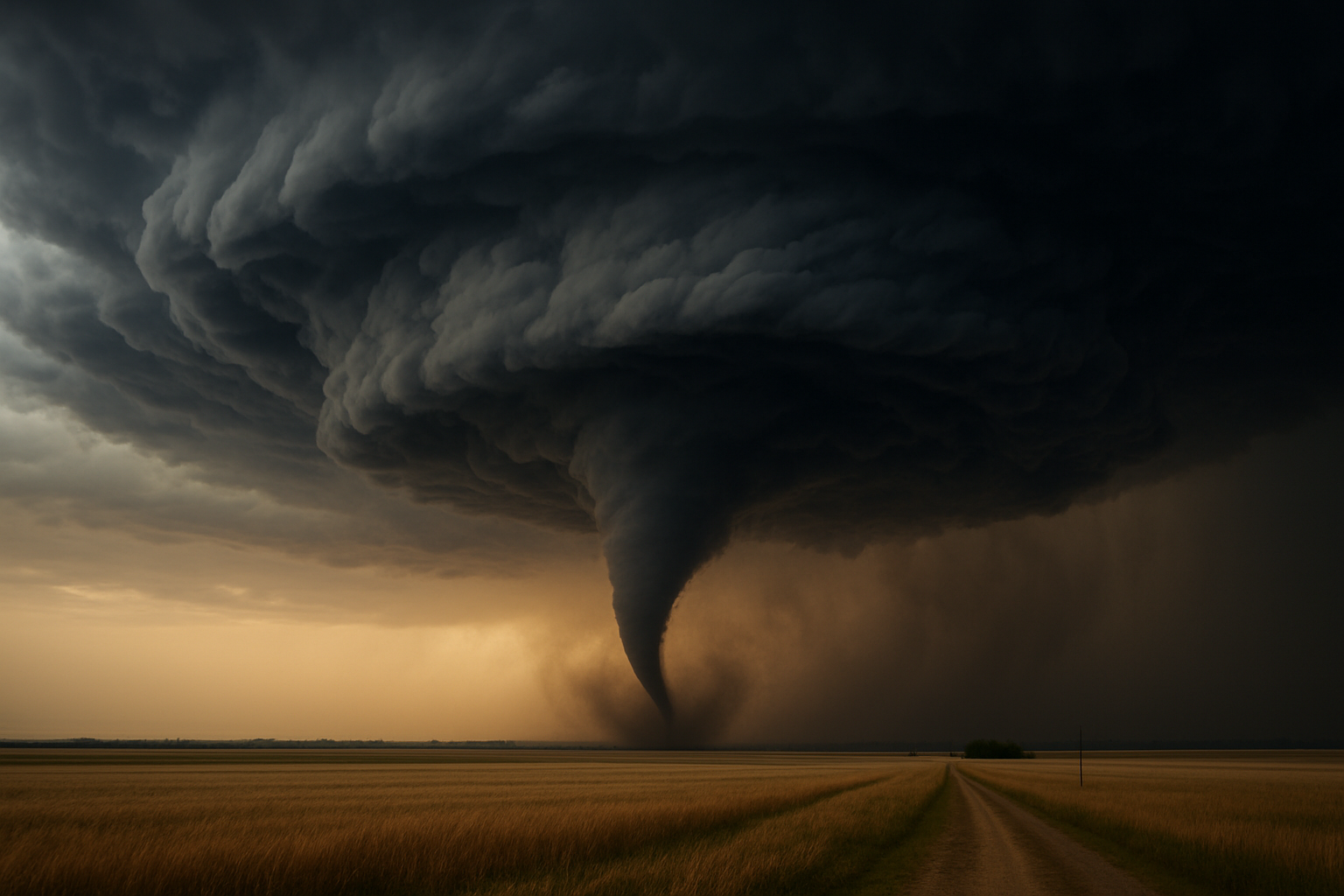
A tornado is a rotating column of air that reaches from a thunderstorm to the ground. It forms when warm, moist air from the Gulf of Mexico collides with cold, dry air from Canada and warm, dry air from the Rocky Mountains. When these air masses meet, they can create powerful thunderstorms called supercells that produce tornadoes.
Tornadoes can move at speeds from a few miles per hour to more than 70 miles per hour. Their width can range from a few dozen feet to more than two miles. Wind speeds inside a tornado can exceed 300 miles per hour in the strongest storms.
The Enhanced Fujita (EF) Scale rates tornadoes by the damage they cause:
Most tornadoes (about 85 percent) are EF0 or EF1. You can survive most tornadoes in a sturdy shelter with no injuries at all. However, even weak EF0 tornadoes can throw debris hard enough to cause serious injury.
Tornado Season and Where the Risk Is Highest
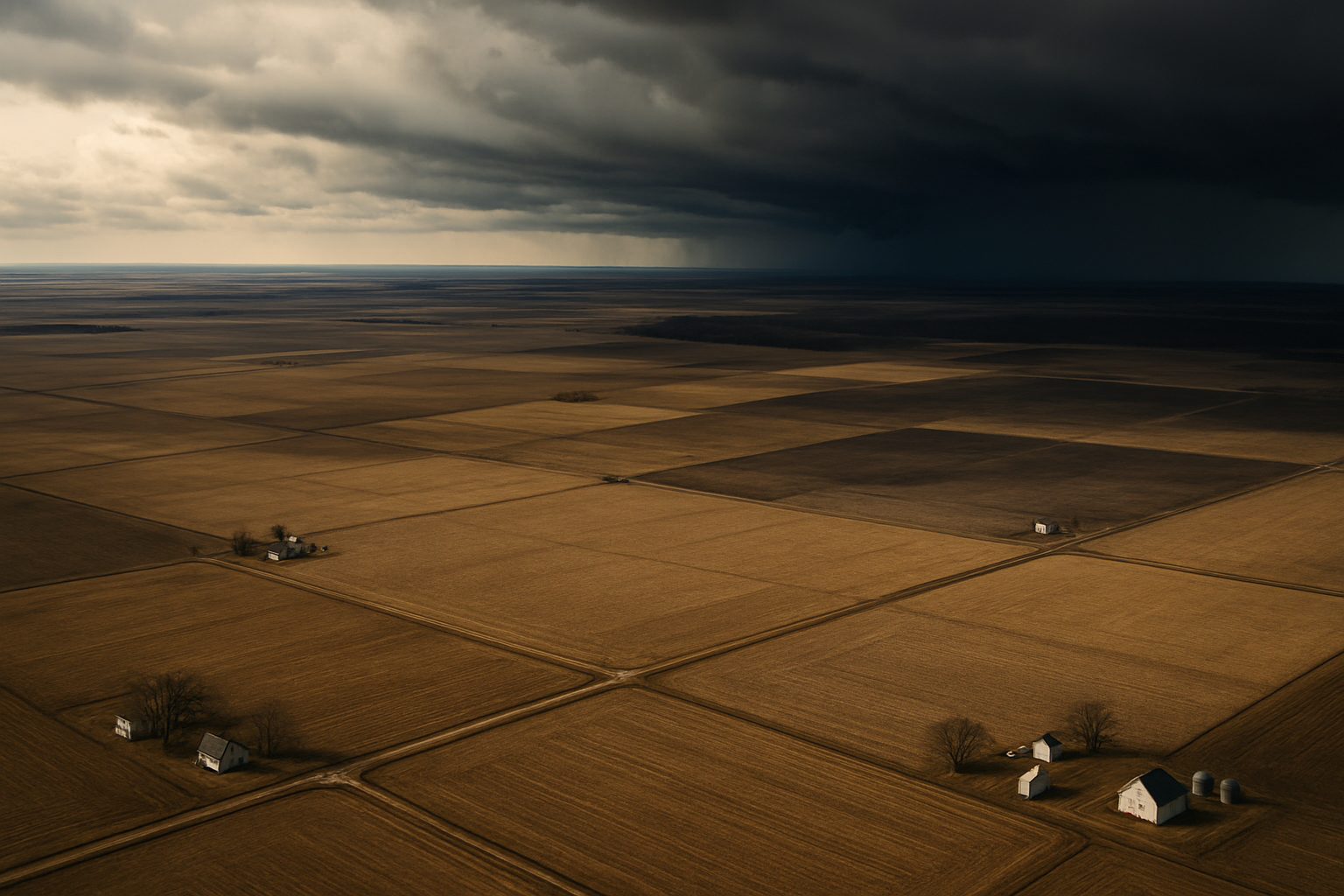
Tornadoes happen in every state, but the risk is not equal everywhere. “Tornado Alley” traditionally refers to the Great Plains from Texas north through Kansas, Nebraska, and South Dakota. In recent years, research has shown that tornado activity has also increased significantly across the Southeast, a region sometimes called “Dixie Alley,” covering Mississippi, Alabama, Tennessee, and Arkansas.
The peak season for most of the country runs from April through June. The Southeast often sees a secondary peak in late fall. Tornadoes can and do happen in other months, including winter, in many parts of the country.
The time of day matters too. Most tornadoes happen between 4:00 PM and 9:00 PM local time. However, nighttime tornadoes are particularly deadly because many people are asleep and miss warnings.
Understanding the Warning System
The tornado warning system is your most important tool for getting to safety in time. Understanding what each alert means and how to receive them can save your life.
Tornado Watch vs. Tornado Warning
These two terms mean very different things. Many people confuse them.
Tornado Watch: Conditions are favorable for tornado formation. This is issued for large areas (often multiple counties or even several states) for several hours at a time. A watch means you should review your shelter plan, make sure your emergency radio is on, and be ready to act quickly.
Tornado Warning: A tornado has been spotted by a weather observer or indicated by radar. This means take shelter immediately. You may have minutes or less before a tornado reaches your location.
Tornado Emergency: This is a rare, special designation used only for particularly dangerous tornadoes near large populated areas. It means a catastrophic tornado is imminent. Take shelter immediately without hesitation.
Marcus T., a Navy veteran and communications expert based in the Pacific Northwest, emphasizes the warning system often: “Most tornado deaths happen because people did not get the warning in time or did not act on it fast enough. Having multiple ways to receive alerts is not overkill. It is basic sense. Cell alerts, a weather radio, and a neighbor with a scanner means your chance of sleeping through a warning drops close to zero.”
How to Receive Tornado Warnings
You need more than one way to get a warning, especially at night when you are asleep.
Wireless Emergency Alerts (WEA): Your cell phone automatically receives tornado warnings if your phone is on and you are in the warning area. These alerts use a loud, distinctive sound even if your phone is on silent. Keep your phone on and charged.
NOAA Weather Radio: A dedicated weather radio receives broadcasts directly from the National Weather Service 24 hours a day. It sounds an alert automatically when a warning is issued for your area. This works even when cell towers are down or overloaded.
Weather Apps: Apps like Weather.gov, the American Red Cross Emergency app, and commercial apps like RadarScope provide push notifications. Set up alerts for your home location.
Outdoor Sirens: Many communities use outdoor warning sirens. These are designed to warn people who are outside. They are not designed to be heard indoors with windows closed. Do not rely on sirens as your primary warning.
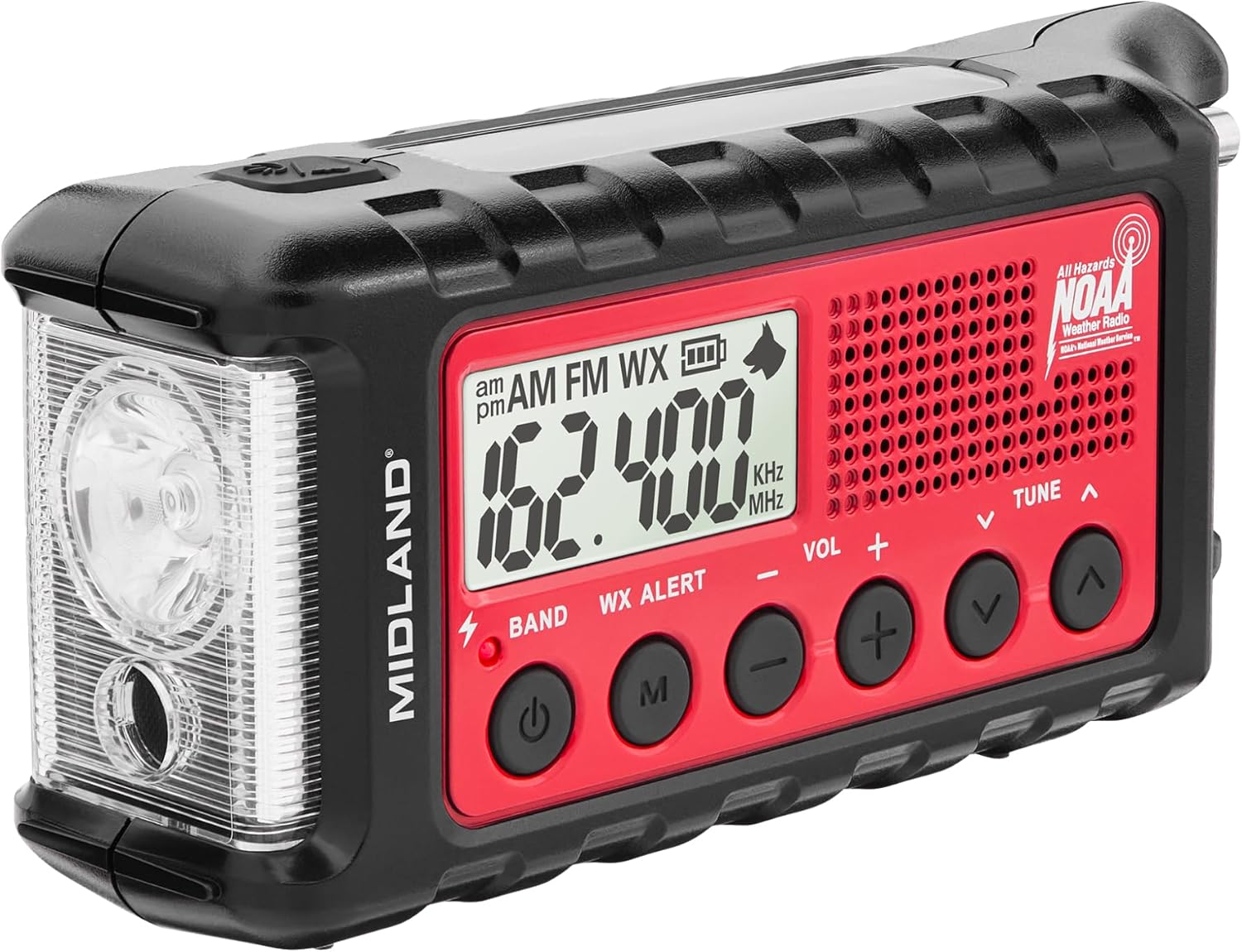
Midland ER310 Emergency Crank Weather Radio – Best for Tornado Warning Alerts
The Midland ER310 receives all 7 NOAA weather channels with S.A.M.E. alerts, which means it only wakes you for warnings in your specific county. Set it on your nightstand and it will sound an alarm automatically when a tornado warning is issued for your area, even while you sleep. It runs on hand crank, solar, USB, or batteries so it keeps working through a power outage.
- All 7 NOAA weather channels
- S.A.M.E. programming for county-specific alerts
- Automatic alarm when warning is issued
- Hand crank, solar, USB, or battery power
- 130-lumen flashlight built in
- USB port to charge your phone
Choosing the Best Shelter
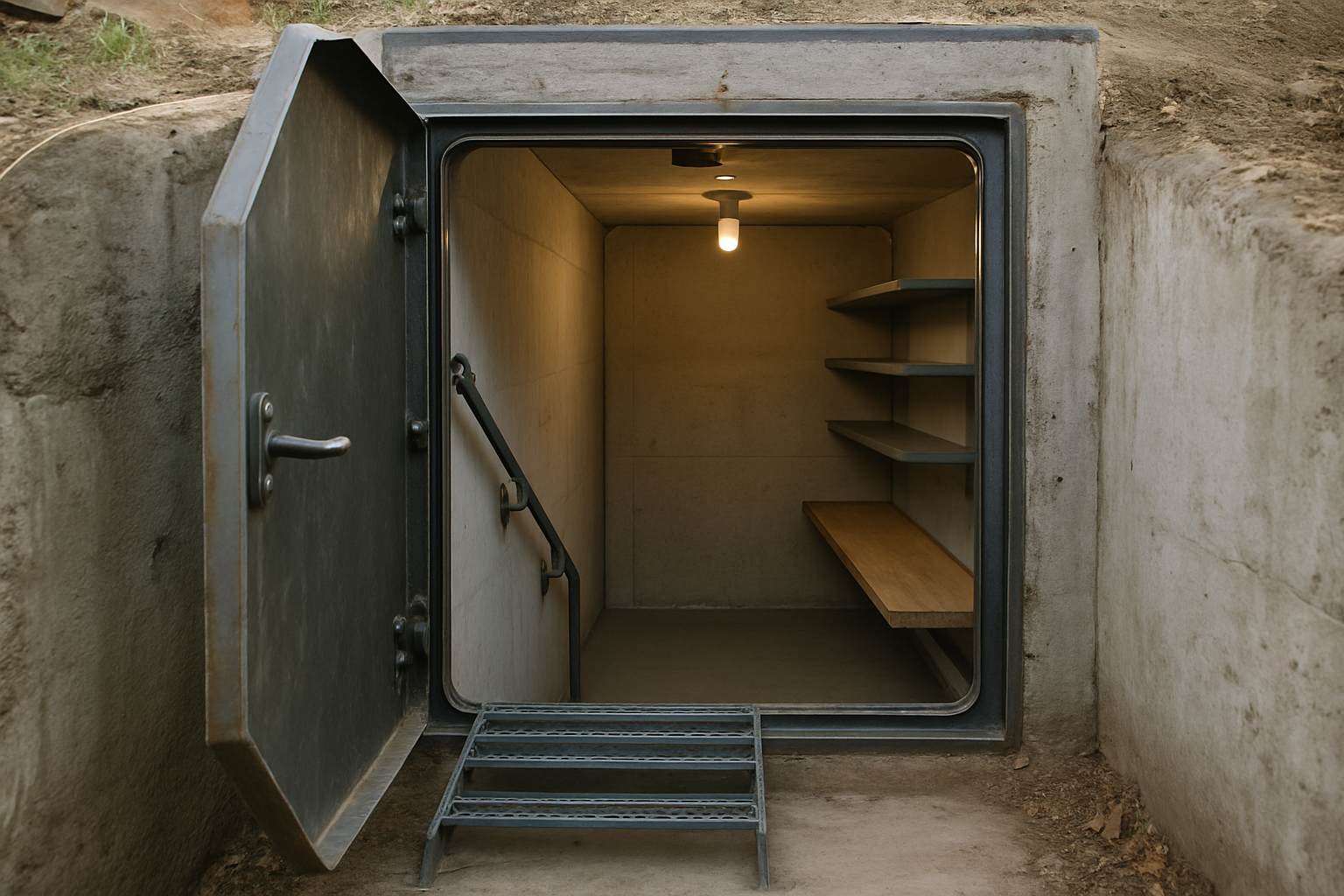
The shelter you use during a tornado makes the biggest difference in your survival odds. Not all shelters are equal.
The Best Tornado Shelters
Underground storm shelter or basement: The safest place to be during a tornado is below ground. Basements and underground shelters put earth between you and the tornado. Flying debris, which causes most tornado injuries, cannot reach you underground. If you have a basement, go to the lowest level, away from windows.
Interior room on the lowest floor: If you do not have a basement, go to the most interior room on the lowest floor of your home. Put as many walls between you and the outside as possible. Bathrooms, closets, and hallways work well. The small size of a bathroom or closet is actually a structural advantage because the walls brace against each other.
Purpose-built safe rooms: FEMA designs above-ground safe rooms to withstand EF5 winds. These steel or concrete rooms can be installed in a garage, closet, or home. They are bolted to the foundation. If you live in an area with frequent tornadoes, a safe room is one of the best investments you can make.
Community shelters: Many communities and counties have designated tornado shelters in public buildings. Know where your nearest public shelter is before you need it.
James W., a retired firefighter and paramedic who spent 22 years responding to disasters in Oregon, breaks down shelter choice clearly: “When people die in tornadoes, it is almost always because they were in the wrong place. In a mobile home. In a car. On the ground in a ditch. The data is clear: underground is safe, interior rooms are pretty safe, and everything else is a risk. Stop debating and get underground.”
What to Avoid During a Tornado
Mobile homes and manufactured housing: These structures offer almost no protection from tornadoes, even when tied down. An EF1 tornado can overturn a mobile home. If you live in a mobile home and a tornado warning is issued, leave immediately for a substantial building or community shelter.
Vehicles: A car offers very little protection from a tornado. The myth that you should drive at a right angle to escape a tornado is dangerous advice because tornado paths are unpredictable. If you are in a car and cannot reach a sturdy building, get out, find the lowest spot you can find away from trees and cars, lie face down, and protect your head with your arms.
Highway overpasses: This is a deadly myth. An overpass creates a wind tunnel that actually increases wind speed and debris. People have died sheltering under overpasses. Do not do it.
Windows: Do not stand near windows to watch the tornado. Flying glass is one of the most common causes of tornado injuries.
Building Your Tornado Emergency Kit
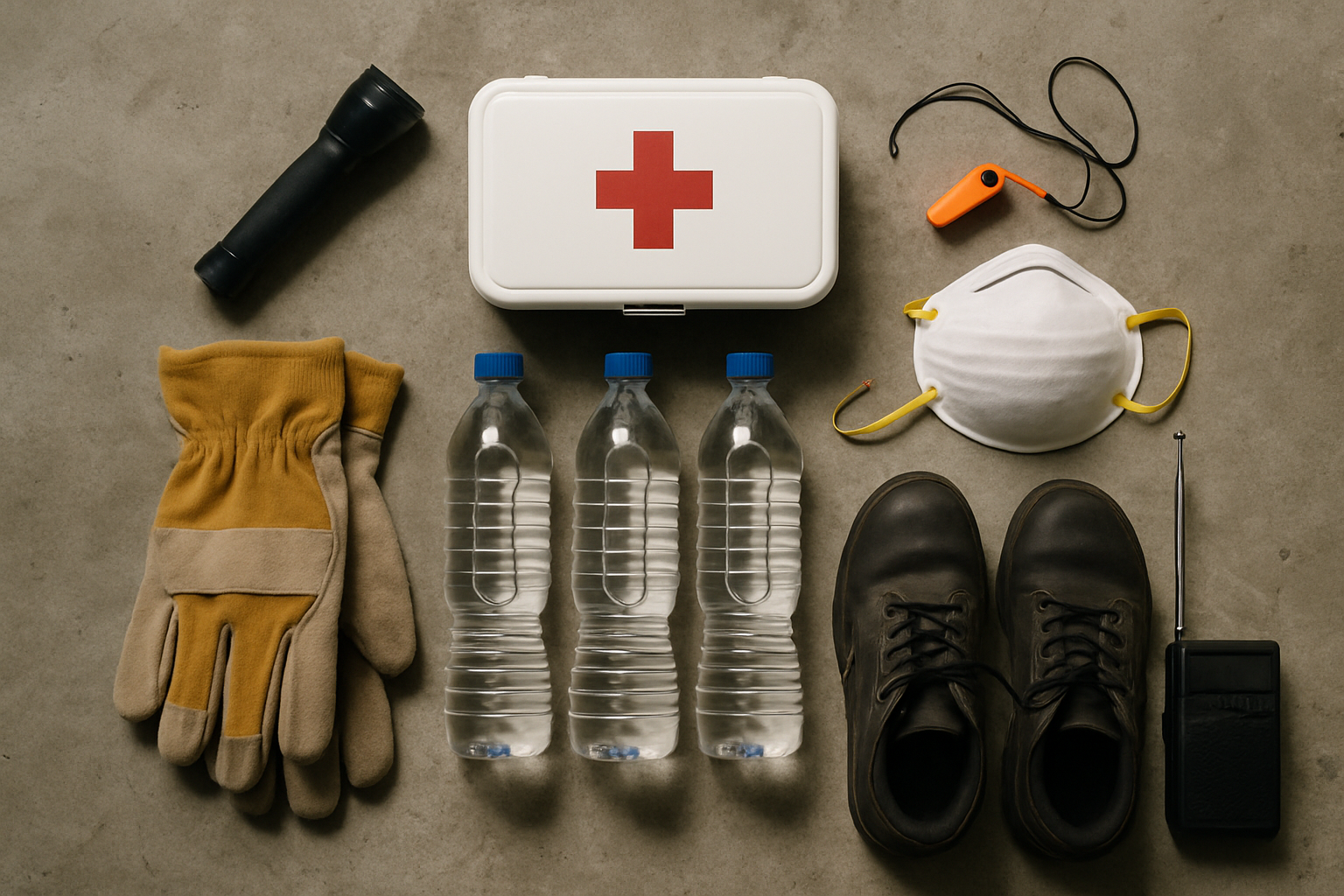
A tornado kit is different from a general emergency kit. It is focused on the immediate aftermath when you may be injured, trapped, or without power. Keep this kit in your shelter location so it is there when you need it.
Core Tornado Kit Items
Your tornado kit should be stored in a waterproof bin or duffel bag in your shelter location, not somewhere else in the house.
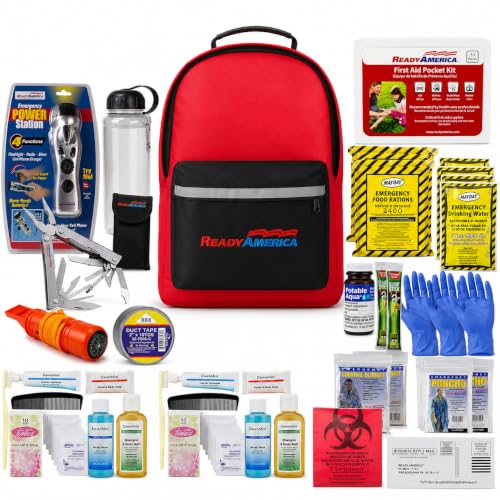
Ready America 70-Piece Emergency Kit – Best All-in-One Tornado Kit Base
This 70-piece kit covers the basics in a single backpack: first aid supplies, emergency ponchos, a hand crank radio and flashlight, emergency blankets, a whistle, a utility knife, and more. Use it as your starting foundation and add the items below to complete your tornado-specific kit. Compact enough to store in a closet or basement shelter.
- 70 pieces in a compact backpack
- First aid supplies, bandages, gauze, antiseptic
- Emergency ponchos and Mylar blankets
- Hand crank radio and flashlight
- Whistle and utility knife
- Designed for 2-person use
Head protection: Flying and falling debris causes most tornado injuries and deaths. A bicycle helmet, motorcycle helmet, or hard hat provides real protection from overhead collapse and flying debris. Beth O., a suburban mom in Ohio and family preparedness expert, keeps a bike helmet for each family member in her basement shelter: “After the Henryville tornadoes, I saw photos of people who survived with head injuries that could have been prevented. We hang the helmets right next to the shelter door. Takes two seconds to put one on.”
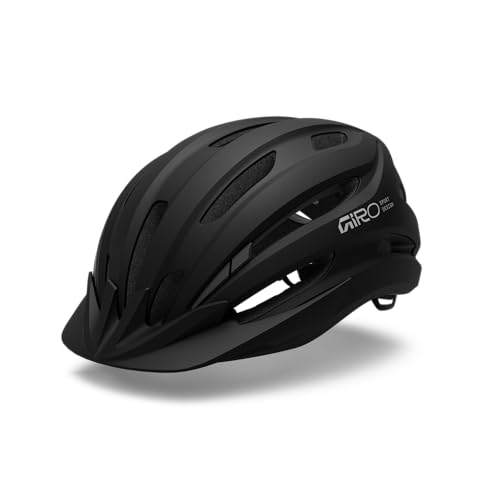
Giro Register MIPS Cycling Helmet – Best Head Protection for Tornado Shelter
A MIPS-equipped bicycle helmet provides meaningful protection from falling debris and overhead collapse. The MIPS system reduces rotational forces in impacts, the same type of force that causes serious brain injury. Affordable, comfortable to wear for 10 to 20 minutes, and fits most adults and older teens. Keep one per person in your shelter kit.
- MIPS multi-directional impact protection
- 22 vents for ventilation
- Adjustable dial fit
- One size fits most adults and teens
- Meets CPSC standard for cycling
- Lightweight at 11.5 ounces
Sturdy shoes: After a tornado, the ground is covered with broken glass, nails, wood splinters, and debris. Keep a pair of sturdy, closed-toe shoes in your shelter. Many tornado survivors have been seriously injured by debris they stepped on while escaping barefoot after the storm.
Bright flashlight and headlamp: Power goes out. You may need to navigate debris in total darkness. Keep a flashlight and a headlamp in your shelter.
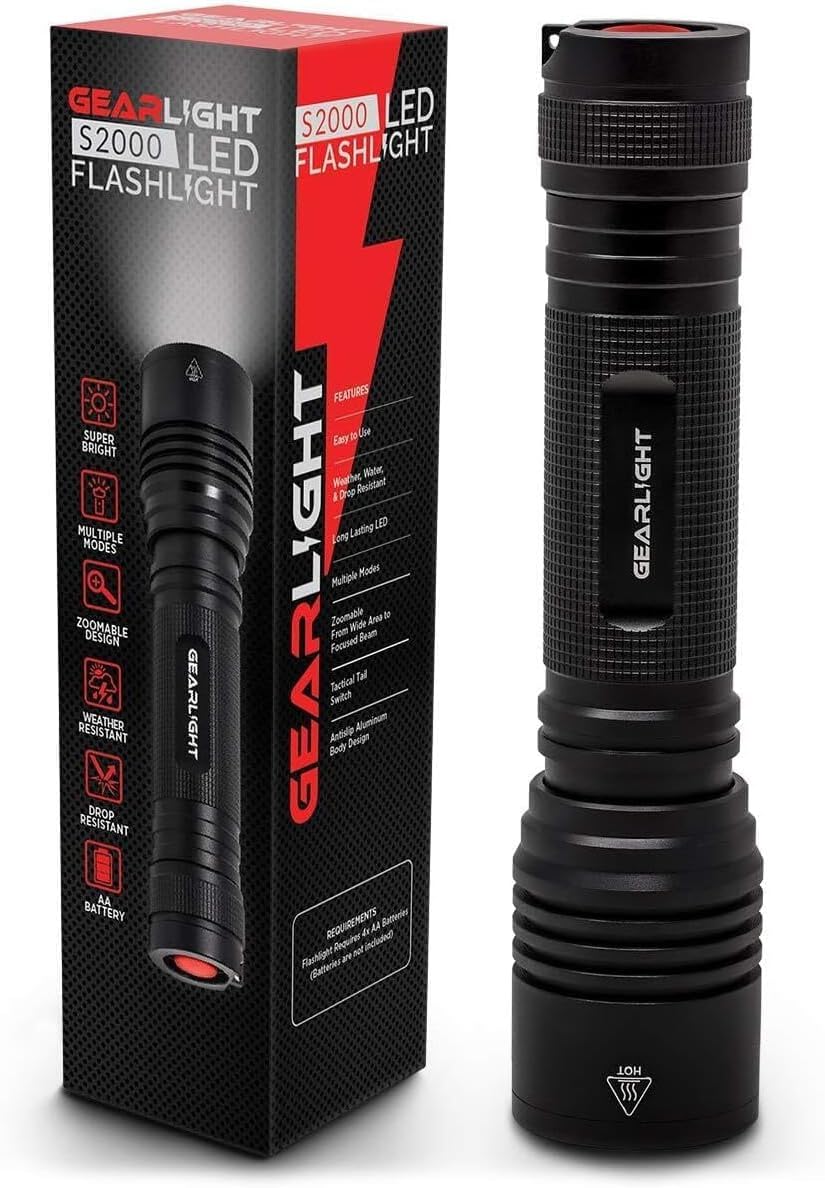
GearLight LED Tactical Flashlight 2-Pack – Best Shelter Flashlights
Two high-output LED flashlights that run on AA batteries. At 1,000 lumens, these light up a debris-filled basement or destroyed room well enough to move safely. The two-pack means one for your shelter kit and one for your home. Batteries last over 10 hours on the low setting.
- 1,000 lumens max
- 5 light modes including strobe and SOS
- Water resistant
- Runs on 3 AA batteries
- 2-pack
- Aluminum body construction
First aid kit: Cuts, puncture wounds, and broken bones are common after tornadoes. Keep a complete first aid kit in your shelter.
Water: Keep at least 1 gallon of water per person in your shelter. The water supply can be contaminated or unavailable after a tornado.
Phone charger and power bank: Your phone connects you to 911, emergency management, and your family. A fully charged power bank keeps it running after a power outage.
Whistle: If you are trapped under debris, a whistle lets you signal for rescuers far more effectively than shouting. A loud rescue whistle can be heard through debris and noise.
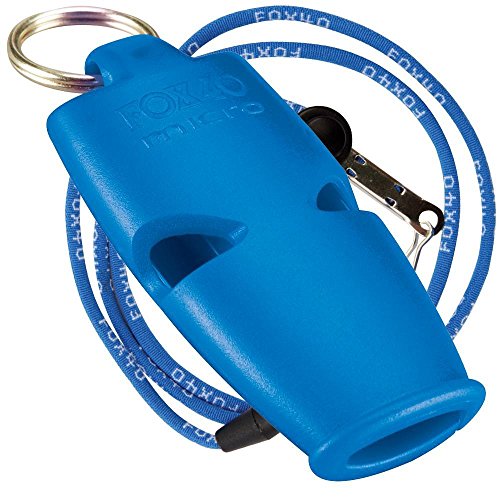
Fox 40 Micro Safety Whistle – Best Rescue Whistle for Tornado Kits
The Fox 40 Micro produces 100 decibels of sound, enough to be heard through walls and debris. It works when wet and has no moving parts to fail. At 0.4 ounces, the whole family can have one attached to their shelter bag without adding noticeable weight. This is one of the lowest-cost, highest-value items in any emergency kit.
- 100 decibel output
- Works when wet
- No pea (no moving parts to fail)
- Pealess design
- Three chambers for three distinct tones
- Includes lanyard
Medications: A 7-day supply of any prescription medications your household members take. After a tornado, pharmacies and hospitals may be overwhelmed or unreachable.
Important documents: Copies of IDs, insurance policies, and medical records in a waterproof bag. You will need these for disaster assistance and insurance claims.
N95 masks or dust masks: The air after a tornado is full of dust, debris, mold spores, and chemical particles from destroyed buildings. N95 respirators protect your lungs.
Work gloves: Thick leather or cut-resistant gloves protect your hands from broken glass and sharp debris during cleanup.
Complete Tornado Kit Checklist
What to Do When a Tornado Watch Is Issued
A tornado watch gives you time to prepare. Use it well.
- Make sure everyone in your household knows where to go and what to do.
- Turn on your NOAA weather radio and confirm it is working.
- Check your phone alert settings are on.
- Charge your phone and power bank.
- Move your tornado kit to your shelter location if it is not already there.
- Fill a bathtub with water as a backup water supply.
- Identify where your pets are and plan how to bring them quickly.
- Put on closed-toe shoes and keep them on.
- Check on elderly neighbors and family members who may need help.
- Review your family meeting plan if someone gets separated.
What to Do When a Tornado Warning Is Issued
A tornado warning means take shelter immediately. Stop what you are doing. Do not wait to confirm visually.
- Move to your shelter right now. Bring your tornado kit, pets, and any family members nearby.
- Put on your helmet.
- Get under a heavy table or workbench if possible, or cover yourself with a mattress, couch cushions, or a thick blanket. Protect your head and neck.
- Stay away from windows.
- Get low, face down.
- Do not leave the shelter until you confirm the tornado has passed.
A tornado can pass in a matter of seconds or take several minutes. Wait for official all-clear from your weather radio or phone, not just because it seems quiet outside. Tornadoes can have multiple vortices, and the calm between them can be mistaken for the storm being over.
Special Situations
No Basement
Many homes in tornado-prone areas do not have basements, especially in parts of Texas, Oklahoma, and the Southeast. Without a basement, go to the most interior room on the lowest floor. Bathrooms are ideal because the plumbing pipes inside the walls add structural reinforcement and the small space helps brace the walls. Get into the bathtub and cover yourself with cushions or a mattress if possible.
Mobile Home or Manufactured Housing
Leave before a tornado warning is issued. A mobile home is not safe in any tornado, period. Know the location of your nearest community shelter before storm season starts. Many counties with large mobile home populations have built free community tornado shelters for this reason. Find yours now, not when a warning is active.
At School or Work
Most schools and workplaces have tornado procedures. If you are not sure what they are, ask. Schools typically use interior hallways on the lowest floor. If you are in a large open building (big box store, gymnasium, warehouse), do not stay in the open room. Move to an interior restroom, closet, or small room with structural walls.
In a Car
If a tornado is visible and approaching, do not try to outrun it. Leave the car only if you can reach a sturdy building. If you cannot, stay in the car, buckle your seatbelt, put your head below window level, and cover your head with your arms. Newer guidance from the National Weather Service leans toward staying in the car rather than lying in an open ditch, because cars offer some protection from flying debris and ditches can fill with water rapidly.
Protecting Your Home from Tornado Damage
While no residential home is tornado-proof, you can reduce damage and lower your risk with some simple steps.
Secure outdoor items: Lawn furniture, grills, trampolines, and planters become dangerous projectiles in high winds. Bring loose items inside before storms hit. Anchor what you cannot bring in.
Trim trees: Large trees close to your home are a major hazard. Dead branches and poorly anchored limbs break off in storms and can punch through roofs and windows. Trim trees every few years and remove dead or diseased trees close to structures.
Check your roof: Loose shingles and poor roofing attachments increase damage significantly. A professional roof inspection every five years is a smart investment in tornado-prone areas.
Reinforce your garage door: Garage doors are one of the weakest points on most homes. When a garage door fails in high winds, the pressure change can cause the roof to lift. Garage door reinforcement kits add horizontal bracing and cost under $100.
Know how to shut off your utilities: After a tornado, damaged gas lines can cause fires and explosions. Know where your gas shutoff valve is and keep an adjustable wrench nearby. If you smell gas after a tornado, leave immediately and call the gas company from outside.
After a Tornado: Staying Safe in the Aftermath
Once the tornado passes, the danger is not over. The post-storm environment is one of the most hazardous parts of a tornado event.
James W. breaks it down from his years as a first responder: “In my 22 years of service, I responded to more tornado aftermaths than I can count. The injuries that happen after the storm are just as bad as during it. People walking barefoot on broken glass and nails. People pulling debris off gas lines and starting fires. People going back into buildings that are ready to collapse. The danger is not gone when the wind stops.”
Immediate Steps After a Tornado
Check yourself and others for injuries. Help seriously injured people by stopping heavy bleeding and stabilizing fractures. Call 911 for life-threatening injuries.
Watch for gas leaks. If you smell gas, leave immediately. Do not use light switches, matches, or a lighter. Open windows as you leave. Call the gas company from outside.
Stay out of damaged buildings. Structural damage is not always visible. A building that looks intact may have weakened connections that can collapse suddenly.
Watch for downed power lines. Downed lines may be energized even if they are not sparking. Stay at least 30 feet away and never touch a line or anything in contact with one.
Wear protective gear before cleanup. Put on your N95 mask, work gloves, and sturdy shoes before moving through debris.
Document damage before cleanup. Take photos and video of all damage before moving or removing anything for your insurance claim.
Listen to official information. Your NOAA radio and local emergency management will broadcast information about shelter, water, and roads. Wait for official guidance before traveling into affected areas.
Water Safety After a Tornado
Municipal water supplies can be contaminated by flooding, broken pipes, and debris after a tornado. Listen for boil water advisories. Until water is declared safe, use your stored water, boil water before drinking and cooking, or use a water filter rated for bacteria and protozoa.
Food Safety After a Tornado
Food in a refrigerator is safe for about 4 hours without power if you keep the door closed. Food in a full freezer is safe for about 48 hours. When in doubt, throw it out. Foodborne illness is a real risk after disasters when temperatures are hard to control.
Creating a Family Tornado Plan
A plan made before a tornado is worth far more than decisions made in the middle of one. Sit down with every person in your household and work through these questions.
Where is our shelter? Everyone should be able to get to your shelter in under 30 seconds from any room in the house. Practice it.
What is the plan if we are not home? Know the shelter at your children’s school, your workplace, and common locations you visit.
How do we communicate if separated? Choose an out-of-area contact person that everyone can call. Local lines may be jammed; long distance often works better right after a disaster.
What about pets? Include pets in your shelter plan. Have carriers, leashes, and 3 days of pet food in your kit.
What about nighttime? This is the scenario most families have not practiced. A nighttime tornado warning may give you less than 5 minutes. Know exactly who is responsible for waking each family member and where everyone goes.
Beth O. describes the piece most families skip: “The nighttime drill. In Ohio, we had a tornado warning come through at 2 AM in spring. My kids were half-asleep and confused. After that, we did an actual nighttime drill. Just once. It made a huge difference in everyone knowing exactly where to go and what to do without thinking about it.”
Tornado Preparedness for Children and Seniors
Children
Children who understand why tornado safety matters respond better than children who are just told to follow rules. Use age-appropriate language to explain what a tornado is and why we go to the shelter. Practice the shelter drill so it feels familiar, not scary.
Make sure your children know:
- What tornado sirens and phone alerts sound like
- Where the shelter is and how to get there from any room
- To stay away from windows
- The out-of-area contact phone number
For very young children, keep a comfort item (stuffed animal, blanket) in the shelter so they feel safe while waiting.
Seniors and People with Limited Mobility
People with mobility limitations need extra planning time to reach a shelter. If a family member uses a walker, wheelchair, or cane, practice the route to shelter and time it. If the basement stairs are not accessible, identify a first-floor interior room as the alternative shelter.
People with hearing loss may not hear sirens or phone alerts. Bed shaker alerts and strobe light alarm systems connect to NOAA radios and alert people with hearing loss. These devices exist for exactly this reason and can be life-saving.
Frequently Asked Questions
What is the safest place in a house during a tornado? A basement or underground shelter is the safest. If you do not have a basement, an interior bathroom, closet, or hallway on the lowest floor is the next best option. Get low, protect your head, and stay away from windows.
Should I open windows before a tornado to equalize pressure? No. This is a myth. Opening windows does not protect your home from a tornado and wastes time you should spend going to your shelter. Keep windows closed and get to shelter.
How long does a tornado last? Most tornadoes last less than 10 minutes and travel only a few miles. The longest on record lasted over 3 hours and traveled more than 200 miles. Do not leave shelter until you receive an official all-clear.
Can a tornado pick up a house? Strong tornadoes (EF3 and above) can destroy well-built homes and scatter debris for miles. EF5 tornadoes have demolished reinforced concrete structures. However, the vast majority of tornadoes are EF0 or EF1 and cause far less structural damage.
What should I do if I see a tornado while driving? If a sturdy building is nearby, park and go inside immediately. If not, stay in the car, buckle your seatbelt, crouch below window level, and protect your head and neck with your arms. Never shelter under an overpass.
Do tornadoes skip over valleys or follow terrain? No. Tornadoes do not reliably follow or avoid terrain features. Hills, rivers, and valleys do not stop tornadoes. This is a persistent myth that has led to deaths.
How do I find my local community tornado shelter? Contact your county emergency management office. Most have websites with shelter locations. Know your nearest shelter before storm season, not after a warning is issued.
The Bottom Line on Tornado Preparedness
Tornado preparedness comes down to three things: knowing the warning system, having a plan, and having the right shelter.
You cannot control when or where a tornado strikes. But you can control whether your family receives warnings in time, knows exactly where to go, and has the basic supplies to get through the aftermath safely. The steps in this guide give you that control.
Start with the shelter. Walk through it with every member of your household today. Then add a NOAA weather radio. Then build out your kit over time. You do not have to do everything at once. Every step you take makes you significantly more prepared than the average family in a tornado-prone area.
The families that come through tornadoes with the fewest injuries are almost always the ones who had a plan and practiced it before the storm. Start your plan today.