Ready
Ready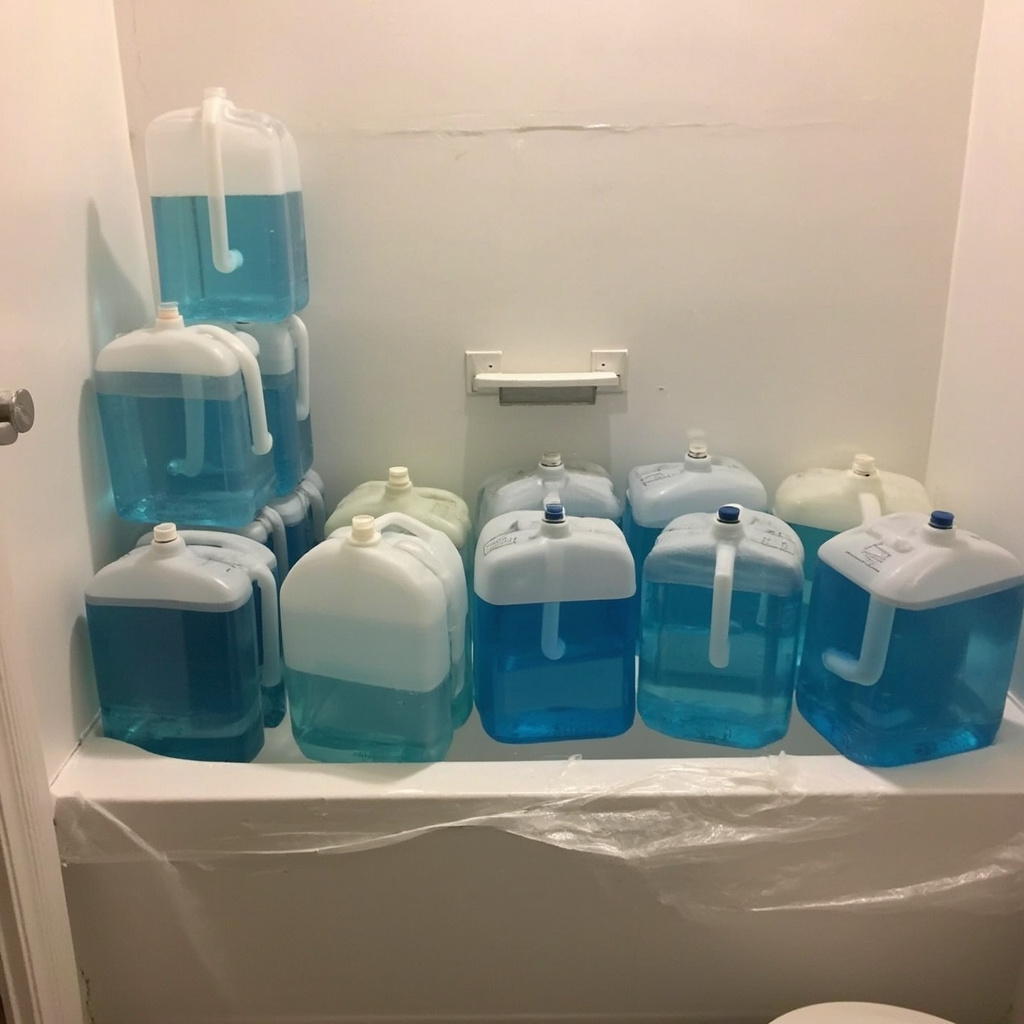
How to Store Water for Emergencies: The Complete Home Guide
Water is your number one priority in any emergency. You can survive about 3 weeks without food. Without water, you have about 3 days. In hot weather or with physical exertion, even less.
After a major earthquake, hurricane, or infrastructure failure, tap water may be unsafe or unavailable for days or weeks. Grocery store shelves empty within hours of a disaster warning. The time to prepare is before you need it.
This guide covers everything you need to know about storing water at home: how much you need, what to store it in, how long it lasts, and how to purify water when your supply runs low.
- Store at least 1 gallon of water per person per day, and aim for a two week supply.
- Use only food grade, BPA free containers made for drinking water.
- Keep water in a cool, dark spot away from sunlight and chemicals.
- Add water treatment drops so your supply stays clean for up to 5 years without constant rotating.
- Have a backup plan, like a bathtub bladder, for last minute fills before a storm hits.



Reviewed by Ryan C., Dale M. & Elena V. — contributors with hands-on preparedness experience. How we test
Getting ready for an emergency starts with having water on hand before you need it. Grab these items now, and keep reading to learn why each one matters.

Legacy 30 Gallon Water Tanks
Six stackable 5 gallon tanks give you 30 gallons of neatly organized storage. The included treatment drops keep the water clean for years, so you do not have to swap it out often.
Check Price on Amazon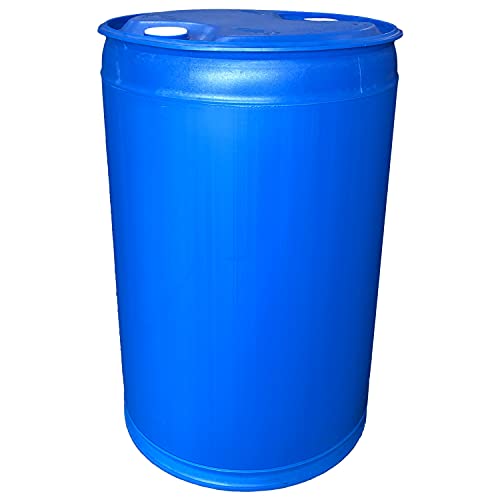
Augason Farms 55 Gallon Barrel
This large food grade barrel holds a big supply in one spot, perfect for families planning ahead. It is a dependable base for your long term water storage.
Check Price on Amazon
waterBOB Bathtub Storage Bladder
When a storm is coming, this liner turns your bathtub into a clean tank holding up to 100 gallons. It is a smart way to grab a lot of water fast at the last minute.
Check Price on AmazonIn this guide
How Much Water Do You Need?
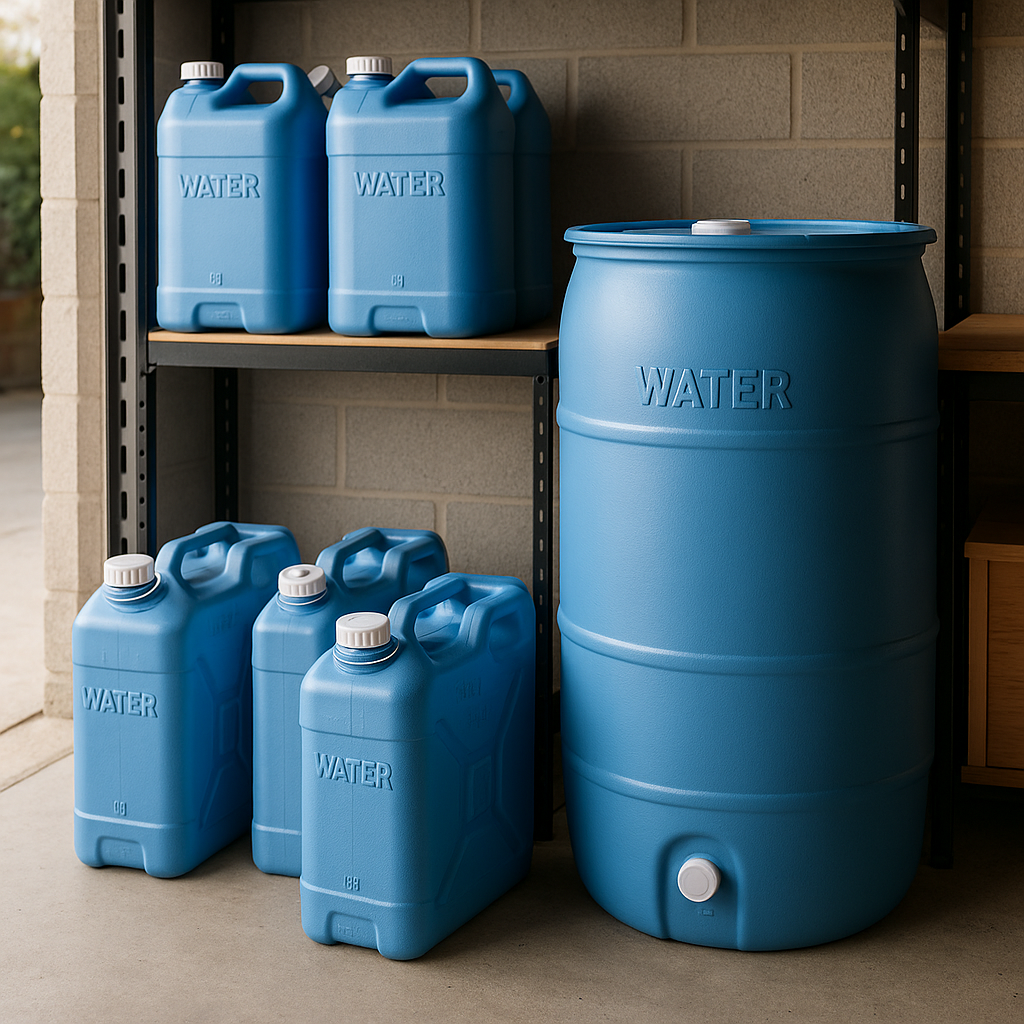
The standard recommendation is 1 gallon per person per day. This covers drinking water and basic hygiene like hand washing and brushing teeth. It does not cover bathing, laundry, or extensive cooking.
In practice, most people use closer to 2 gallons per day when you count all uses. However, 1 gallon per day is the survival minimum that keeps you healthy.
Factors That Increase Water Needs
Climate: Hot weather increases water loss through sweating. Desert climates and summer heat waves mean you need more water.
Physical activity: If you are doing physical work like clearing debris, walking long distances, or manual labor, your body needs more water.
Medical conditions: Certain conditions require increased fluid intake. Kidney disease, diabetes, heart conditions, and medications like diuretics all affect water needs.
Nursing mothers: Need additional water to maintain milk production.
Illness: Fever, diarrhea, and vomiting increase fluid requirements significantly.
Altitude: Higher elevations cause faster dehydration.
Calculating Your Household Needs
Pets Need Water Too
Do not forget your animals:
- Small dogs: About 1 quart per day
- Large dogs: 1 to 2 gallons per day
- Cats: About 1 quart per day
- Other animals: Research their specific needs
Why Trust This Guide?
This article was researched and reviewed by contributors with hands-on experience in emergency preparedness. They have tested gear, built real systems, and lived through situations where these skills actually mattered.
Water Storage Timeline: 72 Hours vs. 2 Weeks vs. 3 Months
Your storage approach changes based on how much water you need to store.
72-Hour Supply
Best approach: Commercial bottled water. Cases of bottled water from the grocery store are pre-sealed, pre-treated, and require zero effort. Stack them in a closet and replace every 1 to 2 years.
For a family of 4, you need 12 gallons. That is about 92 standard water bottles (16.9 oz each) or 48 one-liter bottles.
Cost: About $15 to $30
2-Week Supply
Best approach: A combination of bottled water and refillable food-grade containers.
Commercial 5-gallon jugs provide bulk storage. Four 5-gallon jugs plus a case of bottled water covers a family of 4 for about a week.
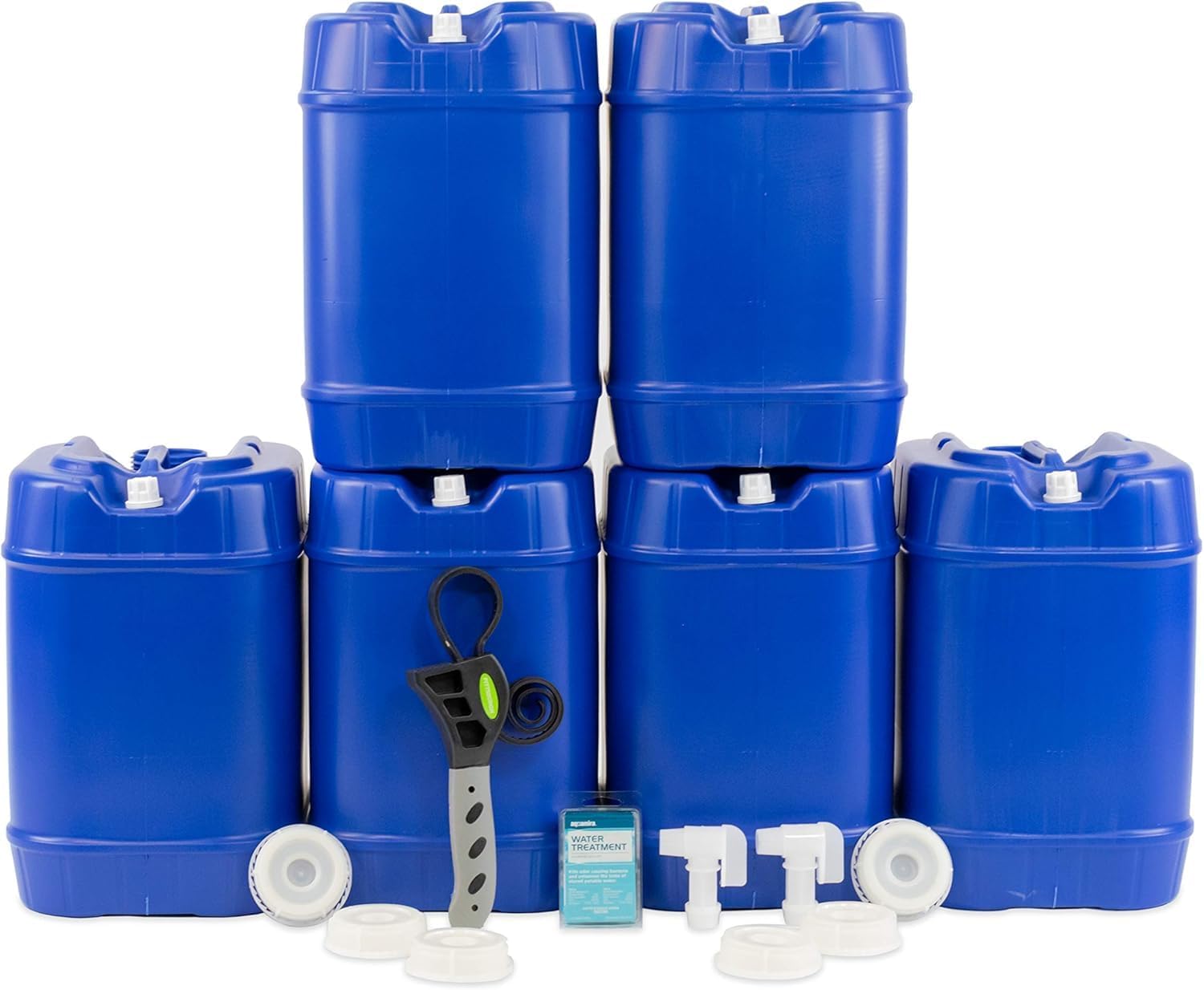
1. Legacy 5-Gallon Water Storage Containers, Best Stackable Option
These BPA-free containers are designed specifically for emergency water storage. The 6-pack provides 30 gallons total. The stackable design saves floor space and the heavy-duty construction handles the weight of water.
- 6 containers at 5 gallons each (30 gallons total)
- BPA-free food-grade plastic
- Stackable design
- Wide-mouth caps for easy filling
- Spigot compatible
Cost: About $80 to $150 for containers plus water treatment
3-Month Supply
Best approach: Large-capacity storage using 55-gallon drums, multiple 5-gallon containers, or a combination.
For a single person (90 gallons), you need either two 55-gallon drums or eighteen 5-gallon containers. For a family of 4 (360 gallons), you need seven 55-gallon drums or 72 five-gallon containers.
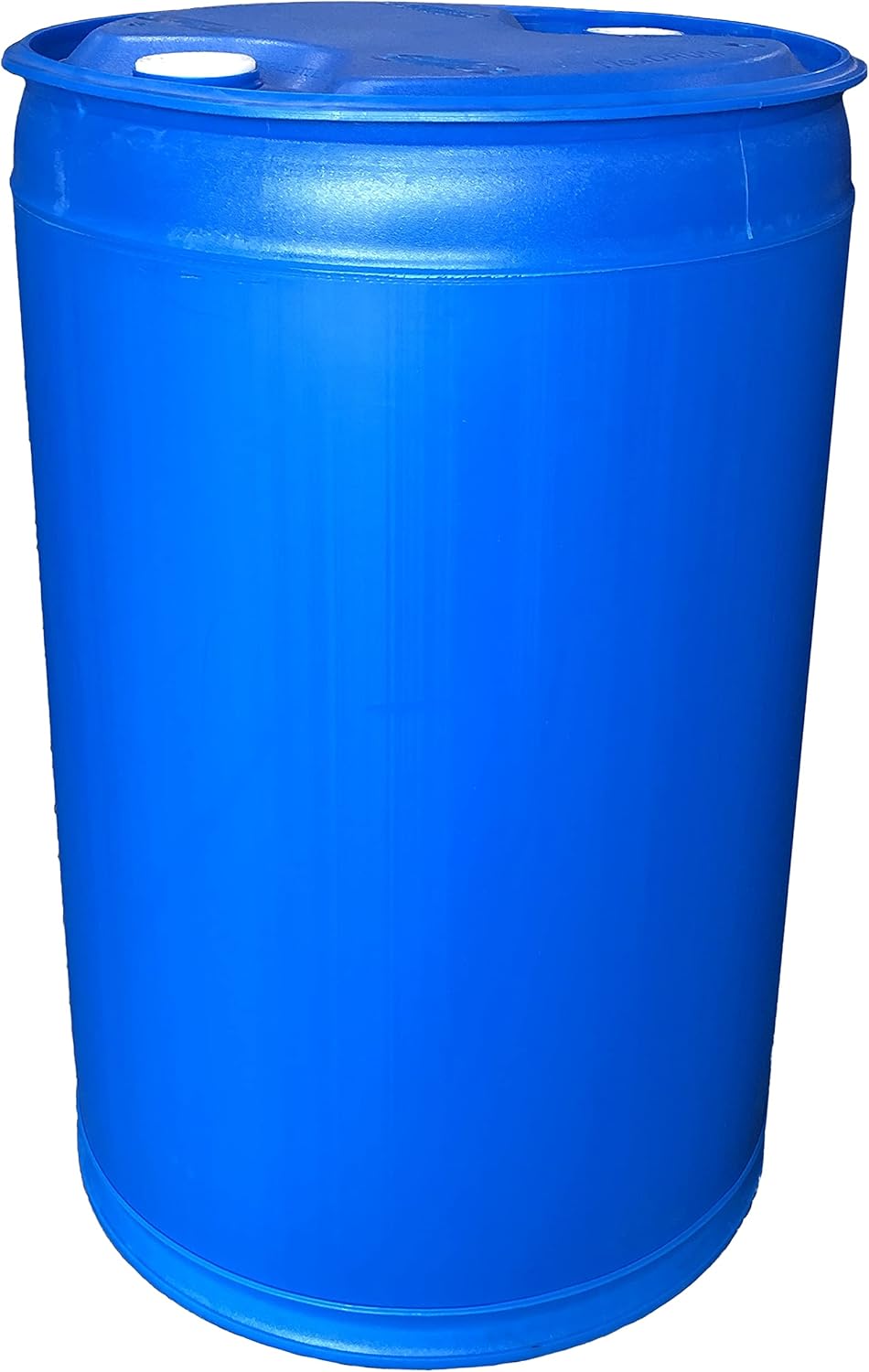
2. Augason Farms 55-Gallon Water Storage Barrel, Best for Large-Volume Storage
This 55-gallon drum is made from BPA-free food-grade plastic designed for long-term water storage. Two built-in plug fittings make filling and draining manageable. One drum provides almost 2 weeks of water for a family of 4.
- 55-gallon capacity
- BPA-free food-grade plastic
- Two plug fittings for filling and draining
- Stackable with proper supports
- Pump not included (purchase separately)
Important note about 55-gallon drums: A full drum weighs about 460 pounds. Once filled, you are not moving it. Place it in its permanent location before filling. You will also need a siphon pump or spigot to extract the water.
Container Options Compared
Not all containers are equal for water storage. Here is what works and what does not.
Commercial Water Pouches
Small sealed pouches designed for emergency kits and survival bags. Individual portions with a 5-year shelf life.
- Pros: Pre-sealed, long shelf life, individually portioned, US Coast Guard approved
- Cons: Expensive per gallon, bulky for the volume, single-use
Best for: Bug-out bags, car kits, individual emergency portions
Commercial Bottled Water
Standard grocery store water bottles and jugs.
- Pros: Inexpensive, pre-sealed, familiar, no preparation needed
- Cons: Plastic bottles can degrade over time, takes up significant space, expiration dates vary
Best for: Short-term storage (72 hours to 1 year), ease of use, rotation-based storage
5 to 7-Gallon Jugs
Rigid plastic containers with handles, designed for camping or emergency storage.
- Pros: Portable (when not completely full), reusable, reasonably priced, moderate capacity
- Cons: Must be filled and treated yourself, need to monitor and replace water
Best for: 1 to 2-week supplies, balance of portability and capacity
55-Gallon Barrels
Large drums designed for bulk water storage.
- Pros: Maximum storage per container, economical for large quantities, long-term storage capability
- Cons: Heavy and immovable when full, require pumps or siphons, need significant floor space
Best for: Extended storage (1 month+), families, permanent storage locations
WaterBOB Bathtub Bladder
A large plastic bladder that fits in a standard bathtub and holds up to 100 gallons.
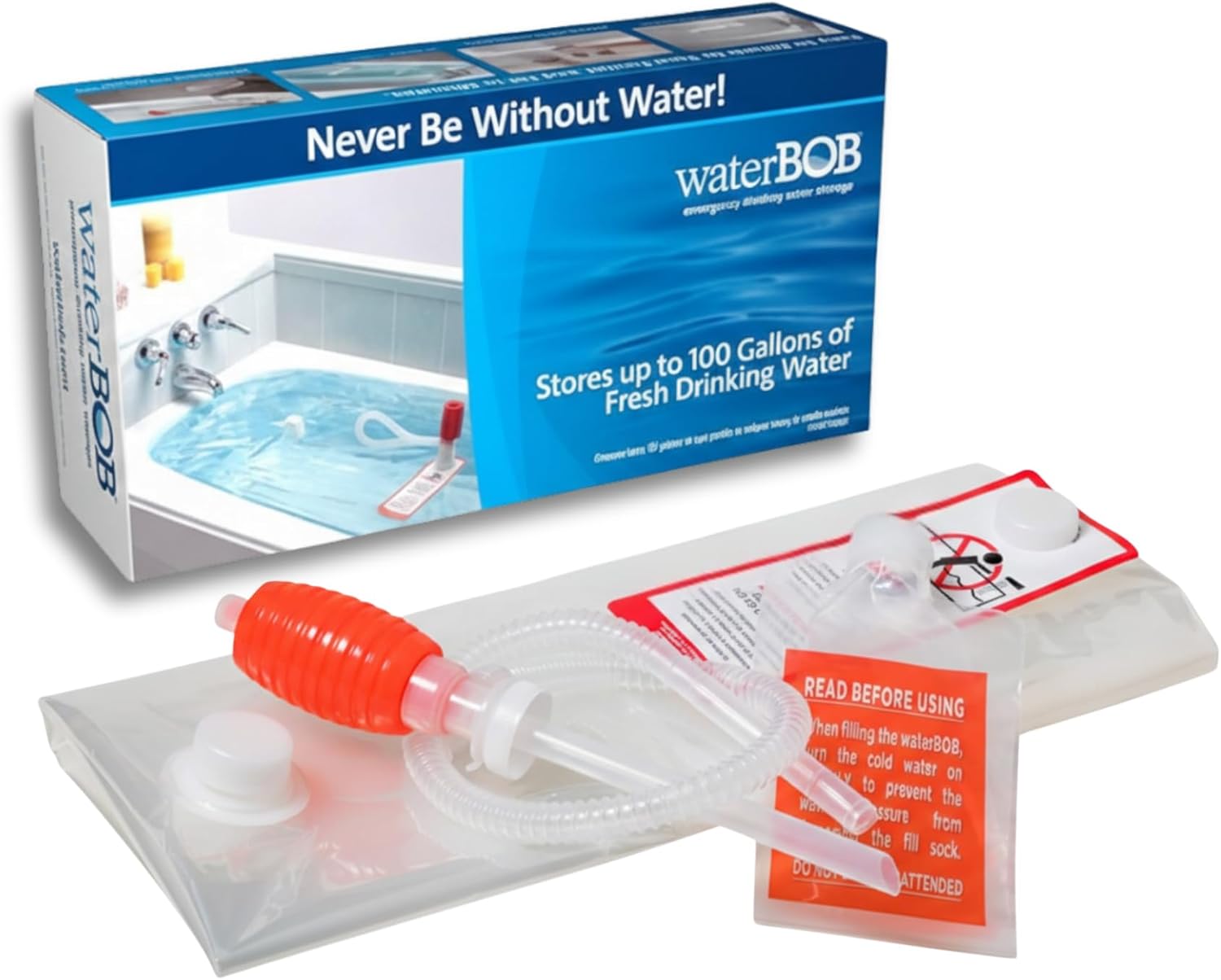
3. WaterBOB Emergency Drinking Water Storage, Best Last-Minute Solution
When a storm is announced, fill your bathtub with a WaterBOB. In about 20 minutes, you have up to 100 gallons of drinking water protected from bathroom contaminants. The included pump makes dispensing easy. One of the best investments for hurricane and storm preparedness.
- Holds up to 100 gallons
- Food-grade BPA-free plastic
- Keeps water fresh up to 16 weeks
- Includes hand pump
- Stores flat until needed
- Single-use design
- Pros: Huge capacity (100 gallons), no storage footprint until needed, inexpensive, fast filling
- Cons: Single use, requires bathtub, must fill before emergency
Best for: Hurricane and storm preparation, supplementing permanent storage, renters without space
Tap Water Storage: How to Do It Properly
You can store tap water from your home faucet. Done correctly, it is safe for long-term storage. Here is the process:
Step 1: Start with Clean Containers
Use only food-grade containers that have never held anything other than water or food. Wash containers with dish soap and rinse thoroughly. For extra sanitization, add 1 teaspoon of unscented liquid chlorine bleach per quart of water, shake to coat all surfaces, and rinse again.
Step 2: Fill with Tap Water
Use cold tap water directly from the faucet. If your tap water is treated with chlorine (most municipal water supplies), no additional treatment is needed. The existing chlorine acts as a preservative.
Fill containers completely to minimize air space. Air promotes bacterial growth.
Step 3: Treat Untreated Water
If your water comes from a well or is not chlorinated, add 1/8 teaspoon (8 drops) of unscented liquid chlorine bleach per gallon of water. Stir and let stand 30 minutes before sealing.
Step 4: Seal and Label
Cap containers tightly. Label each container with the fill date using a permanent marker. This helps you track rotation.
Step 5: Store Properly
Keep water in a cool, dark location. Ideal temperature is below 70 degrees Fahrenheit. Avoid locations near gasoline, pesticides, or other chemicals. Some chemicals can permeate plastic over time.
Do not store containers directly on concrete floors. Concrete can transfer moisture and cause temperature fluctuations. Use pallets, boards, or shelving.
How Long Does Stored Water Last?
This is where the myths need clearing up.
The truth: Water itself does not expire. Water is water. What changes over time is the potential for contamination from the container, environment, or breakdown of treatment chemicals.
Practical Shelf Life by Container Type
Commercial bottled water: Follow the printed expiration date, typically 1 to 2 years. The date relates more to bottle integrity than water quality.
Tap water in clean sealed containers: 6 months to 1 year when stored properly. After 6 months, re-treat with chlorine or replace.
Commercially treated emergency water pouches: 5 years per manufacturer specifications.
WaterBOB or similar bladders: Up to 16 weeks for the WaterBOB specifically. The bladder keeps water clean but is designed for short-term emergency use.
55-gallon drums with proper treatment: 1 to 5 years when stored correctly with water treatment and away from light and heat.
Signs Water Has Gone Bad
- Unusual odor (musty, chemical, or sulfur smell)
- Visible particles or cloudiness
- Algae growth (green tint)
- Strange taste
If in doubt, treat the water again using the methods described below, or discard and replace.
Water Purification Methods
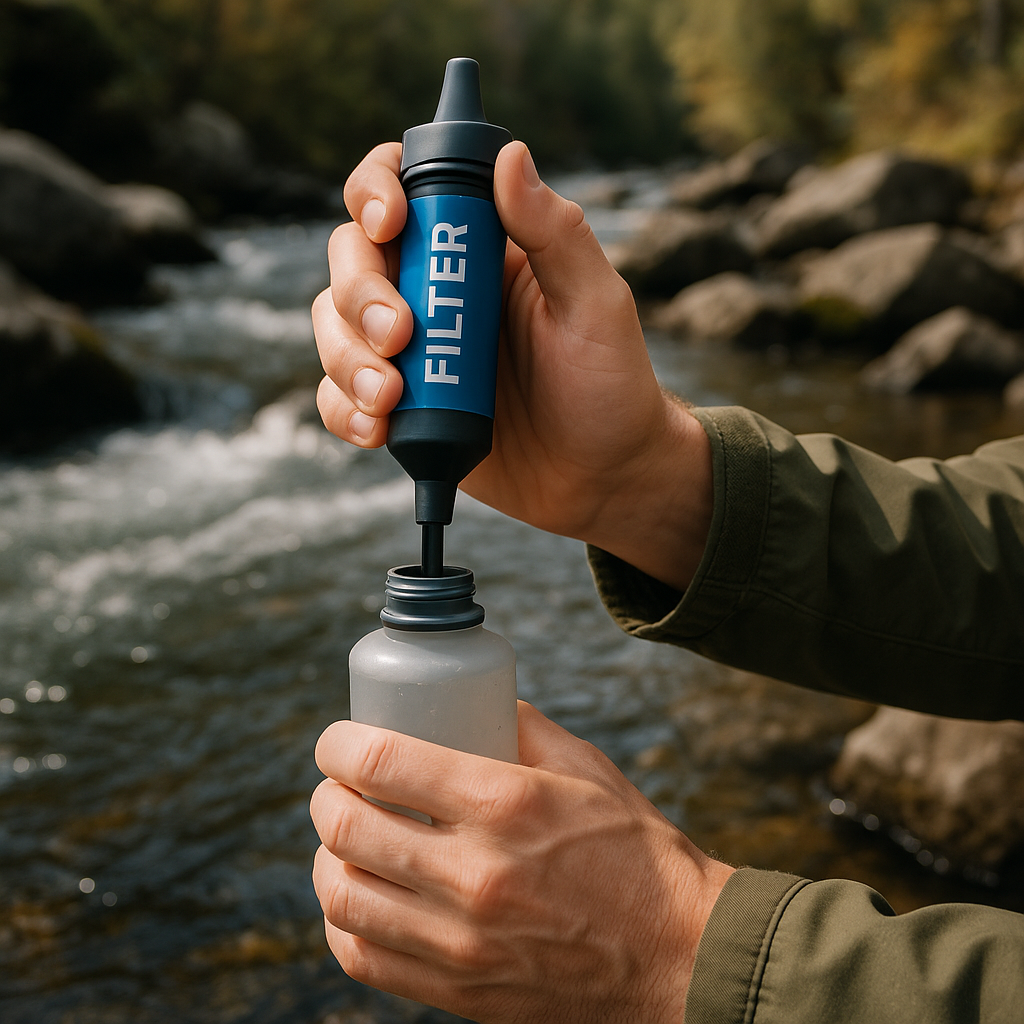
When your stored supply runs out or you need to use water from an unknown source, you have several options for making water safe.
Boiling
The most reliable method for killing biological contaminants.
How to do it:
- Filter water through a cloth if it contains visible debris
- Bring water to a rolling boil
- Boil for at least 1 minute (3 minutes above 6,500 feet elevation)
- Let cool before drinking
- Kills: Bacteria, viruses, parasites
- Does not remove: Chemicals, heavy metals, salt
Requirements: Heat source, pot, fuel
Chlorine Bleach
A practical chemical treatment when boiling is not possible.
How to do it:
- Use only regular unscented liquid chlorine bleach (5-9% sodium hypochlorite)
- Add 8 drops (1/8 teaspoon) per gallon of clear water
- Double the amount for cloudy water
- Stir and let stand 30 minutes
- Water should have a slight chlorine odor. If not, repeat treatment.
- Kills: Most bacteria, viruses, some parasites
- Does not remove: Giardia cysts reliably, chemicals, heavy metals
Requirements: Unscented bleach (check expiration, bleach degrades over time)
Water Purification Tablets
Compact and easy to use for emergency situations.
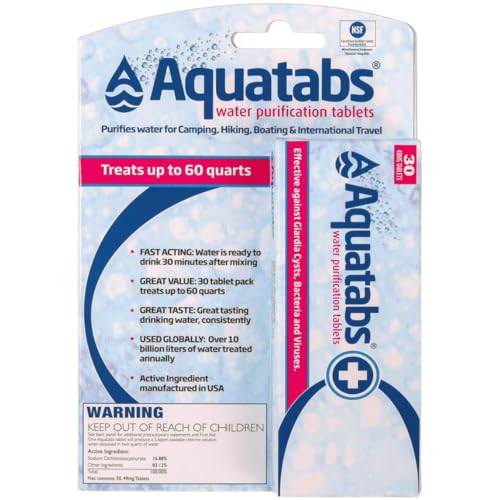
4. Aquatabs Water Purification Tablets, Best Chemical Treatment
Aquatabs are the world’s leading water purification tablet. Each tablet treats about 1 to 2 liters of water. EPA registered and used by militaries and relief organizations worldwide. Compact enough to keep in any emergency kit.
- 30 tablets per pack
- Each tablet treats up to 2 liters
- 30-minute treatment time
- EPA registered
- 5-year shelf life
- Removes 99.9999% of bacteria, 99.99% of viruses
Water Filters
Filters physically remove contaminants from water.
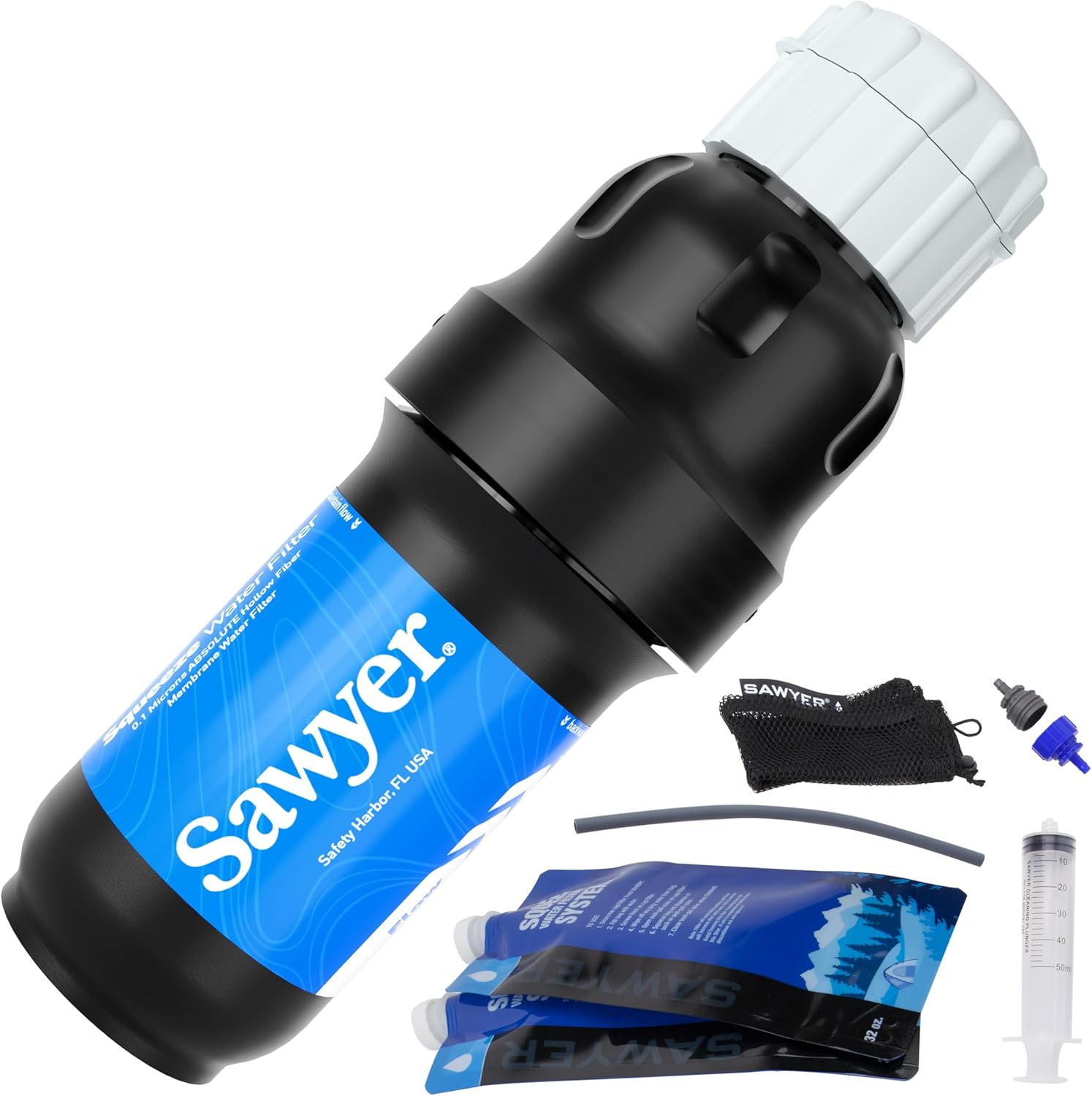
5. Sawyer Squeeze Water Filtration System, Best Portable Filter
The Sawyer Squeeze removes 99.99999% of bacteria and 99.9999% of protozoa. The 0.1 micron absolute filtration handles all biological threats except viruses. For most North American water sources, this level of filtration is sufficient. Rated for 100,000 gallons.
- 0.1 micron absolute filtration
- Removes bacteria and protozoa
- 100,000 gallon filter capacity
- Includes two 32-oz squeeze pouches
- Backwashable for long life
- Weighs just 3 oz
Important note about filters: Most portable filters (including Sawyer and LifeStraw) do not remove viruses. In the United States and Canada, viruses in wild water are rare, so this is usually acceptable. In developing countries or sewage-contaminated water, use tablets or boiling in addition to filtration.
UV Treatment
Ultraviolet light kills microorganisms by damaging their DNA.
How it works: A UV wand is placed in water and activated. After 60 to 90 seconds of exposure, biological contaminants are neutralized.
- Pros: Fast, no chemicals, no taste change
- Cons: Requires batteries, does not work on cloudy water, does not remove particles
Best for: Clear water when portability matters
Comparison of Methods
*Most common portable filters do not remove viruses. Some advanced hollow-fiber filters do.
Emergency Water Sources at Home
If stored water runs out, your home has several backup sources.
Water Heater
A typical water heater holds 30 to 50 gallons of water. This water is safe to drink if the heater uses standard heating (not a tankless system).
How to access:
- Turn off the power to the heater (gas or electric)
- Turn off the water supply to the house
- Open a hot water faucet somewhere in the house to allow air into the system
- Place a container under the drain valve at the bottom of the tank
- Open the drain valve and collect water
Note: The first water out may contain sediment. Let it run until clear.
Toilet Tank (Not the Bowl)
The tank (the upper part that holds water for flushing) contains clean water unless you use tank cleaning tablets or chemicals. Never drink from the bowl.
How to access: Simply remove the tank lid and scoop water out with a clean container. Treat before drinking if uncertain about cleanliness.
House Pipes
There is water sitting in your pipes even after the main supply stops.
How to access:
- Turn off the main water supply to prevent contamination from entering
- Open the highest faucet in the house to allow air in
- Collect water from the lowest faucet (usually in a basement or first floor)
Ice Cubes
Your freezer contains ice that melts into potable water. A typical ice maker holds 4 to 8 pounds of ice, which yields about half a gallon to a gallon of water.
Swimming Pools and Hot Tubs
Pool and hot tub water is not safe for drinking due to chemicals. However, it can be used for:
- Flushing toilets
- Washing clothes
- Cleaning
In extreme survival situations, pool water can be used for drinking after filtering and boiling, but this should be a last resort due to chemical content.
What NOT to Store Water In
Some containers are dangerous for water storage.
Milk Jugs
Milk proteins are nearly impossible to completely remove. Residue promotes bacterial growth. The plastic is also thin and breaks down quickly, leading to leaks.
Juice Containers
Same problem as milk jugs. Sugars and acids from juice leach into the plastic and are difficult to clean out completely.
Previously Used Chemical Containers
Never use containers that held bleach, cleaning products, pesticides, or other chemicals. Residues cannot be fully removed and can make water toxic.
Non-Food-Grade Plastics
Some plastics leach harmful chemicals into water over time. Look for containers marked HDPE (recycling #2), PETE (#1), or explicitly labeled food-grade.
Glass (with Exceptions)
Glass is actually food-safe and does not leach chemicals. However, it is fragile and heavy. In an emergency involving earthquakes or rough handling, glass containers break. If you use glass, keep containers small and protected.
Rotation Schedule and Maintenance
Water storage requires some maintenance to ensure your supply remains safe.
Rotation Schedule
- Commercial bottled water: Replace by printed expiration date or every 2 years
- Tap water in containers: Replace or re-treat every 6 to 12 months
- Emergency pouches: Replace every 5 years
- WaterBOB: Replace the bladder after each use (single-use product)
Monthly Check
- Look for leaks or damaged containers
- Ensure storage area remains cool and dry
- Verify containers have not been disturbed by pests
Biannual Check
- Inspect all containers for cracks or degradation
- Check stored water for odor or discoloration
- Verify treatment chemicals (bleach) are not expired
- Update fill date labels as you rotate stock
Water for Different Uses
Not all water needs are equal. Think about your water supply in three categories.
Drinking and Cooking
This is your priority. Store enough clean, treated water for drinking and food preparation. This is the water that must meet the 1 gallon per person per day standard.
Hygiene
Hand washing, teeth brushing, and wound cleaning require reasonably clean water. Your drinking water supply can cover this, but you can stretch it by using separate water for hygiene that does not need to be as pure.
Sanitation
Flushing toilets and washing dishes uses the most water. In a water emergency, you can use pool water, collected rainwater, or other non-drinking water for these purposes. A bucket of gray water can flush a toilet.
Frequently Asked Questions
Can I drink rainwater? In theory, yes. Rainwater is naturally distilled. In practice, it picks up contaminants from the air and whatever surfaces it touches (roof, gutters). Filter and treat rainwater before drinking.
How much bleach do I need for water treatment? 8 drops (1/8 teaspoon) per gallon for clear water. Double that for cloudy water. Use unscented liquid chlorine bleach with 5-9% sodium hypochlorite.
Does stored water go bad? Water itself does not expire. What changes is potential contamination from containers or environment. Replace or re-treat stored tap water every 6-12 months to be safe.
Can I store water in my garage? Yes, but monitor temperature. Garages can get very hot in summer, which speeds container degradation and promotes bacterial growth. Keep water away from chemicals like gasoline and fertilizers.
How do I know if my water container is food-grade? Look for the recycling symbol on the bottom. HDPE (code 2) and PETE (code 1) are food-safe. Many containers also explicitly state “food-grade” or “NSF certified.”
Should I add bleach to my stored water? If your tap water is already chlorinated (most municipal water), no additional treatment is needed. If using well water or non-chlorinated water, add 8 drops of unscented bleach per gallon.
How do I store water in an apartment? Space is limited, but options exist. Store cases of bottled water under beds. Keep a few 5-gallon jugs in a closet. Purchase a WaterBOB to fill your bathtub when a storm is announced. Even 1-2 weeks of supply is achievable with creative storage.
What is the best water storage container for the money? For most households, 5-gallon stackable containers offer the best balance of capacity, portability, and cost. They are large enough to be efficient but small enough to carry when full (about 40 pounds).
Can I use my swimming pool for drinking water? Not recommended due to chlorine, algaecides, and other chemicals. Pool water is fine for sanitation (flushing toilets, cleaning). In an extreme survival situation, pool water could be filtered and boiled as a last resort.
How long can you survive without water? The typical estimate is 3 days under moderate conditions. In extreme heat or with physical exertion, this drops to 1-2 days. Even mild dehydration impairs thinking and physical performance within hours.
Putting It Together
A complete water preparedness plan has three layers:
Layer 1: Stored supply Enough treated water for your household’s needs for at least 72 hours, ideally 2 weeks. Use commercial bottles, food-grade containers, or a combination.
Layer 2: Backup treatment Purification tablets, a filter, or bleach and the knowledge to use them. This extends your capability when stored water runs out.
Layer 3: Source knowledge Know where to find water in and around your home (water heater, toilet tanks, pipes). Know the nearest natural water sources (streams, ponds, wells). Know how to collect and treat water from these sources.
Most people stop at layer 1. The prepared go all three. Water is too important to leave to chance.