Ready
Ready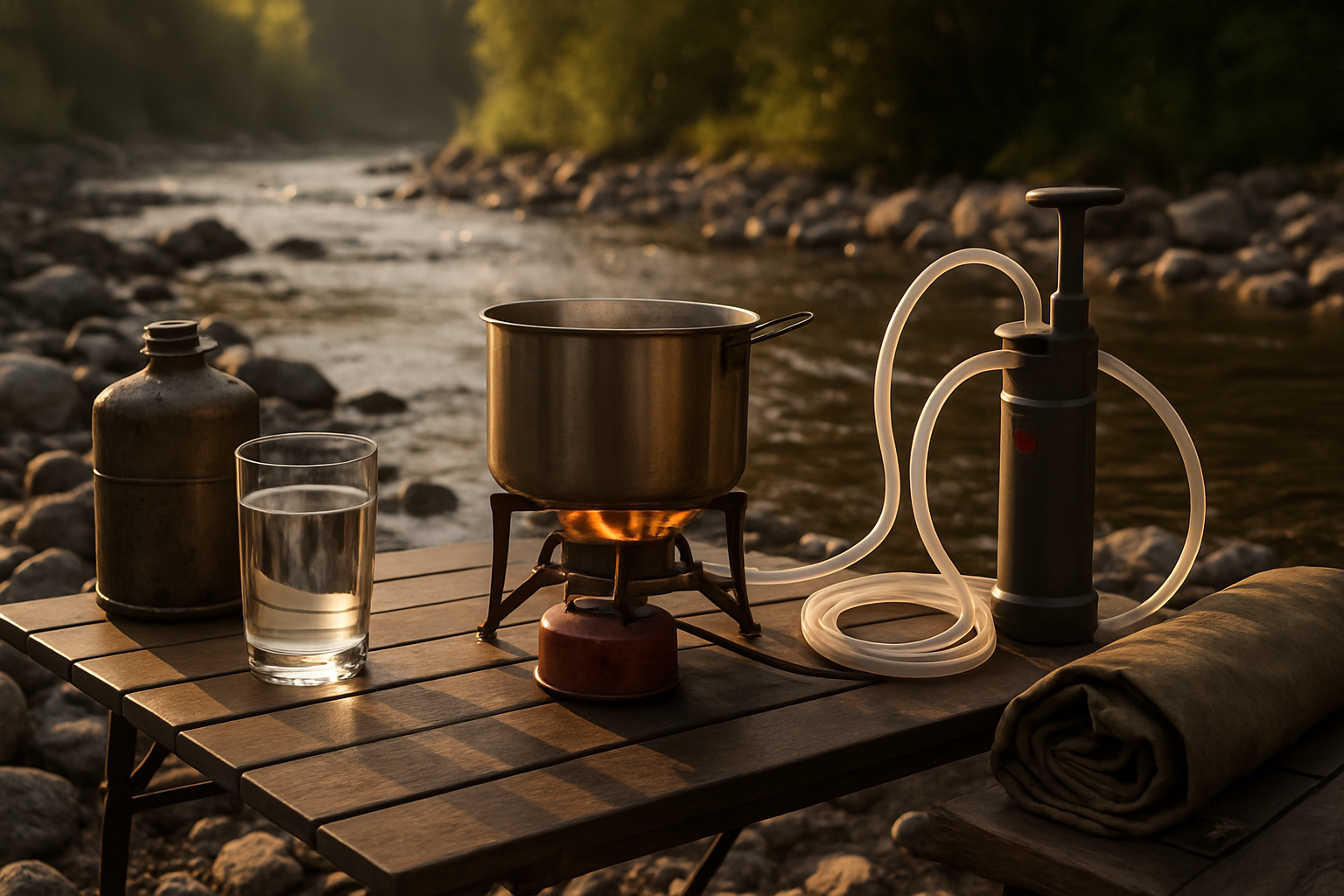
How to Purify Water in an Emergency: A Complete Step-by-Step Guide (2026)
When the tap stops working, clean water becomes your biggest problem fast. A storm can knock out your city water. A flood can push dirty water into the pipes. A broken main can leave your whole street dry. In moments like these, the water around you may look fine but still make you very sick.
Your body needs water every single day. You can only go about three days without it. When you get dehydrated, you feel weak, dizzy, and confused. That makes it hard to think clearly and stay safe. Drinking bad water is just as risky. It can carry germs like E. coli, giardia, and other bugs that cause bad stomach illness. In an emergency, being sick with vomiting or diarrhea only speeds up dehydration. It becomes a dangerous cycle.
The good news is you have options. You do not need one perfect tool. You just need to know how to use what you have on hand.
This guide walks you through the main ways to make water safe to drink. You will learn how to boil water the right way. You will see how straw filters, gravity filters, and chemical tablets work. You will learn which method fits which situation. By the end, you can act with confidence, whether you have a full kit or just a pot and some heat.
- Always filter or purify water before drinking it, no matter how clean it looks.
- Boil water for at least 1 full minute to kill germs, or 3 minutes at high elevations above 6,500 feet.
- A filter with a 0.1 micron membrane removes bacteria, dirt, and other harmful stuff from the water.
- Let cloudy water settle first, then pour the clear part through a cloth to remove big particles before filtering.
- Store safe water in clean, sealed containers and keep at least 1 gallon per person per day.



Reviewed by Priya K., Dale M. & Ryan C. — contributors with hands-on preparedness experience. How we test
Being ready for a water emergency means having the right gear on hand before you need it. Grab these tools now, and keep reading to learn exactly why each one matters.
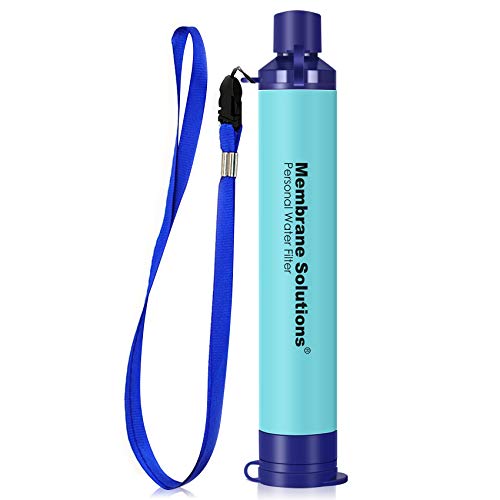
Membrane Solutions Filter Straw
This personal straw lets you drink safely straight from a stream, lake, or puddle. It is small enough to keep in a pocket or bag so you are ready anywhere.
Check Price on Amazon
High Capacity Survival Straws
These lightweight straws work for camping, hiking, and emergencies, and they have no expiration date. Keep a few so every person in your group can drink clean water.
Check Price on Amazon
Waterdrop Gravity Filter System
This gravity system uses a 0.1 micron membrane and 5 stage filtration to reduce dirt, sediment, chlorine, and bad taste. The 1.5 gallon bag lets you filter larger amounts for a whole family at once.
Check Price on AmazonIn this guide
Why Trust This Guide?
This article was researched and reviewed by contributors with hands-on experience in emergency preparedness. They have tested gear, built real systems, and lived through situations where these skills actually mattered.
Understand What You’re Removing: Contaminants and Water Sources
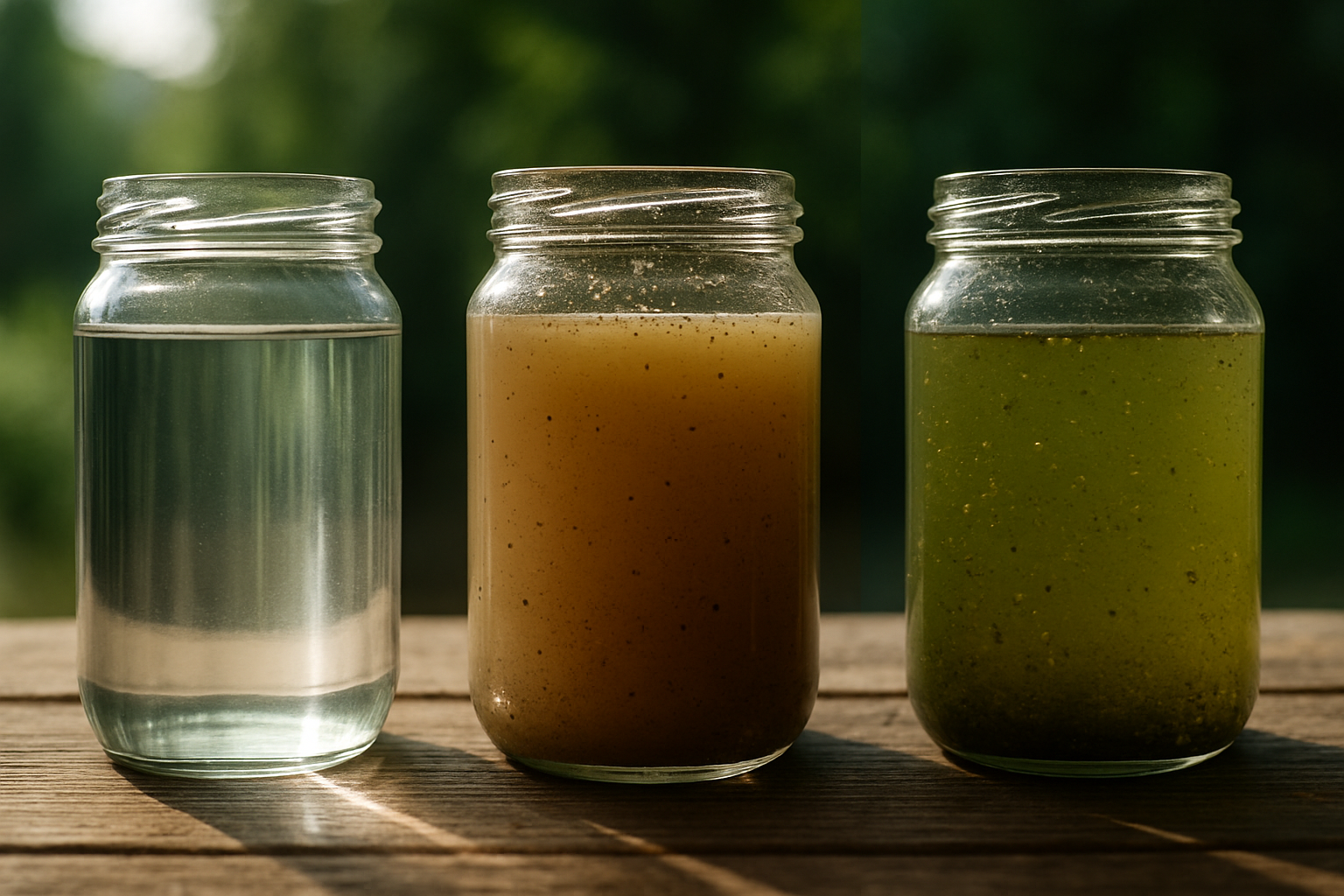
Before you purify water, you need to know what is in it. Not all threats are the same. And no single method removes everything. Once you understand the risks, you can pick the right tool.
The Main Threats in Untreated Water
Untreated water can hold many things that make you sick. Here are the big ones.
Bacteria. These are tiny living germs. E. coli and Salmonella are common examples. They can cause bad stomach pain, diarrhea, and worse. Most good filters and all boiling can remove them.
Viruses. These are even smaller than bacteria. Hepatitis A and rotavirus are examples. Because they are so small, many straw filters do NOT catch them. Boiling kills viruses. Chemical tablets kill them too.
Protozoa. These are single-celled parasites. Giardia and Cryptosporidium are the ones to watch. They cause long, painful stomach illness. Giardia is easy to filter out. Cryptosporidium has a tough shell, so some chemicals struggle with it. Boiling handles both.
Sediment. This is dirt, sand, and mud floating in the water. It is not a germ, but it clogs filters fast and tastes bad. You often need to let it settle or strain it first.
Chemicals. These include farm runoff, fuel, and heavy metals like lead. Boiling does NOT remove chemicals. In fact, boiling can make some worse by concentrating them. Filters with activated carbon help with taste and some chemicals.
Microplastics. These are tiny bits of plastic. Many quality filters, like the LifeStraw Personal Water Filter, remove them down to a very small size.

Why Your Water Source Matters
Where you get your water changes how hard it is to clean.
Clear stream water high in the mountains is usually your best bet. It moves fast and has fewer chemicals. But do not trust it just because it looks clean. Animals upstream can add Giardia and bacteria. You still must treat it.
Stagnant water is worse. This is water that sits still, like a pond or puddle. It grows more bacteria and protozoa. It often has more sediment too.
Flood water is the most dangerous. It mixes with sewage, fuel, farm waste, and chemicals. A filter alone may not make it safe. Flood water can carry threats that no home method fully removes. Avoid it if you have any other choice.
Why No Single Method Does It All
Here is the key point. Each method has a gap.
Boiling kills all germs but leaves chemicals and dirt behind. Straw filters remove bacteria and protozoa but often miss viruses. Chemical tablets kill germs but do not remove sediment or lead.
The smart move is to match the method to the water. Sometimes you combine methods. You might strain out dirt, then filter, then add a tablet. The rest of this guide walks you through each option so you can build the right plan.
How to Boil Water Safely (The Gold Standard)
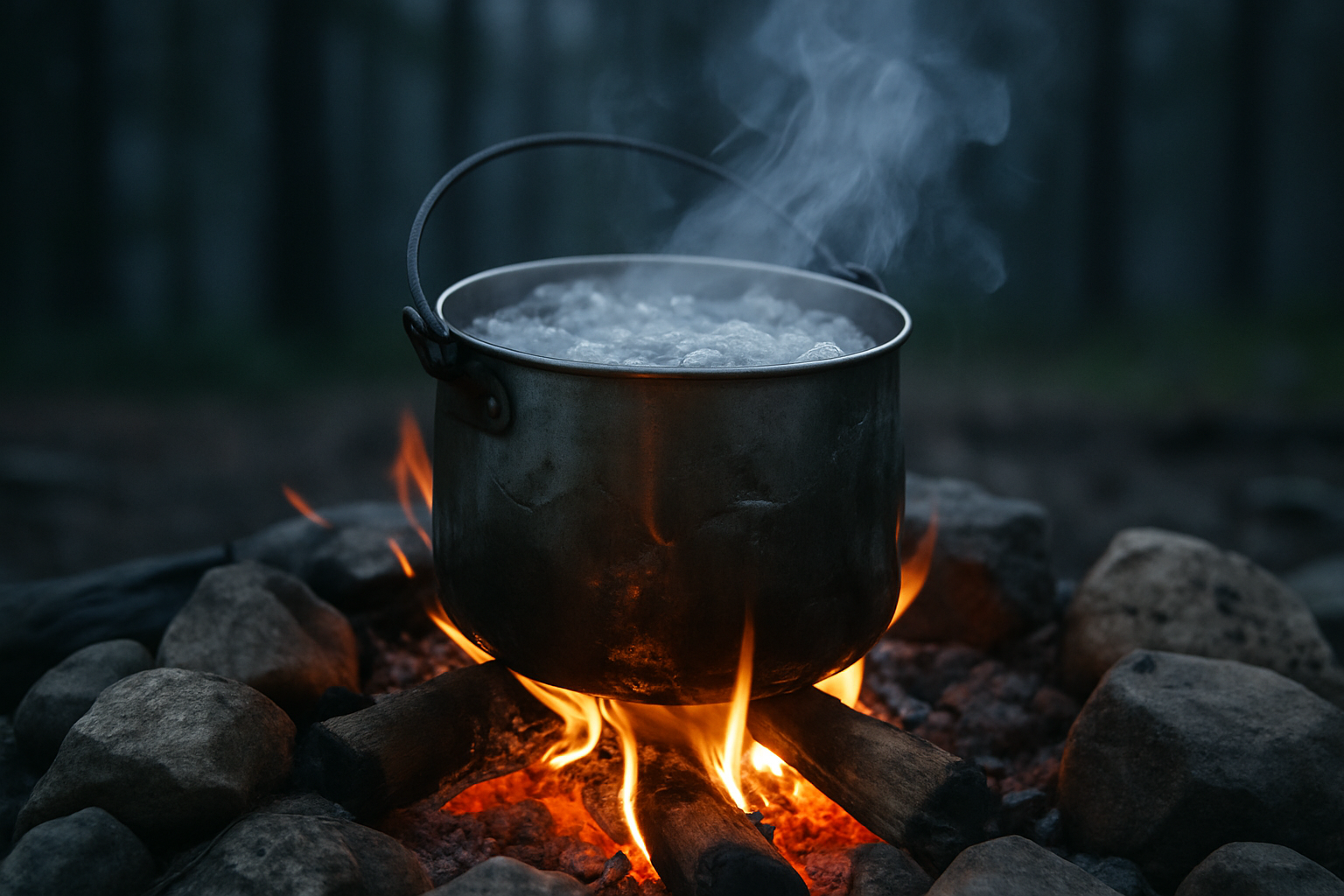
Boiling is the most reliable way to make water safe to drink. It kills germs that can make you sick. Bacteria, viruses, and parasites like Giardia all die from heat. You do not need any special gear. You just need water, a pot, and a heat source. That is why boiling is called the gold standard.
How Long to Boil Water
Bring the water to a rolling boil. A rolling boil means the water is bubbling hard and fast. Small bubbles are not enough. Wait for the big, rapid bubbles that keep going even when you stir.
Once the water reaches a rolling boil, keep it there for one full minute. Use a timer or count in your head. One minute of hard boiling kills the germs.
If you are up high in the mountains, you need more time. At altitudes above 6,500 feet, water boils at a lower temperature. Boil the water for three minutes instead of one. When in doubt, boil longer. Extra time does not hurt.
Let the Water Cool and Store It Safely
After boiling, take the pot off the heat. Let the water cool down on its own. Do not add ice to speed it up, because the ice may not be safe.
Store the cooled water in clean containers with lids. This keeps dirt and germs out. If the water tastes flat, pour it back and forth between two clean containers a few times. This adds air back in and improves the taste.
What Boiling Cannot Do
Boiling is powerful, but it has limits. It only kills living things. It does not remove chemicals. If the water has fuel, pesticides, or heavy metals like lead, boiling will not make it safe. In fact, boiling can make some chemicals stronger as the water evaporates.
Boiling also does not remove dirt or sediment. Cloudy water stays cloudy after boiling. You need to deal with that before you drink.
Pre-Filter Cloudy Water First
If your water looks dirty or cloudy, clean it up before you boil. Pour the water through a clean cloth, a coffee filter, or a paper towel. This catches sand, mud, and other bits. You can also let the water sit for a while. The dirt settles to the bottom, and you pour off the clear water on top.
Pre-filtering does two things. It makes the water look better, and it helps the boiling work well. Once the water is clear, bring it to that rolling boil.
Boiling works best when you have fuel and a pot. If you are on the move or short on fuel, a filter or purification tablets may be a better fit. The next sections cover those tools.
Using Portable Straw and Personal Filters
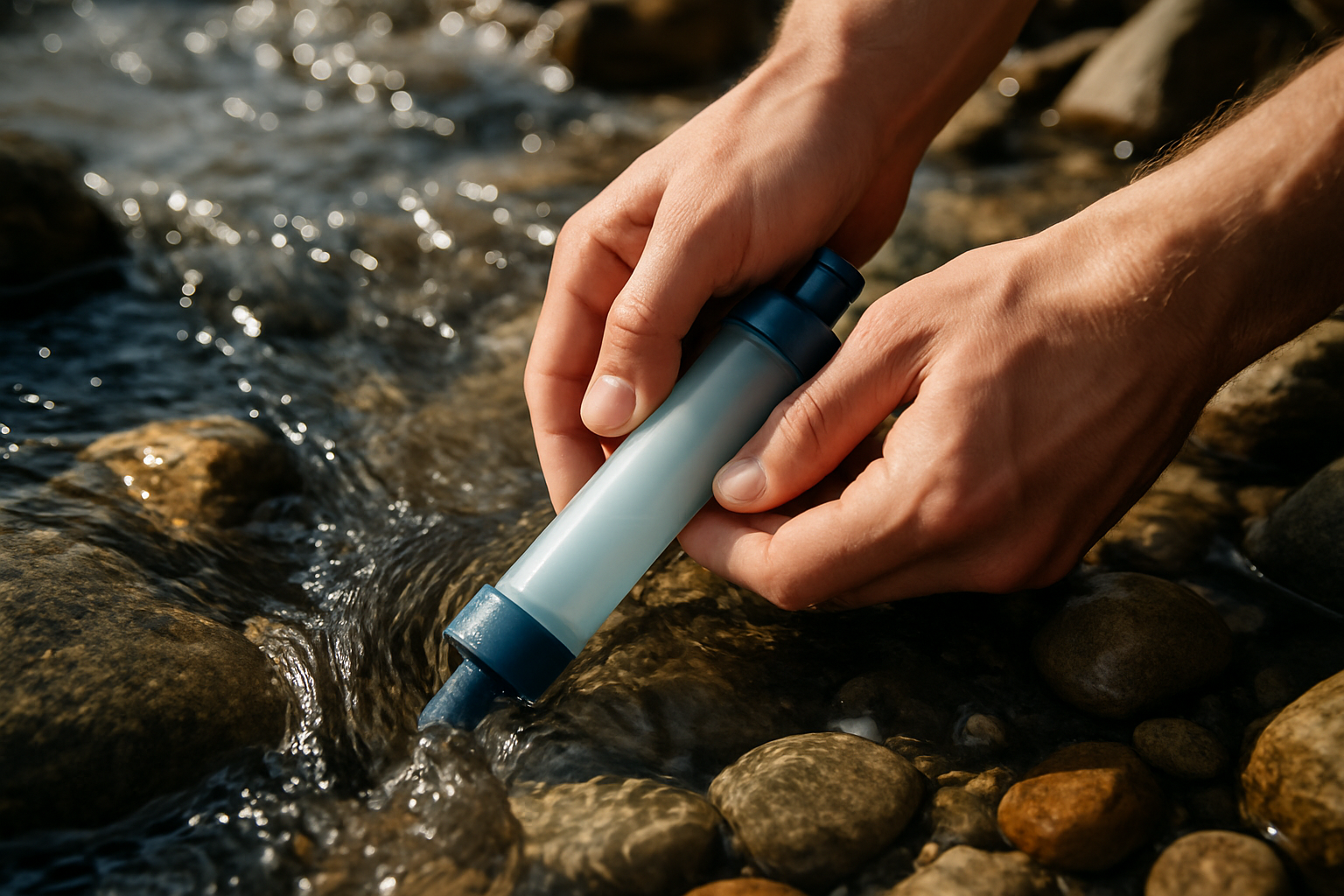
A straw filter is one of the simplest ways to get clean water. You put one end in the water source. You suck water through the other end, just like a drinking straw. As the water passes through, tiny filters trap the bad stuff. These filters are small, light, and cheap. That makes them perfect for a bug-out bag or a get-home kit. You can toss one in a backpack and forget about it until you need it.

How These Filters Work
Most straw filters use hollow fiber membranes. Think of them as bundles of tiny tubes with very small holes. Water gets through the holes. Bacteria and dirt do not. Some filters use other membrane materials, but the idea is the same.
The key number to look at is the micron rating. A micron is a very tiny unit of size. A smaller micron rating means the filter catches smaller things. The LifeStraw filters down to 0.2 microns for turbidity. The high-capacity straws below filter down to 0.1 micron. That is small enough to trap the germs that make you sick.
What They Remove and What They Miss
Straw filters are great at removing bacteria and protozoa. Bacteria include things like E. coli and Salmonella. Protozoa include Giardia and Cryptosporidium. These are the most common threats in lakes, streams, and rivers.
The LifeStraw Personal Water Filter removes 99.999999% of bacteria and 99.999% of parasites. It also catches microplastics down to 1 micron. The Membrane Solutions Straw Filter S1 is tested to NSF/ANSI 42, 372, and 401 standards. That means it also cuts down on chlorine taste, lead, and microplastics.
Here is the big thing to know. Most straw filters do not remove viruses. Viruses are much smaller than bacteria. They can slip right through the tiny holes. In the wild here in North America, viruses are less of a worry. But in some areas or during a disaster, water may carry viruses. In those cases, you need to boil the water or use chemical tablets too.
How Long They Last
Straw filters last a long time. Lifespan is measured in gallons, not days. The Membrane Solutions straw is rated for up to 1,320 gallons. The two-pack of high-capacity straws is rated for 1,800 gallons per filter. Those straws also have no expiration date. That makes them a smart choice to store for years.

When a straw filter reaches its limit, water flows very slowly or stops. That is your sign to replace it. Keep a spare in your kit so you are never stuck without one.
Straw filters are simple and reliable. Just remember their limits. Pair them with boiling or tablets when viruses may be a problem.
Gravity and Large-Capacity Filtration for Families
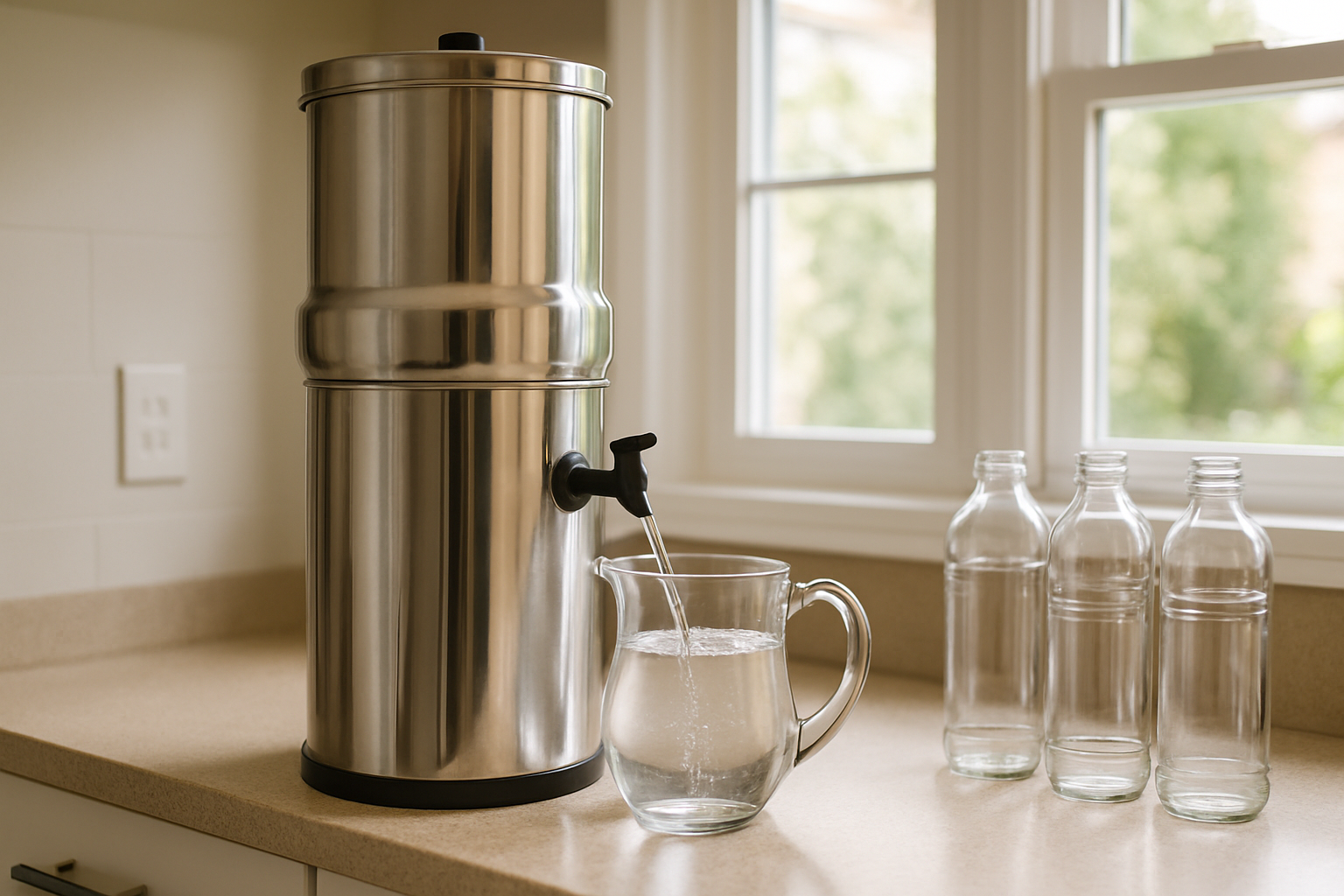
Straw filters work great for one person. But if you have a family or a group, you need more water at once. This is where gravity-fed systems shine. You pour dirty water into a bag or bucket at the top. Then gravity pulls the water down through a filter. Clean water comes out the bottom. You do not have to pump or suck. You just wait and let the system work while you do other things.

Why Capacity Matters
One person needs about one gallon of water per day. That covers drinking and basic cooking. Now think about a family of four. That is four gallons every single day. During a long power outage, that adds up fast. A small straw filter would take forever to make that much water one sip at a time. A gravity system can make gallons while you rest.
Bag size tells you how much water you can filter in one batch. The Waterdrop Gravity Water Filter Straw comes with a 1.5 gallon bag. That is about 11 small water bottles in one fill. You can fill it, hang it, and walk away. The Burtrail system uses a smaller 3 liter bag, which is close to 0.8 gallons. A smaller bag means you refill more often, but it packs down lighter for travel.
How to Set One Up
Setting up a gravity system is simple. Follow these steps:
- Fill the top bag with the dirtiest water first. Try to scoop from a clear spot, not the muddy bottom.
- Hang the bag from a tree branch, hook, or nail. Higher is better because it speeds up the flow.
- Place a clean container below to catch the filtered water.
- Open the valve or let the water start flowing through the filter.
- Let gravity do the work. Come back when the container is full.
Some systems, like the VivoBlu Core Family Filter, can also stack inside two buckets. You put dirty water in the top bucket and clean water collects in the bottom bucket. This is a good setup for a home during a long outage.

Flow Rates and Filter Life
Flow rate tells you how fast clean water comes out. The Waterdrop filter can flow up to 700 ml per minute. The VivoBlu can move up to 2 liters per minute in a gravity setup, which is faster. Faster flow helps when many people need water.
Filter life matters too. The Waterdrop straw can clean up to 1,400 gallons over its life. That is a lot of water for one household. The Burtrail gravity system uses a 0.01 micron filter, which catches very small particles. Pick a system that fits your group size and how long you need it to last.

Chemical Purification With Tablets and Drops
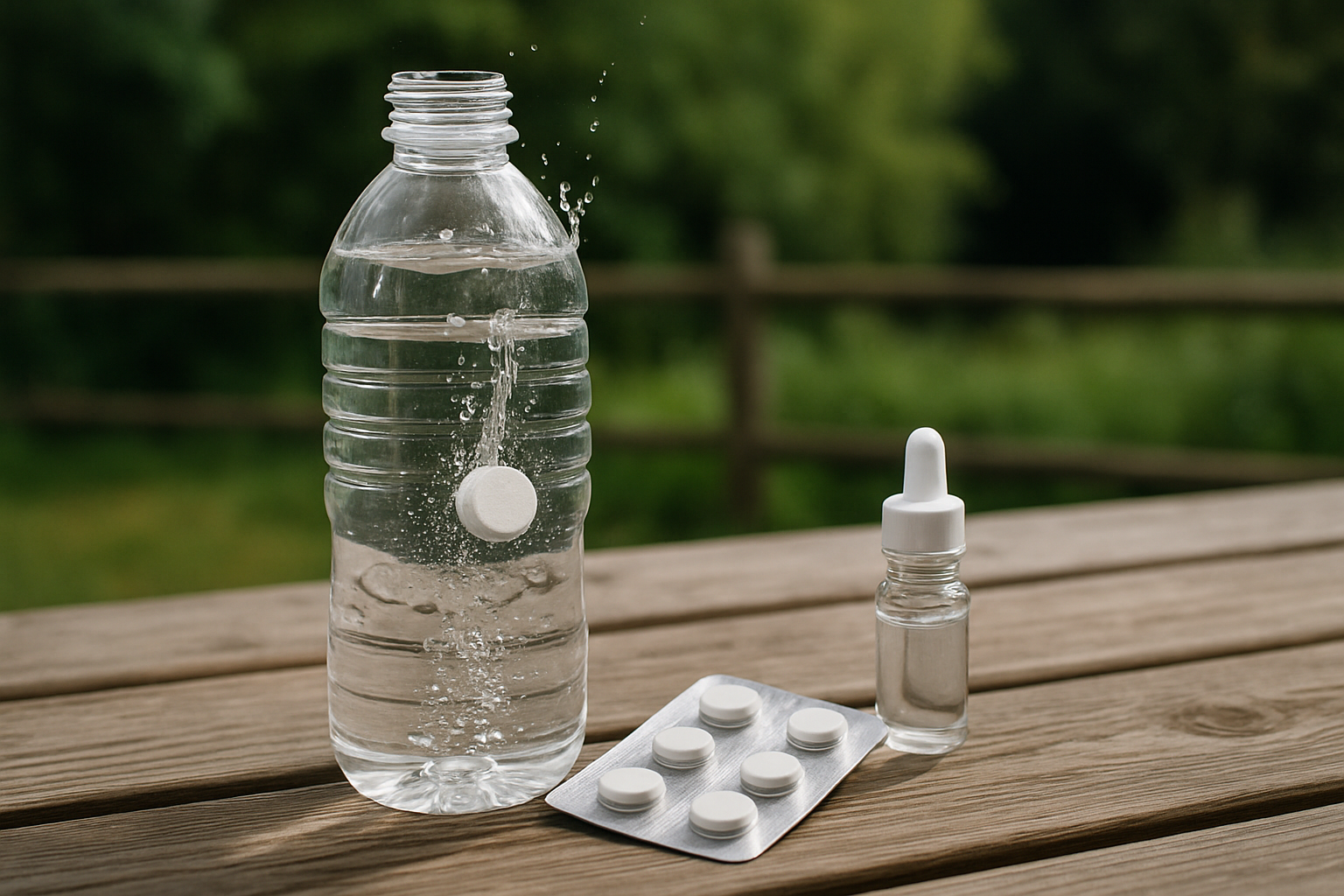
Water purification tablets are small pills that clean your water with chemicals. Most use chlorine dioxide or iodine. These chemicals kill germs by breaking down their cells. They work on bacteria, viruses, and cysts like Giardia. This is a big deal. Many straw and pump filters do not catch viruses because viruses are so tiny. Tablets fill that gap. They are light, cheap, and last for years on a shelf. That makes them a smart backup to keep in your kit.

How the tablets work
You drop the tablet into your water and wait. The chemical spreads through the water and kills the germs. You do not need power, fuel, or a fire. This makes tablets great for travel, camping, and emergencies. They fit in a pocket or a small bag.
Dosage and wait times
Always follow the label. Dosage and wait time change by brand. With Aquatabs, you add one 49mg tablet to about .75 to 2 liters of water. Then you wait 30 minutes before you drink. Potable Aqua uses a different setup and may need a longer wait. Cold or cloudy water often needs more time. When in doubt, wait longer. That gives the chemicals time to finish the job.

Taste and how to fix it
Chemical treatment can leave a taste in the water. Iodine tablets taste the most. Chlorine dioxide tastes less strong. If you do not like it, let the water sit uncovered for a bit after the wait time. You can also add a pinch of drink mix once the water is safe. Do not add flavor before the wait time is up. That can slow the germ killing.
Compare the two tablet options
When to pair tablets with a filter
Tablets have one weak spot. They do not remove dirt, mud, or bad taste from cloudy water. Very dirty water can also block the chemicals from working well. This is where a filter helps. Run the water through a filter or cloth first to clear out the junk. Then drop in a tablet to kill the viruses the filter missed. This combo covers all the bases.
For the best protection, use both tools together. Filter first, then treat with tablets. Keep a pack of tablets in every kit as your lightweight backup. They take up almost no space and give you a safe way to drink when nothing else is around.
Comparing Your Purification Options
By now you know the main ways to make water safe. Each one has strengths and weak spots. No single tool is best for every situation. The right pick depends on how many people you serve, how much water you need, and where you are.
Here is a quick way to think about it. Boiling is free and kills germs, but it needs fuel and time. Personal straw filters are cheap and light, but you drink one sip at a time. Gravity systems make lots of clean water for a group. Chemical tablets are tiny and last for years, but you wait to drink and some remove fewer things.
The table below puts the main methods and products side by side. Use it to match a tool to your needs.
How to Read This Table
Look at your own situation first. If you are alone and moving fast, a straw filter or tablets fit in a pocket. If you are home with family, a gravity system or boiling makes more water at once.
Note one big point. Most filters do not remove viruses. Tablets like Aquatabs do kill viruses. The VivoBlu Core also handles viruses larger than 0.1 micron. That matters if you travel abroad or face flood water.
The smartest plan is to mix methods. Keep a straw filter in your bag, a gravity system at home, and tablets as backup. That way you are ready no matter what happens.
Emergency Water Purification Checklist
The best time to prepare is before an emergency hits. Use this checklist to build a water plan you can trust. You can print it out and keep it with your emergency supplies.
Stock More Than One Method
No single tool covers every situation. A good plan uses layers. That way, if one method fails or runs out, you have a backup.
Aim to keep these on hand:
- A way to boil water. Keep a metal pot and a heat source like a camp stove.
- A personal straw filter for each family member. The LifeStraw Personal Water Filter is a small, cheap pick.
- A gravity filter for larger batches. A Waterdrop Gravity Water Filter Straw can treat more water for the whole family.
- Purification tablets as a lightweight backup. Aquatabs store well and take up almost no space.
Why layer? Boiling kills germs but does not remove chemicals or make dirty water clear. Filters remove germs and particles but most do not kill viruses. Tablets kill viruses but do not remove sediment. Together, these methods cover the gaps.
Pre-Filter Dirty Water First
Cloudy water clogs filters fast. It also makes tablets and boiling less effective. Always clear the water before you treat it.
Follow these steps:
- Let the water sit in a container so heavy dirt sinks to the bottom.
- Pour the clearer water off the top into a new container.
- Strain it through a clean cloth, coffee filter, or bandana.
- Then run it through your filter, boil it, or add tablets.
This simple step protects your gear and gives you better results.
Store Your Supplies the Right Way
Keep your purification tools in one spot. A labeled bin or bag works well. Store it somewhere cool and dry. Heat and sunlight can shorten the life of tablets and filters.
Make a small kit for each person too. A straw filter fits in a pocket or backpack. Toss one in your car, your work bag, and your home kit.
Rotate Items Before They Expire
Some supplies do not last forever. Check them a couple of times each year.
- Check the expiration date on tablets. Aquatabs and Potable Aqua both list a shelf life on the bottle. Replace them before they expire.
- Track filter use. Most straw filters clean a set amount of water, like 1,000 gallons or more. Write down when you start using one.
- Rotate any stored bottled water every six months to a year.
Set a reminder on your phone so you do not forget.
Do a Test Run
Do not wait for a real emergency to learn how your gear works. Set up your gravity filter once. Try a straw filter with a glass of tap water. Read the tablet directions ahead of time. Knowing how everything works will save you stress later.
Frequently Asked Questions
Can you drink rainwater?
In most cases, yes. Rain that falls straight from the sky is usually clean. The problem is what it touches on the way down. Rain that runs off a roof or gutter can pick up dirt, bird droppings, and bits of debris. To be safe, filter or boil rainwater before you drink it. This is a smart habit even if the water looks clear.
How long does purified water stay safe to drink?
Purified water stays safe for about 6 months if you store it right. Use a clean, food-grade container with a tight lid. Keep it out of sunlight and away from heat. Over time, water can pick up germs from the air or the container. If your water smells odd or looks cloudy, treat it again before you drink it.
What is the difference between filtering and purifying?
This is a common mix-up. Filtering means pushing water through tiny holes to catch dirt, bacteria, and parasites. Many straw filters, like the LifeStraw Personal Water Filter, work this way. Purifying goes a step further and kills or removes viruses too. Boiling and tablets both purify. Most simple filters do not stop viruses, so keep that in mind if viruses are a risk where you are.
Can you use bleach to purify water?
Yes, but only plain, unscented household bleach. Do not use scented, color-safe, or cleaning bleach. Add 8 drops of bleach to 1 gallon of clear water. Stir it and wait 30 minutes. The water should have a faint bleach smell. If it does not, add 8 more drops and wait 15 minutes. Bleach loses strength over time, so tablets like Aquatabs may be easier to store for the long term.
Is pool water safe to drink?
No. Do not drink pool water. Pool water has chemicals that are not meant for drinking. It can hold much more chlorine than safe drinking water. Some pools also use other chemicals that boiling or filtering will not remove. Skip pool water unless you have no other choice, and even then treat it as a last resort.
Can you drink melted snow?
You can, but you should treat it first. Snow can hold germs and dirt just like other water. Never eat snow straight. Eating it cold lowers your body heat and can make you sick. Melt it first, then boil or filter it before you drink.
Does distillation purify water?
Yes. Distillation is one of the best methods. You boil water, catch the steam, and let it cool back into liquid. This removes germs, salt, and many chemicals. It even works on salt water. The downside is that it is slow and needs fuel. For most emergencies, boiling or a good filter is faster and easier.
Conclusion and Next Steps
Clean water is not one tool. It is a plan. The best way to stay safe is to use more than one method. No single filter or tablet handles every problem. But when you stack them, you cover the gaps.
Here is the big takeaway. Boiling kills germs but does nothing for chemicals or dirt. Filters catch bacteria, parasites, and often microplastics, but most do not kill viruses. Chemical tablets kill viruses but do not remove sand or bad taste. When you combine these methods, each one covers the weak spot of the others.
Build a Layered Water Kit Now
Do not wait for an emergency to start. Build your kit today, step by step. You do not need to buy everything at once. Start small and add more over time.
A good layered kit has a few key pieces:
- A personal straw filter for one person on the move. A LifeStraw Personal Water Filter or the Membrane Solutions Straw Water Filter fits in a pocket or bag. Both are cheap and light.
- A gravity filter for your whole family at home. A VivoBlu Core Family Filter or a Waterdrop Gravity Water Filter can make clean water for several people at once. This is the workhorse of your kit.
- Purification tablets as backup. Aquatabs or Potable Aqua tablets are small, last a long time, and kill viruses that filters miss. Keep a pack in every bag.
- A pot and a heat source so you can boil when nothing else works.
Think of it like layers of clothing. One layer is fine on a mild day. But when things get bad, you want more than one.
Here is a smart order to use them. First, let dirty water sit so the mud settles. Then pour it through a filter to catch germs and grit. Then add a tablet to kill any viruses left behind. If you can, boil it too. Each step makes the water safer.
Put your gear in one spot. Label it. Check the filters and tablet dates once a year. Old tablets lose their strength, so swap them out before they expire. Most tablet packs list a shelf life on the label.
Where to Go From Here
Purifying water is only half the job. You also need to store water before trouble hits. Clean water in a jug today saves you time and effort later. Read our guide on how to store water safely for the long term.
You should also think about the rest of your emergency kit. Water works best when it sits next to food, light, first aid, and a plan. Our full guide on building an emergency kit walks you through it, piece by piece.
Start now. Pick one item this week. Your future self will thank you.