 Ready
Ready
Best Cold Weather Survival Gear (2026): Stay Warm When It Matters
Cold weather can kill faster than most people think. When your body loses heat quicker than it can make it, you slip into hypothermia. It can start in as little as an hour in the wrong conditions. Wet clothes, wind, and a drop in temperature all speed it up. Once your core gets too cold, your thinking slows down and your body stops working right. That is why cold is one of the deadliest survival threats you can face.
The good news is that the right gear stops this before it starts. Staying warm is not about luck. It is about having the right tools ready before you need them. A simple thermal blanket can trap your body heat. A good sleeping bag can keep you safe through a freezing night. Warmers can protect your hands and feet, which lose heat fast.
This guide walks you through the best cold weather gear for 2026. You will see picks for every need and budget. We cover lightweight emergency blankets you can tuck in a bag. We cover serious sub-zero sleeping bags built for extreme cold. We also look at emergency shelters, hand warmers, and ready-made kits.
Some picks are cheap backups you keep just in case. Others are primary shelter systems you can trust on a hard night. By the end, you will know what to pack and why.
- Real warmth rating: Check the temperature rating so you know how cold it can handle.
- Heat retention: Look for materials that trap and hold your body heat.
- Easy to carry: Pick gear that packs down small and travels light in a bag.
- Full coverage: Choose items that protect your whole body, not just part of it.
Below are our top picks for staying warm in the cold. Keep reading to see why each one made the list.

Browning McKinley -30 Sleeping Bag
This bag brings dependable cold-weather warmth with two-layer offset construction that gets rid of cold spots. The hood and compression sack make it easy to pack, so it is the strongest single choice for staying warm when it matters most in freezing weather.

Mylar Emergency Blanket 4-Pack
These foil blankets earn the budget-friendly slot by holding in up to 90 percent of your body heat. The four-pack means backup warmth for the whole family.

Go Time Gear Survival Tent
This ultralight shelter is the most popular pick because it blocks wind and traps heat while weighing almost nothing. The two-pack gives you a spare for extra protection.
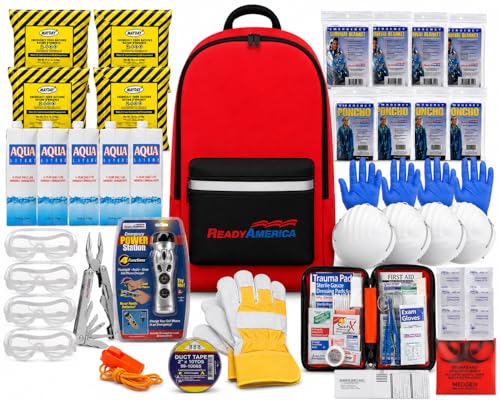
Ready America 72 Hour Kit
This premium kit covers four people for three days with food, water, a survival blanket, and shelter gear all in one grab-and-go pack. It is the complete answer for warmth and readiness together.
In this guide



Reviewed by Ryan C., Marcus T. & Elena V. — contributors with hands-on preparedness experience. How we test
Why Trust This Guide?
This article was researched and reviewed by contributors with hands-on experience in emergency preparedness. They have tested gear, built real systems, and lived through situations where these skills actually mattered.
Cold Weather Gear at a Glance
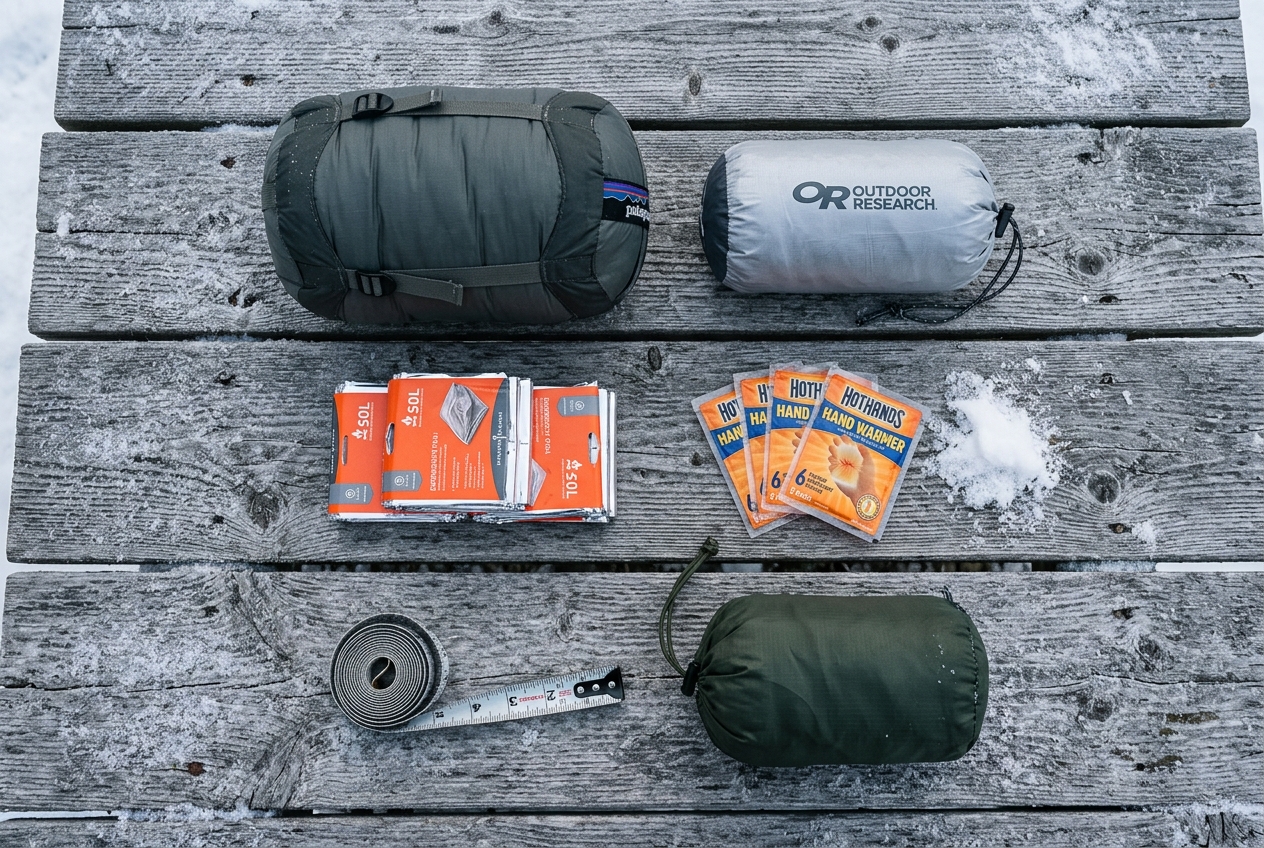
Before you read the full reviews, here is a quick look at every product in this guide. Use this table to spot the gear that fits your needs. Each item does one job well. Some keep you warm at night. Some are backups for your car or bag. Some are full kits that cover more than warmth.
Scan the type, the temperature rating or use case, the weight, and the pack size. Then jump to the review that matches your plan.
Here is how each product breaks down.
The Browning McKinley is the warmest pick here. It handles cold down to -30 degrees. It is big and heavy, so it works best for car camping or a base camp.
The BISINNA is a roomy 0 degree bag. It fits taller and larger campers who feel cramped in normal bags.

The Go Time Gear tent is a tiny emergency shelter. It weighs less than 9 ounces and packs down small. Keep it in a bag for surprise nights out.
Both Mylar blanket sets do the same core job. They reflect your body heat back to you. They cost little and take up almost no space. Buy a pack for each car and bag.
The Yaktrax hand warmers heat your hands and feet. Each one runs up to 10 hours. They are a smart add-on for any cold trip.

The Emergency Zone kit is not just about warmth. It packs light, radio, and matches for power outages during winter storms.

The Ready America kit is the big all-in-one option. It covers four people for three days with food, water, first aid, and shelter gear.
Match the gear to your risk. Sleeping bags are for planned trips. Blankets and warmers are for backups. Full kits cover the wider emergency.
Browning McKinley -30° Sleeping Bag: Best for Extreme Cold
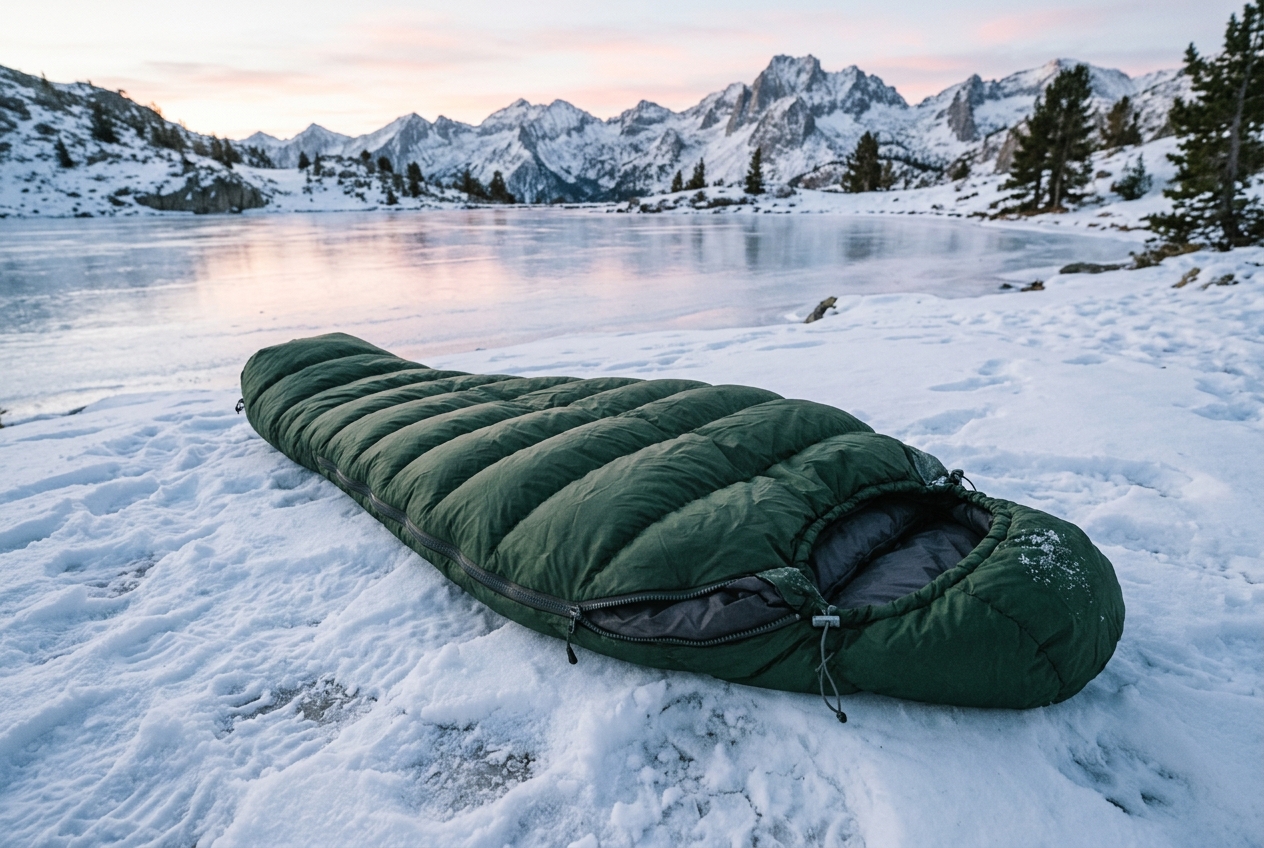
When the cold turns dangerous, your sleeping bag matters more than almost anything else. The Browning McKinley -30° Sleeping Bag is built for the worst nights. It carries a -30 degree rating. That means it is made to keep you alive and warm when temperatures drop far below freezing.
Who needs a -30 degree bag?
Not everyone needs a bag this warm. If you camp in mild weather, a lower rating will do. But some people face real cold. Think winter campers, hunters in the mountains, and folks who live where deep freezes hit hard. If you drive through snow country, keeping one of these in your car is smart. A stalled car in a blizzard can get deadly cold fast. A -30 bag gives you a strong margin of safety.
Keep one thing in mind about temperature ratings. A rating like -30 is often a survival number, not a comfort number. You may still feel chilly near the limit. But you will stay far safer than you would in a lighter bag. For most people, that extra warmth is worth the size and weight.
TechLoft Silver insulation and two-layer build
The warmth comes from the design inside. This bag uses TechLoft Silver insulation. This is a synthetic fill made to trap heat and hold its loft. Synthetic fill has a big advantage over down in the cold. It keeps working even when it gets damp. In snow and freezing weather, that matters a lot.
The McKinley also uses two-layer offset construction. Here is why that helps. In many bags, the seams that hold the fill in place can create cold spots. Heat leaks out right at those seams. The offset design stacks the layers so the seams do not line up. That blocks the cold spots and keeps warmth spread evenly across the bag.
Hooded, oversize design
Cold weather sleeping bags need to cover more than your body. A lot of body heat escapes from your head. The McKinley has a large hood you can cinch down around your face. That seals in warmth where you need it most.
The bag is also oversize. It is a roomy rectangle, not a tight mummy shape. That gives you space to move and room to layer up clothing inside. The outer shell is ripstop fabric, which resists tears. Inside, a soft brushed polyester liner feels good against your skin.
It comes with a compression stuff sack, so you can pack it down for transport. This is a heavy, bulky bag. It is not made for ultralight backpacking. It is made for real cold, in a truck, a base camp, or a cabin. If you need a bag that can handle extreme cold, this is a strong pick.
BISINNA 0° XL Sleeping Bag: Best for Big and Tall Campers
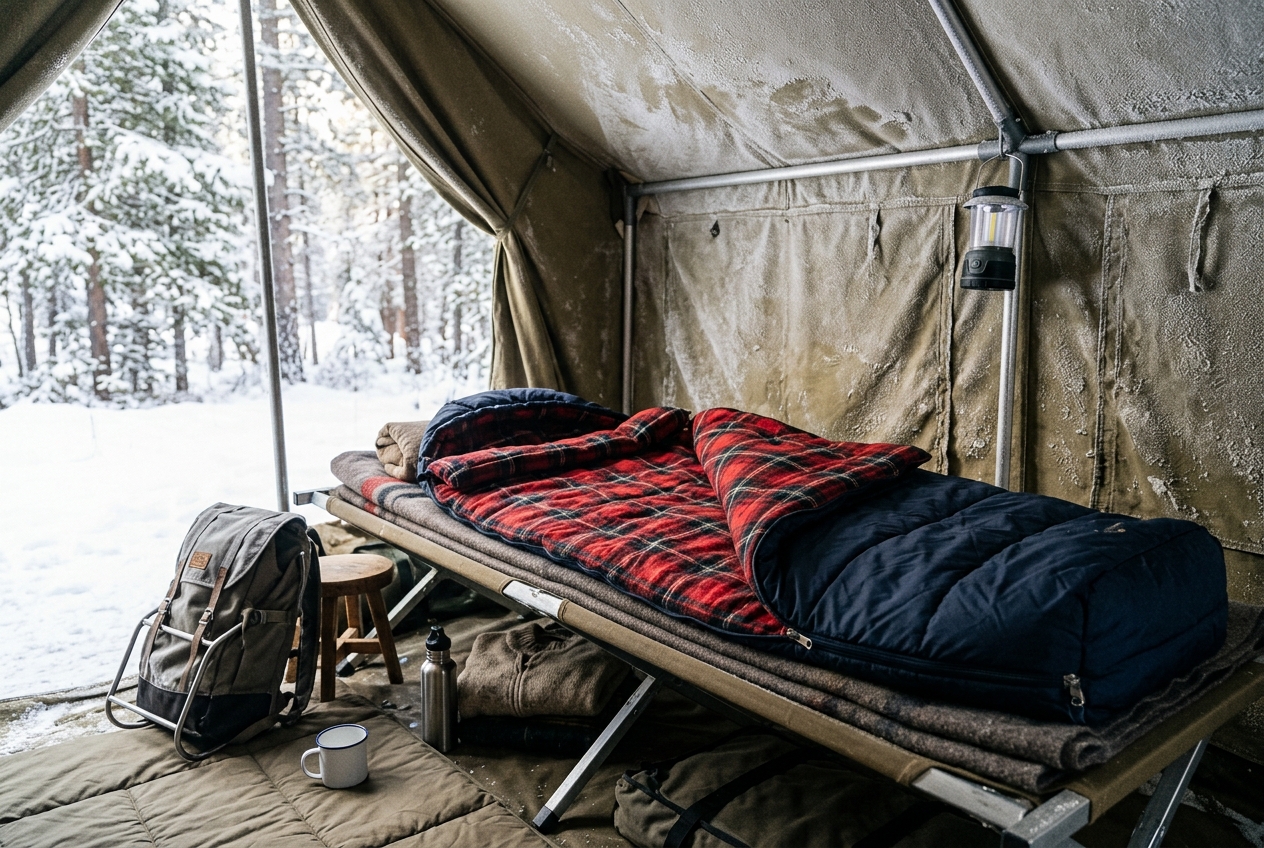
Not every sleeping bag fits every body. Many bags feel tight if you are tall or broad. A snug bag is not just uncomfortable. It can also make you colder. When the fabric presses against you, it flattens the insulation. That means less warmth where you need it most. The BISINNA 0° XL is built to fix that problem.
Room to Move
This bag measures 230 by 90 centimeters. That is about 90 inches long and 35 inches wide. Most standard bags are shorter and narrower. The extra length gives tall campers room for their feet. The extra width gives larger campers room for their shoulders and hips. You can shift and roll without feeling stuck.
That extra room matters for warmth too. When you have space, the insulation stays fluffy. Fluffy insulation traps more air. Trapped air keeps you warm. So the roomy fit is not just about comfort. It helps the bag do its job.
Built for Cold and Damp
The BISINNA is rated to 0 degrees Fahrenheit. That makes it a solid pick for winter camping and cold nights. Keep in mind that temperature ratings are survival numbers, not comfort numbers. You will likely want a warm base layer and a good sleeping pad to stay cozy at the low end.
The outer shell uses 190T polyester with a water-repellent finish. This helps shed moisture. Cold nights often bring damp air, dew, and condensation inside a tent. A water-repellent shell keeps that wetness from soaking in. A dry bag stays a warm bag. Wet insulation loses much of its heat-trapping power, so this feature is a real plus.
Warm Details That Help
The foot area is lined with soft baby flannel. Your feet often get cold first. The flannel adds extra warmth right where you need it. It also feels nice against bare skin.
The zipper and collar are made to block cold wind. A draft along the zipper can steal heat all night. The windproof design helps seal in your body heat. A snug collar keeps warm air from escaping around your neck and shoulders.
Who It Is For
Pick this bag if you are big, tall, or just want more room. It is also a good choice if you camp in wet, cold places. The XL size adds bulk and weight, so it is better for car camping or base camps than long backpacking trips. If you carry your gear far on foot, the size may feel heavy.
For its price point, the BISINNA sits in the mid-range. You get real cold-weather features and a fit that works for larger bodies. That combination is hard to find in standard-size bags.
Go Time Gear Ultralight Survival Tent: Best Emergency Shelter
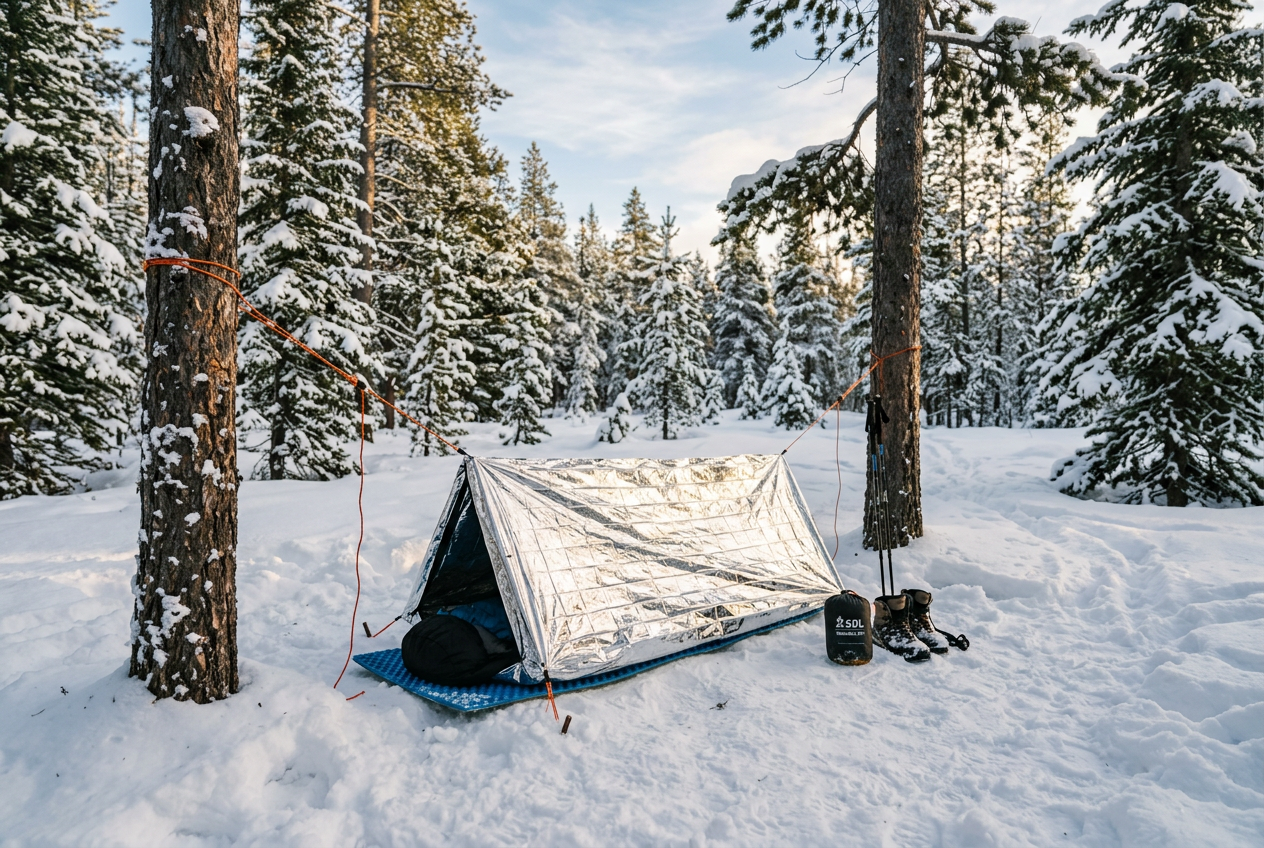
When the cold hits and you need shelter fast, weight matters. A heavy tent slows you down. This one does not. The Go Time Gear Ultralight Survival Tent weighs just 8.7 ounces. That is lighter than most water bottles. You can toss it in a bag and forget it is there.
Why it stands out
This tent is made from military-grade Mylar. Mylar reflects your body heat back to you. That is the same tech used in space blankets. But this is more than a blanket. It is a real tent shape. You string it up between two points, and it gives you a roof and walls.
The Mylar layer traps warmth in cold conditions. When you are outside in wind, rain, or snow, that heat retention can make a big difference. It keeps the heat close to your body instead of letting it drift away.
Built for your bug out bag
If you build a bug out bag, space is always tight. Every item has to earn its spot. This tent earns its spot easily. It is small, light, and packs down flat. You can fit it next to your first aid kit and still have room to spare.
The compact size makes it a smart pick for emergency packs, car kits, and day hikes. You carry it and hope you never need it. But if you do need it, you will be glad it is there.
More than one use
The best part is how flexible this tent is. It works as a bivy tent for one person. But you can also open it up and use it as an emergency blanket. Wrap it around yourself to stay warm. Or lay it on the ground as a barrier from cold, wet dirt.
This kind of versatility is rare. Most gear does one job. This one does several. That is why it fits so many different scenarios, from a stalled car in a storm to a lost hiker waiting for help.
It comes as a 2-pack. So you can keep one in your bag and one in your car. Or share with a friend or family member.
Quick specs
The bottom line
The Go Time Gear tent is not a replacement for a full four-season tent. It is an emergency shelter. That means it is meant for short-term use when things go wrong. For that job, it is hard to beat. It is light, it holds heat, and it does more than one thing. Keep one packed, and you have a warm backup ready when you need it most.
Emergency Mylar Thermal Blankets (4-Pack): Best Budget Backup
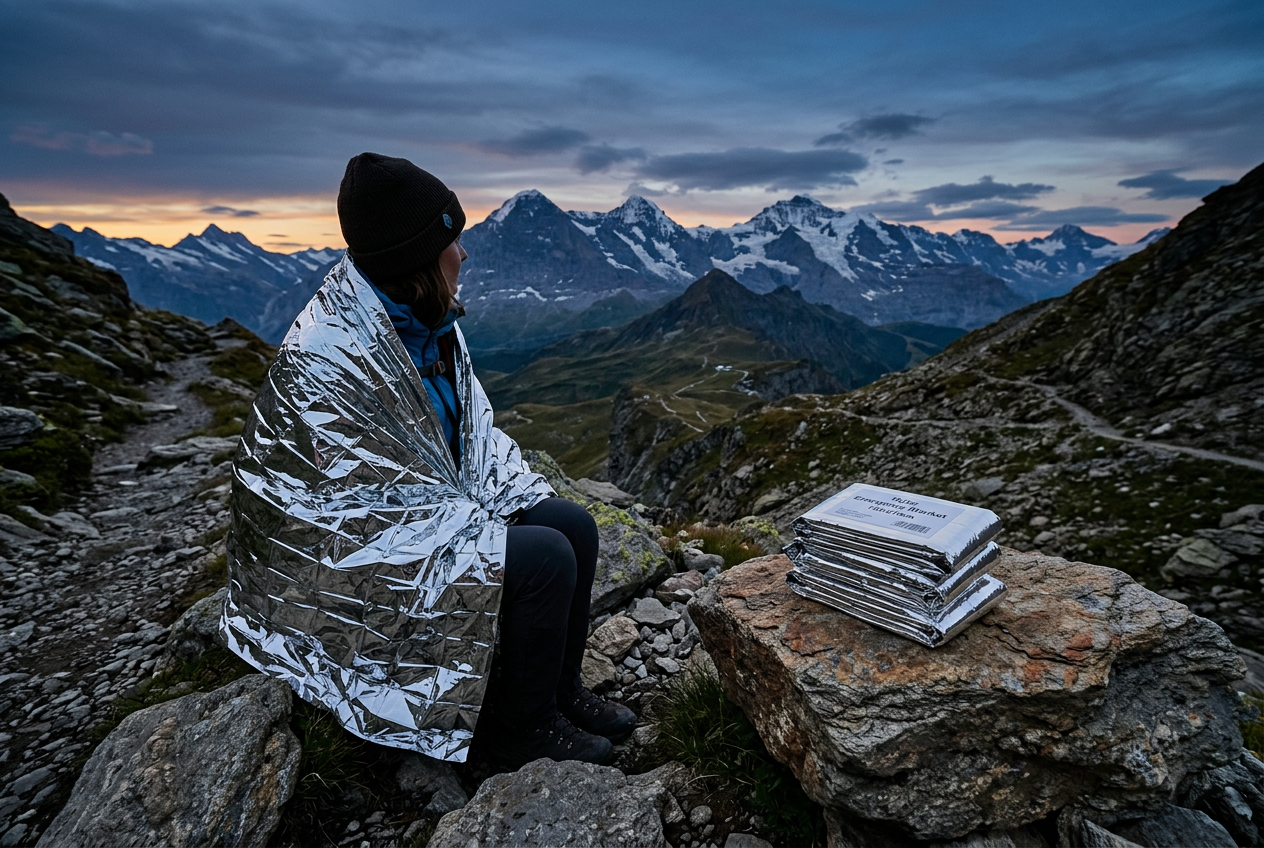
Sometimes the simplest gear does the most work. These Mylar thermal blankets are a good example. They cost very little, weigh almost nothing, and can help save your life in the cold. That is why they earn our pick for best budget backup.
Why Mylar Blankets Work
Mylar is a thin plastic film with a shiny metal coating. This one uses aluminized Mylar. The shiny surface reflects your body heat back to you. That keeps warmth from escaping into the cold air around you.
The maker says these blankets retain up to 90% of your body heat. That is a big deal when you are stuck in a storm or lost on a trail. Your body loses heat fast in the cold. A blanket that traps that heat can help you avoid hypothermia and shock.
You get four blankets in this pack. That means you can keep one in your car, one in your pack, one at home, and still have a spare. Having more than one is smart. If one tears, you are not out of luck.
Small Enough for Every Kit
Each blanket unfolds to 82 inches by 52 inches. That is large enough to wrap around most adults. Yet each one folds down to a tiny square. You can slip it into a jacket pocket, a glove box, or a bug out bag without adding weight or bulk.
This is the main reason to own them. You should have warm gear stashed in more than one place. A big sleeping bag stays at camp or in the trunk. A Mylar blanket goes everywhere. Toss one in your hiking pack, your kid’s school bag, or your emergency kit. You will forget it is there until you need it.
More Than One Use
These blankets do more than wrap around you. You can use one as a ground cover to block cold from the earth below. You can string one up as a quick shelter to block wind and rain. You can lay one over a sleeping bag for extra warmth. In a pinch, the shiny surface can even act as a signal to help rescuers spot you.
What to Keep in Mind
Mylar blankets are thin. They can tear if you snag them on a branch or rough ground. Handle them with a little care. They also do not breathe, so moisture can build up inside. Crack an opening now and then to let damp air out.
These are not a full-time shelter. Think of them as a backup, not your main plan. For the price and size, though, there is no reason not to own several. Keep them in every kit and pack you own.
QIO CHUANG Mylar Thermal Blankets (4-Pack): Best Value Alternative
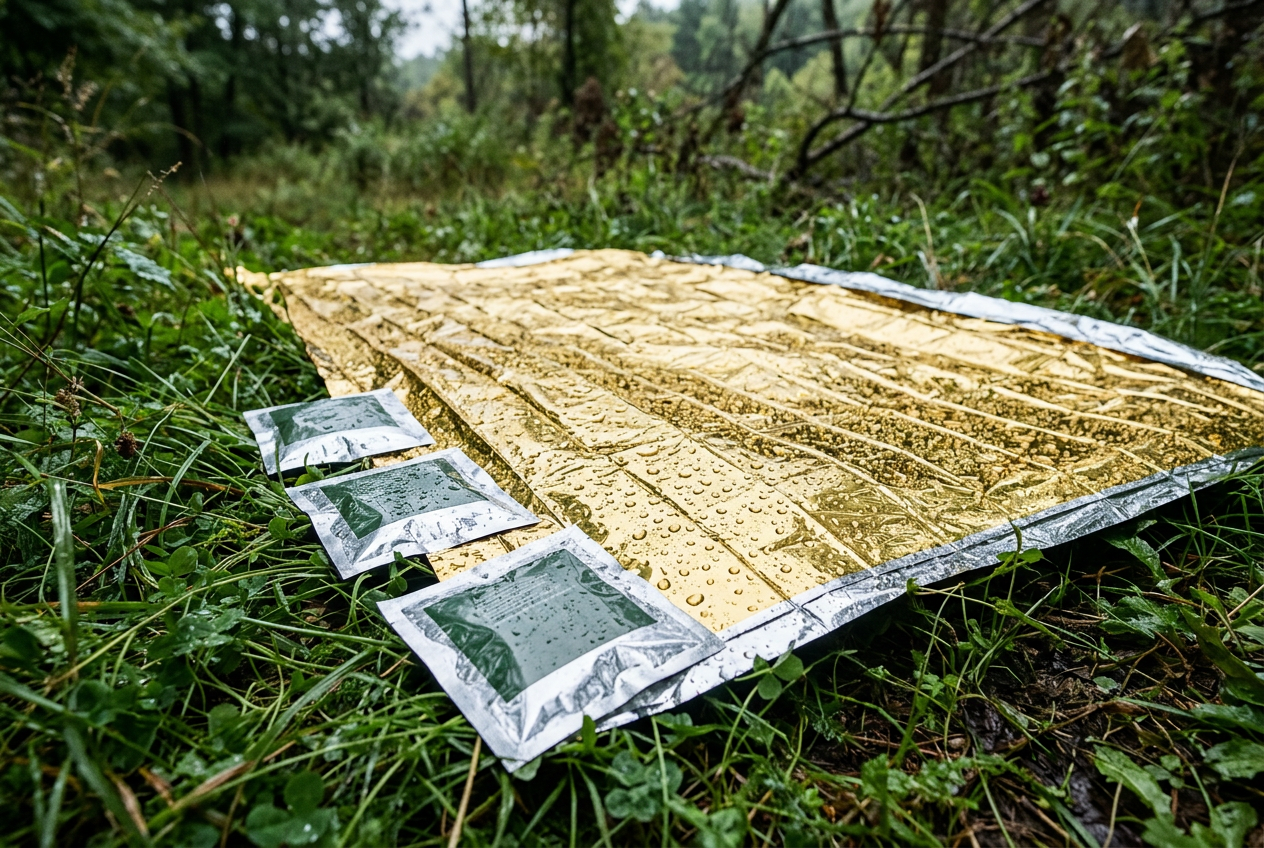
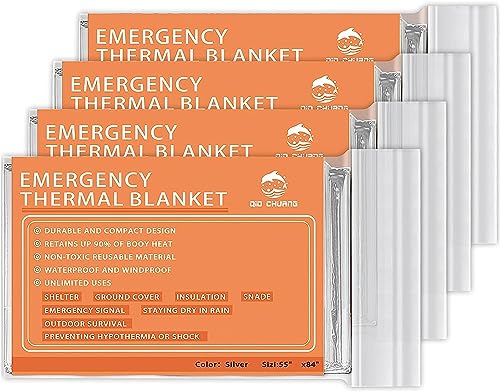
If you want another solid Mylar blanket option, the QIO CHUANG 4-pack is worth a look. It covers the same job as other emergency blankets. It traps your body heat and blocks the cold. The four-pack means you have enough for a small group or for backup gear in more than one place.
Built to Hold In Your Heat
These blankets use advanced aluminized Mylar. Both sides are coated, so the material reflects heat back toward your body. The maker says the blankets hold in up to 90% of your body heat. That is the main reason a thin sheet like this can keep you warm. It is not thick like a wool blanket. It works by bouncing your own warmth back at you.
Each blanket measures 84 inches by 55 inches. That is large enough to wrap around most adults. You can also drape it over your shoulders and legs while you sit and wait for help. The large size gives you more ways to use it.
Waterproof and Windproof
Cold gets worse fast when you are wet or when the wind cuts through your clothes. These blankets are waterproof and windproof. That helps in rain, snow, and damp weather. You can use one to block moisture from the ground. You can also use it as a wind shield if you get stuck outside.
This is a big part of stopping hypothermia. Wet skin and wind pull heat away from your body. A blanket that keeps water and wind out helps you stay warmer for longer. It can also help with shock in an emergency by keeping a person warm and dry.
More Than One Way to Use Them
A Mylar blanket is not just for wrapping up. You can use these in a few ways:
- Body wrap: Cover yourself to hold in heat and fight hypothermia.
- Ground cover: Put one under you to block cold and wet from the ground.
- Shade or shelter: String one up to block sun or rain.
Having four blankets gives you room to do more than one of these at the same time. You could sit on one and wrap up in another.
Storage and Handling
Each blanket comes folded, wrapped, and sealed on its own. That keeps them clean and dry until you need them. It also makes them easy to pack. You can drop one in a car kit, one in a go-bag, and keep extras at home. They are reusable, so you can fold them back up after use, though they can be tricky to refold as tight as new.
For a low-cost backup that does real work, this four-pack is a smart value pick. Keep a set with your other cold weather gear.
Yaktrax Geothermal Hand Warmers (10-Count): Best for Extremities
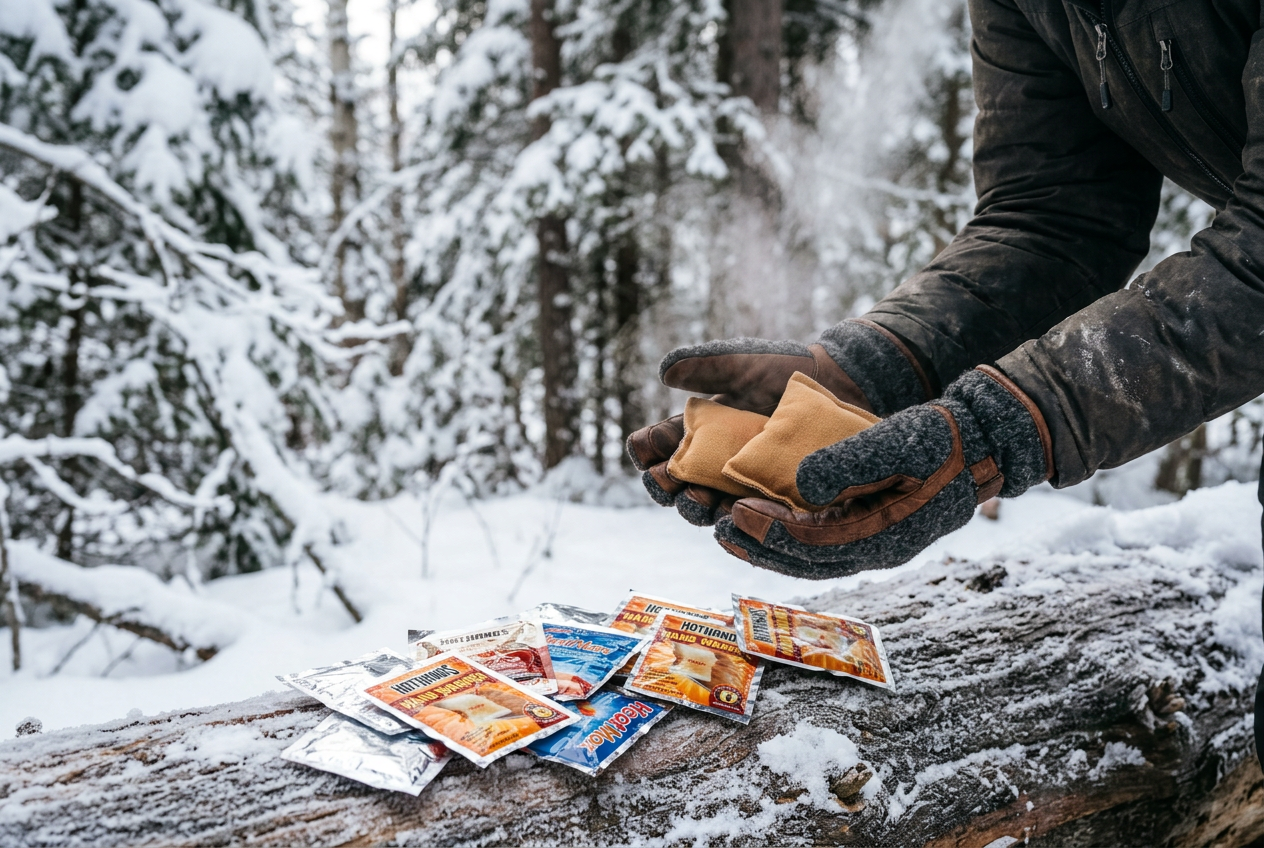
Your hands do most of the work in a cold weather emergency. You use them to set up a tent, start a fire, zip a jacket, and open food. But your hands are also one of the first parts of your body to feel the cold. When they get too cold, they stop working right. That is where hand warmers help.
The Yaktrax Geothermal Hand Warmers come in a 10-count pack. They are air-activated. That means you just open the package and shake them a little. The warmer starts making heat on its own. You do not need a lighter, batteries, or a power source. Each warmer gives up to 10 hours of steady heat.
Why Warm Hands Matter So Much
Cold hands are not just uncomfortable. They can be dangerous. When your fingers get cold, you lose dexterity. Dexterity is your ability to move your fingers well. You need it for small tasks that keep you safe.
Think about what happens if your fingers go numb. You may not be able to tie a knot. You may drop your fire starter in the snow. You may fumble with a zipper and let cold air into your coat. Simple jobs become hard jobs. Hard jobs can turn into real problems.
Keeping your hands warm helps you stay in control. A warm hand can still grip, pull, and pinch. That keeps you working and keeps you calm. In a survival setting, staying calm and able is a big deal.
How to Use Them
Using these warmers is easy. Open one, give it a shake, and let air do the rest. You can hold a warmer in each hand. You can also slide one into each glove or mitten. Some people tuck them into boots to keep toes warm too.
The warmers are small and light. They fit in a pocket, a pack, or a glove box. That makes them a smart add-on to any cold weather kit. A 10-count pack gives you five pairs. That covers you for several cold days or one long trip.
Where They Fit in Your Kit
Hand warmers are not a main heat source. They will not keep your whole body warm. Think of them as backup for your extremities. Your sleeping bag, shelter, and clothing do the big work. The warmers protect the parts that get cold first.
For the size and low cost, they earn a spot in your bag. Keep a few pairs on hand for winter drives, hikes, and emergencies. When your fingers start to go numb, you will be glad they are there.
Ready-Made Kits for Cold Weather Emergencies
Good sleeping bags, shelters, and hand warmers keep your body warm. But cold weather brings other problems too. Power can go out. Roads can close. You may get stuck at home or in your car for days. That is where a ready-made kit helps. It fills the gaps your gear does not cover, like food, water, first aid, and light.
You do not have to build these kits from scratch. Someone already picked the parts and packed them for you. Below are two kits worth pairing with your cold weather gear.
Ready America 72 Hour Deluxe Emergency Kit
This kit is built to support four people for three days. That makes it a good fit for a family. Everything comes in one backpack you can grab and go. If a winter storm forces you to leave home, you take one bag and have the basics covered.
Here is what stands out for cold weather. The kit includes a survival blanket and shelter gear. Those items trap body heat and block wind, which matters most when temperatures drop. It also packs four 2400 calorie food bars and four 1 liter water cartons. Your body burns more energy staying warm, so food and water are not extras. They help you keep heat.
You also get a 107 piece first aid kit, dust masks, gloves, and simple tools. The leather work gloves are handy in the cold. So are the nitrile gloves under them. This kit does not replace your sleeping bag or tent. It rounds out the rest of your setup so you are not missing the small things that matter.
Emergency Zone Power Outage Emergency Kit
Cold weather and power outages go together. Ice and heavy snow bring down lines. When the power goes, so does your heat and your lights. This kit is built for that exact problem.
It comes with two LED flashlights, two collapsible lanterns, six candles, and four light sticks. That is a lot of light for a dark night. It also includes a hand crank radio, so you can hear weather updates even if the batteries die. The waterproof matches are a strong point in winter. Wet, cold conditions make cheap matches useless. These light even when damp.
There is even a deck of playing cards. That sounds small, but staying calm and busy matters when you are stuck inside for hours.
How These Kits Fit Together
Think of it this way. Your sleeping bag, tent, and hand warmers keep your body warm. The 72 hour kit covers food, water, and first aid. The power outage kit keeps the lights on and the radio working. Together they cover most winter emergencies at home or on the road. Pick the kit that matches your biggest risk, or keep both.
How to Choose Cold Weather Survival Gear
Picking the right cold weather gear starts with a few simple questions. How cold does it get where you live? What will you be doing? Are you camping on purpose or packing for an emergency? Your answers point you to the right gear. Here are the main things to think about.
Temperature Ratings
Every good sleeping bag lists a temperature rating. This is the lowest temperature the bag is built to handle. Pick a bag rated for colder than you expect. If nights drop to 10 degrees, a 0 degree bag gives you a safe cushion. A bag like the Browning McKinley -30° is made for harsh cold. A 0 degree BISINNA bag works well for milder winters. Do not trust a rating alone, though. Wet ground, wind, and your own body all change how warm you feel.
Layering Strategy
Staying warm is about layers, not one big item. Trapped air is what keeps you warm. More layers mean more trapped air. Think of your sleeping setup the same way. A sleeping bag is your base. A mylar blanket adds a reflective layer that bounces heat back to you. Hand warmers heat the spots that get cold first, like fingers and toes. Stack these tools together and you stay warmer than any single item can do on its own.
Weight and Packability
How much can you carry? This matters a lot. If you hike or keep a bug out bag, weight and size count. A full winter sleeping bag is heavy and bulky. That is fine for car camping or home storage. But for a pack you carry on foot, lighter is better. The Go Time Gear survival tent weighs under 9 ounces and folds down small. Mylar blankets fold flat and weigh almost nothing. Match the weight to how far you plan to move.
Primary Versus Backup Warmth
Not all gear does the same job. Some gear is your main warmth. A sleeping bag or a heavy coat is primary gear. It does the heavy lifting. Other gear is backup. Mylar blankets and hand warmers are backup. They are cheap, small, and easy to store in bulk. Keep both kinds on hand. Your primary gear keeps you warm most of the time. Your backup gear saves you when things go wrong, like a torn tent or a night colder than you planned.
Match Gear to Your Situation
Think about your real risks. A camper in deep snow needs a strong bag and a shelter. A driver worried about getting stuck needs blankets and hand warmers in the trunk. A family at home needs backup warmth for power outages. There is no single best cold weather gear for everyone. The best setup is the one that fits your climate, your activity, and the emergency you are most likely to face.
Frequently Asked Questions
Do Mylar blankets really work?
Yes, but with limits. A Mylar blanket reflects your body heat back to you. Good ones can hold up to 90% of your body heat. This helps stop hypothermia in an emergency.
But a Mylar blanket does not make its own heat. It only reflects the warmth you already have. It also blocks wind and rain when you wrap up tight. For the best result, put a layer between you and the cold ground. Mylar works best as a backup, not your only plan. Keep a pack like these Mylar thermal blankets in your car and bag.
What does a sleeping bag temperature rating mean?
The rating is the lowest temperature where the bag should keep most people alive. It is not the temperature where you feel cozy. A “comfort” temperature is usually higher than the rating on the label.
So pick a bag rated colder than the coldest night you expect. If nights drop near 0 degrees, a 0 degree bag may feel chilly. A -30 degree bag gives you more room to stay warm. What you wear and what you lie on also change how warm you feel.
Are hand warmers safe to use indoors?
Air-activated hand warmers like these Yaktrax hand warmers are safe indoors. They do not burn fuel and they make no smoke or fumes. They warm up when air hits the packet. That makes them a good choice inside a tent, car, or home during a power outage.
Still, follow a few rules. Do not put them right on bare skin for a long time. That can cause burns. Keep them away from small kids and pets. Do not sleep on top of them.
How do you prevent hypothermia?
Hypothermia happens when your body loses heat faster than it can make heat. You start to shiver, feel confused, and lose energy. Here is how to stay ahead of it.
First, stay dry. Wet clothes pull heat away from your body fast. Change out of damp layers as soon as you can.
Second, cover your head, hands, and feet. You lose a lot of heat from these spots. Hand warmers and a hooded sleeping bag help here.
Third, get off the cold ground. The ground steals heat while you sleep. Use a pad, leaves, or a Mylar blanket under you.
Fourth, layer your clothes. Wear a base layer that moves sweat away from your skin. Add a warm middle layer like fleece. Top it with a wind and water shield. You can add or remove layers as you move.
Last, eat and drink. Your body needs fuel to make heat. Warm food and water help you stay warm from the inside.
Final Thoughts and Next Steps
Cold weather can turn dangerous fast. The good news is that staying warm does not have to be hard. The right gear does most of the work for you. You just need to pick items that match your needs and keep them ready.
Here is a quick way to think about the best picks by use case.
Match the Gear to Your Needs
If you face extreme cold, start with the Browning McKinley -30° Sleeping Bag. It is built for freezing nights. The two-layer construction helps stop cold spots. The big hood and brushed liner keep you cozy when temperatures drop hard.
If you are a bigger or taller camper, the BISINNA 0° XL Sleeping Bag gives you more room. It has an extra-large size and a water-repellent shell. The soft foot lining adds warmth where you need it.
For a light shelter you can carry anywhere, the Go Time Gear Ultralight Survival Tent is a smart choice. It weighs only 8.7 ounces. It fits in a pack and reflects your body heat back at you.
To keep your hands and feet warm, grab the Yaktrax Geothermal Hand Warmers. They start working in the air and last up to 10 hours. They fit in gloves, boots, or pockets.
For a cheap backup, the Emergency Mylar Thermal Blankets pack a lot of warmth into a tiny space. The QIO CHUANG Mylar Blankets are a solid value option if you want a spare set.
Where to Start
If you are not sure where to begin, keep it simple. Start with two things.
First, get an emergency blanket. It is cheap, small, and easy to store. You can keep one in your car, your bag, and your home. It reflects up to 90% of your body heat. That makes it a strong first layer of protection.
Second, add a rated sleeping bag. Look at the temperature rating and match it to your cold. A blanket plus a rated bag covers most cold weather situations. You stay warm at rest, and you have a backup if plans change.
From there, you can build out your kit. Add hand warmers. Add a shelter tent. Add a ready-made kit if you want everything in one grab-and-go bag.
Keep Learning
Gear is only part of staying safe. Knowing what to do matters too. Read our guide on winter storm prep to learn how to get your home and car ready before the cold hits. Then check our guide on emergency shelter tents to see how to pick the right shelter for your trips.
Pick your gear, keep it where you can reach it, and check it once a year. A little planning now keeps you warm when it counts.


