Ready
Ready
Best Paracord and 50 Ways to Use It for Survival (2026)
Picture yourself miles from the trailhead. A tent pole snaps. Your boot lace breaks. You need to hang food away from bears. In each case, one simple tool can solve the problem. That tool is paracord.
Paracord is thin, strong nylon rope. The most trusted kind is 550 Type III cord. The “550” means it can hold up to 550 pounds before it breaks. Inside the outer sheath sit seven inner strands. You can pull those strands out and use them for smaller jobs like fishing line or sewing thread. That is a lot of use packed into one lightweight cord.
This is why paracord earns a spot in almost every bug out bag. It weighs little. It takes up almost no room. And it can do dozens of jobs when things go wrong. Campers, hikers, hunters, and preppers all keep it close.
In this guide, you will learn 50 real ways to use paracord for survival. You will see how to build shelter, make repairs, catch food, and handle emergencies. You will also get honest reviews of the best paracord you can buy right now. That includes budget spools, bulk bundles, mil-spec cord, and wearable bracelets with built-in tools.
By the end, you will know which paracord fits your needs and how to put it to work.
- Type III rating: Look for true 550 or higher rated cord that holds real weight.
- Inner strands: Pick cord with 7 twisted inner strands you can pull out and use.
- Nylon sheath: A tight nylon outer sheath resists rain, wind, and unraveling.
- Enough length: Choose generous spool lengths so you never run short in the field.
Below are our top paracord picks for survival. Keep reading the full article to see how each one earns its spot and how to put all 50 uses to work.

Paracord Planet Paracord
This is genuine 100% nylon Type III cord with 7 twisted inner strands, and it comes in generous spool lengths and over 50 colors. It gives you the reliability, capacity, and all-around usefulness this article is built around, unlike bracelet kits that pack only about 12 feet of cord.

KOKKOYA 100 ft Paracord
A solid basic choice with a 7-strand core tested to 550 pounds and a 32-strand outer sheath. It covers the core survival uses without any extra frills.

RLXMARTD 8 Pack Survival Bracelets
This pack earns the most-popular spot because it bundles whistles and compasses into eight wearable bracelets. Just know each holds only a short length of cord, so it works better as a grab-and-go extra than your main rope supply.

Glicraft 10 Strand Paracord
The premium pick delivers 10 separate strands totaling about 1000 feet, with each rated to 650 pounds. That is a huge supply in 10 colors, perfect for stocking backups for every project.
In this guide



Reviewed by Marcus T., Ryan C. & Elena V. — contributors with hands-on preparedness experience. How we test
Why Trust This Guide?
This article was researched and reviewed by contributors with hands-on experience in emergency preparedness. They have tested gear, built real systems, and lived through situations where these skills actually mattered.
Paracord Comparison Table: At-a-Glance Picks
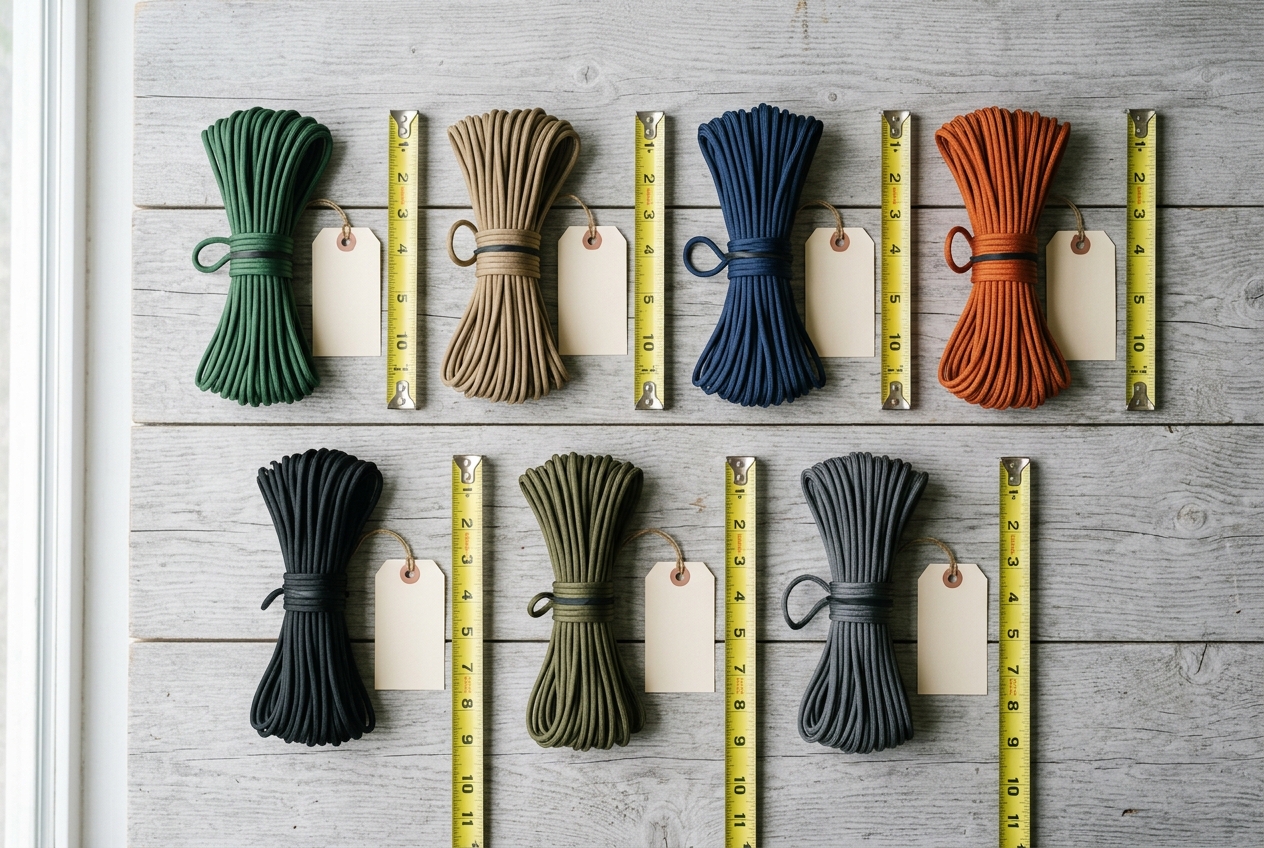
Not all paracord is the same. Some rolls are best for long survival use. Others are made for crafts or bulk projects. A few come as bracelets you can wear. This table lets you scan the main picks fast. Look at the strength, length, strand count, and best use. Then read the full review for the ones that fit your needs.
Here is a quick look at each pick and who it fits.
The KOKKOYA roll is a great first buy. It has a strong 7-strand core and a smooth outer sheath. Use it to learn knots and make bracelets.
Paracord Planet spools come in many lengths and over 50 colors. This is the pick if you craft a lot or want a big supply.
The Mil Spec Type III cord meets military build standards. It gives you solid strength at a fair value.

The Glicraft bundle gives you 1000 feet split into 10 colors. Each rope holds up to 650 pounds. It is the top choice when you need lots of cord.
TECEUM offers 40 color options and a real mil-spec build. Pick this one if color matters to you.

The Atomic Bear bracelet packs a fire starter, compass, and whistle. You wear the cord on your wrist and use it when you need it.

The CooBigo 10-pack gives you buckles with a compass, fire starter, and whistle. It is handy for building your own bracelets or gear kits.

The RLXMARTD 8-pack comes in eight colors with a whistle and compass in each. These make simple, useful gifts for friends and family.
Use this table as a starting point. The full reviews below explain the small details that set each one apart.
KOKKOYA 100 ft 550 Paracord: Best for Beginners
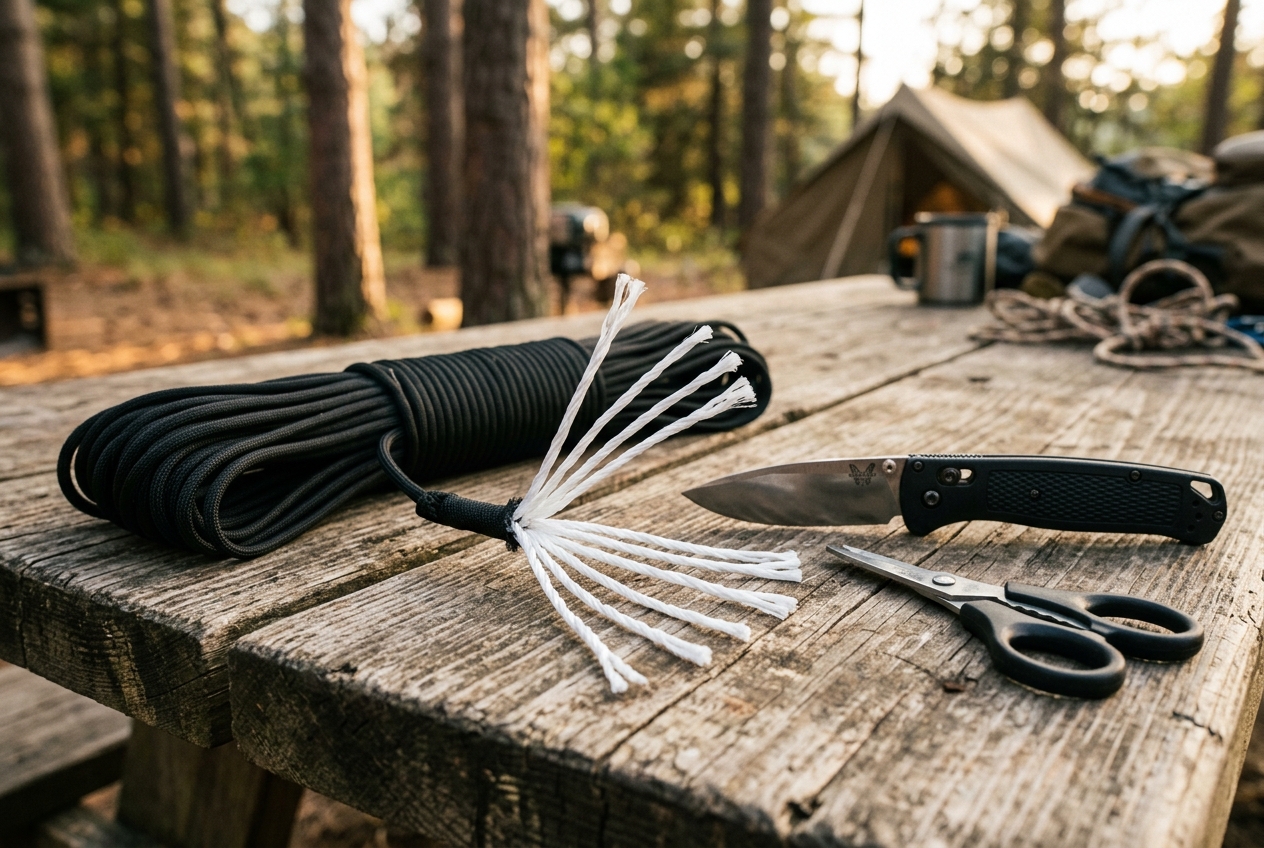
If you are new to paracord, the KOKKOYA 100 ft 550 cord is a smart place to start. It gives you plenty of length to practice with. It also has the right build to handle real jobs around camp. You get room to make mistakes and still have cord left over.
What You Get Inside the Cord
This is true Type III 550 paracord. That means it has a 7-strand inner core. Each of those 7 strands is made from 3 layers of twisted yarn. That gives you 21 small strands total once you pull the core apart. The outer sheath is woven from 32 strands. All of that is packed into a cord about 1/8 inch wide, which is close to 4mm.
The name 550 comes from the rated strength. This cord is built to hold up to 550 pounds of pull. That is strong enough for most camp and crafting tasks. You can hang a tarp, build a ridgeline, or lash gear without worry. For a beginner, that strength rating is a good safety margin.
Fray Resistance and Feel
One thing new users notice is how the cord feels. The KOKKOYA cord has a smooth outer weave. The tight 32-strand sheath helps it resist fraying. That matters a lot when you are learning. Frayed ends make knots and bracelets look messy. This cord stays neat while you work.
The nylon build also holds up outdoors. It is made to take abrasion, wet weather, and hot or cold temperatures. So you can leave it on your pack or in your kit and trust it later. It stays flexible in the cold, which helps when you need to tie knots with cold hands.
Why It Works for Beginners
The 100 foot length is the big win here. You have enough cord to try many projects. You can make a bracelet, a lanyard, or a keychain. You can also cut off working lengths for camp chores. If a project goes wrong, you still have cord to spare. That takes the pressure off while you learn.
The price point is budget friendly too. You do not need to spend much to get a real Type III cord. That makes it easy to buy without second guessing.
Pull the core out and you gain even more uses. Those inner strands work as fishing line, sewing thread, or snare cord in a pinch. This is one reason people love 550 paracord for survival kits.
For a first spool that covers crafting and camping, the KOKKOYA 100 ft 550 paracord is a solid pick. It gives you strength, clean ends, and enough length to build real skills.
Paracord Planet Spools: Best for Bulk and Crafts
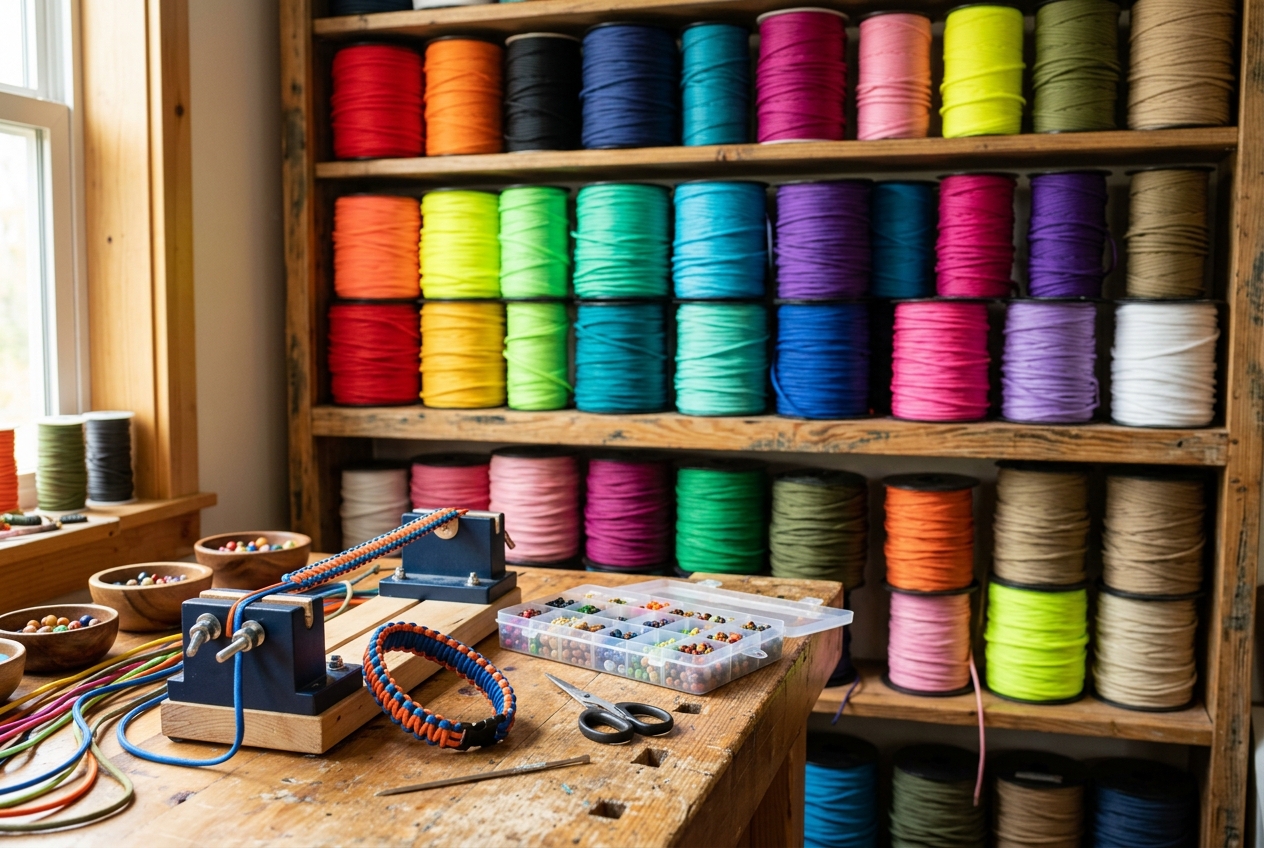
If you go through a lot of paracord, buying it in bulk just makes sense. Paracord Planet sells its cord on big spools. You can pick a 1,000 foot spool, a 250 foot spool, or a 100 foot hank. That last option is smaller if you only need a little.
The 1,000 foot spool is the star here. That is a huge amount of cord. It is great if you make lots of paracord projects. It is also good if you want to stock up and not run out. When you buy in bulk, you often pay less per foot. So this is a solid mid-range choice for high-volume users.
Built to Last
This is real Type III 550 paracord. It has a 100% nylon sheath on the outside. Inside, it holds 7 twisted inner strands. That is the standard build for good paracord. Nylon stands up to sun, wind, and rain. It does not rot like some natural fibers. So your gear stays strong outdoors.
Because it is nylon, this cord works for many jobs. Use it for camping, hiking, hunting, and fishing. Wrap it around a knife handle for a better grip. Tie down your gear so it does not shift. Rig a shelter or hang a bear bag. The inner strands can pull out too. You can use them for fishing line, sewing, or small repairs.
A Rainbow of Colors
The big draw for crafters is the color range. Paracord Planet offers 50 or more colors. That is a lot of choices. You can find bright colors, dark colors, camo patterns, and mixed shades. This matters if you like to match a theme or make gifts.
With so many colors and so much cord, this is a great pick for craft projects. You can make bracelets, lanyards, and necklaces. You can also weave coasters or cozies. If you sell your projects or teach others, a big spool keeps you supplied for a long time.
Who Should Buy It
This spool is best for two kinds of people. First, crafters who make many projects and want lots of color options. Second, anyone who wants to buy once and not think about it for a while. A 1,000 foot spool covers a ton of uses.
If you only need cord for one trip, this may be more than you want. The smaller 100 foot hank fits that need better. But if you want value and variety, the big spools are hard to beat.
The bottom line is simple. Paracord Planet gives you real Type III cord, tons of colors, and bulk value. That mix makes it our top pick for stocking up and for crafts.
Mil Spec Type III 550 Paracord: Best Mil-Spec Value
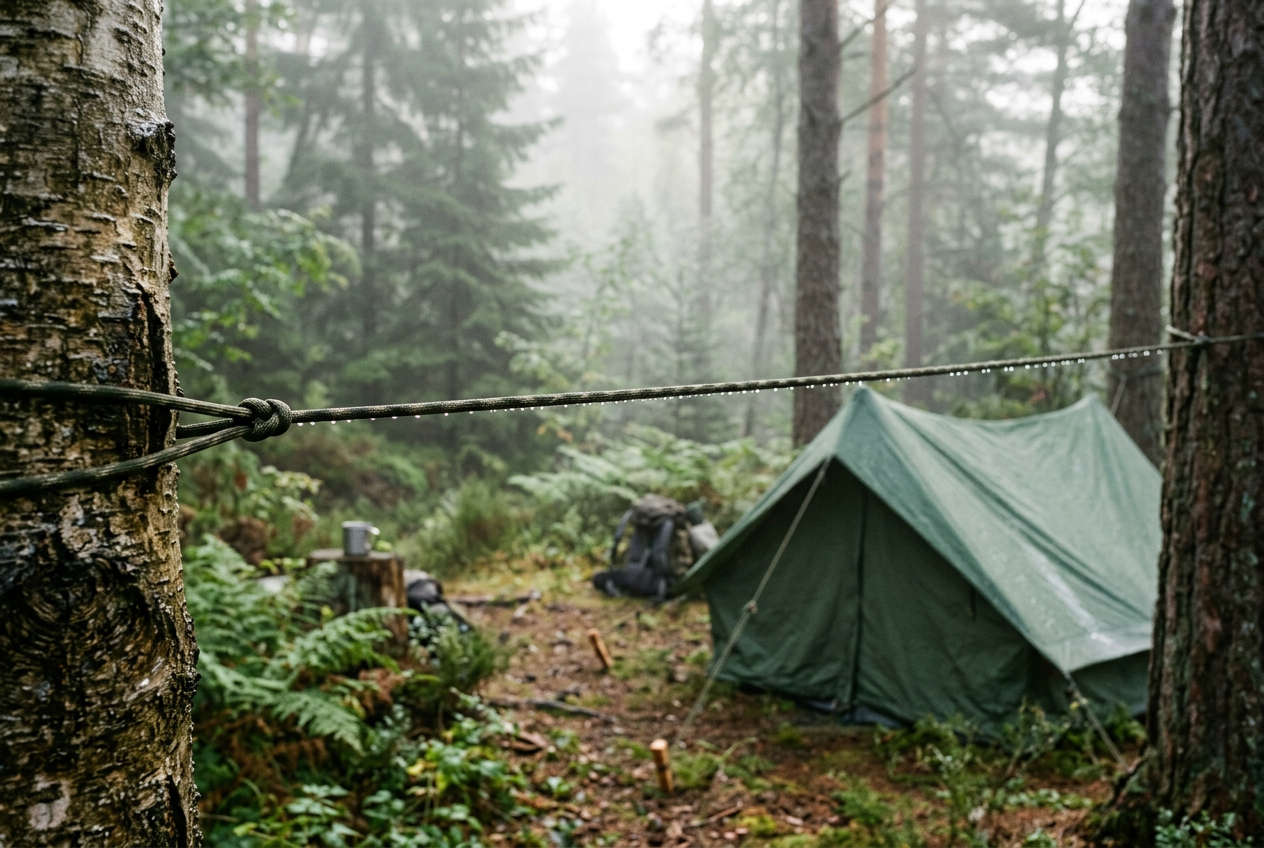
If you want paracord that meets a military-grade standard without a premium price, this cord is a strong pick. The Mil Spec Type III 550 Paracord gives you commercial-grade quality in a handy 100-foot length. It comes in camo green, which blends in well outdoors.
Built with a 7-Strand Core
The heart of good paracord is the inner core. This cord has a 7-strand core, which is the mark of true Type III 550 paracord. Each of those seven strands is made of smaller yarns. That means you can pull the core out and split it into even thinner threads.
Why does this matter? The inner strands give you more options. You can use them for fishing line, sewing thread, or fine repairs. The outer sheath handles the heavy work. So one length of cord really acts like many tools in one.
The 550 in the name points to the tensile strength. This cord is rated to hold up to 550 pounds. That is a lot of pulling power for something so thin and light. It is made from 100 percent nylon, which resists rot and holds up in wet weather.
100 Feet of Versatile Cord
You get 100 feet on a single hank. That is enough to handle most trips and projects without running out. It is also short enough to pack in a small bag or survival kit.
The uses are wide. Here are just a few ways people put this cord to work:
- String up a clothesline at camp.
- Rig tent guy lines to keep your shelter tight.
- Lash gear to a pack or a truck.
- Hang a bear bag away from your campsite.
- Fill a survival kit as an emergency rope.
You can also use it at home. It works for craft projects, bundling gear in the garage, or quick fixes around the house. The camo green color looks clean on braided bracelets and lanyards too.
Who Should Buy It
This cord fits campers, hunters, and anyone building a survival kit. The mil-spec commercial grade means you are getting the real 7-strand build, not a thinner knockoff. That gives you peace of mind when you trust the cord with real weight.
The 100-foot length sits in a good middle spot. It is not a giant bulk spool, and it is not a tiny sample. If you want a solid, all-around cord that you can rely on, this one earns its place. It offers strong value for the quality you get.
Check the Mil Spec Type III 550 Paracord if you want a trusted cord for camp, home, or your kit.
Glicraft 10-Strand 1000ft Paracord: Best High-Capacity Bundle
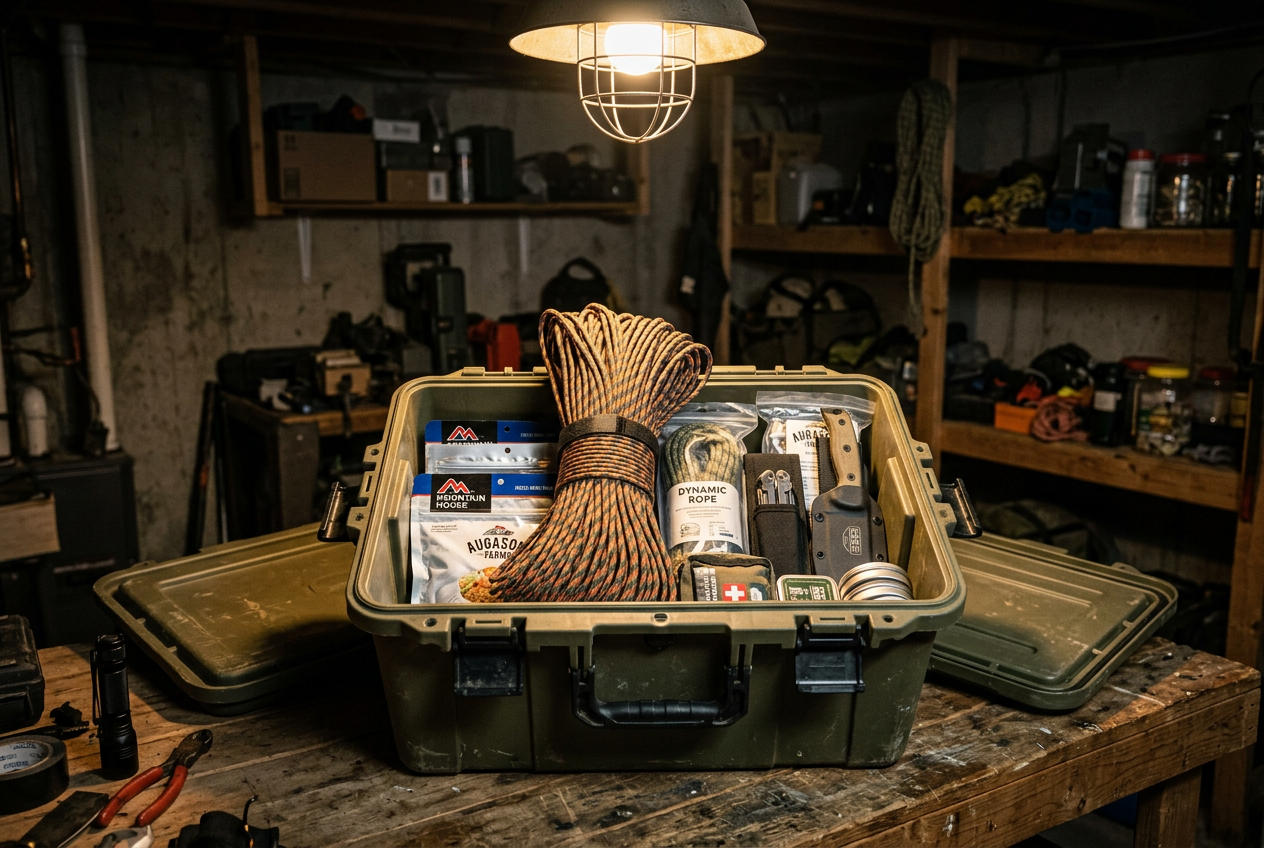
If you want a lot of cord and you want it strong, the Glicraft bundle is worth a close look. This pack gives you 10 strands of paracord. Together they add up to about 1000 feet, or 300 meters. That is a big supply. You can use some, share some, and still keep plenty in reserve.
Built for Heavy Loads
Each rope is about 4 mm wide, or 5/32 of an inch. That puts it in the same size class as standard 550 paracord. But the Glicraft cord is rated to hold up to 650 pounds. That is more than the usual 550-pound rating you see on Type III cord.
The extra strength comes from the build. Each rope has a 9-strand core. Each of those cores is made from 3 strands of twisted yarn. That gives you many inner strands you can pull out and use on their own. Think fishing line, sewing thread, snare wire, or gear repair.
The whole cord is made from nylon. Nylon takes a load well and stretches a little under stress. That stretch helps it hold up when you pull hard on it.
Why It Suits Long-Term Prepping
Most people do not buy 1000 feet of cord for one trip. This bundle makes more sense as a base supply for your home kit or your bug-out gear. You can cut it into lengths, store extra spools, and know you have backups for years.
The 10-color pack helps here too. You can use color to stay organized. Mark one color for shelter lines. Use another for gear repair. Save a bright color for anything you want to spot fast in the dark or in snow.
Glicraft says the cord resists UV sunlight, so long sun exposure will not weaken it as quickly. It also resists abrasion, which means it holds up when it rubs against rock, bark, or metal. And it dries fast after rain or a river crossing. Those three traits matter most when cord sits outside for a long time or gets used hard.
Who Should Buy It
This bundle fits you best if you have real volume needs. Preppers, large families, scout groups, and people who build a lot of shelters or gear will get the most from it. The price sits in the budget-to-mid-range zone for the amount of cord you get, which is a strong value per foot.
If you only need a short length for a bracelet or a single hike, this is more cord than you need. But if you plan for the long term and want strong, weather-ready cord in bulk, the Glicraft 10-strand pack is a smart pick.
TECEUM Type III 550 Tactical Paracord: Best for Color Options
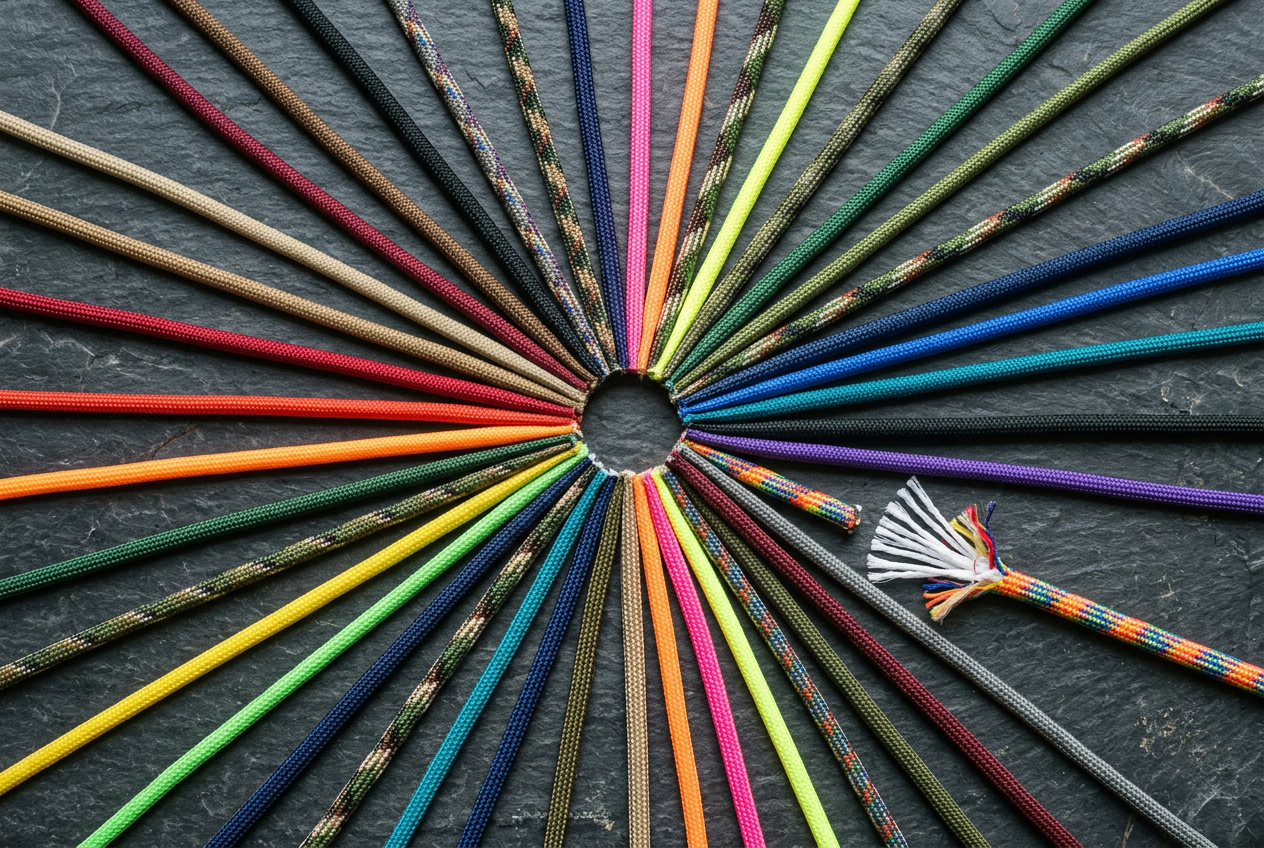
If you care about color, the TECEUM Type III 550 paracord stands out. It comes in 40 different color options. That is a big deal for crafts, gear marking, and quick spotting in the field. Most brands give you a handful of colors. TECEUM gives you a full palette to pick from.
Why color choice matters
Color is not just about looks. You can use bright cord to mark a trail. You can pick a color that shows up well against snow or dirt. You can tie one color to your tent line so you do not trip on it in the dark. You can also use different colors to sort your gear. One color for shelter cord. One color for repairs. One color for first aid kits. This makes your kit easier to manage under stress.
For crafters, more colors mean more design freedom. You can make bracelets, lanyards, and dog collars that look sharp. You can mix and match to build patterns. If you sell your work, color choice helps you stand out.
Real mil-spec build
Color is not the only strong point here. This cord is built to real standards. It is made to MIL-SPEC C-5040H. That means it follows the same rules the military uses for Type III 550 cord. The rating is 550 pounds of minimum breaking strength. That is 249 kilograms. This is true 550 paracord, not a knockoff.
The build is solid too. The outer sheath has 32 strands woven together. That gives it a tight, tough shell. Inside you get 7 core yarns. Each yarn is made of 3 nylon fibers. You can pull these inner strands out and use them on their own. They work well for fishing line, sewing thread, or small repairs. The cord is 100 percent nylon. It measures about 4mm thick, which is 5/32 of an inch. That is the standard size for Type III cord.
Length options and the e-book bonus
TECEUM packs this cord in several lengths. You can get 50, 100, 200, or 1000 feet. This makes it easy to match the amount to your needs. Grab a short length for a day pack. Grab the big spool for projects or a group kit.
There is also a small bonus. Each pack comes with a QR code. Scan it and you get a paracord e-book. This can help beginners learn knots and uses. It is not a huge feature, but it adds value at no extra cost.
The TECEUM cord sits in the mid-range for price. You pay a bit more than the most basic options, but you get real mil-spec quality and a huge range of colors. If color and standards both matter to you, this is a smart pick.
Wearable Paracord Kits: Bracelets with Survival Tools
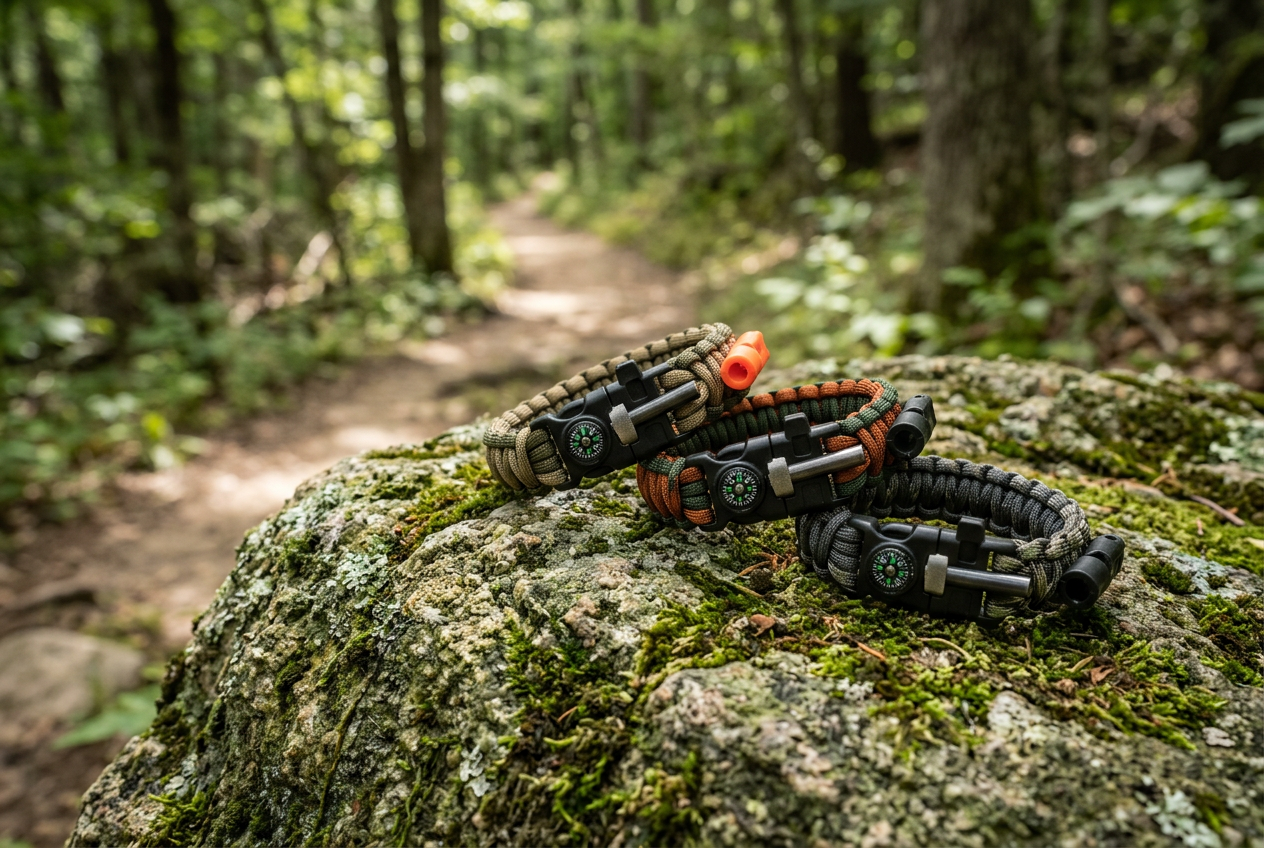
A paracord bracelet keeps rope on your wrist at all times. You do not have to dig through a pack. When you need cordage fast, you unwind the bracelet and go. Many of these bracelets add small survival tools too. Most come with a fire starter, a compass, and a whistle built into the buckle. That makes them a smart grab-and-go choice for day hikes, camping, or a bug-out bag.
Here are three options that take different approaches.
Atomic Bear Paracord Bracelet (2 Pack)
The Atomic Bear set gives you two bracelets. Each one packs 12 feet of paracord. Each buckle holds four tools. You get a ferro rod and striker, a compass, and a loud whistle. The bracelet adjusts from 8 inches to 10.5 inches. That range fits men, women, and older kids.
Two bracelets means you can wear one and hand the other to a family member. Or keep one in your car and one in your pack. The build quality is a step up from most basic kits. If you want a small number of well-made bracelets, this is a solid mid-range pick.
RLXMARTD 8 Pack Survival Bracelets
The RLXMARTD set trades polish for quantity. You get eight bracelets in eight colors. Each one weighs about 24 grams. Each has a whistle and a compass built in. The max wrist size is around 22 centimeters, so they fit most adults.
Eight bracelets is a lot. That makes this kit good for a scout troop, a big family, or gifts. The different colors also help you tell one person’s bracelet from another. Keep your expectations reasonable on the tools. Bundled compasses and whistles work for basic use, not precision. Still, for a budget, high-count option, this set covers a lot of wrists.
CooBigo Fire Starter Buckles (10 Pack)
The CooBigo pack is different. It is not a finished bracelet. It is ten plastic buckles, each with a compass, a fire starter, and a whistle built in. You supply your own paracord and weave your own bracelets.
This is the pick for crafters. If you buy paracord on a spool, these buckles let you build custom bracelets in your own colors and sizes. The buckle is made of POM plastic with a magnesium fire rod and metal parts. Ten buckles means you can make a batch for the whole crew. Pair these with bulk cord and you have a fun project that also builds real gear.
Which One Should You Pick
Want ready-to-wear quality? Go with Atomic Bear. Need many bracelets fast? The RLXMARTD 8-pack wins. Like to build your own? Grab the CooBigo buckles and some spooled cord.
How to Choose the Right Paracord
Not all paracord is the same. The right pick depends on what you plan to do with it. Here are the main things to check before you buy.
Tensile Strength
Tensile strength is how much weight the cord can hold before it breaks. Type III 550 paracord holds up to 550 pounds. This is the most common kind and works for most jobs. Some cords hold even more. The Glicraft 10-strand rope holds up to 650 pounds each. If you need to haul heavy gear or build a shelter, higher strength gives you more room to work.
Strand Count
Look at the inner core. Real Type III paracord has 7 strands inside the outer sheath. Each strand is made of smaller twisted fibers. This matters because you can pull the inner strands out and use them alone. They make great fishing line, sewing thread, or snare wire. More strands means more small cords you can pull apart when you need them.
Material
Good paracord is 100 percent nylon. Nylon is strong, stretchy, and holds up to water and sun. It dries fast and resists mold. Cheap cord may use blended fibers that fray or rot. All the top picks here use nylon, so you get cord that lasts.
Length
Think about how much cord you really need. A 100-foot pack like the Mil Spec Type III is enough for one kit or a few small jobs. If you make lots of crafts or want backups, bulk spools save you money over time. The Paracord Planet spools come in 250-foot and 1,000-foot sizes. Buy more than you think you need. You always find new uses for it.
Intended Use
Match the cord to your plan.
- Crafts and bracelets: Pick cord with many color options. The TECEUM Type III comes in 40 colors. Color helps you make gifts and tell your gear apart.
- Bulk projects: Choose a big spool. You get more cord for less waste.
- Everyday carry: A wearable kit is easy. A bracelet like the Atomic Bear keeps cord on your wrist. Many also add a whistle, compass, and fire starter.
Mil-Spec vs. Commercial
You will see the term “mil-spec.” This means the cord is made to a military standard called MIL-C-5040H. Mil-spec cord meets strict rules for strength and build. Commercial cord can still be strong and useful. It just may not follow the exact military spec. For most people, both work fine. Pick mil-spec if you want the tested standard.
Quick Tips
Start with a 100-foot pack if you are new. Move to bulk spools once you know your favorite uses. Keep a bracelet kit on you for daily wear. This way you always have cord within reach.
Frequently Asked Questions About Paracord
Paracord can seem confusing at first. Here are clear answers to the questions people ask most.
What does 550 paracord mean?
The number 550 tells you the strength. Type III 550 paracord can hold up to 550 pounds before it breaks. That is the minimum tensile strength. Most good 550 cord has a 7-strand inner core wrapped in a woven outer sheath. The Mil Spec Type III 550 Paracord is a classic example. It uses that 7-strand core and rates to 550 pounds.
You will also see other numbers. Some cord is rated to 650 pounds, like the Glicraft 10-strand cord. Others are thinner and hold less. For most survival tasks, 550 is the sweet spot. It is strong, light, and easy to work with.
How do you gut paracord and use the inner strands?
Gutting means pulling out the inner strands from the outer sheath. It is simple. Cut a length of cord. Push the outer sheath back to expose the inner core. Then pull the strands out one at a time.
Each inner strand is thin but still strong. You can use them for many small jobs. Try them as fishing line, sewing thread, or snare wire. You can also use them to tie small items or repair gear. The outer sheath is useful too. You can use it as a flat cord for lashing or wrapping.
One length of 550 paracord gives you many thin cords in one. That is why survivalists love it. You get a lot of use from a little cord.
Does mil-spec paracord matter?
Mil-spec means the cord is made to a military standard called MIL-C-5040H. This standard sets rules for strength, core strands, and materials. True mil-spec cord must be 100% nylon and meet strict specs.
For most people, commercial 550 paracord works just fine. It is strong and reliable for camping, crafts, and general use. If you want the tested standard, look for mil-spec labels. The TECEUM Type III 550 cord is made to mil-spec and comes in many colors. For daily tasks, though, good commercial cord will serve you well.
How much paracord should you carry in a survival kit?
There is no perfect number. It depends on your needs. A good starting point is 50 to 100 feet for a personal kit. That gives you enough for shelter, gear repair, and small tasks.
If you want more, spools like the Paracord Planet spools hold up to 1,000 feet. Keep a large supply at home and pack a smaller amount in your kit. A paracord bracelet, like the ones from Atomic Bear, gives you 10 to 12 feet on your wrist. That is handy for quick jobs when you travel light.
Conclusion and Next Steps
Paracord is one of the most useful tools you can own. It is light. It is strong. It packs down small. And it works for dozens of jobs, from building a shelter to fixing a torn strap. Now that you know 50 ways to use it, the next step is picking the right cord for your needs.
If you want one solid choice to start with, go with a full 100 foot spool of Type III 550 cord. This gives you plenty of length for camp setup, repairs, and practice projects. It works for beginners and experts alike. The KOKKOYA 100 ft Paracord is a smart first buy. It has a 7 strand core, a woven outer sheath, and it holds up to moisture and abrasion. That mix of strength and flexibility makes it a good all around pick.
For crafters and folks who want to stock up, a bulk spool is the better value. You get more cord and more color choices for bracelets, lanyards, and gear ties. If you want mil-spec quality, there are Type III options built to tighter standards. And if color matters most to you, some brands offer a wide range of shades to match your kit or your style. Pick based on how much cord you plan to use and what you want to make.
There is one more thing worth adding to your setup. A wearable paracord bracelet keeps cord on your wrist at all times. You never have to dig through a pack to find it. The Atomic Bear Paracord Bracelet comes as a 2 pack. Each band holds about 12 feet of cord and adds four tools in one: a fire starter, a compass, a loud whistle, and the paracord itself. The band adjusts to fit most wrists, so it works for men, women, and kids. It is a simple way to carry a little bit of gear with you every day.
The Best Way to Start
If you are not sure where to begin, keep it simple. Get one 100 foot spool for your pack and one bracelet kit for your wrist. The spool covers the big jobs. The bracelet covers you when you leave the pack behind. Together they give you cord for almost any situation without much cost or bulk.
Once you have your cord, spend a little time learning knots. Practice a few basic ties at home. Try building a bracelet or a simple ridgeline. The more you handle paracord, the faster you will work when it counts.
Want to build out the rest of your kit? Check out our related guides on fire starters, water filters, and beginner bug-out bags. Each one pairs well with the cord you just picked. Start small, learn as you go, and add gear one piece at a time.