 Ready
San Juan River Flooding in New Mexico: What Four Corners Households Should Do Now (2026)
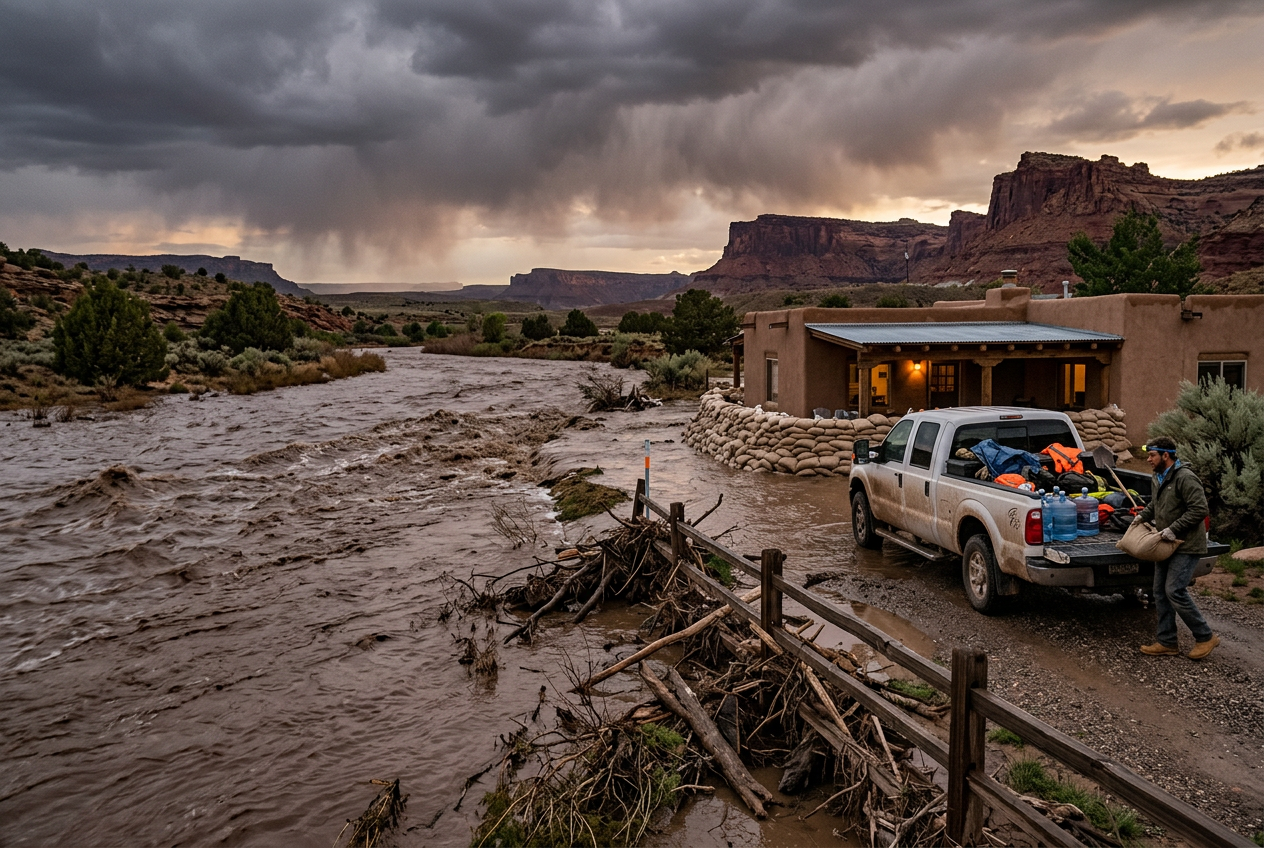
The San Juan River has flooded at record levels. In late October 2026, the flooding grew so severe that New Mexico asked the federal government for an emergency declaration. Rescue crews pulled hundreds of people from the water. County officials urged residents to follow evacuation orders and stay out of floodwaters. Nearby, the Navajo Nation and the Hopi Tribe declared their own states of emergency after heavy rains caused serious damage.
If you live in the Four Corners area, this guide is for you. That means ordinary households in New Mexico, Colorado, Arizona, and Utah. You do not need any special training to use what follows. The steps are plain and practical.
This is a fast-moving event. Conditions can change in hours. So the most important rule comes first: follow official orders before anything else. If local officials tell you to leave, leave. If they close a road, do not drive around the barricade.
In this article, you will learn how to stay informed, how to pack a go bag if you must leave tonight, and how to stay safe around floodwater. You will also learn how to protect your drinking water, keep water out of your home, and clean up safely after the water goes down. Let’s start with the single most important step: getting good information and acting on it.
- Store at least one gallon of water per person per day, with a three day supply as a starting goal.
- Keep a NOAA weather radio ready so you get flood alerts even if the power and cell service go down.
- Move valuables and emergency kits to higher floors or shelves before water reaches your home.
- Have cleanup supplies on hand to soak up water fast and limit damage after the flood.
- Make a family plan with evacuation routes to higher ground away from the river.
One practical preparedness move each week. No fear-mongering, ever.


Reviewed by Marcus T., Elena V. & Dale M. — contributors with hands-on preparedness experience. How we test
Getting ready for San Juan River flooding starts with a few key supplies you can set aside today. Keep reading to see why each one matters for Four Corners households.

FlashDry Reusable Absorbent Pads
These pads soak up water from leaks and flooding, then wring out so you can use them again. They help you clean up fast after floodwater gets into a basement, garage, or under a sink.
Check Price on Amazon
Saratoga Farms Water Containers
Floods can make tap water unsafe to drink, so storing clean water ahead of time keeps your family hydrated. These stackable 5 gallon containers nestle together to fit more water in less space.
Check Price on Amazon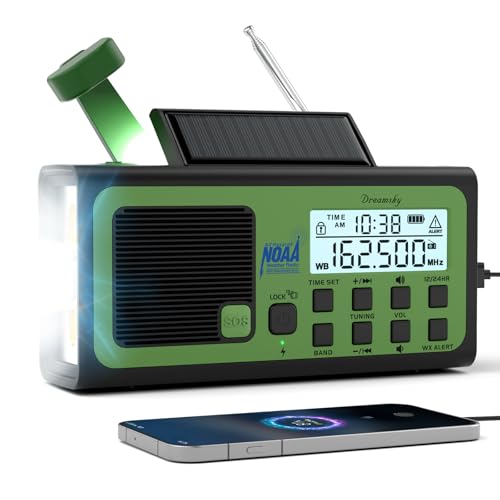
DreamSky Hand Crank Weather Radio
This radio pulls in NOAA flood and weather alerts so you know when to act. It charges by hand crank or solar, so it keeps working even when the power is out.
Check Price on AmazonIn this guide
Why Trust This Guide?
This article was researched and reviewed by contributors with hands-on experience in emergency preparedness. They have tested gear, built real systems, and lived through situations where these skills actually mattered.
Stay Informed and Follow Official Orders First
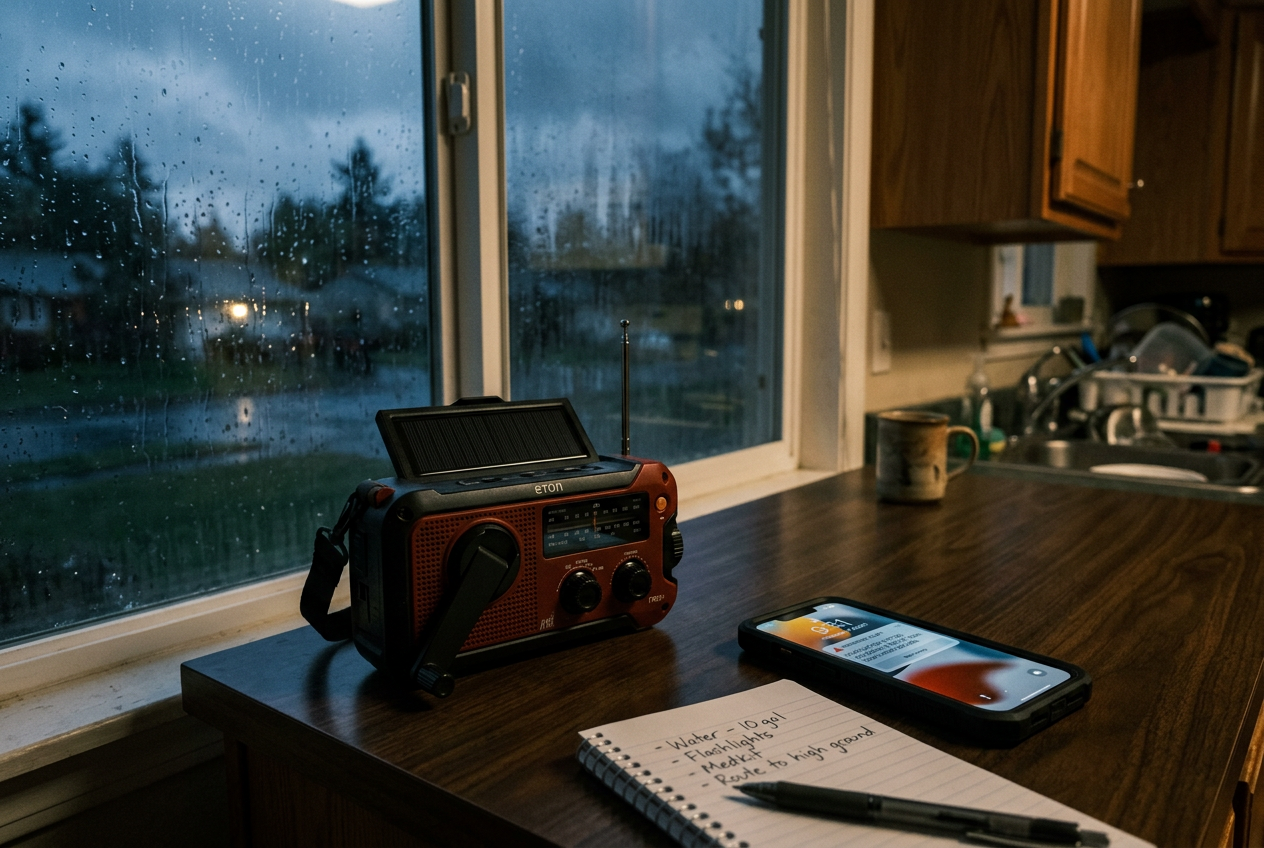
When the San Juan River rises fast, good information keeps you safe. The flooding in late October 2026 led to hundreds of water rescues. New Mexico asked for a federal emergency. The Navajo Nation and Hopi Tribe declared states of emergency too. In a fast-moving event like this, you need updates you can trust.
Where to Get Trusted Updates
Start with your local officials. County emergency managers know your area best. San Juan County officials have urged residents to follow evacuation orders and avoid floodwater. Listen to them first.
Here are good ways to stay informed:
- Sign up for your county’s emergency alert system. Most counties send text or phone alerts for floods and evacuations.
- Follow your county and city official accounts for updates.
- Turn on Wireless Emergency Alerts on your phone. These are the alerts that make your phone buzz loudly.
- Keep a NOAA weather radio on. It broadcasts warnings straight from the National Weather Service.
Why a Radio Matters in a Flood
Phones and the internet often fail during floods. Power lines go down. Cell towers lose service. When that happens, your phone alerts stop coming. A radio that does not depend on the grid keeps working.
Look for a radio with more than one power source. A battery, hand crank, or solar radio can run even when the power is out for days. Many models also charge your phone and give you a flashlight. That makes them useful for the whole emergency, not just for news.
The DreamSky Hand Crank Emergency Weather Radio picks up NOAA, AM, and FM stations. You can charge it by adapter, hand crank, or solar panel. It also has an SOS alarm and a flashlight.
The Mesqool Emergency Weather Radio has a large solar panel and a 12000mAh battery backup. It gets NOAA, AM, and FM bands. The hand crank lets you power it or your phone when other sources fail.

This Hand Crank Radio also covers AM, FM, and NOAA weather bands. It charges by crank, solar, or Type-C. It has three LED flashlights and an SOS alarm for signaling help.

If They Say Go, Go
An evacuation order is not a suggestion. If officials tell you to leave, leave right away. Waiting can trap you. Rescue crews are stretched thin during a big flood.
Never drive around a “ROAD CLOSED” sign or a barricade. Those signs are there because the road ahead may be washed out or underwater. The danger is worse at night when you cannot see the water. Take an alternate route instead. Officials also asked people not to fly drones near rescue helicopters. Keep the airspace clear so crews can work.
Following orders fast is the simplest way to stay safe.
If You Must Evacuate Tonight: Your Go Bag
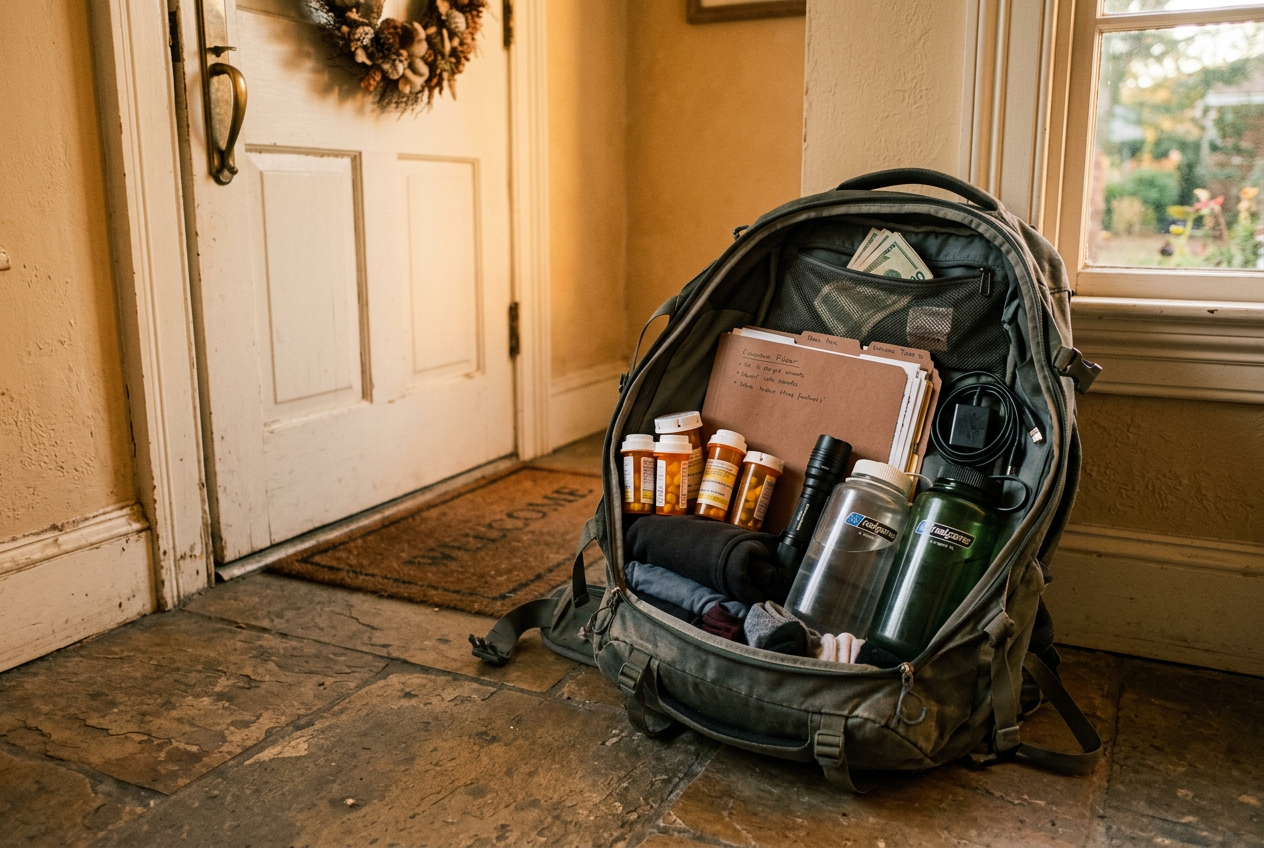
If officials tell you to leave, you may only have minutes. You do not want to search the house for your medicine or wallet while water is rising. That is why you need a go bag.
A go bag is one packed bag that holds the things you need to survive for a few days away from home. You pack it ahead of time. Then you keep it by the door. When an evacuation order comes, you grab it and go. No thinking. No searching.
Here is what to put in your go bag.
Pack These Items
Medications. Bring all your prescription medicine. Try to pack enough for several days. If you can, include a written list of what you take and the doses.
Identification. Pack your driver’s license, passport, or other photo ID. Shelters and aid workers may ask who you are.
Important documents. Bring copies of things like insurance papers, birth certificates, and home records. You can keep paper copies in a waterproof bag. You can also save photos of them on your phone.
Cash. Bring some cash in small bills. If the power is out, card machines and ATMs may not work.
Keys. Grab your house keys and car keys. Keep a spare set in the bag if you have one.
Phone and chargers. Bring your phone. Pack a charger and a battery pack if you own one. Your phone is how you get alerts and reach help.
Flashlights. Pack a flashlight for each person. Add extra batteries. A hand crank radio with a built in light can help too, since it works when the power is out.
Water. Bring bottled water for each person. You need water even for a short trip.
Snacks. Pack food that does not spoil, like granola bars, nuts, or crackers. Bring enough for everyone.
A change of clothes. Pack one dry change of clothes per person. Add sturdy shoes and a light jacket. Floodwater is cold and wet.
Do Not Forget Your People and Pets
Think about everyone in your home. Babies need diapers and formula. Older family members may need extra medicine or glasses. Pets need food, a leash, and a carrier. Pack their things in the same spot so you can grab it all fast.
Keep It By the Door and Leave Early
Set your go bag by the door you use most. Tell everyone in the house where it is. If an order comes at night, you can find it in the dark.
San Juan County officials have urged people to follow evacuation orders and avoid floodwaters. Water rescues have already happened in the area. The best choice is to leave before roads flood. Do not wait to see how bad it gets. Grab your bag, load your family and pets, and drive out early while the roads are still clear.
Floodwater Is Dangerous: Driving and On-Foot Safety
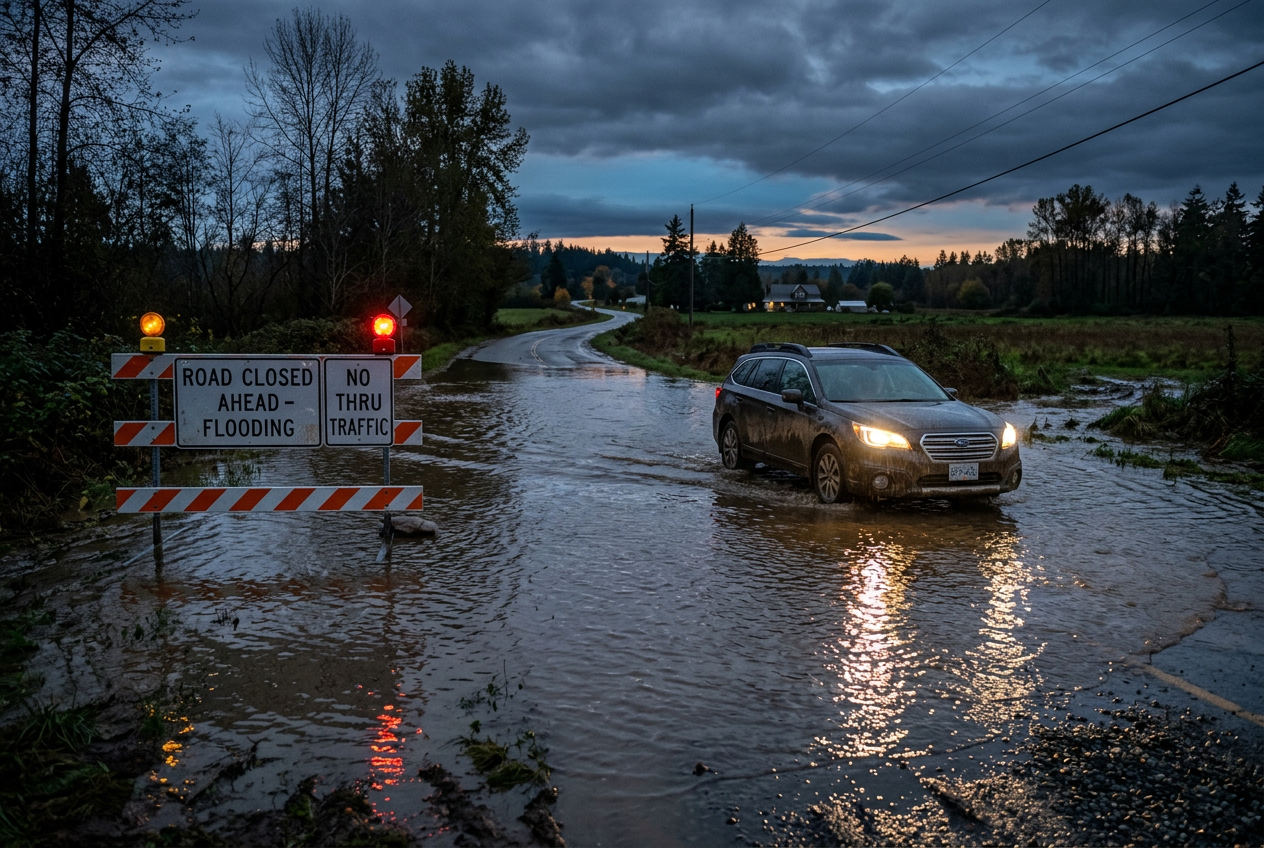
Floodwater is one of the biggest dangers during an event like the San Juan River flooding. It looks calm on the surface. It is not. Water can be deeper and faster than it looks. It can also hide damage you cannot see.
Why You Cannot Trust Floodwater
Moving water can wash out the road underneath it. The road may look fine, but it could be gone below the surface. You will not know until your car drops in. Floodwater also carries dirt, sewage, fuel, and sharp debris. It can make you sick or hurt you if it touches your skin.
Even shallow water is risky. A small amount of moving water can knock you off your feet. A little more can float a car. You do not need a deep flood to be in real danger.
Turn Around, Don’t Drown
The simplest rule is this: Turn Around, Don’t Drown. If water covers the road, do not drive through it. Find another way to go. A flooded road is never worth the risk.
San Juan County safety messages are clear. Never drive around barricades or “Road Closed” signs. Those signs are there because someone checked and found the road unsafe. Use a different route when water covers the roadway.
If your car stalls in rising water, do not stay inside and wait. Get out and move to higher ground if you can do so safely. Your car can be replaced. You cannot.
Be Extra Careful at Night
At night, floods are even harder to judge. You may not see that water has covered the road ahead. You may not see how fast it is moving. Headlights do not show the true depth. Slow down and stay alert. If you are not sure, do not drive. Wait for daylight or official word that roads are safe.
The same goes for walking. Do not try to cross flooded areas on foot in the dark. You cannot see holes, drop-offs, or washed-out ground.
Keep Drones Away From Rescue Helicopters
San Juan County officials have asked people not to fly drones near rescue helicopters. This matters more than it may seem. During this flooding, crews have carried out hundreds of water rescues. A drone in the air can force a helicopter to stop flying. That can delay a rescue and put lives at risk.
If you own a drone, keep it on the ground during active rescue work. Do not fly it to film the flood. Let the pilots do their job.
The Bottom Line for Your Family
Treat all floodwater as unsafe. Stay out of it, on foot and in your car. Follow barricades and road closures. Be extra careful at night. Keep drones grounded near rescue crews. These simple steps keep your family out of harm’s way while the water is still moving.
Protect Your Drinking Water Supply
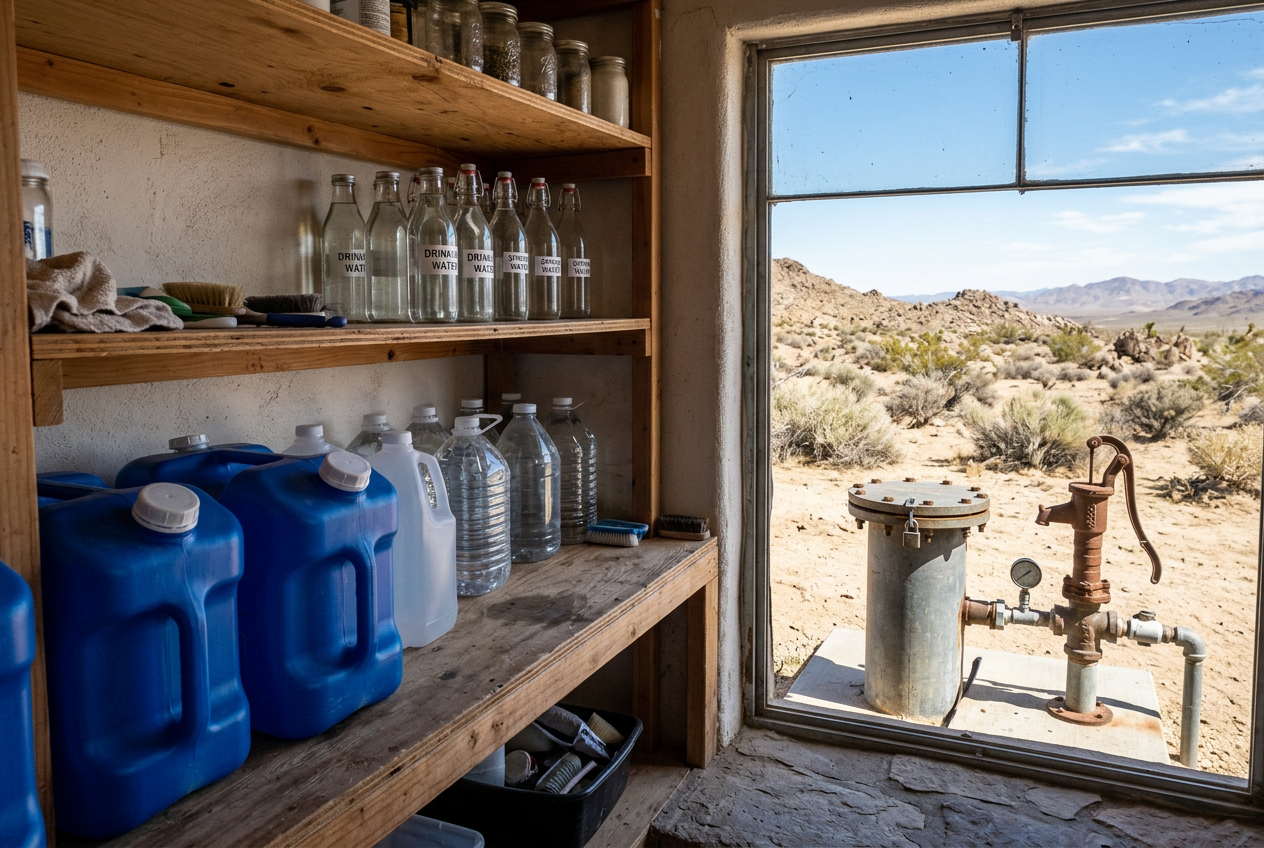
Floodwater can make your tap water unsafe. It can also spoil a private well. When rivers rise, dirty water and sewage can seep into the ground and into pipes. You may not be able to tell by looking. That is why you need safe water set aside before and after a flood.
If you have a well, treat the water as unsafe after a flood until it is tested and cleared. Do not drink it. Do not cook with it. Even city water can be unsafe. Local officials may issue a “boil water” notice. That means germs may be in the supply. Listen for these alerts and follow them.
How Much Water to Store
Plan for at least one gallon of water per person per day. Half a gallon is for drinking. The other half is for cooking and washing. Do not forget pets. They need water too. Babies, sick people, and nursing mothers may need more.
Think about how many days you want to cover. A three day supply is a good start. A two week supply is better if you have the space. For a family of four, two weeks means about 56 gallons.
How to Store Water Safely
Use clean, food safe containers made for water. Look for containers marked BPA free and food grade. Fill them with clean tap water before the flood if the water is still safe. Keep lids closed tight. Store water in a cool, dark place away from sunlight. Keep it off bare concrete floors if you can. Use a board or shelf under the containers.
Label each container with the date you filled it. Replace stored tap water every six months to keep it fresh.
Smaller stackable jugs are easy to move and easy to fit in tight spaces. They are a good pick if you have stairs or little room. This kit holds 20 gallons in four jugs.
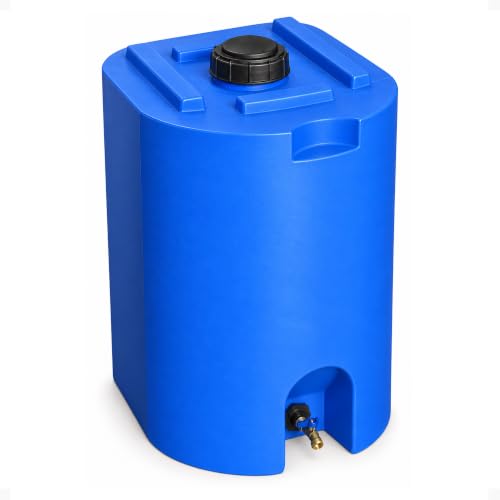
If you have more room and want to store a larger amount in one spot, a big tank can help. One tank like this holds 55 gallons and still fits through a standard doorway. It uses a spigot, so you can fill a cup or pot without lifting it. Keep heavy tanks where you can reach them without blocking your exit.
Using Your Stored Water
Stored water is for the times your tap is unsafe. Use it for drinking, cooking, and washing. Do not use flood water for any of these. Wash your hands with stored or boiled water before you eat or cook.
If you run low and must use tap water during a boil order, bring it to a full boil for one minute first. Let it cool before you drink it. Boiling kills germs, but it does not remove chemicals. When in doubt, use your stored water instead.
Keeping Water Out and Managing Minor Leaks at Home
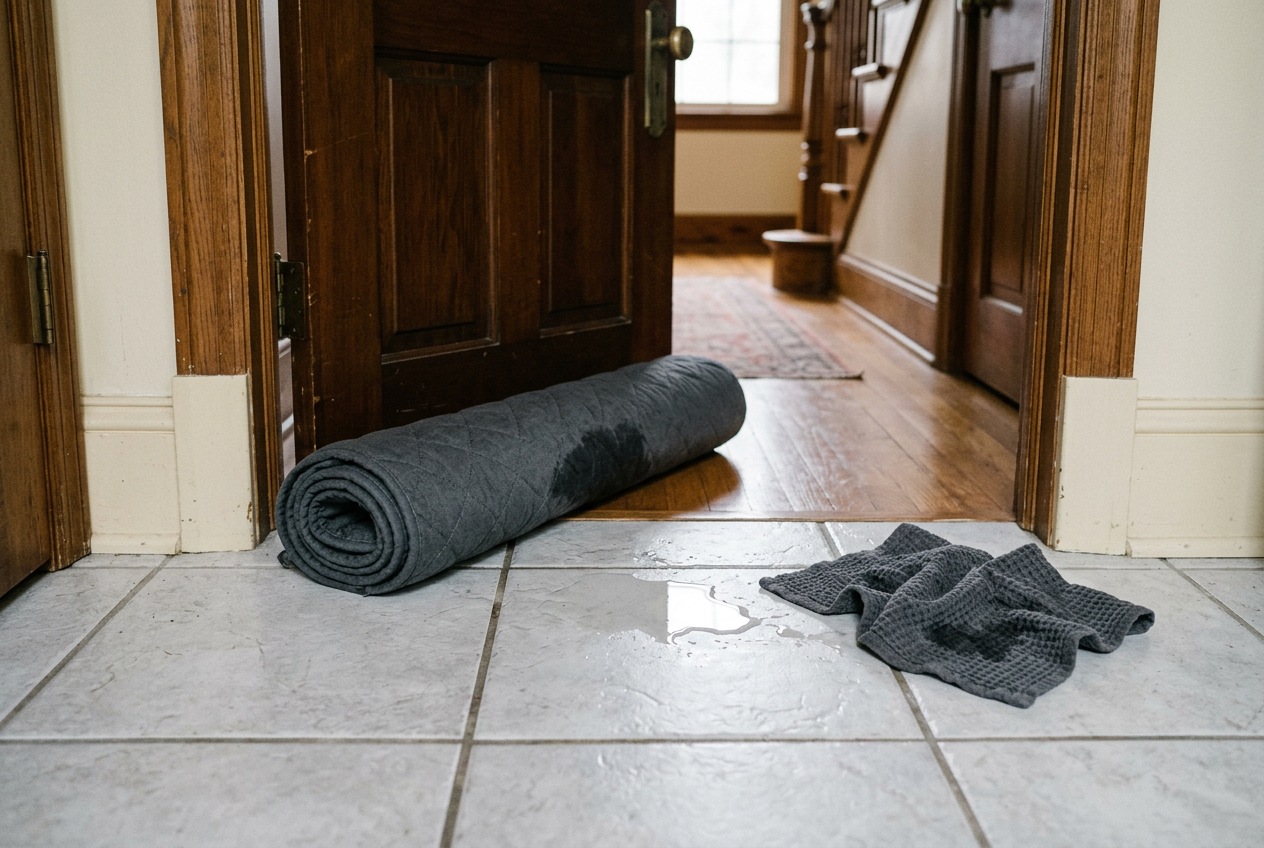
If you live above the flood risk and officials have not told you to leave, you can take a few simple steps to slow water from getting inside. These steps help with small amounts of water. They will not stop a serious flood. If you are told to evacuate, go. Do not stay to protect your home.
Know the Limits First
Let us be honest about what these steps can do. Blocking a doorway helps with a slow trickle or a bit of rain pushing under the door. It will not hold back a rising river or fast-moving floodwater. San Juan River flooding has already forced hundreds of water rescues. If water starts coming in fast, your plan is to leave, not to fight it. Keep your go bag ready and watch for official orders.
Slow Water at Doorways
Start where water tries to come in. That is usually the bottom of exterior doors. Here are easy ways to slow it down:
- Lay rolled towels or absorbent pads along the bottom of doors.
- Move rugs, boxes, and anything that can be damaged off the floor.
- Lift furniture legs onto blocks if you have time.
- Keep a bucket and mop nearby to stay ahead of small pools.
For a real flood, sandbags do more. But for minor water, simple barriers at the door can buy you time.
Manage Small Leaks and Pooling
Water can also come up through a basement floor or drip from a leaky spot. For small pools, soak them up fast so they do not spread. Check under appliances like your washer and water heater, since those spots can leak during storms. Keep towels or pads where you can grab them quickly.
One easy option is a reusable absorbent pad. These lay flat along a doorway, under an appliance, or across a wet basement floor. When one is full, you rinse it, wring it out by hand, and use it again. That saves you from burning through every towel in the house during a long storm.
The FlashDry pads come in a 50-count box, so you can cover several problem spots at once. Put some by the front and back doors. Lay a few under the sink or behind the washer. Stage the rest in the basement or garage where water tends to pool. They are easy to spot and quick to move when you need to shift them.
When to Stop and Leave
Watch the water, not the clock. If it keeps rising, if it comes in faster than you can soak it up, or if power or gas becomes a worry, stop. Get everyone out and move to higher ground. No home repair is worth your safety. Follow local orders and avoid floodwater on foot or in your car.
Emergency Gear Compared: Radios and Water Storage
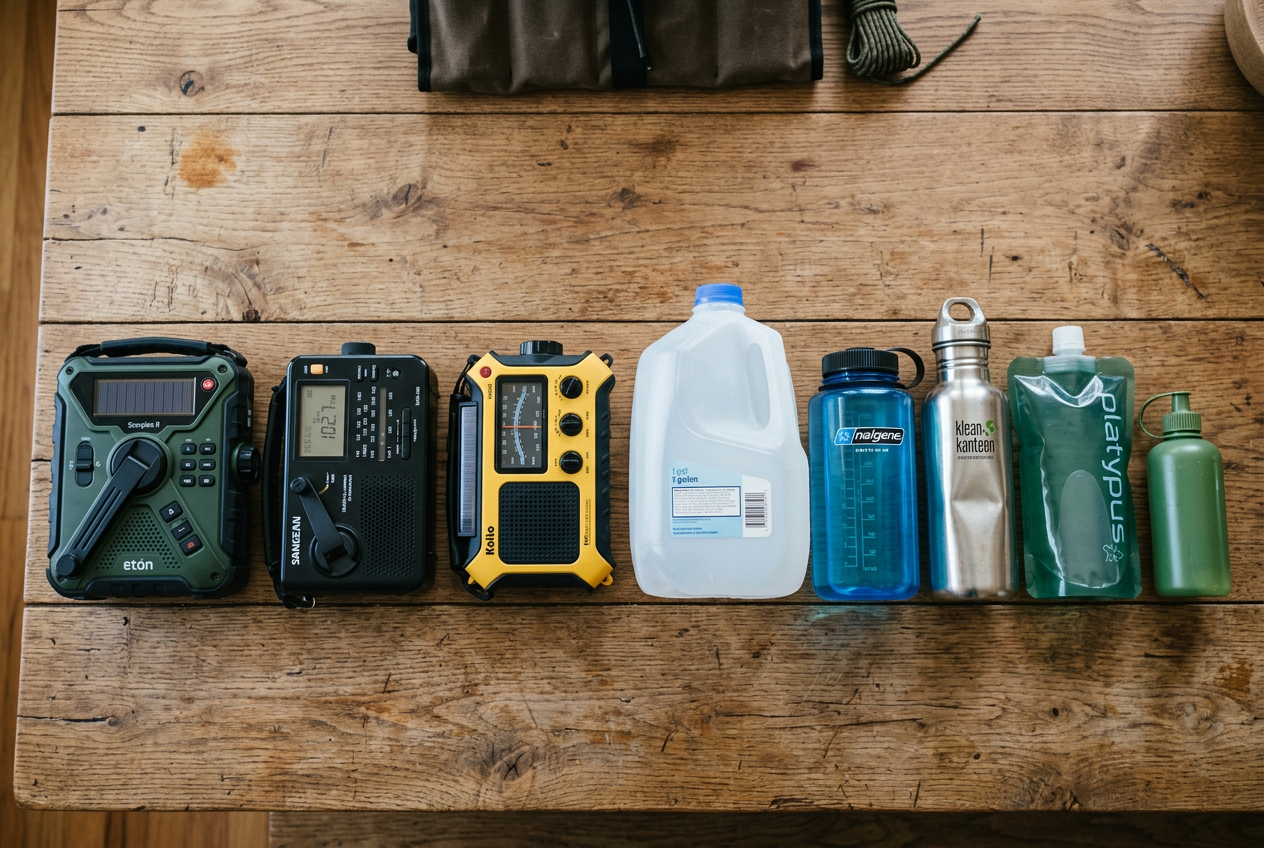
When floodwaters rise, two things matter most: staying informed and having safe water. The power may go out. Tap water may not be safe. The gear below helps with both problems. Here is a simple comparison so you can pick what fits your home.
Emergency Radios
A hand crank radio keeps you connected when the power fails. These radios pick up NOAA weather alerts. That means you hear warnings even if your phone dies. Most also have flashlights and can charge a phone. You can power them by crank, solar panel, or USB.
The DreamSky radio adds shortwave and a reading lamp. The Mesqool radio has the largest battery at 12000mAh and a big solar panel. That helps if you need to charge a phone more than once. The red hand crank radio has a small battery but a loud SOS siren and three LED lights. If you want more phone charging power, pick the one with the bigger battery. If you want the smallest, simplest option, the red radio works.
Water Storage
Floods can make tap water unsafe. You need clean water set aside before trouble starts. A common guideline is about half a gallon per person per day for drinking. More is needed for cooking and washing. Choose containers that are food grade and BPA free.
The Saratoga Farms set gives you four 5-gallon jugs. These are easier to carry and move room to room. Each one weighs about 40 pounds when full. That is heavy, but you can grab one at a time. This set works well if you may need to evacuate.
The WaterPrepared 55-gallon tank holds far more in one spot. It has a spigot for easy pouring. It still fits through a standard doorway. This tank is better if you plan to shelter at home and want a large supply ready.
How to Choose
Think about your household size and plan. If you might leave fast, pick smaller jugs you can lift. If you are staying put, a big tank stores more in less space. For radios, match the battery size to how much phone charging you expect to need.
After the Water Recedes: Safe Cleanup
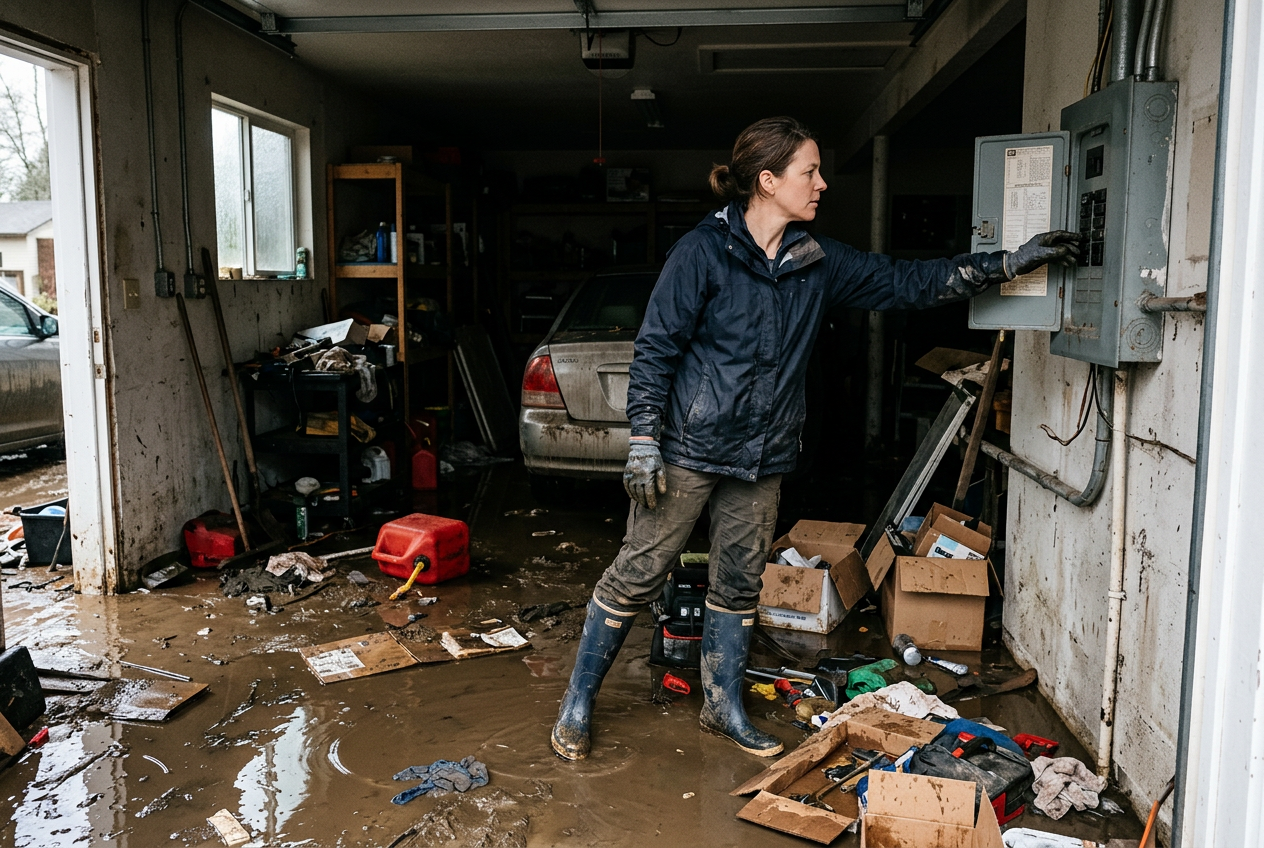
The water may be gone, but your home is not safe yet. Floodwater leaves behind hidden dangers. Take these steps slowly and carefully. When in doubt, wait for help.
Before You Go Inside
Do not rush into a flooded home. Shut off the gas and electricity before you enter. If you cannot reach the switches safely, or if you smell gas, stay out. Call your gas utility or an electrician instead. Never flip a switch or light a flame if you smell gas.
Watch for damage you cannot fix yourself. Sagging ceilings, cracked walls, and standing water near outlets are warning signs. If the building looks unstable, do not go in.
Treat Floodwater and Debris as Dirty
Floodwater is not clean water. It can carry sewage, chemicals, and sharp trash. Treat everything it touched as contaminated.
Wear protective gear before you start. This means:
- Rubber boots and waterproof gloves
- Long sleeves and long pants
- Eye protection
- A mask to avoid breathing mold or dust
Wash your hands often. Do not touch your face while you work. Keep children and pets away from the cleanup area.
Drying Out Your Home
Mold can grow fast in a wet home. Start drying things out as soon as it is safe. Open windows and doors to let air move. Use fans if you have power and it is safe to do so.
Pull up soaked carpet and padding. Remove wet drywall and insulation. These items often cannot be saved. Throw out food, water, and medicine that touched floodwater.
For small damp spots and ongoing drips, reusable absorbent pads can help. The FlashDry Water Absorbent Pads lay flat under appliances or along floors to soak up pooling water while you work. They can be wrung out and reused.
Write Down the Damage for Insurance
Before you throw anything away, document it. Take photos and videos of every damaged room and item. Get close-ups and wide shots. Write down what was lost.
Keep a list of big items and their rough value. Save receipts for anything you buy to clean up or make repairs. Call your insurance company early to start your claim. Ask them what they need before you discard ruined belongings.
When to Call a Professional
Some jobs are too risky to do yourself. Call a professional when:
- Your electrical system got wet. An electrician must check it before you turn power back on.
- You smell gas or suspect a leak. Leave and call the gas utility right away.
- Pipes or sewer lines are damaged. A licensed plumber should handle this.
Do not try to restore wet electrical or gas systems on your own. The cost of a pro is small next to the risk of fire, shock, or carbon monoxide. When you are unsure, wait and ask for help.
Frequently Asked Questions
Is my tap water safe to drink after a flood?
Not always. Floodwater can get into wells and city water lines. This can make your tap water unsafe to drink. After a flood, wait for your local water utility or county officials to say the water is safe. They may issue a boil water notice. That means you must boil water before you drink it, cook with it, or brush your teeth with it.
Until you hear that the water is safe, use stored water or bottled water. If you store your own water ahead of time, you will not have to worry about this. See the section on protecting your drinking water supply for more.
When is it okay to return home?
Only go home when officials say it is safe. During the San Juan River flooding, San Juan County officials urged residents to follow evacuation orders and avoid floodwaters while rescues were still going on. Do not try to beat the crews back to your house.
Even when the water goes down, danger can remain. Floodwater may leave behind damaged roads, weak floors, and gas leaks. Before you go inside, shut off the gas and electricity if you can do so safely. Wear protective gear. Floodwaters can hide sharp objects and other hazards. If you are not sure a step is safe, wait and ask a professional.
How much water should I store?
A common guideline is half a gallon of drinking water per person per day. Many households also keep extra water for cooking and washing. One gallon per person per day is a safe target when you have the space.
Think about how many days you want to cover. For a family of four, a two-week supply at one gallon per person adds up fast. Stackable containers help you store more water in less space. The Saratoga Farms 5-gallon stackable containers hold 20 gallons total. For a larger reserve, a WaterPrepared 55-gallon tank fits through a standard doorway and has a spigot for easy filling.
Can I drive through a flooded road if it looks shallow?
No. Never drive through a flooded road, even if it looks shallow. Water is often deeper and faster than it appears. It can hide washed-out pavement underneath.
Safety bulletins during this event were clear. Never drive around barricades or ROAD CLOSED signs. Use another route when water covers the road. Be extra careful at night, when flooding is hard to see. The same rule applies on foot. Do not walk into moving floodwater. Just a few inches can knock you down or sweep away your car.
If you reach water on the road, turn around. Find another way. No trip is worth your life.
Your Action Checklist
Here is a quick list of the key steps. You can act on these tonight. Want a copy to keep? Print this page and post it where your family will see it.
Stay Informed
- Listen for official alerts from San Juan County and the National Weather Service.
- Follow evacuation orders right away. Do not wait.
- Keep a way to get news if the power goes out. A hand crank weather radio with NOAA alerts works when the lights are off. See options like the DreamSky hand crank weather radio.
- Do not fly drones near rescue helicopters. This can block rescues.
Keep a Go Bag Ready
Pack one bag per person. Keep it by the door. Include:
- Medications and a list of what you take.
- Identification and important papers.
- Cash and your keys.
- Phone and chargers.
- Flashlights.
- Water and snacks.
- A change of clothes.
Store Drinking Water
- Fill clean, food-safe containers now, before the water supply is at risk.
- A common guide is about half a gallon per person per day for drinking.
- Store more if you can for cooking and washing.
- Stackable jugs like the Saratoga Farms 5-gallon containers are easy to move. A larger tank like the WaterPrepared 55-gallon tank fits through a standard doorway.
Avoid Floodwaters
- Never drive around barricades or “Road Closed” signs.
- Turn around when water covers the road. You cannot tell how deep it is.
- Be extra careful at night. Flooding is harder to see.
- Stay out of floodwater on foot. It can hide many dangers.
- Follow all evacuation orders from county officials.
Protect Your Home From Water
- Lay absorbent pads along doorways to help block water.
- Place pads under leaks and appliances. Reusable pads like the FlashDry water pads can be wrung out and used again.
- These help with small leaks only. They do not stop a real flood. Leave if you are told to go.
Clean Up Safely
- Shut off gas and electricity before you enter a flooded area.
- Wear protective gear like gloves and boots.
- Treat floodwater as unsafe. It may carry harmful things you cannot see.
- Go slow and be careful. Do not rush the cleanup.
Do this list tonight. Start with alerts and your go bag. Then store water and set out your pads. Small steps now can keep your family safer when the river rises.
Next Steps: Stay Ready for the Rest of the Season
The San Juan River flooding is still an active emergency. New Mexico asked the federal government for an emergency declaration after record flooding. Crews carried out hundreds of water rescues. The Navajo Nation and Hopi Tribe declared their own states of emergency after heavy rain. This is not over yet.
Your first job is to keep listening to local officials. Follow every evacuation order. Do not drive around barricades or “Road Closed” signs. Stay out of floodwater. Do not fly drones near rescue helicopters. The people in charge have the newest information about your area. Trust their calls over anything you see online.
A hand crank weather radio helps you hear alerts even when the power goes out. It can run on sunlight, a crank, or a battery. That keeps you informed when your phone dies or cell service drops. A model like the Mesqool emergency weather radio can also charge your phone in a pinch.
Build Your Go Bag and Water Supply Now
If you have not packed a go bag yet, do it today. Pack medications, identification, important documents, cash, keys, phone chargers, flashlights, water, snacks, and a change of clothes. Keep it by the door. If officials call for an evacuation, you can grab it and leave fast.
Clean water matters just as much. Floods can damage pipes and make tap water unsafe. Store water before you need it. A set of stackable containers like the Saratoga Farms 5-gallon jugs fits in a closet or garage. If you have more room, a larger tank like the WaterPrepared 55-gallon tank holds more and still fits through a standard doorway. Fill them with clean tap water now, while it is still safe.
Keep a few FlashDry pads on hand too. You can lay the FlashDry absorbent pads along doorways to slow water coming in, or under a leak while you wait for help. They rinse and reuse, so they last through more than one storm.
Keep Learning Between Storms
The rest of the season may bring more rain. The best time to prepare is before the next warning comes. Use the calm days to get ready.
For deeper help, read our other guides on this site. Our flood safety guide walks you through evacuation, driving, and cleanup steps in more detail. Our water storage guide explains how much water to keep, how to store it safely, and how to rotate it so it stays fresh.
You do not need to buy everything at once. Start small. Pack the go bag. Store some water. Keep a radio ready. Each step makes your household safer for whatever the season brings next. Stay alert, follow your local officials, and keep building your plan one piece at a time.
Sources and Further Reading
- Flood debris safety tips for cleanup in New Mexico
- San Juan County flood evacuation checklist for tonight
- SAFETY BULLETIN
- same alert, same street, one choice. Flood Warning, San …
- San Juan County officials urge residents to avoid floodwaters …
- New Mexico seeks federal emergency after record San Juan River flooding, United States
- Navajo, Hopi communities hit by destructive floods after heavy rains
- Council Delegates brief Congressional leaders on severe flooding in Northern Agency, urge storm preparedness SHIPROCK, N.M., On Wednesday, Council Delegates Eugenia Charles-Newton, Rickie Nez and Amber Kanabah Crotty met with New Mexico


