 Ready
Ready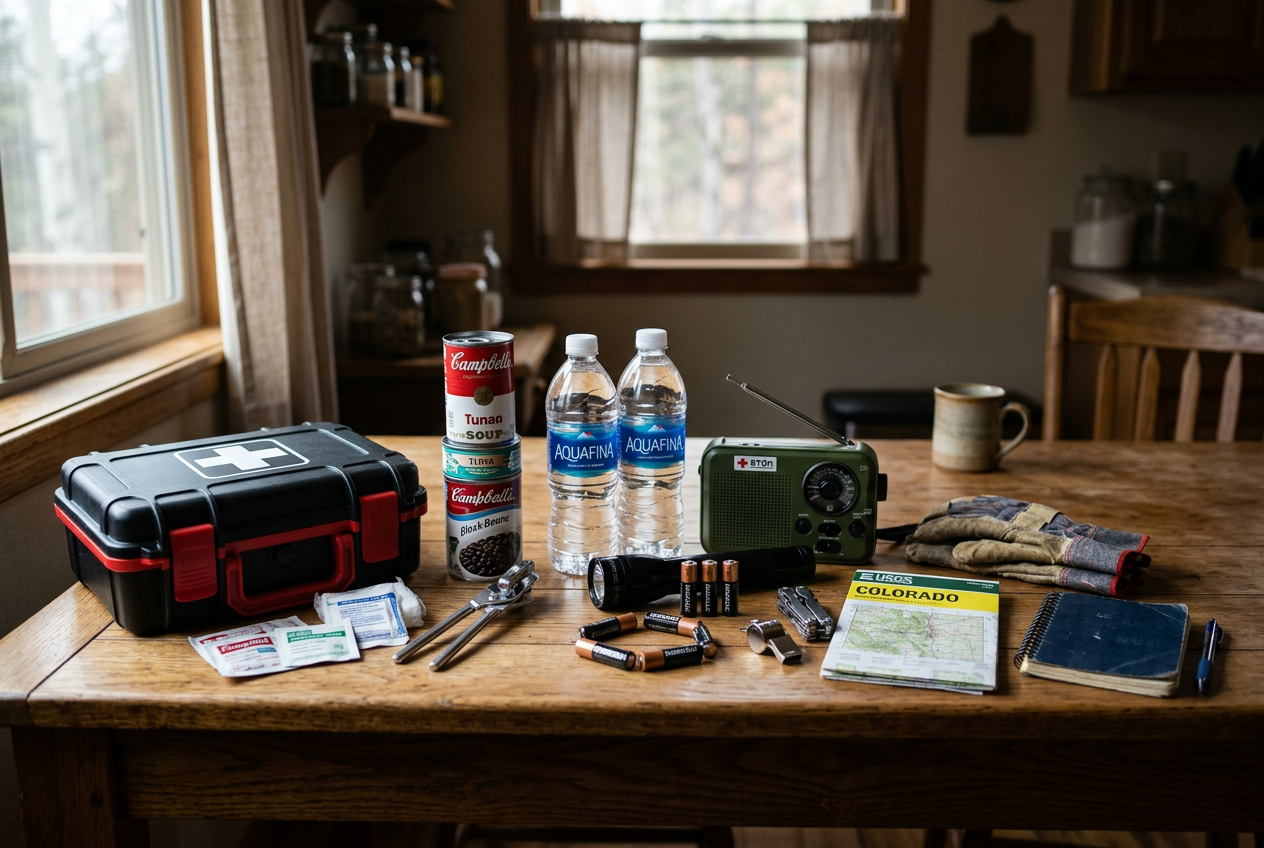
What Happens If There Is a Terrorist Event in My Town? A Preparedness Guide (2026)
You may think a terrorist attack only happens in big cities. That is not true. Attacks have happened in small towns, at county fairs, in shopping centers, and at local events. The truth is simple. No place is fully safe, so it helps to know what to do.
The good news is that being ready does not mean living in fear. It means having a plan. People who know what to do stay calmer and make better choices. Those choices can save lives, including your own.
Terrorist events come in a few main forms. There are bombings and explosions. There are active shooters with guns. There are chemical or biological attacks. And there are vehicle attacks, where a car or truck is driven into a crowd. Each one calls for a slightly different response. But many of the basic steps are the same.
This guide walks you through all three phases of an event. First, you will learn what to do before an attack, like building a plan and a kit. Next, you will learn what to do during an attack, using simple rules like Run, Hide, Fight. Then you will learn what to do after, like treating injuries and finding your family.
You do not need special training to use this guide. You just need to read it, share it with your family, and take a few small steps now.
- Stay calm and move away from the danger fast, putting solid walls between you and the threat.
- Follow the Run, Hide, Fight steps: escape if you can, hide quietly if you cannot, and fight only as a last resort.
- Call 911 once you are safe and share your location, what you saw, and how many people are hurt.
- Keep a trauma kit within reach so you can stop heavy bleeding in the first few minutes before help arrives.
- Learn how to use a tourniquet and pressure bandage before an emergency happens, not during one.


Reviewed by Elena V., James W. & Dale M. — contributors with hands-on preparedness experience. How we test
Getting ready for the worst starts with a few key items in your hands. Grab these tools now, then read on to learn why they matter so much.

Medresq Compact IFAK Trauma Kit
This small kit holds an Israeli bandage, gauze, and shears to help you stop serious bleeding right away. It fits in a bag or car so you can carry it anywhere danger might strike.
Check Price on Amazon
My Medic Everyday Carry Pro
Packed with gear picked by first responders, this kit covers both trauma wounds and everyday injuries. It is small enough to keep on you so lifesaving supplies are always close.
Check Price on Amazon
Labeled Compartment First Aid Kit
Clear labels and 20 sorted pockets let you grab the right supply fast when every second counts. The waterproof case and straps make it easy to store in your car or pack.
Check Price on AmazonIn this guide
Why Trust This Guide?
This article was researched and reviewed by contributors with hands-on experience in emergency preparedness. They have tested gear, built real systems, and lived through situations where these skills actually mattered.
Understanding the Types of Terrorist Threats
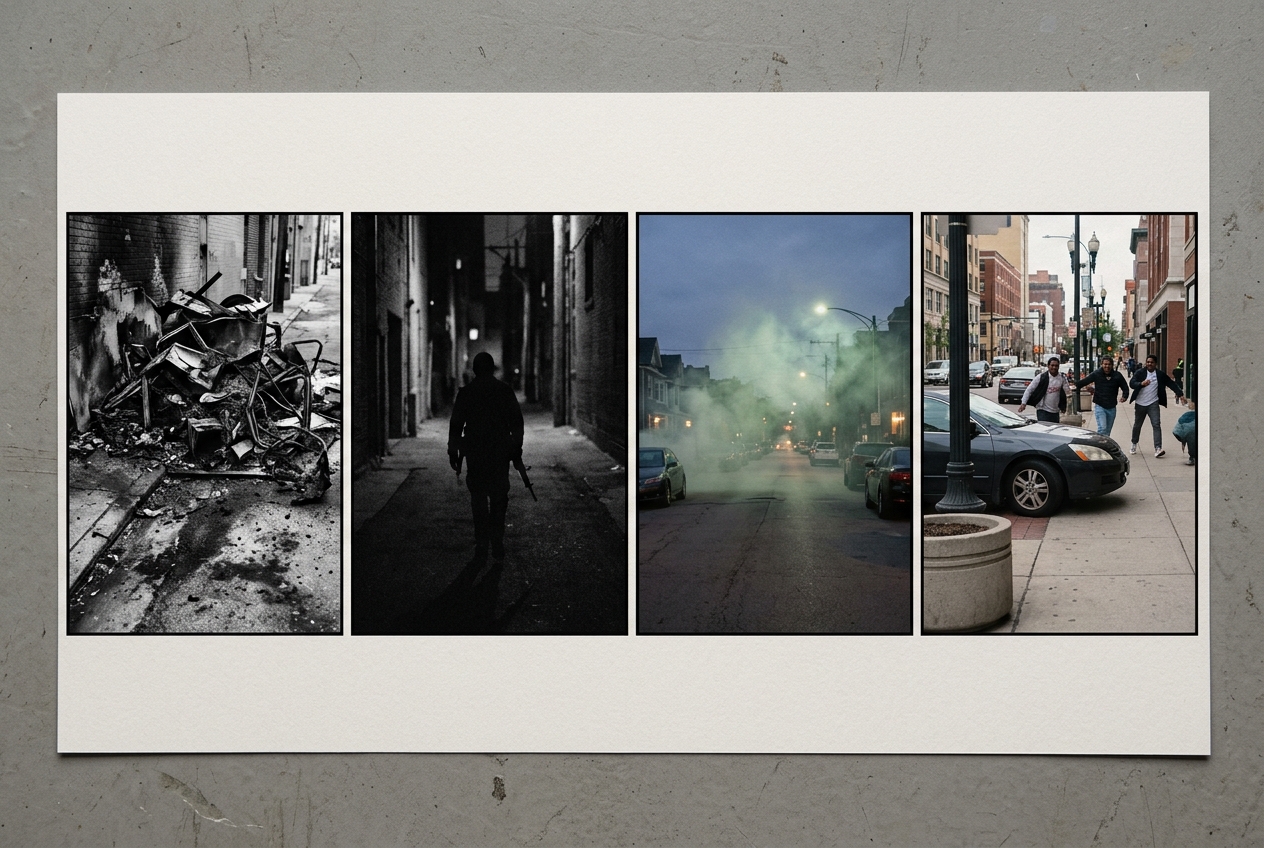
Not every attack looks the same. The way you react depends on what you are facing. If you can spot the type of threat fast, you can make a better choice about whether to run, hide, or help others. Here are the main kinds of attacks and what each one means for you.
Explosive Attacks
Bombs are one of the most common tools used in attacks. They can be planted in bags, cars, trash cans, or even carried by a person. A blast can cause harm from the explosion itself, from flying glass and debris, and from fires that start after.
If you hear or feel a blast, move away from the area right away. Watch for a second bomb. Attackers sometimes set off one device to draw people in, then set off another. Do not gather in one spot. Get clear of windows and loose objects that could fall.
Armed Assaults
This means an attacker with a gun, knife, or other weapon. These events move fast and are very scary. The shooter or attacker often targets crowded places like malls, schools, or events.
Your best plan here is Run, Hide, Fight. You will learn more about that in a later section. The key is to act fast. Get away if you can. If you cannot, hide behind something solid and stay quiet. Silence your phone.
Chemical or Biological Releases
Some attacks use poison gas, powders, or germs. These are harder to see. You may notice a strange smell, a colored mist, or many people getting sick or falling down at once. Dead birds or insects can also be a warning sign.
If you think a chemical is in the air, cover your nose and mouth. Move away from the source. Try to get to fresh air, and go uphill and upwind if you can. If the release is outdoors, going inside and sealing up a room may be safer. You will read about sheltering in place later in this guide.
Vehicle-Ramming
In these attacks, a driver aims a car or truck at a crowd. They often happen on busy streets, near events, or at markets. There is little warning.
Stay alert in crowded outdoor spaces. If a vehicle speeds toward people, move at a sharp angle away from its path. Put solid objects between you and the road, like a big planter, a wall, or a strong post. Do not freeze.
Why Knowing the Type Helps
Each threat calls for a different first move. A bomb means get clear and watch for a second blast. An armed attacker means run or hide. A chemical release means protect your breathing and get to safe air. A ramming vehicle means get out of the path and behind cover. Learning these now saves you time when seconds matter most.
What to Do During an Attack: Run, Hide, Fight
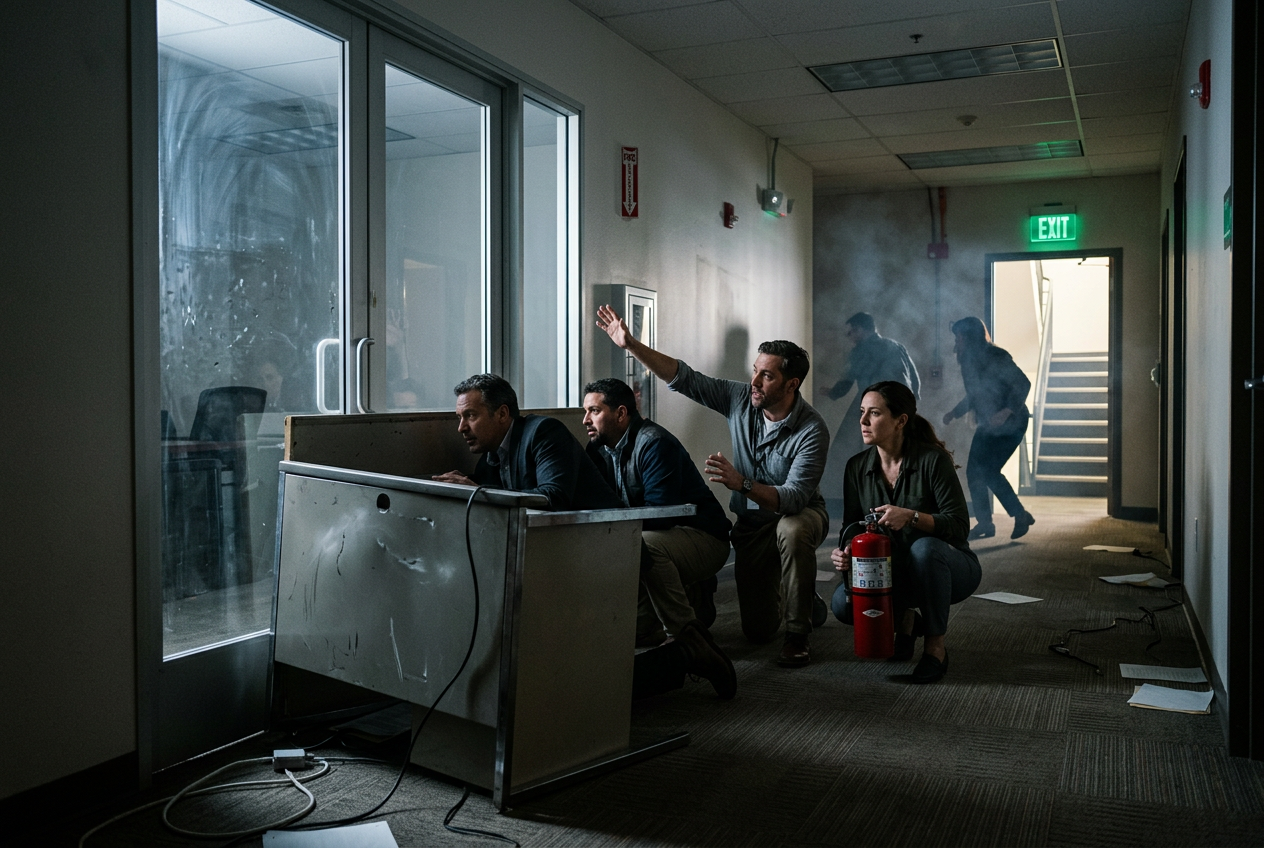
If an attack happens near you, you have very little time to think. That is why safety experts around the world teach a simple plan called Run, Hide, Fight. It works for active shooter events and other violent attacks. The order matters. You try to run first. If you cannot run, you hide. If you cannot hide and your life is in danger, you fight. Keep this plan in your head so your body knows what to do.
Run
Getting away is your best option. If you see a safe path, take it. Leave your bags and other things behind. Do not stop to grab your phone or your coat. Move fast and stay low.
Help others if you can, but do not let anyone slow you down so much that you all get trapped. Keep your hands empty and visible so police know you are not a threat. Once you are out, move far away and warn people who are heading toward the danger.
Hide
If you cannot run, find a place to hide. Pick a room with a door you can lock. Block the door with heavy furniture. Turn off the lights. Silence your phone completely, not just to vibrate. Stay away from windows and doors.
Get behind something solid that can stop bullets, like a thick wall or a concrete pillar. A wooden desk or drywall will hide you but will not stop a bullet. Stay quiet and wait for help. Only open the door for police you can clearly identify.
Fight
This is your last choice. Use it only when your life is in danger and you have no other option. Act with full force. Throw objects, use anything heavy as a weapon, and work with others near you. Aim for the attacker and do not stop until the threat is over.
If There Is an Explosion
Drop to the ground and cover your head. After the first blast, more may follow. Stay alert for a second explosion. Move away from broken glass, damaged buildings, and anything that could fall. Once it feels safe, help people with serious injuries and get everyone away from the area.
Suspicious Packages
Do not touch or move a package that looks out of place. Do not use your cell phone near it, since a signal can trigger some devices. Move away, warn others, and call the police from a safe distance. Trust your gut. If something feels wrong, report it.
After You Get to Safety
Once you are clear, be ready to treat injuries while you wait for help. A small trauma kit like the IFAK Trauma Kit can help you stop bleeding fast. We cover first aid in the next section.
Stay calm, follow the plan, and keep moving toward safety.
Treating Injuries and Stopping Bleeding Fast
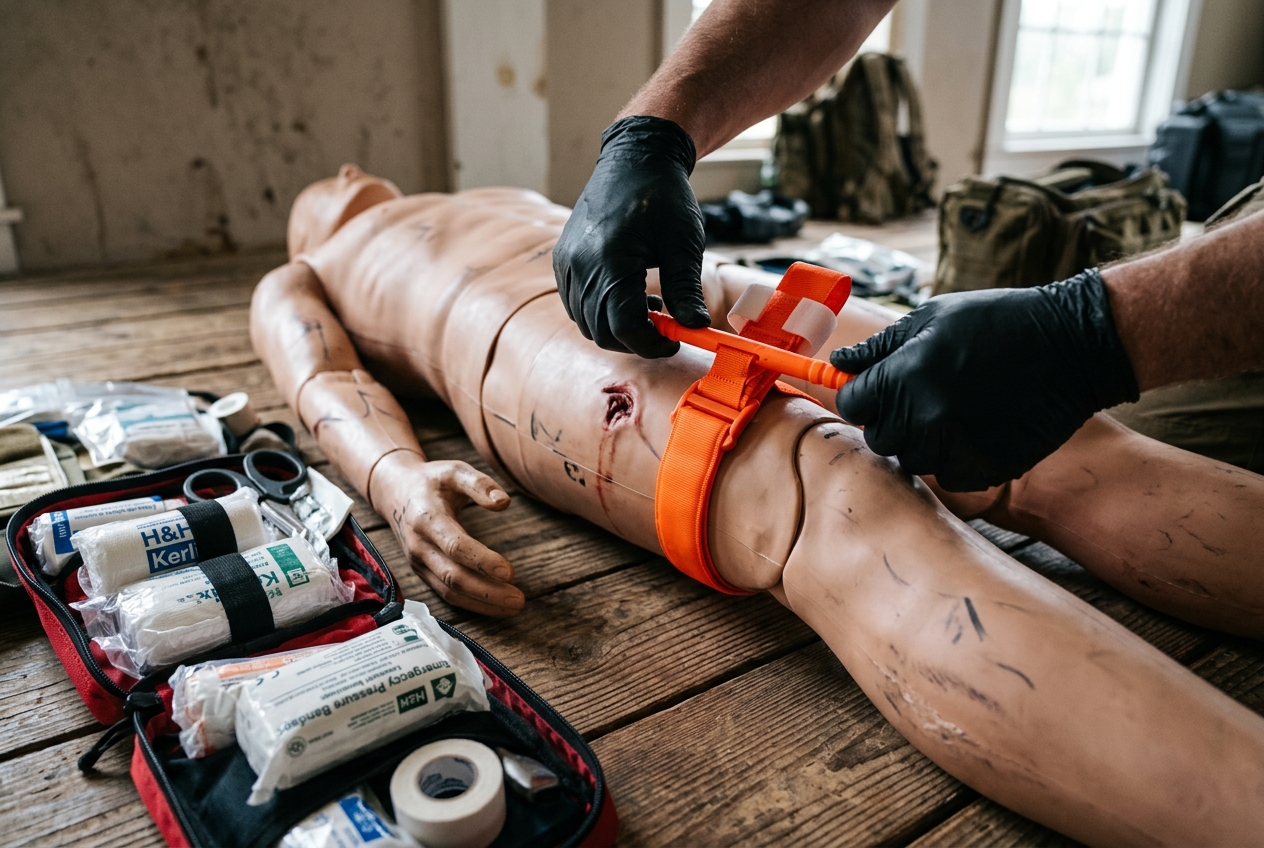
After a terrorist attack, help may take time to arrive. Roads can be blocked. EMS crews may be busy or held back until an area is safe. That means you may be the first person to help someone who is hurt. The good news is that a few simple skills can save a life. You do not need to be a doctor.
The biggest danger from blast and gunshot wounds is bleeding. A person can bleed to death in just a few minutes. If you stop the bleeding fast, you give them a real chance. Learn these three basic skills before you ever need them.
Use a Tourniquet for Bad Arm or Leg Bleeding
If blood is spurting or pouring from an arm or leg, use a tourniquet. Place it a few inches above the wound, closer to the heart. Pull it tight and twist the windlass until the bleeding stops. Yes, it will hurt. That is okay. Write down the time you put it on. Do not take it off. Let the medics do that.
Pack the Wound if a Tourniquet Will Not Work
Some wounds are on the neck, shoulder, or hip. You cannot put a tourniquet there. For these, pack the wound. Push gauze deep into the hole with your fingers. Keep packing until it is full. Then press down hard with both hands for at least three minutes.
Use a Pressure Bandage
A pressure bandage holds firm pressure on a wound so your hands are free. Wrap it tight over the gauze. An Israeli bandage is easy to use and works well for this job.
Keep a Trauma Kit Where You Can Reach It
Regular first aid kits are made for small cuts. They will not stop heavy bleeding. You need a trauma kit with a tourniquet, gauze, and a pressure bandage. Keep one at home, one in your car, and one on your body or in your bag.
A good compact choice is a kit that already holds the key trauma items. This one packs an Israeli bandage, compressed gauze, trauma shears, and a marker pen for writing tourniquet times.

If you want a kit picked by first responders, look at this everyday carry option. It is small, water resistant, and easy to grab. The MOLLE panel lets you mount it in a vehicle or on a bag.

For your home or family, a labeled kit helps you find things fast under stress. This one has 20 marked compartments plus room to add your own gear.

Buying a kit is only step one. Take a short bleeding control class if you can. Practice using the gear until it feels normal. In a real event, you will act the way you trained.
Sheltering in Place vs. Evacuating
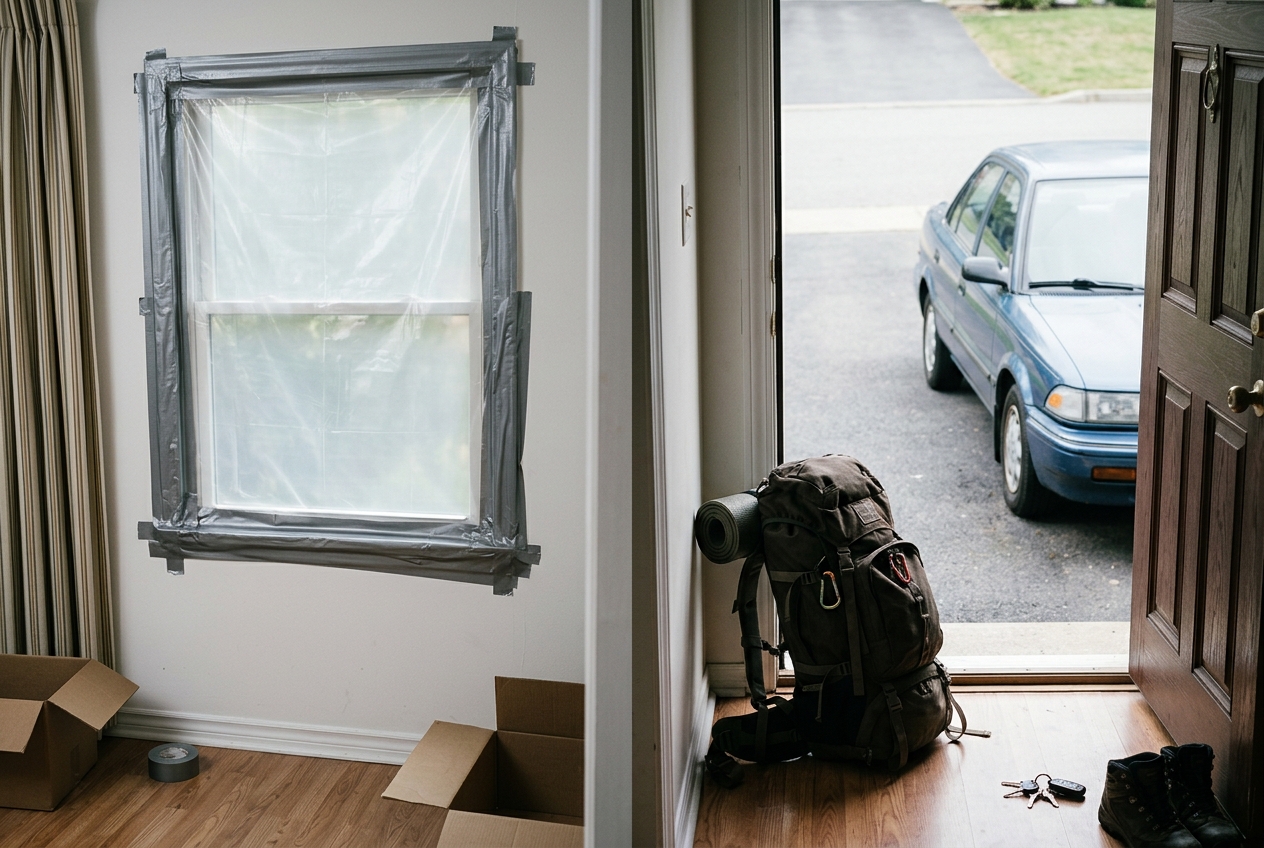
After an attack, you face one big choice. Do you stay where you are, or do you leave? The right answer depends on the threat and what officials tell you. Getting this choice right can keep you safe.
When to Shelter in Place
Sometimes staying put is safer than going outside. This is called sheltering in place. You shelter in place when the danger is outside and moving around would put you at risk.
Shelter in place if:
- Officials tell you to stay indoors.
- There is a chemical or gas release in the air.
- Gunfire or an active attack is happening nearby.
- The roads are blocked or unsafe.
Listen to the radio, check your phone, or watch local news. Officials will tell you what to do. Do not guess. Follow their orders.
How to Seal a Room During a Chemical Event
A chemical attack releases harmful gas or vapor into the air. You want to keep that air out. Here is how to seal a room fast.
- Pick a room above ground level. Gas often sinks low. An inside room with few windows is best.
- Close all windows, doors, and vents.
- Turn off fans, heating, and air conditioning. These pull outside air in.
- Use plastic sheeting and duct tape to cover windows, doors, and vents.
- Stuff wet towels under doors to block gaps.
Stay inside until officials say the air is safe. Keep your phone with you so you hear the all-clear.
When to Evacuate
Other times you need to leave right away. This is called evacuating. You evacuate when staying puts you in more danger than leaving.
Evacuate if:
- Officials order an evacuation.
- There is a fire, gas leak, or building damage.
- The threat is inside your building.
- You can leave without walking into the attack.
Know more than one way out. Roads and exits may be blocked. Have a backup route in mind before you ever need it.
Keep a Grab-and-Go Kit Ready
If you must leave fast, you will not have time to pack. A grab-and-go kit solves this. Keep one packed and near your door at all times.
A one-person kit works well if you live alone or want a bag for each family member. This one holds food, water, and tools for 72 hours.

If you have a family, a larger kit covers more people. This four-person kit has food, water, shelter, and tools packed for a group.

Grab your kit, your phone, and your loved ones. Then go. Do not stop to gather extra things.
The Bottom Line
Your choice comes down to the threat and official guidance. When the danger is outside, seal a room and stay. When staying is worse than leaving, grab your kit and go. Plan both options now so you can act fast later.
Communication and Reuniting With Family
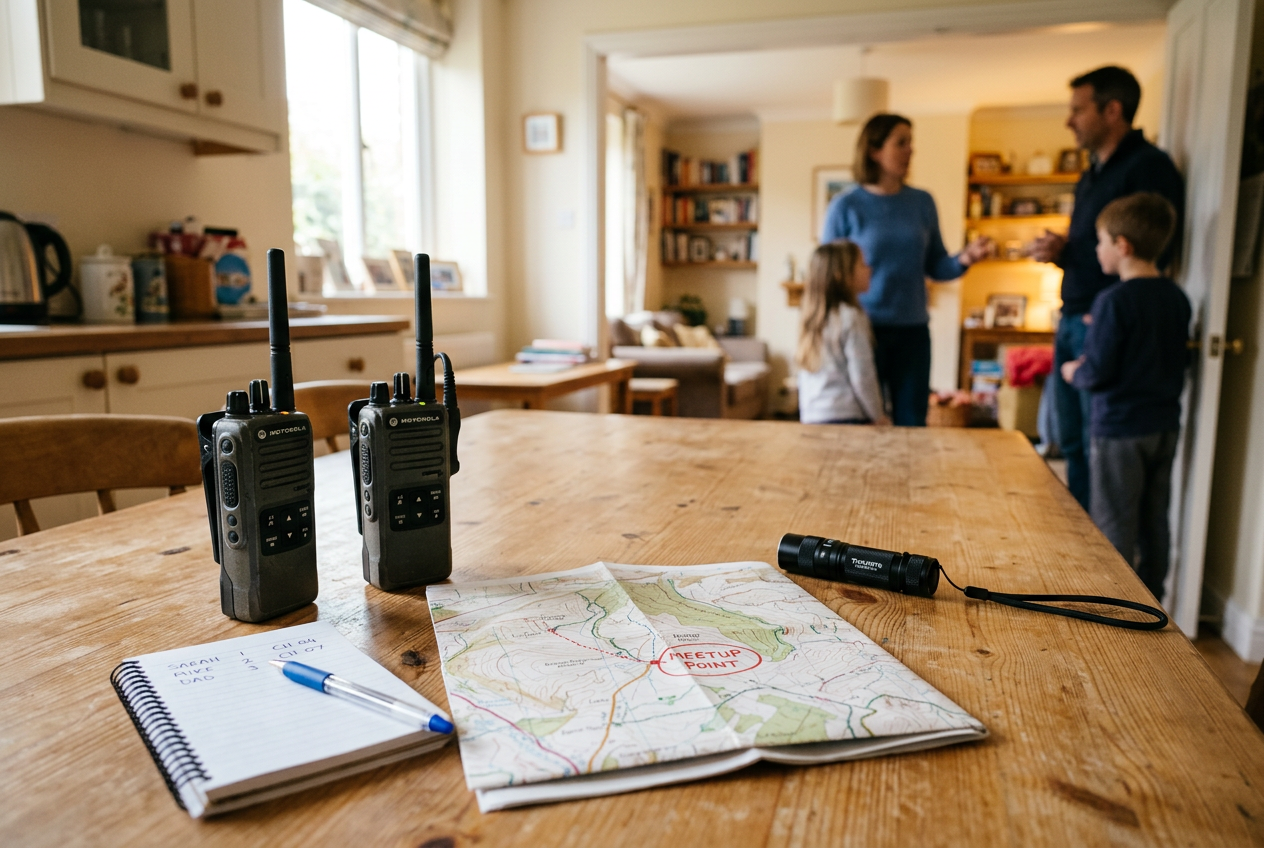
During a terrorist event, cell phones may stop working. Networks get jammed when too many people call at once. Cell towers can also be damaged. This means you may not be able to reach your family the way you normally do. The key is to plan ahead. If everyone knows the plan, you do not need phones to reunite.
Why Cell Phones Fail in a Crisis
When something scary happens, everyone grabs their phone. They call, text, and check the news all at the same time. This floods the network. Your call may not go through. Even 911 lines can get busy.
Here is one useful trick. Text messages often work when calls do not. A text uses less data and can slip through a busy network. So try texting before you try calling.
Use an Out-of-Area Contact
Pick one person who lives in another town or state. This is your family’s contact person. If local lines are jammed, long distance lines may still work. Everyone in your family calls or texts this one person to check in.
Say your family gets split up. Each person tells the out-of-area contact where they are. Then that contact shares the news with the rest of the family. This way, one working phone can connect everyone.
Write this contact’s number on a card. Keep it in your wallet. Do not trust only your phone. If your battery dies, you still have the number.
Two-Way Radios When Phones Are Down
Two-way radios do not need cell towers to work. They talk straight from one radio to another. This makes them a smart backup when phones fail. Give each family member a radio. Agree on one channel to use.
Some emergency kits come with radios ready to go. The Denver 72 hour survival backpack includes powerful 5 watt walkie talkies. That extra power helps them reach farther. This is a solid choice if you want radios packed with other supplies you may need.

Practice using the radios before you need them. Everyone should know how to turn them on and switch channels. A radio does no good if no one knows how to use it.
Pick Family Meetup Points
Choose places where your family will meet. Pick two spots. One should be close to home, like a neighbor’s house or a park. The other should be farther away, in case you cannot get back to your area.
Make sure everyone knows both spots. Kids should know them too. Write the addresses down and keep copies in your bags and wallets.
The goal is simple. If phones are dead and you get separated, everyone knows where to go. No calls needed. You just head to the meetup point and wait. A plan made today can bring your family back together tomorrow.
Building Your Emergency Kit for Any Attack
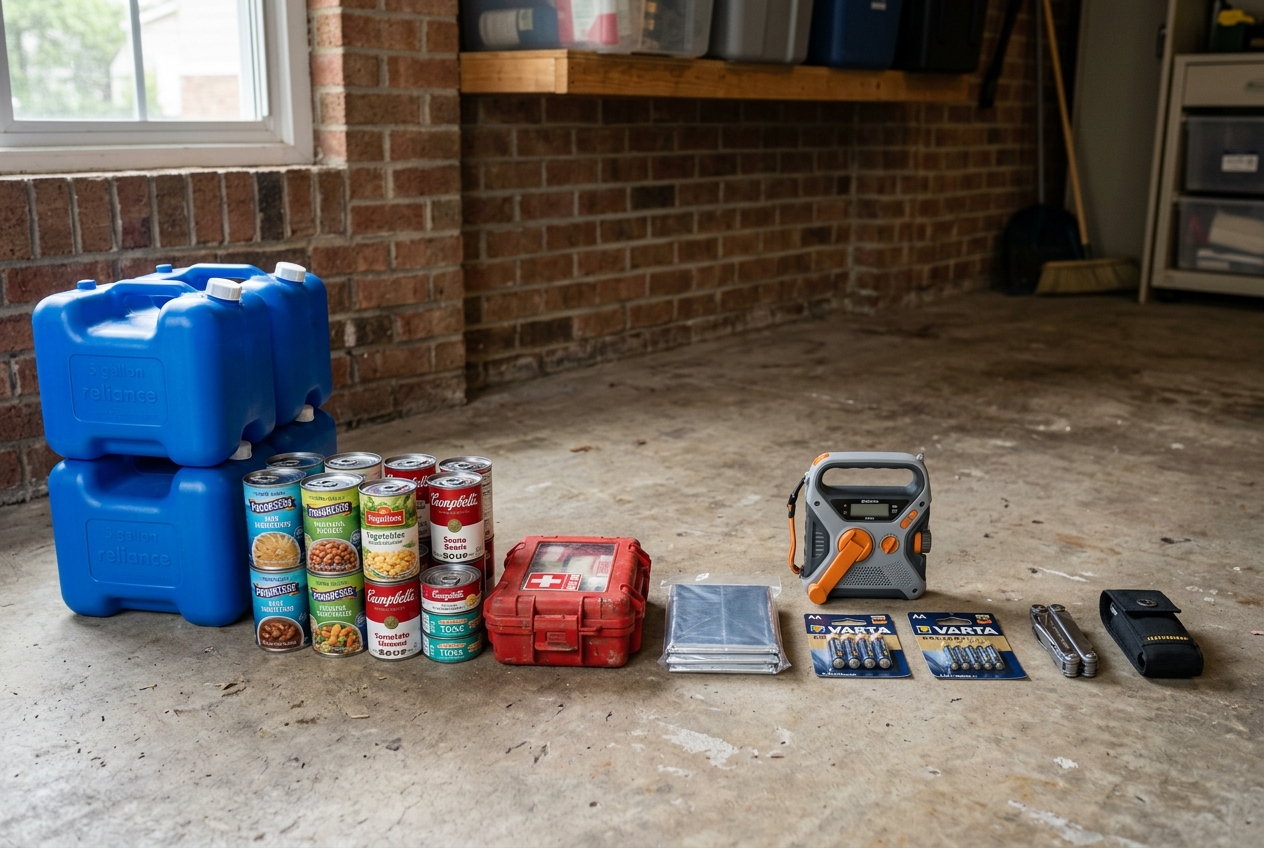
A terrorist event can shut down your normal life fast. Power may go out. Stores may close. Roads may be blocked. You want enough supplies to last three days on your own. That is 72 hours. Emergency crews often need that long to reach everyone. A ready kit lets you shelter at home or grab and go.
Here are the core things every home should keep.
Water
Water is the most important item. Store at least one gallon per person per day. Plan for three days minimum. Keep some in sealed pouches. Add a way to carry and clean more, like a collapsible jug and water tablets.
Food
Store food that does not need cooking. Ready-to-eat bars work well. They last for years and take little space. Pick foods with lots of calories so you stay strong.
First Aid
Injuries are common during an attack. Keep a first aid kit for cuts, burns, and scrapes. Add gloves and bandages. A small kit is easy to grab and keep in a bag or car.
Shelter and Tools
Have a way to stay warm and dry. Emergency blankets and a small shelter help. Add a flashlight, a whistle, and a battery radio. These keep you safe and informed if the power is down.
Ready-Made Kits
You can build a kit yourself. But a pre-made kit saves time and makes sure you do not forget things.
The Emergency Zone 72 Hour Survival Kit covers the basics for a home or car. It holds food bars, water pouches, first aid, and shelter for two to four people. It is a strong choice for a full family plan.
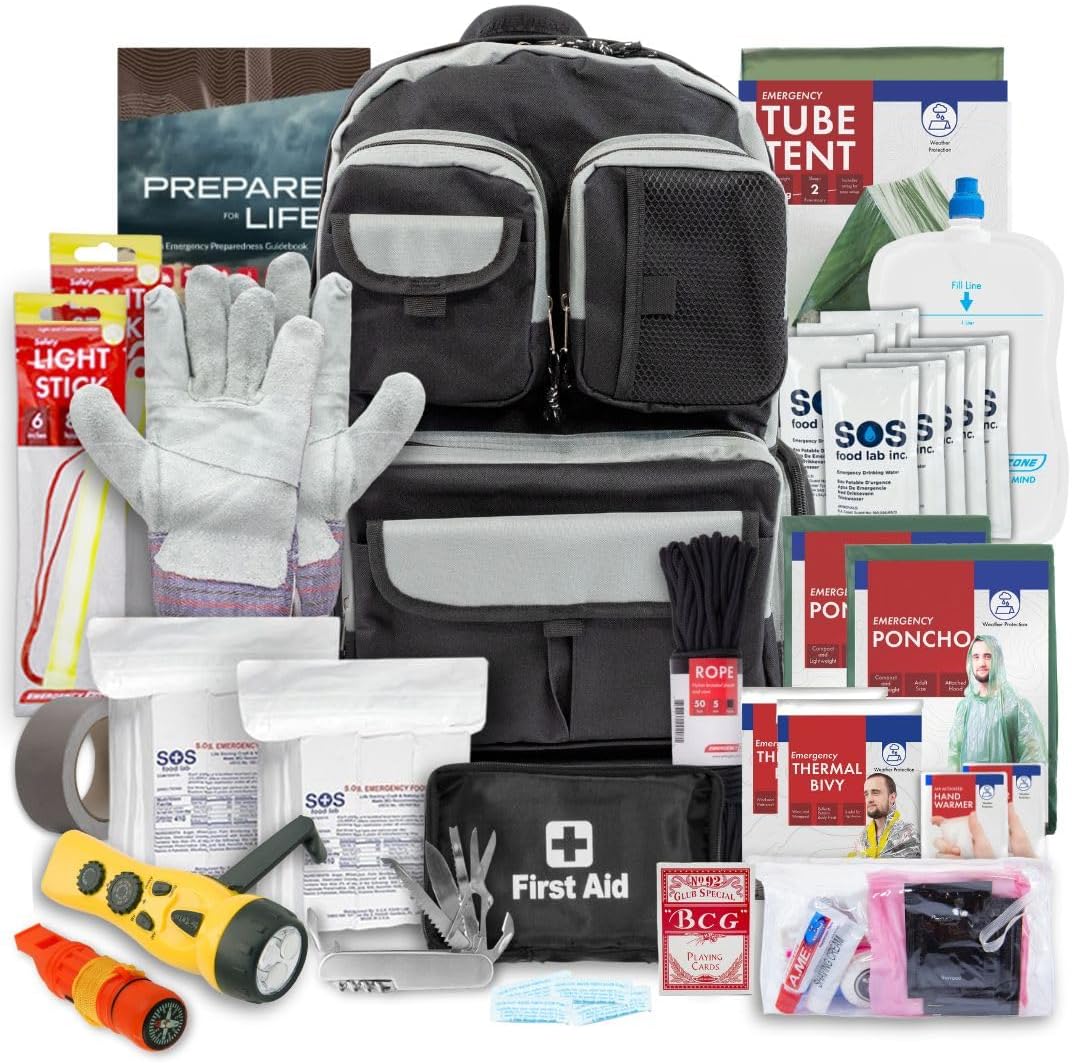
The I GO Mini First Aid Kit is smaller. It focuses only on first aid. It has 85 pieces for cuts and minor wounds. The hard shell fits in a bag, a car, or a desk. It is a good add-on or a grab-and-go option for one person.

Here is how the two kits compare.
Store your kit where you can reach it fast. Keep one at home and one in your car. Check it twice a year. Swap out old water and food. Test the flashlight. A kit only helps if it is ready when you need it.
Frequently Asked Questions
Here are quick answers to the questions people ask most about terrorist events. The goal is to help you feel ready, not scared.
How likely is a terrorist event in my small town?
The odds are very low. Most towns will never see an attack. Big cities and crowded events are more common targets. But low odds are not zero odds. That is why basic prep still makes sense. The same skills that help in a terrorist event also help in storms, fires, and car crashes. So your prep is never wasted.
What should I do if I see suspicious activity?
Trust your gut, but stay calm. Look for things that seem out of place. Some examples are an unattended bag in a busy spot, someone taking odd photos of security gear, or a person asking strange questions about entry points. One odd thing alone may mean nothing. A mix of signs is worth reporting.
Do not confront the person. Do not touch a suspicious package. Just note what you see and move away.
Should I report a threat, and to whom?
Yes. Report it. It is better to speak up and be wrong than to stay quiet and be right. Call 911 if you think there is real danger right now. For tips that are not an emergency, many countries have a special line. In the United States you can call the FBI or use 1-800-CALL-FBI. Some states run “See Something, Say Something” tip lines too.
When you report, share the who, what, where, and when. Give a good description. Note the time and place. Mention any vehicle or license plate you saw.
How do I talk to my children about attacks?
Keep it simple and calm. Use words they can understand. Tell them the plan, not scary details. You might say, “If something bad happens, we hide and stay quiet, and we listen to helpers like police.”
Let younger kids know that adults are working to keep them safe. Answer their questions in short, honest ways. Do not lie, but do not overload them. Practice your plan like a game. This builds calm, not fear. Limit how much news they watch after a scary event. Too many images can upset kids.
What should I keep in my car or bag just in case?
A small first aid or trauma kit is a smart start. Something like the IFAK Trauma Kit fits in a bag or glove box and helps you stop bleeding fast. For your home, a full 72 hour kit covers food, water, and shelter for the whole family.
Will my cell phone work during an attack?
Maybe not right away. Networks get busy or shut down. Text messages often go through when calls will not. Pick a meeting spot and an out of town contact ahead of time. That way your family knows what to do even if phones fail.
Your Terrorist Event Action Checklist
This checklist puts the whole guide in one place. Print it out. Save it to your phone. Share it with everyone in your home. When something bad happens, you will not have time to read a long article. You will want simple steps you already know.
Prepare Now (Before Anything Happens)
Do these steps this week. They take the pressure off later.
- Pack a grab-and-go bag for each person. Keep it by the door. A ready-made kit like the Emergency Zone 72 Hour Survival Kit gives you food, water, and shelter for up to three days.
- Add a trauma kit that can stop bad bleeding. The IFAK Trauma Kit has an Israeli bandage and compressed gauze for serious wounds.
- Pick a family meeting spot near home and one farther away.
- Choose an out-of-town contact everyone can text.
- Write down key phone numbers on paper. Do not trust only your phone.
- Learn how to pack a wound and use a tourniquet. Practice once.
- Teach kids the Run, Hide, Fight idea in simple words.
React During an Event
Stay calm. Think in this order.
- Run first if there is a clear, safe path away from the danger.
- Leave your things behind. Bring people, not bags.
- Help others move if you can, but keep going.
- Hide if you cannot run. Lock or block the door. Turn off lights. Silence your phone.
- Stay low and quiet. Spread out from others in the room.
- Fight only as a last resort, if your life is in real danger. Use anything nearby.
- Call for help when it is safe. Tell them where you are and what you saw.
- Follow orders from police and rescue workers right away. Keep your hands visible.
Treat Injuries Fast
Serious bleeding can take a life in minutes. Act quick.
- Find the source of the bleeding. Press hard on the wound.
- Pack deep wounds with gauze and keep pressing.
- Use a tourniquet on an arm or leg if pressure does not stop the flow.
- Note the time you put on a tourniquet.
- Keep the hurt person warm with a blanket.
- Reach for your kit fast. A grab-and-go trauma bag like the My Medic Everyday Carry Pro Kit keeps supplies in one spot.
After the Event
The danger may not be over. Stay smart.
- Shelter in place if officials tell you to. Lock doors and stay inside.
- Evacuate only when told, or if staying is not safe.
- Text instead of call. Texts get through when lines are busy.
- Check in with your out-of-town contact.
- Avoid the scene. Do not go back for things.
- Watch for news updates from trusted sources.
- Care for shock and stress. Rest, drink water, and talk to loved ones.
Keep this list where you can grab it fast. A calm plan beats panic every time.
Conclusion and Next Steps
A terrorist event in your town is a scary thought. But you are not helpless. The best thing you can do is prepare now, before anything happens. People who have a plan stay calmer and make better choices when it counts.
Let’s go over the key points from this guide.
Remember the Main Steps
- Know the threats. Terror attacks can take many forms. Some use vehicles, some use weapons, and some use bombs or chemicals. You do not need to know every detail. You just need to stay aware of your surroundings.
- Run, Hide, Fight. If an attack starts, get away first. If you cannot run, hide well and stay quiet. Fight only as a last resort to protect your life.
- Stop bleeding fast. Serious bleeding can kill in minutes. Learn how to use pressure and a bandage. A trauma kit lets you act while help is on the way.
- Choose shelter or evacuation. Follow the direction of local officials. Sometimes staying put is safer. Other times you need to leave the area quickly.
- Plan how to reunite. Pick a meeting spot and an out of town contact. Texts often work when calls do not.
- Build a kit. Keep supplies ready so you do not have to shop during a crisis.
Take Action This Week
Reading this guide is a good start. Now turn it into action. Pick one small task and do it today. Then do another one tomorrow.
Here is a simple order to follow:
- Make your family plan. Write down meeting spots and phone numbers. Share it with everyone in your home.
- Sign up for local alerts. Most towns have a text or email warning system. Check your city or county website. Add emergency contacts to your phone.
- Build or buy your kits. A grab and go bag helps you leave fast. A trauma kit helps you treat injuries.
If you want a ready made bag, a kit like the Emergency Zone 72 Hour Survival Kit gives you food, water, and shelter for a few days. For treating wounds, a compact option like the IFAK Trauma Kit fits in a bag or car and holds the bleeding control tools you may need.
Keep Learning
Preparedness is not a one time job. Review your plan a couple times each year. Update your contacts. Check that your food and water are still good. Practice with your family so the steps feel natural.
Terror attacks are rare. But other emergencies like storms, fires, and power outages are not. The same skills and supplies protect you in all of them. Every step you take makes you and your loved ones safer.
Start small. Start now. You have already taken the first step by reading this guide. Keep going, and build the plan that fits your town and your family.