Ready
US Taps Heating Fuel Reserve for the Northeast: What Oil-Heat Households Should Do Now (2026)
If you heat your home with oil, this winter may cost you more. The US has stepped in to help. It is lending 315,000 barrels from the Northeast Home Heating Oil Reserve. The goal is to ease tight supplies and take pressure off prices in the Northeast.
Why does this matter? Reports say diesel and heating fuel supplies have been low. The Northeast relies on heating oil more than other parts of the country. When supply gets tight, your delivery costs can climb. Some areas have even seen fuel rationed.
The reserve release is good news. But it does not fix everything on its own. You still need a plan for your own home and budget.
That is what this guide is for. We will not guess at future prices. We will not make winter sound scary. Instead, we will give you clear, useful steps you can take now.
Here is what you will learn. You will see what the reserve release means for your household. You will find ways to lock in deliveries and manage your oil budget. You will get simple, no-cost ways to use less oil. You will learn how to set a smart heating schedule and seal drafty windows. We will compare your options so you can pick what works best. Finally, you will get a backup heat and safety plan, plus an action checklist you can follow.
- The US is releasing fuel from the Northeast heating reserve to help oil-heat homes get through winter.
- Stretch every gallon by sealing drafts around windows and doors, where up to 25 percent of heat can escape.
- Set a programmable thermostat to drop 7 to 10 degrees while you sleep or are away to cut fuel use.
- Keep your tank from running dry, schedule deliveries early and aim to refill before you hit a quarter tank.
- Have a backup heat plan ready in case deliveries slow down in your area.



Reviewed by Marcus T., Elena V. & James W. — contributors with hands-on preparedness experience. How we test
A few smart moves now can help your home stay warm while the heating fuel supply stays tight. Grab these items, then read on to see why each one matters.

Honeywell Home Programmable Thermostat
Lets you set a 5-2 day schedule so your furnace runs less when you are asleep or out, saving fuel during the reserve release. Filter reminders keep your system running clean and efficient.
Check Price on Amazon
Duck Window Insulation Kit
Creates an airtight seal over drafty windows to block cold air and trap heat inside. Covers up to 10 windows so less of your oil heat leaks out.
Check Price on Amazon
5-1-1 Programmable Thermostat
Works with oil, gas, and electric heat and lets you program temperatures for each day to avoid wasting fuel. A reliable way to lower heat when no one is home.
Check Price on AmazonIn this guide
Why Trust This Guide?
This article was researched and reviewed by contributors with hands-on experience in emergency preparedness. They have tested gear, built real systems, and lived through situations where these skills actually mattered.
What the Reserve Release Means for Your Household
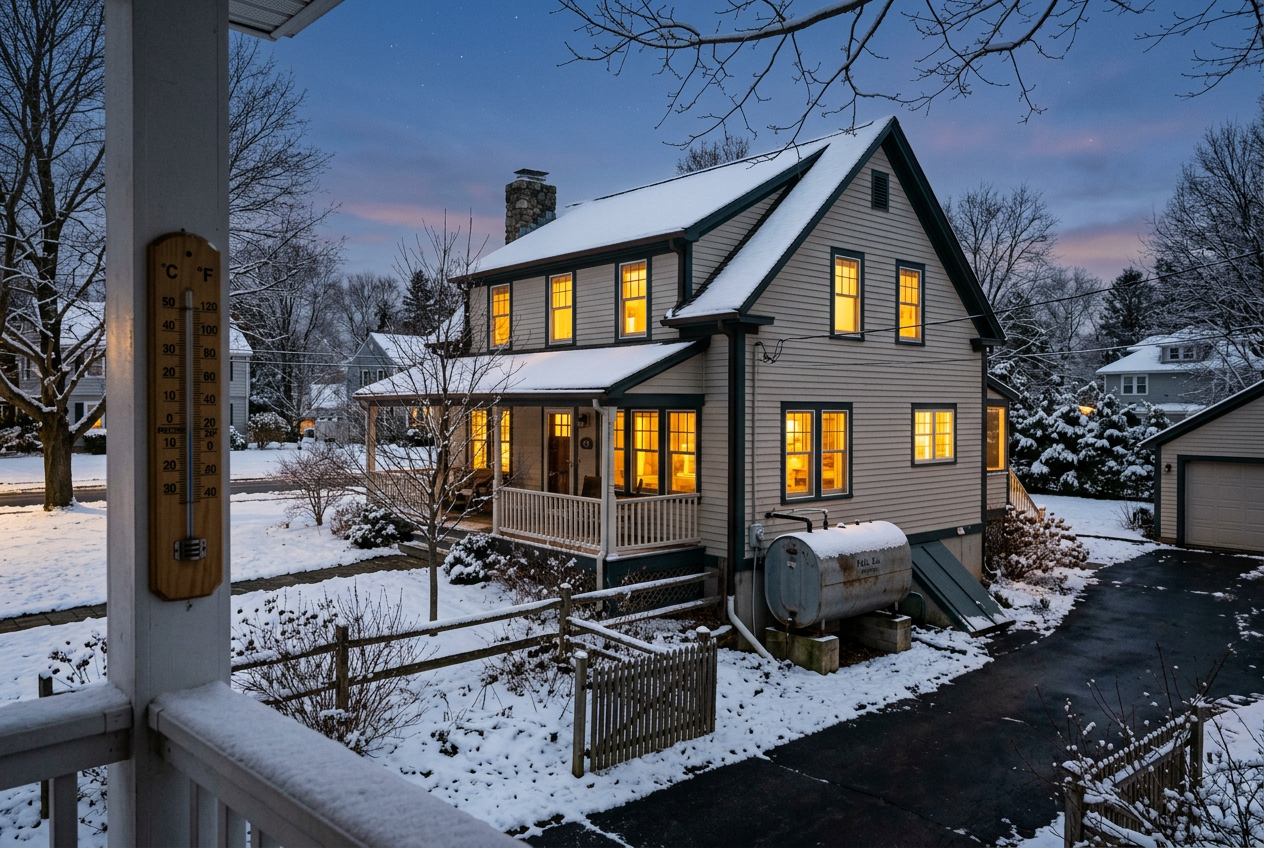
The Northeast Home Heating Oil Reserve is a government supply of heating oil. It was set up in July 2000. It exists to help the roughly 5.3 million households in the region that heat their homes with oil. Think of it as an emergency backup. It is not meant to be a daily fuel source.
In October 2026, the United States agreed to lend 315,000 barrels from this reserve. The goal was to ease shortages and help hold down diesel and heating oil prices in the Northeast. That is good news. But it helps to understand what a “lend” really means.
A lend is short-term help, not a price fix
A reserve release is a temporary step. The fuel is lent out to add supply right now. It is not a promise that prices will drop or stay low. It is not a steady stream of cheap oil for the whole winter.
So treat this news as a reason to plan, not a reason to relax. The release can help smooth out a tight market for a short time. It does not change the bigger pressures on fuel prices this year.
Why oil-heat homes may face a costly winter
A few things are stacking up at once. News reports say heating oil supplies in the Northeast have been very low, so low that some fuel was being rationed even before winter began. When supply is tight and demand is high, prices tend to rise.
On top of that, major oil producers have warned that global diesel supplies are tight. Heating oil and diesel are close cousins. They come from the same part of the refining process. When one is in short supply, the other often is too. That is part of why both can cost more at the same time.
If you heat with oil in the Northeast, these pressures hit your home directly. Your furnace burns the same kind of fuel that is in short supply. That makes it smart to think ahead now.
Why planning beats panic buying
When people hear about shortages, the first instinct is often to rush out and buy a lot. Please do not do that. Hoarding fuel can make shortages worse for your neighbors. It can also be unsafe if fuel is stored the wrong way.
A better plan is to spread out your choices and take steady, calm steps. In the sections that follow, you will learn how to lock in deliveries and manage your oil budget. You will also learn how to cut your heating oil use with no-cost changes, set a smart heating schedule, and seal up drafts.
The reserve release buys the region a little breathing room. Your job is to use that time wisely. Small steps now can soften the blow of a pricey winter.
Lock In Deliveries and Manage Your Oil Budget

Oil heat can cost a lot this winter. The good news is you can take steps right now that cost you nothing. A few phone calls can help you spread out your bills and avoid running out of fuel.
Call Your Oil Dealer First
Your oil dealer is your best starting point. Call and ask what payment plans they offer. Many dealers have options that make your costs easier to handle.
Here are common plans to ask about:
- Budget plan (level-pay). The dealer adds up your expected cost for the year. Then they split it into equal monthly payments. You pay the same amount each month instead of one big bill. This makes your budget easier to plan.
- Prepay plan. You pay for a set amount of oil in advance. This can lock in a price. But your money is tied up early. Ask what happens if prices drop later or if you move.
- Cap or ceiling plan. This sets the highest price you will pay per gallon. If prices go up, you are protected. If prices go down, you may pay the lower price. Some dealers charge a fee for this.
Each plan has trade-offs. A prepay plan protects you from rising prices but locks in your money. A budget plan smooths out payments but may need a year-end adjustment. Ask your dealer to explain the fine print before you sign.
Automatic Delivery vs. Will-Call
Dealers usually offer two delivery types.
Automatic delivery means the dealer tracks your usage and brings oil before you run low. This is the safest choice. You are less likely to run out.
Will-call means you watch your own tank and call when you need more. This gives you control. But it is risky if you forget or if the dealer is busy during cold weather.
If you choose will-call, check your tank gauge often. Never let it drop too low.
Do Not Let Your Tank Run Dry
Running out of oil is more than a cold night. An empty tank can let air and sludge into your system. Then your furnace may not restart on its own. You may need a service call to prime the lines.
A good rule is to order more oil when your tank hits about one-quarter full. Do not wait until it is nearly empty. During a tight supply season, delivery may take longer than usual.
Ask About Help If Money Is Tight
If you are worried about paying, you may qualify for help. The Low Income Home Energy Assistance Program, known as LIHEAP, helps eligible households pay heating bills. Rules and amounts vary by state and household size. Contact your state LIHEAP office or your local community action agency to apply. Your oil dealer may also know about local aid programs.
Cut Heating Oil Use Without Buying Anything
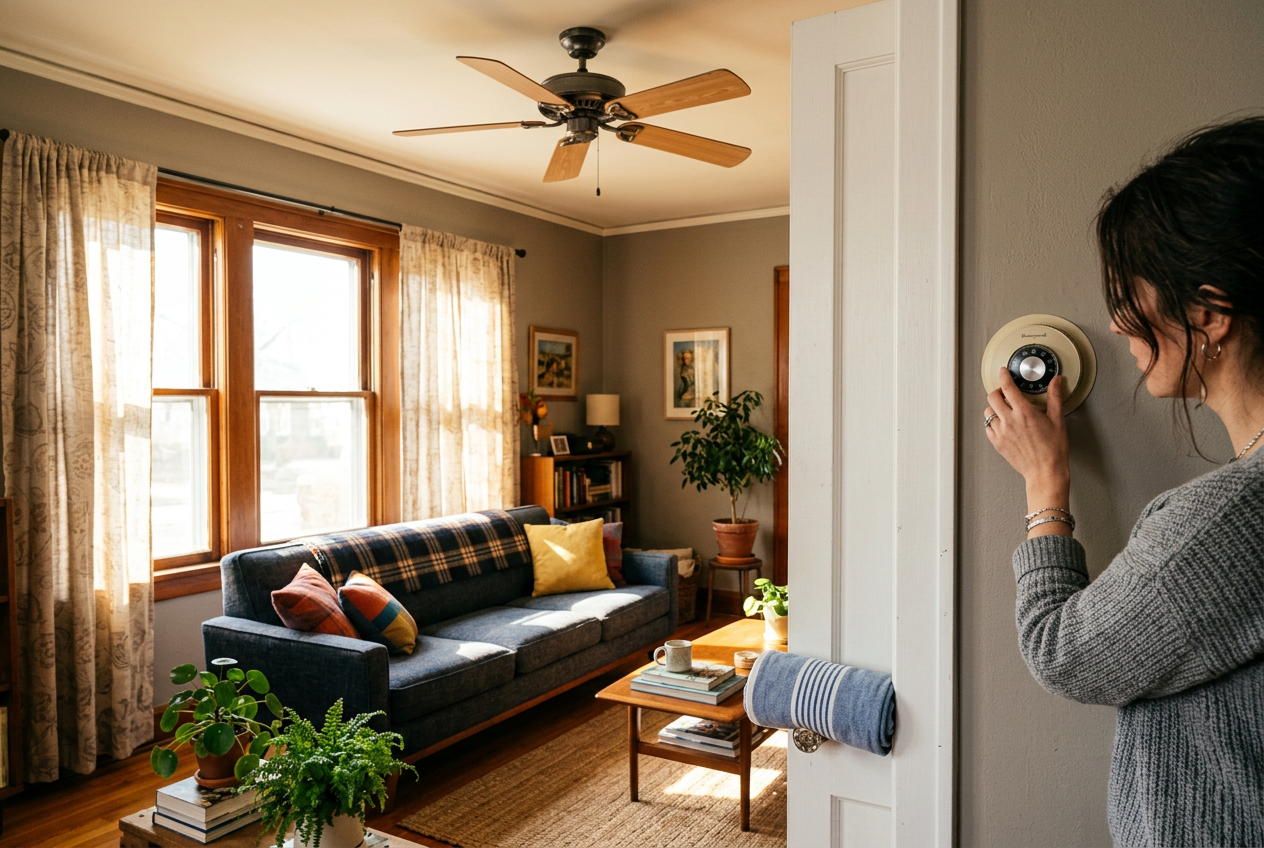
Oil heat gets costly fast. The good news is you can trim your use today with no shopping trip. These steps are free or close to it. Most take only a few minutes.
Turn the thermostat down a little
A few degrees makes a real difference. Try lowering your setting and wearing a sweater or using a blanket. Turn it down more at night and when the house is empty. Your furnace burns less oil when it runs less. If the change feels too cold, raise it back one degree at a time until you find a comfortable spot.
Close off rooms you do not use
Do you have a spare room, a storage room, or a guest room sitting empty? Shut the door. If there are heat vents or radiators in that room, close or turn them down. This keeps your warm air in the spaces you actually live in. Just leave enough heat on to stop pipes from freezing in very cold weather.
Use the sun for free heat
The sun is free heat. On sunny days, open the curtains and blinds on windows that face the sun. Let the light pour in and warm the room. When the sun goes down, close those curtains. Thick curtains help hold heat inside. This simple habit costs nothing and works every clear day.
Reverse your ceiling fans
If you have ceiling fans, use them in winter. Most fans have a small switch on the motor. Flip it so the blades spin clockwise when you look up. Run the fan on low. This pushes warm air, which rises to the ceiling, back down into the room. You feel warmer, so you can keep the thermostat lower.
Block drafts with what you already own
Cold air sneaks in around doors and windows. You do not need to buy anything to slow it down. Roll up a towel or an old blanket and lay it along the bottom of a drafty door. Stuff a rag into an obvious gap. If you already have weatherstripping or tape in a drawer, use it around window and door edges. Hold a hand near the frame to feel for cold air, then block the worst spots first.
Small habits add up
Shut doors as you move through the house. Keep the furnace area clear so air can flow. Close the flue or damper on an unused fireplace, since an open one lets warm air escape up the chimney. None of these steps are big or hard. Together they cut how much oil your furnace burns this winter. Start with one today, then add the rest over the week.
Set a Smart Heating Schedule to Save Fuel
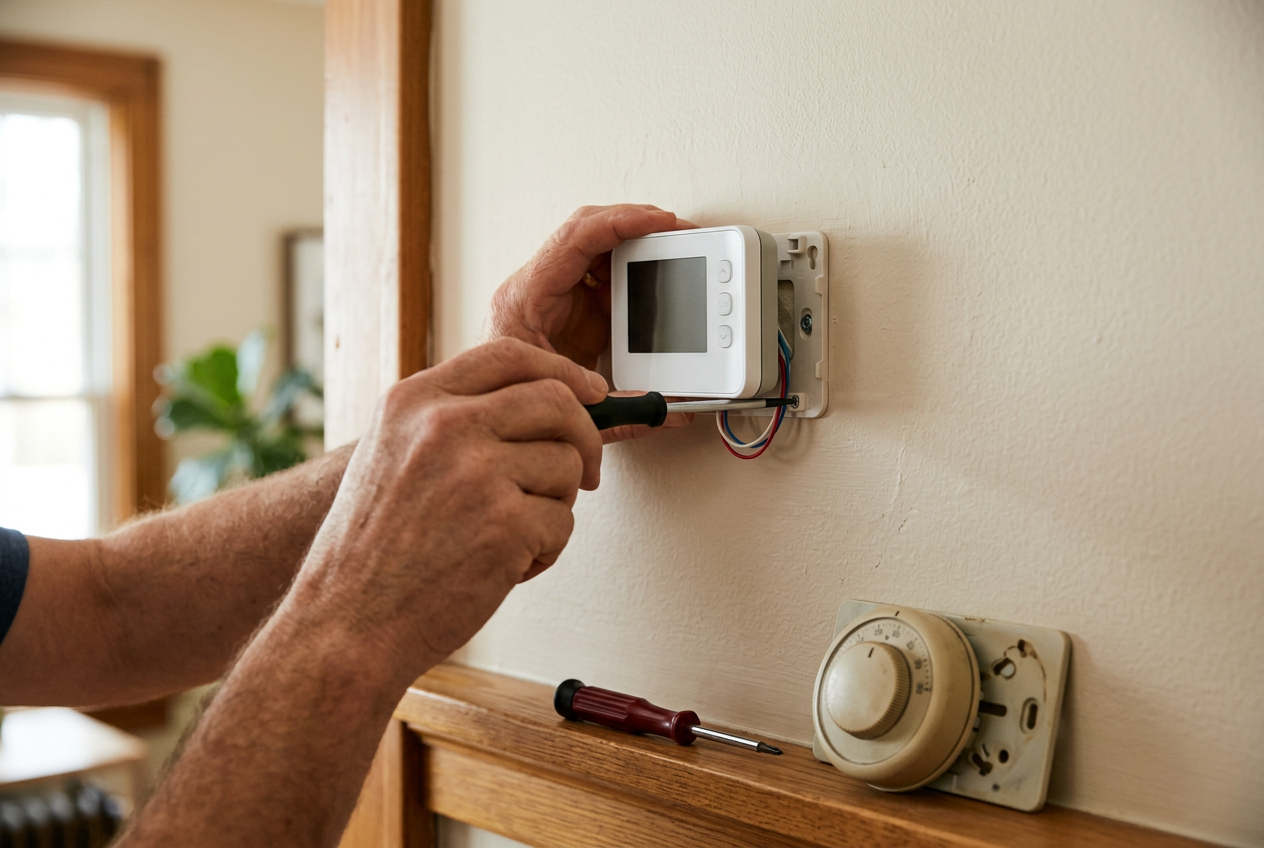
Your furnace does not need to work hard when you are asleep or out of the house. A programmable thermostat turns the heat down on its own during those hours. Then it warms the house back up before you wake or come home. This cuts oil use without you lifting a finger each day. With oil prices high this winter, those saved gallons add up.
Why a Schedule Beats Guessing
Most people forget to lower the heat at night. Or they bump it up too high in the morning. A programmable thermostat does the thinking for you. You set it once, and it follows the plan every day. Lower heat during the hours you do not feel it means less oil burned. That is money saved with no change to your comfort.
Check Compatibility First
Before you buy anything, make sure the thermostat works with your system. Most oil heat uses a forced-air furnace, hot water, or steam radiators. These are common setups, but not every thermostat fits every system.
Read the product listing closely. Look for your system type in the compatible list. Some thermostats do not work with heat pumps that have backup heat, dual fuel systems, or electric baseboard heat. If you are not sure what you have, check the label on your furnace or ask the company that delivers your oil. When in doubt, have a professional confirm before you install.
Two Options to Consider
Here are two programmable thermostats you can look at. Both let you set a schedule that lowers heat on its own.
The Honeywell Home X2P uses a 5-2 day schedule. That means one plan for weekdays and another for weekends. It has a large screen and clear text, which makes setup easy. It also gives filter change reminders. This is a solid mid-range pick for many homes.
The second option uses a 5-1-1 day schedule. That gives you weekdays, plus a separate plan for Saturday and Sunday. Its listing shows it works with forced air gas, oil, or electric, plus hot water, steam, and other common systems. Still, check the compatible list against your own setup before you buy.
Follow the maker’s instructions when you install. If the wiring looks confusing, stop and call a pro.
Set a Realistic Schedule
Do not set the temperature so low that you feel cold at night. Pick a drop that is comfortable, like a few degrees down while you sleep. Set it to warm back up shortly before your alarm. Do the same for the hours you are away at work. Give the house time to reach a cozy temperature before you return. A plan you can live with is one you will keep. That is how you save oil all winter long.
Seal Drafty Windows to Keep Heat In
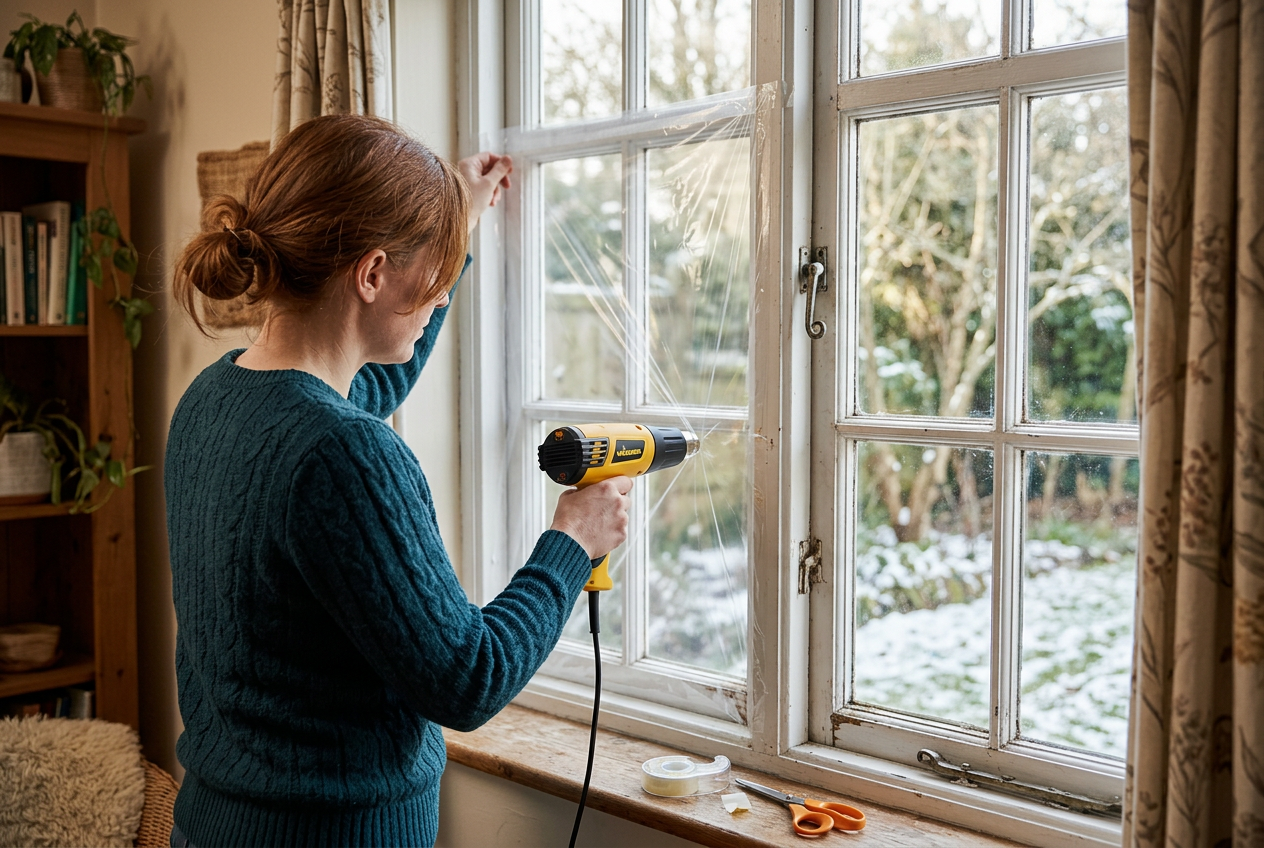
Old windows let heat escape. They also let cold air sneak in. When cold air gets into your rooms, your oil furnace runs more to keep up. More furnace time means more oil burned. Burning more oil means a bigger bill. Sealing your windows is one of the easiest ways to slow that heat loss.
Why Windows Matter So Much
Warm air likes to leak out through small gaps. You may feel a cold draft near a window even when it is shut. That draft is heat leaving your home. In older houses, windows are often the biggest weak spot. Fixing them helps your furnace work less. That can stretch each delivery of oil further.
You do not need new windows to fix this. New windows cost a lot. A simple film kit can block most of the draft for a fraction of the effort.
How Shrink-Film Window Kits Work
A shrink-film kit adds a clear plastic layer over the inside of your window. The film traps a pocket of still air between the plastic and the glass. That trapped air acts like a blanket. It slows the cold coming in and the heat going out.
The film goes up with double-sided tape around the window frame. Then you use a hair dryer to shrink the plastic tight. When it is done right, the film looks clear and smooth. You can still see out the window.
The Duck Brand kit comes as a rolled sheet of film with the tape included. You only need scissors and a hair dryer to put it up. There is no measuring before you start. You apply the film first, then cut it to size. One kit in this size can fit up to ten windows, so it works well for a whole home or the rooms you use most.
Simple Steps to Put It Up
Follow the directions that come with the kit. Here is the basic idea so you know what to expect.
- Clean the window frame and let it dry. The tape sticks best to a clean surface.
- Press the double-sided tape around the edge of the frame.
- Stick the film to the tape. Leave a little slack so you have room to work.
- Run a hair dryer across the film. It will shrink and pull tight.
- Trim off the extra film with scissors.
Apply the film indoors, not outside. Work on painted wood, finished wood, aluminum, or vinyl frames. Pick your draftiest windows first if you do not have time to do them all.
What to Expect
Window film will not turn an old house into a new one. But it cuts a real source of heat loss for little money and little effort. Pair it with the no-cost steps from the earlier sections. Together they ease the load on your furnace and help every gallon of oil last longer this winter.
Compare Your Cost-Cutting Options
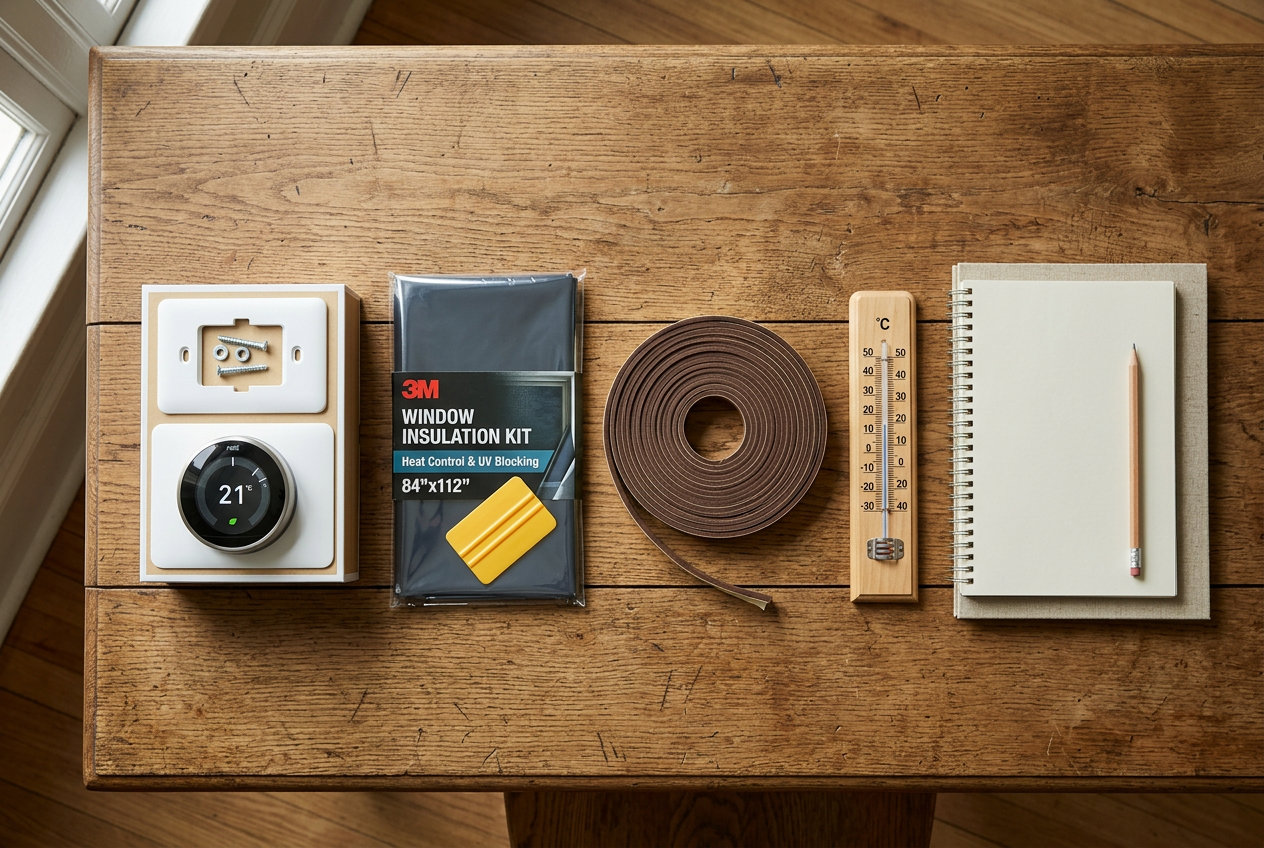
You do not have to do everything at once. Some steps cost nothing. Others take a little money or effort. The table below lays out your main options. Use it to pick what fits your home and budget first.
Think about three things for each step. First, the cost. Second, the effort. How hard is it to do? Third, the impact. How much fuel might it save?
Start With the Free Steps
The cheapest wins cost nothing. Lowering your thermostat a few degrees saves fuel at once. Wear a sweater and warm socks. Open curtains when the sun is out. Close them at night. Setting a simple heating schedule costs nothing if you adjust the dial by hand. These are the first things to try.
Add a Low-Cost Fix Next
If you cannot remember to adjust the dial, a programmable thermostat does it for you. It lowers the heat while you sleep or are away. Then it warms the house before you wake up. This saves fuel without you thinking about it. A basic model like the Honeywell Home X2P programmable thermostat works with many oil-heat systems. Another option, the 5-1-1 day programmable thermostat, lists forced air oil heat as compatible. Always check that a thermostat works with your system before you buy. If you are unsure, ask a heating pro.
Seal Where Heat Escapes
Sealing drafts keeps warm air inside. You can use weatherstripping or caulk on doors and gaps. This is cheap and not hard. For drafty windows, a shrink film kit covers the glass with clear plastic. The Duck Brand window insulation kit uses a hair dryer to shrink the film tight. You need only scissors and a dryer. It works well on old or single-pane windows that let in cold air.
How to Choose
Here is a simple order to follow. Do the free steps today. Then add draft sealing, since it is cheap and quick. If your windows leak, add film. If you want hands-off savings, get a programmable thermostat. Match each step to your home and your budget. A small apartment may only need the free steps. An older house with drafty windows may gain more from film and sealing. Start small. You can always add more later.
Have a Backup Heat and Safety Plan
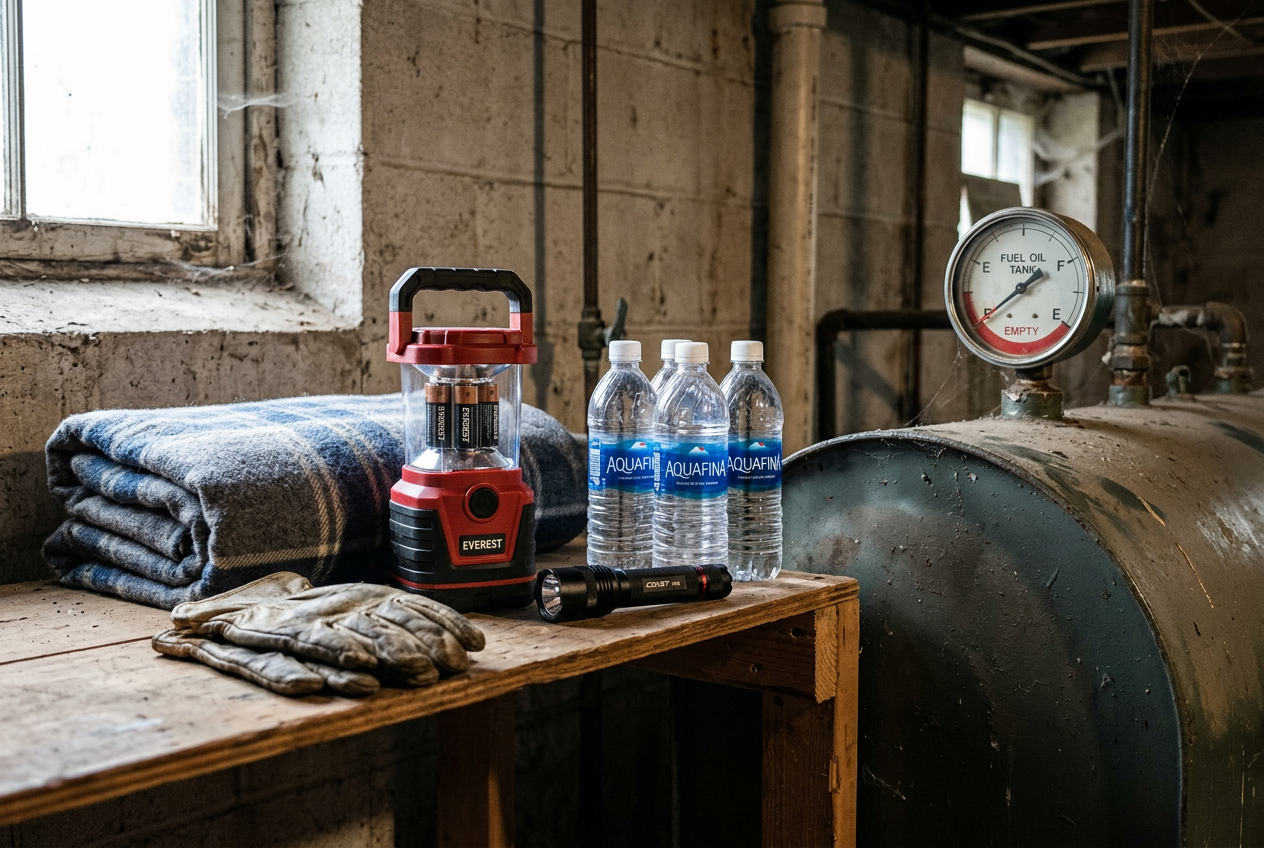
Supplies in the Northeast are tight this winter. Some areas have even seen heating oil rationed before the cold set in. The federal government is lending barrels from its reserve to ease the strain. Still, your own delivery could be delayed. A simple backup plan keeps your family safe and warm if that happens.
Know the Signs Your Tank Is Running Low
Do not wait until your furnace quits. Check your tank gauge often. Most home tanks have a float gauge on top that shows how full they are. If the marker sits near one quarter, call for a delivery right away.
Watch for warning signs that oil is running out:
- Your furnace runs but the house stays cold.
- The burner starts and stops in short bursts.
- You hear loud rumbling or clicking from the furnace.
- The system stops firing and will not restart.
If the tank runs dry, air can get into the fuel line. That often means the furnace needs a restart or bleeding by a technician. Keep your heating company’s number where you can find it fast.
Build a Cold-Weather Kit
A basic kit helps you stay comfortable if the heat goes down for a day or two. You likely own most of these items already. Gather them in one spot now, before you need them.
- Warm blankets, sleeping bags, and extra layers of clothing.
- Wool socks, hats, and gloves for everyone.
- Flashlights and spare batteries.
- A battery or crank radio for weather updates.
- Bottled water and easy food that needs no cooking.
- A phone power bank, charged and ready.
Pick one room to keep warm. A smaller room holds heat better. Close doors to rooms you are not using. Our full cold-weather gear guide covers clothing and kit choices in more detail.
Never Use Unsafe Heat
This is the most important rule. Do not try to heat your home with anything not made for indoor use.
- Never burn charcoal or use a camp stove inside. They give off carbon monoxide, a gas you cannot see or smell.
- Never use a gas oven or range to heat a room.
- Never run a generator indoors, in a garage, or near windows. Keep it outside and far from the house.
Carbon monoxide can make you sick or worse within minutes. Put a working carbon monoxide alarm on each floor. Test it and change the batteries.
If you want a safe backup power source for your furnace fan or other needs, read our backup power guide first. It explains safe setup and placement so you do not put your family at risk.
If your home gets dangerously cold and you cannot warm it, go somewhere safe. A friend’s house, a relative, or a local warming center all work. Staying warm matters more than staying put.
Frequently Asked Questions
Will the reserve release lower my heating bill?
Maybe a little, but do not count on big savings. News reports say the US is lending 315,000 barrels from its heating fuel reserve to help the Northeast. The goal is to ease shortages and help hold down diesel and heating oil prices. That is a small supply compared to what millions of homes use. It may soften price spikes, but it is not a promise that your bill will drop. Plan your budget as if prices will stay high this winter.
Should I top off my tank now?
Topping off your tank is a normal, smart step. A full tank means you have fuel on hand before the coldest weeks. It also lets you buy before any new price jumps. But do not try to hoard fuel or buy far more than your tank holds. Buying only what your tank can safely store is enough. If supplies are tight in your area, call your dealer early and ask about delivery wait times.
Is it safe to store extra heating oil at home?
Store heating oil only in your home’s approved tank or in containers made and labeled for that fuel. Do not store fuel in living spaces like kitchens, bedrooms, or hallways. Keep fuel away from any flame, spark, or heat source, such as a furnace, water heater, or stove. Keep it away from children and pets. If you are unsure whether a container is safe or where your tank should sit, ask your fuel dealer or a licensed heating technician. Follow your local fire rules. Do not guess with fuel storage.
What if I cannot afford a delivery?
You are not out of options. First, ask your dealer about budget plans or payment plans. Many dealers let you spread payments across the year instead of paying one large bill. Ask if they offer a smaller minimum delivery to get you through a cold stretch. You can also look into local heating help programs. Many states and towns offer aid to households that cannot cover winter heat. Call your dealer, your town office, or a local community agency and ask what help is available. Ask early, before your tank runs low.
Can fuel stabilizer fix old heating oil?
No. Stabilizer cannot restore fuel that has already broken down. It may help slow future problems, but it will not fix oil that is already degraded. If you think your stored fuel is old or dirty, do not use it in your furnace. Call a heating technician to check it.
Will cutting my thermostat really help?
Yes. Lowering your thermostat and heating only the rooms you use can cut how much oil you burn. A programmable thermostat makes this easier by lowering heat on a schedule. Sealing drafts around windows helps too. Small steps add up across a long winter.
Your Oil-Heat Action Checklist
Here is a simple list of the steps from this guide. Work through it one item at a time. You do not have to do everything in a single day. Start at the top and keep going.
You can print this page if you want a copy to check off. There is no separate download. The page itself is your checklist.
Call Your Dealer and Lock In Deliveries
- Call your heating oil dealer and ask about payment plans.
- Ask about automatic delivery so your tank does not run low.
- Ask if a budget plan can spread your cost over the year.
- Compare a few dealers if you can. Prices and terms differ.
- Do not wait until your tank is near empty to call.
Check for Help Paying Your Bill
- Ask your dealer and your state about assistance programs.
- Find out if you qualify for help with heating costs.
- Apply early if a program exists. Spots can fill up.
- Keep your paperwork ready so you can act fast.
Set Back Your Thermostat
- Lower the heat when you sleep or leave the house.
- Raise it only when you need it.
- A programmable thermostat can do this for you on a schedule.
A simple programmable thermostat helps you follow a set-back plan without thinking about it. Check that it fits your system before you buy. Oil systems are usually forced air or hot water heat. Read the compatibility notes for each model.
Seal Windows and Drafts
- Feel around windows and doors for cold air leaking in.
- Seal drafty windows to keep heat inside.
- A window film kit creates a clear, airtight seal for the winter.
- Close off rooms you do not use.
Keep the Tank From Running Low
- Watch your tank level often.
- Order more oil before you get near empty.
- A low tank can leave you cold and can risk air in your lines.
- Set up automatic delivery if your dealer offers it.
Prepare a Cold-Weather Backup Plan
- Keep warm blankets and layers ready for a cold snap.
- Know where you would go if you lost heat for a while.
- Keep phone numbers for your dealer and local help close by.
- Follow all fuel safety rules. Use approved containers only.
- Never store fuel in your living space.
- Keep fuel away from flames, heat, and children.
- Let engines cool before you add fuel. Never siphon by mouth.
Work this list top to bottom. The early steps cost nothing and save the most. The small fixes add up. A few calls and a few sealed windows can make this winter warmer and easier on your budget.
Next Steps for a Warmer, Cheaper Winter
The news is clear. The US is lending 315,000 barrels from its heating fuel reserve to ease shortages and help calm diesel and heating oil prices in the Northeast. That step may help over time. But it does not change what you pay this week. So the smart move is to take control of your own home and your own budget starting now.
Here is how to work through it in order.
Start With the Free Steps
Begin with the actions that cost nothing. These give you the fastest wins. Close off rooms you do not use. Open curtains on sunny days to let heat in, then close them at night. Keep vents and radiators clear of furniture. Lower your thermostat a few degrees when you sleep or leave the house. Wear warm layers indoors. None of this costs a dollar, and it can cut how much oil you burn every day.
Do these first. You do not need to buy anything to start saving right away.
Add Low-Cost Fixes Next
Once the free steps are done, move on to cheap, simple upgrades. Sealing drafty windows is one of the best. A window insulation kit traps a layer of still air that blocks cold and holds in heat. The Duck Brand Window Insulation Kit uses clear shrink film and included tape. You need only scissors and a hair dryer to put it up.
A programmable thermostat is another smart buy. It lowers the heat on a schedule so you are not warming an empty house. The 5-1-1 day programmable thermostat works with oil forced-air systems, but check your system type before you buy. If you want a simple, well-known option, the Honeywell Home X2P Programmable Thermostat offers 5-2 day scheduling. Always follow the maker’s directions when you install any thermostat.
Call Your Oil Dealer This Week
Do not wait on this one. Call your oil dealer in the next few days. Ask about delivery options and how they set prices. Ask if they offer a budget plan that spreads your cost across the year. Ask what a locked price or a capped price would mean for you. Getting on a plan early can protect you from sudden jumps and help you avoid running low at a bad time.
Put It All Together
Start free, then go low-cost, then lock in your deliveries. That order gives you the most savings for the least money. You can print this page to keep the steps handy. The reserve release is out of your hands, but these actions are not. Take them this week, and head into winter warmer and with a budget you can manage.
Sources and Further Reading
- Senators from both parties ask Trump to release …
- Heating oil impact likely severe for nh residents
- Extension of Regional Emergency Declaration - No. 2025-013
- Diesel and heating fuel supplies dangerously low
- Northeast Home Heating Oil Reserve
- The US will lend heating fuel from its reserve
- Exxon, Chevron Warn of Continued High Fuel Prices From Iran War