Ready
When Your Tap Water Isn't Safe: Household Prep for Utility Disruptions and Boil Advisories (2026)
Imagine turning on your tap and nothing safe comes out. Maybe the water looks cloudy. Maybe your city just sent a boil advisory. Or maybe the system went down for a reason you never expected. This is not science fiction. It is something more households now plan for.
Federal officials have warned that cyberattacks against water systems are rising. These attacks can interrupt water treatment, damage pumps, and force utilities into manual operation. The result for your home can be simple but serious. Your water may stop, or it may no longer be safe to drink.
Aging pipes and plants add to the risk. In October 2026, Maryland held an “Imagine a Day Without Water” event. Officials there called some utilities a system “on the brink of crisis.” They urged families to get ready at home.
Here is the good news. You do not need to panic. You just need a plan. A little preparation now means you stay calm and comfortable later.
This guide walks you through the basics in plain steps. You will learn how much water to store and how to figure out the simple math. You will learn which containers work best and how to keep stored water fresh. You will also learn how to boil or treat questionable water, and how to use your supply wisely during a disruption. Let’s build your water plan together.
- A cyberattack or system failure can shut off clean water or trigger a boil advisory with little warning.
- Store at least 1 gallon of water per person per day, enough for 2 weeks (about 14 gallons per person).
- Keep both large tanks for home storage and smaller containers you can carry and pour easily.
- Have purification tablets ready so you can treat questionable water during a boil advisory.
- Check and rotate your stored water so it stays fresh and ready for an emergency.



Reviewed by Priya K., Beth O. & Dale M. — contributors with hands-on preparedness experience. How we test
A few key supplies can keep your family safe when the tap goes down. Here is what to grab, and keep reading to see why each one matters.
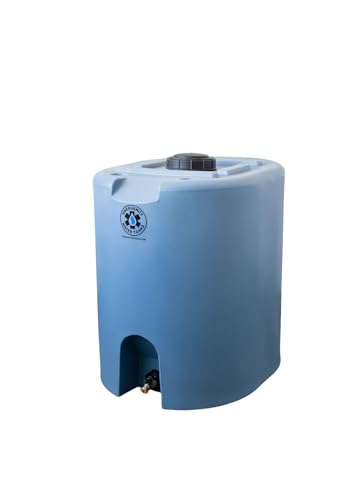
55 Gallon Stackable Water Tank
This big food grade tank holds enough drinking water for a family of four for up to two weeks. The stackable design gives you major storage without taking over your whole room.
Check Price on Amazon
Aquatabs Purification Tablets
These tablets kill 99.9999% of bacteria, 99.99% of viruses, and 99.9% of cysts in questionable water. They are a simple backup when a boil advisory hits and you need safe water fast.
Check Price on Amazon
5 Gallon Stackable Containers
These smaller jugs stack flat and have handles, so you can move water around your home or carry it where you need it. The twist breathing ports make pouring quick and clean.
Check Price on AmazonIn this guide
Why Trust This Guide?
This article was researched and reviewed by contributors with hands-on experience in emergency preparedness. They have tested gear, built real systems, and lived through situations where these skills actually mattered.
What a Water Utility Cyberattack Actually Looks Like for Your Household
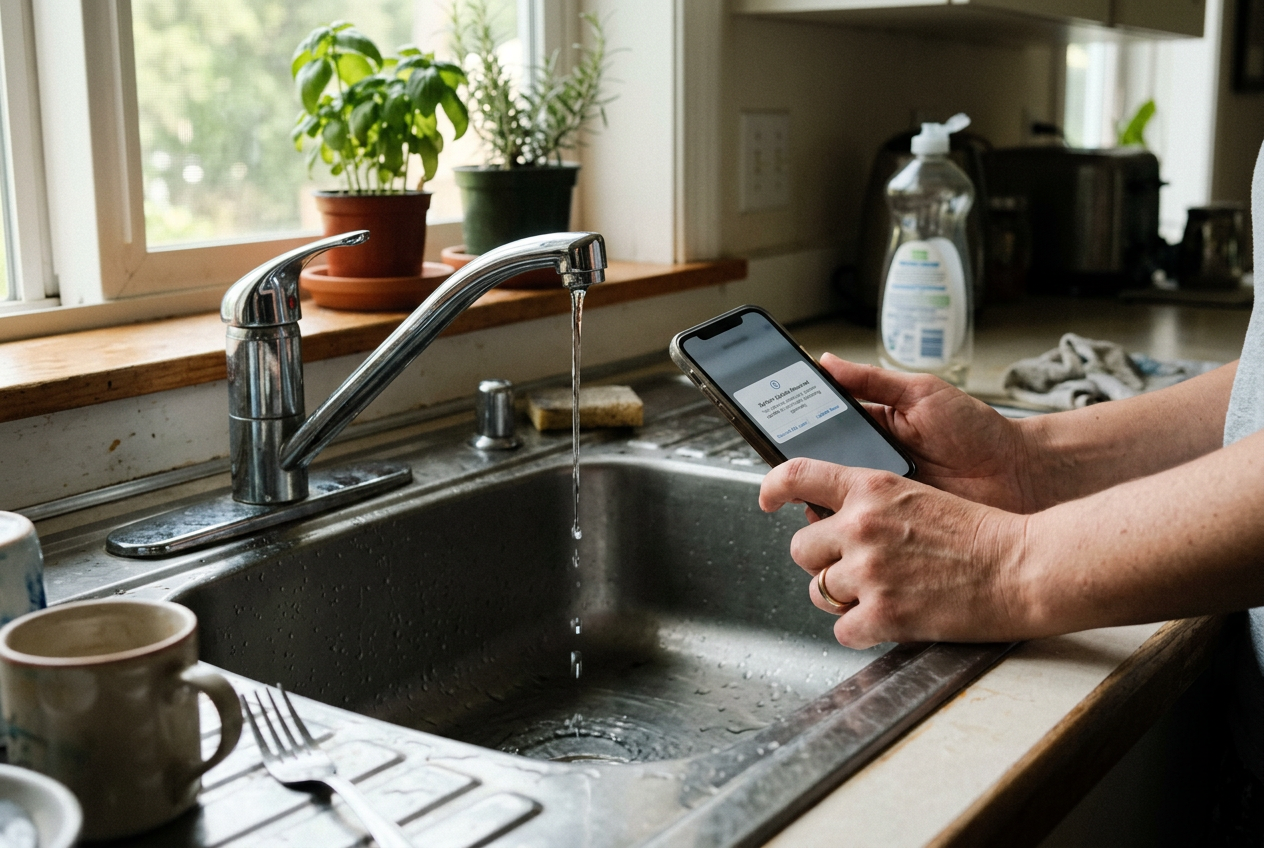
You may think a cyberattack sounds like something far away. But for your home, it does not feel high tech at all. It feels like a problem with your tap. Federal officials say cyberattacks on water systems are rising. These attacks can interrupt water treatment and storage. They can also damage pumps. For you, that shows up in one of a few simple ways.
A boil water advisory
The most common result is a boil water advisory. This is a notice from your water utility. It tells you the water may not be safe to drink as it is. The water may still flow from your tap. It may look clear. But experts warn you should not drink it until officials say it is safe. During an advisory, you boil the water first or treat it another way. We cover how to do that later in this article.
Low or no water pressure
Another sign is weak pressure. Your tap may trickle instead of flow. A toilet may fill slowly. This can happen when pumps or controls are not working right. Low pressure is also a warning sign on its own. When pressure drops, dirty water can get into the pipes. That is one reason a boil advisory often comes with pressure problems.
A full outage
The worst case is no water at all. You turn the tap and nothing comes out. This can last hours or longer. You cannot drink, cook, or flush without stored water. This is why having water set aside ahead of time matters so much.
You may not get much warning
Here is the hard part. These problems can start fast. You may not get a heads up. One day your water works fine. The next day you see a notice, or your tap goes weak or dry. You cannot always count on a text or a phone call before it happens. That is why you prepare before anything goes wrong, not during.
The fix is not yours to make
This is important and it should take the pressure off you. If a cyberattack hits your water utility, you cannot repair it from home. The problem is in their systems, their pumps, and their controls. Trained staff and experts have to fix it on their end. You do not need to understand the attack. You do not need special skills.
Your job is much smaller and fully within your control. You need two things. First, have clean water stored and ready. Second, know how to treat questionable water if you run low. That is it. The rest of this article walks you through both steps in plain language. You will learn how much to store, what to store it in, and how to make unsafe water safe to drink.
How Much Water to Store (and the Simple Math)
Storing water sounds hard. It is not. You just need a simple plan and a little math.
Start With One Gallon Per Person Per Day
A common planning figure is about one gallon of water per person each day. That covers drinking and basic needs. Half of that is for drinking. The other half is for things like washing hands and simple cleaning.
So for one person, that is one gallon a day.
For a family of four, that is four gallons a day.
Scale It for Two Weeks
Many disruptions are short. But a water utility cyberattack can lead to a boil water notice or a longer outage. That is why planning for two weeks is smart. Two weeks gives you breathing room while your utility works to fix the problem.
Here is the math for two weeks:
- One person: 1 gallon x 14 days = 14 gallons
- Two people: 2 gallons x 14 days = 28 gallons
- Four people: 4 gallons x 14 days = 56 gallons
You can see how fast this adds up. A family of four needs about 56 gallons for two weeks. That is why many people choose a large tank. One 55-gallon tank covers a family of four for close to two weeks.
Add Extra for Pets and Cooking
The one gallon figure is a starting point. Your real needs may be higher. Add more water if you have any of these:
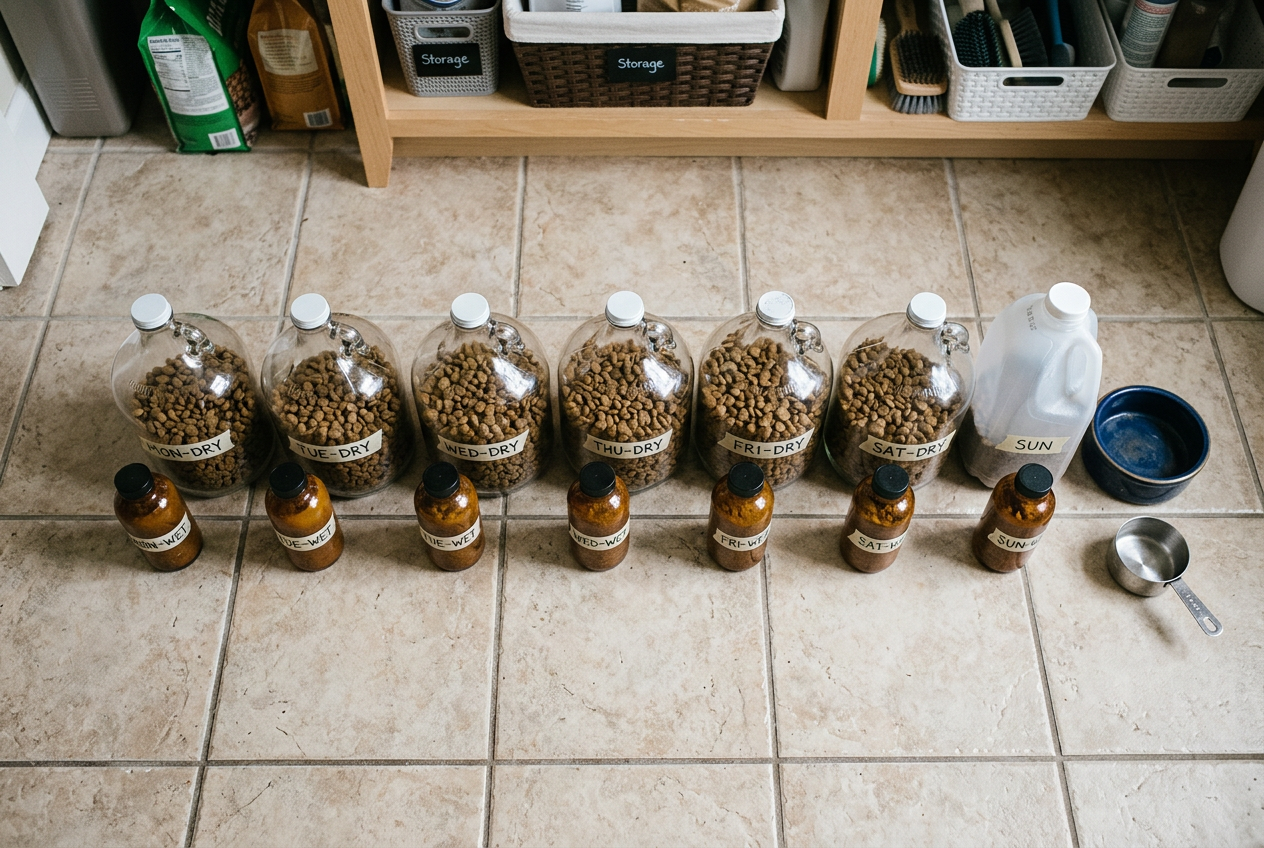
- Pets. Dogs and cats need water too. A larger dog may drink a fair amount each day.
- Cooking. Some meals need water to prepare. Rice, pasta, and dried foods all use water.
- Hot weather. People drink more when it is warm.
- Health needs. Anyone who is sick, pregnant, or nursing may need more.
When in doubt, store a little extra. Running out is worse than having too much.
A No-Purchase Starting Point
You do not need to buy anything today to start. Look around your home first.
Clean, food-grade containers you already own can hold water. Think of empty juice jugs or clean soda bottles with screw caps. These are made to hold drinks, so they are safe for water. Wash them well before you fill them.
Do not use old milk jugs. Milk leaves sugars and proteins that are hard to rinse out. These can grow bacteria. Containers that held harsh cleaners are also a no. Skip anything that is not meant for food or drink.
Fill a few clean containers now. Even a small supply is a good first step. You can build up from there.
When you are ready for more, a dedicated storage tank or stackable jug set holds much more and lasts for years. We cover those choices in the next section. For now, just do the math for your household and start filling what you have.
Choosing Water Storage Containers for Your Home
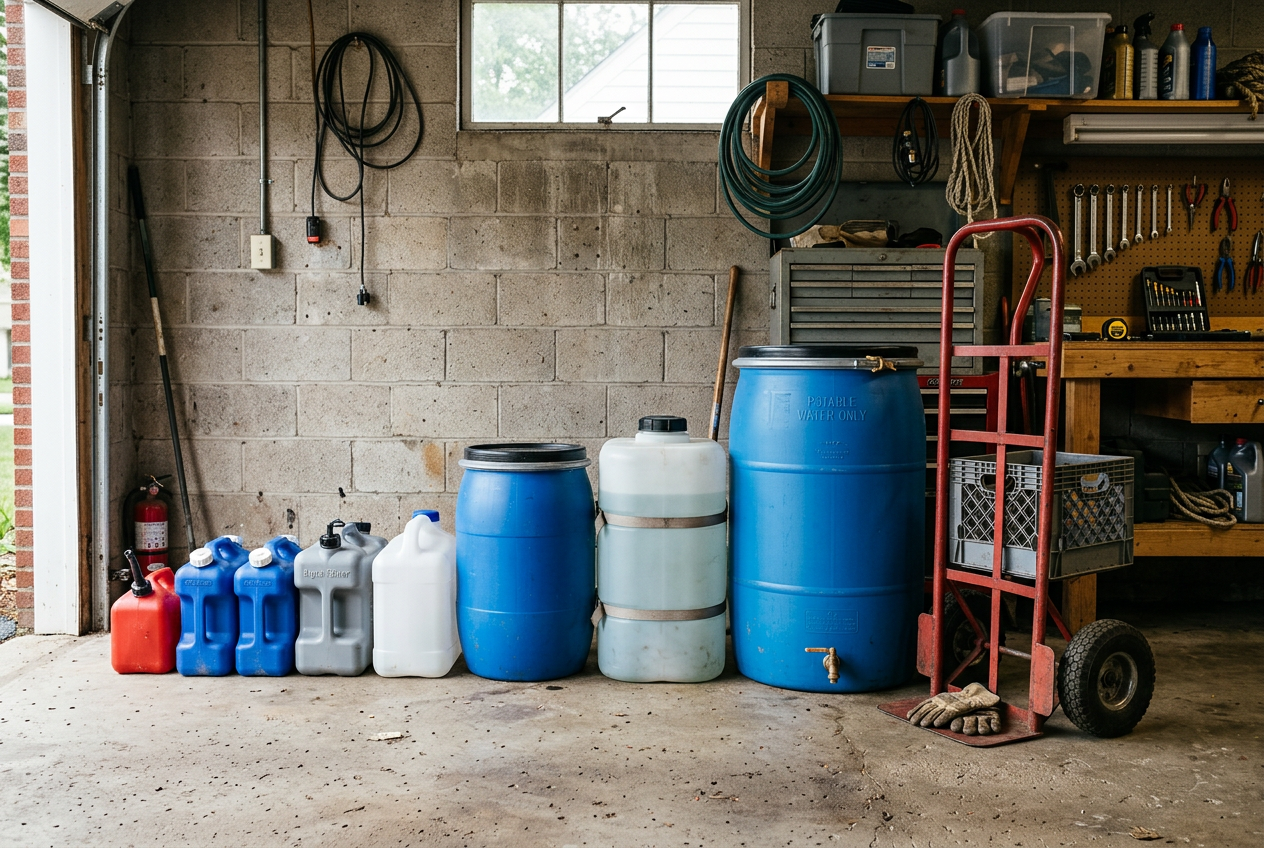
The right container depends on your space and your strength. Some hold a little and are easy to carry. Others hold a lot but stay in one place. Many homes use a mix of both. Let’s look at your main options.
Small, Portable Jugs
Jugs around 5 gallons are a good starting point. You can carry them, move them, and pour from them with less effort. A 5-gallon container weighs about 40 pounds when full. That is heavy, but most adults can lift it for a short distance.
Stackable sets save floor space. You can keep them in a closet, under a bed, or on a shelf. Look for food-grade plastic that is BPA-free. This means the plastic is safe for drinking water.
This set gives you four 5-gallon containers. Flat tops and bottoms let them nest together. Built-in breathing ports help water pour out without getting stuck. The handles make them easy to move. This is a smart pick if you want water you can carry room to room.
Large Barrel Tanks
A 55-gallon tank holds a lot of water in one spot. This size works well in a garage, basement, or shed. You will not move it once it is full. A full 55-gallon tank weighs several hundred pounds. Plan to fill it where it will stay.
Stackable barrel tanks let you store more without using extra floor space. This helps if your storage area is tight.
This 55-gallon tank is made from rotationally molded polyethylene. That is a tough, food-grade plastic built for long-term water storage. The maker says one tank can supply a family of four for up to two weeks. Its stackable design fits well in garages or basements.
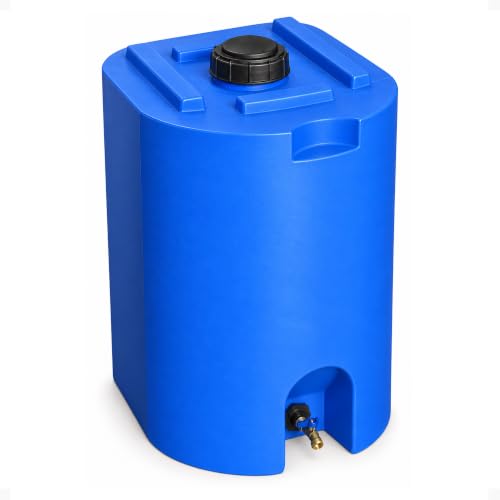
This WaterPrepared tank also holds 55 gallons and is stackable. It has a large cap for easy filling and a spigot for drawing water out. The maker says it fits through a standard doorway, so you can place it inside your home. The UV-proof plastic helps protect the water over time.
Compare Your Options
Use this table to match a container to your needs.
Which Should You Pick?
If you are just starting, small jugs are easy to fill and store. If you want more water and have space, add a barrel tank. Many households keep both. Portable jugs let you move water around. A large tank gives you backup for longer disruptions. Pick what fits your home and your ability to lift.
Filling, Rotating, and Keeping Stored Water Safe
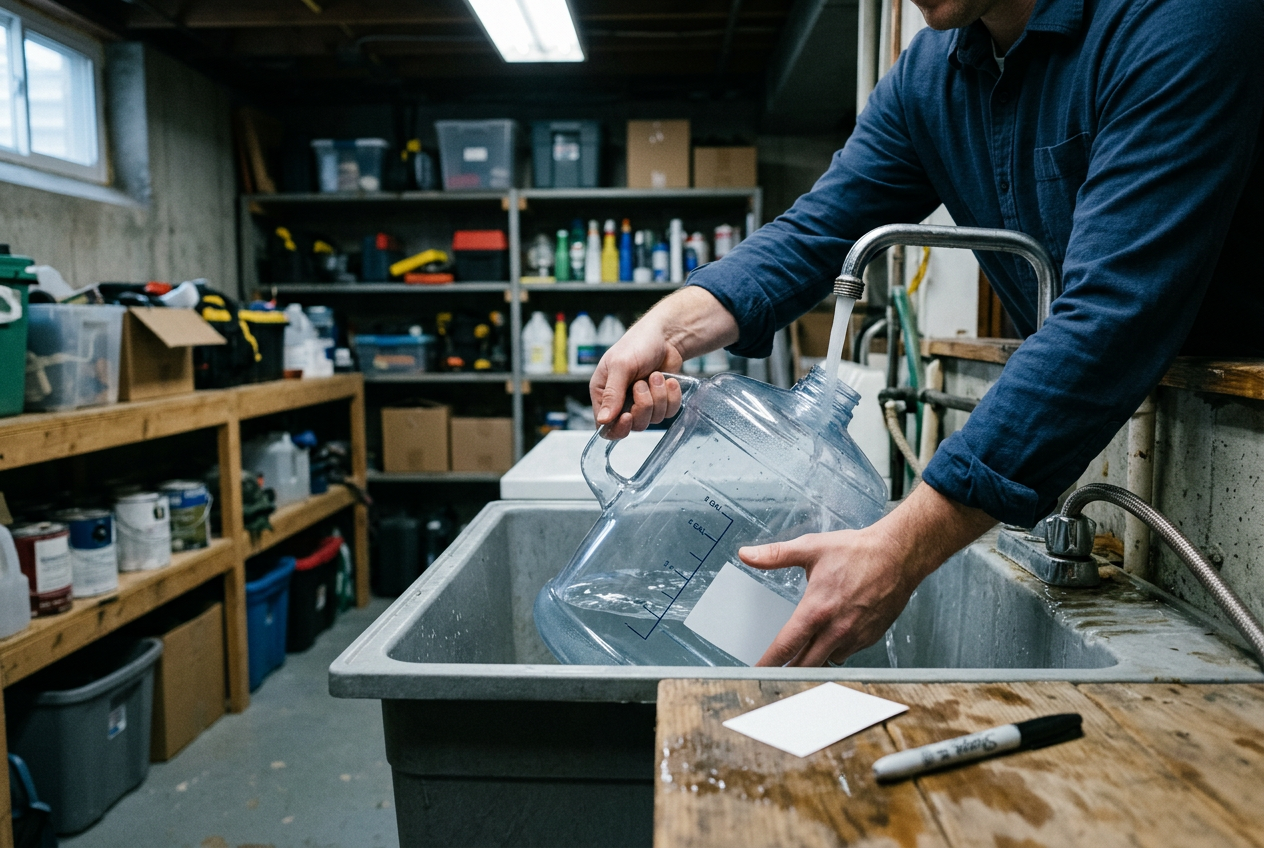
Storing water is not just about buying a container. You also need to fill it the right way, mark it, store it well, and swap it out on a schedule. These steps keep your water safe to drink when you need it.
Fill from a clean tap
Fill your containers from a clean tap that gives safe drinking water. Do not fill during a boil advisory or while your utility is having problems. The goal is to store water while it is still safe, so you have a backup if the tap goes bad later.
Wash your hands first. Rinse the container with clean water before you fill it. Fill it all the way to the top to leave less air inside. Then close the lid tight. Try not to touch the inside of the lid or the spout with your fingers.
Label with the date
Write the fill date on each container. Use a marker or a piece of tape. This simple step tells you how old your water is. Without a date, you will forget, and old water can sit for years.
If you store several containers, label them in order. That way you know which one to use first.
Store it in a good spot
Keep your stored water out of direct sunlight. Light can help algae and bacteria grow. A dark closet, basement, or shelf works well. Some tanks, like the WaterPrepared 55 gallon tank, use UV-proof plastic to help block light, but a dark spot is still smart.
Keep containers off hot surfaces. Do not store water next to a water heater, furnace, or a sunny window. Heat can break down plastic over time. A cool, steady temperature is best.
Keep water off bare concrete floors when you can. Set it on a shelf, a wood board, or a pallet. Also keep water away from gasoline, cleaners, and other strong-smelling items. Some fumes can pass through plastic and ruin the taste.
Rotate on a simple schedule
Rotation means using your old water and refilling with fresh water. A good habit is to rotate every six months. Pick easy dates to remember, like when the clocks change in spring and fall.
When you rotate, do not pour the old water down the drain. Use it to water plants, flush a toilet, or clean. Then refill the container from a clean tap and write the new date.
Stackable containers like the Saratoga Farms 5 gallon jugs make rotation easier. You can grab one jug at a time without moving your whole supply.
Signs you should refresh
Refresh your stored water if you notice any of these:
- It looks cloudy or has floating bits.
- It smells bad or musty.
- You see green or slimy growth inside.
- The container is cracked or leaking.
When in doubt, dump it and start fresh. Clean water is cheap peace of mind.
Treating Questionable Water: Boiling and Purification Tablets
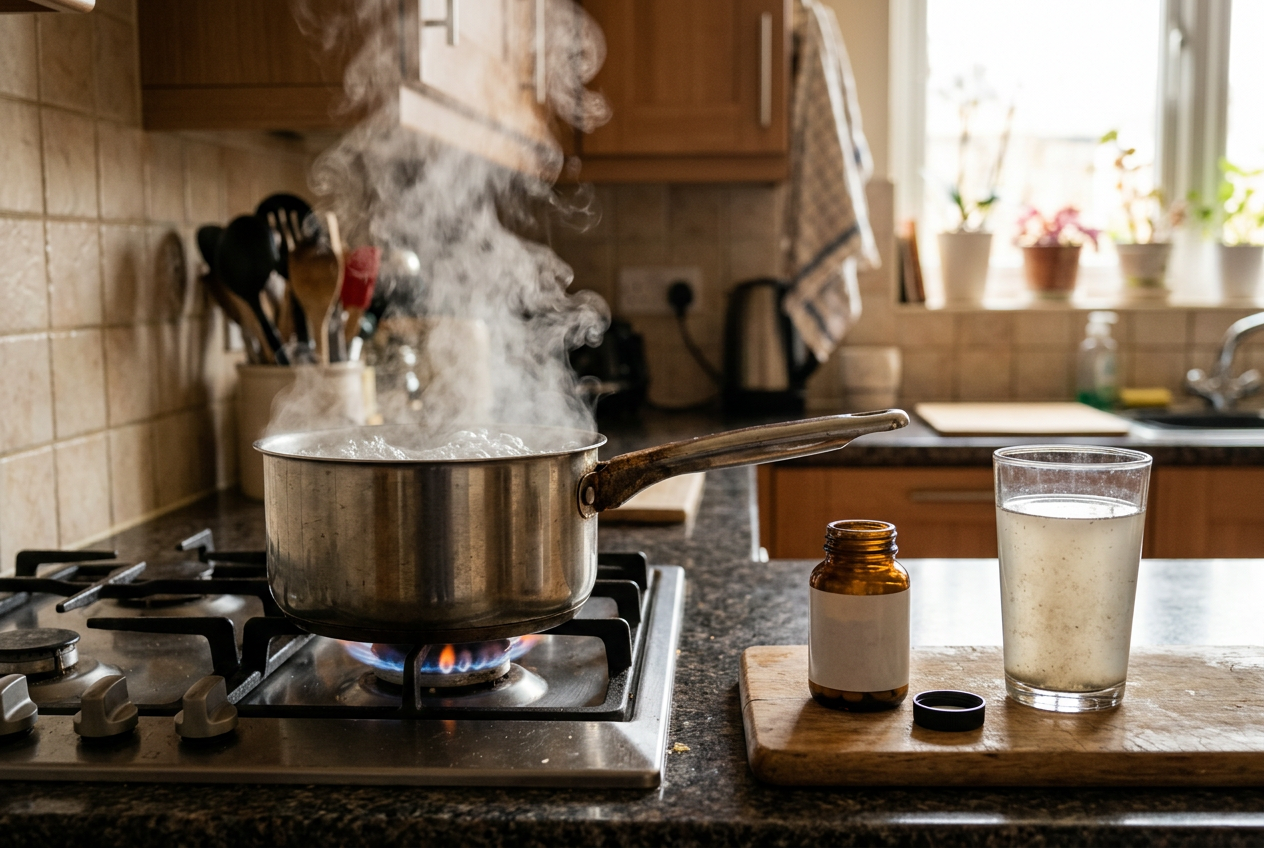
Sometimes your tap water may not be safe to drink. A boil advisory means your utility has told you to treat the water first. During a disruption, you may not know if the water is clean. When in doubt, treat it. There are two reliable methods for a regular household: boiling and purification tablets.
Boiling: The Simple First Choice
Boiling is the most trusted way to make water safe. It kills bacteria, viruses, and cysts like Giardia. Here is how to do it:
- Fill a clean pot with the water.
- If the water looks cloudy, let it settle first. Pour off the clear water on top.
- Bring it to a rolling boil. That means big bubbles that do not stop when you stir.
- Keep it boiling for one full minute.
- Let it cool on its own. Do not add ice.
Store the boiled water in a clean, covered container. Boiling does not remove chemicals. If your utility warns about a chemical problem, boiling will not help. In that case, use stored or bottled water instead.
Purification Tablets: When You Cannot Boil
You may lose power or run out of fuel for your stove. Purification tablets are a good backup. They are small, light, and easy to store. You just drop a tablet into water and wait.
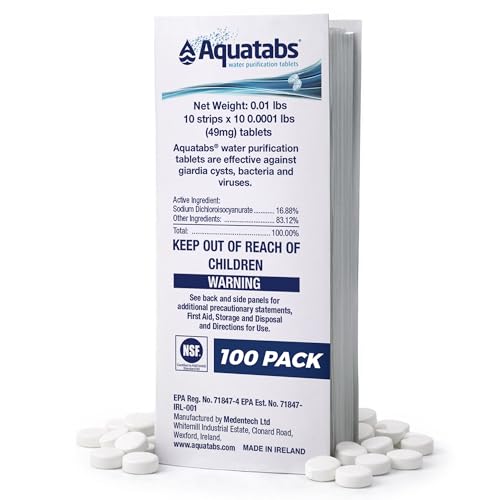
Aquatabs are a popular brand. They remove 99.9999% of bacteria, 99.99% of viruses, and 99.9% of cysts like Giardia. You add the tablet, then wait 30 minutes before you drink. Follow the directions on the package for how much water each tablet treats.
The larger 397mg tablets treat bigger batches. Each one purifies about 4 gallons in 30 minutes. These work well if you need to treat water for the whole family.
The smaller 49mg tablets treat less water at a time. One tablet handles about .75 to 2 liters. These are handy for a single bottle or a small bugout bag. They come sealed in foil strips to stay fresh.
What Tablets Cannot Do
Tablets have limits. They do not remove chemicals. They do not make cloudy water clear. If the water looks dirty, let it settle and pour off the clear part first. A clean cloth or coffee filter can also help catch bits before you treat the water.
Quick Comparison
Keep both options ready. Boil when you have heat. Use tablets when you do not.
Using Your Stored Water Wisely During a Disruption
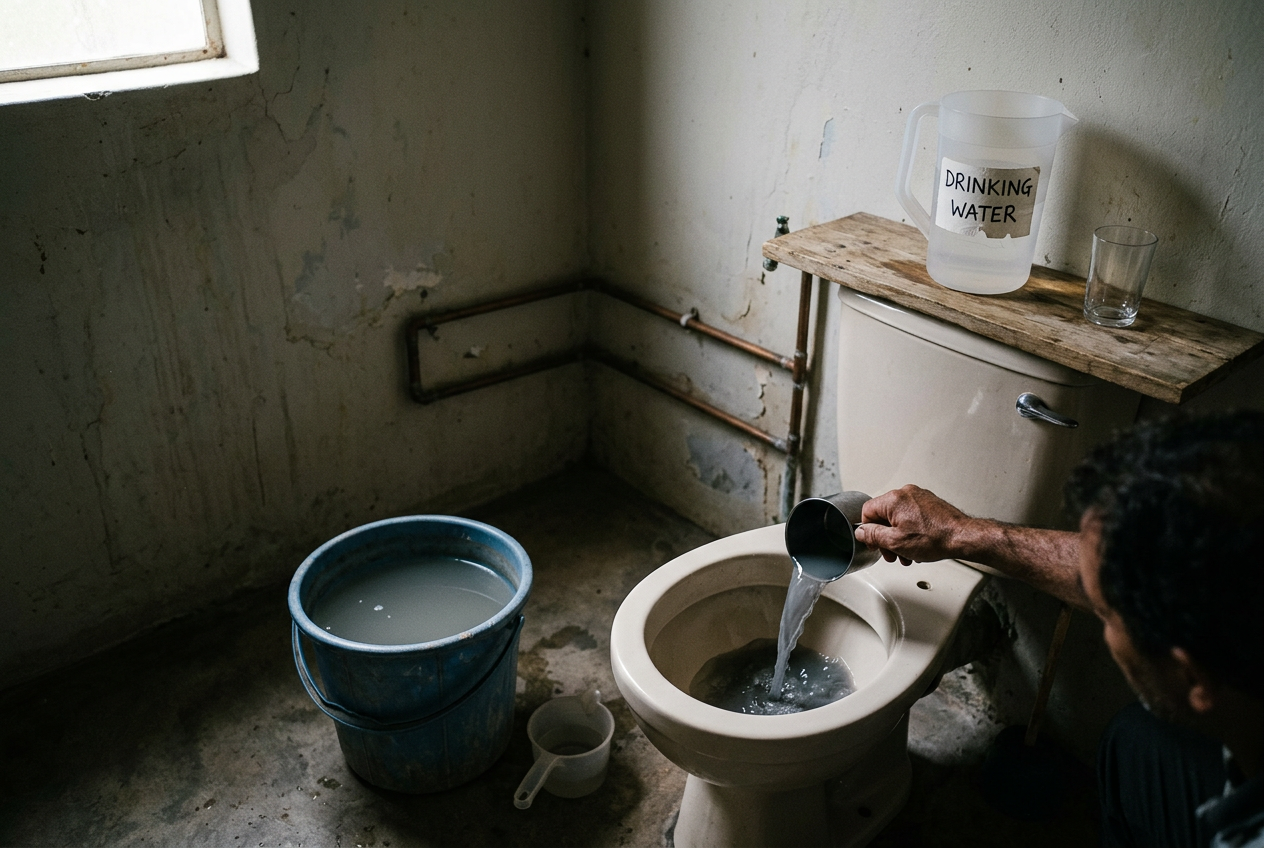
When the tap goes out or a boil advisory starts, your stored water needs to last. You may not know how long the disruption will go. So treat your supply like it must stretch. A little planning helps your water go further.
Put Drinking First
Drinking water is your top job. Your body needs water every day to stay healthy. So use your cleanest, safest water for drinking and cooking only. Do not waste good drinking water on jobs that do not need it.
Next comes basic hygiene. You still need to wash your hands, brush your teeth, and stay clean. But you can use less than normal. A small amount of water in a cup goes a long way for brushing. Wet your hands, turn the water off, then rinse.
Cut Back Where You Can
Think about every drop. Here are simple ways to use less:
- Use hand sanitizer or wet wipes instead of washing hands when you can.
- Skip long rinses. Wipe dishes clean before a quick rinse.
- Use paper plates and cups so you do not need to wash as much.
- Cook foods that need little or no water.
Small changes add up fast. The less you use, the longer your supply lasts.
Reuse Graywater for Flushing
Graywater is water that has already been used but is not sewage. Think of water left from washing hands or rinsing dishes. You can save this water in a bucket and use it to flush your toilet.
To flush with graywater, pour about a gallon of water quickly into the toilet bowl. The force pushes the waste down. This saves your clean water for drinking. Do not drink graywater. It is only for flushing.
If you catch rainwater or melt snow, that can work for flushing too. Keep a bucket handy to collect any water you would normally pour down the drain.
Wait for the Official All-Clear
A boil advisory does not end when you feel like it should. It ends when your utility says so. Your water provider will test the water and tell you when it is safe again.
So do not go back to normal tap use too soon. Listen for the official all-clear before you drink, cook, or brush your teeth with tap water. Check these sources:
- Your utility’s website or phone line.
- Local news and radio.
- Text or email alerts if you signed up for them.
Even after the all-clear, run your cold taps for a few minutes first. This clears out any water that sat in your pipes during the disruption.
Using your stored water wisely buys you time. It keeps your family safe until the tap runs clean again.
Frequently Asked Questions
Can I drink tap water during a boil advisory?
No. During a boil advisory, you should not drink tap water straight from the faucet. The water may carry germs that can make you sick. Boil it first, or use your stored water instead. This advice is the same no matter what caused the advisory. After an emergency, do not drink tap water until officials say it is safe again.
Does boiling remove chemicals?
Boiling kills germs like bacteria and viruses. That is what makes it work for most boil advisories. But boiling does not remove chemicals. If your water problem is caused by a chemical, boiling will not fix it. It may even make some chemicals worse by shrinking the water down. When officials warn about chemicals, follow their exact directions. Use bottled or stored water for drinking and cooking until they say it is safe.
How long does stored water last?
Water itself does not go bad. But it can pick up germs or a bad taste over time. Store it in clean, food-grade containers made for water. Keep them sealed and out of sunlight. Check your supply often and swap it out on a schedule. Containers like the Saratoga Farms 5-gallon stackable jugs or a larger 55-gallon stackable tank are built for long-term potable water storage. Store water away from heat and light for best results.
Are purification tablets safe for the whole family?
Tablets like Aquatabs are made to treat drinking water for everyday use. Follow the directions on the package. The dose depends on how much water you are treating. The 49mg tablets treat small amounts, while the 397mg tablets treat larger batches. Wait the full time listed, usually 30 minutes, before drinking. If anyone in your home is pregnant, very young, or has health concerns, ask a doctor first. Remember, tablets kill germs. They do not remove chemicals.
How is this different from a normal boil advisory?
The steps you take are mostly the same. You store water ahead of time, and you boil or treat questionable water. What is new is the reason behind some advisories. News reports say cyberattacks on water utilities are rising. These attacks can trigger boil notices or force utilities to run by hand. Aging pipes and systems add to the risk too. You cannot stop these problems yourself. But you can be ready at home.
Being ready is simple. Store water, know how to treat it, and follow official updates during any disruption.
Your Water-Disruption Action Checklist
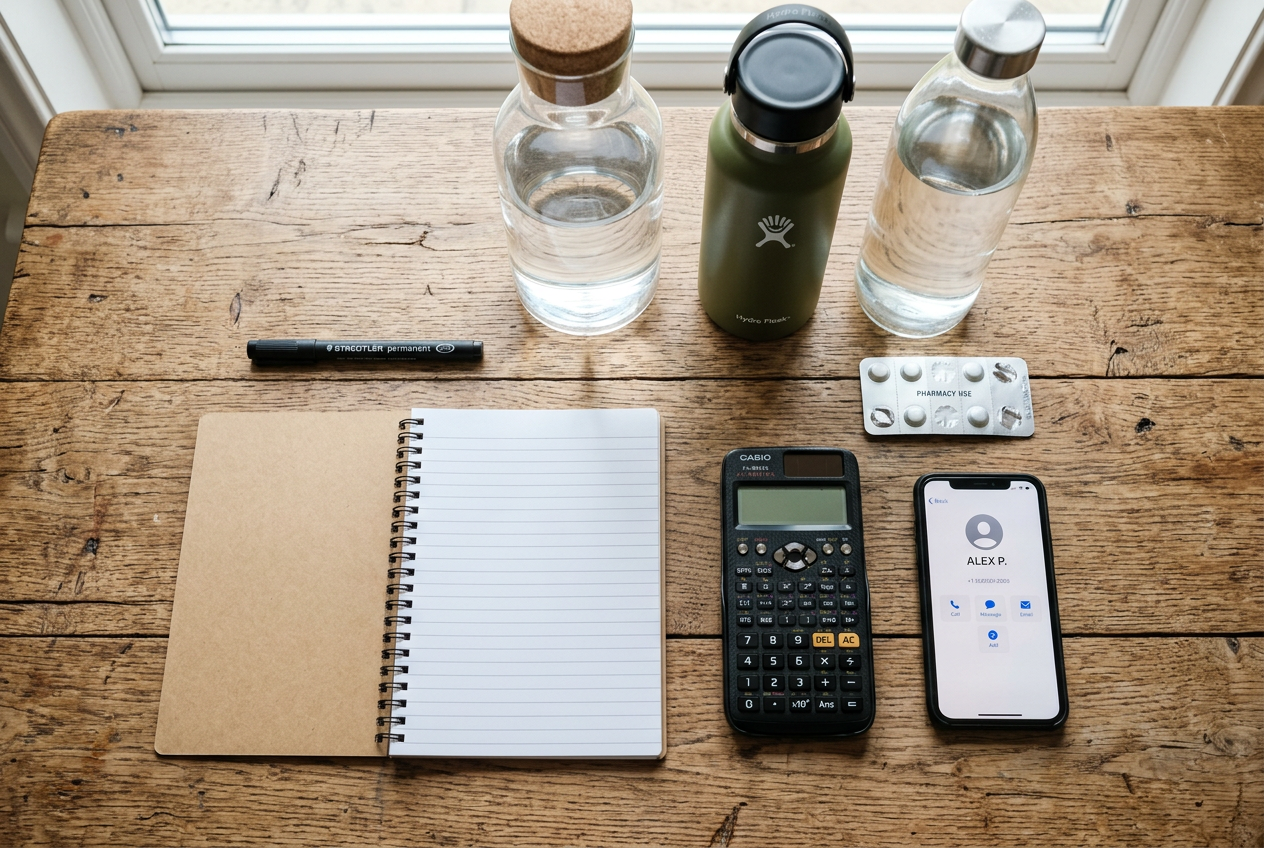
Use this list to get ready this week. Start with the free steps. You can do most of these today. Want a copy? Just print this page.
Step 1: Do the Math (No Purchase Needed)
Figure out how much water your home needs. Plan for at least 1 gallon of water per person per day (about half for drinking, half for hygiene). Many households aim for a two-week supply. Multiply the people in your home by the days you want to cover. Write that number down. You will use it when you fill containers.
Your household may need more for cooking, washing, pets, or medical needs. Adjust your total for the people and needs in your home.
Step 2: Find What You Already Have (No Purchase Needed)
Look around your home before you buy anything. Clean jugs, bottles, and food-grade containers can hold water. Set them aside. This gives you a head start while you plan larger storage.
Step 3: Save Your Utility’s Alert Contact (No Purchase Needed)
Find your water utility’s name and contact info now. Look on your water bill or their website. Sign up for text or email alerts if they offer them. These alerts tell you when a boil advisory starts or ends. Save the number in your phone. During a disruption, you want official word fast. Do not guess if your tap water is safe.
Step 4: Fill and Label Your Containers
Fill your containers with clean tap water. Then label each one with the date you filled it. This helps you rotate old water out and keep your supply fresh.
If you need more storage, pick a container made for drinking water. Stackable tanks save floor space in a garage or basement. A single large tank can hold a two-week supply for a small family.
Smaller jugs are easier to lift and move. They work well if you have limited space or need to carry water room to room.
Step 5: Stock a Backup Treatment Method
Boiling is the main way to treat questionable water. But you may lose power or gas. So keep a backup. Water purification tablets are small, cheap to store, and simple to use. One tablet treats a set amount of water in about 30 minutes. Keep a pack with your supplies.
A smaller-dose tablet works well for single bottles or a travel kit.
Step 6: Store Everything Together
Keep your water, tablets, and a note with your utility’s contact info in one spot. Pick a cool, dark place away from sunlight. Tell everyone in your home where it is.
Quick Recap
- Calculate your household need and write it down.
- Gather clean containers you already own.
- Save your utility’s alert contact and sign up for alerts.
- Fill and label your containers.
- Stock a backup like purification tablets.
- Store it all in one easy-to-reach place.
Do these steps now. You will be ready before the next advisory hits.
Next Steps: Build Your Water Plan Today
You do not need a perfect plan today. You just need to start. A small water reserve and a simple treatment backup will put you ahead of most households. You can grow your supply over time.
Here is the easy way to begin.
Start Small This Week
Pick one container and fill it. If you are new to this, a few stackable jugs are a good first step. They are light enough to move and easy to tuck into a closet or garage. The Saratoga Farms 5-gallon stackable containers give you several jugs that nest together to save space. Fill them with clean tap water and set a reminder to check them.
That one step gives your family a basic reserve for drinking and cooking. It is better than having nothing when a boil advisory or outage hits.
Add a Treatment Backup
Stored water can run low. A purification backup helps you treat questionable water if you need more. Keep a pack of tablets in your kit. The Aquatabs purification tablets are small, light, and easy to store. Read the directions on the package before you need them. Remember that tablets work best on clear water. Cloudy water should be filtered through a clean cloth first, then treated.
Boiling is still the simplest way to make water safe when you can. Tablets are your backup for times when you cannot boil.
Expand Over Time
Once your small reserve feels solid, you can add more. A larger tank holds more water in one spot. A stackable 55-gallon tank can store enough for a family for about two weeks, based on the maker’s own figures. Place it in a garage, basement, or shed on a flat, strong surface. Full tanks are very heavy.
You do not have to buy everything at once. Add one piece at a time as your budget allows. Do not hoard. A steady, reasonable supply is the goal.
Keep Your Plan Current
Mark a date to rotate your stored water. Check lids and containers for leaks. Keep your tablets dry and sealed. A plan only works if you keep it fresh.
Water is just one part of home readiness. Once your water plan is set, you can build out other areas like food, light, and heat. Look at our related readiness guides to round out your household plan. Each small step adds up.
You can also print this page so you have the steps handy. Keep a copy with your emergency supplies.
Start with one container today. Add a treatment backup. Then grow from there. That simple path will leave you calm and ready the next time your tap water is not safe to drink.
Sources and Further Reading
- U.S. says cyberattacks against water supplies are rising
- Cyberattacks against water utilities across the country are …
- Water Utility Cybersecurity and Resilience: Protecting Assets
- What steps can individuals take to protect themselves from …
- Understanding water supply cyber threats
- Maryland ‘Day Without Water’ urges household preparedness, federal aid for utilities on ‘brink of crisis’
- The water disappeared after shelling or a blackout: how to find a safe source and properly store supplies