Ready
Ready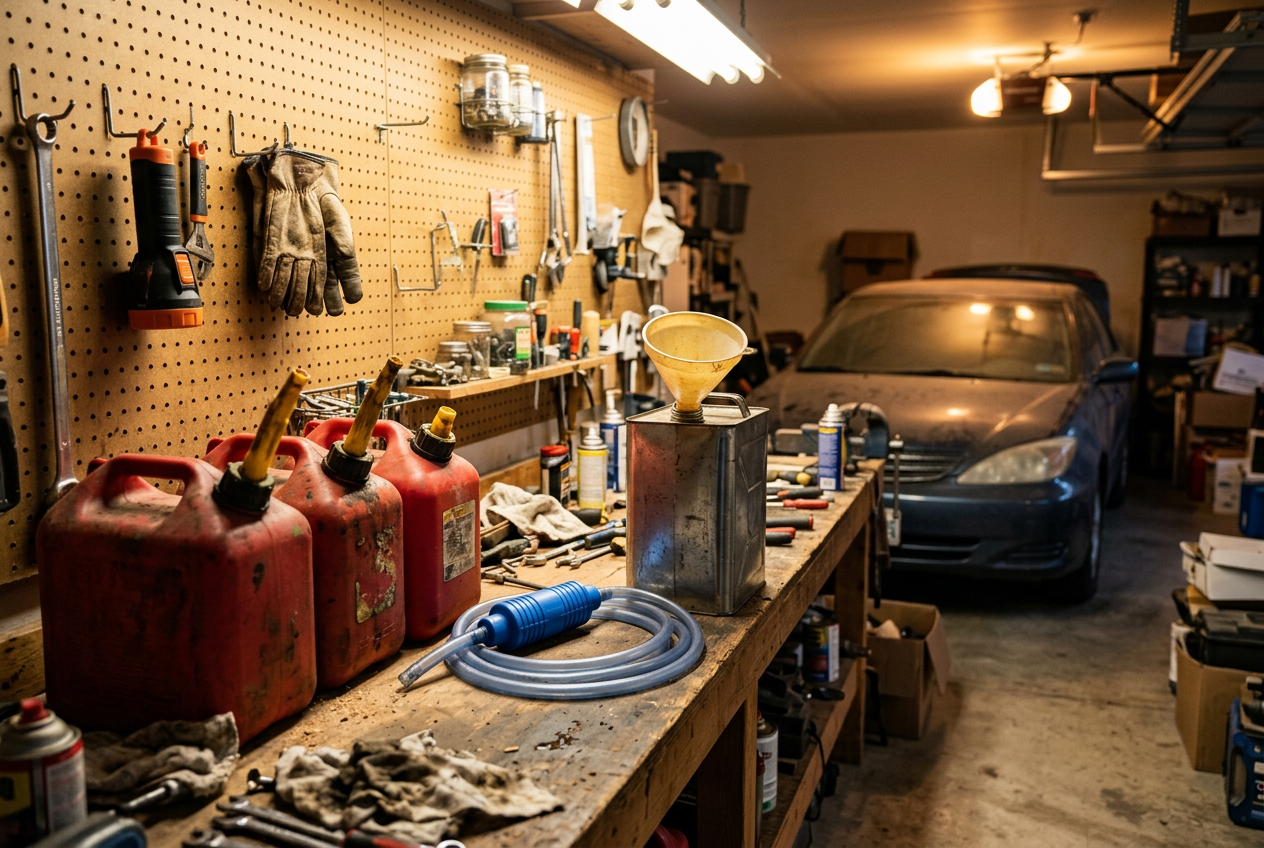
Gasoline Shortage Household Prep: How to Cope When Fuel Jumps 40 Cents (2026)
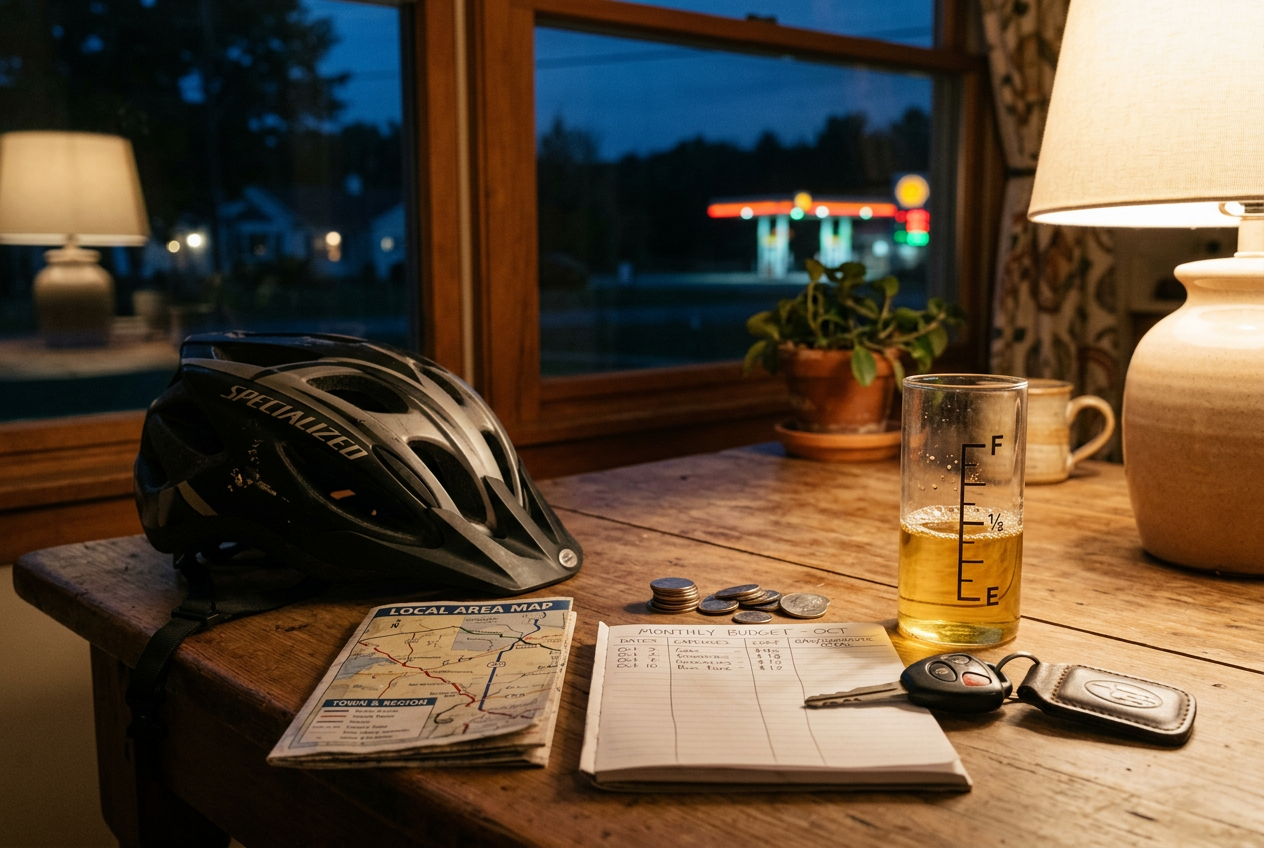
Gas prices jumped nearly 40 cents in just one month. In many places, a gallon now costs more than $4. Supply problems are driving the increase, and some states like California may even face shortages. If filling your tank feels like a gut punch lately, you are not alone.
Here is the good news. You do not need to panic, and you do not need to hoard fuel. Hoarding is unsafe, and it makes shortages worse for everyone. Instead, you can take a few simple steps to spend less at the pump and keep your household moving.
This guide walks you through plain, practical actions. First, you will learn why keeping your tank at least half full is a smart habit, not a stockpiling trick. Then you will see easy ways to cut fuel use without spending a dime, like trip planning and small driving changes.
We will also cover tire pressure, since soft tires quietly waste gas. You will learn how to check and top off your tires the right way. If you want to keep a small fuel reserve for a lawn mower or emergency, we will show you how to store it safely using approved containers.
You will finish with a clear action checklist. The goal is simple. Spend less, stay ready, and avoid running empty while prices stay high.
- Keep tires at the correct PSI (check your door jamb sticker) to boost gas mileage by up to 3 percent.
- Store extra fuel safely in a sealed can so you can top off tools and vehicles without extra trips.
- Combine errands into one weekly trip to cut driving and save gallons.
- Check tire pressure monthly and before long drives to avoid wasting fuel.
- Keep a stocked car kit so you are not stranded if stations run dry.



Reviewed by Elena V., Priya K. & Beth O. — contributors with hands-on preparedness experience. How we test
A few simple tools can help your household ride out a fuel crunch without stress. Grab these items first, then read on to see exactly how each one helps.
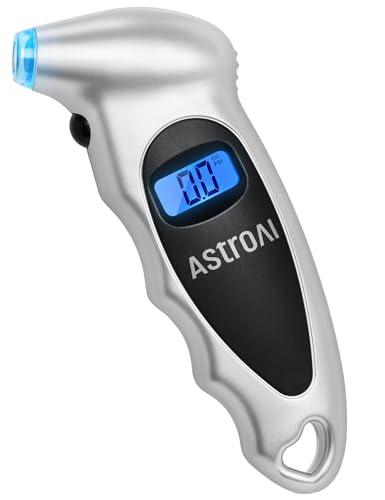
AstroAI Digital Tire Gauge
Reads your tire pressure to within 1 PSI so you can keep tires set right and squeeze more miles from every gallon. The backlit display makes nighttime checks easy.
Check Price on Amazon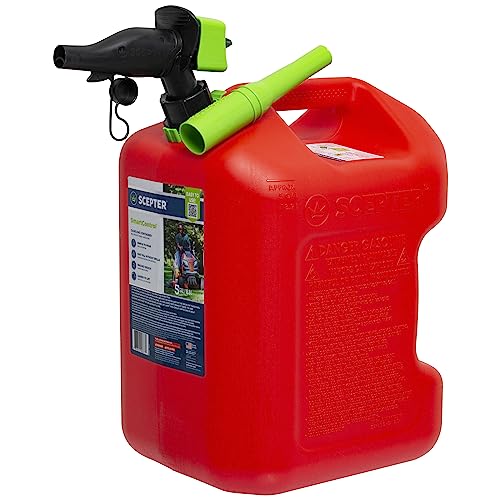
Scepter 5 Gallon Gas Can
Lets you safely store and pour extra fuel for your car, mower, and other tools. The spill proof spout means fewer wasted trips to the pump during a shortage.
Check Price on Amazon
ETENWOLF Glow Dial Tire Gauge
A rugged, accurate gauge with a glowing dial you can read in the dark. Great backup for keeping all your vehicles and trailers at the proper pressure.
Check Price on AmazonIn this guide
Why Trust This Guide?
This article was researched and reviewed by contributors with hands-on experience in emergency preparedness. They have tested gear, built real systems, and lived through situations where these skills actually mattered.
Keep a Half-Tank Buffer (Your First Line of Defense)
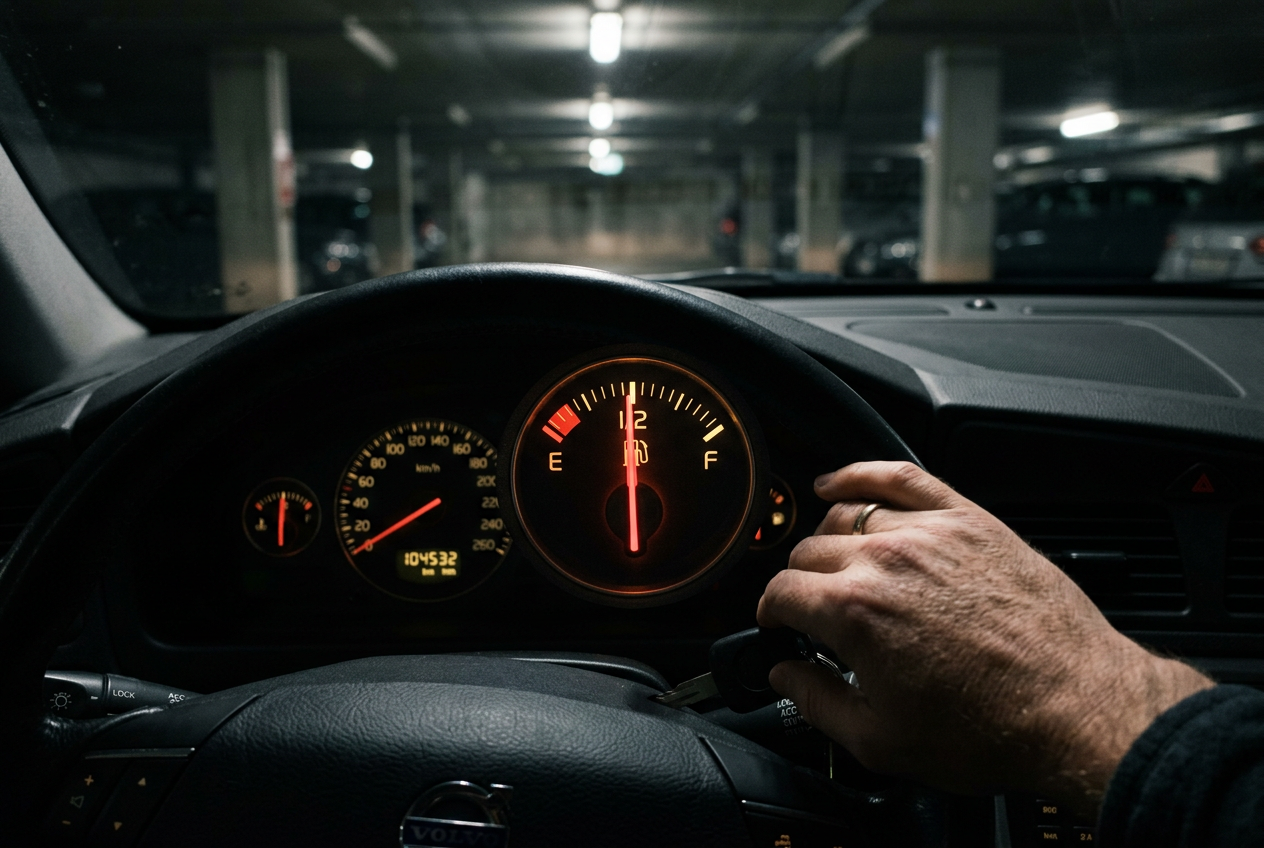
The easiest way to stay ready is also the cheapest. It costs you nothing extra. Just change when you fill up.
Most people wait until the fuel light comes on. They run the tank near empty, then rush to the pump. That habit works fine in normal times. But when prices jump or a local shortage hits, it leaves you exposed. You end up buying gas at the worst moment, at the highest price, in the longest line.
The fix is simple. Refuel when your tank drops to about half. Make it a habit, not a special event.
Why half a tank changes everything
A half-tank buffer gives you room to breathe. If prices spike 40 cents overnight, you are not forced to fill up that day. You already have fuel. You can wait a few days and watch for a better price. You stay in control instead of reacting.
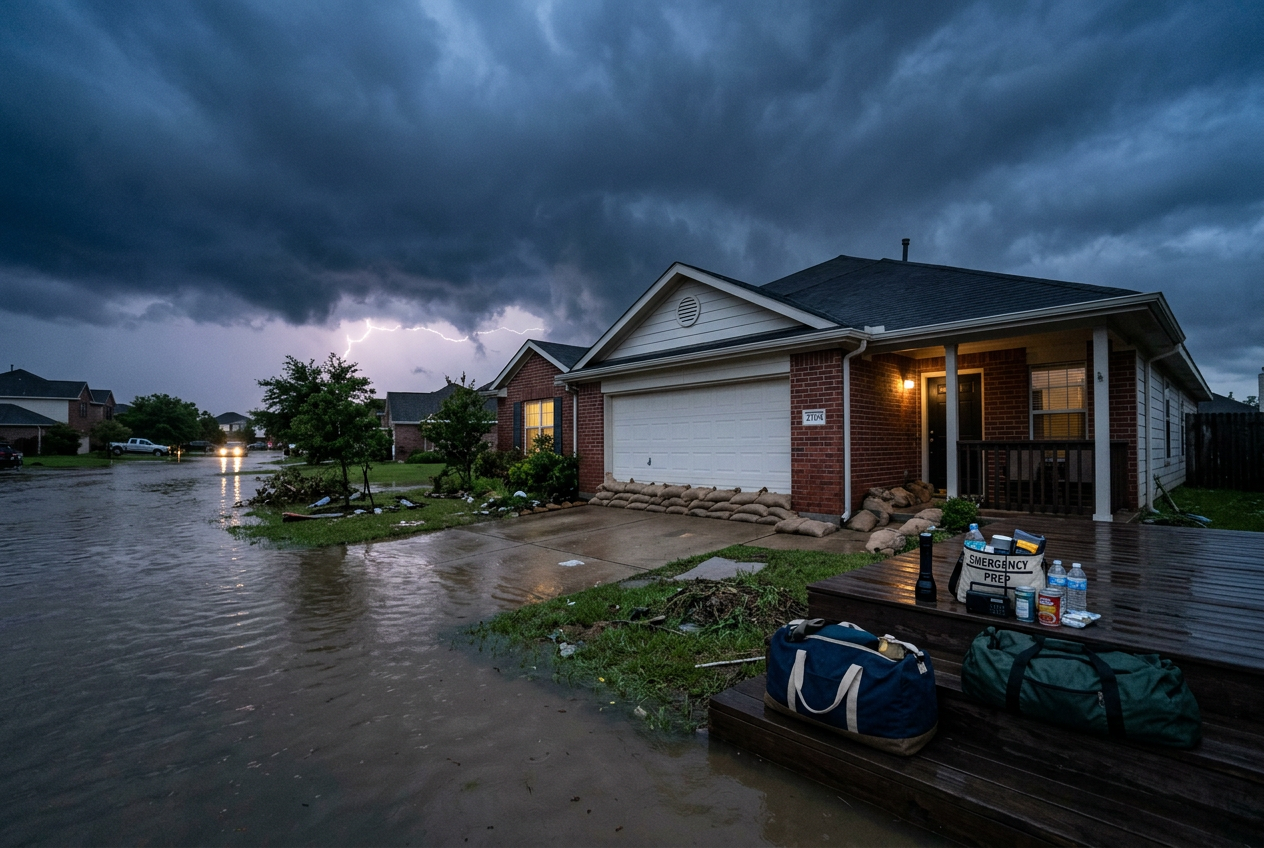
It also protects you from running dry during a local shortage. Emergency agencies point this out often. Florida’s health department tells families to keep the gas tank at least half full in case of evacuation. That advice holds up well right now, with prices above $4 a gallon in many areas and supply worries in some states.
If you ever need to leave home fast, a full or half-full tank matters. Stations may be crowded, out of fuel, or closed during an emergency. You do not want to be hunting for gas while trying to get your family to safety. A buffer means you can drive out right away.
How to build the habit
Pick a number and stick to it. When the gauge hits the halfway mark, fill up on your next normal trip. You do not have to stop everything. Just top off during an errand you were already running.
Here are a few ways to make it stick:
- Set a reminder on your phone to check your gauge once a week.
- Fill up on the same day each week, like every Saturday morning.
- Treat the halfway mark as your new “empty.”
This is not hoarding. You are not buying extra fuel or stockpiling cans. You are simply shifting when you buy the same gas you already use. That keeps pressure off the pumps for everyone and keeps you ready.
One habit, many payoffs
A half-tank buffer solves several problems at once. It softens price shocks. It keeps you ready to evacuate. It stops you from panic-buying in a crowd. And it costs nothing to start today.
Do this first, before anything else in this guide. It is the single most useful change you can make. The rest of the steps build on top of this one.
Cut Fuel Use Without Buying Anything
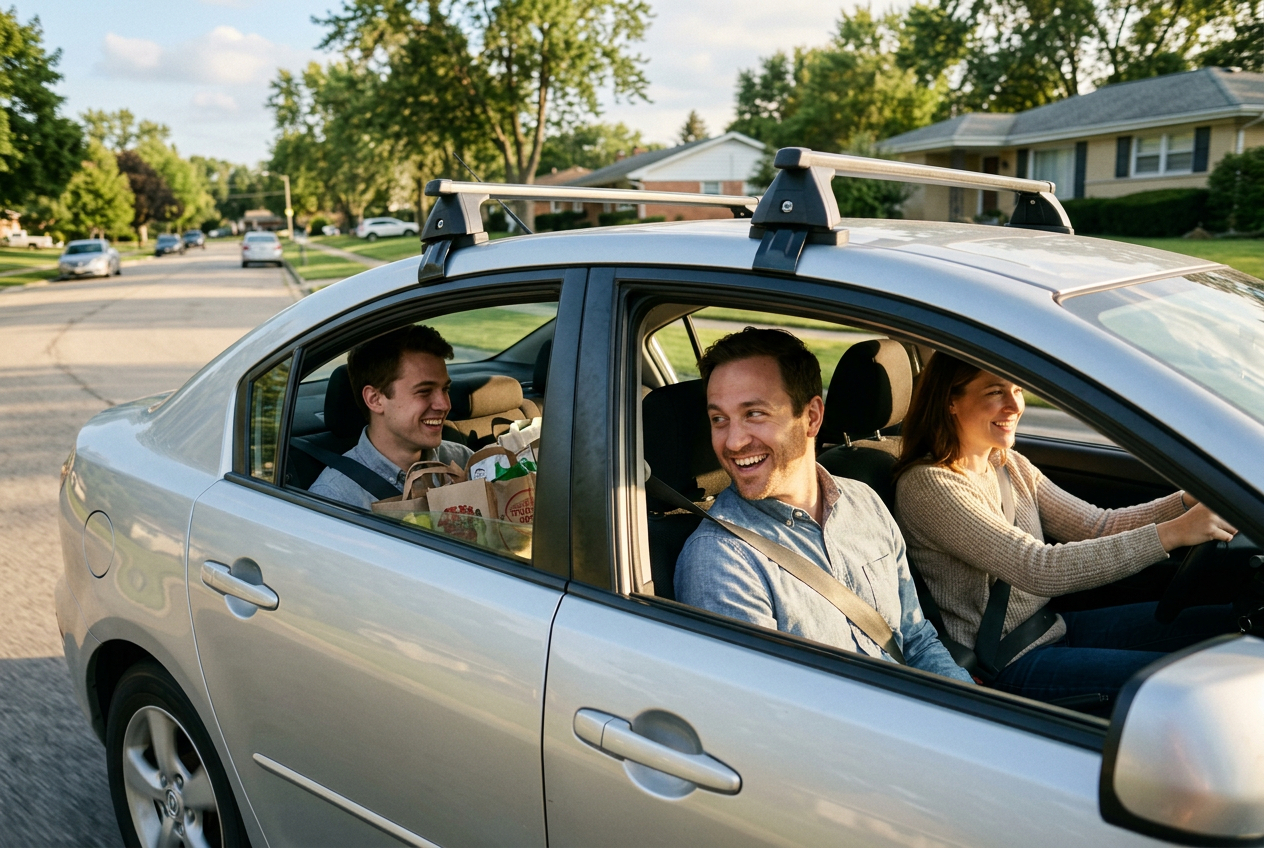
When gas prices jump, the fastest way to save money is to use less of it. You do not need to buy anything to do this. These simple habits can help you stretch every gallon starting today.
Combine Your Errands Into One Trip
A cold engine uses more gas. Short trips from a cold start burn fuel fast because the engine never warms up fully. The fix is easy. Plan your errands so you do them all in one loop instead of several separate trips.
Make a quick list before you leave home. Group stops that are near each other. Try to run errands on your way home from work or school. One longer trip uses less gas than five short ones. It also saves you time.
Share Rides When You Can
Carpooling splits the cost of a trip. If you and a neighbor work near each other, take turns driving. If your kids go to the same school as others on your street, set up a shared ride schedule.
Each person who rides with you is one less car on the road. That means less gas used overall. Even sharing a ride two days a week adds up over a month.
Slow Down on the Highway
Driving fast wastes gas. The faster you go, the harder your engine works to push through the air. At high speeds, your car uses a lot more fuel to go the same distance.
Ease off the gas pedal. Drive the speed limit. If your car has cruise control, use it on the highway. A steady speed uses less fuel than speeding up and slowing down over and over.
Clear Out Extra Weight and Roof Racks
Your car uses more gas when it carries more weight. Open your trunk and take out heavy items you do not need. Bags of tools, sports gear, or boxes you forgot about all add weight.
Roof racks and cargo boxes are another problem. They catch the wind and make your engine work harder, even when they are empty. If you are not using a roof rack right now, take it off. Your car will slip through the air more easily and use less gas.
Stop Idling
Idling means your engine runs while the car sits still. It burns gas but gets you nowhere. If you are parked and waiting for more than a minute, turn the engine off.
Do not warm up your car for several minutes before you drive in mild weather. Modern cars warm up fine as you drive. Skip the drive-through line when you can. Park and walk inside instead. A few minutes of idling here and there adds up fast.
These habits cost you nothing. Start with one or two today and build from there.
Check Your Tire Pressure to Save Gas
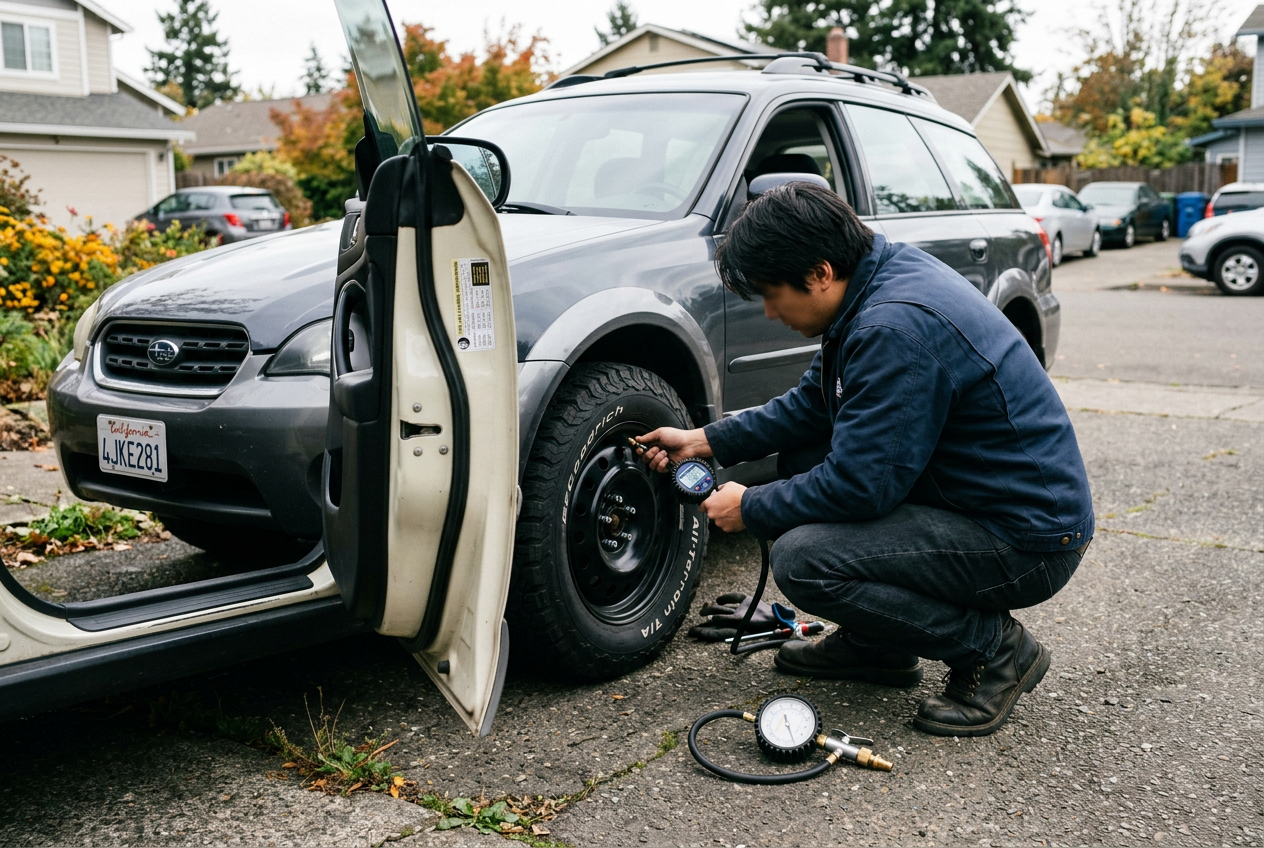
Soft tires drag against the road. That drag makes your engine work harder. When your engine works harder, it burns more gas. When fuel costs more, that waste adds up fast.
Keeping your tires at the right pressure is one of the easiest ways to save gas. It costs you nothing but a few minutes. And it is simple once you know where to look.
Find Your Recommended PSI
PSI stands for pounds per square inch. It is how tire pressure is measured. Every vehicle has a recommended PSI set by the maker.
Do not use the number printed on the tire itself. That number is the tire’s maximum, not the right level for your car. Instead, open the driver’s door and look at the edge of the door frame. This is called the door jamb. You should see a small sticker there with the correct PSI for your front and rear tires.
If the sticker is missing, check your owner’s manual. The number is usually there too.
Check Tires Monthly When Cold
Check your tire pressure about once a month. Also check before a long drive.
Always check when the tires are cold. Cold means the car has been parked for a few hours, or you have driven less than a mile. Driving heats up the air inside the tires. Warm air reads higher, so you may think the pressure is fine when it is not.
To check, press a gauge firmly onto the valve stem. Read the number. Add air if it is low. Many gas stations have air pumps. Check again after adding air to make sure you hit the right level.
Pick a Gauge That Fits You
You need a tire gauge to do this. There are a few simple types, and any of them will work.
A digital gauge gives you a clear number on a screen. This is easy to read, even in a dim garage. The AstroAI digital gauge has a backlit screen and a small light on the nozzle, so you can find the valve stem in the dark.
A dial gauge uses a needle and a round face. The ETENWOLF dial gauge has a large glow dial that stays readable at night or in low light. It is built for cars, trucks, and larger vehicles too.
A pencil gauge is the simplest kind. It is small, all metal, and slips into your glove box. This ETENWOLF two pack covers two pressure ranges, so one can ride in your car and one can stay at home.

Any of these will help you keep your tires correct. The key is to actually check them. A few minutes each month keeps your car rolling easy and saves you gas when every gallon counts.
Keep Your Tires Topped Off and Ready
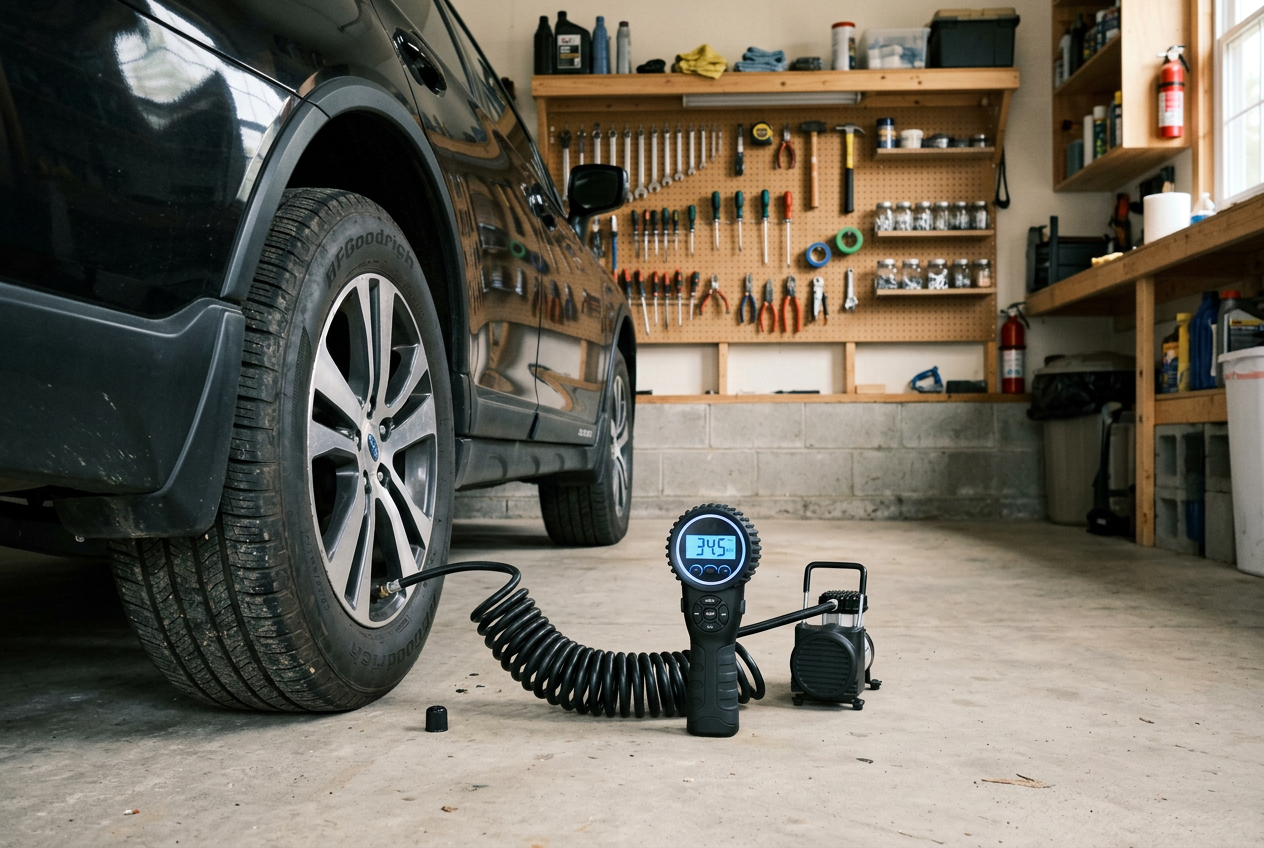
Low tires waste gas. When the pressure drops, your car has to work harder to roll. That means it burns more fuel. Keeping your tires at the right pressure is one of the easiest ways to save money at the pump.
The problem is timing. Many people only check their tires when they stop for gas. But driving to a station just to add air uses fuel too. It can also cost you time. A better plan is to fix low tires right in your driveway.
Why a Combined Gauge and Inflator Helps
A gauge tells you how much air is in your tire. An inflator adds air. A combined tool does both. You check the pressure and top it off in one step. No separate pump. No extra trip. You stay home and keep your buffer in the tank.

The AstroAI Digital Tire Pressure Gauge with Inflator is one example of this kind of tool. It reads from 3 to 250 PSI with a digital screen. You squeeze the trigger to add air and press a button to let air out. The large handle is easy to hold. It works for topping off tires before a trip or fixing a slow leak at home. It can connect to an air source to inflate your tires.
How to Check and Fill Your Tires
First, find the right pressure for your car. Look on a sticker inside the driver’s door or in your owner’s manual. Do not use the number printed on the tire itself. That number is the maximum, not the target.
Check your tires when they are cold. That means before you drive, or after the car has sat for a few hours. Driving heats the air inside and gives a higher reading.
Here are the basic steps:
- Unscrew the cap from the tire valve.
- Press the gauge onto the valve to read the pressure.
- If it is low, add air in short bursts. Check again as you go.
- Stop when you hit the target number.
- Screw the cap back on.
Do this for all four tires. Check the spare too if you have one.
When to Visit a Shop Instead
A home inflator is great for small top-offs. But some problems need a pro. Go to a shop if:
- A tire keeps going flat. That may mean a nail or a bad seal.
- You see a bulge, crack, or deep cut in the tire.
- The tire is worn down and the tread looks thin.
- You are not sure the tire is safe to drive on.
Topping off low tires at home saves fuel and trips. But a damaged tire is a safety issue. When in doubt, let a tire shop take a look.
Storing a Small Fuel Reserve Safely
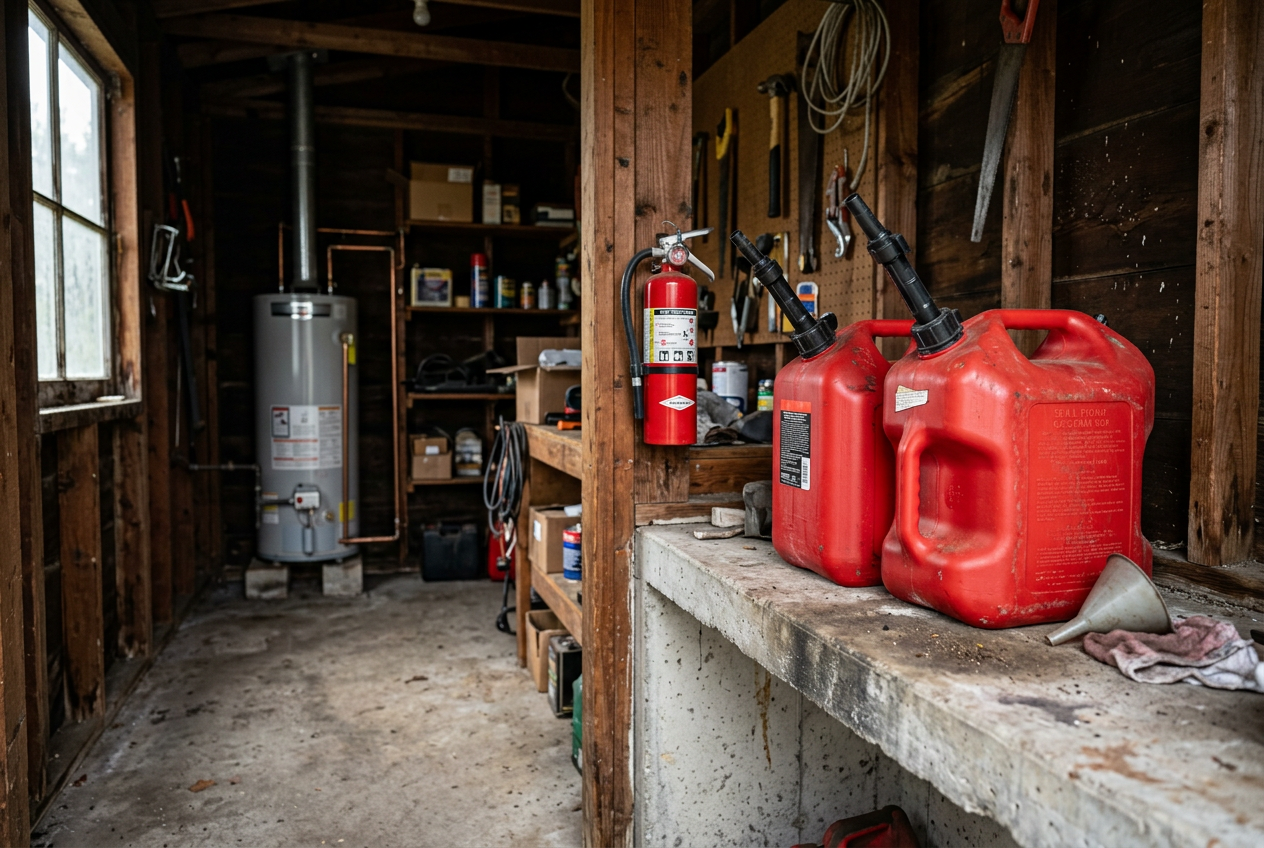
A small fuel reserve can help if you need to top off your car or run yard equipment during a price spike. Keep it small. There is no need to hoard. A couple of approved cans is plenty for most households.
Use Approved Containers Only
Store gasoline only in containers made for fuel. These cans are a safe color and shape. They have vents and spouts built to handle gasoline. Never use milk jugs, water bottles, or old juice containers. If you ever use a food container for fuel, throw it out after. Do not use it for food or drink again.
Two spill-controlled cans are worth a look. Both are 5-gallon size, which is easy to lift and pour for most adults.
The Scepter 5 Gallon can has a SmartControl spout. You squeeze to control the flow. Squeeze a little for a slow pour, or more for a faster one. It comes with a funnel for filling cars or small engines. This makes clean pours easier.
The SureCan 5 Gallon is a Type II safety can. It has a spout that rotates down, so you aim the flow where you want it. A thumb trigger controls the pour. The downward spout can make filling tight openings simpler.

Both cans aim to cut spills. Pick the one that feels right for your hands and your equipment.
Where to Keep Fuel
Never store gasoline inside your home. Keep it out of living spaces, bedrooms, and basements. A detached shed or garage away from the house is better. Gasoline gives off vapors you cannot always smell. Those vapors can catch fire.
Keep cans away from anything that can spark or heat up. That means water heaters, furnaces, pilot lights, and electric motors. Store cans in a cool, shaded spot. Heat builds pressure inside the can.
Keep fuel away from children and pets. Store it up high or behind a locked door if you can.
Safe Handling Rules
Follow these simple rules every time:
- Let hot engines cool before you add fuel. Fresh gas on a hot engine can ignite.
- Never siphon gas by mouth. You can swallow it or breathe it in. Use a pump made for gasoline instead.
- Place the can on the ground to fill it, not in your truck bed or trunk.
- Follow the directions that come with your can and your equipment.
Know Your Local Rules
Fire codes set limits on how much fuel you can store at home. These rules change from place to place. Check with your local fire department before you store more than a can or two. They can tell you what is safe and legal where you live.
One more note. Fuel breaks down over time. Fuel stabilizer can slow this, but it cannot fix gas that has already gone bad.
Fuel Gear Compared at a Glance
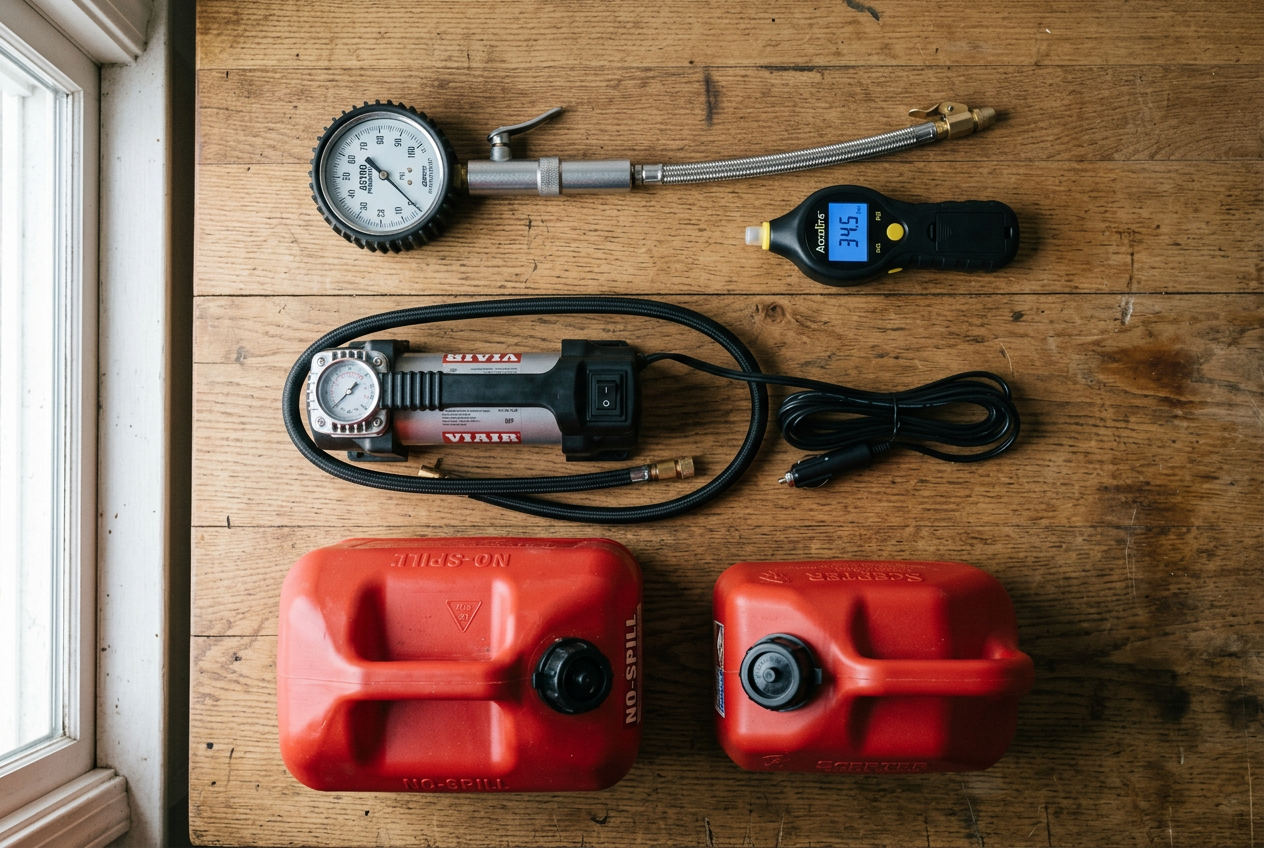
You do not need every tool on this list. Most households need one way to check tire pressure and, if you keep a small fuel reserve, one approved gas can. Use the table to match each product to the problem it solves. Then pick what fits your needs and your budget.
How to Choose a Tire Gauge
Soft tires waste gas. Checking pressure is a free way to use less fuel. Any gauge here does the basic job.
The AstroAI Digital Tire Pressure Gauge has a backlit screen and a lit nozzle. That helps if you check tires in a dark garage. It needs a battery.
The ETENWOLF Dial Gauge uses a glow dial and no battery. It is a good pick if you want something simple that will not run out of power.
The ETENWOLF Pencil Gauge 2-Pack gives you two basic metal gauges. Keep one in each car. These are the plainest option and cost the least.
If you want to check pressure and add air, the AstroAI Digital Inflator does both. It connects to an air source and lets you fill tires yourself. This matters if you would rather top off at home than drive to a station.
How to Choose a Gas Can
A small fuel reserve can help if the pump runs dry for a day or two. Do not hoard. Use approved containers only. Never store fuel in your living space. Keep it away from heat, sparks, and children. Follow your local fire rules.
The Scepter 5 Gallon Gas Can has a spill-proof spout you squeeze to control flow. It comes with a funnel. This is a solid everyday choice.
The Surecan 5 Gallon Type II Safety Can uses a rotating spout and a thumb trigger. The spout points down, so you aim fuel where you want it. It is the premium pick for clean, controlled pours.
Both cans hold five gallons. Pick based on how much control you want when pouring and what fits your budget. Always let a hot engine cool before you refuel. Never siphon fuel with your mouth.
Frequently Asked Questions
Should I hoard gasoline when prices jump?
No. Hoarding is a bad idea for a few reasons. Large amounts of gasoline are a fire risk in and around your home. Panic buying also makes shortages worse for everyone, including your neighbors. And stored gas does not stay fresh forever. If prices spike, focus on cutting your fuel use and keeping a safe half-tank buffer instead of stockpiling. A small, properly stored reserve is fine. A garage full of gas cans is not.
How much fuel can I safely store at home?
There is no single number that works everywhere. Storage limits depend on your local fire rules, which can vary by city and state. Always check your local fire code before you store any fuel. Follow these basic safety habits:
- Use approved fuel containers only. Never use random jugs or food and drink containers.
- Store gas outside your living space, like in a detached shed or garage, away from your home.
- Keep it away from any ignition source. That means no pilot lights, water heaters, sparks, or open flames nearby.
- Keep fuel out of reach of children and pets.
A single approved can for your lawn tools or a small reserve is enough for most households. If you want a quality can, a spill proof option like the Scepter 5 Gallon Gas Can is a solid choice. Always follow the maker’s directions.
Does fuel stabilizer fix old or bad gas?
No. This is a common myth. Fuel stabilizer can help slow down the aging of fresh gas. It does not restore gas that has already gone bad. Once fuel has degraded, stabilizer cannot bring it back. If you plan to store any fuel, add stabilizer when the gas is still fresh, not after it has sat for months. And never pour questionable old gas into your car. If you are unsure what to do with degraded fuel, check your local rules for safe disposal.
Does keeping a half-tank really help?
Yes, and it is one of the easiest steps you can take. Keeping your tank at least half full gives you a buffer when prices spike or stations run low. You will not be forced to buy gas on a bad day just because your tank is near empty. A half-tank also gives you flexibility if you need to leave quickly in an emergency. You can wait for a better price or shop around for a cheaper station. This habit costs you nothing extra. You are buying the same gas, just a little sooner.
Is it safe to siphon gas from one car to another?
Never siphon gas by mouth. It is dangerous and you can swallow or breathe in fuel. If you must transfer fuel, use a proper gasoline-rated pump made for that job. Let any hot engine cool before you refuel. When in doubt, skip the siphoning and use an approved can instead.
Your Fuel-Saving Action Checklist
Use this checklist to act today. Each step is simple. You can do most of them for free. Print this page so you can check off items as you go.
Do These Right Now
- Refuel at the half-tank mark. Do not wait until you hit empty. Fill up when your gauge drops to half. This keeps you ready and spreads out your spending.
- Plan and combine your trips. Write down your errands for the week. Group them into one trip when you can. Fewer trips means less fuel used.
- Check your tire pressure. Low tires waste gas. Find the right number on the sticker inside your driver door. Check tires when they are cold for the best reading. A simple gauge makes this easy.
- Lighten your car. Take out heavy items you do not need. Extra weight makes your engine work harder and burn more fuel.
- Slow down and drive smooth. Avoid fast starts and hard stops. Steady driving saves gas.
If You Store a Small Fuel Reserve
Only store fuel if you have read the safe storage rules. Keep it small. Do not hoard.
- Use an approved gas can made for fuel. Never use milk jugs or food containers.
- Store cans outside your living space, like a shed or detached garage.
- Keep fuel away from heat, sparks, flames, and children.
- Let hot engines cool before you refuel.
- Never siphon fuel with your mouth. Use a gasoline-rated pump only.
- Follow the can’s directions and your local fire rules.
Remember, fuel stabilizer can slow fuel from going bad. It cannot fix fuel that is already old or degraded.
Quick Reference Table
Gear That Helps
A good tire gauge takes the guessing out of your monthly check. The AstroAI Digital Tire Pressure Gauge has a backlit display and is easy to read in a dark garage.
If you choose to keep a small fuel reserve, use a container built for the job. The Scepter 5 Gallon Gas Can has a spill-proof spout. Store it safely by the rules above.
Start with the free steps today. They cost nothing and lower your fuel use right away.
Next Steps as Prices Stay High
Gas prices have climbed sharply in recent weeks. News reports show the national average rose by nearly 40 cents in a month, pushing prices above $4 per gallon in many places. No one knows how long this will last. But here is the good news. The habits in this guide help you no matter what prices do next.
Think of it this way. Keeping a half-tank buffer protects you if your area faces a supply crunch. It also saves you from a panicked trip to the pump. Driving smoother and planning trips cuts how much fuel you burn every week. Checking your tire pressure keeps your car running at its best. These steps lower your costs right now. If prices drop later, you still come out ahead. You spend less, you drive safer, and you stress less.
Build the Habits One at a Time
You do not need to do everything today. Pick one step and start there. The easiest no-cost move is to drive a little gentler and combine your errands. Do that this week. Next week, check your tire pressure. A simple tool like the AstroAI digital tire gauge makes monthly checks quick and clear. Small habits add up over time.
If you want a small fuel reserve for an emergency, take that step carefully. Use only approved containers made for gasoline, like the Scepter 5-gallon gas can. Never store fuel in your living space. Keep it away from heat, sparks, and anything that could start a fire. Keep it away from children. Follow your local fire rules. Please do not hoard. Buying more than you need hurts your neighbors and can make a shortage worse.
Keep Learning as You Go
This guide covers the basics of coping with higher pump prices. But there is more to learn if you want to go deeper.
If money is tight, look at our guide on fuel budgeting. It helps you track your spending and find more ways to trim your costs. Small changes to your routine can free up real cash each month.
If you plan to keep a fuel reserve, read our full guide on safe gasoline storage. It walks through container types, where to keep them, how much is reasonable, and the safety rules that matter most. Gasoline is useful, but it can be dangerous if handled the wrong way. Learning the right steps protects your home and your family.
A Final Word
High prices feel stressful. But you have more control than you think. Each habit in this guide puts a little power back in your hands. Start small. Stay steady. You will be ready whether prices rise, fall, or hold where they are. You can print this page to keep the steps handy and check them off as you go.
Sources and Further Reading
- Emergency Preparedness for Families
- Personal Preparedness Planning
- Hurricane Preparedness
- Food Safety in a Disaster or Emergency
- Family Emergency Plan: Life-Saving Preparedness
- US Pain at the Pump Worsens After More US-Iran Fighting Lifts Oil Prices
- Gas Prices Up Nearly 40 Cents Over the Month
- US states take steps to curb diesel and gasoline prices
- Is California at risk of a gasoline shortage amid the Iran war? Experts explain