Ready
Ready
Texas Severe Weather: What Households Should Do When Flooding and Storms Threaten (2026)
Texas is facing active severe weather right now. On September 28, 2026, Governor Abbott held a severe weather briefing and activated additional state emergency response resources. Around the same time, the remnants of Hurricane Polo moved across the Southwest. That system brought heavy rain and a real flooding risk to Texas and nearby states.
Here is the rule every Texan should remember: if it can rain, it can flood. You do not need to live near a river or the coast to be at risk. Flash floods can hit low spots, streets, and highways fast. Water rises quickly, and it can turn a normal drive into a deadly trip.
The good news is that you can take simple steps today. Most of them cost nothing. A little planning now keeps your family safer when the water starts to rise.
This article walks you through what ordinary households should do before and during a storm. You will learn how to check your flood risk, build a disaster plan and go-kit, and stay informed with NOAA weather alerts. We cover how to keep phones charged during outages, how to drive and evacuate safely, and how to protect your home and return safely after a flood. At the end, you get a clear action checklist you can follow step by step.
Let’s start with knowing your flood risk.
- Set up a weather radio with S.A.M.E alerts so you hear warnings for your exact county, even at night.
- Build an emergency kit with at least 1 gallon of water per person per day for 3 days.
- Have a backup power source ready so phones, lights, and small medical devices keep working during outages.
- Know your flood risk and plan 2 ways to leave your area before water rises.
- Move to higher ground early and never drive through flooded roads, since 12 inches of water can carry away a vehicle.



Reviewed by Elena V., Priya K. & Beth O. — contributors with hands-on preparedness experience. How we test
Getting ready for Texas storms starts with having the right gear on hand. Grab these items now, then read on to see why each one matters when the weather turns bad.

Hand Crank Solar Weather Radio
Picks up 7 NOAA weather channels plus AM/FM so you can track storms when the power is out. You can charge it by hand crank or sunlight, so it keeps working with no outlet needed.
Check Price on Amazon
Midland NOAA Alert Radio
Uses S.A.M.E technology to warn you only about hazards in your local area, cutting down on alerts that do not matter to you. It automatically sounds off for over 60 kinds of weather and emergency events.
Check Price on Amazon
Jackery Explorer 300 Power Station
Gives you 292Wh of backup power to run phones, lights, and small devices when the grid goes down. At only 7.5 pounds, it is light enough to carry if you need to leave home fast.
Check Price on AmazonIn this guide
Why Trust This Guide?
This article was researched and reviewed by contributors with hands-on experience in emergency preparedness. They have tested gear, built real systems, and lived through situations where these skills actually mattered.
Know Your Flood Risk Before the Rain Starts
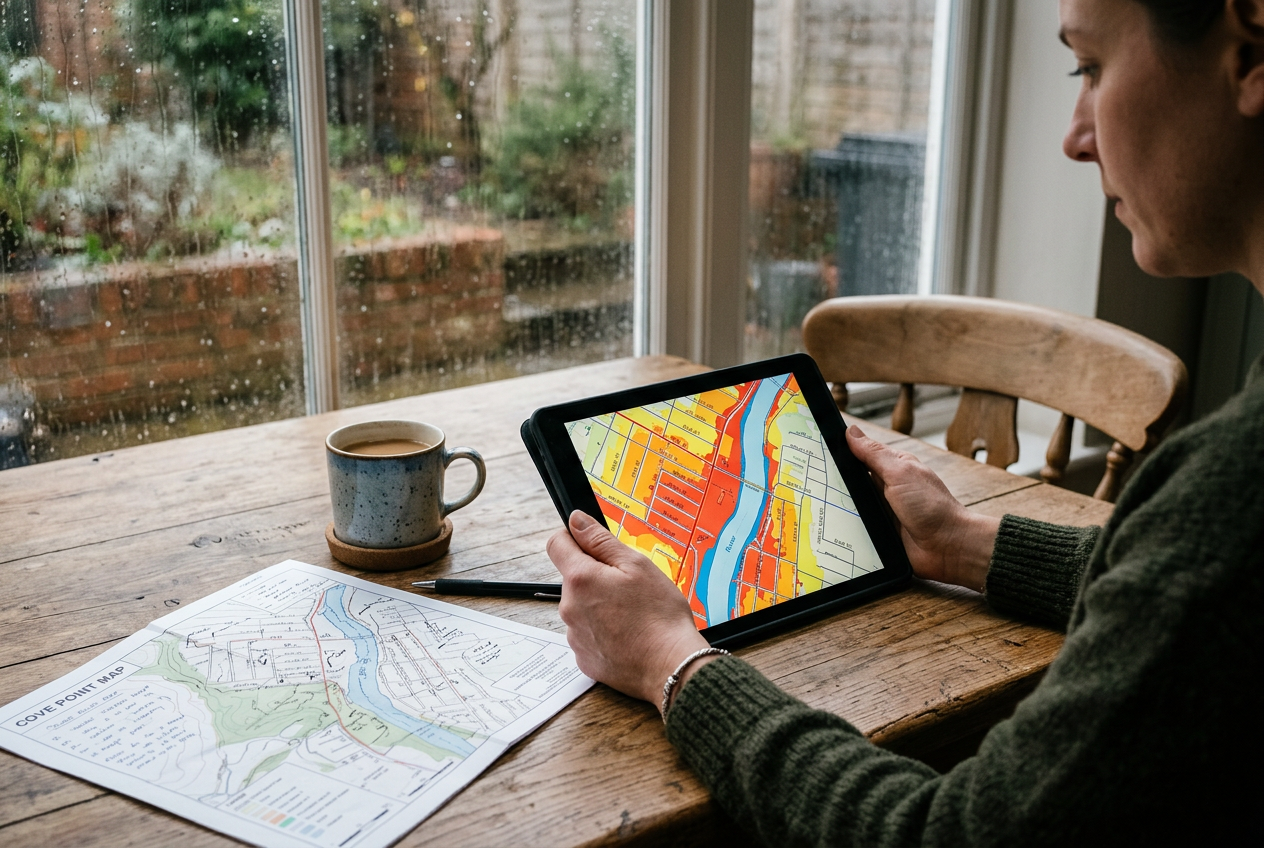
In Texas, if it can rain, it can flood. That is not a scare line. It is a simple truth. Heavy rain can pour down fast. Streets can fill with water in minutes. Low spots, creeks, and storm drains can back up. Even homes that have never flooded before can take on water in a big storm. So the first step is to learn your risk now, before the rain starts.
Check Your Home and Street
Start with a free flood map. FEMA runs an online flood map tool. You can type in your address and see if your home sits in a flood zone. This tells you if water is likely to reach your property during a big storm.
Your county also has flood maps and alerts. Many Texas counties post this on their emergency management pages. Travis County, for example, shares spring and storm safety tips online. Look up your own county’s office of emergency management. Search your county name plus “emergency management” or “flood map.”
Pay attention to the roads near your home too. Think about the routes you use most. Do any cross a creek or a low bridge? Do some streets flood every time it rains hard? Knowing this ahead of time helps you plan a safer way out.
Watch Versus Warning
Weather alerts use two words that sound alike but mean different things. Learn the difference now.
A flood watch means flooding is possible. Conditions are right for it. This is your cue to get ready. Check your kit. Move your car to higher ground. Stay close to news and alerts.
A flood warning means flooding is happening or about to happen. This is the time to act fast. Move to higher ground. Stay off flooded roads. Follow local officials.
A flash flood warning is the most urgent. Flash floods come with little notice. Water rises very quickly. If you get a flash flood warning, do not wait. Get to high ground right away.
Why Even Dry Areas Flood
You may think your home is safe because it has never flooded. That is a common mistake in Texas. Heavy rain can drop more water than the ground and drains can handle. Water flows downhill and pools in low spots. A dry street can turn into a river in one storm.
New roads, parking lots, and buildings can change where water goes too. A spot that stayed dry for years may flood for the first time. So do not count on the past. Count on the maps and the alerts.
Learning your risk costs nothing. It only takes a little time. Once you know your flood zone, your risky roads, and the alert words, you are ready to build a plan. That is the next step.
Make a Household Disaster Plan and Go-Kit
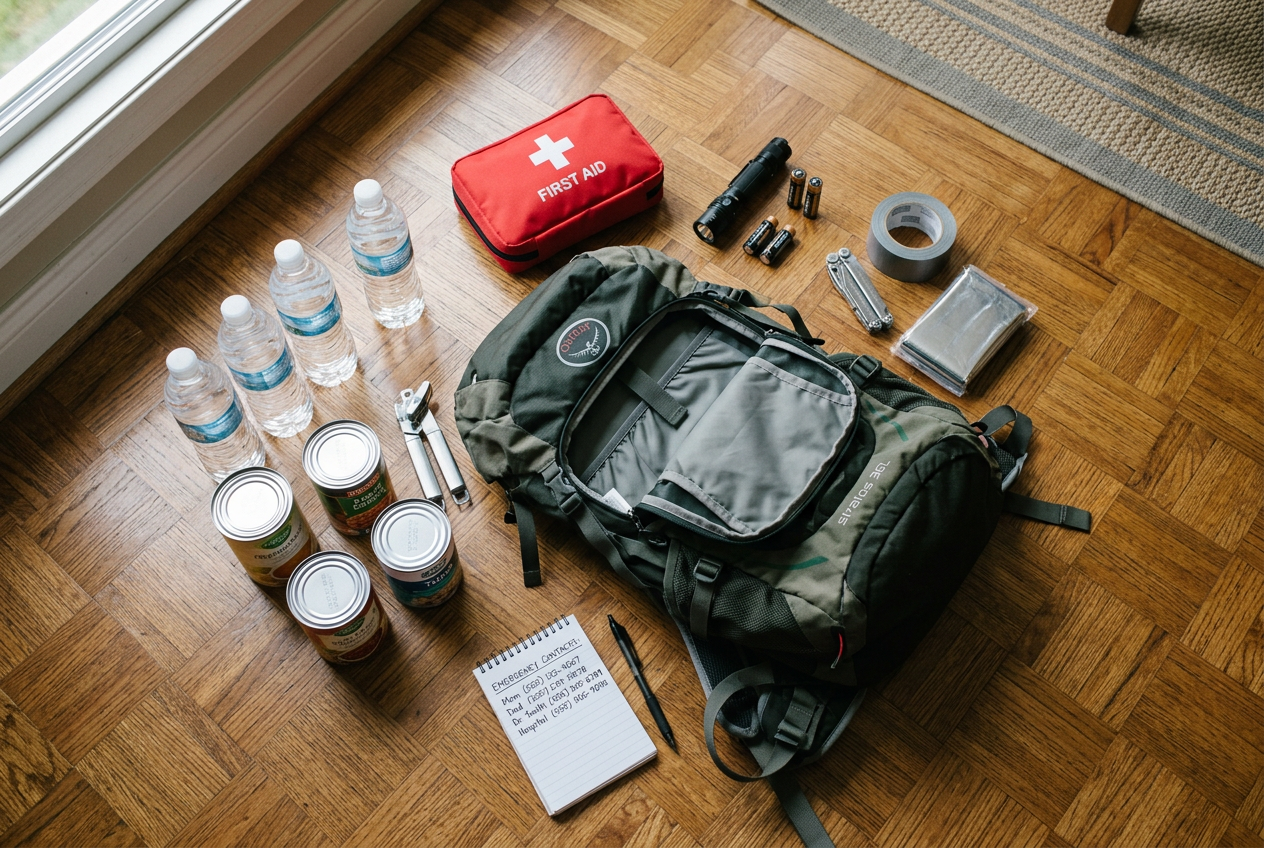
When storms threaten Texas, the time to plan is now. Not when the water starts to rise. State officials urge Texans to prepare before severe weather hits. A simple plan helps your whole household act fast and stay safe. The best part? Most of this costs nothing.
Decide Where You Will Go
First, pick a place to go if local officials ask you to evacuate. This could be a friend’s or relative’s home on higher ground. It could be a hotel in a safer area. Pick a spot out of the flood zone if you can.
Plan more than one route to get there. Roads flood fast during heavy rain. If one road is blocked, you will need a backup. Write down your routes. Keep a paper map in your car in case your phone dies.
Plan How You Will Reach Each Other
Storms can knock out cell service. Your family may not be together when a warning comes. So decide now how you will stay in touch.
Here are simple steps:
- Write down phone numbers for each family member. Do not rely only on your phone’s contact list.
- Pick one out-of-town contact. This person can relay messages if local lines are busy. Texting often works when calls will not go through.
- Choose two meeting places. Pick one near your home. Pick one farther away in case you cannot get home.
Make sure every family member knows the plan. Go over it with kids in plain words. Practice it once so no one panics later.
For a step-by-step walkthrough, see our family emergency plan guide. It covers each part in more detail.
Build a Grab-and-Go Kit
A go-kit is a bag you can grab in seconds. Keep it by the door or in your car. Pack it before the storm, not during.
Put these items in your kit:
- Water and easy snacks for each person
- Any medicines your family needs
- Copies of ID, insurance papers, and account info in a waterproof bag
- A flashlight and extra batteries
- A first-aid kit
- Phone chargers and a backup power bank
- Cash in small bills
- Warm clothes and a change of clothes
A weather radio belongs in your kit too. It keeps working when the power and cell towers go down. A hand-crank model like the Mesqool emergency weather radio can charge your phone and give you light. We cover radios and power options in later sections.
Do not wait to shop. Stores sell out fast once a warning hits. Build your kit now while shelves are full. Then check it twice a year so food and batteries stay fresh.
A plan on paper and a packed bag turn a scary moment into a clear set of steps. That calm is worth the small effort today.
Stay Informed: NOAA Weather Alerts and Backup Radios
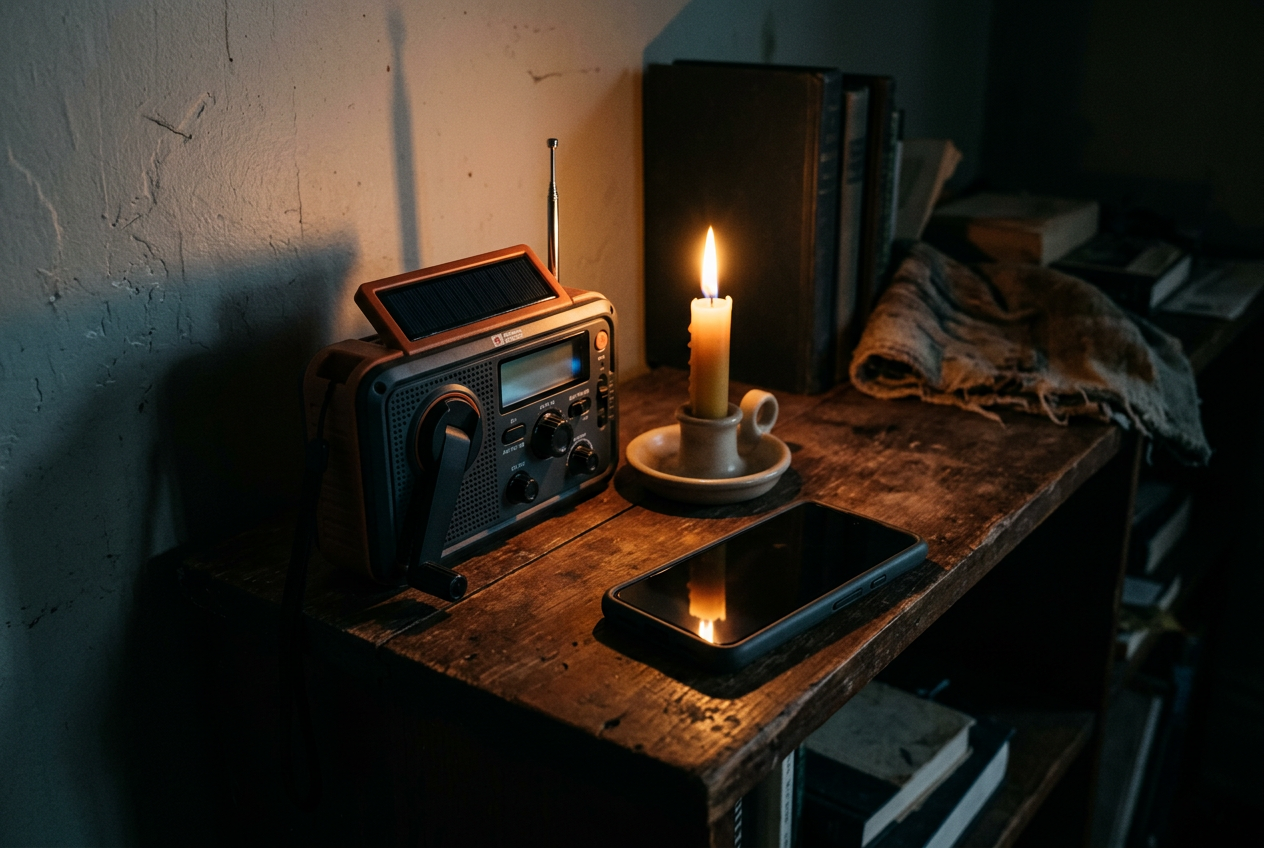
When storms hit, you need fast, trusted warnings. But cell towers can fail. Power can go out. Your phone may die. That is why a NOAA Weather Radio is one of the smartest tools for Texas households. It picks up alerts straight from the National Weather Service. It keeps working even when other systems go down.
Why a Weather Radio Matters
A NOAA Weather Radio receives special broadcasts on weather band (WB) channels. These carry warnings for floods, tornadoes, and other hazards. The best models use a feature called S.A.M.E. This stands for Specific Area Message Encoding. You enter a code for your county. Then the radio only alerts you when your area is threatened. You skip warnings for places far away. That means less noise and more useful alerts.
The Midland WR120B is built around this idea. It can alert you to over 60 kinds of weather hazards. You can program it for up to 25 different counties. Color-coded indicators show the alert type and how serious it is. It is a solid home base radio that sits on a shelf and listens for you.
Radios That Keep Working in Outages
A plug-in radio is great until the power fails. For outages, look for hand-crank and solar models with a built-in battery. These give you backup ways to stay powered.
This NOAA weather radio has a 12000mAh battery, a hand crank, and a solar panel. It receives 7 NOAA channels plus AM/FM. The maker says to fully charge it before first use. It can also charge your phone during a blackout.
The Mesqool radio is similar. It has a 12000mAh battery, a large solar panel, and a high-torque crank. The maker says the crank can power the radio or your phone in just a few minutes when other sources fail. That makes it a strong pick for a go-kit.

The Leaton radio is smaller and lighter. It has a 10000mAh battery and an IPX6 water-resistant rating. That means it can handle spray and splashing, but not heavy rain or being dunked. It also has a flashlight and a reading lamp. Note the maker’s honest point: the battery gives about 1 to 1.5 phone charges, not more.

Two Important Reminders
First, NOAA alerts only reach you if the radio is on and tuned to the weather band. A radio in a drawer will not warn you. Keep it powered and set up before storms arrive.
Second, always check alerts against official sources. False rumors and hoaxes spread fast during storms. Trust the National Weather Service and your local officials. Follow instructions from local emergency managers, not random social media posts.
Keep the Lights On and Phones Charged During Outages
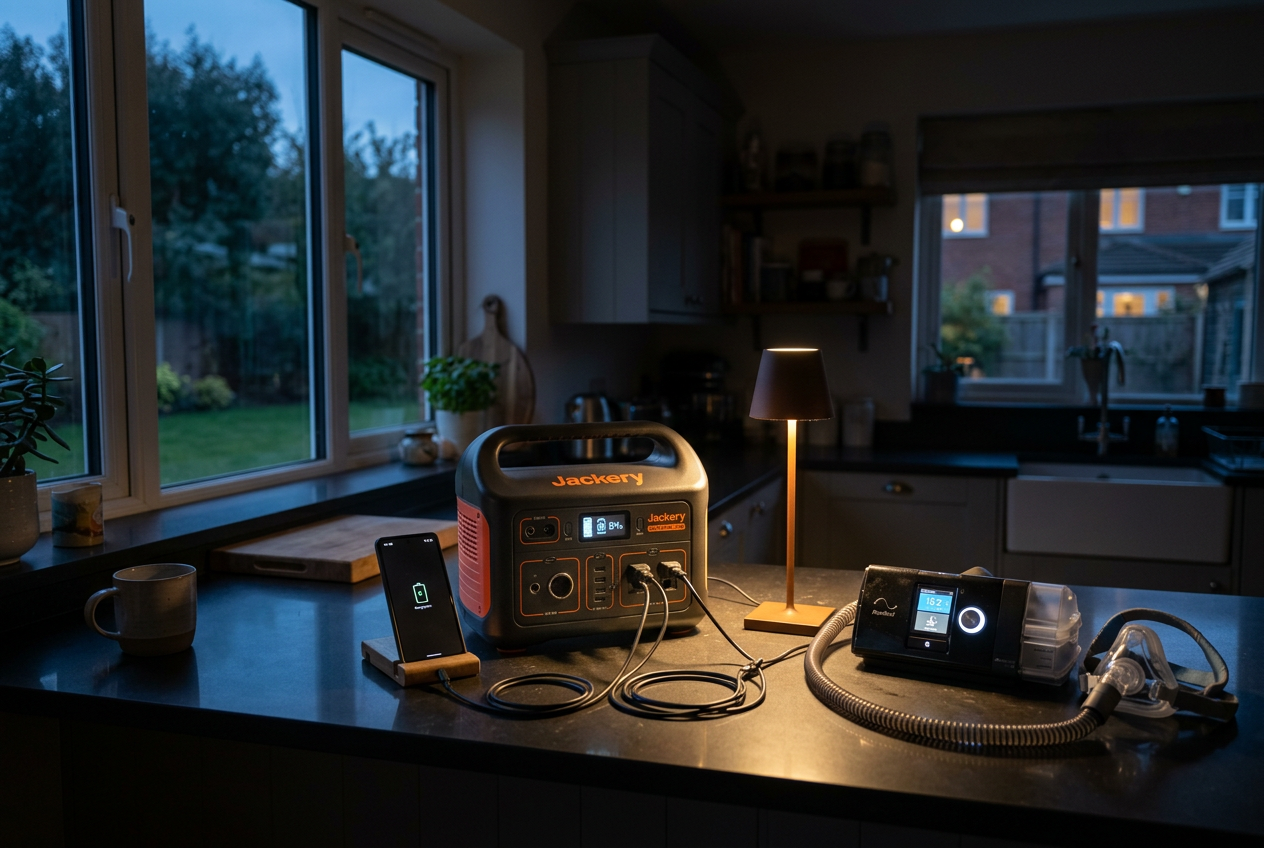
Storms can knock out power for hours or days. A portable power station keeps your phones, lights, router, and medical gear running. These are big batteries with regular outlets. They make no fumes and no noise. That means you can safely use one indoors, unlike a gas generator. You can charge them from the wall before a storm. Many also charge from solar panels.
How to Size a Power Station
Pick a size based on two things. First, what you want to run. Second, how long you need it to last.
Capacity is measured in watt-hours, or Wh. A bigger Wh number means more stored power. Small units cover phones, lights, and a Wi-Fi router. Larger units can run a fridge or a CPAP machine for a night or more. If someone in your home uses a CPAP, check the machine’s power draw and plan for each night without wall power.
Here is a simple way to think about it. Add up the watts of the things you want to run. Then decide how many hours you need them on. More stuff and more hours means you need more capacity.
Picks for Different Needs
For a small, light option, the Jackery Explorer 300 covers phones, lights, and a CPAP for camping or short outages. It weighs about 7.5 pounds. It has two AC outlets, USB-C, USB-A, and a car port. Its LiFePO4 battery lasts over 4,000 charge cycles.
Another budget choice is a 500W station with 519Wh. It can power phones, laptops, a router, a fan, a small TV, and a CPAP. It has two AC outlets and many USB ports. It can charge up to 10 devices at once.

For bigger needs, the Jackery Explorer 1000 v2 has 1,070Wh and 1,500W output. It can run a fridge or electric pot for a while. It weighs about 23.8 pounds and charges fast.

If you want the most backup, the Anker SOLIX S2000 holds 2,010Wh with 1,500W output. Anker says it can keep a fridge running up to 35 hours. Its battery is rated for 10,000 cycles.
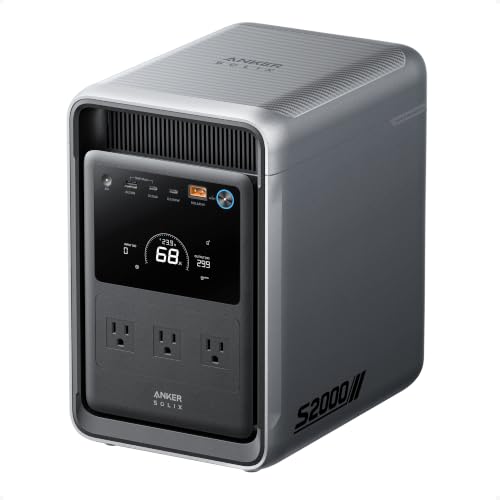
Charge your power station full before a storm hits. Keep it topped off during hurricane season. That way it is ready when the lights go out.
Comparison Table: Weather Radios and Power Stations at a Glance
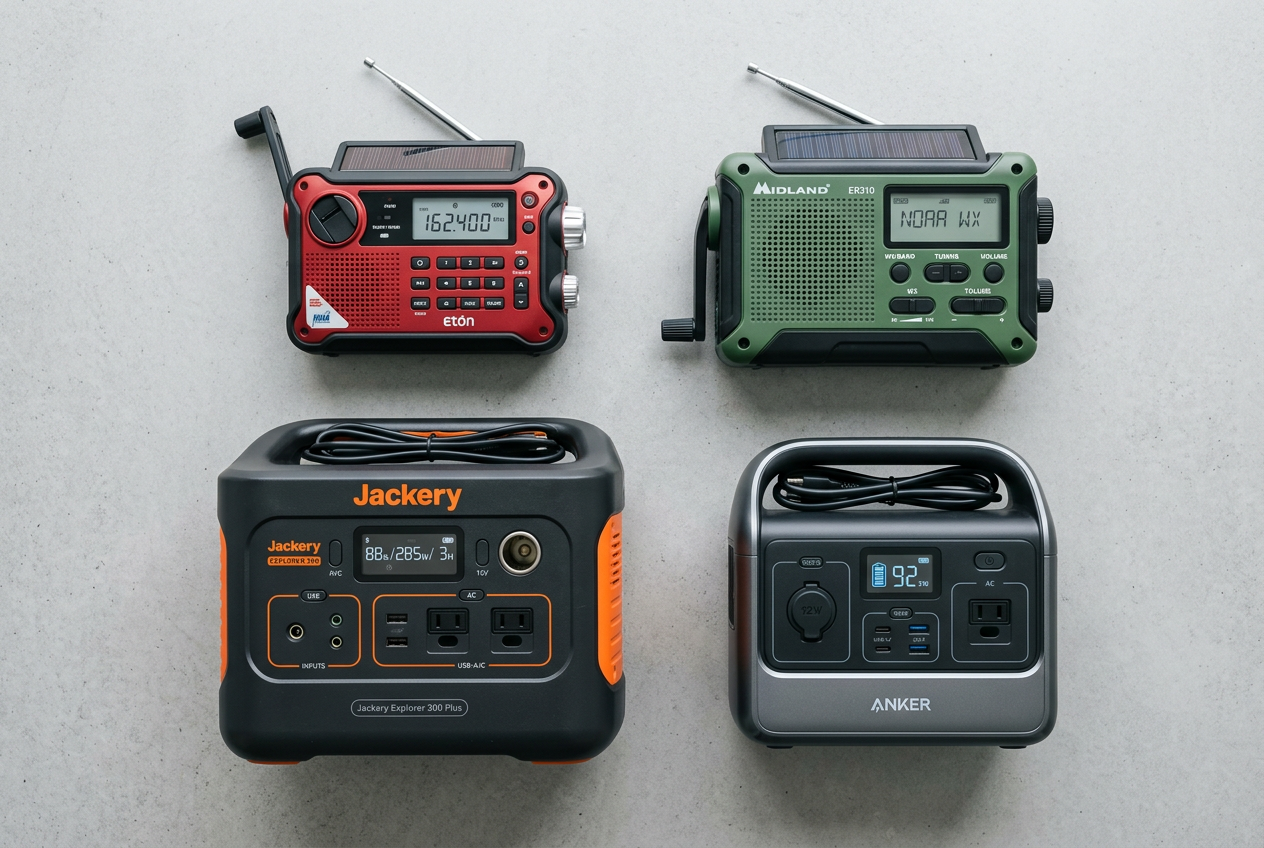
You do not need every item on this list. Most homes do well with one weather radio and one power station. The radio keeps you informed. The power station keeps phones and small devices running. Use the tables below to match the right tool to your needs and budget.
Weather Radios at a Glance
A weather radio helps you hear NOAA alerts even when the power is out. Some models add a flashlight, a hand crank, or a solar panel. One model, the Midland, sends automatic alerts for your exact county. The others focus on backup power and charging your phone.
The Midland is a bedside alert radio. It plugs into the wall and warns you day or night. The Mesqool, NOAA, and Leaton models are built for outages. They charge by solar, hand crank, or USB. Each can add a little power to your phone. The Leaton is rated IPX6, so it handles splashes. It is not made for heavy rain or being dropped in water.
Portable Power Stations at a Glance
A power station is a large battery in a box. It holds power for phones, lights, routers, and some small appliances. Bigger numbers mean more run time and the ability to power bigger items. Watt hours (Wh) measure how much energy it stores. Watts (W) measure how much it can power at once.
The Jackery 300 is light and easy to carry. It fits short outages and small devices. The 500W model and Jackery 1000 v2 handle more. The 1000 v2 can run a fridge or electric pot for a while. The Anker S2000 holds the most power. It can keep a fridge going up to 35 hours and lasts many years. None of these use fuel. They make no fumes and no noise, so you can use them indoors safely.
Pick based on what you want to run and for how long. Start small if your budget is tight. You can always add more later.
Turn Around, Don’t Drown: Driving and Evacuation Safety
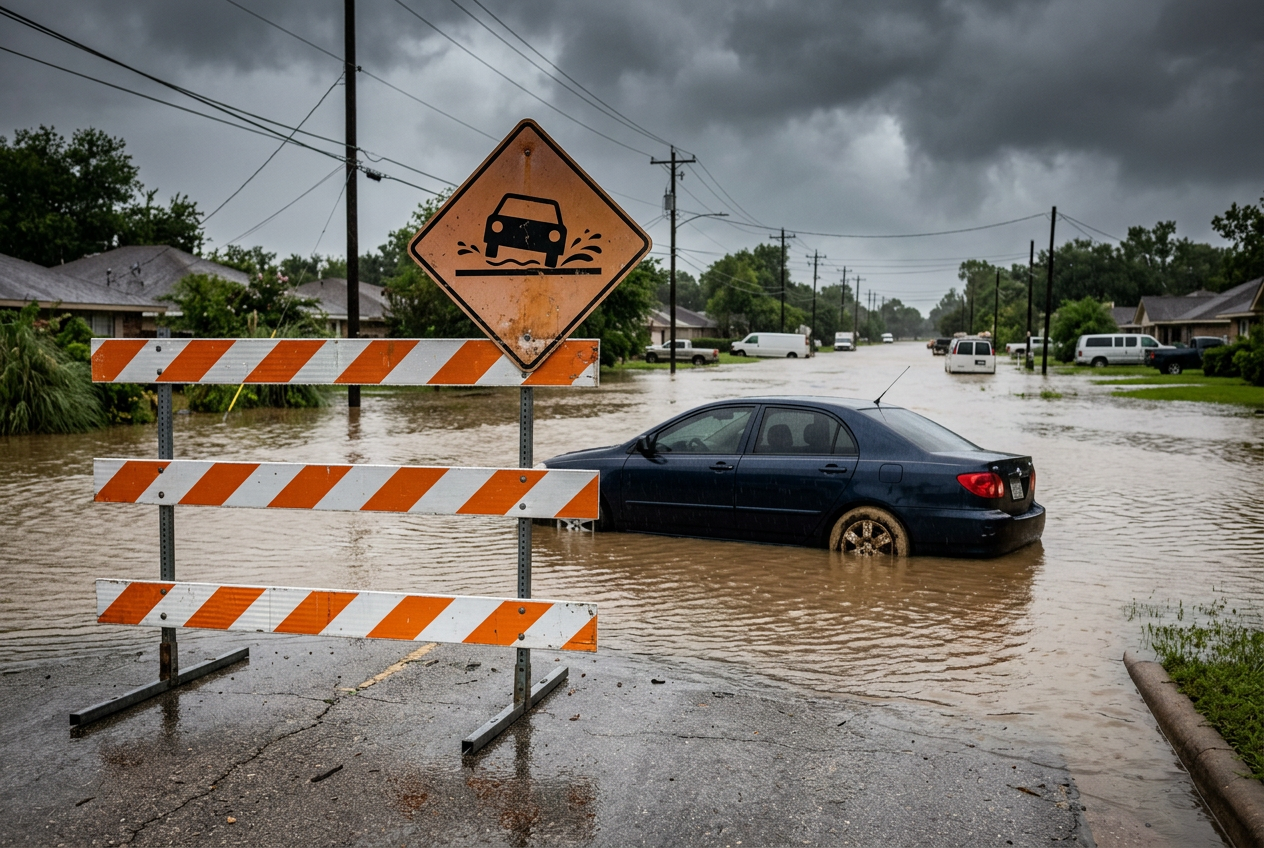
If you remember one rule from this whole article, make it this one. Turn around, don’t drown. Never drive or walk into floodwater. It is the simplest way to stay alive during a Texas flood.
Flooding is the biggest danger in many Texas storms. Water on the road is a trap, even when it looks shallow. You cannot tell how deep it is just by looking. You also cannot see if the road under the water has washed away. A hole or a missing bridge section can be hiding below the surface.
Why Shallow Water Is So Dangerous
Moving water is much stronger than it looks. Just a few inches of fast water can knock you off your feet if you try to walk through it. A small amount more can float and move a car. Once a vehicle starts to float, you lose control. The water can push it off the road or into a deeper channel in seconds.
This is why the advice from Texas officials is clear and strict:
- Turn around when you see water over the road.
- Stay off bridges over fast-moving water.
- Do not drive around barricades. They are there because the road ahead is not safe.
- Avoid unnecessary travel during severe weather.
Barricades are not a suggestion. Local crews put them up because they know the road is flooded or damaged. Going around one puts you and any rescuers who come for you in danger.
Plan Your Route Before the Storm
Know which roads near your home flood first. Many Texas neighborhoods have low spots and creek crossings that fill up fast. If you know those spots, you can plan a different way out before the rain starts.
Keep your gas tank at least half full during storm season. If you need to leave quickly, you do not want to stop for fuel while water is rising.
Leave Early If Officials Tell You To
When local officials or the Governor’s office advise evacuation, do not wait. On September 28, 2026, Governor Abbott held a severe weather briefing and activated extra state emergency response resources as storms and flooding threatened Texas. That kind of warning means the risk is real.
Leaving early is always safer than leaving late. Roads are clearer, water is lower, and you have more time to make calm choices. Follow the instructions from your local emergency officials. They know your area and the current danger.
If you get caught in rising water while driving, and you cannot turn around safely, get out of the vehicle and move to higher ground if you can do so safely. Do not try to power through moving water. No trip is worth your life.
Keep your weather alerts on so you hear evacuation news right away. We cover radios and alerts in the next sections.
Protect Your Home and Return Safely After the Flood
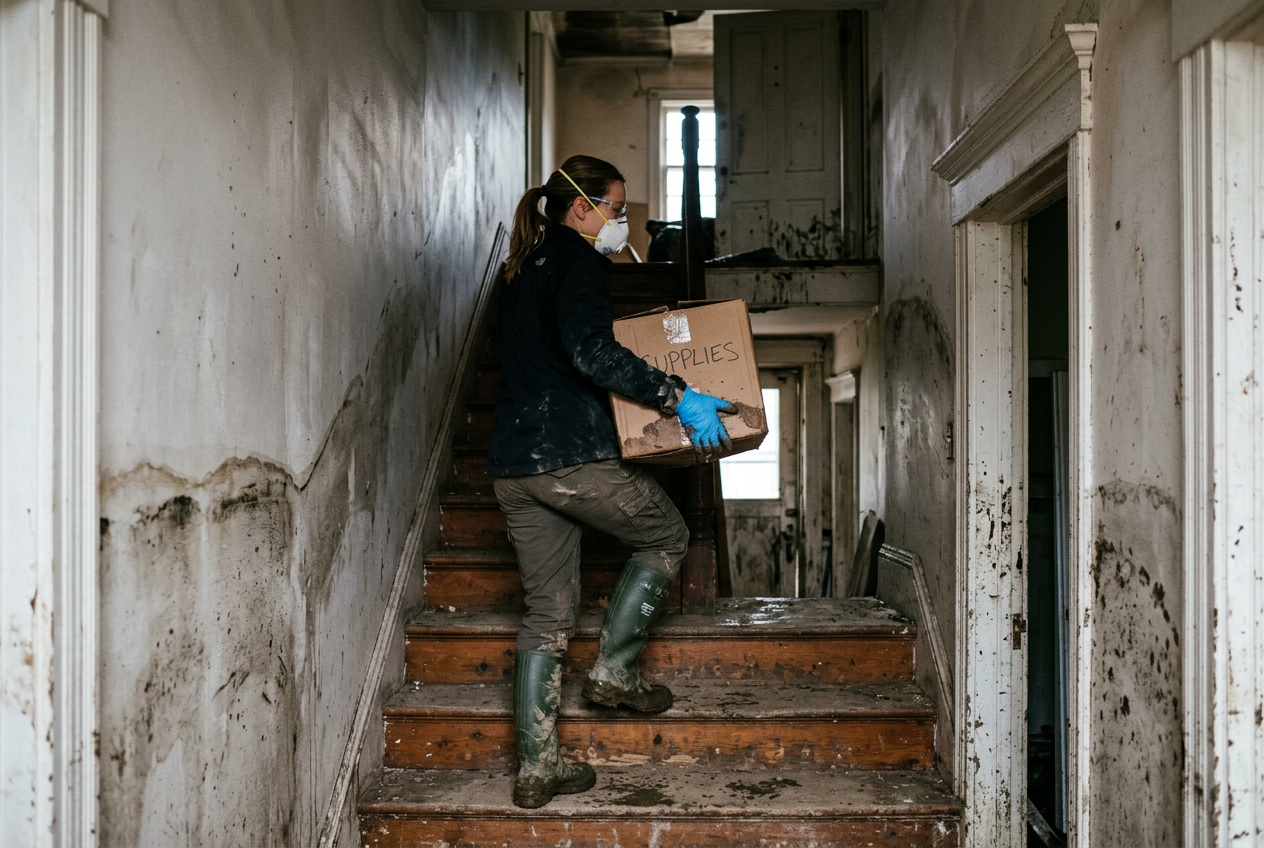
A little work before the storm can save you from big losses. And after the water drops, smart cleanup keeps you safe. Floodwater is not just dirty water. It can carry sewage, chemicals, and hidden dangers. Take it seriously.
Before the Storm: Move Things Up and Out
You cannot stop a flood. But you can keep your stuff safe. Start now, before the rain comes.
- Move important items to higher floors or high shelves. Think photos, papers, and electronics.
- Put key documents in a waterproof bag or box. This includes IDs, insurance papers, and medical records.
- Lift furniture and rugs off low floors if you have time.
- Move cars to higher ground, away from low spots and creeks.
- Unplug electronics if you can do it safely. Never touch plugs with wet hands.
Small steps add up. The goal is simple. Get your most valuable and hard-to-replace things above the water line.
Wait for the Official All-Clear
Do not rush back home. The storm may pass, but the danger can stay. Follow instructions from your local officials. Texas emergency agencies will tell you when roads and neighborhoods are safe.
Watch out for downed power lines. A fallen line can still carry electricity. Never touch it. Never drive over it. Stay far away and report it to your power company or 911.
Floodwater can also hide damage you cannot see. Weak floors, sinkholes, and washed-out roads are real risks. If officials say stay out, stay out.
Safe Cleanup After the Water Drops
Floodwater is often contaminated. It can hold sewage, germs, and chemicals. Protect your body before you start cleaning.
Wear the right gear:
- Rubber boots to keep feet dry and protected
- Work gloves for your hands
- Eyewear to guard your eyes from splashes
- An N95 respirator to protect your lungs from mold and dust
- Long pants and long sleeves
Mold grows fast in wet homes. The N95 mask matters most once you start pulling out soaked carpet, drywall, and furniture. These materials hold water and breed mold within days.
Wash your hands often. Do not touch your face with dirty gloves. Keep children and pets away from flooded areas until cleanup is done.
Throw out food and water that touched floodwater. When in doubt, throw it out. The same goes for soaked mattresses and stuffed furniture. They are hard to clean and can stay unsafe.
Know When to Call for Help
Some jobs are not do-it-yourself tasks. Call a professional for electrical problems, gas smells, or major structural damage. If your home had deep flooding, an expert can check that it is safe to live in again. There is no shame in waiting for help. Your safety is worth more than a quick return.
Frequently Asked Questions
What is the difference between a flood watch and a flood warning?
These two words sound alike, but they mean different things.
A flood watch means flooding is possible. Conditions are right for it. You should get ready and stay alert. Check your go-kit. Know your routes out. Keep an eye on the sky and your alerts.
A flood warning means flooding is happening now or will happen very soon. This is the time to act. Move to higher ground if you are told to. Do not wait.
A simple way to remember: a watch means “be ready,” and a warning means “take action now.”
How much water is too much to drive through?
The safest answer is simple. Do not drive through flood water at all. You cannot tell how deep it is or how fast it moves. The road under it may be washed away.
Texas officials repeat one rule for a reason: Turn Around, Don’t Drown. Even shallow water can sweep away a car. Fast moving water is worse.
Follow these steps:
- Never drive around barricades. They are there to keep you safe.
- Stay off bridges over fast moving water.
- Avoid driving at all during severe weather if you can.
If you see water on the road, turn around and find another way. No trip is worth your life.
How do I get alerts if the power is out?
When the power goes out, your home internet and some cell service may go down too. You need a backup way to hear warnings.
A NOAA weather radio is the best tool for this. It picks up alerts straight from the National Weather Service. Many models run on batteries, a hand crank, or solar power, so they work even with no outlet.
The Midland WR120B uses S.A.M.E. programming. That lets you enter a code so you only hear alerts for your county. The hand crank and solar NOAA radio adds a built-in battery that can charge your phone during an outage. Just remember, NOAA alerts only come through when the radio is on and tuned to the weather band.
Charge your phone and any radio battery before the storm hits. A full charge gives you more time to stay informed.
Where do I check official Texas emergency updates?
Trust official sources first. Rumors spread fast online during storms, and they are often wrong.
For state updates, check the Texas Division of Emergency Management (TDEM) and the Governor’s office. In late September 2026, Governor Abbott held a severe weather briefing and activated extra state response resources. These offices post real updates during events like this.
Also follow your local officials. County emergency management offices, like Travis County, share local flood risks and safe driving tips. Local news and your NOAA radio fill in the rest.
When officials give instructions, follow them. They know your area and the current threat better than any social media post.
Your Texas Severe Weather Action Checklist
Here is a quick list of the key steps from this guide. You can print this page to keep the checklist handy. Work through each item before the next storm. Most of these steps cost nothing.
Before the Storm
Check your flood risk. Find out if your home sits in a flood-prone area. In Texas, if it can rain, it can flood. Even places that seem safe can take on water fast.
Make a household disaster plan. Decide where your family will go and how you will reach each other. Pick a meeting spot and a safe route to higher ground. Share the plan with everyone in your home.
Build a go-kit. Pack water, food that will not spoil, medicine, copies of key papers, a flashlight, and a first aid kit. Add sturdy shoes and work gloves. Keep the kit somewhere easy to grab.
Set up weather alerts. A NOAA weather radio can warn you even when the power and cell service are down. The Midland WR120B uses S.A.M.E. coding, so it alerts you only for your own county. A hand crank model like the NOAA hand crank radio also charges a phone during long outages. Remember, NOAA alerts only work when the radio is on and tuned to the weather band.
Charge your backup power. Fully charge phones, power banks, and any power station before the storm. A unit like the Jackery Explorer 300 can keep phones and small devices running. Larger models help power a fridge or medical gear. Charge the radio fully before its first use.
When the Storm Hits
Follow official instructions. Listen to your local officials and do what they say. During the September 2026 severe weather, state leaders activated extra emergency response resources. If they tell you to leave, leave.
Turn around, don’t drown. Never drive through moving water. Do not go around barricades. Stay off bridges over fast water. Avoid travel you do not need to make during severe weather.
Move to higher ground. If water rises near your home, get to a higher floor or higher land right away. Do not wait.
After the Storm
Wait for the all clear. Return home only when officials say it is safe.
Wear protection during cleanup. Put on boots, long pants, work gloves, eye protection, and an N95 respirator before you handle flood debris. Flood water and wet materials can harm your lungs and skin.
Check in with your household. Use your plan and your meeting spot to make sure everyone is safe.
Work through this list now, not when the water is rising. A little time today keeps your family safer during the next Texas storm.
Next Steps: Prepare Today, Not When the Water Rises
The best time to get ready is right now. Not when the rain starts. Not when the water is rising in the street. Preparation is cheapest and easiest before a storm hits. On September 28, 2026, Governor Abbott held a severe weather briefing and activated extra state emergency response resources. Remnants of Hurricane Polo also moved across the Southwest, bringing the threat of heavy flooding. These events are a clear reminder. Texas weather can turn fast. If it can rain, it can flood.
You do not need to do everything today. Pick one or two actions and get them done. Small steps add up. A ready household handles a storm far better than one that waits.
Do These Things First
Here is where to start. Each step is simple. None of them take long.
- Learn your flood risk. Find out if your home sits in a flood-prone area. This shapes every other choice you make.
- Make a simple plan. Decide where your family will go and how you will reach each other. Write it down. Share it with everyone in the house.
- Start a go-kit. Pack water, food, medicine, a flashlight, and copies of key papers. Keep it where you can grab it fast.
- Set up weather alerts. Turn on alerts on your phone. Add a backup weather radio so you still get warnings if the power goes out. A hand-crank and solar model like the Mesqool emergency weather radio keeps working without the grid.
- Plan for outages. Keep phones charged. Think about a power station for lights, phones, and medical devices like a CPAP. A unit like the Jackery Explorer 300 can cover small needs during a blackout.
Do just one of these today. Then do the next one tomorrow. You will be surprised how quickly you feel ready.
Keep Learning With These Guides
Flooding is one threat. Texas households face others too. The more you know, the safer your family will be. We have other guides on the site that can help you fill in the gaps.
- Read our flooding guide to go deeper on flood risk and recovery.
- Read our hurricane guide if you live near the coast or in a storm path.
- Read our power outage guide to keep the lights on and phones charged.
Each guide uses the same plain, step-by-step style. You can print this page and keep the checklist near your supplies. That way the steps stay in front of you.
Remember one rule above all else. Turn around, don’t drown. Never drive through flood water. Follow your local officials. Preparing today costs little. Waiting can cost far more. Start now, before the water rises.
Sources and Further Reading
- Flash flood warning for Central Texas: how to prepare and …
- Preparing for the Storm: A Severe Weather Guide for High
- Governor Abbott Holds Severe Weather Briefing, Activates …
- Travis County Spring Preparedness
- Flood Safety | Flood Preparedness
- Governor Abbott Holds Severe Weather Briefing, Activates Additional State Emergency Response Resources
- Hurricane Polo remnants move across Arizona
- Hurricane Polo could bring heavy flooding in Mexico’s Baja California and the Southwest US