Coastal Flooding and Erosion: How Coastal Households Can Protect Their Homes (2026)
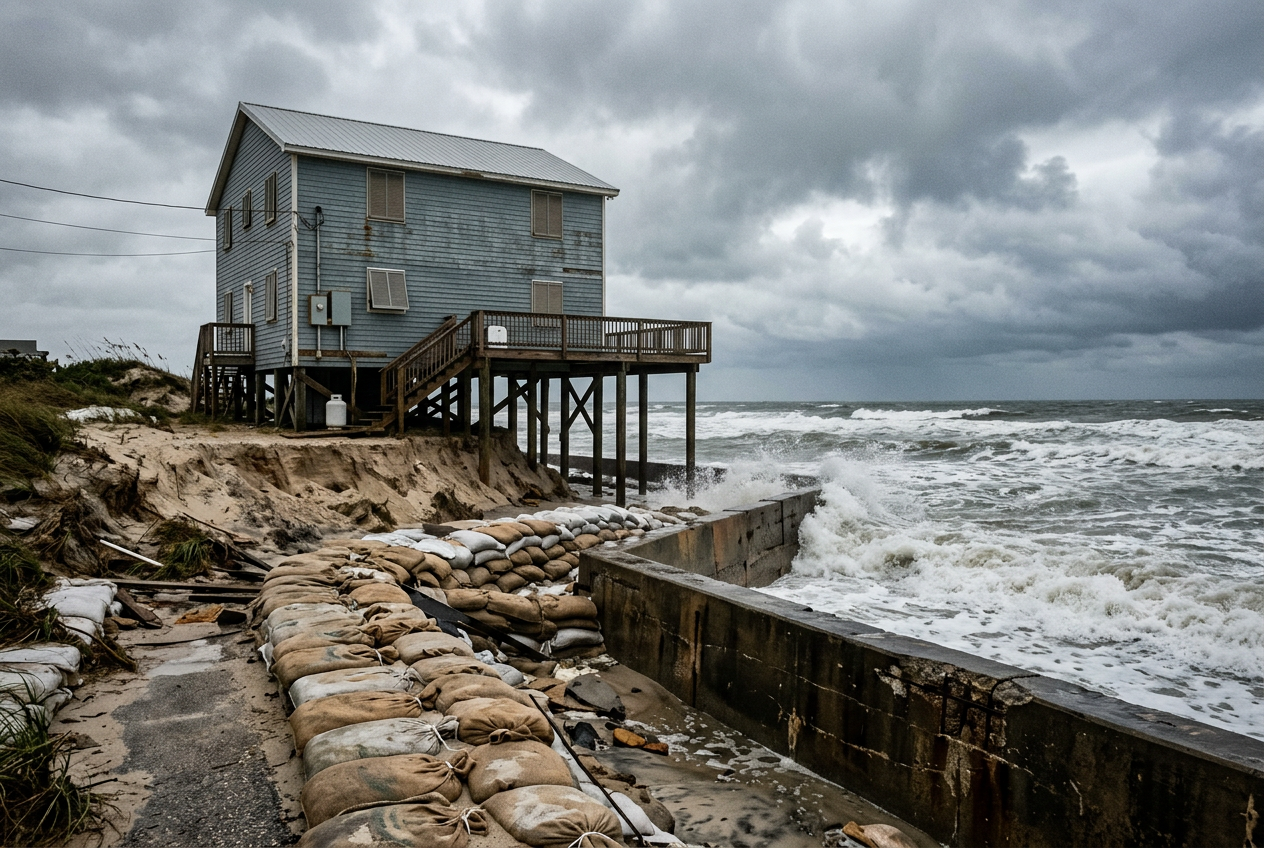
In September 2026, powerful ocean swells from Hurricane Marie hit Southern California hard. The waves stripped sand from beaches and threatened homes along the coast. Laguna Beach and other parts of Orange County declared local emergencies. Seawalls were damaged. Homes stood closer to the water than ever before. If you live near the coast, that kind of news can feel scary. But there are real steps you can take to protect your home.
First, it helps to know the two main threats. Coastal flooding is when ocean water pushes inland. It can fill streets, yards, and the inside of your home. Coastal erosion is different. Erosion is when waves strip away sand and soil. Over time, this can wear away the land under your home and weaken the ground it sits on. A single big storm can do both at once.
This guide walks you through simple, practical actions. You do not need to be an expert. You will learn how to check your risk, protect your doors and low openings, remove water that gets inside, and stay safe during a storm. You will also find tips for cleanup after the water goes down.
We will cover the steps you can take before, during, and after a storm. Many of these actions cost little or nothing. Let’s start by helping you understand your own risk.
- Block water at doors, garage, and low openings with barriers before the flood reaches you.
- Stack sandbags at least 1 to 3 layers high where water tends to come in first.
- Keep a pump ready to clear water that gets inside, down to almost bare floor.
- Watch coastal erosion near your foundation and reinforce weak spots early.
- Have your flood kit set up before storm season, not during a warning.



Reviewed by Marcus T., Dale M. & Elena V. — contributors with hands-on preparedness experience. How we test
Getting the right gear ready now means you can act fast when water starts rising. Keep reading to see which tools help keep your home dry.

LANNEY Reusable Flood Sandbags
These tough canvas tube bags line your doors, garage, and windows to hold back rising water. The reflective stripes help you see them in the dark, and they can be reused season after season.
Check Price on Amazon
Quick Dam Water Barriers
Just add water and these barriers grow to about 3.5 inches high in minutes. Their long, flexible shape lets you bend them around doorways and corners to steer water away from your home.
Check Price on Amazon
FOTING Submersible Sump Pump
When water does get inside, this pump moves up to 2450 gallons per hour and clears puddles down to about 0.04 inch deep. At only 8.5 pounds, it is easy to carry to wherever flooding hits.
Check Price on AmazonIn this guide
Why Trust This Guide?
This article was researched and reviewed by contributors with hands-on experience in emergency preparedness. They have tested gear, built real systems, and lived through situations where these skills actually mattered.
Know Your Risk Before a Storm Hits
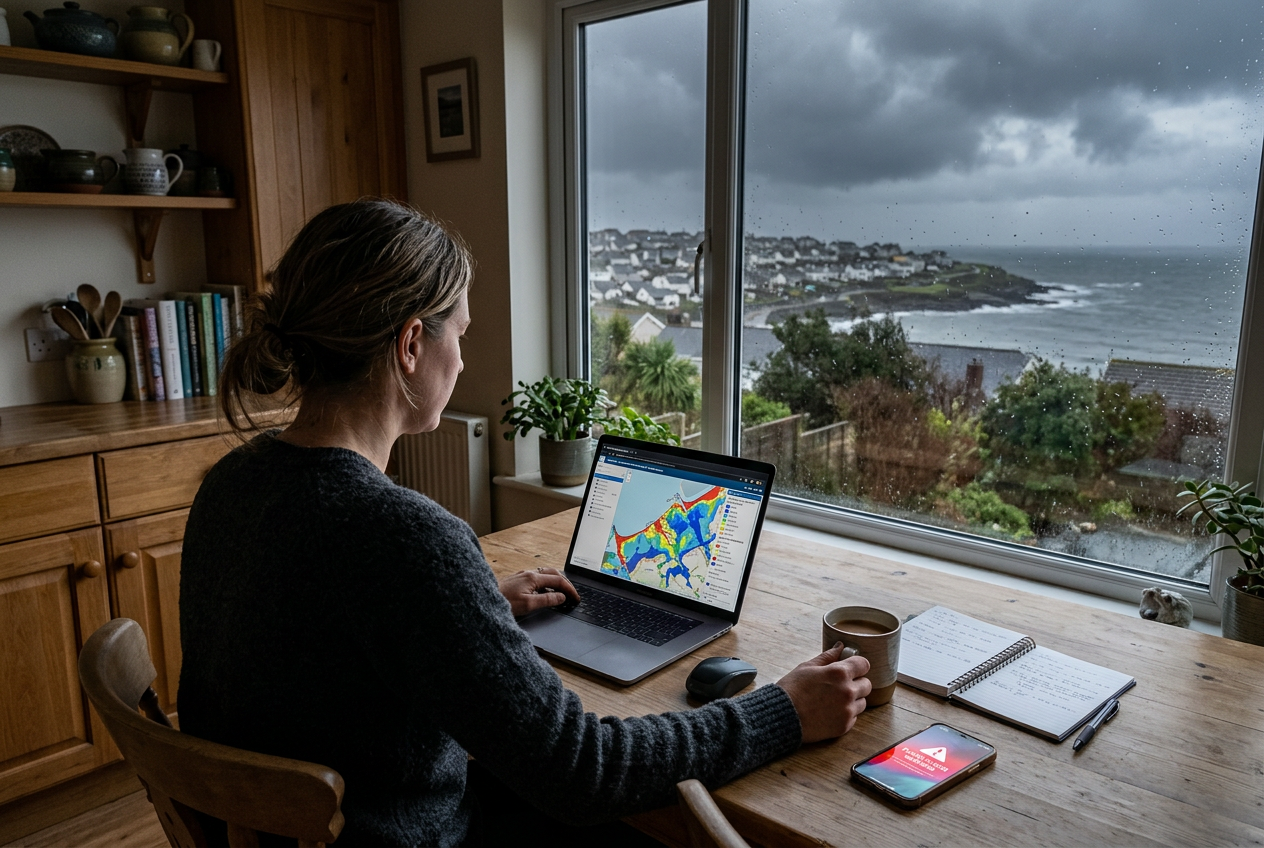
Before you buy a single sandbag, learn how much danger your home faces. This first step costs nothing. It also shapes every other choice you make. Homes near the coast can flood from heavy rain, storm surge, and high waves all at once. Knowing your risk helps you plan.
Check Your Flood Zone With FEMA Maps
FEMA keeps free flood maps online. These maps show which areas flood most often and how deep the water may get. You can look up your address and see your flood zone in a few minutes. Visit the FEMA coastal flood risk page to start. It explains how to read the maps and what your zone means.
Your zone matters more than you might think. It affects your flood risk, your building rules, and your insurance. Homes in high-risk zones may need to be raised or reinforced. If you rent, ask your landlord about the home’s flood history. If you are buying, check the zone before you sign.
Use Local Resources Too
FEMA maps give you a big picture. Your local city or county fills in the details. Many coastal towns share flood readiness tips and past flood records. Some post maps of streets that flood in storms. Call your local emergency office or check its website. Ask two simple questions. Where does water usually collect near you? Which roads flood first?
Recent events show why this matters. In September 2026, powerful swells from former Hurricane Marie stripped sand from Southern California beaches and damaged seawalls. Laguna Beach and parts of Orange County declared local emergencies as erosion threatened homes. Even strong seawalls can fail when the beach in front of them washes away. Ask if your area has known erosion problems near the shore.
Watch Official Alerts and Be Ready to Leave
Knowing your risk is only useful if you act on it. Sign up for local emergency alerts. Many towns send warnings by text or phone. Keep a battery radio or phone charged so you can hear updates if power fails.
When a coastal storm is coming, listen to local officials. If they tell you to evacuate, leave right away. Do not wait to see how bad it gets. Moving inland before flooding starts is the safest choice. Roads flood fast, and just six inches of moving water can knock you down. One foot of water can carry away a car. You cannot always tell how deep or fast the water is.
Plan your escape route now, before any storm. Pick a safe place inland where you can stay. Know two ways out of your neighborhood in case one road floods. Share the plan with everyone in your home. When you know your risk and your route ahead of time, you can leave calmly and quickly.
Prepare Your Home’s Exterior and Yard
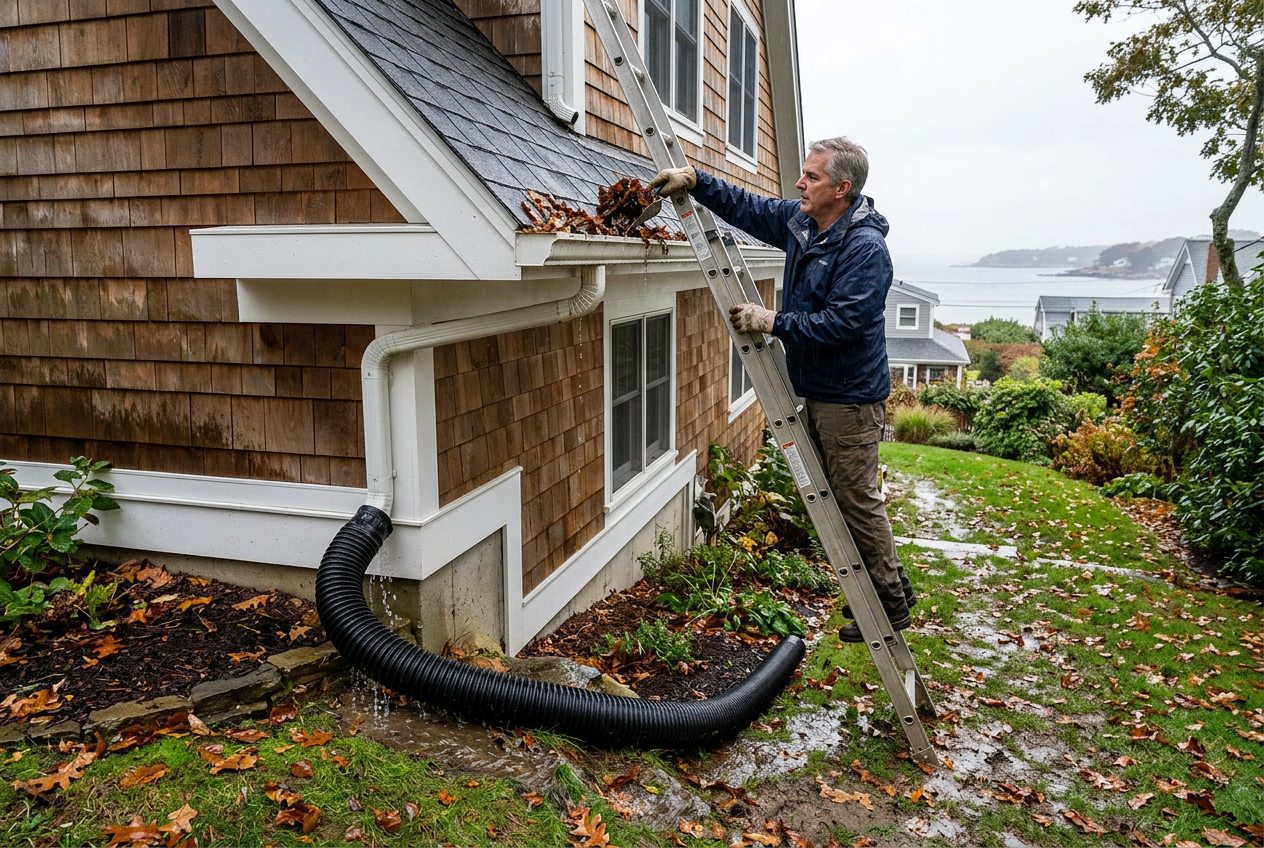
Your yard is your home’s first line of defense. Small changes here can slow water down before it reaches your walls. Many of these steps cost nothing but your time.
Start With Your Gutters and Drains
Clogged gutters send water spilling over the sides. That water pools right next to your foundation. Clear leaves and debris out of your gutters at least twice a year. Do it more often if you have trees nearby.
Check your drains too. Make sure yard drains and storm drains near your property are not blocked. A quick clear-out helps water flow away instead of backing up toward your home.
Point Water Away From Your Foundation
Look at your downspouts. Where does the water go when it leaves them? If it dumps right next to your house, that is a problem.
Add downspout extensions to push water at least a few feet away from the foundation. These are cheap and easy to snap on. Renters can use them too, since they do not require permanent changes.
You can also add or replace splash blocks under each downspout. These plastic or concrete pieces guide water away from the wall.
Learn How Water Flows on Your Property
Walk your yard during a rainstorm if it is safe to do so. Watch where water collects and where it runs. Notice any low spots that fill up fast.
Knowing these paths tells you where to focus. You may want to add soil to fill low areas near the house. The goal is to have the ground slope away from your home, not toward it.
Keep this in mind when you place sandbags or barriers later. Put them where water naturally wants to enter.
Simple Steps for Renters and Owners
Renters can still do a lot. Clear debris, add downspout extensions, and move outdoor items to higher spots before a storm. Loose furniture, grills, and planters can float or become hazards in a flood.
Owners can go further. Sealing small cracks in the foundation with the right product helps keep water out. Adding gravel or better drainage in problem spots can also help. Always ask your landlord before making permanent changes if you rent.
Know When to Call a Professional
Some jobs are not safe or smart to do yourself. Seawalls are one example. Recent storms in Southern California damaged seawalls and stripped away beaches, threatening nearby homes. If your seawall is cracked or failing, call a licensed contractor.
Foundation problems are another. Large cracks, shifting, or water coming through walls need a professional’s eye. Trying to fix these yourself can make things worse.
Here is a simple rule. If the work involves the structure holding up your home, or a barrier holding back the ocean, get expert help. Small yard and drainage tasks are fine to do on your own.
Blocking Water at Doors and Low Openings
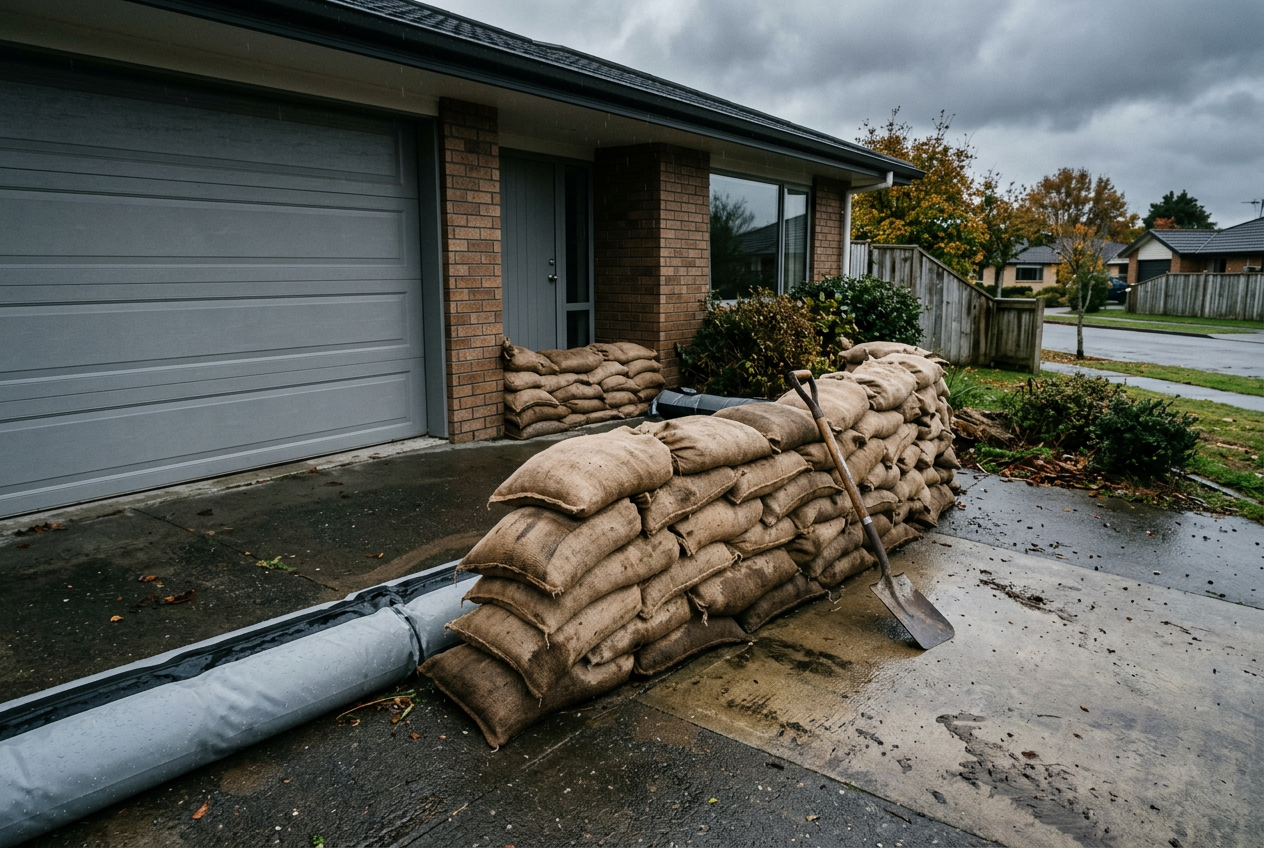
Water gets into homes through the lowest openings first. That means doors, garage entries, and low windows. You can build a barrier at these spots to slow water down and steer it away from your home. Start early. Set up your barriers before water arrives, not during the storm.
What a Barrier Can and Cannot Do
Be realistic about what a sandbag wall can do. It will slow water and divert it. It will not fully seal your home. Some water will still seep through. The goal is to reduce how much gets in and buy you time. For deep or fast water, no home barrier will hold. Follow local orders and leave if you are told to.
How to Fill and Stack Sandbags
Fill each bag about halfway. A half-full bag molds to the ground and to other bags better than a packed one. Tie or tighten the opening so sand does not spill out.
Lay the bags flat like bricks. Fold the open end under the bag so the weight holds it shut. Stack the next row on top, staggering the seams like a brick wall. Two or three rows high is common for door blocking. Press each bag down as you place it so gaps close up.
For a tighter seal, lay a sheet of plastic against the door and tuck the bottom edge under the first row of bags. This helps block seepage between the bags.
Reusable Canvas Sandbags
Canvas sandbags are a good choice because you can reuse them year after year. Look for thick canvas with reinforced stitching. Bags with an elastic or tie top are easier to fill and close. Some come in long tube shapes that line up fast along a door or garage.


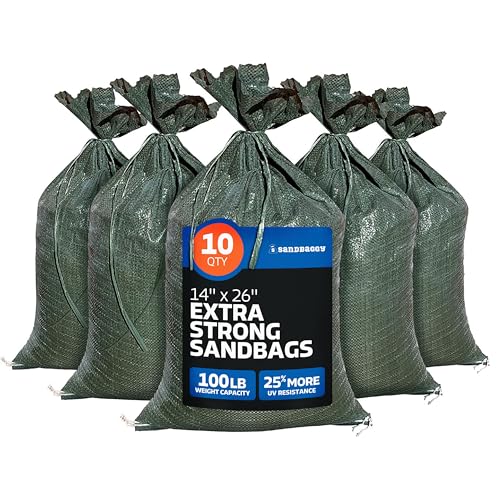
If you want plain, heavy-duty empty bags to fill yourself, polypropylene sandbags with tie strings work well too. A bright color helps you find and grab them fast.
Quick-Deploy Water-Activated Barriers
Sometimes you get little warning. In that case, water-activated barriers help. These are dry and light until you get them wet. Then they swell up in minutes and form a low wall. They are easy to store and fast to place across a doorway. Keep in mind they build a shorter barrier, so they work best for shallow water or as a first line of defense.
Where to Place Your Barriers
Focus on the openings closest to ground level. That means exterior doors, the bottom of garage doors, low basement windows, and any vents near the ground. Once your barriers are up, check them as the storm goes on. Add bags or reseal gaps if you see water finding a path.
Removing Water That Gets Inside
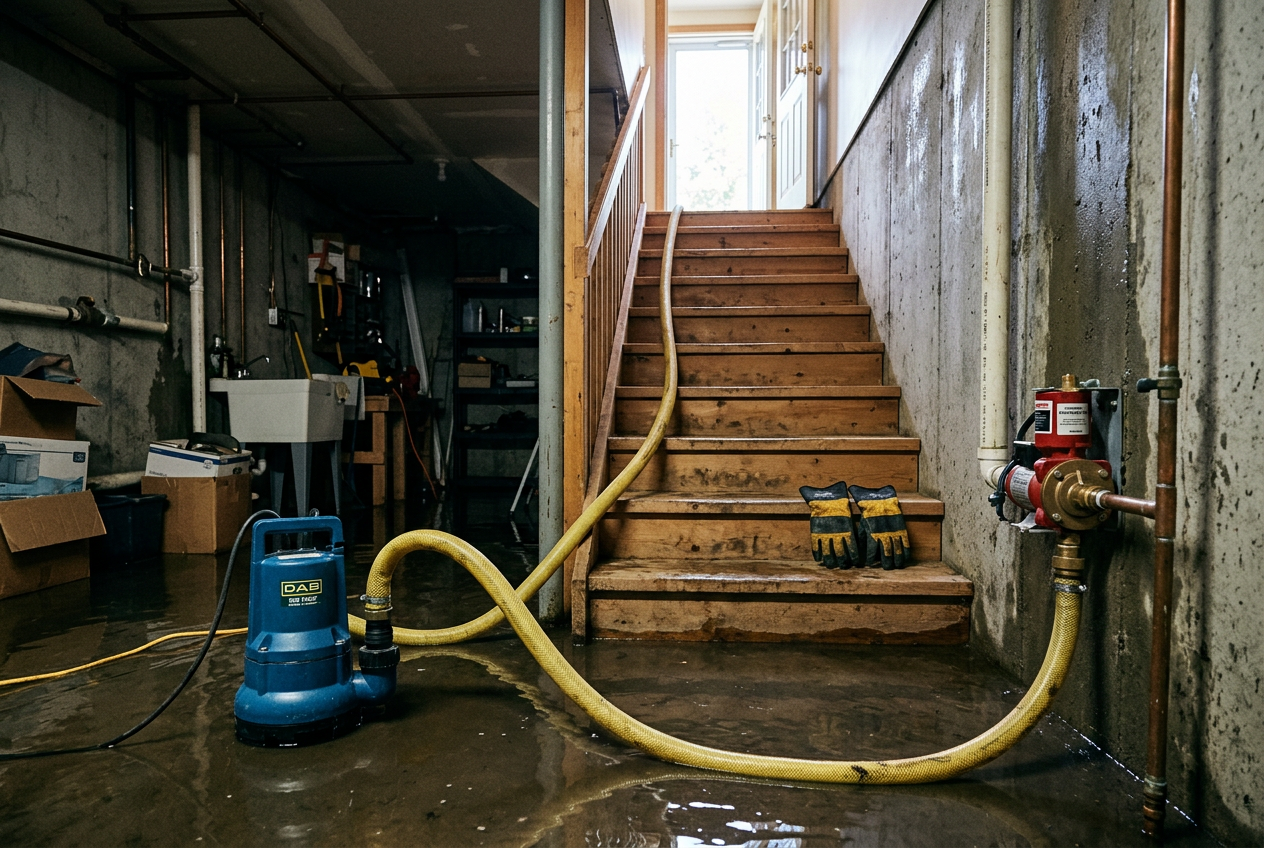
Even good barriers can fail. Water may still get into your basement, garage, or a low room. When that happens, you need a way to pump it out. A portable submersible pump can help. You drop it into the water, and it moves the water out through a hose.
Safety First
Before you touch any water, stop and think. Never enter deep water. Just six inches of moving water can knock you down. Never step into water that touches wires, outlets, or plugged-in machines. That water may be electrified and can kill you. If you are not sure, stay out and call for help. Your life matters more than your stuff.
Always follow the maker’s directions for any pump. Do not plug an electric pump into a wet outlet. Turn off power to the flooded area if you can do so safely.
Electric Portable Pumps
An electric submersible pump sits in the water and pushes it out. These pumps are small and light. You can carry one to any flooded spot. They work well for puddles, garages, and basements once the water is safe to enter.
The FOTING pump is one example. It can remove water down to a very shallow level, so it clears most of a floor. It has a stainless steel base and a filter that handles small solids.
The Lanchez pump is another option. It uses an oil-filled motor and can lift water up a good height. It also has a filter to keep out debris.

Both need electric power to run. That is a problem during a storm, because storms often knock out the power.
A Backup That Works Without Power
This is where a water-powered backup pump helps. It does not use electricity. Instead, it runs on the water pressure from your home’s water line. As long as your water supply keeps flowing, this pump keeps working, even during a blackout.
The SumpJet is this kind of pump. It is fully automatic and turns on when water rises. It accepts a range of inlet pressures from your water line.

A backup like this is not a full replacement for an electric pump. It is a safety net for the times you need it most.
Which Type Do You Need?
Here is a quick way to compare the two types.
Many households keep both. Use the electric pump for everyday cleanup. Keep the water-powered pump ready for when the power goes out.
Choosing the Right Flood Barrier: Comparison Table
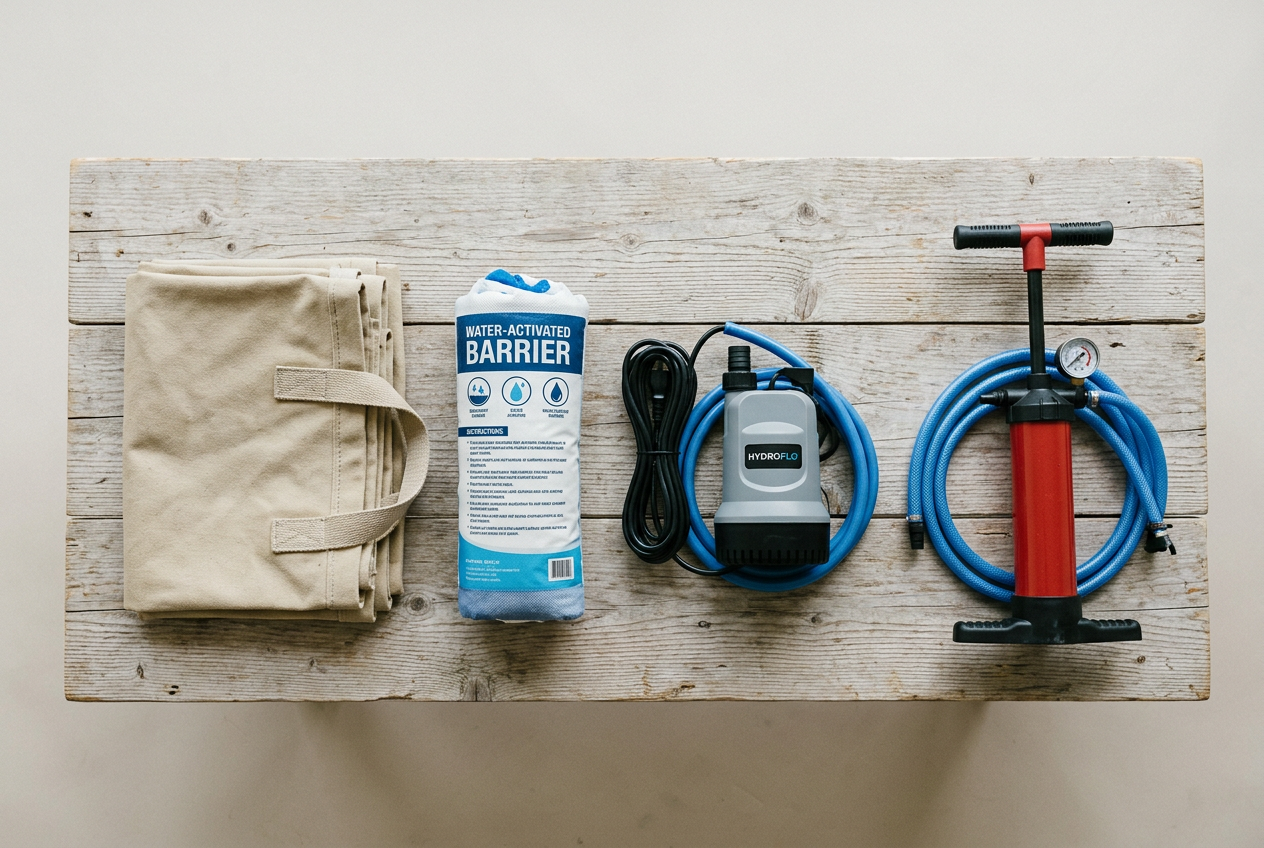
You have a few good options to keep water out and get it out. The right pick depends on your home, your budget, and how fast you need to act. This table sums up the barriers and pumps covered in this guide. Use it to match a product to your situation at a glance.
How to read this table
Fill-with-sand bags are strong and last many seasons. The canvas tube bags from LANNEY, this reusable set, and this 4 pack have a tie or elastic band. You fill them, close them, and line them up at your doors. The downside is time. You need sand, and filling takes work. The Sandbaggy empty bags are plain poly bags you fill yourself. They are a low-cost way to build a bigger barrier.
Water-activated barriers are the fast choice. The Quick Dam 5ft Barrier grows when it gets wet. You do not need sand or heavy lifting. That makes it good when a storm is close and you are short on time. The trade-off is that these are single-use. Once they soak up water, you toss them.
Barriers keep water out. Pumps take it out.
No barrier is perfect. Some water usually gets in. That is where a pump helps.
The FOTING sump pump and the Lanchez sump pump are both electric. They move a lot of water fast and pull it down to a thin layer on the floor. They need a power outlet to run, so they will not work in an outage.
The SumpJet backup pump runs on your home’s water pressure, not electricity. It is a backup for when the power goes out during a storm. It needs a plumbing hookup, so plan to install it before you need it.
Matching a product to your home
Pick fill-with-sand bags if you want a reusable barrier and have time to prep. Pick a water-activated barrier if you need something quick and easy. Add an electric pump to clear water that gets past your barrier. Add a water-powered backup pump if you worry about losing power during a storm.
During the Storm: Staying Safe
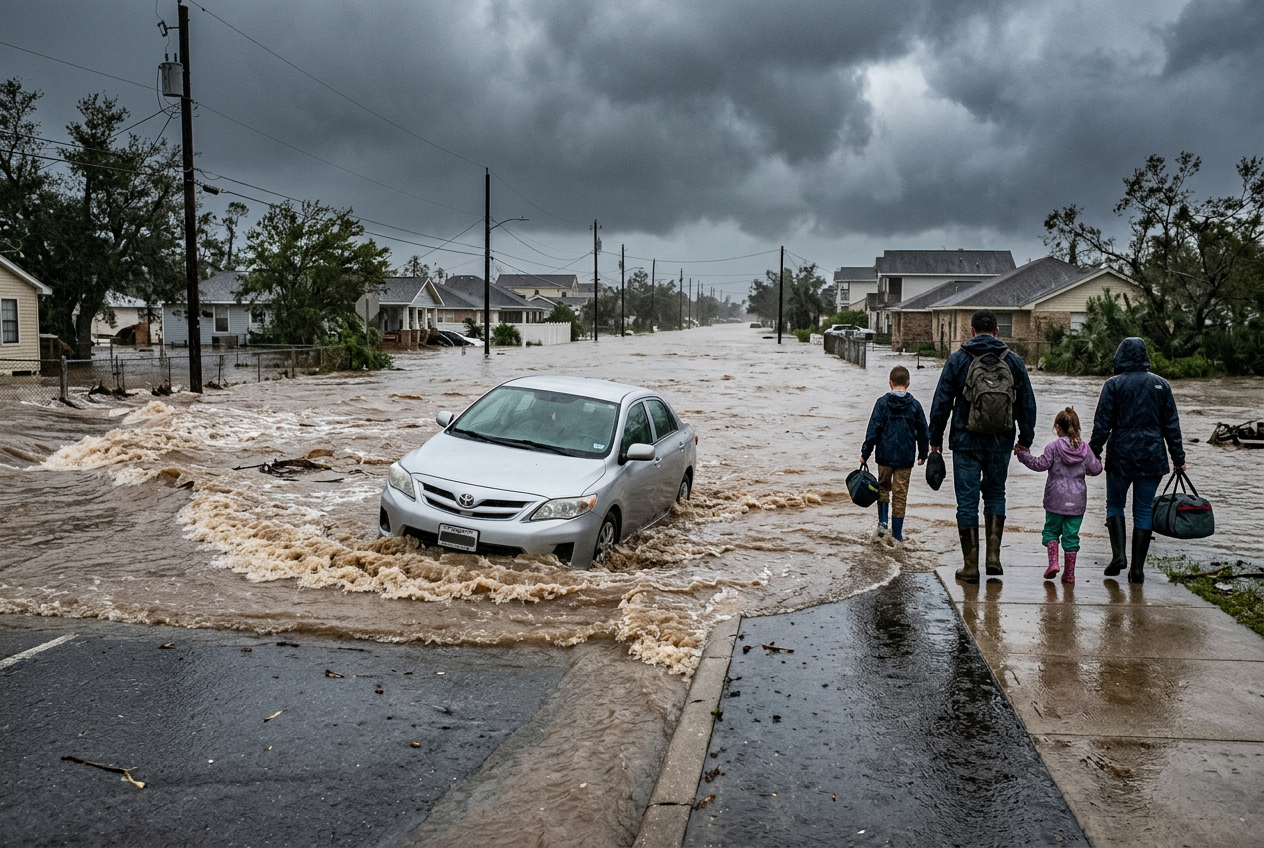
When the storm arrives, your only job is to stay safe. Your home and belongings can be repaired or replaced. You cannot. This is the time to stop working on flood barriers and focus on people.
Find Safe Shelter
If flooding starts, get to safe ground right away. Move to the highest floor of your home if you cannot leave. Take your phone and a charger with you. Stay away from windows and doors where water could break through.
Do not go into a basement or low room once water starts coming in. Water can rise fast. It can also trap you or knock out the power. If you smell gas or see sparks, leave and call for help from a safe spot.
Never Enter Flood Water
This is the most important rule. Do not walk, swim, or drive through flood water. It is more dangerous than it looks.
Just six inches of moving water can knock you off your feet. One foot of water can sweep away a car. You cannot tell how deep the water is or what is under it. Flood water can hide holes, sharp objects, sewage, and downed power lines. It can also move much faster than you expect.
If you are driving and see water on the road, turn around. Do not try to cross it. Find another way, even if it takes longer.
Know When to Evacuate
Coastal areas often get evacuation orders before a big storm. If local officials tell you to leave, go. Do not wait to see how bad it gets. Move inland before the flooding starts, while roads are still clear.
Leaving early keeps you and your family safe. It also keeps roads open for people who need help. Waiting too long can trap you in rising water or heavy traffic.
Pack your emergency kit and important papers ahead of time. Know your route out. Have a backup route in case roads flood. If you have pets, take them with you.
Monitor Official Warnings
Get your storm updates from official sources. Listen to local emergency officials and trusted weather alerts. Keep a battery or hand crank radio in case the power and cell service go out.
Watch for the difference between a watch and a warning:
- A watch means coastal flooding is possible. Get ready and stay alert.
- A warning means flooding is happening or will happen soon. Take action now.
Sign up for alerts from your city or county if they offer them. Keep your phone charged so you can get updates and reach help.
Remember What Matters
It is hard to leave your home behind. But no seawall, sandbag, or pump is worth your life. Property is replaceable. Follow evacuation orders every time. When the storm passes and it is safe, you can return and start the cleanup.
After the Water Recedes: Cleanup and Recovery
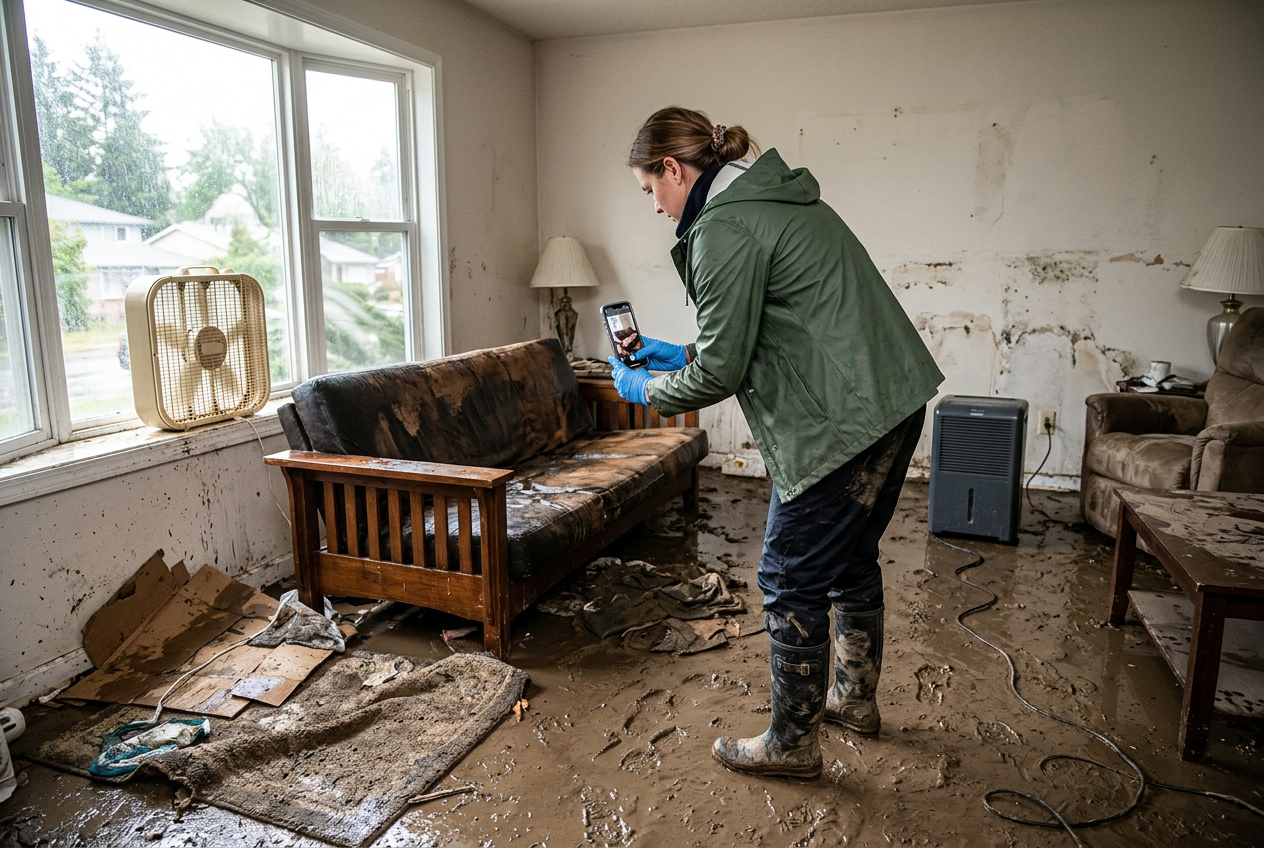
The storm is over, but the work is not. Coming home after a flood takes care. Flood water can hide many dangers. Take your time and stay safe.
Wait for the All-Clear
Do not go back until local officials say it is safe. Roads and homes may still be flooded. Even shallow water can knock you down or hide deep holes. Move slowly and watch every step.
When you reach your home, look at it from the outside first. Check for cracks, leaning walls, or damage to the roof. If the house looks unsafe, do not go in. Call a professional to check it first.
Watch for Hidden Hazards
Flood water is dirty. It can carry sewage, chemicals, and germs. Treat all flood water as if it is not clean. Wear rubber boots and gloves. Wash your hands often. Keep this water off your skin and away from your mouth.
Electricity and water are a deadly mix. If your home was flooded, do not touch switches or plugs while standing in water. If you can do it safely from a dry spot, turn off the power at the main breaker. If you cannot reach it safely, call an electrician. Never guess with electricity.
Also watch for gas leaks. If you smell gas, leave right away and call your gas company from outside.
Remove Standing Water
Once the power is safe, you can start clearing water. A portable pump helps you move water out fast. A submersible pump like the Lanchez Sump Pump can drain water down to about 1/5 inch. That gets most of the water out. A shop vacuum or mop can handle the rest.
The goal is to dry the space quickly. Mold can start to grow within a day or two. Open windows if the air outside is dry. Use fans to move air. A dehumidifier helps pull moisture from the room.
Document the Damage
Before you throw anything away, take photos and videos. Get clear shots of every damaged room and item. Write down what was ruined. This record helps with your insurance claim. Call your insurance company as soon as you can. Ask what they need from you and keep copies of everything.
Clean and Dry Out
Throw away items that soaked up dirty water and cannot be cleaned. This includes carpet, mattresses, and some furniture. Wash hard surfaces with soap and water, then use a cleaner to kill germs. Let everything dry fully before you rebuild.
Know When to Call a Pro
Some jobs are not do-it-yourself. Call a professional for cracked walls, a sagging floor, or any wiring that got wet. Structural and electrical problems can be dangerous. When in doubt, get expert help.
Coastal Home Protection Action Checklist
Use this checklist as a quick reference. You can print this page and keep it somewhere easy to find. Work through the steps before, during, and after a storm.
Before a Storm
Do these tasks early. Waiting until a storm is close leaves little time to act.
- Check your flood zone. Look up your address on the FEMA flood maps. This tells you your flood risk. If you live in a high risk area, plan for it.
- Clear your drains and gutters. Remove leaves, dirt, and trash. Clogged drains push water toward your home instead of away from it.
- Stage your flood barriers. Keep sandbags or water barriers where you can reach them fast. Reusable canvas sandbags like the LANNEY long sandbags can be filled and stacked at doors and low openings. Water activated barriers such as the Quick Dam swell up when wet and need no sand.
- Set up your pump. Have a submersible pump ready to remove water that gets inside. A portable pump like the FOTING sump pump can clear puddles and flooded floors.
- Know your evacuation route. Find the safest way inland. Write down more than one route in case roads flood.
- Pack an emergency kit. Include water, food, a flashlight, batteries, a first aid kit, medicines, and important papers in a waterproof bag.
- Move valuables up high. Put important items on upper floors or high shelves.
During the Storm
Your safety comes first. Property can be replaced. You cannot.
- Follow local officials. If they tell you to evacuate, leave right away. Move inland before flooding starts.
- Never walk or drive through flood water. Just six inches of moving water can knock you down. One foot of water can move a car.
- Stay away from downed power lines. Water and electricity are deadly together.
- Keep your phone charged. Listen for updates from local emergency services.
- Find safe shelter. If you cannot leave, get to the highest safe spot in your home.
After the Water Recedes
Do not rush back. Wait until officials say it is safe.
- Watch for hazards. Look for weak floors, broken glass, and damaged wiring. Report gas smells and stay out until checked.
- Remove standing water. Use your pump to clear water from floors and low areas.
- Take photos of the damage. Do this before you clean up. Photos help with insurance claims.
- Dry out your home. Open windows and use fans if it is safe. Wet areas grow mold fast.
- Throw out spoiled food. When in doubt, throw it out.
- Clean and disinfect. Flood water can carry waste and germs. Wear gloves and boots.
Keep this checklist handy each storm season. Review it before storms are forecast. A little planning now protects your home and your family later.
Frequently Asked Questions
What is the difference between coastal flooding and erosion?
Flooding and erosion are related but not the same. Flooding is when ocean water rises and covers land that is normally dry. It can come from storm surge, high tides, or big waves. Erosion is when waves and moving water wear away sand and soil over time. Erosion can strip a beach and move the water closer to your home. Both can happen in one storm. Recent storms in Southern California showed this. Powerful swells stripped away sand and threatened homes. Flooding damages what water touches. Erosion takes away the ground that holds your home in place.
Do sandbags fully waterproof my home?
No. Sandbags slow water down and steer it away from doors and low openings. They do not create a sealed, waterproof wall. Some water will still seep through and under them. Think of sandbags as a barrier that buys you time and reduces damage, not a leak-proof shield. For a cleaner setup, you can pair sandbags with water-activated barriers like the Quick Dam flood barrier. Always plan to remove any water that gets past your barrier. A portable pump helps with that.
How many sandbags do I need for a doorway?
It depends on the width of your door and how high you want to build. A common home doorway is about 3 feet wide. For a low barrier one or two layers high, you may need several bags placed end to end. Long tube-style bags cover more space with fewer pieces. Options like the LANNEY long sand bags are 6 feet each, so one or two can span a single doorway. Stack bags like bricks, with each layer overlapping the seams below it. Buy more than you think you need. It is better to have extra than to run short during a storm.
Can renters take these steps?
Yes. Many flood protection steps work for renters and do not change the building. You can place sandbags or reusable barriers at doors. You can move valuables to higher shelves. You can keep a portable pump ready to remove water. You can also make an emergency plan and know your evacuation route. Talk to your landlord before you do anything permanent, like drilling or installing fixed barriers. Ask who is responsible for repairs after a flood. Renters insurance often covers your belongings, but check if it includes flood damage. Standard policies may not.
When should I leave instead of protecting my home?
Your safety comes first. If local officials tell you to evacuate, go. Do not stay to defend your home. Move inland before flooding begins. Just six inches of moving water can knock you down. One foot can sweep a vehicle away. Never walk, swim, or drive through flood water. Sandbags and pumps protect property. They are not worth your life.
Next Steps for Your Coastal Home
You do not need to do everything at once. Start with a few key steps. Then build from there. The goal is simple. You want to protect your home and keep your family safe.
Recent storms show why this matters. In September 2026, powerful swells from Hurricane Marie stripped away beaches in Southern California. Laguna Beach declared a local emergency as erosion threatened homes and damaged seawalls. Storms like this can hit fast. The best time to prepare is before the water rises, not during.
Here are the three most important things to do next.
1. Check Your Flood Map Today
You cannot plan well if you do not know your risk. FEMA offers flood maps that show coastal flood zones. Look up your address and find out where you stand. This takes only a few minutes online. Knowing your risk helps you decide how much protection you need. It can also affect your flood insurance. Do this first, before you buy anything.
2. Stage Barriers Before Storm Season
Do not wait until a storm is on the way. Stores sell out fast when flood warnings hit. Buy your barriers early and keep them ready to go.
Water activated barriers are easy to store and simple to use. They stay flat and dry until you need them. Just add water and they grow to block flow. See Quick Dam water activated flood barriers for an option that needs no sand.
If you prefer sandbags, canvas tube bags are reusable and stack well at doors. Options like the LANNEY reusable sandbags can be filled and placed along low openings.
You should also have a way to remove water that gets inside. A portable pump can clear puddles and flooded floors. A submersible pump like the FOTING 1/2HP sump pump can move a lot of water fast.
Keep these items in a spot you can reach quickly. A garage or storage closet works well. Practice setting them up once so you are not learning during a storm.
3. Review Your Family Evacuation Plan
Gear helps protect your home. But your family comes first. If local officials tell you to leave, go right away. Move inland before flooding begins.
Talk with everyone in your home about the plan. Pick a meeting spot. Know your route out. Keep a bag packed with basics. Never walk or drive through flood water. Just six inches of moving water can knock you down.
Keep Learning
Coastal protection is one part of being ready. You can build on it. Read our other guides on emergency kits, power outages, and family safety plans. Each step you take makes your home a little safer.
You can print this page to keep the action checklist handy. Start today with your flood map. Then stage your barriers. Small steps now save you stress later.
Sources and Further Reading
- Floods
- Safety Tips: Before, During and After a Flood
- Flood Readiness: Simple Steps for Your Home
- Flood Safety | Flood Preparedness
- Coastal Flood Risk
- Southern California coastal damage linked to El Niño, expert says
- Powerful waves erase Southern California beaches, threaten homes
- Laguna Beach declares local emergency as coastal erosion threatens homes