Ready
Catastrophic Brevard County Flooding: What Florida Households Should Do Now (2026)
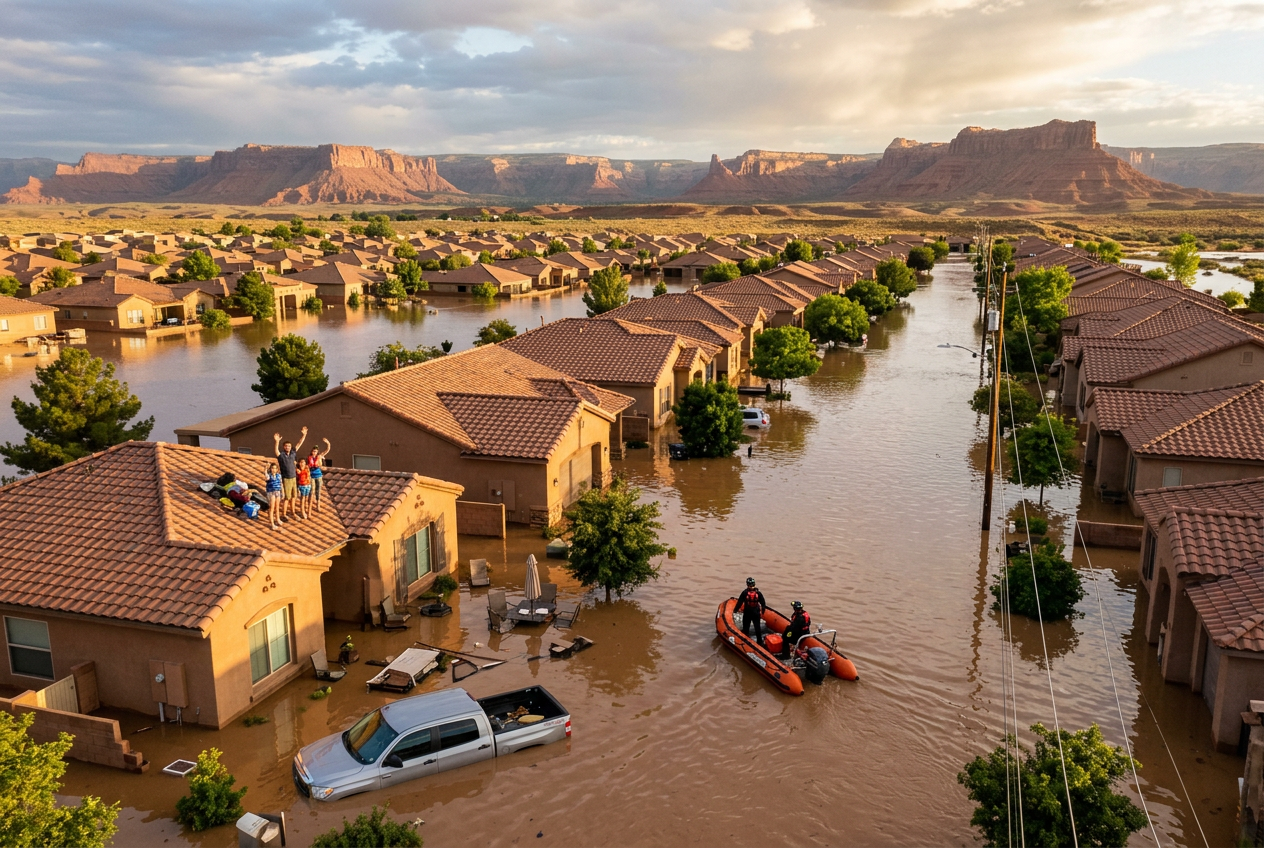
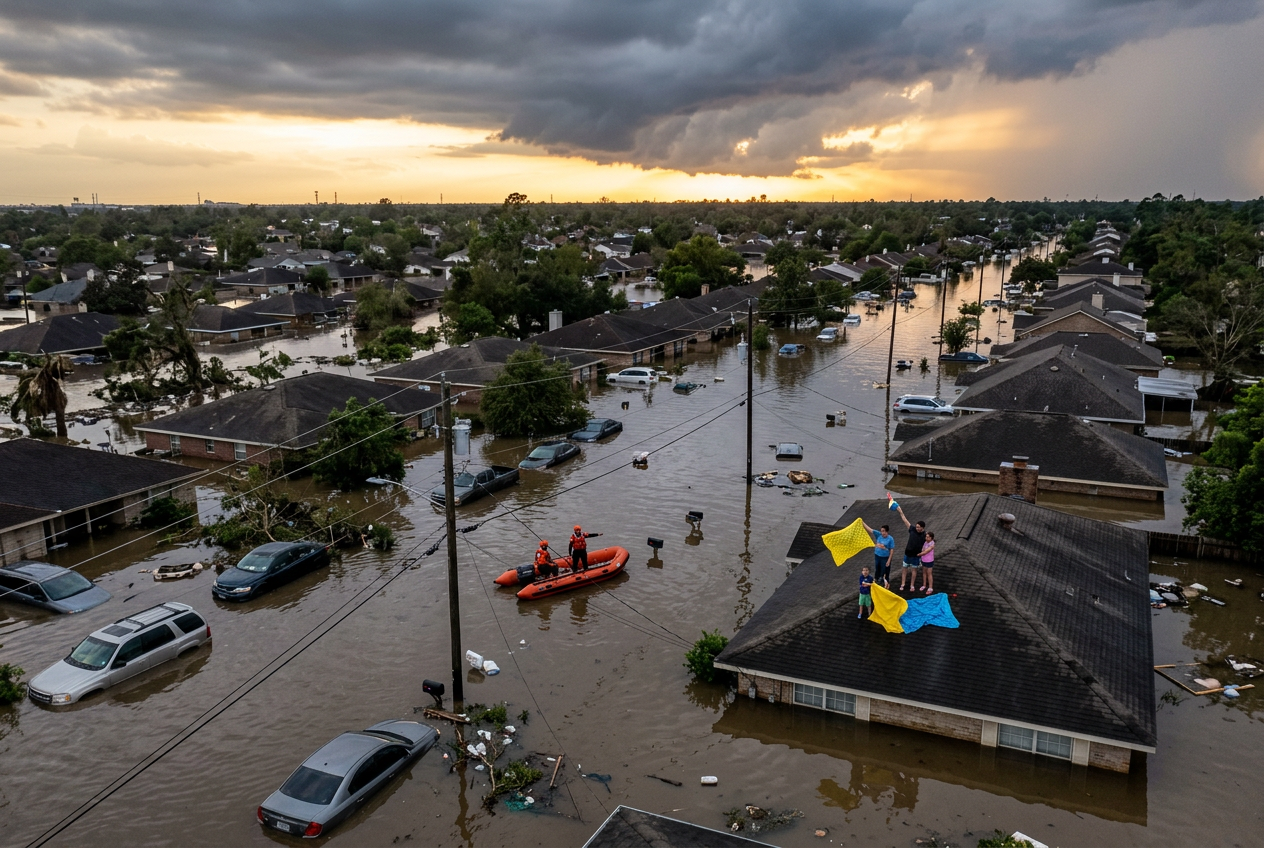
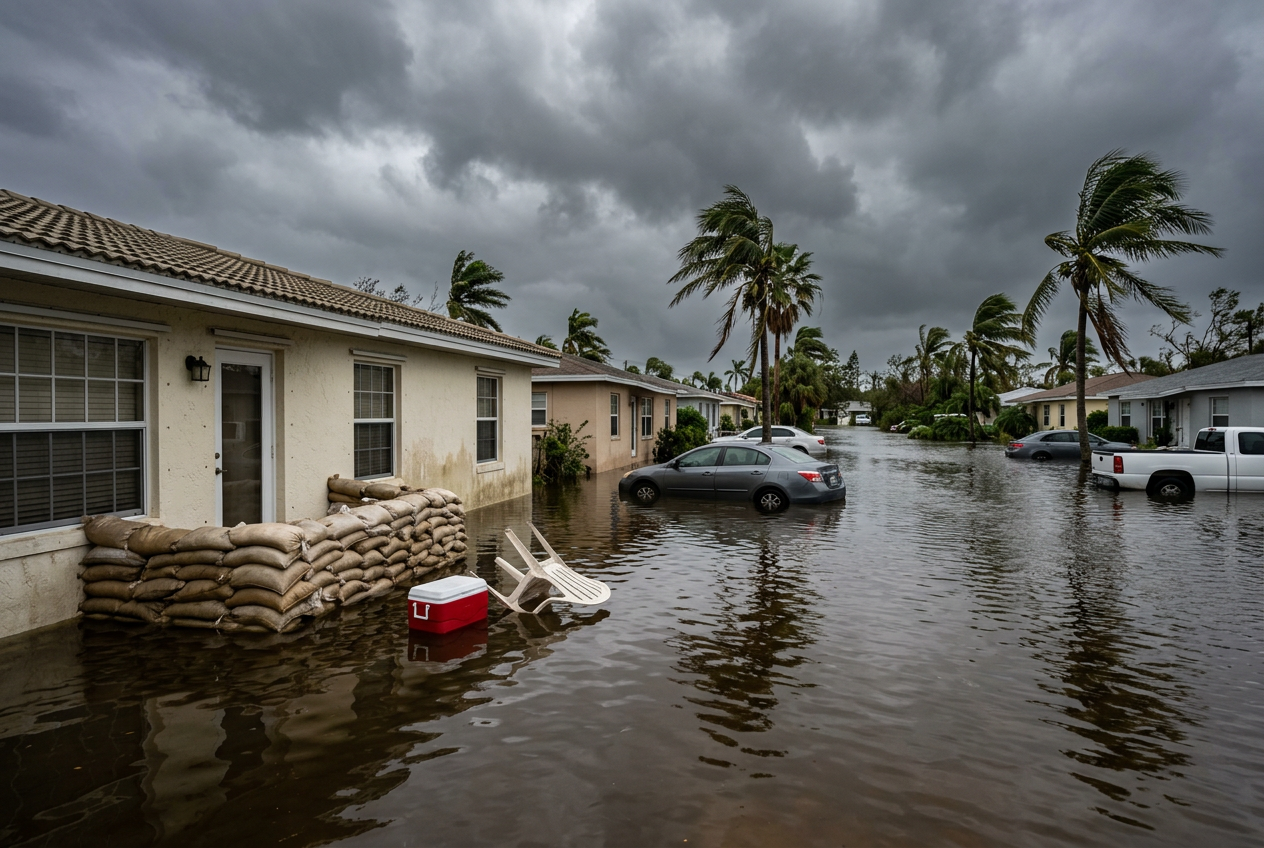
Southern Brevard County is underwater. From November 1 to 2, 2026, up to 24 inches of rain fell near Malabar. That is close to two feet of water in just a couple of days. The flooding has been catastrophic, and Florida has declared a state of emergency.
If you live in or near the flood zone, you need clear steps right now. Not next month. Today. This guide gives you those steps.
Here is what we cover. You will learn how to check if you are in a flood zone and whether you should leave. You will learn how to stay informed when the power and cell service go down. You will learn why you must never walk or drive into floodwater. You will learn what to grab if you have to evacuate fast. And you will learn how to stay safe during the first 48 hours.
This is a safety guide for right now. It is not about cleaning up or rebuilding later. That comes after you and your family are safe.
One rule matters more than anything else on this page. If local officials tell you to evacuate, go. Their order comes first. Do not wait. Do not second-guess it. Everything else here is meant to help you act fast and stay safe, not to replace what emergency officials tell you to do.
- Pack a grab-and-go kit with at least 72 hours of food, water, and first aid for every person in your home.
- Keep a hand-crank radio ready so you can hear NOAA weather alerts even when the power goes out.
- Move valuables and important papers to higher floors or seal them in waterproof bags before the storm hits.
- Have reusable absorbent pads ready to soak up water from leaks, doorways, and low spots inside your home.
- Plan your evacuation route early and know where your family will meet if you get separated.
One practical preparedness move each week. No fear-mongering, ever.


Reviewed by Marcus T., Elena V. & James W. — contributors with hands-on preparedness experience. How we test
Getting ready for flooding starts with having the right gear on hand before the water rises. Keep reading to see which items can help your household stay safe and why each one matters.

Midland Crank Weather Radio
This radio keeps you connected to NOAA weather alerts even if the power and cell service fail. It also works as a flashlight and SOS signal so you can call for help during a flood.
Check Price on Amazon
Reusable Water Absorbing Pads
These pads soak up water from leaks, doorways, and wet floors, then wring out so you can use them again and again. They help you keep floodwater out of rooms and protect your home from damage.
Check Price on Amazon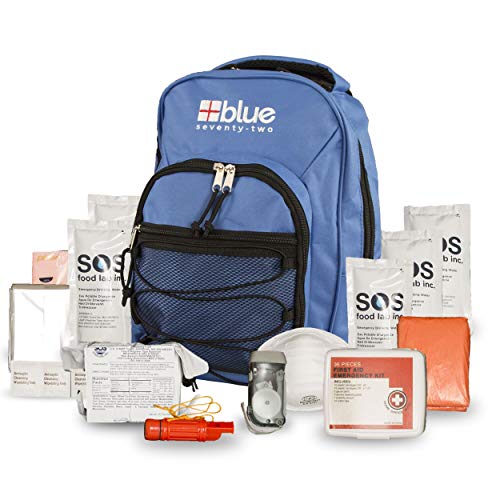
72 Hour Survival Backpack
This grab-and-go pack holds food, water, a mask, and a first aid kit for one person for three days. Keep one ready by the door so you can leave fast if you need to evacuate.
Check Price on AmazonIn this guide
Why Trust This Guide?
This article was researched and reviewed by contributors with hands-on experience in emergency preparedness. They have tested gear, built real systems, and lived through situations where these skills actually mattered.
First: Know If You’re in a Flood Zone and Whether to Leave
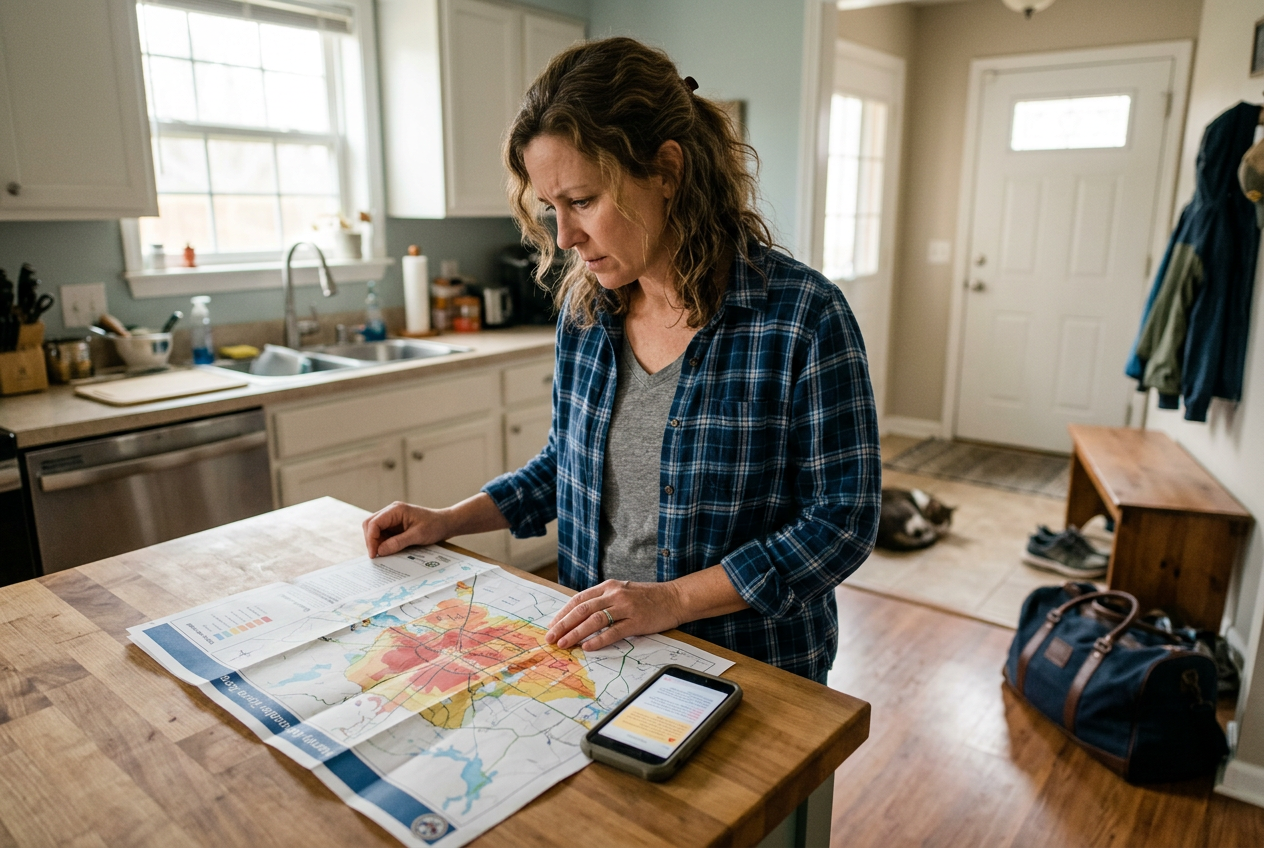
Florida has declared a state of emergency after up to 24 inches of rain fell near Malabar in southern Brevard County. If you live in or near that area, your first job is simple. Find out if you are in a flood zone. Then find out if officials have told you to leave.
Check Your Evacuation Zone Now
Every county in Florida splits neighborhoods into evacuation zones. These zones tell you how likely your home is to flood from storm surge or heavy rain. Knowing your zone is one of the most important things you can do.
Go to your county emergency management website and search for your address. This tells you your zone. Write it down or save it on your phone. Do this before a storm hits, not during one. When flooding starts, websites can get busy or go down.
If you are not sure where to look, your local health or emergency office can point you to the right tool. The goal is to know your zone and your safe shelter ahead of time.
Listen for Official Evacuation Orders
Your zone is only half the story. You also need to know when officials order people to leave. These orders come from your county and local emergency managers. They may close roads, open shelters, and tell certain zones to go.
The best way to catch these alerts is a weather radio that works even when the internet fails. A NOAA weather radio sounds an alarm when an alert is issued for your area.

This Midland model uses something called S.A.M.E. coding. That means you enter a code for your county, and the radio only alerts you to warnings that affect your area. You can set it for your county and nearby ones too. That way you are not woken up for alerts far away, but you still hear the ones that matter.
Leave Early If You Are in a Flood-Prone Area
If you live in a flood-prone spot or a storm surge zone, do not wait. Plan to leave early, before the worst weather arrives. Roads flood fast. Once water covers them, leaving becomes dangerous or impossible.
Leaving early also means less traffic and more open shelters. Waiting until the last minute puts you and your family at risk.
Find Shelters and Safe Routes Ahead of Time
Before you need to go, do two things. First, find the nearest safe shelter. Your county emergency management website lists open shelters during an event. Second, map out how to get there. Pick a main route and a backup route in case roads are blocked or flooded.
Share this plan with everyone in your home. Make sure each person knows the zone, the shelter, and the way there. A plan you made calmly beats a choice made in a panic.
Stay Informed When Power and Cell Service Fail
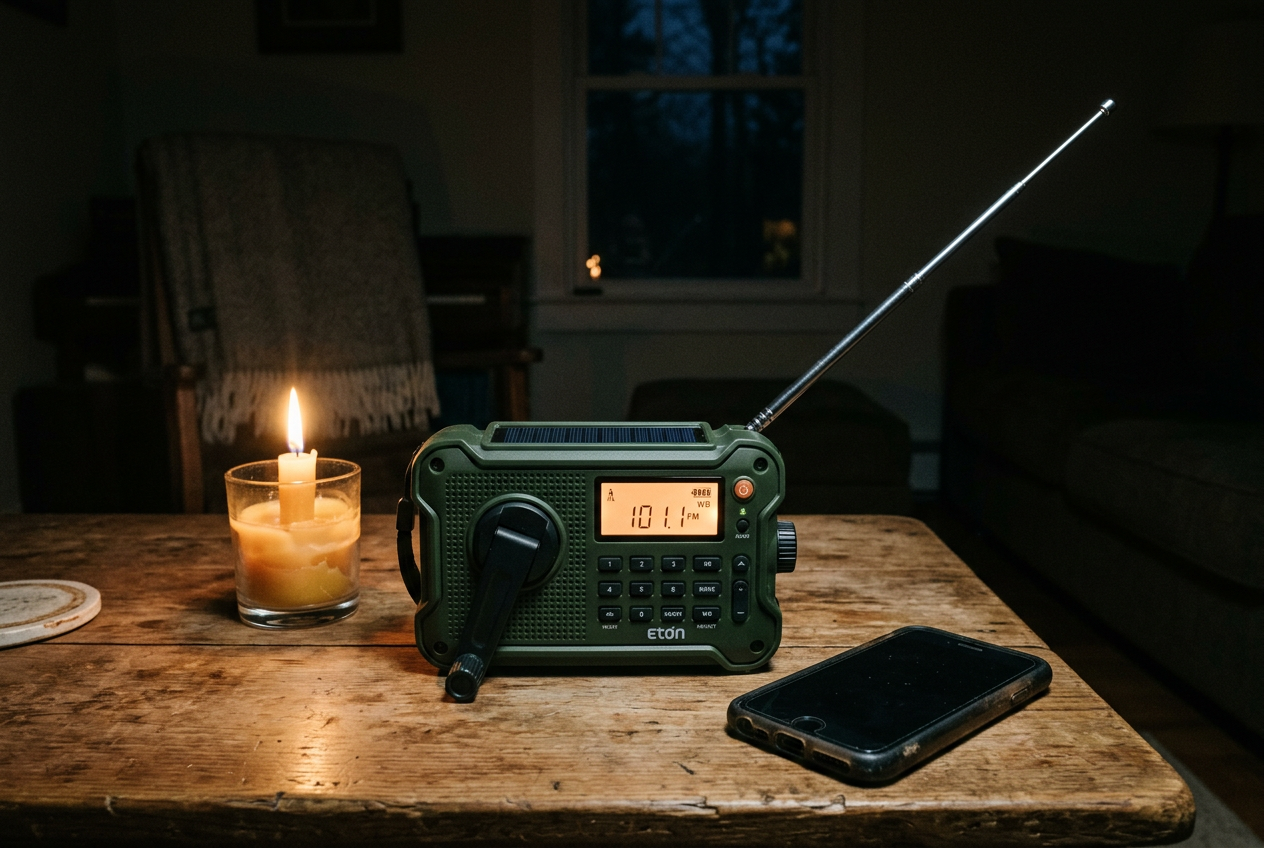
During a flood, the power can go out fast. Cell towers can fail too. When that happens, your phone may stop working. You could miss new evacuation orders or flood warnings. That is why you need a way to get news without the grid.
A hand-crank or solar radio is the answer. These radios do not need wall power. You charge them by turning a crank or by setting them in sunlight. Some also take batteries. This means you can keep listening even when everything else is dead.
What NOAA Weather Alerts Are
NOAA stands for the National Oceanic and Atmospheric Administration. It is part of the government. NOAA runs a radio service that broadcasts weather all day and night. It sends out alerts for storms, heavy rain, and flooding.
Many emergency radios can pick up these NOAA channels. Some have a feature that sounds an alarm when a new alert comes in. This is useful at night or while you sleep. You hear the warning right away.
During the Brevard County flooding, rainfall was extreme. Up to 24 inches fell near Malabar in just a couple of days. A state of emergency was declared. In fast-moving events like this, warnings can change by the hour. A NOAA radio helps you catch those changes even when your phone is down.
Two Radios Worth Knowing
Look for a radio with more than one power source. Crank, solar, and batteries give you backup options. Many also have a flashlight and a way to charge your phone. That last part matters. If your phone still works, a radio with a power bank can give it a little more life.
The Midland ER310 is one option. It runs on several power sources. It has an SOS flashlight and scans NOAA weather channels with alerts. It even has a loud dog whistle sound to help rescuers find you.
Another choice, based on the manufacturer’s listed specifications, has a solar panel and a hand crank. It picks up AM, FM, and weather bands. The maker lists a built-in 2000mAh power bank. That lets you give a small charge to a phone or tablet. It also has a flashlight and a reading light, so you are not left in the dark. It comes with a 3-in-1 charging cable.

How to Use It Well
Charge your radio before the storm, if you can. Crank it up or set it in the sun. Keep spare batteries nearby if yours uses them. Turn it on when the power goes out and scan the weather channels.
Keep the radio dry. Put it in a sealed plastic bag when you move it. Write down your local news station numbers too. If the NOAA alert feature is off, turn it on so you do not miss a warning.
Never Walk or Drive Into Floodwater
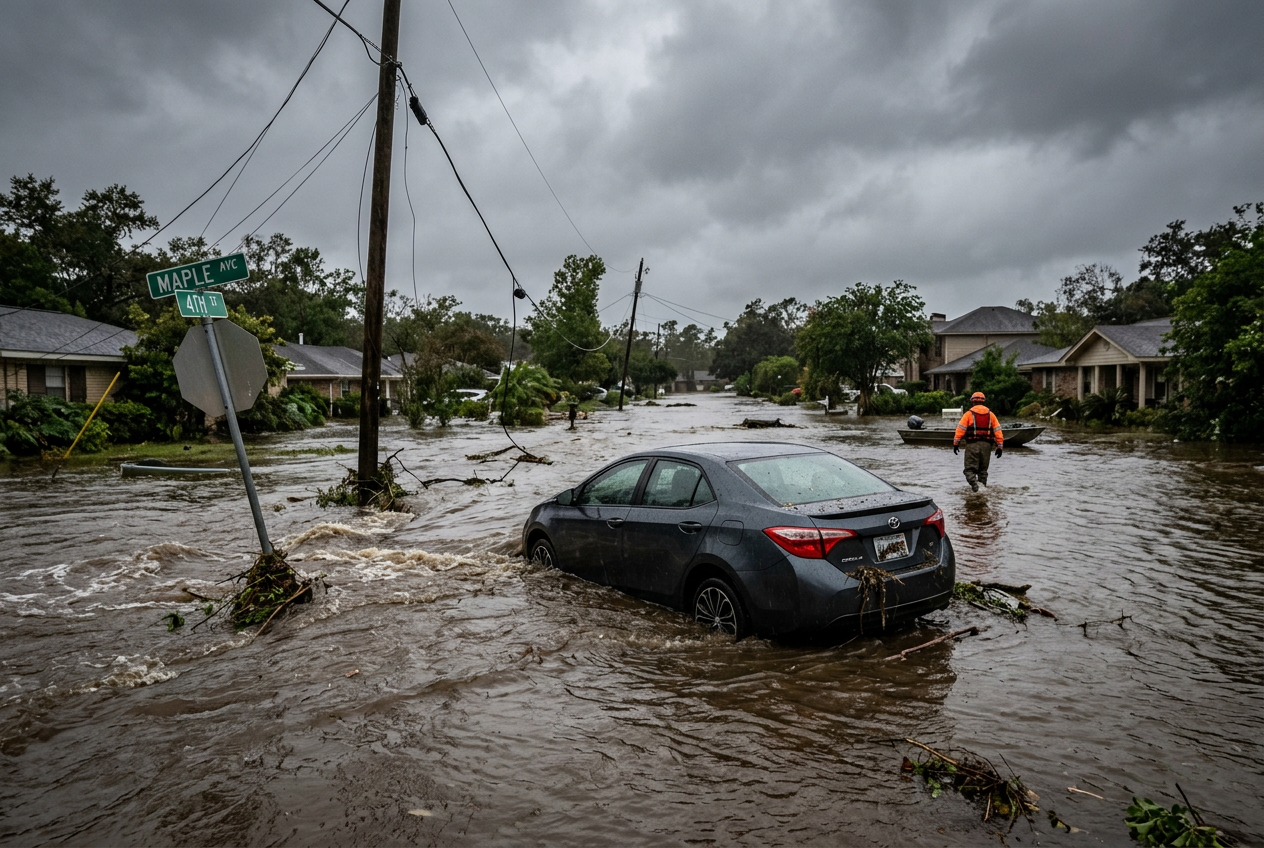
Floodwater looks calmer than it is. You cannot tell how deep it is just by looking. You also cannot see what is under it. The safest choice is simple. Stay out of the water. Do not walk into it. Do not drive into it.
Why Even Shallow Water Is Dangerous
It does not take much water to hurt you. Even shallow moving water can knock a grown adult off their feet. Once you fall, the current can pull you away fast.
Cars are not safe either. It takes surprisingly little moving water to float and carry away a vehicle, including trucks and SUVs. Once water lifts your tires, you lose control. The water decides where you go, not you.
This is why experts say “Turn Around, Don’t Drown.” If you reach a flooded road, turn around. Find another way. A few extra minutes on a dry route is always better than risking your life.
Hidden Dangers You Cannot See
Floodwater hides many threats. Here are the big ones.
- Downed power lines. Water carries electricity. A fallen line can make the water around it deadly. You cannot tell if water is charged by looking. Stay far away from any downed lines.
- Contamination. Floodwater often mixes with sewage, chemicals, and gas. It can carry sharp trash and bacteria. Touching it can make you sick. Never let children or pets play in it.
- Hidden holes and debris. The road may be washed out under the water. Covers can be gone, leaving open drains. You could step into a deep hole without warning.
- Fast-moving current. Water that looks still on top can rush underneath. Do not trust calm-looking water.
If your skin touches floodwater, wash it with clean water and soap as soon as you can.
If Your Car Is Caught in Rising Water
Try hard to never get into this spot. But if water rises around your car, act fast.
- Do not drive into deeper water. If you see water ahead, stop and back away if you can.
- If water is rising around you, leave the car right away. Do not wait. A car can fill or float in seconds.
- Move to higher ground. Walk to the highest, driest spot you can reach. Stay away from the water’s edge.
- If you cannot get out and water is rising, climb onto the roof. Call 911 if your phone works. Wave or shout to signal for help.
Do not stay in a sinking car to save it. A car can be replaced. You cannot.
The main rule is easy to remember. When you see floodwater, turn around. Protect yourself first. No trip, errand, or shortcut is worth your life.
Grab-and-Go: What to Take If You Evacuate
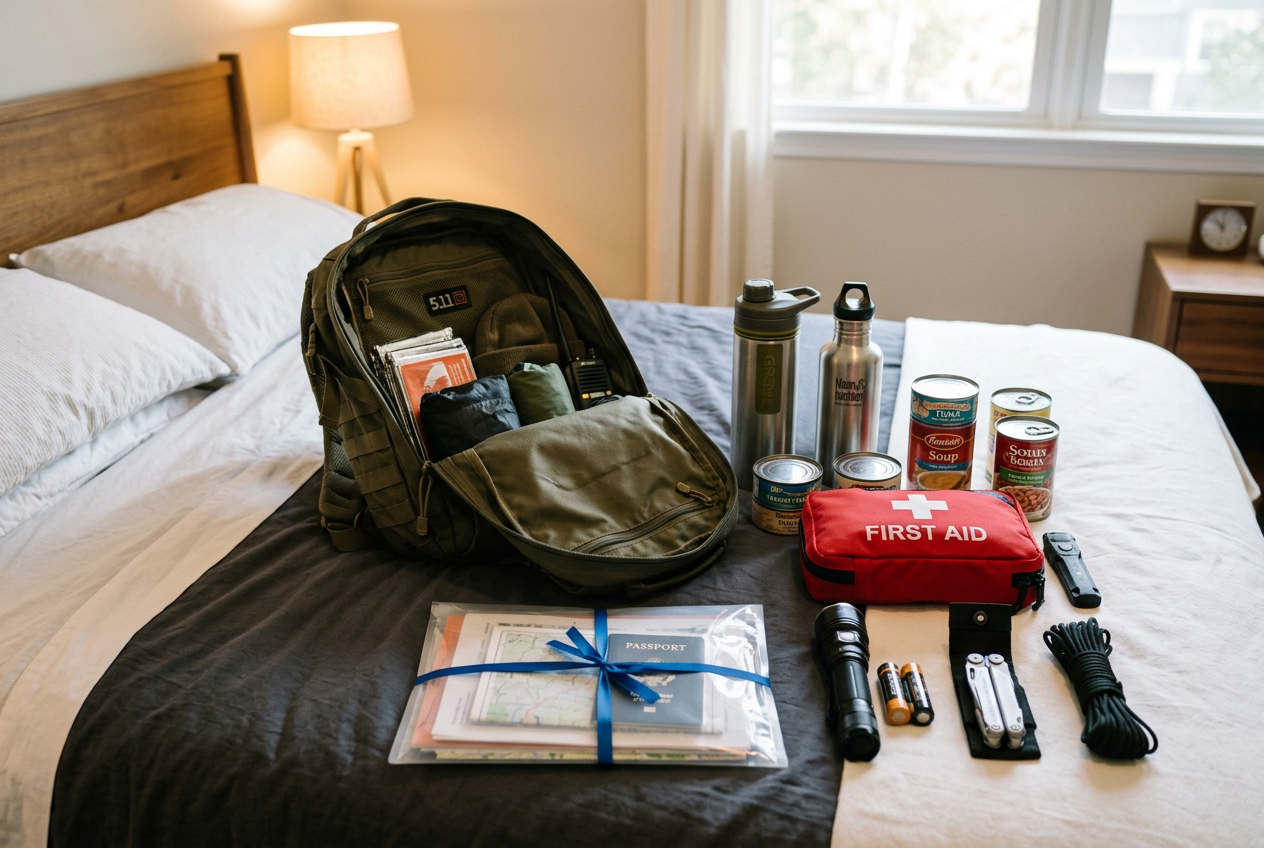
When officials tell you to leave, you may have very little time. A packed bag by the door means you can go fast. This bag is often called a “go-bag” or a 72-hour kit. The name 72-hour means it holds enough to keep one person going for three days. That is the window you often need to reach safety and get help.
The Three Survival Essentials
Keep three basics at the top of your list: food, water, and shelter.
- Water. Pack drinking water for each person. You need it even if you are only gone a short time.
- Food. Bring food that does not need cooking or a fridge. Food bars and canned goods work well.
- Shelter. This means things that keep you warm and dry. An emergency blanket and a rain poncho are small but help a lot.
Add a few more items that matter in a flood. Bring a first aid kit. Pack a flashlight, ideally a hand-crank one so you never run out of batteries. Add a whistle to call for help. Bring any daily medicines. Pack a phone charger and a backup battery if you have one.
Don’t Forget Your Documents
Floodwater can ruin paper. Before you leave, grab your important papers. Put them in a zip-close plastic bag to keep them dry. These include your ID, insurance papers, and any medical records you may need. Phone photos of these papers are a smart backup too.
If You Haven’t Built a Kit Yet
Building a bag from scratch takes time you may not have. If a storm is close and you have nothing packed, a ready-made kit is a fast fix. These kits come with the basics already inside, so you just grab and go.
The Blue Seventy-Two kit is a simple starting point for one person. It holds a 2,400 calorie food bar, drinking water pouches, a 36-piece first aid kit, a crank flashlight, a whistle and compass, an emergency blanket, and a rain poncho. That covers the three Red Cross essentials in one backpack.
If you want a larger bag with a few extra items, the Pro Series version adds a bigger tactical-style backpack, a canteen cup, and water tablets. The water tablets let you treat more water if your pouches run low. It holds the same core food, first aid, and shelter gear as the standard kit.

A pre-made kit is a base, not the full answer. You still need to add your own medicines, documents, phone charger, and water for each person. Make one bag per person in your home. Set them by the door you use most, so grabbing them takes seconds when it counts.
Comparison: Choosing the Right Gear for Flood Readiness
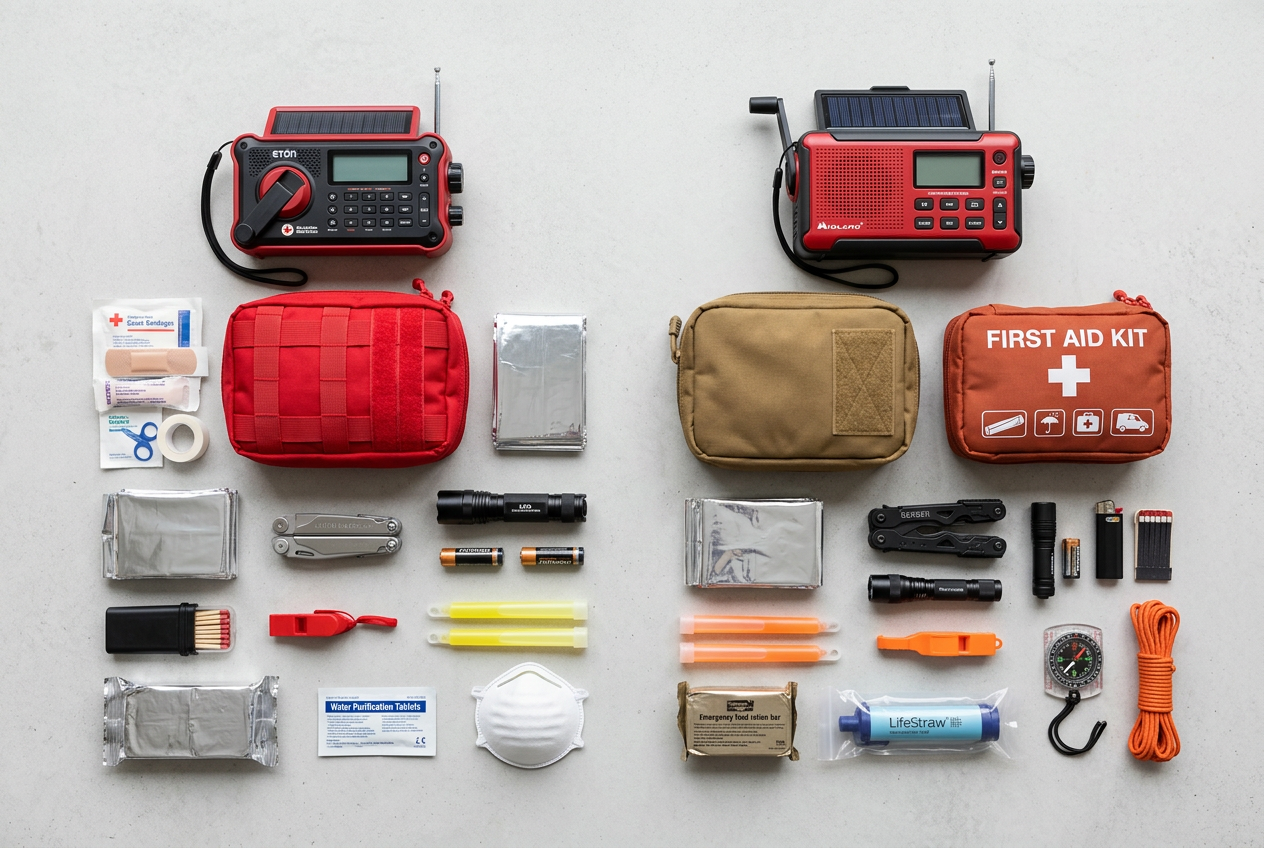
When floodwater and power outages hit, the right gear helps you stay informed and ready to move. This section lines up the radios and emergency kits from this guide side by side. That way you can pick fast without more research. Each item fits a different need, so think about what your household is missing.
Weather Radios
A weather radio keeps you updated when cell service drops. During a flood emergency like the one in Brevard County, NOAA alerts can warn you about new rain or rising water. Look at how each radio gets power and what alerts it can give.
The Midland ER310 has many power sources and a built-in flashlight. It also scans NOAA weather channels. The Midland WR120B is a desk-style radio with S.A.M.E. localized alerts. That means it can warn you only when your county is in danger. The solar hand-crank NOAA radio adds a 2000mWh power bank. You can use it to charge a phone during an outage.
Emergency Kits
An emergency kit gives you food, water, and first aid in one grab-and-go bag. This matters if you must leave fast. Both kits here cover one person for 72 hours, which is three days.
The Blue Seventy-Two kit packs food bars, water pouches, a first aid kit, a crank flashlight, and a poncho. The Pro Series Red Deluxe kit includes the same basics plus a larger backpack, a canteen cup, and water tablets.
How to Pick
If you want localized alerts for your county, the WR120B is the clear choice. But it needs power, so it works best as a home base radio. For a portable option you can take with you, the ER310 or the solar hand-crank radio both run without wall power. The solar radio is handy if you also need to charge a phone.
For a ready-made bag, start with the Blue Seventy-Two kit. Step up to the Pro Series if you want a bigger pack and a few extra tools. You can pair any kit with a radio to cover both alerts and supplies.
Remember, a kit is a starting point. Add your own water, medicine, and documents to match your household.
Protecting Your Home When You Can’t Leave
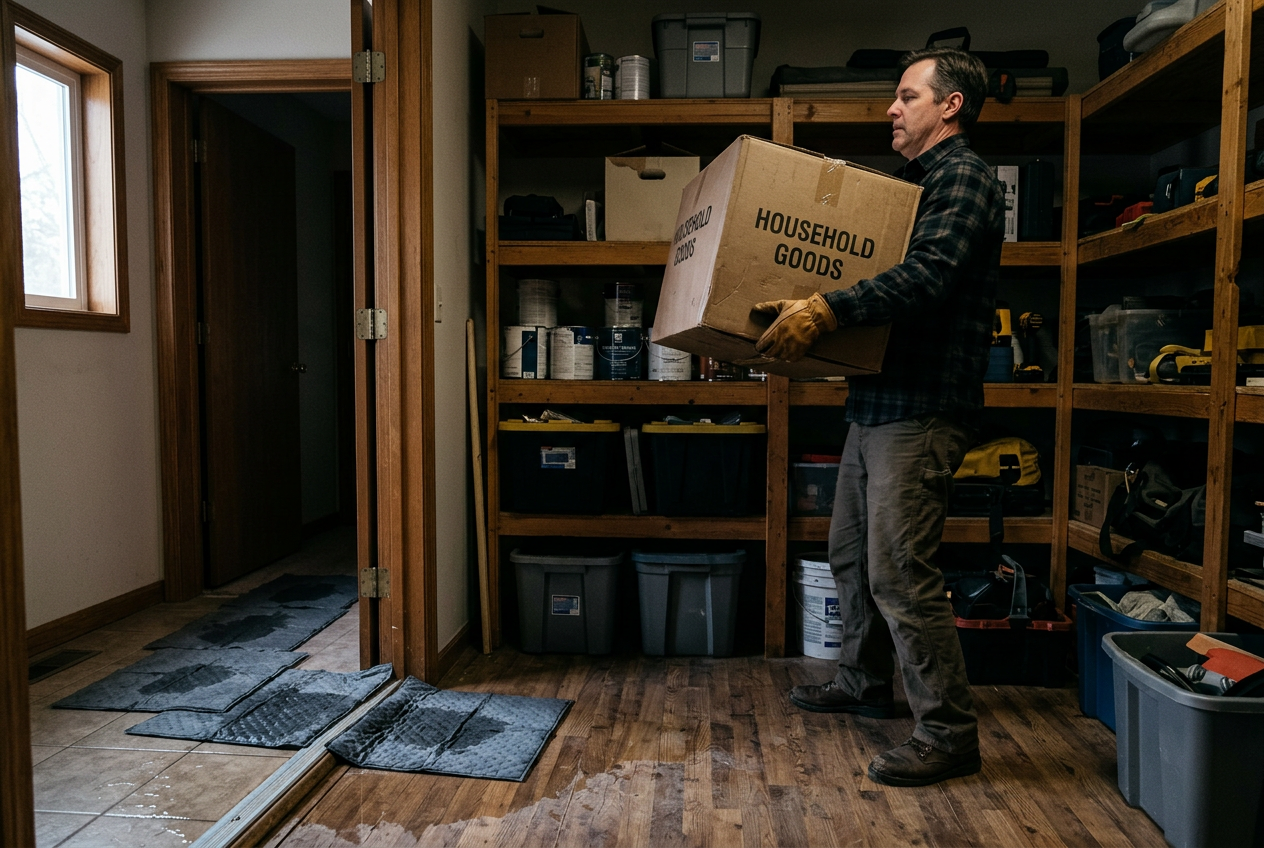
Sometimes you cannot evacuate. Maybe the water rose too fast. Maybe roads are blocked. If you are staying put, stay calm and work through a few simple steps. These steps help protect your home and keep you safer while you wait for help.
Move Valuables Up High
Water comes in low and spreads fast. Move what you can to higher ground inside your home. Lift important papers, medicine, and electronics onto counters, shelves, or upper floors. Put them in sealed plastic bags or bins if you have them. Move small furniture and rugs up too. You do not need to save everything. Focus on items you cannot replace and things you will need in the next few days.
Shut Off Utilities Only If Told To
Water and electricity are a dangerous mix. If local officials or your utility company tell you to shut off power, gas, or water, follow those directions. Never touch an electrical panel if you are standing in water or if your hands are wet. If you smell gas, leave the area and do not flip any switches. If you are not sure how to shut something off safely, wait for guidance. When in doubt, call a professional. Do not guess.
Control Water at Doorways and Under Appliances
Small amounts of water can still cause damage. You can slow it down while you wait. Block low doorways where water sneaks in. Lay absorbent material flat under sinks, dishwashers, and washing machines where pooling starts. This buys you time and keeps floors a little drier.
Reusable absorbent pads are a handy tool for this. You lay them along a doorway or under a leaking appliance to soak up water. When one fills up, you wring it out by hand, let it air dry, and use it again. That means you are not burning through towels and paper towels during a long event. One box covers several problem spots at once, like a doorway, an under sink cabinet, and a garage floor.
These pads are for minor leaks and small pooling. They are not a flood wall. They will not stop deep or fast moving water. If water is rising inside your home, move to a higher floor and call for help. Do not risk your safety to save your floors.
Stay Ready to Move
Keep your shoes on. Keep a flashlight, your phone, and your go bag close. If water keeps rising, be ready to move up or out quickly. Watch the water level and trust what you see. A home can be cleaned and repaired. You cannot be replaced. Protecting your home matters, but your safety always comes first.
The First 48 Hours: Staying Safe and Reachable
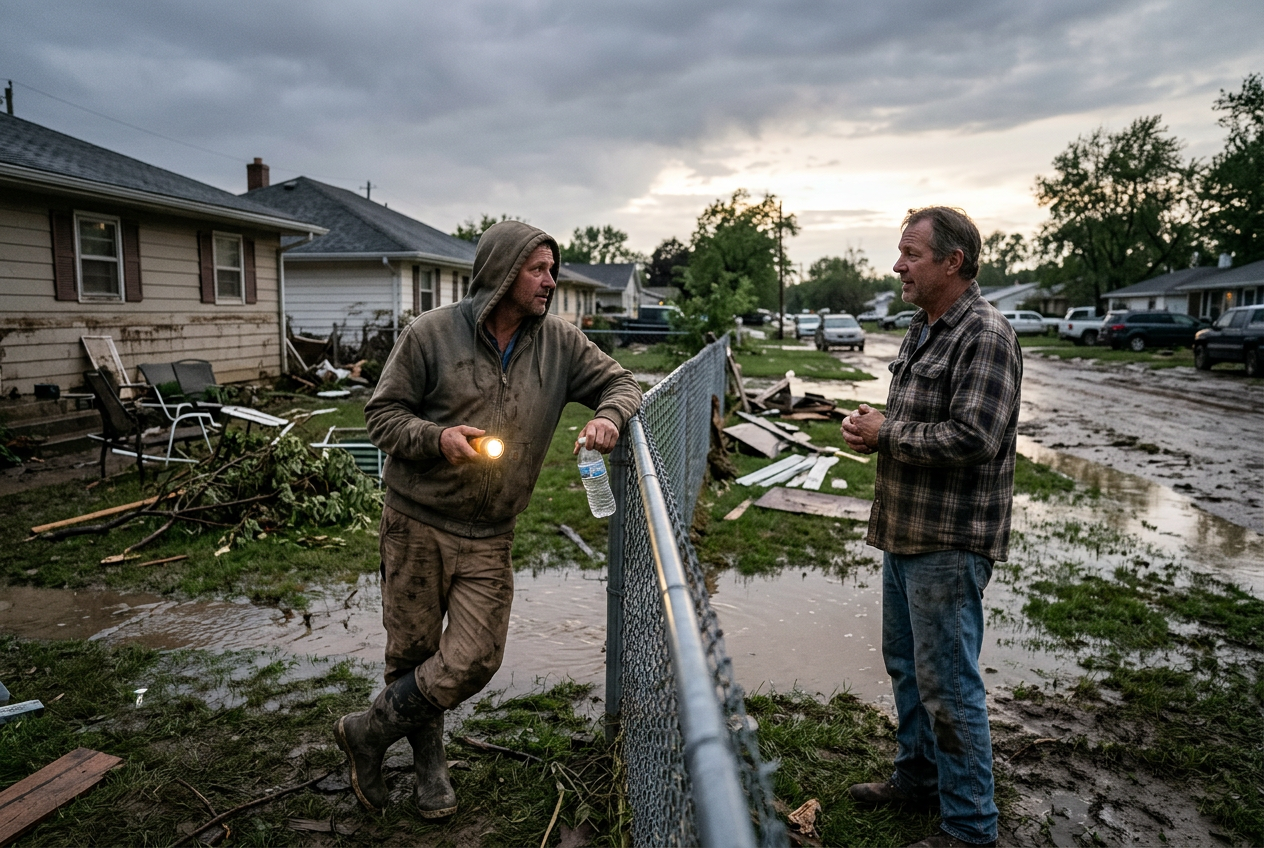
The worst of the flooding may have passed, but the danger is not over. The first two days after a flood are when many people get hurt. Here is how to stay safe and reachable.
Treat All Tap and Well Water as Unsafe
Floodwater can pick up sewage, chemicals, and dirt. When it rises high enough, it can get into water lines and private wells. That means your tap water or well water may not be safe to drink, even if it looks clear.
Until local officials say your water is safe, do not drink it. Do not use it to brush your teeth, make ice, or wash dishes. Use bottled or stored water instead. If you run out, listen for a local boil-water notice. A boil notice tells you to bring water to a rolling boil before using it. Follow your local boil-water notice instructions, since rules can change day to day.
If you have a backup supply, now is when it matters. An emergency kit like the Blue Seventy-Two survival backpack includes sealed drinking water pouches and food bars, which helps while you wait for word that your tap is safe.
Make Your Phone Battery Last
Cell service may be spotty. Save your battery so you can reach help and get alerts.
- Turn on low power or battery saver mode.
- Lower your screen brightness.
- Close apps you are not using.
- Keep the phone in your pocket, not out in the rain.
- Send a short text instead of calling. Texts often go through when calls fail.
A hand-crank radio with a built-in power bank can top off your phone when the power is out. The solar hand-crank NOAA radio has a crank, a solar panel, and a USB port, so you can keep weather alerts and your phone going.
Check on Neighbors, but Stay Smart
Flooding is hardest on older adults, people with health problems, and anyone living alone. If it is safe to step outside, knock on a few doors and ask if people are okay. Do not wade through standing water to do it. Stay on dry ground.
Watch for downed power lines and do not touch them. Report them to your utility or 911. Keep away from any water that may be touching a power line, since that water can carry a shock.
Stay Put Until Roads Are Cleared
It is tempting to drive out and check on things. Do not do it yet. Roads may be washed out, blocked, or still underwater. Wait until local officials say the roads in your area are safe. Early travel gets in the way of rescue crews and puts you at risk.
Keep your weather radio and phone close. Follow your county emergency office and local news for the all-clear. When officials say it is safe to move, you can start checking on your home and getting back to normal.
Frequently Asked Questions
Is my tap water safe after flooding?
Do not assume it is safe. Flooding can damage water lines and let in contamination. If your local officials issue a boil water notice, follow it and bring tap water to a rolling boil before you drink it, cook with it, or brush your teeth, following the time your notice specifies. Let it cool first.
If you cannot boil water, use bottled water instead. Store an emergency supply now so you are not caught short. A grab-and-go kit like the Blue Seventy-Two emergency backpack includes sealed drinking water pouches with a long shelf life. Keep using safe water until officials say the tap is clear.
When can I drive again?
Wait until local officials say roads are open and safe. Floodwater can hide washed-out pavement, deep holes, and downed power lines. Water may still be rising even after the rain stops.
Never drive around barricades or into standing water. According to NWS guidance, about 1 foot (12 inches) of moving water can carry away many cars. If a road looks flooded, turn around and find another way. Many flood deaths happen in vehicles. Give crews time to clear debris and check bridges before you head out.
How do I get weather alerts if the power is out?
Plan for this before the power fails. Your phone may lose signal, and cell towers can go down. A battery-free weather radio keeps you informed when other tools stop working.
Look for a radio that works without wall power. The solar and hand-crank NOAA weather radio runs on a crank, solar panel, or AAA batteries. It also has a built-in light and can charge a phone. For home use, the Midland WR120B can be set to alert you only for your county, so you hear warnings that matter to you.
Keep your phone charged while you still have power. Lower the screen brightness to make the battery last. Write down the radio frequency for your local NOAA weather station.
What should I do if I missed the evacuation order?
If water is already around your home and roads are flooded, it may be too dangerous to leave. Moving through floodwater on foot or by car can be deadly. Stay put and get to the highest safe spot in your home.
Call for help if you can. Dial 911 and tell them your exact location and how many people are with you. If you cannot get through, keep trying. A weather radio or hand-crank radio with an SOS alarm can help rescuers find you.
Do not go into an attic unless you have a way to get out onto the roof. Bring a flashlight, your phone, and a whistle so you can signal for help. Move to the roof only if water keeps rising. Stay calm, stay visible, and wait for rescue crews.
Your Flood Action Checklist and Next Steps
You have a lot to track during a flood. This short checklist pulls the key steps into one place. You can print this page and keep it near your door or inside your go-bag.
Quick Flood Action Checklist
- Know your zone. Find out if your home sits in a flood or storm surge area. If you live in southern Brevard County near Malabar or any flood-prone spot, treat your zone as a priority.
- Follow official orders. If local officials tell you to leave, leave early. Do not wait to see how bad it gets. Early moves keep roads clearer and keep you safer.
- Keep a radio powered. Cell service and power can fail during big storms. A battery, crank, or solar weather radio keeps you in touch with alerts. Charge it now and test it before you need it.
- Never walk or drive into floodwater. You cannot judge how deep it is or how fast it moves. Turn around and find another route.
- Keep a go-bag ready. Pack water, food, a first aid kit, medicine, and important papers. Keep it by the door so you can grab it fast.
A Radio You Can Count On
A good weather radio is one of the simplest tools you can own. The Midland ER310 runs on several power sources and scans NOAA weather channels. If you want a model that also charges a phone, the
Your Next Steps
Do not wait for the next storm to get ready. Take these three steps this week.
1. Sign up for county alerts. Most Florida counties, including Brevard, send free emergency alerts by text, call, or email. Search your county name plus “emergency alerts” and enroll your phone. These messages tell you about evacuation orders and rising water in your area.
2. Build or buy your kit. You can gather supplies at home or start with a ready-made kit. A pre-packed option like the
3. Make a family plan. Pick a meeting spot and a safe place to go if you must leave. Share your plan with everyone in the house. Agree on how you will reach each other if phones go down. Keep at least three days (72 hours) of water and supplies on hand per person, matching the Red Cross standard used elsewhere in this guide.
Floods move fast. The steps above give you a clear path to follow before, during, and after the water rises. Print this page, set up your alerts, and get your kit ready today. A little work now keeps your family safer when the next storm comes.
Sources and Further Reading
- Hurricane Season: June 1 - November 30
- Hurricane Preparedness and Safety Tips in 2026
- Hurricane Preparedness Guide 2026: Protect Your Home
- Here’s the next tip in our hurricane season safety series. …
- Hurricane Preparedness
- Florida declares emergency after catastrophic flooding in southern Brevard County
- Town of Lincoln Declares State of Emergency Following Historic Flooding