Seasonal Home Maintenance Checklist: A Month-by-Month Guide for Every Household (2026)
A clogged gutter does not seem like a big deal. Then a heavy storm hits. Water backs up, spills over, and pours down your walls. A dirty furnace filter does not seem urgent either. Then the first cold snap arrives, and your heater struggles when you need it most.
These are not rare disasters. They are small, common failures. And most of them are easy to prevent. The trick is catching them before the weather turns bad.
That is what home maintenance really is. It is a core part of being ready for whatever comes. When you keep up with small tasks, you avoid big surprises. You save money. You keep your home safe and warm.
The problem is that most people do not know where to start. There are so many tasks, and they all feel random. This guide fixes that. It breaks the year into four seasons and twelve months. Each month has a short list of simple jobs. You do not need special skills. You just need a plan you can follow.
Below, you will find spring, summer, fall, and winter tasks, tips on tools, and answers to common questions. The action checklist is included on this page; you can print the page for a copy to keep at home.
Let’s turn home upkeep into an easy habit, one month at a time.
- Break tasks into a month-by-month plan so nothing piles up in one weekend.
- Change your HVAC filter every 1 to 3 months to keep air clean and your system working well.
- Clean gutters at least twice a year, in spring and fall, to stop water damage.
- Test smoke and carbon monoxide detectors monthly and swap the batteries at least once a year.
- Keep spare filters, batteries, and cleaning tools on hand so you are ready when each season comes.



Reviewed by Marcus T., Dale M. & Elena V. — contributors with hands-on preparedness experience. How we test
A little planning now keeps your home running smoothly all year. Grab these few basics before you start, then read on to see how each one fits into your monthly routine.

Filtrete 16x25x1 Filter 6-Pack
Fresh filters trap dust and lint so your furnace and AC run cleaner and easier. Having a 6-pack means you can swap one every couple of months without running out.
Check Price on Amazon
Orbit Telescoping Gutter Wand
This pole extends up to 70 inches so you can rinse out gutters safely from the ground. Clean gutters carry rain away and protect your roof and walls.
Check Price on Amazon
Amazon Basics 9V Batteries 8-Pack
Smoke and carbon monoxide detectors only protect you when their batteries are fresh. This 8-pack lets you replace them on schedule and keep a few in your emergency kit.
Check Price on AmazonIn this guide
Why Trust This Guide?
This article was researched and reviewed by contributors with hands-on experience in emergency preparedness. They have tested gear, built real systems, and lived through situations where these skills actually mattered.
How to Use This Month-by-Month Checklist

This guide breaks home care into four seasons. Each season covers three months. Spring runs March through May. Summer runs June through August. Fall runs September through November. Winter runs December through February. Inside each season you will find simple tasks. Some are quick. Some take a weekend. None need special skills.
You do not have to do everything at once. That is the whole point. Spreading tasks across the year keeps the work small. A little effort each month beats one giant cleanup day. It also helps you catch problems early. A loose gutter or a dead smoke alarm battery is easy to fix now. It is much harder to fix after it fails.
Put the tasks on your calendar
Pick one day each month to check the list. The first Saturday works well for many people. Or tie it to a bill you already pay. When you sit down to pay rent or a mortgage, open the checklist too. That way you never forget.
Start with just two or three tasks each month. Do the ones that matter most for your home. If you have trees near the roof, clean gutters first. If your home has a furnace, check the filter first. You can add more tasks later once the habit sticks.
Some tasks repeat often. For example, you should replace a furnace filter about every three months, and once a month during heating season. Keep a small stack of filters on hand so you are ready. Batteries for smoke alarms are another repeat task. Test them often and swap them once a year.
Adjust for your climate and home type
This checklist is a starting point, not a strict rule. Your timing may shift based on where you live and what kind of home you have.
If winters come early in your area, do your fall tasks sooner. If you rarely get freezing weather, some winter tasks may not apply. Renters may skip outdoor jobs their landlord handles. People in apartments may not have gutters or a furnace at all. Read each task and ask one simple question. Does this apply to my home? If not, skip it and move on.
Print the checklist from this page
The section called “Your Printable Action Checklist” below contains the checklist itself. Use your browser’s Print command to print the page or save it as a PDF. There is no separate download to find.
Print it and stick it on the fridge or inside a cabinet door. Check off each task as you finish it. Seeing your progress feels good and keeps you going. You can also save the file on your phone if you prefer a digital copy. Either way, having the list in front of you makes the work easier to remember and easier to finish.
Spring Tasks (March, April, May): Clean Up After Winter
Winter can be hard on your home. Spring is the time to check for damage and clean up. These tasks help water flow away from your house and catch small problems early.
Clear Your Gutters and Downspouts
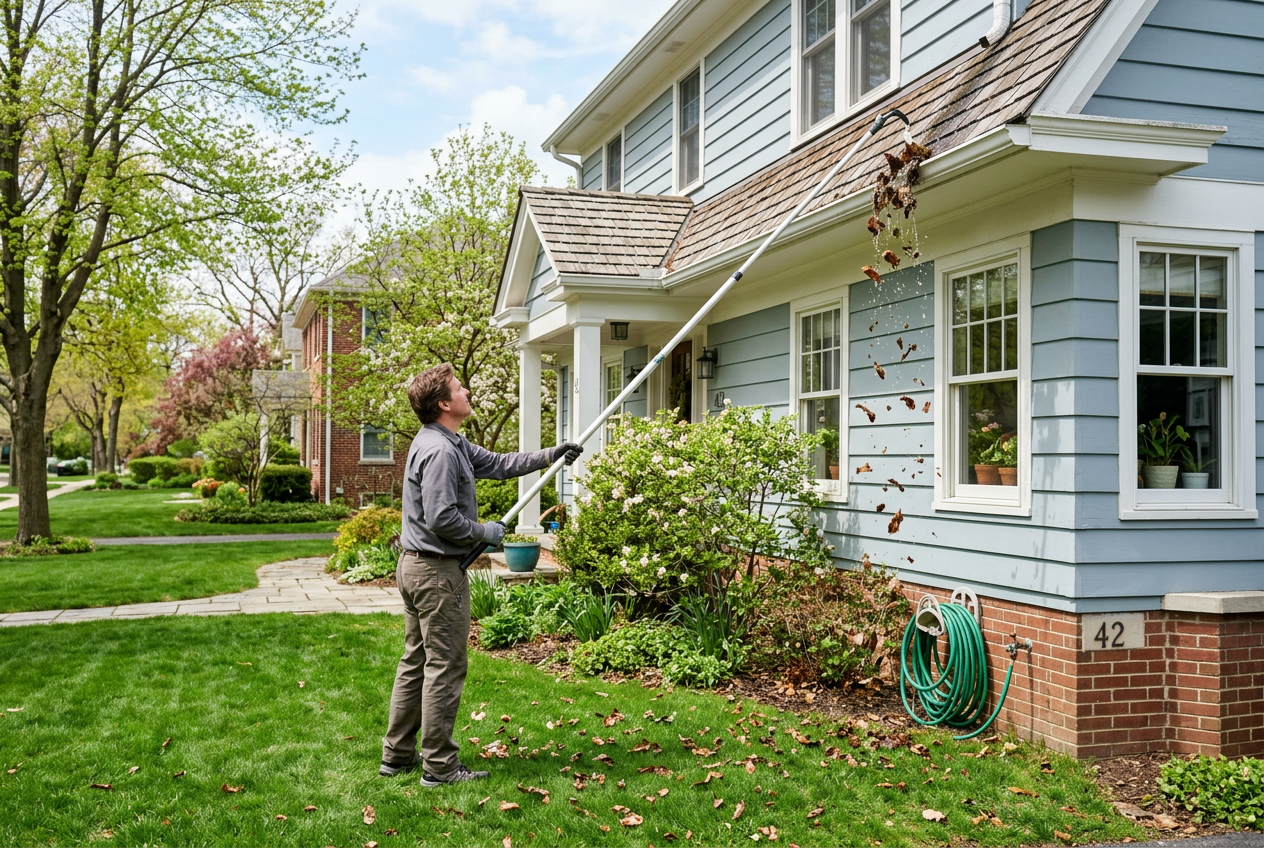
Leaves and dirt build up in your gutters over the winter. When gutters clog, water spills over the sides. That water can damage your roof, walls, and foundation. Clean gutters let rain drain the way it should.
You do not always need a ladder to clean gutters. Ground-based tools let most people do this job from the ground. That is safer than climbing up high. Many of these tools attach to your garden hose. You extend the pole, aim the nozzle, and spray debris out of the gutter.
A basic telescoping wand works well for lower gutters. This one extends and has a nozzle that rotates so you can aim the water where you need it.
For taller homes, look for a tool with a longer reach. This one reaches up to 24 feet from the ground. It has a hard metal duckbill nozzle that scrapes away packed mud and stuck leaves as water flows.

Here is another long-reach option. It also reaches up to 24 feet and uses a rotatable metal nozzle. The pole is aluminum, and it comes with a hose attachment.

Sometimes debris is too packed to spray out. For wet leaves and heavy buildup, a scoop helps. This curved scoop pulls out compacted debris in fewer passes. You can use it while standing on a stable surface, then dump the mess into a bucket.

Inspect Your Roof and Exterior
Look at your roof from the ground. Use binoculars if you have them. Check for missing or loose shingles. Look for spots that seem damaged or worn. Do not climb onto a steep or high roof yourself. That job is dangerous. Call a professional roofer for steep roofs, tall homes, or any damage you are not sure about.
Walk around the outside of your house. Look at the siding, trim, and paint. Check for cracks or holes where water or pests could get in. Note anything that needs a repair.
Test Your Outdoor Spigots
Outdoor faucets can crack when water freezes inside them over winter. Turn each spigot on in the spring. Watch for leaks or weak flow. If water drips inside the wall or the flow seems low, you may have a cracked pipe. A plumber can fix that before it gets worse.
Doing these simple checks each spring keeps small problems from turning into big repairs.
Summer Tasks (June, July, August): Beat the Heat and Prep for Storms
Summer brings heat and storms. Your home works hard to keep you cool. A few simple tasks help your cooling system run well. They also help you get ready for wind and heavy rain.
Keep Your Cooling System Running
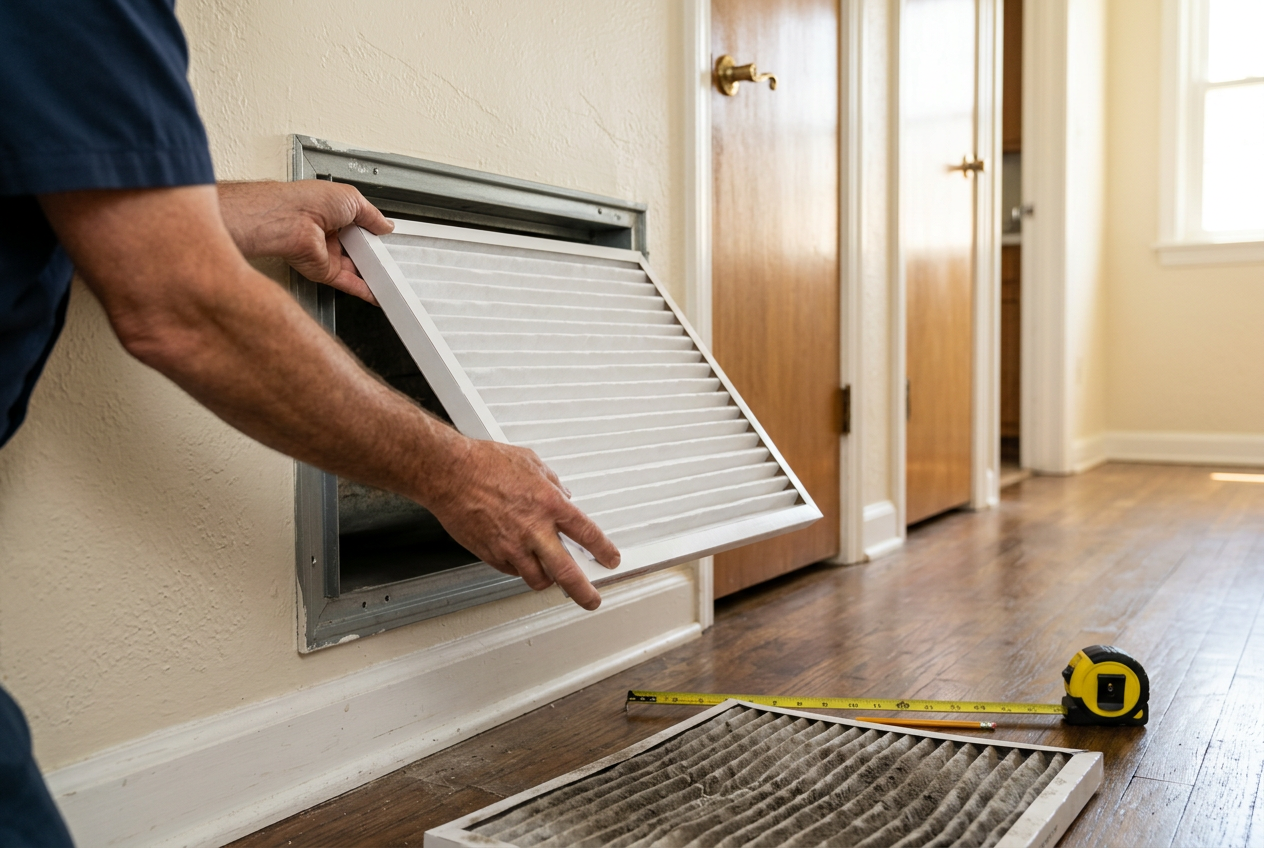
Your air conditioner needs care to work its best. One of the easiest jobs is changing the air filter. A dirty filter blocks airflow. That makes your system work harder and use more power. A clean filter lets air move freely. This can improve furnace and AC efficiency and help your system last longer.
A clean filter also traps dust, lint, and pollen. That means cleaner air inside your home. This matters most in summer when doors and windows stay closed to keep cool air in.

To pick the right filter, you need to know your size. Look at the old filter. The size is often printed on the cardboard frame. It shows three numbers, like 16x20x1. The first two numbers are the width and height. The last number is the thickness.
Remember that the printed size is the nominal size. The real size is a little smaller. For example, a 16x20x1 filter may actually measure about 15.75 by 19.75 by 0.75 inches. That small difference is normal. Just match the size printed on your old filter, and the new one will fit.
Change your filter often. Once a month is a good rule during heavy use. Buying a multi-pack makes this easy. You always have a fresh one ready.
You can also do more to help your cooling system. Check the thermostat settings. Look at the condensate drain and make sure it is not clogged. If you are not sure how to do these jobs, a professional can service your system for you.
Check Window and Door Seals
Warm air can leak into your home through gaps around windows and doors. That makes your cooling system work harder. Walk around your home and feel for drafts. Look for cracks or worn strips. Replace old weatherstripping to seal the gaps. This keeps cool air in and hot air out.
Clear Yard Debris Before Storm Season
Storms can bring high wind and heavy rain. Loose items in your yard can become dangerous in strong wind. Take time to clear debris before storm season starts.
Pick up branches, dead limbs, and loose objects. Trim trees near your house. Secure or store items that could blow around, like patio furniture and trash cans. Clean your gutters so rain can drain away from your home.
These small steps protect your home and family. A little work now saves you trouble when a storm hits.
Fall Tasks (September, October, November): Get Ready for Cold Weather
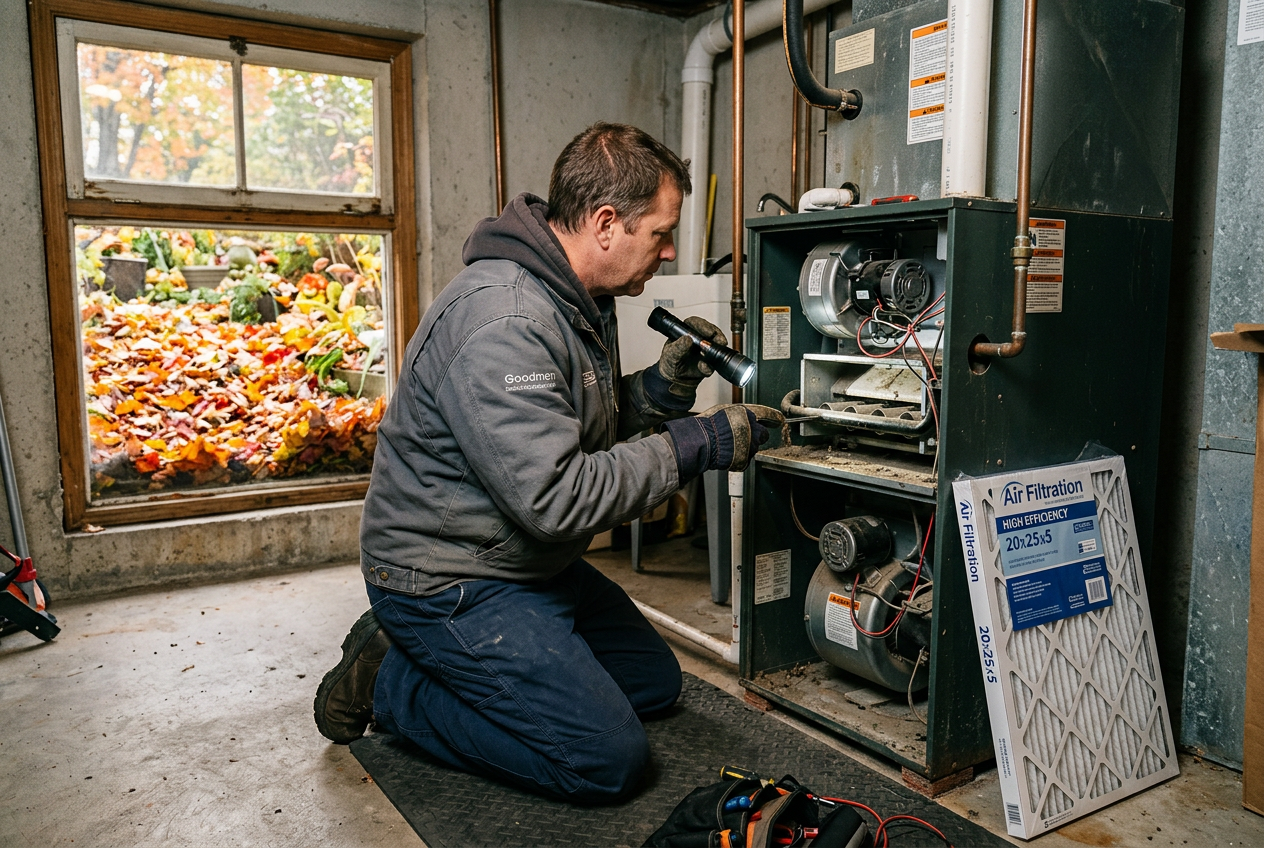
Fall is your window to get the house ready before the cold sets in. The goal is simple. You want your heat to work well. You want to keep warm air in and cold drafts out. And you want to finish outdoor jobs before the weather turns rough. Spread these tasks across September, October, and November so nothing piles up.
Service the Furnace Before You Need It
Your furnace works hardest in winter. Give it a checkup before the first cold snap. You can do some basic steps yourself. Check your thermostat settings. Look at the condensate drain and make sure it is clear. If you are not sure how to do more, call a professional. A trained technician can tighten electrical connections, lubricate moving parts, and inspect the system safely. This is not a job to guess at. Getting it done early means fewer surprises when you turn the heat on.
Change Your Filter More Often in Heating Season
A clean air filter helps your furnace run better. It also keeps dust and lint out of the air you breathe. During the heating season, your furnace runs a lot more. That means the filter catches more particles and clogs up faster. A dirty filter makes the system work harder and can wear it out sooner. Plan to replace the filter about once a month while the heat is running.
Buying a multi-pack makes this easy. You always have a fresh filter on hand. The Filtrete 16x25x1 MERV 5 filter comes in a 6-pack, so you have enough for a full heating season. Check your furnace to confirm it takes the 16x25x1 size before you buy. The actual size runs slightly smaller than the label, which is normal for this fit.
Seal Drafts to Keep Heat Inside
Cold air sneaks in through small gaps. Check around windows and doors on a cool day. If you feel a draft, you have found a leak. You can add weatherstripping to doors and caulk gaps around window frames. Closing foundation vents before winter helps too. Sealing these spots keeps warm air in and lowers how hard your furnace has to work.
Do a Second Gutter Cleaning After the Leaves Drop
You likely cleaned your gutters earlier in the year. Fall calls for a second pass. Wait until most of the leaves have come down, usually in late fall. Then clear out the gutters and downspouts. Clogged gutters can trap water. In cold weather that water can freeze and cause damage. Clean gutters let water flow away from your home. Use a stable ladder and have someone spot you if you can.
Finish these fall jobs and your home will be ready when the cold arrives.
Winter Tasks (December, January, February): Protect Against Freeze and Fire
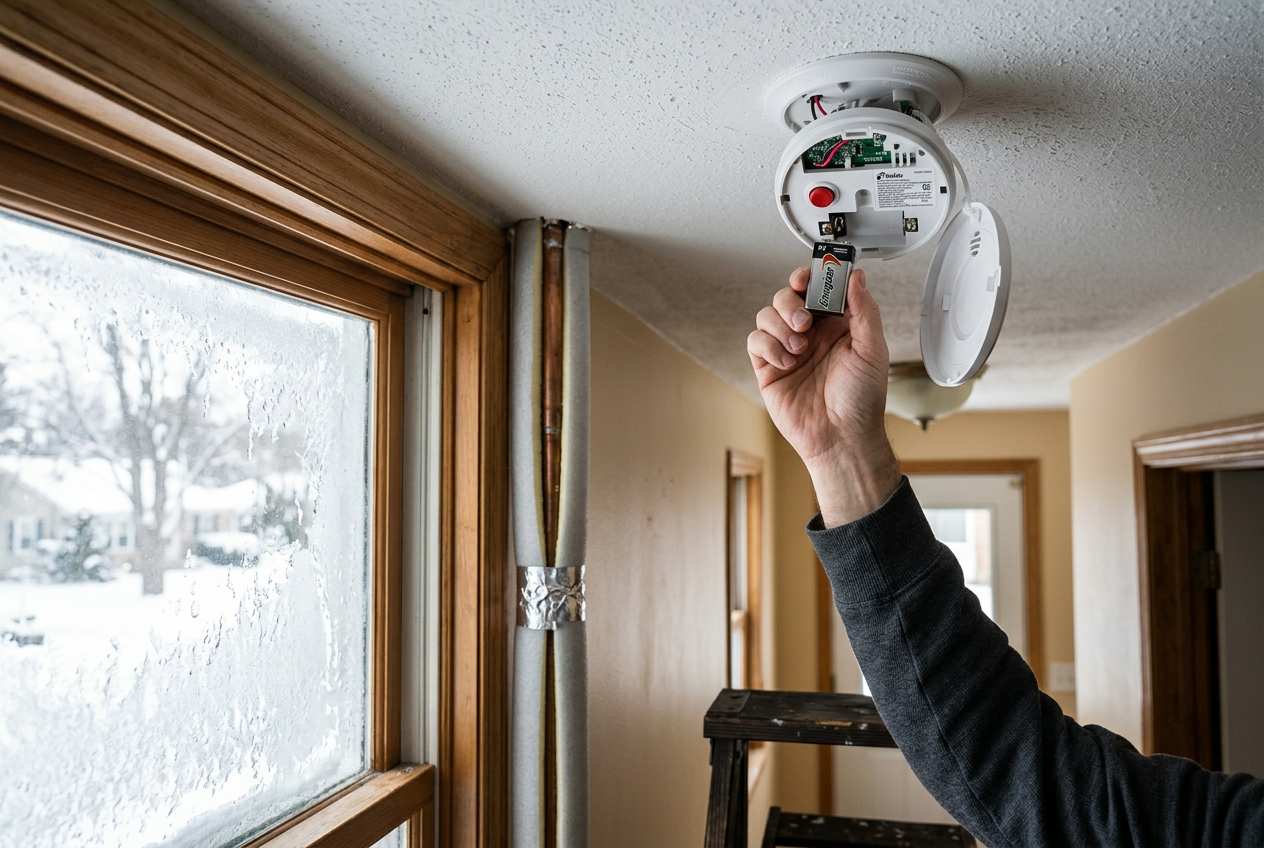
Winter puts your home through the hardest test of the year. Cold air can freeze pipes. Heaters run for months. This is the season to guard against two big risks: freeze and fire. A few simple checks each month keep your home safe and warm.
Stop Pipes From Freezing
Frozen pipes can burst and flood your home. The good news is that freezes are easy to prevent.
Start with the pipes most at risk. These sit near outside walls, in the garage, or under sinks. On very cold nights, open the cabinet doors under your sinks. This lets warm air reach the pipes. You can also let a faucet drip a little. Moving water is harder to freeze.
Before the deep cold hits, disconnect garden hoses. Drain them and store them inside. Wrap exposed pipes with foam pipe insulation. You can find it at any hardware store. Know where your main water shutoff valve is, too. If a pipe does burst, you can turn off the water fast.
Check Your Heating Safety
Your furnace works hard all winter. During the heating season, replace the furnace filter about once a month. A clean filter helps your heater run better and safer. Keep anything that can burn away from heaters and vents. If you use space heaters, follow the maker’s directions and never leave them running while you sleep or leave the house.
Test Detectors and Replace the Batteries
Winter is when heating equipment runs the most. That means smoke and carbon monoxide detectors matter more than ever. Carbon monoxide is a gas you cannot see or smell. A working detector is the only way to catch it.
Press the test button on every smoke and carbon monoxide alarm. Do this once a month. If an alarm chirps or fails the test, fix it right away.
Make one battery swap a year a firm habit. Winter is a great time to do it, since your detectors are working overtime. Many detectors use a 9V battery. Check your unit before you buy, but 9V is the most common size for these alarms.
A multi-pack is smart because most homes have several detectors. These alkaline 9V batteries have a five-year shelf life, so you can keep spares on hand.
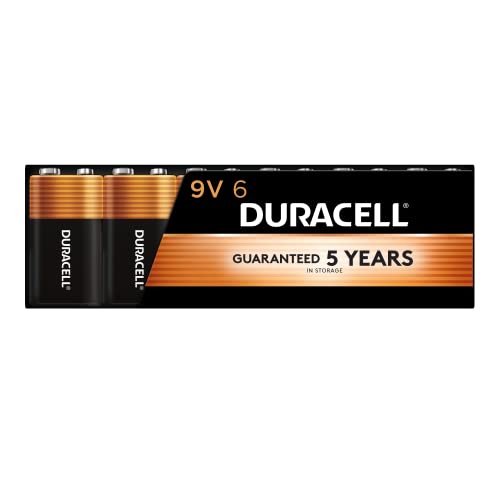
If you prefer a name-brand option, this six-count pack is built for smoke and carbon monoxide detectors. It also carries a five-year storage guarantee, so a fresh battery is always ready for your yearly swap.
Quick Winter Recap
- Open sink cabinets and drip faucets on freezing nights.
- Drain and store garden hoses.
- Know where your water shutoff is.
- Change the furnace filter monthly.
- Test alarms monthly and replace batteries once a year.
Do these small tasks and you will get through winter with far less worry.
Choosing the Right Tools and Supplies: Quick Comparison
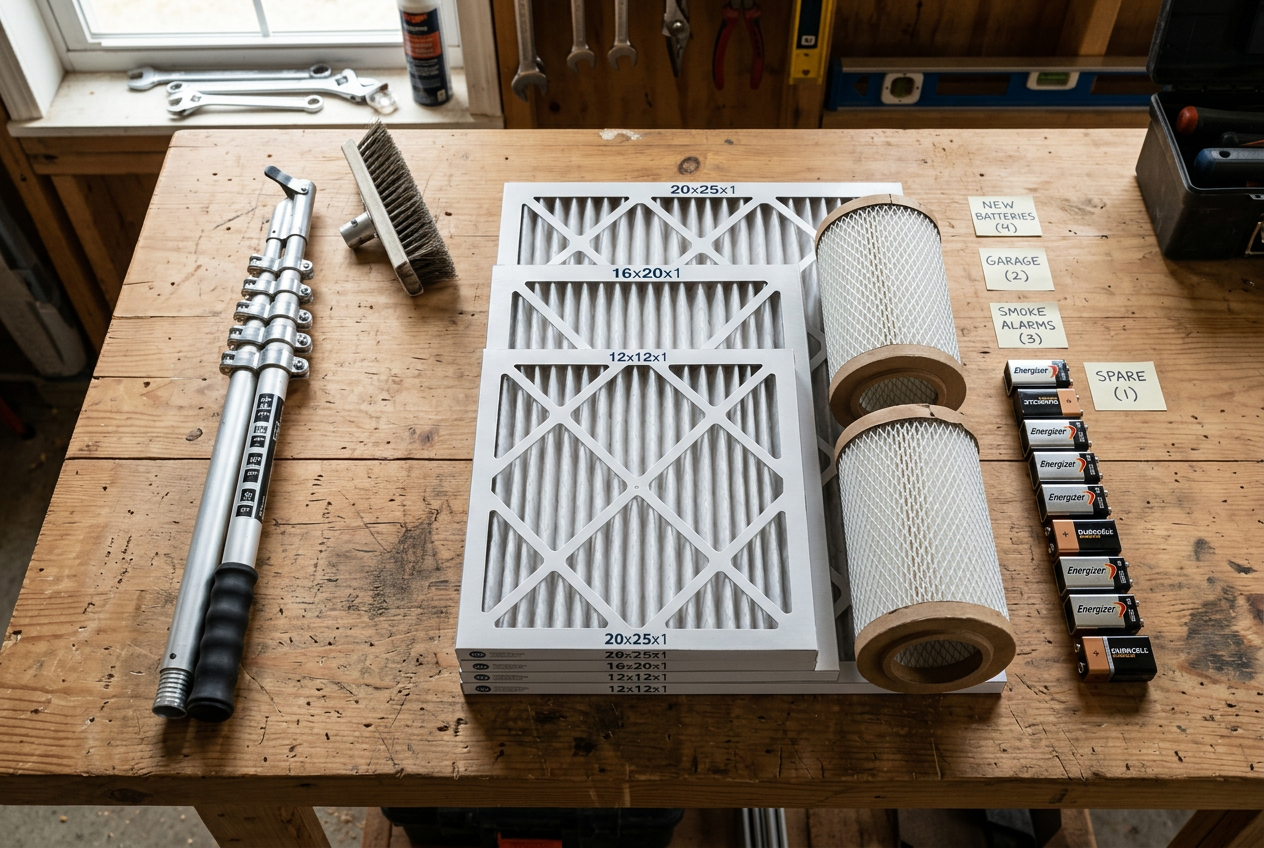
A few simple tools make seasonal upkeep easier and safer. The guide mentions three types: gutter cleaning tools, air filters, and smoke detector batteries. Below is a quick look at each one. Use it to match a product to your home and task.
Gutter cleaning tools
Gutters clog with leaves and debris. That water can back up and cause damage. You have two basic choices here. A ground tool lets you clean from below with a garden hose, so you skip the ladder. A scoop tool is for when you are already up on a ladder and want to dig out packed debris by hand.
If your home is one story, a shorter wand may be enough. The Orbit Telescoping Gutter Cleaning Wand extends from 40 inches to 70 inches. For a second story, look at a longer reach tool like the TONYINGO 24FT Reach tool or the Buyplus 16FT tool. Both claim up to 24 feet of reach from the ground. The Gutter Scoop is a hand tool, not a pole, so plan on safe ladder use.
Air filters
Change your furnace and AC filter on a regular schedule. A clean filter helps your system run better and traps dust. Check the size printed on your old filter before you buy. The two filters here are different sizes, so pick the one that fits your unit.
Detector batteries
Test your smoke and carbon monoxide alarms and swap the batteries. Both 9V options below have a 5-year shelf life, so you can keep spares on hand.
A higher MERV number traps smaller particles. MERV 8 catches more pollen and fine dust than MERV 5. But always match the filter size to your system first. The right fit matters more than the rating. When a job feels unsafe, like climbing high or working on the roof, call a professional instead.
Frequently Asked Questions
How often should I change my air filter?
Most pleated air filters are made to last up to three months. Check your filter once a month. Hold it up to the light. If you cannot see through it, replace it. Homes with pets, allergies, or heavy dust may need changes more often.
Buy the right size for your system. The size is usually printed on the side of your old filter. Note that the printed size and the actual size can differ a little. A common size is 16x25x1, but always match your unit. A MERV 8 filter traps smaller particles like pollen and dust, which helps if anyone in your home has allergies.
When should I test my smoke detector batteries?
Test your smoke detectors once a month. Press the test button and listen for the beep. That checks the alarm and the battery at the same time.
Replace the batteries once a year, even if they still work. Many people do this when the clocks change. If a detector chirps every so often, that means the battery is low. Change it right away. Keep spare 9V batteries on hand, like these Duracell 9V or Amazon Basics 9V batteries. Both have a five-year shelf life, so you can store them for later.
Should I clean my gutters myself or hire help?
You can clean your own gutters if the job is safe to reach. Ground-based tools let you clean without a ladder. A telescopic gutter wand connects to your garden hose and reaches up to a second story. A gutter scoop helps pull out wet leaves by hand from a stable spot.
Hire a pro if your roof is very high, very steep, or hard to reach. Also hire help if you feel unsafe on a ladder. Falls are a real risk. There is no shame in paying someone for a job that is too dangerous to do yourself.
How do I adjust the schedule for an apartment or rental?
Renters do not have to worry about most outdoor tasks. Your landlord usually handles gutters, roofs, and heating systems. Focus on the inside jobs you control. Test smoke detectors. Change air filters if your unit has its own HVAC. Report leaks or problems to your landlord in writing.
Check your lease first. It should say who is responsible for what. When in doubt, ask before you fix something yourself.
What if I live in a mild climate?
You can skip or shrink some tasks. If your area rarely freezes, you may not need to worry about frozen pipes. If you do not use a furnace much, filter changes may matter more for cooling and air quality than for heat.
Still keep the year-round basics. Test smoke detectors. Change filters. Clean gutters if you have trees nearby. Use the checklist as a guide, then cross off what does not fit your home.
Your Printable Action Checklist
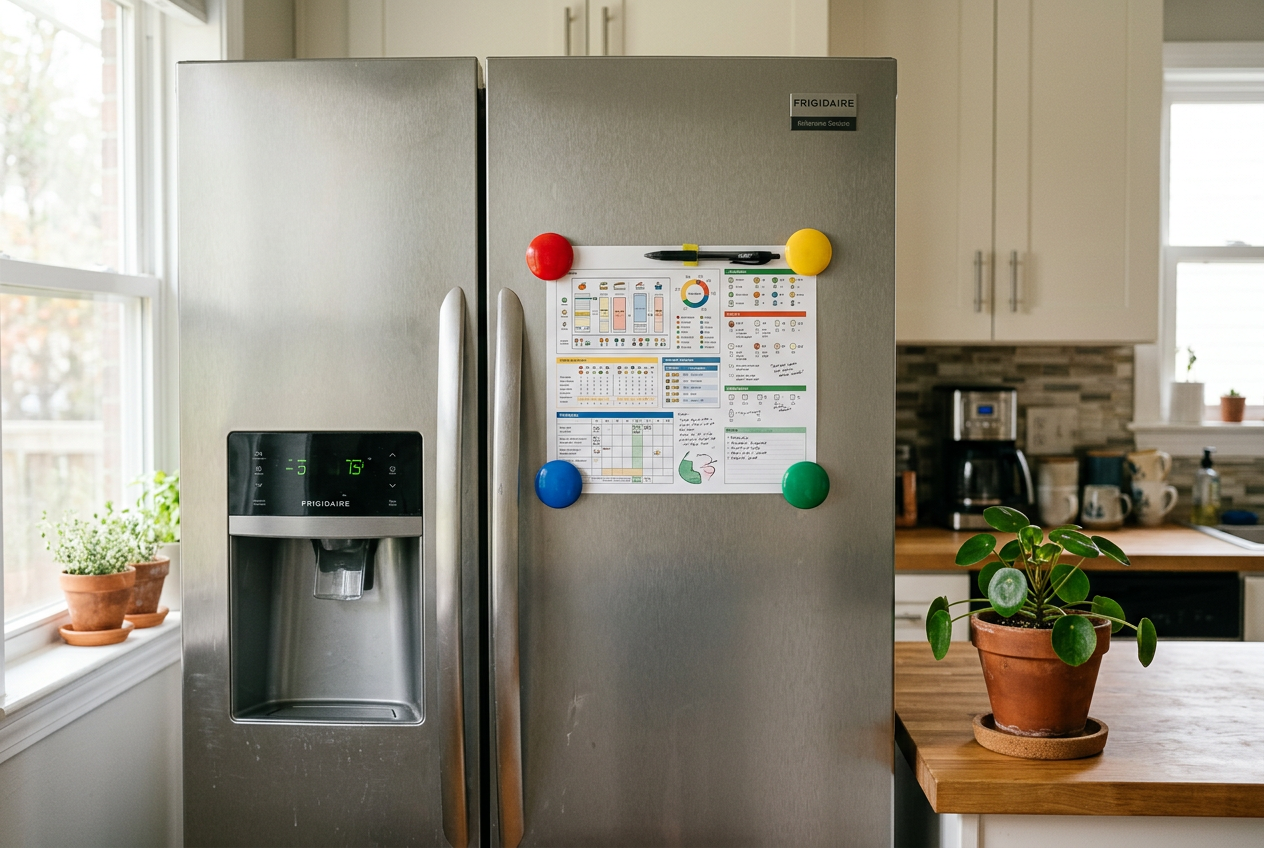
Here is a shorter version of the year’s tasks. Print this page or copy the tasks that apply to your home into a notebook. Check off each one as you finish it.
Spring (March, April, May)
- Clean your gutters and downspouts. Clear out leaves and debris so water can flow.
- Check your roof and outside walls for winter damage.
- Test your air conditioner before hot weather starts.
- Change your HVAC filter. A fresh filter helps your system run better.
- Look for leaks around windows, doors, and faucets.
- Clean and check outdoor tools before you start using them.
Summer (June, July, August)
- Check your HVAC filter again and swap it if it looks dirty.
- Inspect your yard and trim branches near the house.
- Clear away anything that could blow around in a storm.
- Test smoke alarms and carbon monoxide alarms.
- Look for signs of pests inside and outside.
- Check outdoor faucets and hoses for leaks.
Fall (September, October, November)
- Clean your gutters again after leaves fall.
- Replace your furnace filter. Plan to swap it once a month during the heating season.
- Have your heating system checked before cold weather.
- Close foundation vents to keep cold air out.
- Seal gaps around doors and windows.
- Store hoses and shut off outdoor water lines if freezing is a risk.
Winter (December, January, February)
- Change the furnace filter each month during heating season.
- Test smoke alarms and carbon monoxide alarms. Replace batteries if needed.
- Check pipes in cold spots. Keep them from freezing.
- Watch for ice buildup on your roof and gutters.
- Keep walkways clear and safe.
- Look over your emergency supplies and refresh anything low.
Supplies to Keep on Hand
A few basic items make these tasks easier. Keep spare HVAC filters in the right size for your system so you are ready to swap them. The Amazon Basics 16x20x1 MERV 8 filters come in a 6-pack, and the Filtrete 16x25x1 MERV 5 filters also come in a 6-pack. Check the size printed on your current filter before you buy.
Keep fresh 9V batteries for your smoke and carbon monoxide alarms. The Duracell Coppertop 9V batteries have a 5-year storage guarantee, so they stay ready in a drawer.
For gutter cleaning from the ground, a telescoping wand like the Orbit gutter cleaning wand can help you reach without a ladder. Always work safely and call a pro if the job feels risky.
How to Use This Page
Do the tasks in order as each season comes. Do not worry about finishing everything in one day. Spread them out over the weeks. Once you build the habit, this list keeps your home safe and running well all year long.
Next Steps: Turn the Checklist Into a Habit
A checklist only helps if you use it. The good news is that home maintenance gets easier once it becomes routine. You do not need to do everything at once. You just need a simple system to keep you on track.
Set Reminders So You Do Not Forget
The easiest way to build the habit is to use your phone calendar. Set a repeating reminder for the first weekend of each month. Give it a clear title like “Home maintenance day.” When the reminder pops up, open the checklist and pick the tasks for that month.
You can also tie tasks to things you already do. For example, change your furnace filter when you pay a certain bill. Test your smoke alarms when the clocks change. These small anchors make it harder to skip a task.
Keep a few basics on hand so you are ready when a reminder hits. A stock of spare furnace filters and fresh 9V batteries means you can act right away instead of waiting for a store trip.
Keep a Copy of Your Checklist
Grab the free printable checklist from this article. Print a copy and tape it inside a kitchen cabinet or on the side of the fridge. A paper list you can see beats a digital file you forget about.
Check off each task as you finish it. This helps you track what is done and what still needs attention. If you share your home with others, you can split the tasks. One person handles the gutters. Another tests the alarms.
Start With This Season
Do not try to catch up on a whole year in one day. That feels like too much, and it leads to giving up. Instead, start with the season you are in right now.
Look at the tasks for the current month. Pick two or three that matter most for your home. Get those done this week. Next month, do the next set. Over time, you will move through the full year and your home will stay in better shape.
Small, steady steps add up. A gutter you clean before the leaves pile up saves you a bigger mess later. A smoke alarm you test in spring keeps working through winter.
Keep Building Your Preparedness
Home maintenance is one part of being ready for whatever comes. It works best alongside a plan for emergencies. Once you have your maintenance routine going, take the next step.
Look for our guides on getting ready for power outages and winter storms. Those guides build on the same idea. Catch problems early. Keep a few key supplies on hand. Know what to do before trouble hits.
Start today. Set your first reminder. Print your checklist. Then handle the tasks for this season. That is how a simple list turns into a habit that protects your home all year long.
Sources and Further Reading
- Home Maintenance and Homeownership …
- A Home Maintenance Checklist for Every Season
- Home Maintenance - WaterSense
- Maintenance Checklist
- HOME MAINTENANCE.PUB (Read-Only)
- Ready When It Matters: Buffalo District Builds a Culture of Preparedness