Ready
Ready
Hurricane Rachel and California Flooding: What Households Should Do as the Storm Approaches (2026)
The National Hurricane Center has expanded its forecast cone for Hurricane Rachel. The storm is expected to approach the coast of extreme northern Baja California and Southern California. It could bring strong winds and coastal flooding to the region. If you live in these areas, now is the time to get ready.
Here is something important to understand. Rachel may weaken as it moves closer. But a weaker storm does not always mean less danger. Forecasters say the flooding threats could still grow even as the winds drop. Water, not wind, is often the bigger risk for homes.
This is a specific storm happening now. It is not just general advice about rain or El Niño. Rachel is being tracked in real time, and the forecast can change. That is why you want a plan before the water arrives.
This guide walks you through clear, practical steps. You will learn how to tell the difference between a watch and a warning. You will learn how to protect your home before flooding starts. You will find out how to remove water if it gets inside. You will also learn how to pack a go-bag and stay safe during and after the storm.
Many of these steps cost nothing. Let’s start with how to track Rachel and read the alerts.
- Act early. Finish all prep at least 24 to 48 hours before the storm reaches your area.
- Block water at doors and garages with flood barriers to keep it out of your home.
- Have a pump ready to clear water that gets into basements or low rooms fast.
- Pack a family emergency kit with food, water, and supplies for at least 3 days.
- Know your evacuation route and keep a full tank of fuel in case you must leave.



Reviewed by Elena V., James W. & Marcus T. — contributors with hands-on preparedness experience. How we test
Getting ready for Hurricane Rachel means having the right gear on hand before the water rises. Grab these items now, then read on to see why each one matters.

Quick Dam Flood Bags
These bags grow to 3.5 inches tall in minutes once they get wet, so you just set them down and add water. Line them at doors and low spots to block, contain, and steer flood water away from your home.
Check Price on Amazon
Aquastrong Submersible Sump Pump
This 1 HP pump moves up to 4500 gallons per hour and lifts water as high as 30 feet. If flooding gets into a basement or low room, it clears the water quickly so damage does not spread.
Check Price on Amazon
4-Person Family Emergency Kit
This all-in-one backpack holds supplies for a family of four during a flood or disaster. Keep it packed and ready so you can grab it fast if you need to shelter in place or leave quickly.
Check Price on AmazonIn this guide
Why Trust This Guide?
This article was researched and reviewed by contributors with hands-on experience in emergency preparedness. They have tested gear, built real systems, and lived through situations where these skills actually mattered.
Understand the Alerts: Watches vs. Warnings and How to Track Rachel
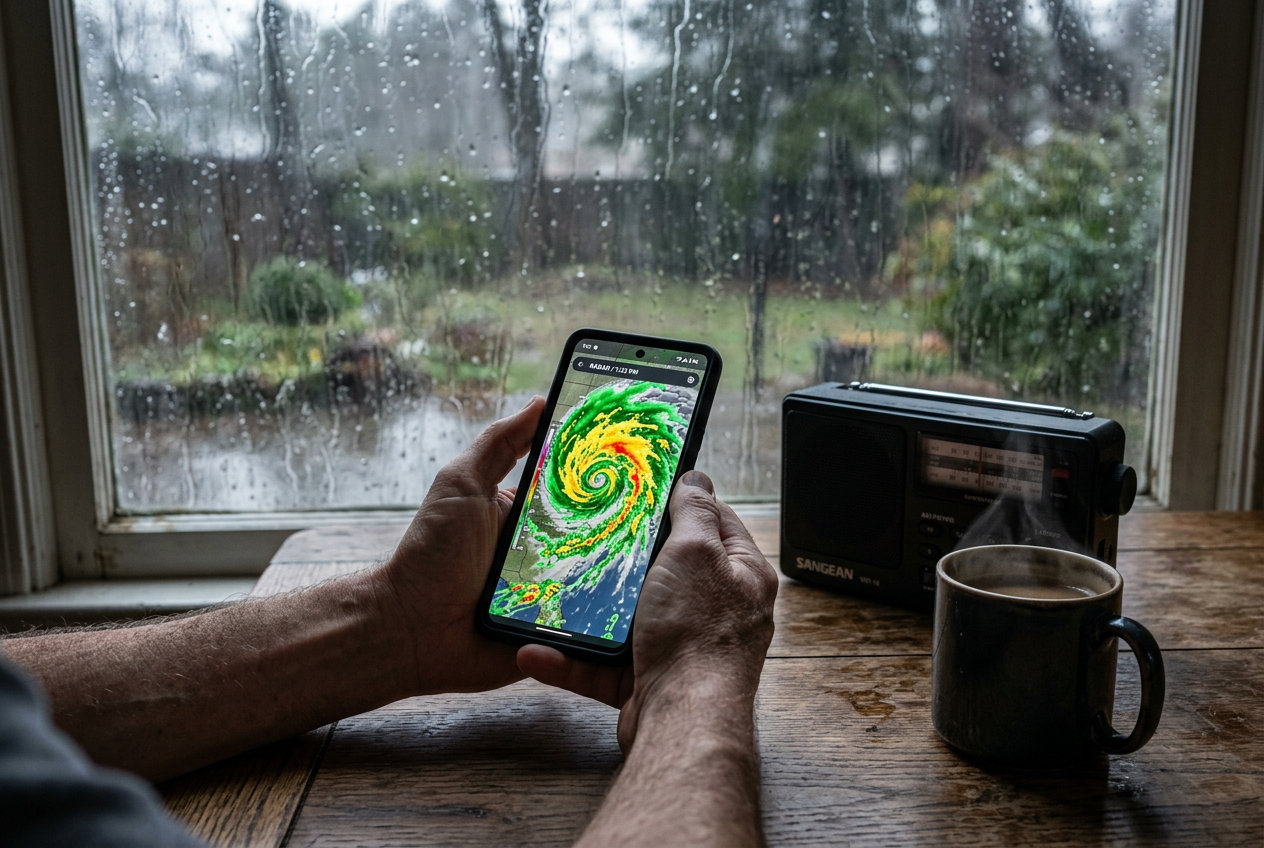
When a storm like Hurricane Rachel moves in, you will hear words like “watch” and “warning.” These two words sound alike, but they mean very different things. Knowing the difference helps you act at the right time.
Watch vs. Warning in Plain Words
A watch means conditions are possible in your area. It is a heads-up. Think of it as “be ready.” When a watch is in effect, you still have time to prepare. Charge your phone. Move items up off the floor. Review your plan with your family. A watch does not mean the storm will hit you for sure. It means the chance is real and you should get set.
A warning means conditions are expected or already happening. Think of it as “take action now.” When a warning is issued, the time to prepare is over. You need to follow the steps you planned. That may mean moving to higher ground, staying inside, or leaving if officials tell you to go.
The National Weather Service notes that these warnings may come with storm surge, coastal flooding, or river flooding. A hurricane warning can stay in effect even when the main danger is high water, not just wind. So do not relax just because the wind drops. Flooding can still be a threat.
Where to Get Official Updates
For a storm like Rachel, you want facts from trusted sources. Skip random social media posts. They often spread wrong or old information.
Start with the National Hurricane Center (NHC), which is part of NOAA. The NHC posts public advisories and forecast discussions for Rachel. These updates tell you the storm’s path, wind speed, and expected coastal flooding.
Next, check your local agencies. City and county websites share updates for your exact area. For example, the City of Long Beach runs a “Storm Smart” page with local safety steps. Your own city or county likely has something similar. These local sources tell you about road closures, shelters, and evacuation orders.
You can also tune in to local news, NOAA Weather Radio, and your local emergency alerts on your phone. Make sure phone alerts are turned on in your settings.
Forecasts Change, So Keep Checking
A storm forecast is not set in stone. Rachel’s path and strength can shift. Forecasters have already expanded the forecast cone, which shows where the storm may go. Even if Rachel weakens, the flooding threat can still grow.
That is why you should check updates often. Look several times a day as the storm gets closer. Do not rely on one old report. A change in the forecast may mean new steps for your household. When you stay current with official sources, you can make smart choices and keep your family safe.
Protect Your Home Before the Water Arrives
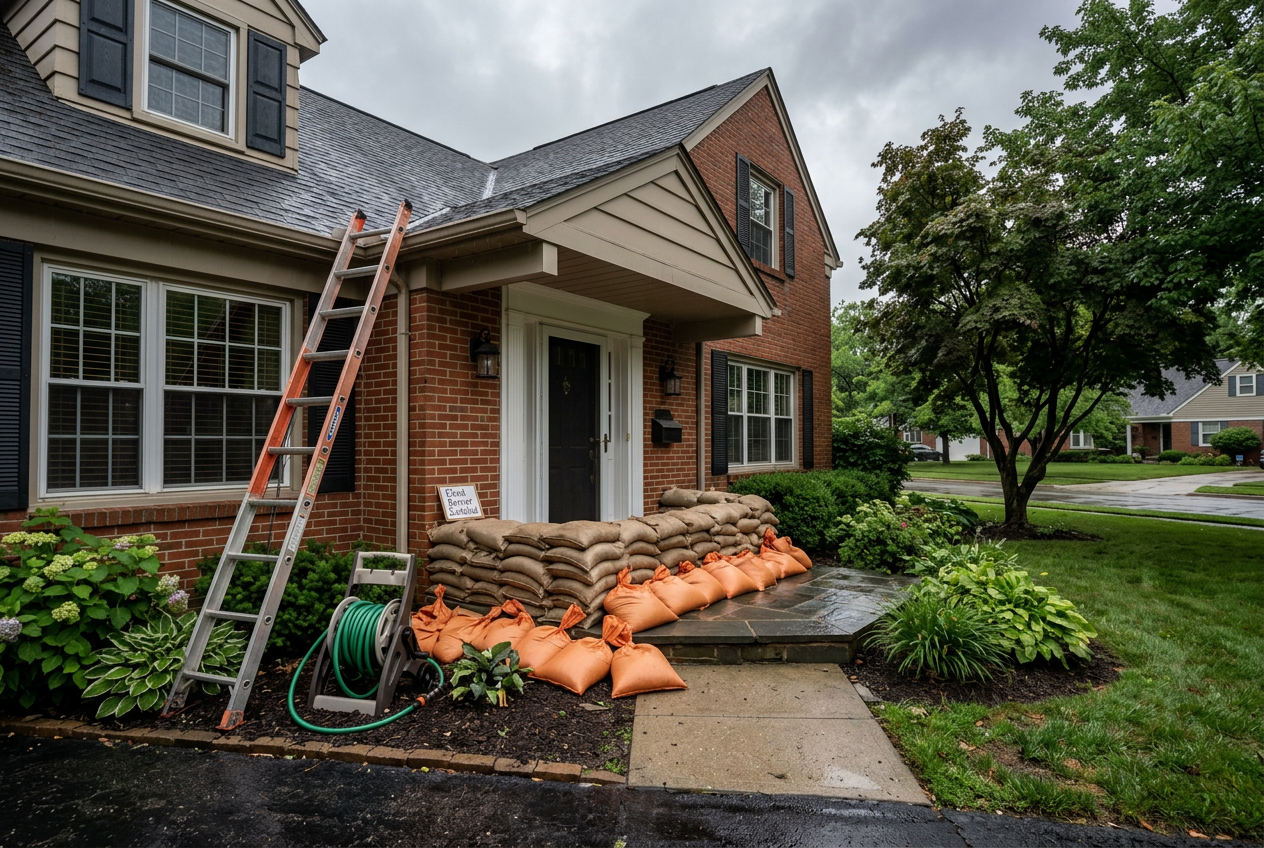
You can do a lot to protect your home before Hurricane Rachel brings rain and flooding. Many of the best steps cost nothing. Start with those first.
Free Steps You Can Do Today
Clear your gutters and downspouts. Leaves and debris block water from draining away. Clogged gutters can send water over the sides and down your walls. Take a few minutes to scoop out the gunk.
Check the storm drain near your home. If you see leaves or trash on the grate, clear it off. A blocked drain can back up fast during heavy rain.
Move valuables off the floor. Lift electronics, photos, important papers, and anything that matters up high. Put them on shelves or upper floors. If water gets in, these items stay safe.
Know where your water shutoff is. If a pipe breaks or water starts coming in, you may need to shut off your main water valve. Find it now. Make sure you know how to turn it. Learn where your gas and power shutoffs are too.
Roll up rugs and move them up. Wet rugs grow mold and are heavy to carry. Get them out of the way before the storm.
Using Flood Bags and Sandbags to Divert Water
After the free steps, you may want barriers for your doors and low entry points. These tools help push water away. Here is how the main types work.
Water-activated flood bags are flat and light when dry. You just add water and they swell up in minutes. No sand, no shovel, no heavy lifting. They are great if you need fast protection and cannot haul heavy bags.
These smaller bags work well around doorways, garage edges, and low spots. You lay them down to build a line that guides water away. They grow to a few inches high, so they slow water near flat entry points.
For sliding doors and wide openings, a longer water-activated barrier fits better. It lays flat across the whole door track in one piece.

This type covers french doors and leaking appliances too. It folds up small for storage, so you can keep it ready.
If you want reusable bags and do not mind filling them, canvas sandbags are a solid choice. You fill them with sand yourself. They are sturdy and can be used again.

These work well when you have sand on hand and want to build a bigger, heavier barrier. The elastic band helps keep the sand from leaking out.
One honest warning. These barriers slow and divert water. They do not fully seal your home. Water can still seep through gaps and under doors. Use them to buy time and reduce how much gets in, not to make your house waterproof. Pair them with the free steps above for the best result.
Removing Water From a Flooded Basement or Window Well
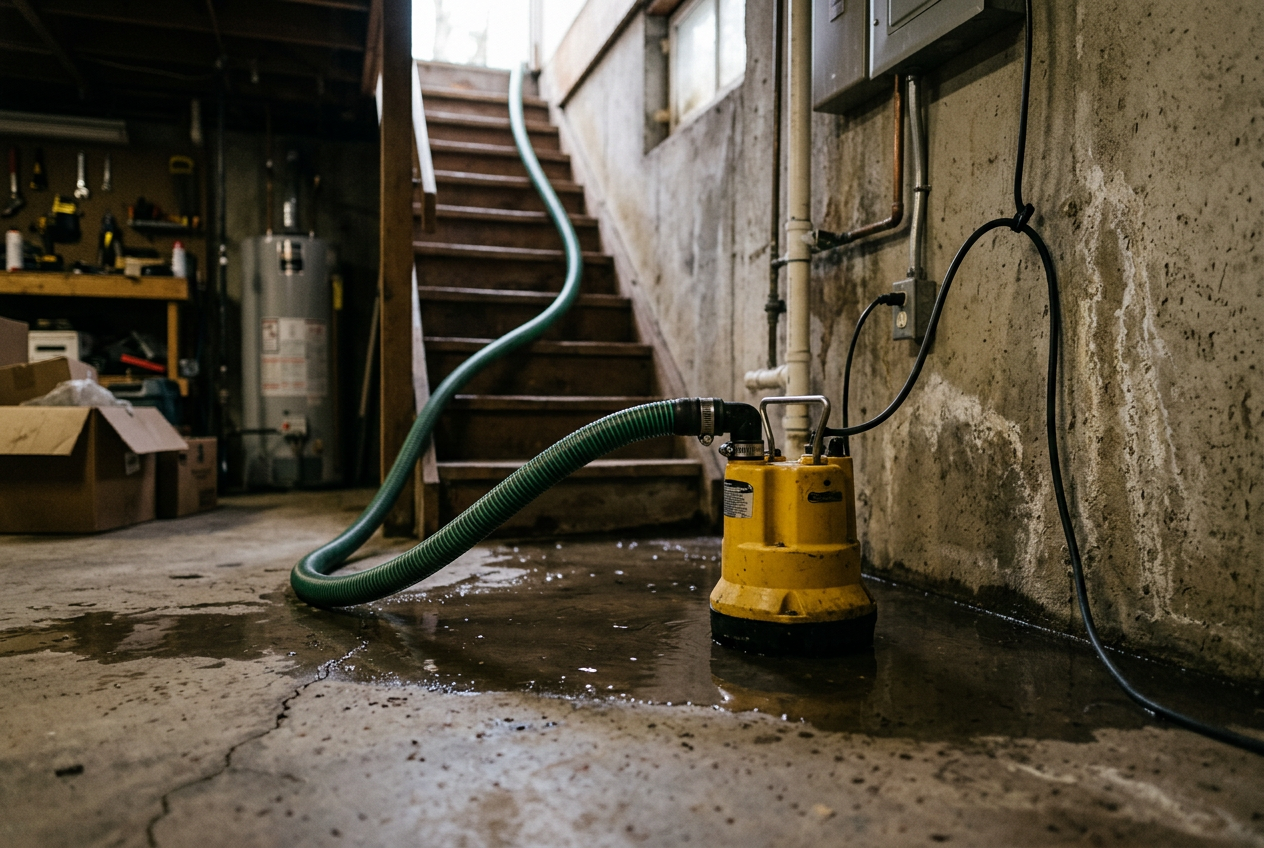
After the rain stops, you may find water sitting in your basement, a window well, or a low spot in your yard. A small amount can be mopped up. More than that calls for a pump. A submersible sump pump sits in the water and pushes it out through a hose. Many are simple to use. You plug them in to drain and unplug them to stop.
Safety First
Standing water and electricity are a deadly mix. Never step into water that touches live outlets, cords, or plugged-in devices. You cannot always tell if water is charged. If you are not sure, stay out and call for help.
Before you turn off the power, make sure you are standing in a dry spot. Shut off the breaker to the flooded area if you can reach it safely. Always unplug a pump before you move it, touch it, or clear debris from it. Plug it into a grounded outlet, not a damp power strip. Keep children and pets away from the work area.
How a Plug-In Pump Works
Most household sump pumps follow the same basic steps. Set the pump flat on the bottom of the flooded spot. Attach the hose to the discharge port. Run the hose to a place where water can drain away from your home, like a storm drain or a yard that slopes downhill. Then plug the pump in. Water flows out until the level drops too low for the pump to reach.
For a flooded basement or deep window well, a strong motor helps you clear water faster. This 1 HP model moves a high volume and can lift water up a tall vertical rise. Its bottom suction design pulls water down to about one fifth of an inch from the floor. That means less mopping when you are done.
If you want a quieter, heavy duty option built to last, this Wayne model uses a top suction design. That helps stop air lock and keeps debris from clogging the intake. It installs in about fifteen minutes with no drilling. The motor housing resists rust, which is good for a pump that sits in water.

For shallow water on a pool cover or a thin layer in a low area, you do not need a big pump. A smaller pool cover pump handles light drainage jobs. It has mesh screens on all sides to pull water in and a built-in guard that stops it from running dry.

When to Call a Pro
Some jobs are too big or too risky for a household pump. If water keeps rising, if it reaches your electrical panel, or if you smell gas, leave and call your utility or local emergency line. Deep, fast-moving, or dirty flood water is a job for trained help.
Flood Protection Gear Compared: Which Tool Fits Your Situation
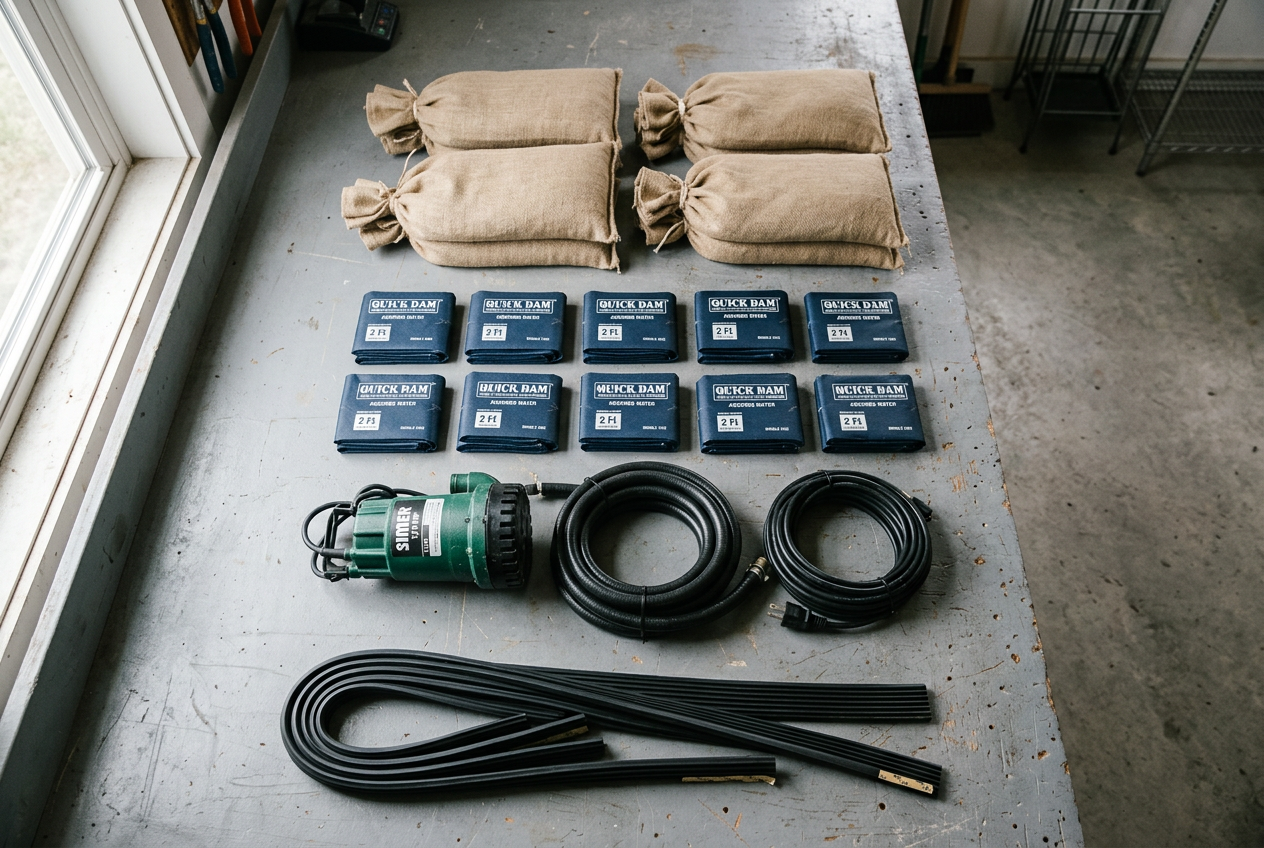
Rachel could bring coastal flooding and heavy rain to Southern California. The right gear depends on your home. Where does water come in? A door? A window well? A low garage? Match the tool to the problem. Below is a simple guide.
Barriers to Block Water
Barriers stop or slow water before it enters your home. Use them at doors, garage openings, and low spots.
Water activated bags swell up when wet. You do not need sand. They are light and easy to store. The Quick Dam flood bags grow about 3.5 inches high. Stack them to build a low wall. The Flood Hero barriers are 6 feet long. They fit sliding doors and french doors well. They also work around leaking appliances.
Canvas sandbags still need sand. The 6 foot canvas sandbags hold more sand than small bags. They are reusable. But you must fill them yourself, which takes time and effort.
Pumps to Remove Water
Pumps move water out after it gets inside. The right pump depends on how much water and how high you must lift it.
The AQUASTRONG 1 HP pump moves up to 4500 gallons per hour. It lifts water up to 30 feet. It removes water down to about 1/5 inch. This fits a deep flooded basement or a window well.
The WAYNE CDU790 sump pump is 1/3 HP. It is built for a sump pit. It is quiet and durable. Use it for steady basement drainage.
The AgiiMan pool cover pump moves up to 850 gallons per hour. It is smaller. Use it for shallow water on a pool cover, patio, or flat surface.
Quick Comparison
How to Choose
Think about your layout. If water sneaks under a door, start with barriers. If water pools in a basement or window well, you need a pump. Many homes need both. Buy early. Stores sell out fast once a storm is close. Follow all setup directions. Keep pump cords away from standing water you are not draining, and never touch a running pump with wet hands near live power.
Pack a Go-Bag in Case You Need to Leave
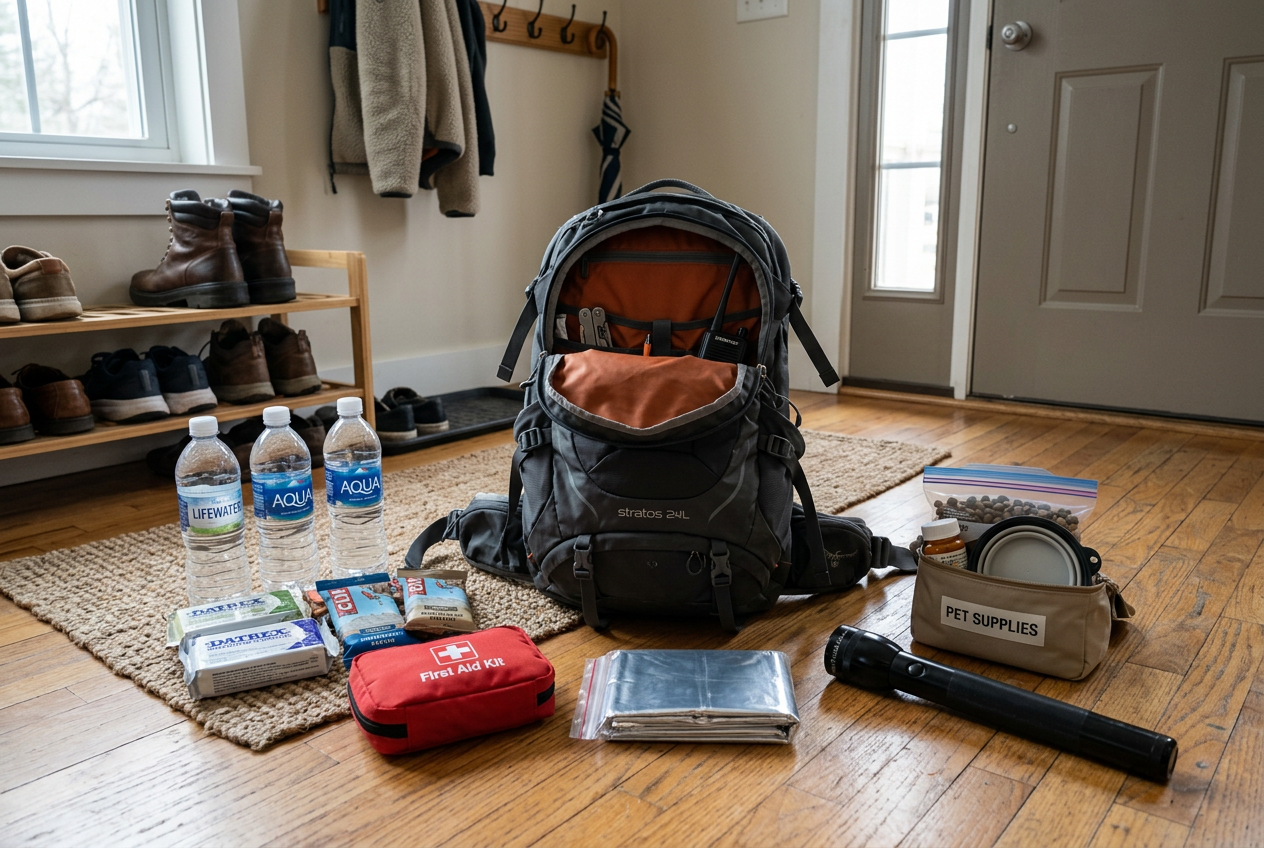
Flooding can close roads fast. You may get only a few minutes to leave. If water rises or officials order an evacuation, you will not have time to gather supplies. A go-bag fixes this. It is one packed bag you can grab on your way out the door.
Keep your go-bag in an easy spot. A front closet or near the garage works well. Everyone in your home should know where it is.
What a Basic Kit Covers
A good family emergency kit holds the essentials for the first 72 hours. That is the window when help may be slow to reach you. A basic kit usually includes:
- Food bars that need no cooking or water
- Drinking water
- A first aid kit
- Shelter items like blankets and ponchos
- Lighting, such as lightsticks
- A whistle to signal for help
You can build a kit yourself. You can also buy a ready-made one to save time. Here are two options.
The first is a compact backpack kit for four people. It uses a lightweight design that is easy to carry. The food rations and water inside are US Coast Guard approved and have a 5-year shelf life. The food bars need no extra water and no reheating. This makes the kit simple to use during a flood when clean water and power may be hard to find.
The second is a 72-hour kit built for four people over three days. It packs four 2,400-calorie food bars and four 1-liter water cartons. It also adds a 107-piece first aid kit, survival blankets, ponchos, gloves, and an emergency whistle. The first aid supplies are larger here, which helps if someone gets hurt during the storm.

Both kits give you a solid starting point. A store-bought kit will not cover everything your family needs, though. You must customize it.
Make It Fit Your Family
Add the things only you know about. Start with these:
- Medications. Pack a few days of any prescriptions. Add copies of the prescription labels.
- Documents. Put ID, insurance papers, and key account info in a sealed, waterproof bag. Photos on your phone help too.
- Cash. Keep small bills. Card readers may be down if power is out.
- Phone charger. A backup battery keeps you reachable.
- Pet needs. Pack food, water, a leash, and any pet meds. Bring vaccine records if you may stay in a shelter.
- Baby or senior care. Add diapers, formula, or mobility items as needed.
Check your go-bag twice a year. Swap out expired food, water, and medicine. Update clothing sizes for growing kids. A bag that is ready and current can save you precious minutes when Hurricane Rachel pushes water toward your home.
Stay Safe During and Right After the Storm
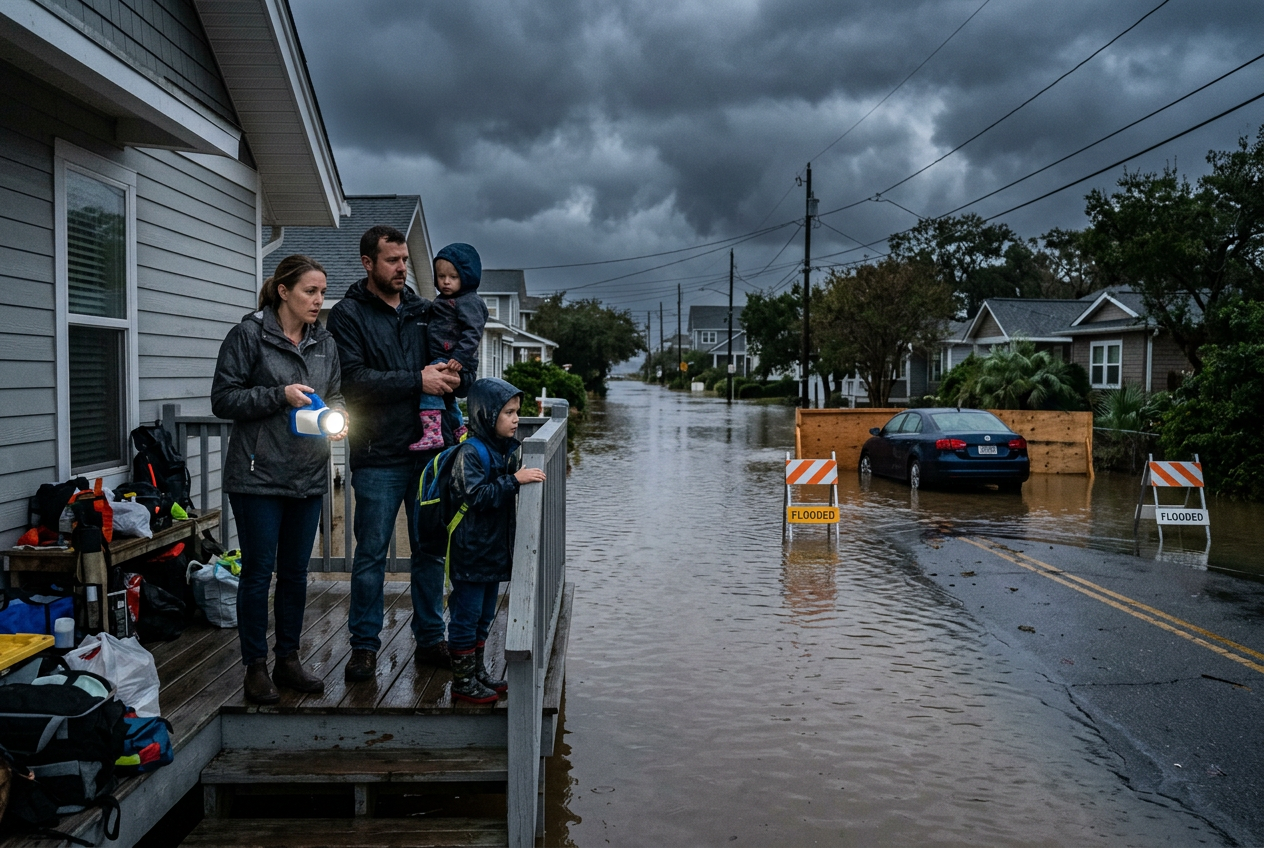
The storm is here. Now your job is simple. Stay safe and wait it out. Most flood injuries happen because people take risks they did not need to take. Here is how to stay out of trouble.
Never Drive or Walk Through Floodwater
This is the most important rule. Do not drive through a flooded road. Do not walk across a flowing stream of water. Long Beach officials give this same advice, and it applies across California.
Floodwater is more dangerous than it looks. You cannot see what is under it. The road may be washed out. Just a few inches of moving water can knock you down. A foot or two can float your car. If you see water on the road, turn around. Find another way. No trip is worth your life.
Stay Out of the Ocean After Rain
Rain washes dirt and pollution into the ocean. This makes the water unsafe. Local guidance says to avoid all ocean water contact for at least 72 hours after rainfall. That means no swimming, no surfing, and no wading. Keep kids and pets away from the beach too. Wait the full three days before you go back in.
Power Outage Safety
Storms often knock out power. Be ready for the lights to go off.
- Keep flashlights and batteries close. Do not use candles if you can help them. They are a fire risk.
- Keep your fridge and freezer doors shut. Food stays cold longer that way.
- Never run a generator or grill inside your home or garage. They give off carbon monoxide, a gas you cannot see or smell. It can kill you. Only use them outside, far from doors and windows.
- Unplug electronics so they are safe when power comes back.
Shelter in Place or Evacuate?
Most of the time, staying home is safest. If your home is dry and local officials have not told you to leave, shelter in place. Stay inside. Keep off the roads.
But if officials order an evacuation, go right away. Do not wait. Also leave if water is rising inside your home, or if you feel unsafe. Grab your go-bag and get out while roads are still clear. Follow the route officials give you.
Make a Simple Family Check-In Plan
Phones may not work during a storm. Make a plan now so everyone knows what to do.
- Pick one person outside the area to be your main contact. Everyone calls or texts that person to check in.
- Text instead of call. Texts often go through when calls will not.
- Agree on a meeting spot in case you get split up.
- Make sure kids know the plan and have the contact’s number written down.
Keep calm. Check in. Wait for the all clear before you go back to normal.
Frequently Asked Questions
How much warning will California get from Hurricane Rachel?
It depends on the storm and where you live. The National Hurricane Center tracks Rachel and updates its forecast often. Right now, Rachel is expected to approach the coast of far northern Baja California and Southern California. That could bring strong winds and coastal flooding. Forecasts change, so check the National Hurricane Center and your local weather office each day. The sooner you see a watch or warning, the more time you have to act.
Are water activated flood bags reusable?
Most are not meant to be reused once they get wet. Water activated bags swell up when they soak in water. The Quick Dam flood bags grow tall in minutes when you get them wet. After they do their job, you usually throw them out. Traditional canvas sandbags, like the canvas sandbags you fill with sand, can be reused more often. You just need sand and a safe place to store them. Check the maker’s directions for your exact product.
What do I do if my area floods but I have no sandbags?
You still have options. Move your family and pets to higher ground first. Safety comes before stuff. You can block water with rolled towels, blankets, or plastic sheeting held down by heavy items. You can also move valuables and electronics up high. In the future, keep flood bags on hand so you are ready. Water activated bags fold flat and store small until you need them.
Can I drive through a flooded road?
No. Do not drive through a flooded road. Do not walk across a flowing stream of water either. It is hard to tell how deep the water is or how fast it moves. Just a small amount of moving water can knock you down or sweep away a car. Turn around and find another way.
Is it safe to swim or surf after the storm?
Give it time. Local guidance says to avoid all ocean water contact for at least 72 hours after rainfall. Storm runoff can carry waste and other pollution into the water. Wait the full time before you go back in.
Do I need a sump pump before the storm?
A pump helps if water gets into your basement or window wells. A submersible pump like the WAYNE sump pump can move water out fast. Set it up before the storm if you expect flooding. Read the full section on removing water for safe steps and when to call a pro.
Should I stock up on fuel and supplies now?
Get ready early, but do not hoard. Build a go-bag for your household so you can leave fast if you need to. A ready made kit like the Ready America 72 hour kit holds food, water, and first aid for a short time. Buy only what your household needs. That leaves supplies for your neighbors too.
Your Hurricane Rachel Action Checklist
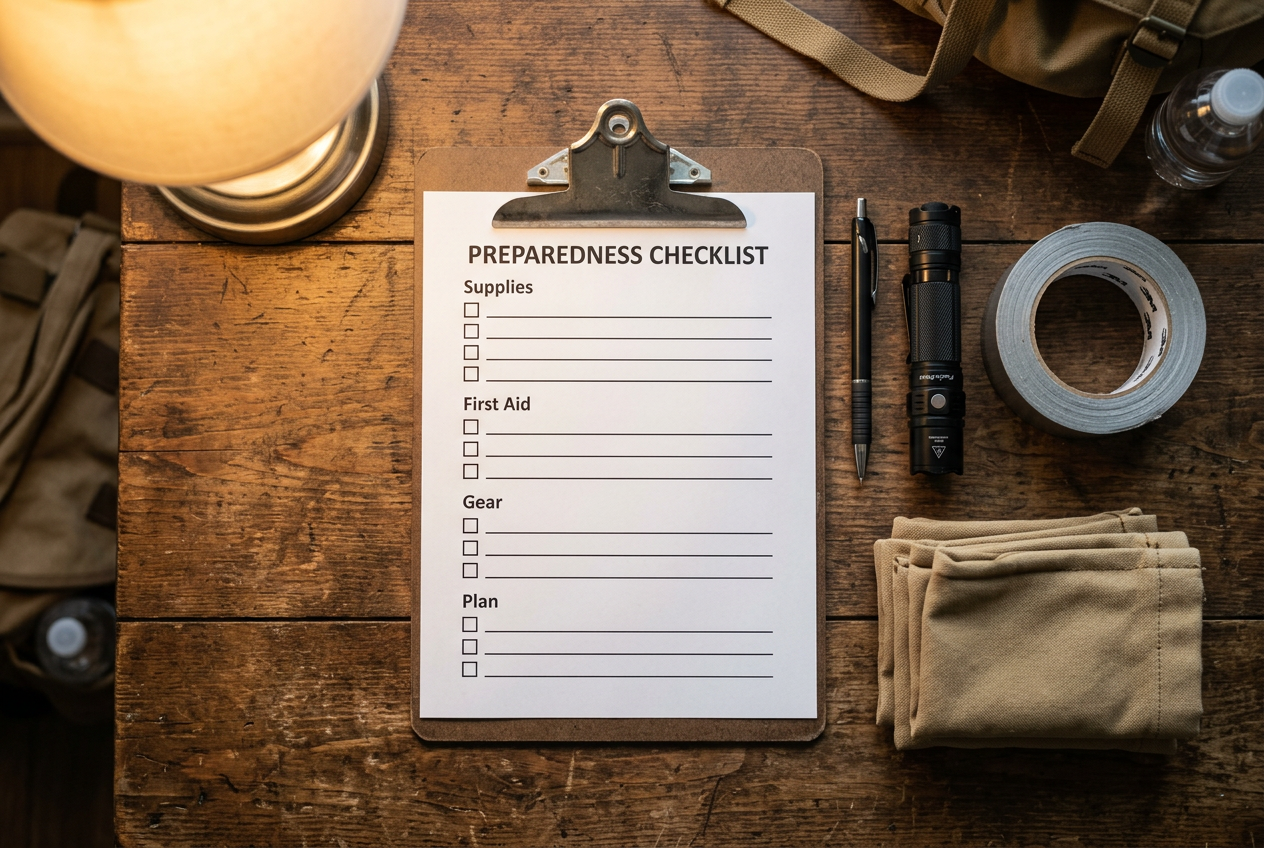
Use this list to move fast as Hurricane Rachel gets closer. Start with the free steps. Add gear only if you need it. You can print this page to keep the checklist handy.
Do These Free Steps First
- Check the latest alerts. Visit the National Hurricane Center for current advisories on Rachel. Know the difference between a watch and a warning so you can act in time.
- Sign up for local alerts. Many California cities send text or email warnings. Look for your city’s emergency page.
- Charge your phone, power banks, and any backup lights now, before the power goes out.
- Fill water containers. Store drinking water for every person and pet in your home.
- Move your car to higher ground. Do not park where water can collect.
- Clear gutters and drains near your home. This helps water flow away from your walls.
- Move valuables, papers, and electronics up high. Get them off the floor and out of the basement.
- Know your exits. Plan how you would leave if water rises. Pick a meeting spot for your family.
Protect Your Home
- Block low doors and gaps where water can enter. Water activated flood bags are quick to set up. Just add water and they expand. See the Quick Dam flood bags for general use or the Flood Hero barriers for sliding doors.
- If you prefer traditional sandbags, fill the canvas sandbags and place them at your most at risk doors.
- Test your sump pump if you have one. Make sure it runs and the discharge line is clear.
Get Your Go-Bag Ready
- Pack a bag for each person in case you must leave fast. Include food, water, a first aid kit, and warm layers.
- A ready made kit saves time. The Ready America 72 hour kit or the Family Emergency Kit both cover four people for three days.
- Add your own items too. Pack medicine, copies of key papers, cash, and chargers.
- Keep the bag near your main exit.
Stay Safe During and After
- Never drive through a flooded road. Turn around and find another way.
- Do not walk across moving water. It can knock you down fast.
- Stay out of ocean water for at least 72 hours after rainfall. Storm runoff can make it unsafe.
- If you need to remove water from a basement or window well, use a submersible pump like the WAYNE sump pump or the AQUASTRONG pump. Keep electric pumps and cords away from standing water you are touching.
- Listen for official updates. Follow any evacuation order right away.
Work through this list top to bottom. The free steps matter most. Gear helps, but a clear plan keeps your household safe.
Next Steps: Stay Ready Beyond This Storm
Hurricane Rachel is a reminder to act now, not later. The storm may bring strong winds and coastal flooding to Southern California. You do not need to panic. You do need a plan. Here are the most important steps to take today.
Do These Things First
Start with the basics. They matter most.
- Check your local alerts. Visit the National Hurricane Center for the latest on Rachel. Watch your city or county website too. Long Beach, Los Angeles, and other areas post storm updates. Sign up for local emergency text alerts if you have not already.
- Know the difference between a watch and a warning. A watch means flooding is possible. A warning means it is happening or about to happen. When you hear a warning, act fast.
- Find your evacuation route. Pick two ways out of your neighborhood. Water can block roads. A backup path keeps you safe. Share the plan with everyone in your home.
- Protect your home. Move valuables up high. Clear your gutters and drains. If water may enter low doors, set up barriers early. Water activated bags like Quick Dam flood bags grow in minutes when wet and need no sand.
- Pack a go-bag. Keep food, water, and first aid ready in one spot. A ready made kit like the Ready America 72 Hour Deluxe kit holds supplies for four people for three days.
A Few Safety Reminders
Never drive through a flooded road. You cannot tell how deep the water is. Never walk across a flowing stream of water either. Long Beach advises people to avoid all ocean water contact for at least 72 hours after rain. Runoff can make the water unsafe.
If you use a sump pump in a wet basement or window well, plug it in only when you can do so safely. Keep cords away from standing water where you stand. Follow the maker’s directions.
Print This Page
We do not offer a separate download. You can print this page to keep the action checklist handy. Tape it to your fridge or pack it in your go-bag. A paper copy helps if the power goes out.
Keep Building Your Readiness
Rachel will pass. Your plan should stay. California faces flood risk beyond one storm. El Niño can bring more rain, landslides, and high seas in the months ahead.
After the storm, take time to plan deeper. Read our broader flood and hurricane guides on ReadyGuidance. They cover long term steps like flood insurance, home repairs, and family drills. The best time to get ready is before the next warning comes.
Start today. Check your alerts. Map your routes. Pack your bag. Small steps now keep your household safe later.
Sources and Further Reading
- National Hurricane Center - NOAA
- Hurricane Rachel Forecast Discussion
- Storm Smart - Long Beach
- Managing Floods in California
- Watch/Warning/Advisory Definitions
- Hurricane Rachel may weaken, but California flooding threats could grow
- Landslides, flash floods and raging seas: is California ready for the ravages of El Niño?
- Los Angeles officials planning for potentially historic El Niño