Ready
Record King Tides Flood California and Florida Coasts: What Coastal Households Should Do Now (2026)
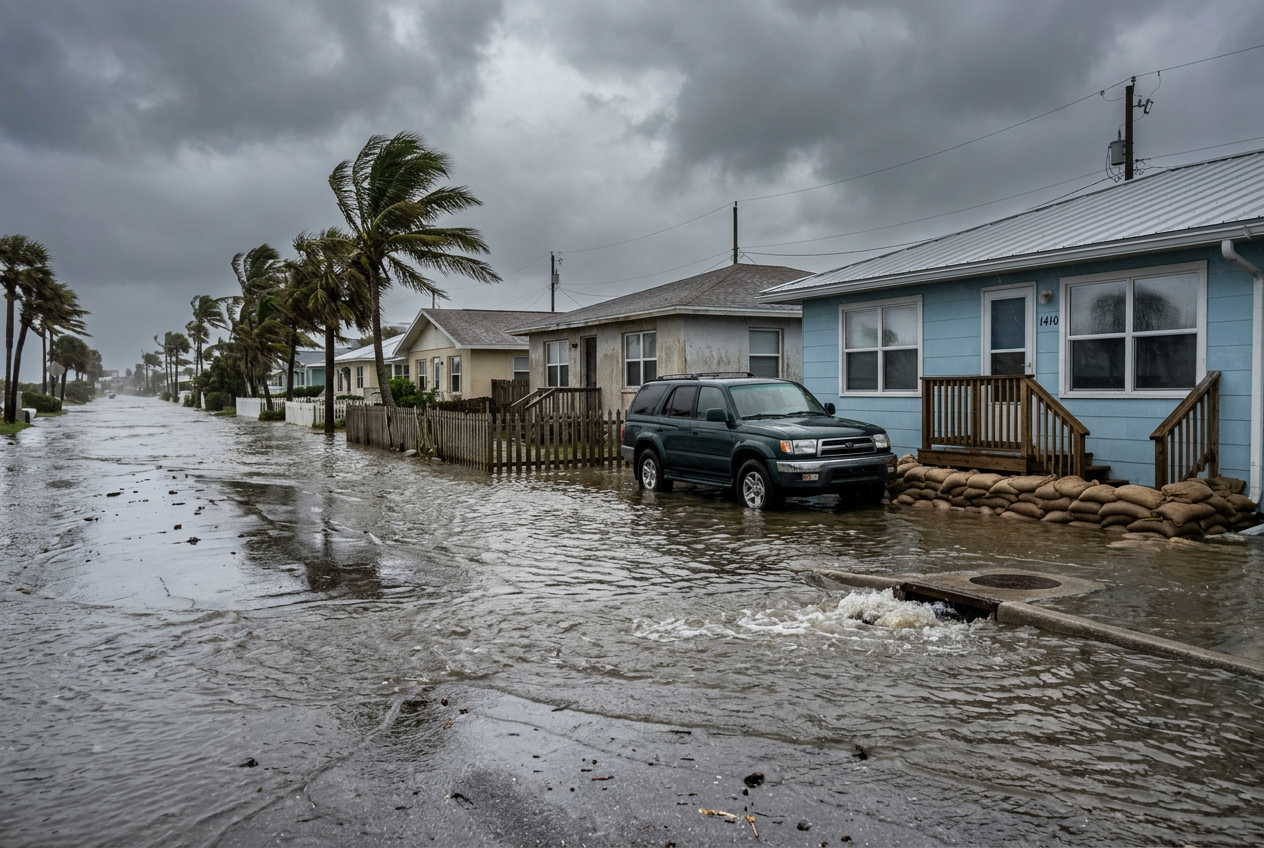
King tides are the highest tides of the year. They happen when the sun and moon line up and pull hard on the ocean. The water rises higher than normal. When king tides meet strong onshore winds and already high seas, water can push past the beach and onto streets and into homes.
This is not a far-off worry. In late October 2026, record high tides flooded coasts in both California and Florida. In Orange County, California, more than 100 structures were damaged. Six homes were marked unsafe to enter. In Florida, king tides and steady winds flooded the Atlantic coast from October 26 to 29, and water levels hit records. The National Weather Service posted coastal flood warnings for San Diego and Orange County.
If you live near the coast, you need a plan before the next high tide. The good news is that you do not need a sea wall or a contractor to take smart first steps.
This guide covers what an ordinary household can do right now. You will learn how to check your flood risk and watch for advisories. You will see how to protect doors and low spots, build a stronger barrier for repeated flooding, and catch water early with leak alarms. We also compare barrier options and share a simple action checklist you can follow. Let’s start with knowing your risk.
- King tides in 2026 are pushing record high water onto California and Florida coasts, often flooding streets and yards at the highest tide of the month.
- Block water at doorways and low spots with sandbags or ready barriers before the tide peaks, usually within a few hours of high tide.
- Place leak and water alarms in low rooms like basements, laundry rooms, and bathrooms so you get a warning the second water sneaks in.
- Move valuables and electronics at least a foot or two off the floor, and keep a filled flood kit by your main entry.
- Check local tide charts and know your peak tide times for the day so you can set up barriers early.
One practical preparedness move each week. No fear-mongering, ever.



Reviewed by Marcus T., Elena V. & James W. — contributors with hands-on preparedness experience. How we test
Getting ready for king tides starts before the water rises. Grab these three tools now, then read on to see why each one matters.

DURASACK Heavy Duty Sandbags
Fill these tough woven bags with sand to build a wall that steers rising tide water away from doors and garages. The UV treatment means they hold up even after sitting outside for a long stretch.
Check Price on Amazon
Water Leak Alarms 5 Pack
Set these sensors on the floor in your lowest rooms so a loud 100dB alert sounds the moment water touches them. That early warning gives you time to act before a small leak becomes a flooded room.
Check Price on Amazon
Flood Hero Water Barriers
These bags swell up in 5 to 10 minutes with fresh water, so you can block a doorway fast with no sand or shovels. Keep a pair ready for quick setup when a king tide is on the way.
Check Price on AmazonIn this guide
Why Trust This Guide?
This article was researched and reviewed by contributors with hands-on experience in emergency preparedness. They have tested gear, built real systems, and lived through situations where these skills actually mattered.
Know Your Flood Risk and Watch for Advisories
King tides are very high tides. They happen a few times each year when the sun and moon line up and pull harder on the ocean. In late October 2026, king tides pushed water onto streets and into homes on both coasts. In Florida, tides reached record levels along the Atlantic coast. In California, record high tides damaged more than 100 structures in Orange County, and six homes were marked unsafe to enter.
The good news is that king tides are not a surprise. They follow the moon and the tides, so the dates are known ahead of time. That gives you time to get ready.
Find Your Local King Tide Dates
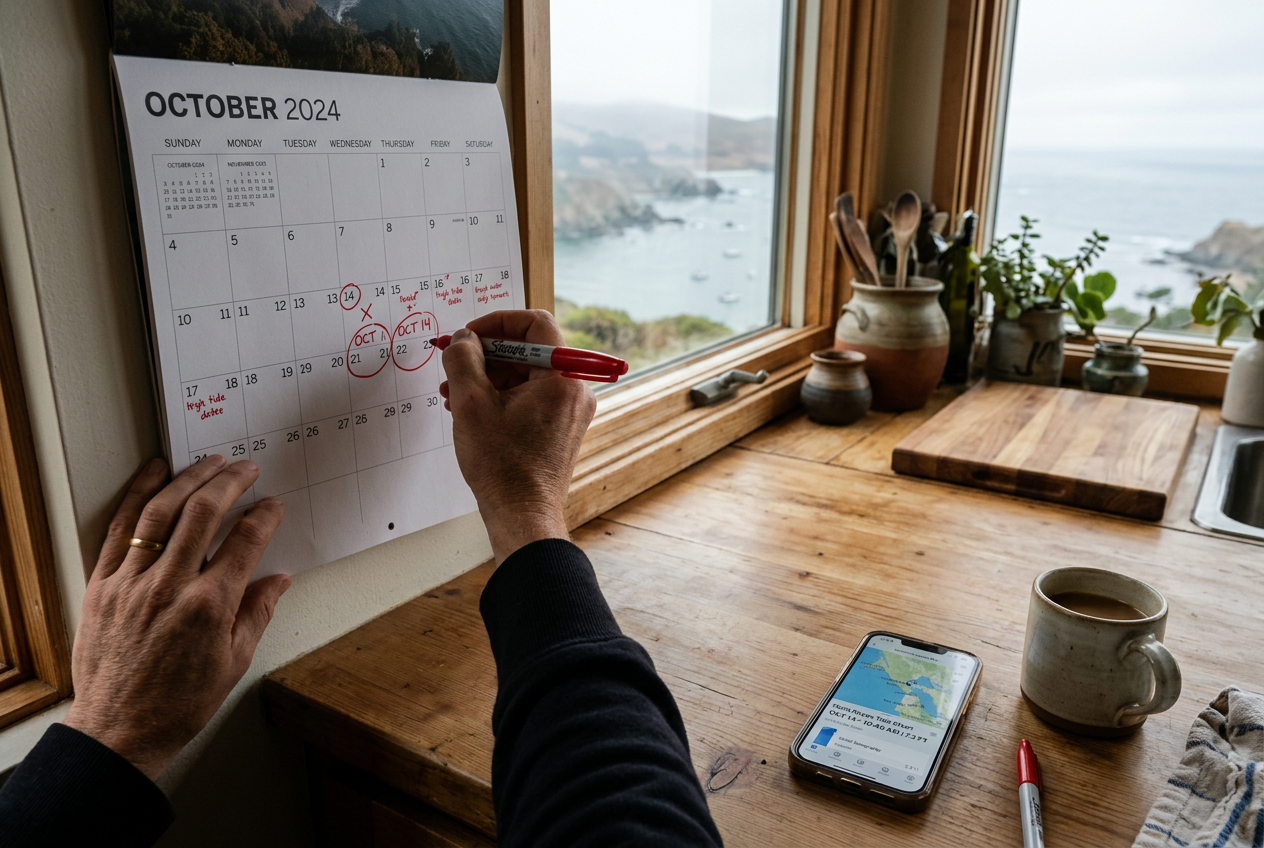
Start by learning when the next high tides will hit near you. Many state and county websites list king tide dates for the year. Search for “king tide dates” along with your state or county name. Once you have the dates, write them on your calendar or in your phone. Mark the day before too, so you remember to set out your barriers early.
Keep in mind that water can rise even higher when king tides mix with strong onshore winds or big ocean swells. That is what happened in both California and Florida. So even a “normal” king tide date can turn into a flood day.
Sign Up for Coastal Flood Alerts
The National Weather Service (NWS) sends out coastal flood alerts when high water is expected. You do not have to check the website all day. You can sign up to get these alerts on your phone.
Most weather apps let you turn on alerts for your area. Many phones also get emergency alerts without any setup. Your local county or city may offer a text or email alert system too. Sign up for at least one. That way you will know when water is coming before it reaches your door.
Know the Difference: Advisory vs. Warning
The NWS uses two main terms. Learning them helps you know when to act.
Coastal Flood Advisory. This means minor flooding is possible or already happening. Think water in low streets, parking lots, or yards. It is a heads-up. Move your car to higher ground and keep an eye on the water.
Coastal Flood Warning. This is more serious. It means flooding is expected that could damage property or block roads. When you see a warning, act right away. Put out your barriers, move valuables up high, and stay out of floodwater.
During the October 2026 event, the NWS had a Coastal Flood Warning in effect for the San Diego and Orange County coasts. A warning is your signal that the water is a real threat, not just a nuisance.
Once you know your dates and your alerts are set, you can move on to protecting your home. The next sections show you how.
Protect Doorways and Low Entry Points
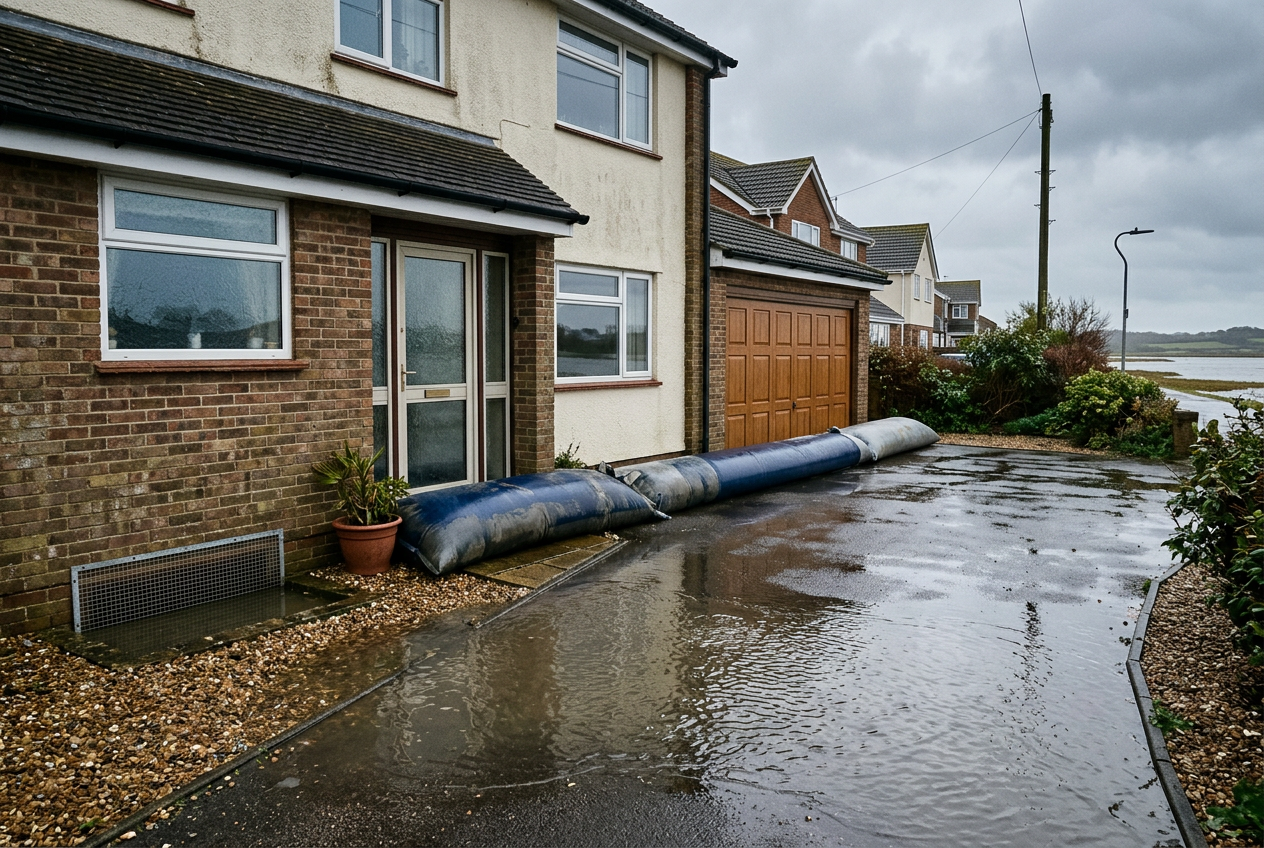
King tide water does not pour over your roof. It creeps in low. It comes through the gaps where your house meets the ground. The first step is to find those gaps before the water does.
Where Water Gets In
Walk around your home and look at the lowest spots. These are the places tidal water targets first:
- Front and back doors. The small gap under a door is an easy path for water.
- Garage doors. These are often the widest and lowest opening in a house. Water loves them.
- Low vents and crawl space openings. Many homes have vents near the ground. Water can slip right through.
- Sliding patio doors. The track at the bottom sits low and collects water fast.
Mark the spots that sit lowest. Those are where you place your barriers.
Easy Barriers That Need No Sand
Old-style sandbags work, but they are heavy. You need sand, a shovel, and strong arms to fill them. Most households do not have those things ready. Water-activated barriers solve this problem. You just lay them down and add fresh water. In 5 to 10 minutes they swell up into a firm barrier. No sand. No shovel. No heavy lifting.
For a single door, a short barrier is simple to set up. The Flood Hero 2-pack is sized for a standard doorway. Each bag is about 3 feet long and expands up to 3 inches tall. That height is good for shallow nuisance flooding at your entryway.
If you want more pieces to cover a few spots, a larger pack helps. The Quick Dam 6-pack gives you six smaller bags. Each one grows to about 3.5 inches tall once wet. You can line them up end to end or stack them along a door or a leaking spot.

For a garage door or a wide opening, you need length. A 5-foot barrier covers more ground with fewer pieces. This 10-pack gives you long bags you can lay side by side across a garage or along a longer wall.

Know the Size Limits
These barriers are great for shallow tidal flooding. But they have limits. Most expand to only a few inches tall. That blocks a thin sheet of water at your door. It will not hold back deep water or strong waves.
If your area floods deeper, or if the water keeps coming back, one layer is not enough. You can stack bags higher for more height. You can also build a stronger barrier, which the next section covers.
Set your barriers out before the tide peaks, not during. Fresh water activates them, and they need time to swell. Plan ahead so they are ready when the water arrives.
Build a Stronger Barrier for Repeated or Deeper Flooding
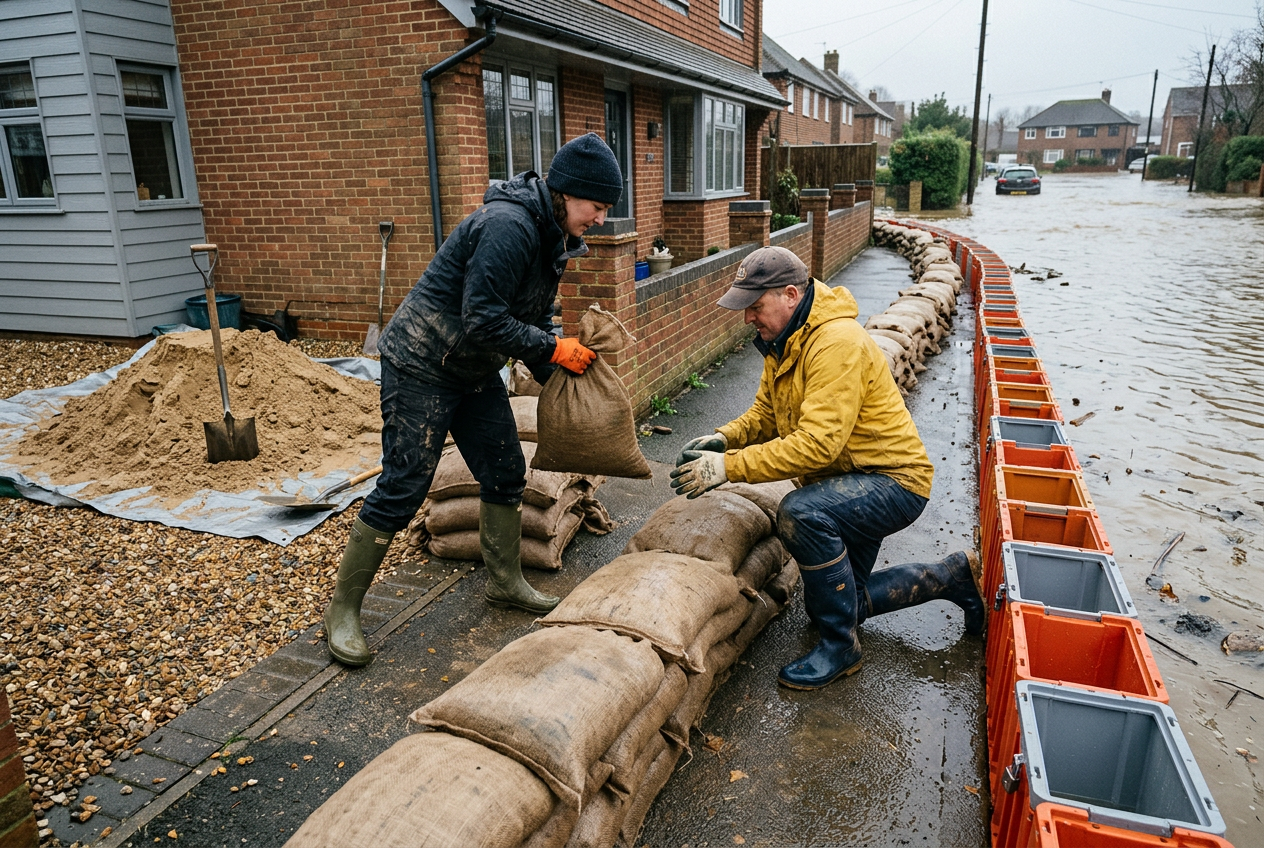
If king tides push water to your door more than once, towels and small fixes will not be enough. You need a barrier you can build up and reuse. Two good options are traditional sandbags and rigid flood barriers. Each works well when you set it up the right way.
Sandbags: Cheap and Flexible
Sandbags are a classic flood tool. You can stack them to block doorways, garage entries, and low spots. They mold to the ground and seal gaps better than stiff objects. That makes them handy on uneven surfaces.
Here is how to fill them safely. Only fill each bag about half full. A half-full bag folds and packs tight against the next one. An overfull bag stays round and leaves gaps. Half-full bags are also easier and safer to lift. A full sandbag is heavy, so bend your knees and do not lift alone if your back hurts.
Place the bags like bricks. Lay the first row flat. Then stagger the seams on the next row, so no two gaps line up. Fold the open end under the bag or tie it closed. Point the folded side toward the water. Tamp each bag down so it packs against the one below.
These woven bags come empty, so you add your own sand. They have ties and UV protection, which helps them last if you store them outside between tides. Buy enough to build more than one layer. One thin row rarely holds back rising water.
Reusable Rigid Barriers
If you face the same flooding over and over, a reusable barrier can save you time. Rigid L-shaped barriers lock together across a doorway or driveway. You do not refill them each time. You store them and set them back up when the next king tide comes.

This kit uses L-shaped ABS plastic pieces. The design uses the water’s own weight to hold the barrier down. Water presses on the flat base, and that pressure keeps the wall in place. The higher the water, the firmer it sits. The pieces connect without special tools, so an ordinary household can set them up fast.
Know When to Call for Help
No home barrier stops deep water. If water is rising past knee height, moving fast, or carrying debris, stop working and get to safety. Moving water can knock you down. It can also be dirty or hide hazards.
Record king tides recently damaged more than 100 structures in Orange County, and six homes were marked unsafe to enter. That shows how serious repeated flooding can get. If your home floods again and again, call your local emergency office or a licensed contractor. They can suggest permanent fixes that a stack of bags cannot match.
Catch Water Early With Leak Alarms
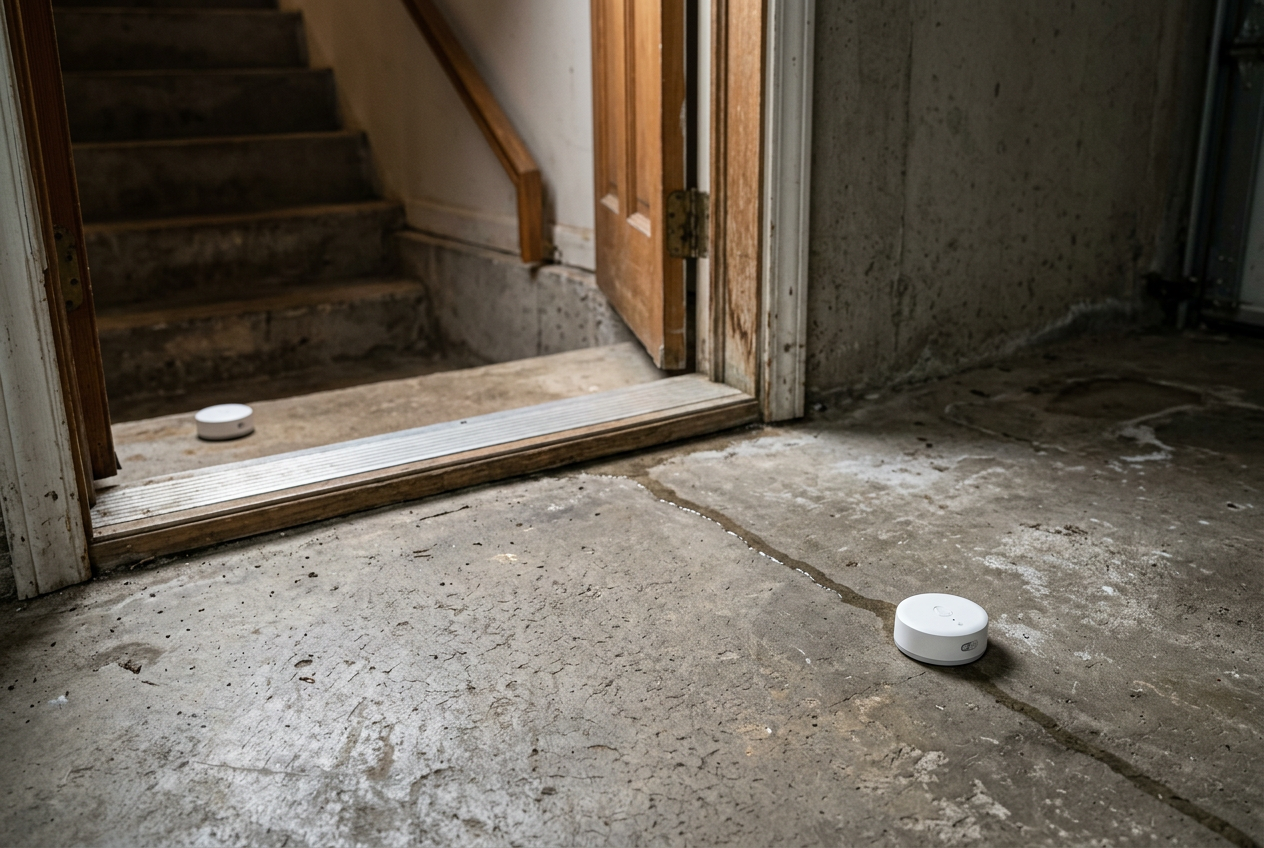
Tidal water often sneaks in slowly. It may start as a thin trickle under a garage door or a damp spot near a low entry. By the time you see it, the water may have already spread across the floor. A small water sensor fixes this problem. It warns you the moment water touches it, so you can act fast.
These alarms are simple to use. There are no wires and no setup skills needed. You just place them flat on the floor in the spots most likely to flood first. Good places include near your front and back doors, inside the garage, in a basement, and under low windows. Put them wherever ground water or tidal water tends to collect.
Loud Alarms for When You Are Home
If you are home during a king tide, a loud alarm may be all you need. A standalone sensor makes a sharp sound the instant it detects water. You hear it right away, even from another room.
This 5 pack of leak detectors sounds a 100 decibel alarm when its probes touch water. That is loud enough to hear across the house. Each unit has sensors on the front and back, so it catches both dripping and floor water. Because you get five, you can cover several entry points at once. There is also a mute button, so you can silence it once you reach the flooded spot and start cleaning up. For a household that wants a cheap, no fuss warning, this budget option works well.
Wi-Fi Alarms for When You Are Away
A loud beep does not help if nobody is home. Many people leave for work or travel while a king tide rolls in. In that case, you want an alarm that reaches your phone.
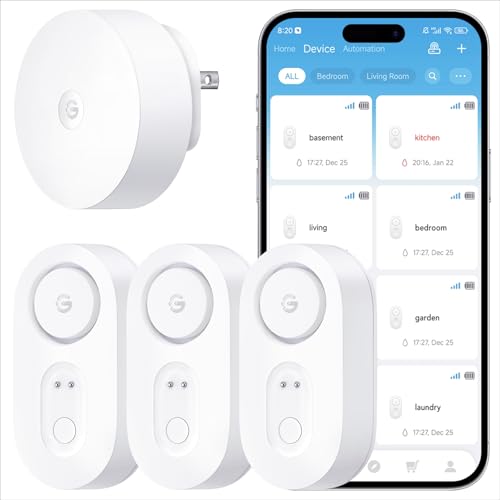
This GoveeLife 3 pack connects to your home Wi-Fi. When water touches a sensor, it sends you an alert by app, text, or email. It also flashes red and sounds a 105 decibel alarm at the sensor itself. So you get a warning both at home and on your phone. The long range signal reaches far corners like a detached garage or a deep basement. You can add family members to the alerts too, so someone nearby can check on your home while you are out. For coastal households that travel or own a second home, this mid-range option gives real peace of mind.
Simple Tips for Placement
Set sensors flat on the floor, not on a shelf. Water spreads along the ground first. Test each one before king tide season by touching the probes with a wet finger. Replace the batteries if an alarm seems weak. A sensor only helps if it works when you need it.
Early warning will not stop the water. But it buys you time to move valuables, lay down barriers, and protect your home before the damage spreads.
Compare Flood Barrier Options for Your Home
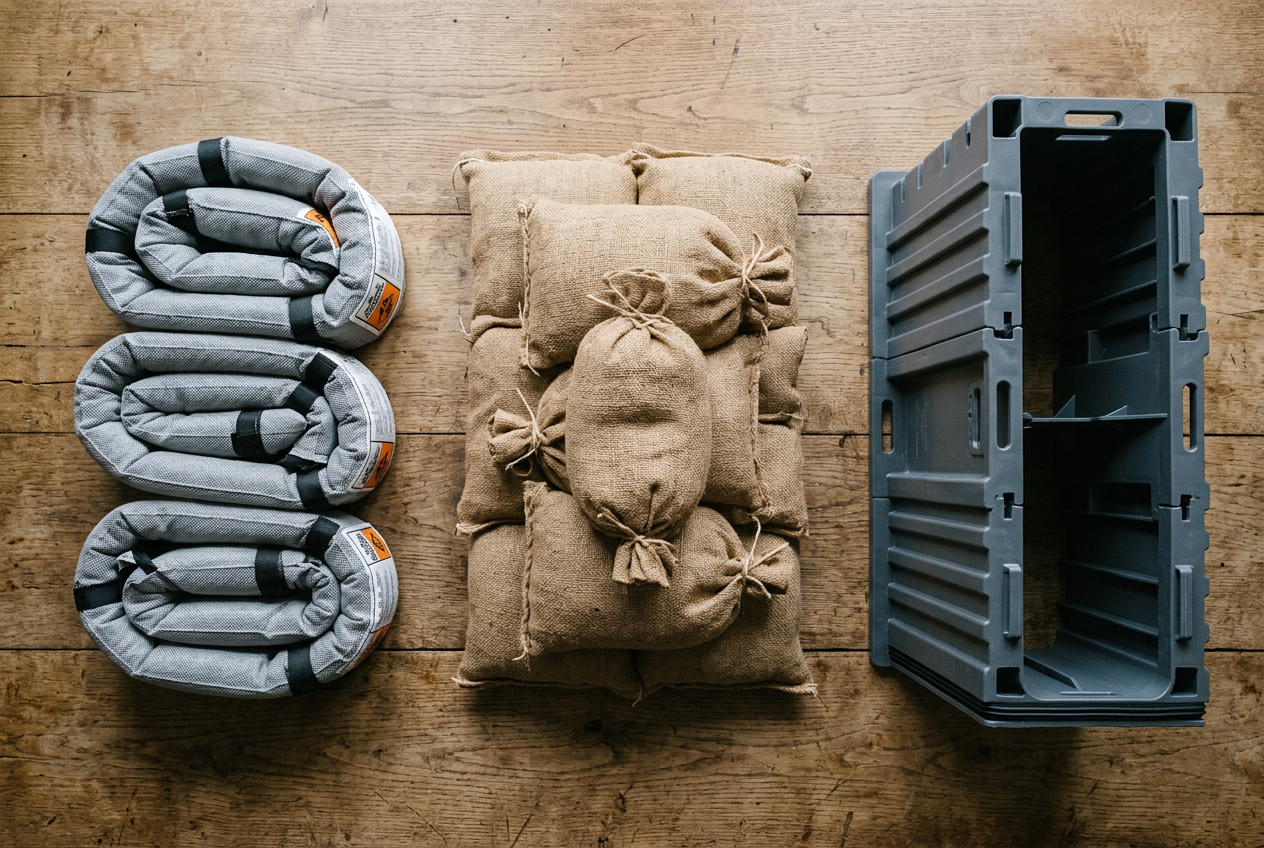
King tide flooding can push water right up to your doors. The right barrier depends on how often you flood, how much space you have, and how much lifting you can handle. Below is a quick look at three common types. Use it to pick what fits your home best.
Water-Activated Bags
These bags stay flat and light until you soak them. They swell up in minutes and turn into a gel barrier. No sand, no shovel, no heavy lifting. They are great for blocking water at a door or around a leaking appliance.
A short option like the Flood Hero 3 ft water-activated barriers works well for one doorway. For wider coverage, the Quick Dam 12 x 24 water-activated bags come in a six-pack. If you need to protect several entrances, the 10-piece 5 ft water-activated barriers cover more ground.
The trade-off is reuse. Many water-activated bags are made for one event. Check the maker’s directions before you count on using them again.
Traditional Sandbags
Sandbags are the classic choice. They take more work. You need sand, a shovel, and strong arms. But once stacked, they build a strong wall and handle deeper water well. They also work for long runs along a yard or driveway.
Empty bags store flat until you fill them. The DURASACK heavy duty sandbags come in a 50-pack with UV protection, so they hold up to sun and weather. Fill them before a king tide hits, not during. Wet, heavy bags are slow to move when water is already rising.
Rigid Boxwall Barriers
Boxwall barriers are hard plastic pieces that snap together. The weight of the water presses them down and holds them in place. The higher the water, the tighter they seal. They set up fast and you can reuse them many times.
The JIN YANG HU ABS boxwall barrier kit includes L-shaped pieces plus sandbags. It is a good fit if you flood at the same spot again and again. The downside is storage. The pieces take up shelf or garage space even when not in use.
How to Choose
Pick water-activated bags for quick, light, one-time protection. Pick sandbags for long barriers or deeper water, if you can do the work. Pick boxwall barriers if the same door floods often and you want a reusable setup. Many homes mix types. You might use boxwall at the garage and water-activated bags at the front door.
Protect Your Household During an Active King Tide
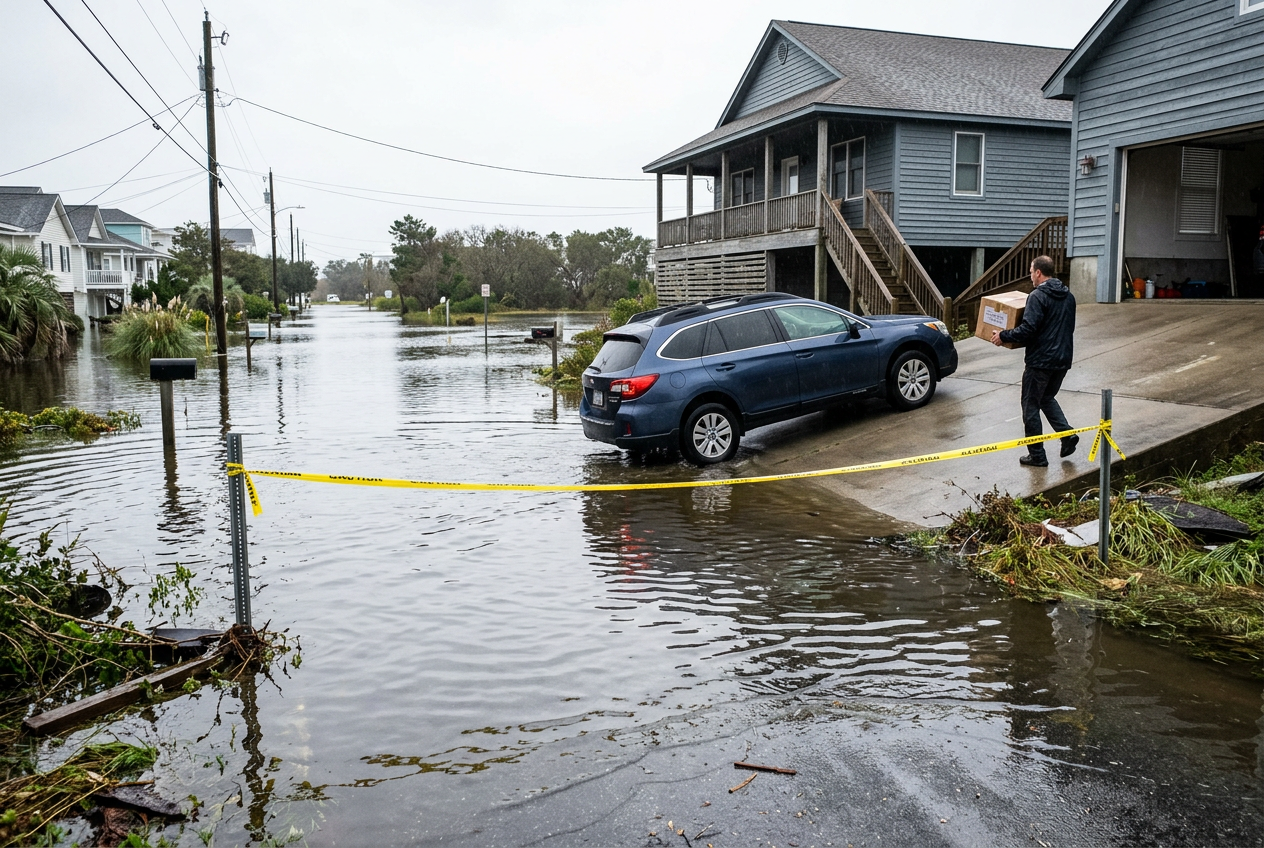
When the water is high, your job changes. It is no longer about setting up barriers. It is about staying safe until the tide goes back down. King tides often peak for a few hours. These are the times to be most careful.
Never Walk or Drive Through Floodwater
This is the most important rule. Do not drive through flooded streets. Do not walk through them either. Floodwater can be much deeper than it looks. It can also hide debris, holes, or sharp objects you cannot see.
Moving water is strong. Even a small amount can knock you down or sweep a car away. If you see water on the road, turn around and find another way. A short delay is better than a dangerous risk. Keep children and pets away from flooded areas too.
Stay Away From the Beach and Surge Zones
King tides can make the shoreline dangerous. Waves can reach farther than normal and move in unpredictable ways. During active flooding, the beach is not a safe place to watch the water.
Respect all safety barriers. Do not cross fences, cones, or caution tape. Those warnings are there for a reason. Stay back from piers, sea walls, and low coastal spots where water is rising.
Move Valuables and Vehicles to Higher Ground
If you have time before the water peaks, act early. Move your car to higher ground. A driveway on a slope, a parking garage, or a street that stays dry are all better than a low spot. Flooded cars can cost a lot to repair or replace.
Inside your home, lift valuables off the floor. Move important papers, electronics, and family items up high. Put them on counters, shelves, or upper floors. Small steps now can save you from bigger losses later.
Shut Off Utilities If Water Enters
Water and electricity are a deadly mix. If floodwater starts coming into your home, shut off the power at the main breaker. Only do this if you can reach the breaker safely and the floor around it is dry. Never touch electrical switches while standing in water.
If you smell gas or think a gas line is damaged, shut off the gas and leave the home. Call your utility company from a safe place. Do not try to fix gas problems yourself.
Catch Small Leaks Early
Even with barriers in place, some water may still sneak in. A loud alarm can warn you before a small leak becomes a big mess. Battery leak detectors like the 5 Pack Water Leak Detectors sit on the floor near doors and drains. They sound off when they touch water, so you can act fast.
Stay inside and wait for the tide to drop. Most king tide flooding fades within hours. Once the water is gone, you can check for damage and start cleanup safely.
King Tide Flooding FAQ
Here are answers to common questions about king tides and how they flood coastal homes.
What causes king tides?
King tides are very high tides. They happen a few times a year. The sun and moon line up in a way that pulls harder on the ocean. This makes the water rise higher than normal high tides. When king tides combine with strong onshore winds and high seas, water can push onto streets and into yards. This is what flooded Florida’s Atlantic coast and parts of Southern California in late October 2026.
How long do king tides last?
King tides come and go with the tide cycle. The water rises and falls each day. The highest water usually lasts for a short window, often a couple of hours around high tide. The king tide event itself may stretch over several days. For example, the National Weather Service issued coastal flood advisories and warnings that covered specific days during these events. Watch your local advisories for the exact dates and hours in your area.
Are water-activated flood bags reusable?
It depends on the product. Some water-activated bags are meant for one use. Others are made to be dried and stored for next time. For example, the 10-pack of 5-foot water-activated barriers is described as reusable. After the flood, you let them dry out, then fold them away. Always read the maker’s directions. Check if your bags can be reused before you throw them out or try to store them.
Does saltwater damage home systems?
Saltwater can be harder on your home than fresh rainwater. Salt and grit can get into appliances, outlets, and metal parts. It can also leave residue behind as it dries. Keep floodwater out of your living space when you can. Do not walk or drive through floodwater. It may be deeper than it looks. It may also hide debris. If saltwater gets into your electrical system or major appliances, have a professional check them before you use them again.
When should I contact my city or insurer?
Contact your city if floodwater damages public areas near your home, blocks roads, or if you see broken barriers or safety hazards. Your city can also tell you about local flood rules and sandbag programs. In Orange County, officials reported more than 100 damaged structures and six homes marked unsafe after record tides. If your home is damaged, contact your insurer right away. Take clear photos of the damage before you clean up. Ask your insurer what your policy covers. Many standard home policies do not cover flood damage. Flood coverage is often a separate policy. It is smart to check this before the next high water, not after.
Keep an eye on local advisories so you know when the next king tide is coming.
Your King Tide Action Checklist
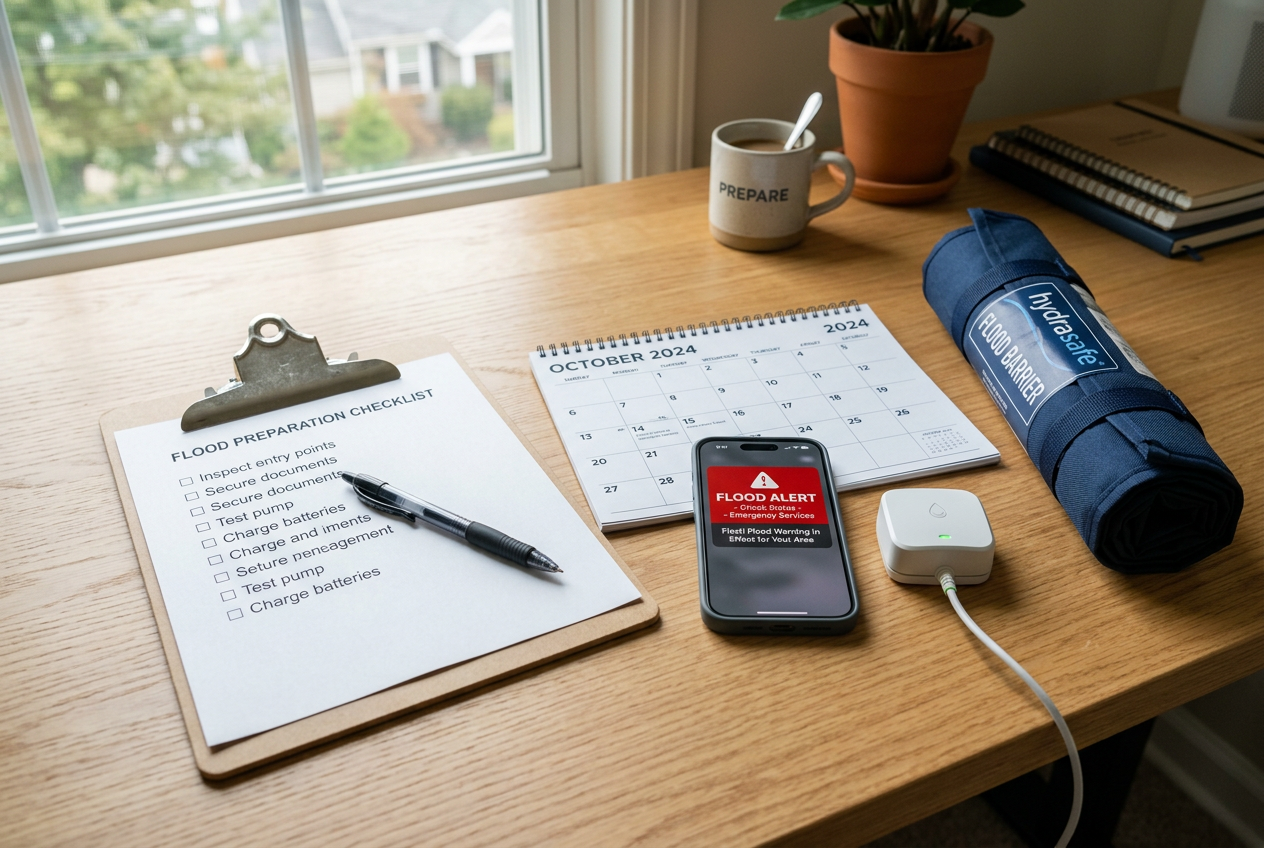
You can do most of this in one afternoon. Work through the list in order. Each step builds on the one before it.
Find the king tide dates for your area. Look up when the next high tides will hit your coast. Write the dates on your calendar or phone. Knowing when water is likely to rise helps you prepare in advance, not in a panic.
Sign up for local alerts. The National Weather Service issues coastal flood advisories and warnings when king tides threaten your area. Turn on weather alerts on your phone. Follow your city or county emergency page too. These alerts tell you when flooding is expected and how high the water may get.
Check your flood risk. Walk around your home. Look for low doorways, garage doors, basement windows, and other spots where water could sneak in. These are the places you need to protect first.
Place barriers at your entries. Set up your flood barriers at the low points you found. If you use water activated bags like the Quick Dam water activated flood bags or the Flood Hero doorway barriers, soak them ahead of time so they are ready when water arrives. For heavier or repeated flooding, build a stronger wall with sandbags such as the DURASACK heavy duty sandbags or a reusable L type barrier like the JIN YANG HU boxwall kit. Put barriers in place before the tide peaks, not during it.
Set up leak alarms. Place water leak detectors on the floor near your doors, in your garage, and in your basement. Small alarms like the 5 pack water leak detectors sound loudly the moment water touches them. If you want phone alerts while you are away, use a smart model like the GoveeLife smart water leak detectors. Early warning gives you time to act.
Move valuables up. Lift anything important off the floor in rooms that could flood. Move boxes, electronics, papers, and family keepsakes to higher shelves or upper floors. Unplug items stored low to the ground. This simple step saves you from costly damage.
Avoid floodwater during the tide. When water is on your streets, stay out of it. Do not drive through floodwater. It may be deeper than it looks and can hide debris that damages your car. Keep children away from the water. Respect any safety barriers, cones, or caution tape near the coast.
Check and reset after the tide. Once the water drops, inspect your barriers and alarms. Dry and store reusable barriers for next time. Note what worked and what you want to improve.
Print this page so you can check off each step. Keep it handy for the next high tide.
Conclusion: Stay Ready for the Next High Water
King tides are not a surprise. They follow a schedule. They happen when the sun, moon, and Earth line up to pull the ocean higher than normal. That means you can mark the dates ahead of time and get ready before the water arrives.
This fall, the tides were strong. Record high tides flooded parts of Florida’s Atlantic coast from October 26 to 29, 2026. In Orange County, California, more than 100 structures were damaged and six homes were deemed unsafe. The National Weather Service also issued coastal flood warnings for the San Diego and Orange County coasts. These events show that king tide flooding is real and can reach homes fast.
The good news is you do not have to scramble each time. A little planning now makes the next high-water window much easier to handle.
Keep Your Gear Ready
Store your barriers where you can reach them fast. If you use traditional sandbags like the DURASACK heavy duty sandbags, keep a sand source in mind and know who can help you fill them. If you use water-activated bags like the Quick Dam flood bags or reusable L-shaped barriers, check that they are dry, clean, and folded for storage.
Test your leak alarms too. Water leak detectors like the 5-pack water leak alarms or the GoveeLife smart leak detectors only help if the batteries work. Check them a few times a year. Press the test button. Make sure you still hear the alarm.
Review Your Plan Before Each High Tide
Before each predicted high-water date, take a few minutes to walk through your plan.
- Check the tide schedule and any local flood advisories.
- Look at your doors and low entry points. Clear away leaves and debris so water can drain.
- Set up your barriers in advance if deep flooding is expected.
- Place or test your leak alarms near doors, drains, and low floors.
- Know your safe exit route. Never drive through floodwater. It may be deeper than it looks and may hide debris.
- Keep phones charged and keep an eye on alerts.
Build the Habit
The households that handle king tides best are the ones who treat them like a routine. Mark the dates on your calendar. Keep your gear in one spot. Do a quick check before each high tide. Over time, this becomes a simple habit instead of a stressful rush.
You can use the checklist in this article as your guide. Print this page if you want a copy to keep near your door or in your emergency kit.
High water will come again. When it does, you will be ready. A calm, prepared household is the best protection against the next king tide.
Sources and Further Reading
- King tides are flooding both U.S. coasts this week
- Just published. A lot of high tide action hitting the coasts in …
- ‘King Tides’ could mean coastal flooding, NWS says
- Though we can’t go to the beach, mariners still need …
- Be King Tide Ready
- 114 structures damaged by Orange County flooding as experts warn worse is ahead
- High tides bring coastal flood alerts to California
- Lake Worth Pier and South Port Everglades reach record water levels, King tides flood Florida’s Atlantic coast