Ready
When Floods Contaminate Well and Tap Water: A Household Safety Guide (2026)
Heavy rains recently swept across the Southwest. Floods hit the Navajo Nation, Hopi communities, and nearby areas in Arizona, New Mexico, Colorado, and Utah. Hopi leaders declared a state of emergency. New Mexico asked the federal government for help after record flooding on the San Juan River. Hundreds of families had to leave their homes. Some people were rescued from rooftops.
When floodwater rises like this, it can get into your drinking water. This is a big worry if your home uses a private well. Floodwater can carry bacteria, chemicals, and waste. It can seep into wells and even into town water lines. Water that looks clear can still make you sick.
The good news is that you can take simple steps to protect your family. This guide walks you through them in plain language.
Here is what you will learn:
- Why floodwater makes well and tap water unsafe
- What to do first if you think your water is contaminated
- How to test your water after a flood
- How to make water safe to drink by boiling or using purification tablets
- How to disinfect and restart a flooded well
This guide is written for ordinary households, not professionals. We will explain each term and tell you when to call for expert help. Let’s start with why floodwater is such a problem for your water.
- After a flood, never trust well or tap water until you test it, since floods push in bacteria, lead, and other contaminants.
- Test your water first for things like lead, iron, copper, and bacteria so you know what you are dealing with.
- If water may be unsafe, treat it before drinking, cooking, or brushing teeth.
- Purification tablets can make water safe in about 30 minutes when you cannot boil it.
- Keep enough supplies for at least 3 days per person, and store clean water in sealed containers.
One practical preparedness move each week. No fear-mongering, ever.



Reviewed by James W., Priya K. & Ryan C. — contributors with hands-on preparedness experience. How we test
A few key tools can keep your family safe when flood water reaches your well or tap. Grab these now, then read on to see how each one helps.

21 in 1 Water Test Kit
This kit lets you quickly check your well or tap water for lead, iron, copper, chlorine, and more. Testing first tells you if flood water has made your supply unsafe.
Check Price on Amazon
Potable Aqua Tablets
These tablets treat drinking water when you cannot boil it after a flood. The two bottles give you a backup supply for emergencies at home or on the go.
Check Price on Amazon
Aquatabs Purification Tablets
Aquatabs remove 99.9999% of bacteria, 99.99% of viruses, and 99.9% of cysts from questionable water. With 100 tablets, you have plenty of safe drinking water during a long cleanup.
Check Price on AmazonIn this guide
Why Trust This Guide?
This article was researched and reviewed by contributors with hands-on experience in emergency preparedness. They have tested gear, built real systems, and lived through situations where these skills actually mattered.
Why Floodwater Contaminates Wells and Tap Water
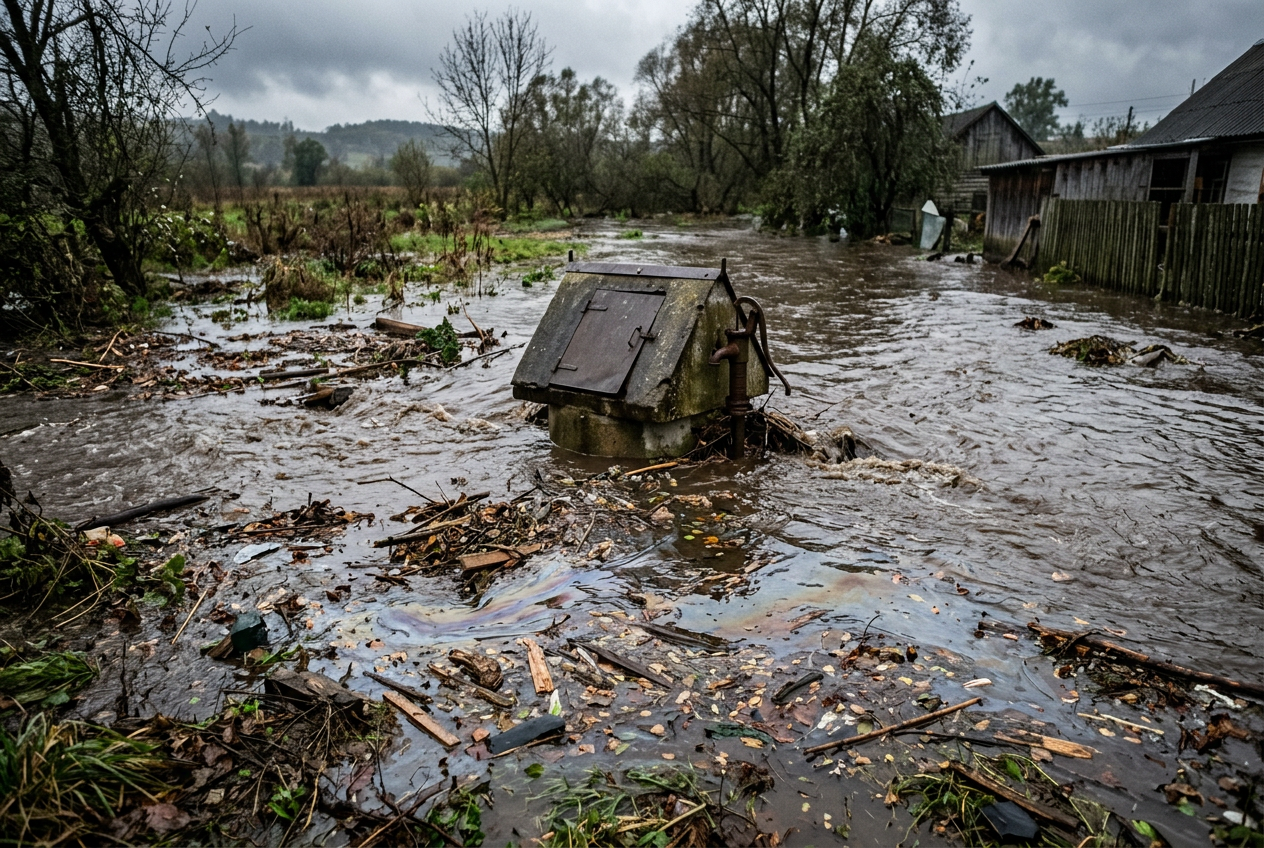
Floodwater is not clean water. As it moves across the ground, it picks up many harmful things. These can end up in your well or your tap. Knowing how this happens helps you take the right steps to stay safe.
What Floodwater Carries
When heavy rain and flooding sweep through an area, the water does not stay clean. It runs over farms, roads, yards, and homes. Along the way it picks up:
- Bacteria and germs. Floodwater often mixes with animal waste and human sewage. This can carry bacteria like E. coli that make people very sick.
- Sewage. Flooding can overflow septic tanks and sewer lines. That waste can seep into the ground and into your water.
- Chemicals. Floodwater may carry fuel, cleaning products, pesticides, and other chemicals from homes and land.
- Debris and dirt. Mud, silt, and small bits of trash can wash into wells and pipes.
Recent floods in Navajo and Hopi communities across northern Arizona show how fast this can happen. Heavy rain swept through the region, and leaders declared a state of emergency. When water rises that quickly, it does not take long to reach a well or damage a water system.
How Wells Get Contaminated
A private well draws water from underground. Normally, the ground acts like a filter. But during a flood, water can rise above the top of the well. It can also pour in through the well cap or cracks. When that happens, all the germs and chemicals in the floodwater go straight into your drinking water.
This is why experts treat any flooded well as unsafe. If floodwater has reached or covered your well, you should assume the water is contaminated until a test proves it is safe. Do not drink it, cook with it, or use it to brush your teeth until you know for sure.
Tap Water Can Be Affected Too
If you get water from a city or community system, flooding can still cause problems. Floodwater can break water lines or lower the pressure in the pipes. When pressure drops, dirty water can get sucked into the system. That is why your local water provider may issue a boil order or warning after a flood.
Clear Water Is Not Proof It Is Safe
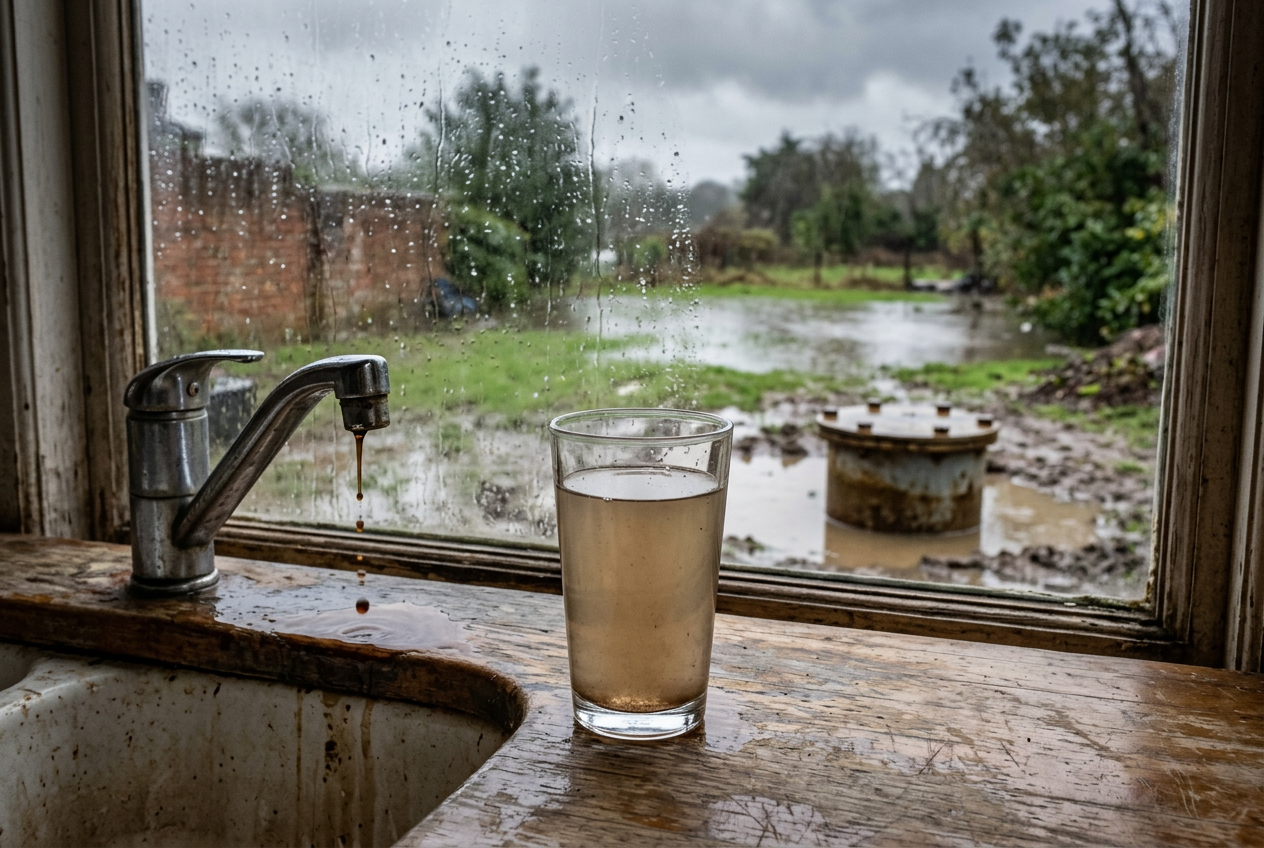
Your senses can give you clues, but they cannot be trusted alone. Cloudy water, a strange color, or a bad smell or taste are all warning signs. If you notice any of these, do not drink the water.
But here is the important part. Clear water can still be unsafe. You cannot see, smell, or taste most bacteria and chemicals. Water that looks perfectly fine may still make you sick. The only way to know for sure is to test it.
In the next sections, you will learn the first steps to take, how to test your water, and how to make it safe to use again.
First Steps If Your Water May Be Contaminated
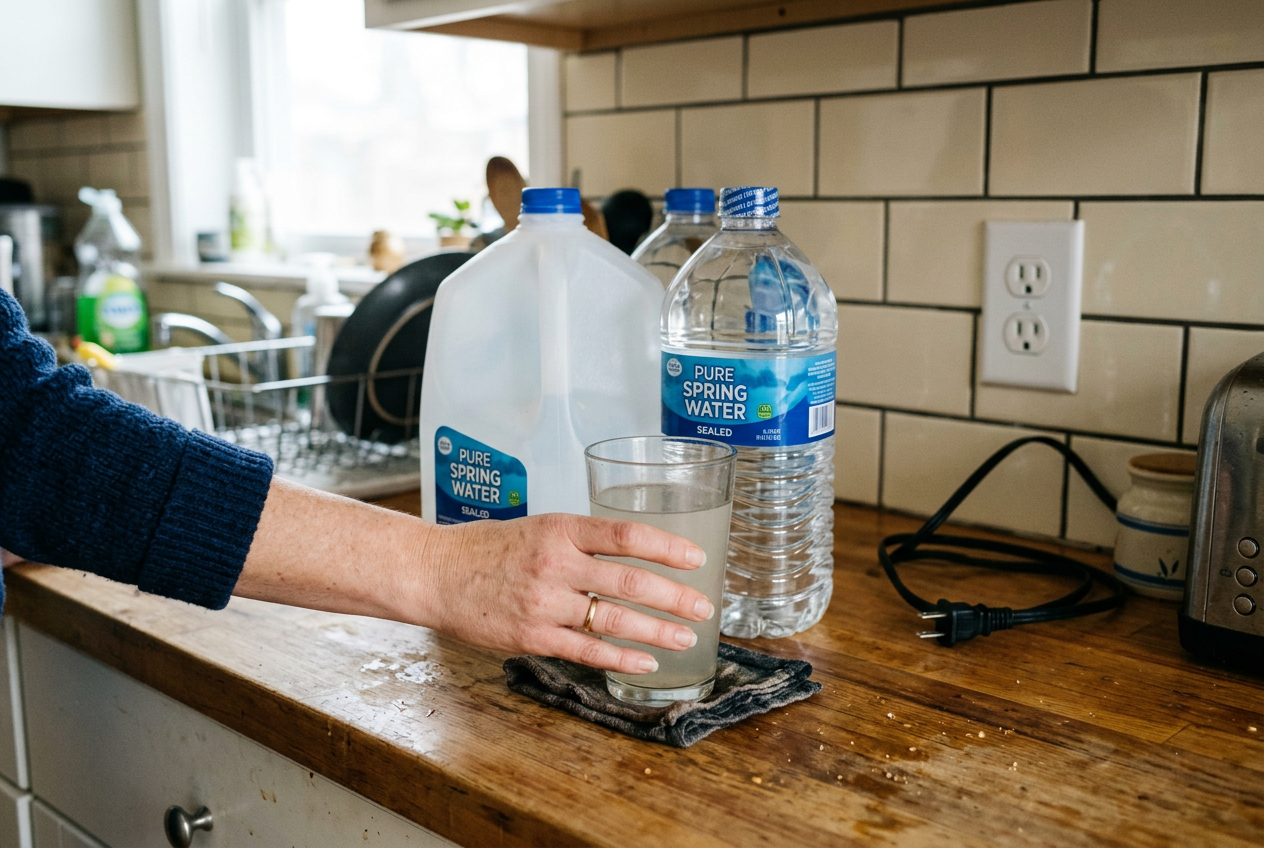
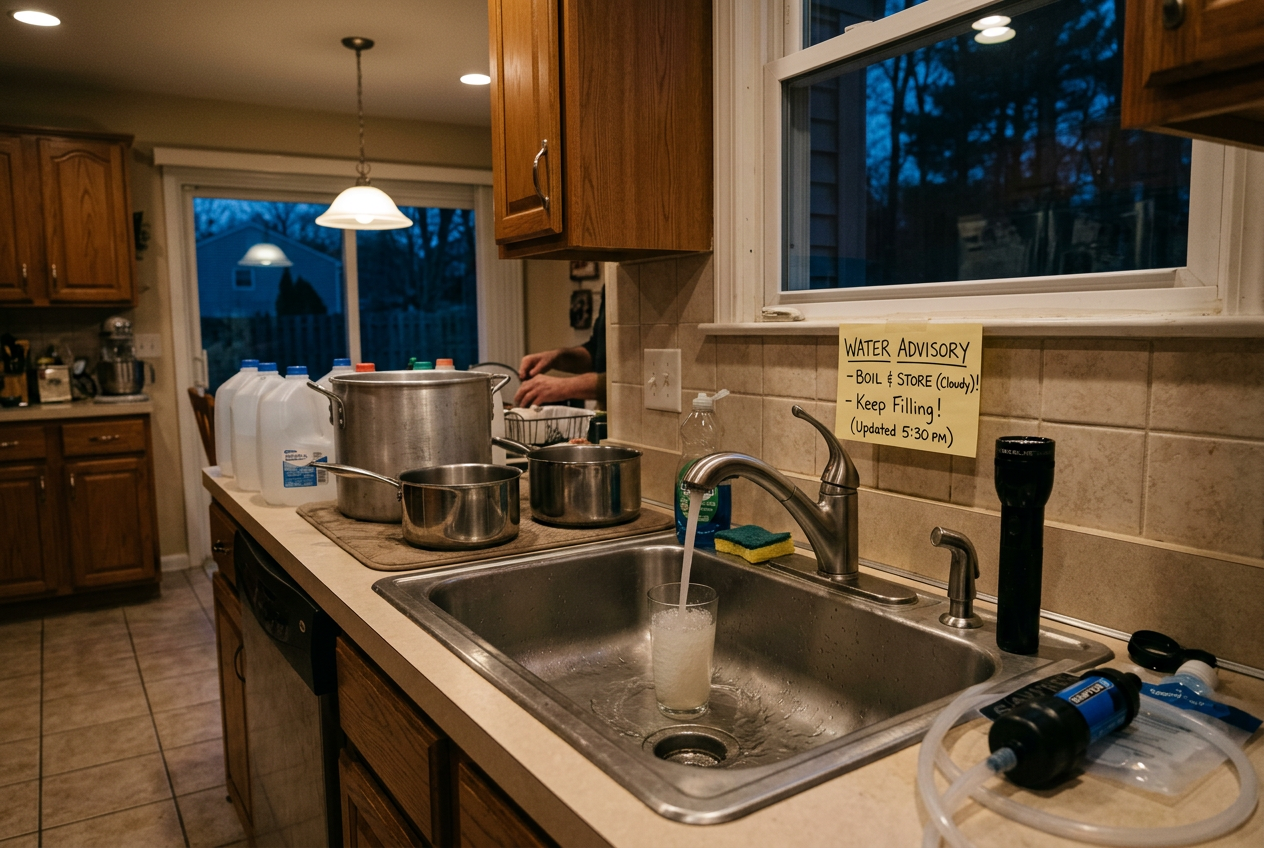
If floodwater reached your well or your tap water looks, smells, or tastes odd, act fast. Treat the water as unsafe until you know more. The steps below cost nothing. You can do them right now.
Stop Using the Suspect Water
Stop drinking the water. Stop cooking with it too. Do not use it to make baby formula, ice, or coffee. Do not use it to brush your teeth or wash dishes by hand. Floodwater can carry germs and chemicals you cannot see. Even clear water can make you sick.
Washing your hands is still important. If your tap water may be unsafe, use bottled water or boiled water that has cooled. You can also use hand sanitizer if you have it.
Switch to a Safe Water Source
Use bottled water or water you stored before the flood. If you have stored water, make sure the containers were sealed and did not touch floodwater.
During recent floods on the Navajo Nation and in Hopi communities, emergency crews handed out drinking water and other supplies. If you are in a flood zone, check with your local chapter house, tribal emergency office, or town for water pickup sites. Ask neighbors too. You may be able to get safe water nearby.
Do Not Use a Flooded Well Pump
If floodwater covered your well or your well pump, do not turn the pump on. A flooded pump can be an electrical danger. Water and electricity together can cause shock or fire.
Do not touch the pump or wiring if the area is still wet. Stay away from any damaged power lines near your well. If you smell burning or see sparks, keep clear and call for help.
A flooded well needs to be checked before you use it again. A licensed well contractor or electrician should inspect the pump and wiring first. They can tell you if it is safe to run. Call a professional if:
- Floodwater covered your wellhead or pump.
- The pump will not start or acts strange.
- You see damaged wires or electrical parts.
- You are not sure the system is safe.
Do not guess with electrical parts. This is one job where help is worth it.
Watch for Local Water Notices
After a flood, local officials may issue a boil-water notice or a do-not-drink notice. A boil-water notice means you must boil tap water before using it. A do-not-drink notice means the water is not safe even if you boil it, often because of chemicals.
Listen to local radio, check official websites, and watch for messages from your tribe or town. Follow these notices closely. They tell you exactly what is safe and when normal water returns.
Once you have safe water for now, your next step is testing. The following section covers how to check your water after a flood.
Testing Your Water After a Flood
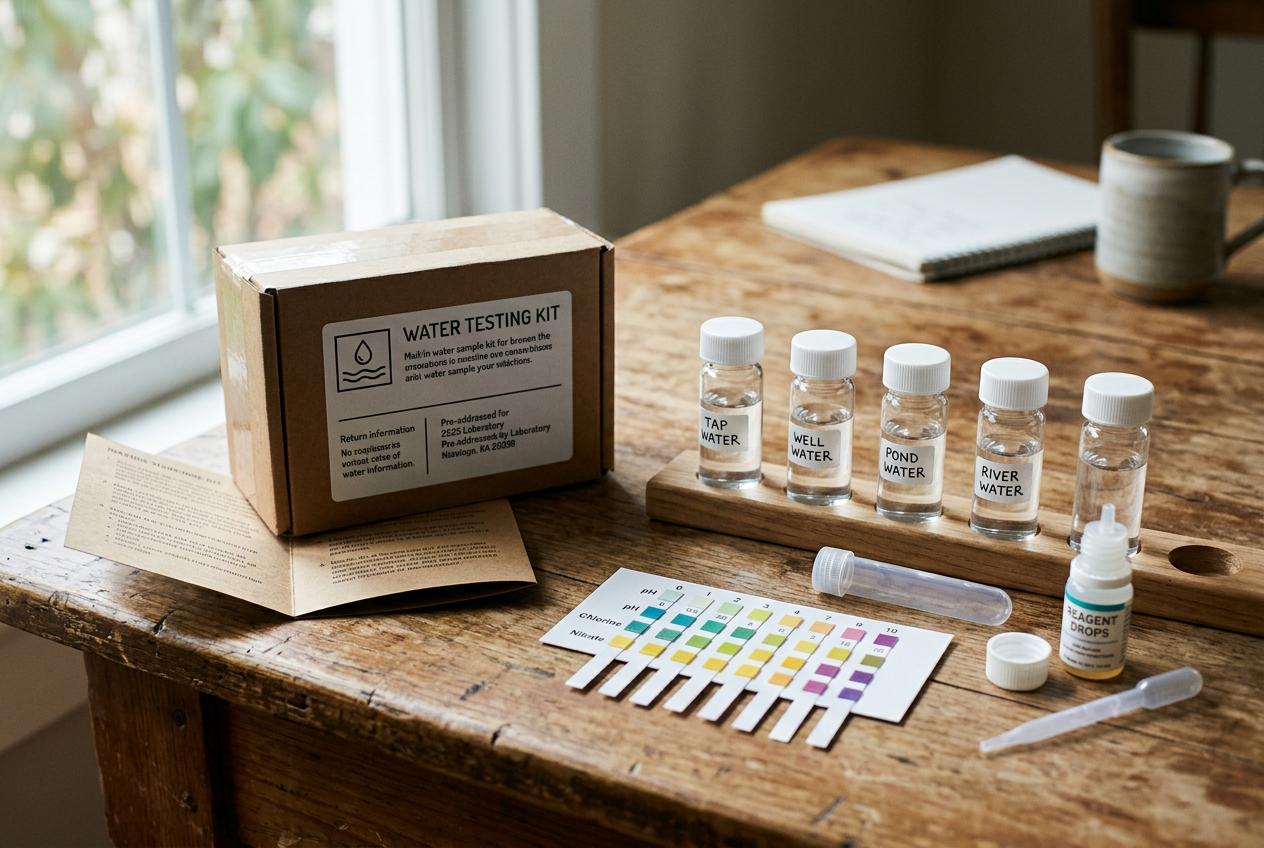
After a flood, you cannot tell if your water is safe just by looking at it. Clear water can still hold germs or metals. Water that looks dirty may just have mud, or it may carry more than that. The only way to know is to test. You have two main choices. One gives you a fast snapshot at home. The other sends your water to a lab for a full answer.
Quick At-Home Test Strips
Test strips are the fast option. You dip a strip in a glass of your water, wait a short time, then match the colors to a guide. This gives you a quick read on things like water hardness, chlorine, and some metals such as lead, iron, and copper.
Strips are easy and good for a first look. If a strip shows a high level of a metal, that tells you something is wrong and you need more help. Keep a kit on hand so you can check your water right away.
But strips have one big limit. They do not tell you if your water has harmful germs. Floods can push bacteria like E. coli and coliform into your well and pipes. These germs can make you sick, and a strip will not catch them. So a “clean” strip result does not mean your water is safe to drink.
Mail-In Certified Lab Kit
For a real safety answer, you need a lab test. With a mail-in kit, you fill small sample bottles, pack them up, and send them to a certified lab. The lab checks your water and sends back a full report.
A good lab kit tests for bacteria like E. coli and coliform. It also checks for heavy metals such as arsenic, lead, and uranium, plus things like nitrates. This is the only way to confirm your water is free of harmful germs after a flood.

Lab testing takes longer than a strip. You have to mail the sample and wait for results. But it is worth it for the one thing that matters most: knowing your water is truly safe to drink.
What Your Results Mean
Here is a simple way to use both tools together.
- Use strips first for a quick look. They can flag high metals or odd readings right away.
- Do not trust a drink based on strips alone. They miss bacteria.
- Send a lab sample to confirm your water is safe, especially if you are on a private well.
Until a lab confirms your water is clean, treat all your water as unsafe. Keep boiling or using safe bottled water for drinking and cooking. The next sections cover how to disinfect your water and restart a flooded well.
Disinfecting Water at Home: Boiling and Purification Tablets
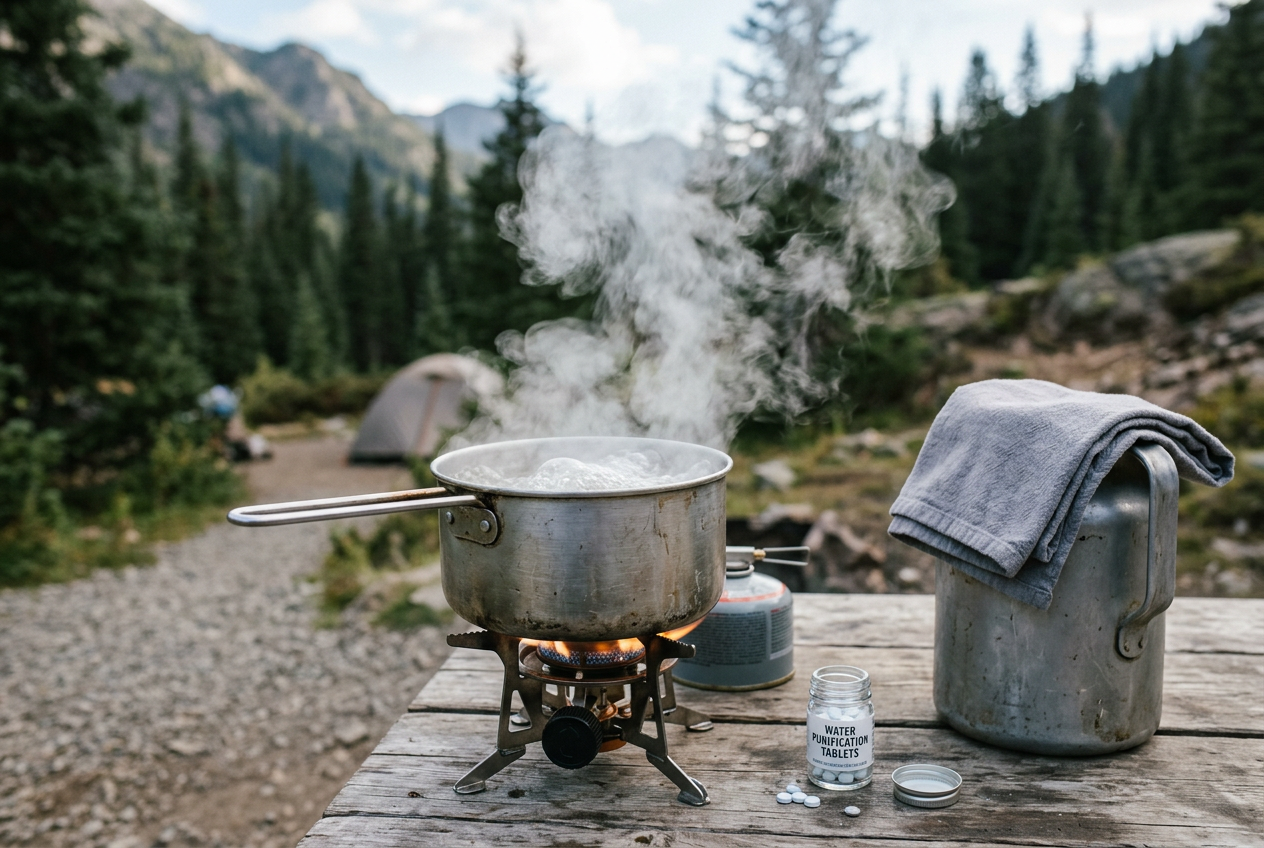
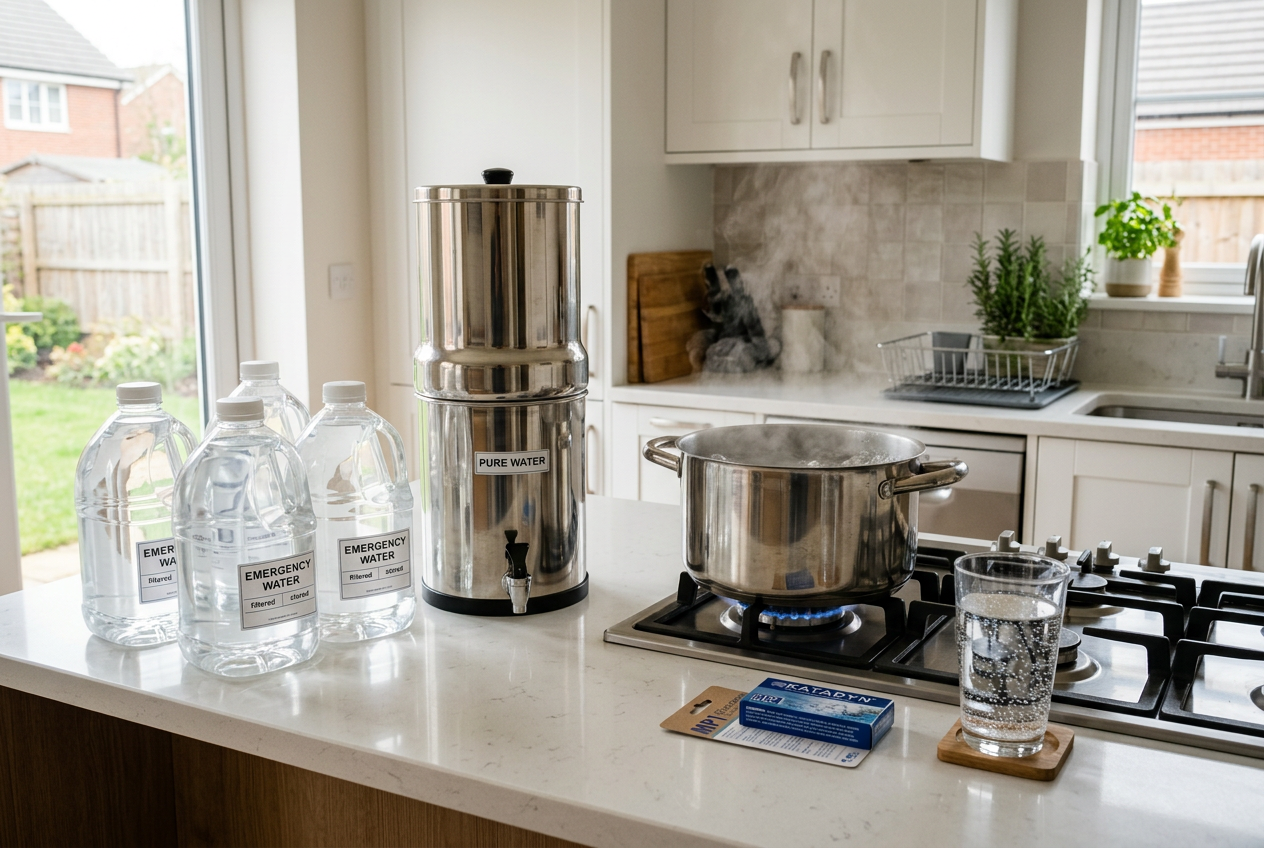
After a flood, your tap or well water may carry germs. Two simple methods can make water safer to drink. The best choice is boiling. When you cannot boil, purification tablets are a good backup.
Boiling Water the Right Way
Boiling kills most germs that cause illness. Here is how to do it:
- If the water looks cloudy or dirty, let it settle first. Then pour it through a clean cloth or coffee filter to remove bits.
- Bring the water to a rolling boil. That means big bubbles that do not stop when you stir.
- Keep it at a rolling boil for at least one minute.
- Let the water cool on its own. Do not add ice.
- Store it in clean, covered containers.
Boiling works well against bacteria and viruses. But it does not remove chemicals, fuel, or heavy metals. If you think your water has chemicals in it, do not drink it. Use bottled water instead.
Using Purification Tablets
Sometimes you cannot boil water. Maybe your power is out or you have no fuel. Purification tablets are small and easy to store. They make water safer to drink.
Tablets kill bacteria and viruses. Like boiling, they do not remove chemicals or heavy metals. So only use them on water that is not polluted by fuel or other chemicals.
Here are the basic steps:
- If the water looks dirty, filter it through a clean cloth first. Tablets work better on clear water.
- Add the tablets. Follow the exact amount on the package. Dosing changes with the brand and the amount of water.
- Wait the full time the package says. This is often about 30 minutes. Do not rush it.
- Drink only after the wait time is done.
Always read the directions on your own package. The numbers below are general guides, not a replacement for the label.
These tablets are made for drinking water in emergencies.

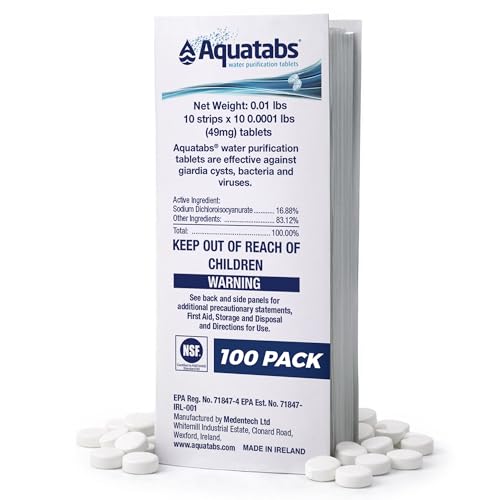
Keep a few bottles with your flood kit. They take little space and last a long time when sealed. Remember, tablets and boiling make germs safe. They do not clean out chemicals. When in doubt, use bottled water for drinking and cooking.
Comparing Your Water Testing and Treatment Options
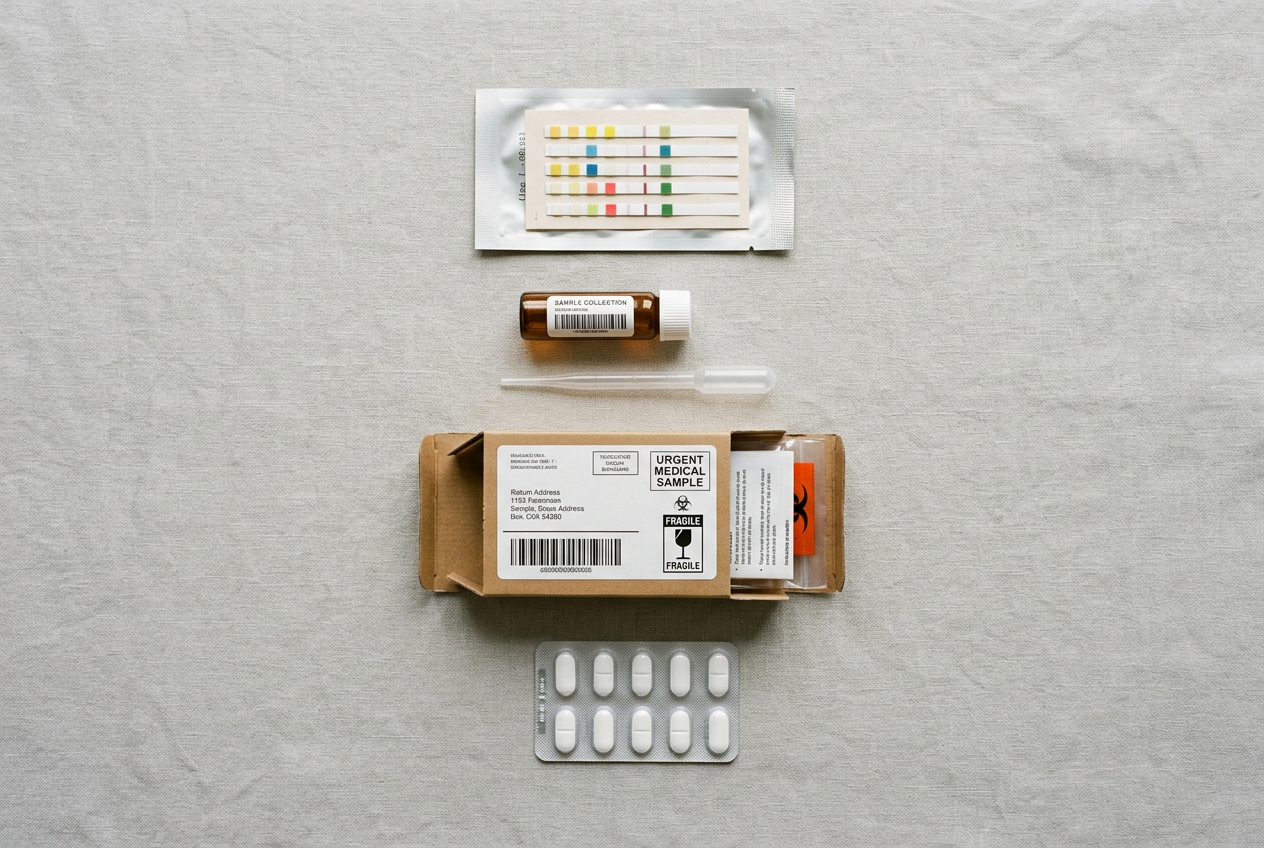
By now you have seen two kinds of tools in this guide. One kind tests your water. The other kind treats your water. They do different jobs. You may need both after a flood. The table below puts them side by side. Use it to pick fast.
Test kits tell you what is in your water. They do not clean it. Purification tablets kill germs in clear water. They do not test it, and they do not remove metals, chemicals, or mud. Knowing the difference keeps you safe.
How to Choose
Start with testing. You cannot fix a problem you cannot see. If you want a fast look, the 21 in 1 test strips check things like lead, iron, and chlorine right at your tap. They give quick results. But strips do not reliably find bacteria. That matters after a flood.
For a full picture, a mail-in lab kit is stronger. The Advanced Home Water Test Kit tests for many items, including coliform and E. coli bacteria. This fits wells near farms or industry, which floods can push into your water. You wait for lab results, so it is not instant.
Next, treatment. Purification tablets are a good backup when you cannot boil water. They work best in clear water. Cloudy or muddy water should be filtered through a clean cloth first. Tablets kill germs. They do not take out lead, chemicals, or dirt.
If you want a trusted option, the Aquatabs 397mg tablets treat about 4 gallons per tab. That suits larger batches. The Aquatabs 49mg tablets fit a small bottle or jug. If you dislike chemical taste, the Potable Aqua with PA Plus adds a step to cut the taste.
Remember the limits. No tablet removes metals or industrial chemicals. If your test shows those, tablets will not help. You need a different fix, like bottled water or a treated supply, until your well is cleared. Test first, then treat the right way.
Disinfecting and Restarting a Flooded Well
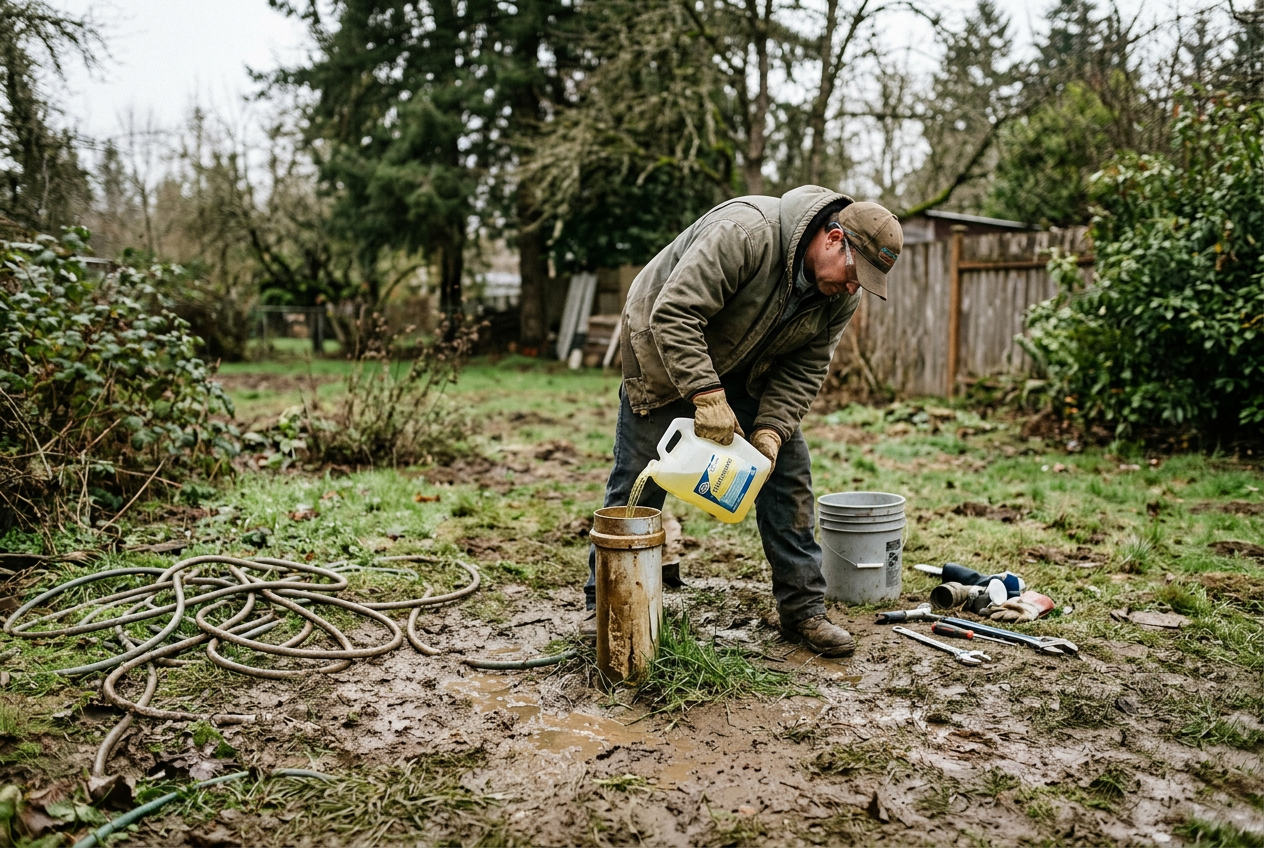
If floodwater covered your well, treat the water as unsafe until you prove it is clean. Floodwater can push bacteria and other contaminants into the well. You cannot see or smell most of them. Do not drink the water, cook with it, or brush your teeth with it until the steps below are done.
Start With Safety
Water and electricity are a deadly mix. Do not touch the well pump, wiring, or control box while they are wet or while standing in water. Do not turn the power back on yourself if any part of the system was underwater. Call a licensed well or pump professional to check the electrical parts first. This is not a job to rush. Wait until a pro says the system is safe to power up.
Let the Well Flush
Once a professional confirms the pump and wiring are safe and working, the well needs to clear out dirty water. Run the water until it looks clear and stops smelling muddy. This can take a while. Do not drink this water. You are only flushing the dirty water out of the system.
Shock Chlorination Basics
Shock chlorination means adding a strong dose of chlorine, usually plain unscented household bleach, to the well. The chlorine kills bacteria inside the well and the pipes. Here is the general idea:
- You mix bleach with water and pour it into the well.
- You run every faucet until you smell chlorine, then shut them off.
- You let the chlorine sit in the system, often overnight or longer.
- You flush all the chlorine out afterward by running the water.
The exact amount of bleach depends on your well’s size and depth. Follow the steps from your local health department or a licensed well contractor. Do not guess. Too little chlorine will not disinfect. Running strong chlorine water into your septic system in large amounts can also cause problems, so ask about safe draining.
Re-Test Before You Drink
Shock chlorination does not mean the water is safe forever. You must test again after the chlorine is fully flushed out. Test for bacteria like coliform and E. coli. A lab test gives you the clearest answer. A mail-in kit that checks for bacteria and metals is a good choice here.
If the test still shows bacteria, you may need to shock the well again or call for help. Do not switch back to drinking the water until a test comes back clean.
When to Call a Professional
Call a licensed well or pump professional if:
- Any electrical part was underwater.
- The pump will not run or runs poorly.
- The well still tests bad after disinfecting.
- You are not sure how to do any step safely.
Until your water tests clean, keep using boiled or bottled water for drinking and cooking.
Frequently Asked Questions
Can I shower with contaminated water?
Be careful. If your water may have germs from flooding, do not let it get in your mouth. Keep your mouth closed in the shower. Do not let kids play in the water. Many people choose quick sponge baths with safe water instead. If the water looks dirty or smells bad, skip the shower until you know it is clean.
Is clear water safe to drink after a flood?
No. Clear water can still be unsafe. Flood germs and chemicals are often too small to see. Water that looks clean may still make you sick. Do not trust your eyes. Treat the water or test it before you drink it.
How long after a flood should I test my well water?
Wait until the floodwater goes down and the ground dries out a bit. Then test your well water before you use it for drinking. A home strip kit gives you fast results at home.
A 21-in-1 strip kit checks for things like lead, iron, and copper. For a deeper look, a lab kit like the Advanced Home Water Test Kit checks for bacteria such as E. coli and coliform. Until you get safe results, use bottled or treated water.
Do purification tablets remove chemicals?
No. This is important. Tablets like Aquatabs and Potable Aqua kill germs like bacteria and viruses. They do not remove chemicals, fuel, or heavy metals. Floodwater can carry all of these. If you think your water has chemicals, do not drink it. Use bottled water instead. Tablets are best for water that is only at risk for germs.
Can I give treated water to my pets?
Yes. Water that is safe for you is safe for your pets. If you boil water or use purification tablets, your pets can drink it too. Let boiled water cool first. Follow the tablet directions and wait the full time, often 30 minutes, before giving it to pets. Do not let pets drink raw floodwater.
What is the fastest way to make water safe?
Boiling is the most trusted way to kill germs. Bring water to a full rolling boil for at least one minute. Let it cool before you drink it. If you cannot boil, purification tablets are a good backup for germs only.
Here is a quick guide to common questions:
When in doubt, use bottled water. It is the safest choice until your own water tests clean.
Flood Water Safety Action Checklist
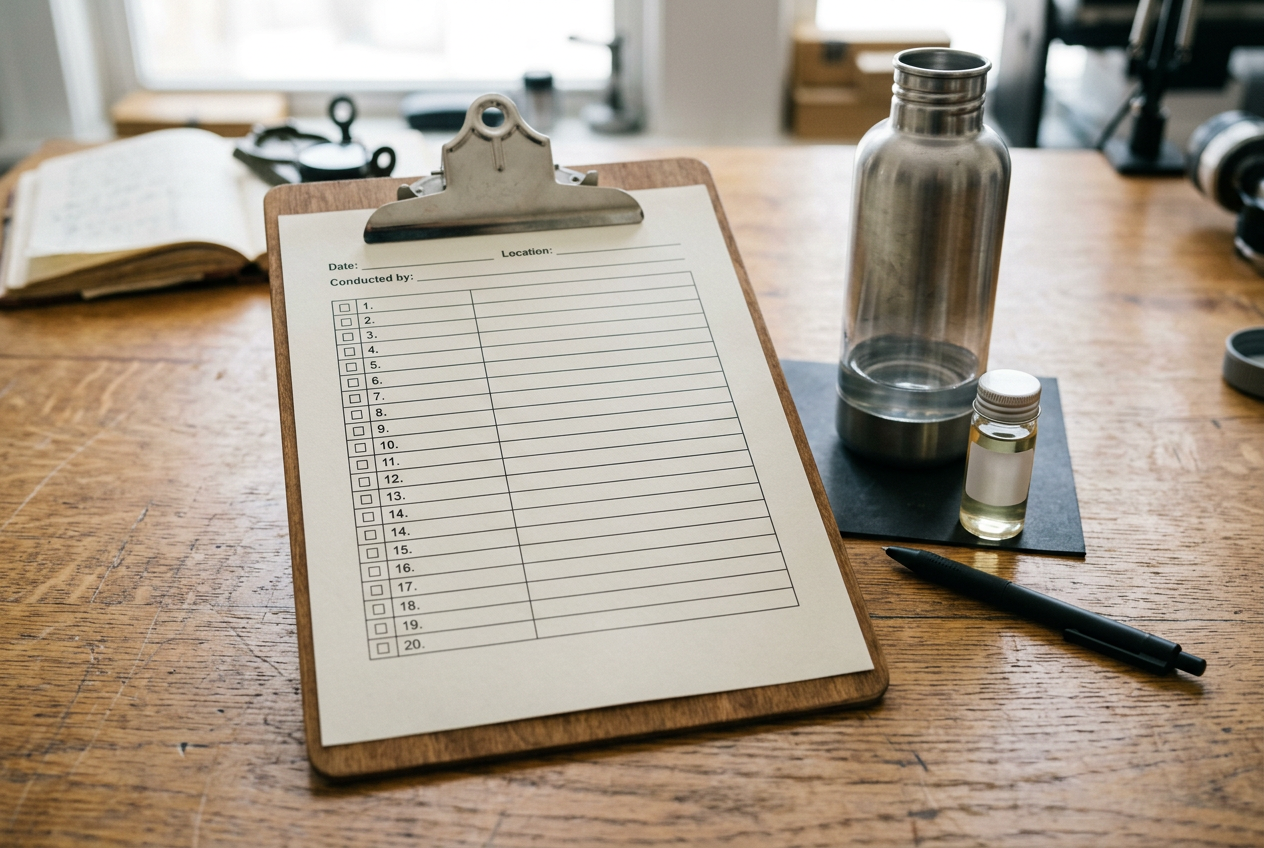
Use this checklist right after a flood. Work through it in order. You can print this page and keep it handy.
Step 1: Stop Using Suspect Water
If floodwater may have reached your well or pipes, stop drinking the water right now. Do not use it for cooking, making ice, brushing teeth, or washing dishes. Do not assume it is safe just because it looks clear. Floodwater can carry bacteria and chemicals you cannot see.
Step 2: Secure a Safe Backup Supply
Switch to a safe water source until you can test and treat your water. Good options include:
- Bottled water you already have stored.
- Water handed out by local emergency crews. During recent flooding on the Navajo Nation, officials reported giving out drinking water and other supplies.
- Water you disinfect by boiling or with purification tablets.
Keep enough safe water for drinking, cooking, and basic hygiene.
Step 3: Follow Local Notices
Listen for a boil-water notice or any guidance from your water provider or tribal emergency team. If a notice is active, follow it until officials cancel it. Local crews know the conditions in your area.
Step 4: Test Your Water
Once it is safe to return home, test your water before you trust it. A home strip kit gives you a fast first look. A lab kit gives you a deeper read, including bacteria.
Step 5: Disinfect If Needed
If officials say germs are the concern, boiling clear water is the most reliable household option; purification tablets are a backup when you cannot boil. If fuel or chemicals may be present, use bottled water instead. Boiling and tablets will not remove them.
Step 6: Disinfect and Restart a Flooded Well
If you use a well, it needs cleaning after a flood. Follow the steps in the well section of this guide. Get professional help if you are unsure. Do not skip this step.
Step 7: Re-Test Before Normal Use
Test again after disinfecting. Do not return to normal use until results come back clean. For well water, a lab test for bacteria is the surest way to confirm it is safe.
Quick Reference
A Few Safety Reminders
- Stay away from flooded washes, streams, and canyons. Just six inches of moving water can knock you down.
- Do not cross flooded roads or trails on foot or by car.
- Stay clear of damaged power lines.
Keep this checklist where everyone in your home can see it. Mark each step as you finish it.
Next Steps and Staying Ready
Floods can reach your well or your tap without warning. When that happens, one rule keeps your household safe. Assume flooded water is unsafe until you prove it is clean. Do not drink it. Do not cook with it. Do not brush your teeth with it. Treat it as unsafe first, then test, then disinfect.
Right now, communities across northern Arizona and nearby states are dealing with major flooding. Navajo and Hopi leaders declared states of emergency after heavy rains. New Mexico asked for federal help after record flooding on the San Juan River. If you live in one of these areas, your well water may be at risk. The steps in this guide apply to you.
Here is the short version of what to do:
- Stop using your water if a flood touched your well or pipes.
- Use bottled or stored water until you know your water is safe.
- Test your water with a home kit or a lab test.
- Disinfect by boiling or using purification tablets until results confirm it is clean.
- Flush and disinfect a flooded well before you trust it again.
Keep a Small Supply on Hand
You do not need a big stockpile. A small stock of the right items makes the next flood easier. Keep a water test kit and a bottle of purification tablets in your emergency box. These are cheap to store and easy to use.
A home test kit gives you quick answers. Strip kits like the 21 in 1 Water Tester read common problems at home. For a deeper lab check, the Advanced Home Water Test Kit tests for many more things, including bacteria.
Purification tablets are small and last a long time. They are a smart backup when you cannot boil water. Here is a quick look at the tablet options you can keep ready.
Stay Ready Before the Next Flood
Review this guide now, before the water rises. You can print this page and keep it with your emergency supplies. Walk through the steps with your family so everyone knows the plan.
For more help, see our related ReadyGuidance guides on home water storage, water purification, and flood preparation. Together they cover what to store, how to clean your water, and how to keep your household safe before, during, and after a flood.
Sources and Further Reading
- It’s very important to know what to do and what not to …
- Emergency response efforts analyzed after flooding on …
- March is Flash Flood Safety Awareness Month
- Flood Preparation: Before, During, and After - USU Extension
- Flood Safety and Preparedness Tips | PDF | Stream
- Navajo, Hopi communities hit by destructive floods after heavy rains
- New Mexico seeks federal emergency after record San Juan River flooding, United States
- Massive floods have engulfed four U.S. states: people are being rescued from rooftops, evacuations have been ordered