Ready
When a Water Treatment Plant Fails: What Maryland Households Should Do When the Tap Is Suddenly Unsafe (2026)
A power failure at WSSC’s Potomac Water Filtration Plant recently affected nearly two million Maryland customers at once. One moment the tap worked. The next, families across the region faced an uncertain water supply. Officials urged households to keep a three day supply of water on hand.
This kind of event is different from a local water main break. A main break usually hits one street or one neighborhood. Crews fix it, and most homes nearby are fine. A plant or power failure is bigger. It can affect many counties and millions of people at the same time. Stores sell out of bottled water fast. Help may take longer to reach you. That is why your own first steps matter so much.
The good news is that you can take simple actions right now, even if you are brand new to this. You do not need special skills or a lot of gear. You just need a clear plan.
This guide walks you through the first hours of a sudden, large scale outage. You will learn how to understand a boil water advisory, what to do in your first hour, and how to capture and store water before it runs out. You will also learn how to make tap water safe to drink, what to do with cloudy water, and how to handle cooking, cleaning, and pets. Let’s start with what just happened.
- When a boil advisory hits, stop drinking and cooking with tap water right away, even if it looks clear.
- Store at least 1 gallon of water per person per day, with a 2 week supply for your whole family.
- Boil clear water for 1 minute, or 3 minutes above 6,500 feet, to kill germs; follow the advisory if you cannot boil.
- Use a certified filter to cut chlorine and other contaminants for everyday peace of mind.
- Sign up for local water alerts so you know the moment the plant fails and when it is safe again.
One practical preparedness move each week. No fear-mongering, ever.



Reviewed by Elena V., Ryan C. & Priya K. — contributors with hands-on preparedness experience. How we test
Getting ready for a tap water emergency starts with having the right gear on hand before you need it. Keep reading to learn why these three items belong in every Maryland home.
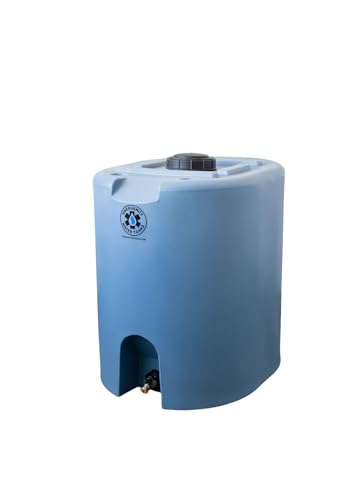
55 Gallon Water Storage Tank
Holds enough drinking water to carry a family of four through about two weeks of an outage. The stackable shape fits in a closet or garage so your backup supply is ready before the tap goes bad.
Check Price on Amazon
Aquatabs Purification Tablets
When you cannot boil water, these tablets kill bacteria, viruses, and cysts so your water is safe to drink. One pack treats a lot of water and tucks easily into any emergency kit.
Check Price on Amazon
Purewell Gravity Water Filter
This countertop system uses a 0.01 micron membrane to reduce chlorine and many other contaminants, no power needed. It gives you cleaner drinking water every day and keeps working during an advisory.
Check Price on AmazonIn this guide
Why Trust This Guide?
This article was researched and reviewed by contributors with hands-on experience in emergency preparedness. They have tested gear, built real systems, and lived through situations where these skills actually mattered.
First: Understand What Just Happened and What an Advisory Means
When the tap suddenly acts strange, the first thing to do is figure out what kind of problem you have. There are two main types. They are not the same, and they call for different actions.
Boil Water Advisory
A boil water advisory means your water may carry germs. The water might look clear and come out of the tap just fine. But it could still make you sick. During an advisory, you must boil water before you drink it, cook with it, or brush your teeth. CDC guidance says to bring clear water to a rolling boil for one minute, or three minutes above 6,500 feet. Then let it cool before you use it.
Advisories are often tied to problems in the water system. A main break or a drop in pressure can let germs get in. When that risk shows up, your utility tells people in the affected area to boil first and ask questions later.
Service Outage
A service outage is different. This means low pressure or no water at all. The tap may trickle. It may stop completely. This can happen when a water treatment plant has trouble.
In October 2026, a power failure hit the WSSC Water Potomac Water Filtration Plant. That one failure affected nearly 2 million Maryland customers at once. A plant problem like this is bigger than a single broken pipe. It can touch many homes across several counties in a short time.
An outage and an advisory can happen together. The water may stop, then come back with a warning to boil it. Pay attention to both parts of the message.
Why Officials Say to Keep a 3-Day Supply
After the plant failure, officials recommended that households keep at least a 3-day water supply on hand. This is common advice for emergencies. The idea is simple. If the tap is unsafe or dry, you still need water to drink and clean with while crews fix the problem.
A 3-day supply is a starting point, not a hard limit. Some events last longer. Having water ready means you are not rushing to the store with everyone else. We cover how to store water safely in a later section.
Confirm the Alert and Skip the Rumors
Before you change your routine, confirm what is actually going on. Check your water utility directly. Many utilities post updates on their official website and social media pages. Your county government may share alerts too.
Look for clear answers to three questions:
- Is this a boil advisory, an outage, or both?
- Which areas are affected?
- Has the problem been fixed or lifted yet?
Do not act on rumors from neighbors or random posts. Details get mixed up fast when news spreads. A message meant for one area can get shared in places it does not apply. Trust the official source. When your utility says the advisory is lifted, that is when you can go back to normal use.
Your First Hour: Stop, Check, and Capture Water
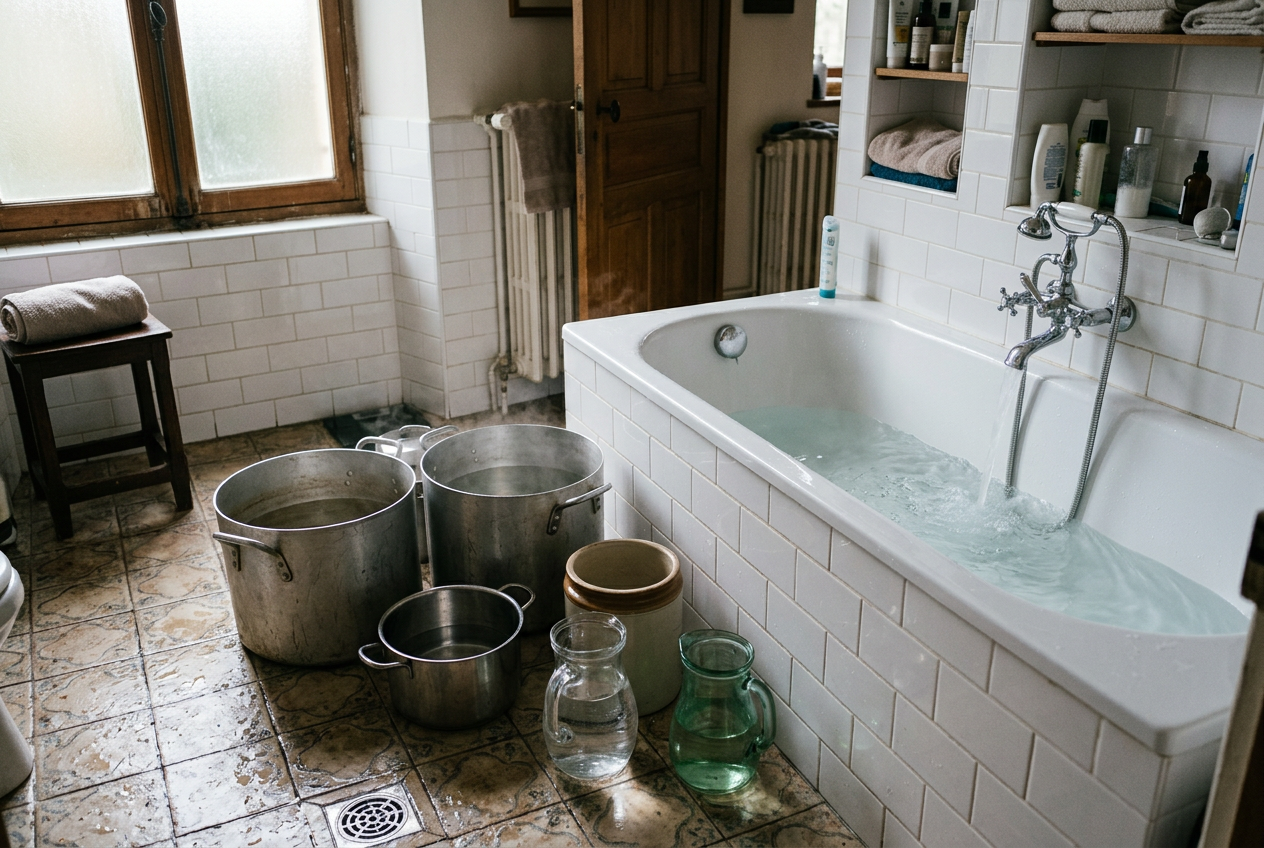
The first hour matters most. A sudden plant or power failure can affect a huge number of homes at once. During the October 2026 outage at the WSSC Potomac Water Filtration Plant, nearly 2 million Maryland customers were affected. When something like this happens, act fast and stay calm. The steps below cost nothing.
Stop Drinking From the Tap
Stop using tap water for drinking right away. Do not drink it. Do not use it to make coffee, tea, or baby formula. Do not use it to brush your teeth. If an advisory is in place, the water may not be safe until officials say so.
If you already have clean, stored water, use that for now. We will cover how to make tap water safe in the next section.
Capture Water While You Still Have Pressure
After a plant or power failure, you may still have some water pressure for a short time. Use it. Fill clean containers now, before the pressure drops.
Grab clean pots, pitchers, jugs, and bottles. Fill them from the tap. This water can be boiled or treated later if needed. It can also be used for washing and flushing.
Fill your bathtub too. A clean, plugged bathtub can hold many gallons. This water is good for flushing toilets and cleaning. Do not drink bathtub water unless you treat it first.
Work quickly. Pressure can fade fast in a large outage.
Switch Off Your Ice Maker
Turn off your refrigerator’s ice maker. During an advisory, the ice it makes may not be safe. Throw out ice made after the problem started. Do not use it in drinks. You can make new, safe ice later once the advisory is lifted.
Check if Your Address Is Affected
Not every home is always in the affected zone. Find out if yours is.
Check your water utility’s website first. Large utilities post maps and lists of affected streets, towns, or neighborhoods. For WSSC customers, that means Montgomery County and Prince George’s County areas.
You can also check local news. Local TV and radio stations report on these outages and often name the affected areas. Look for the most recent updates, since the affected zone can change.
If you are not sure, treat your water as unsafe until you know for certain.
Sign Up for Utility Alerts
Sign up now for alerts from your water utility. Most utilities offer free text or email alerts. These tell you when an advisory starts and when it ends.
Follow your utility on social media too. Official accounts often post updates fast. Save the utility’s phone number in your phone. A quick alert can save you from drinking unsafe water or missing the all-clear.
How to Make Tap Water Safe to Drink During an Advisory
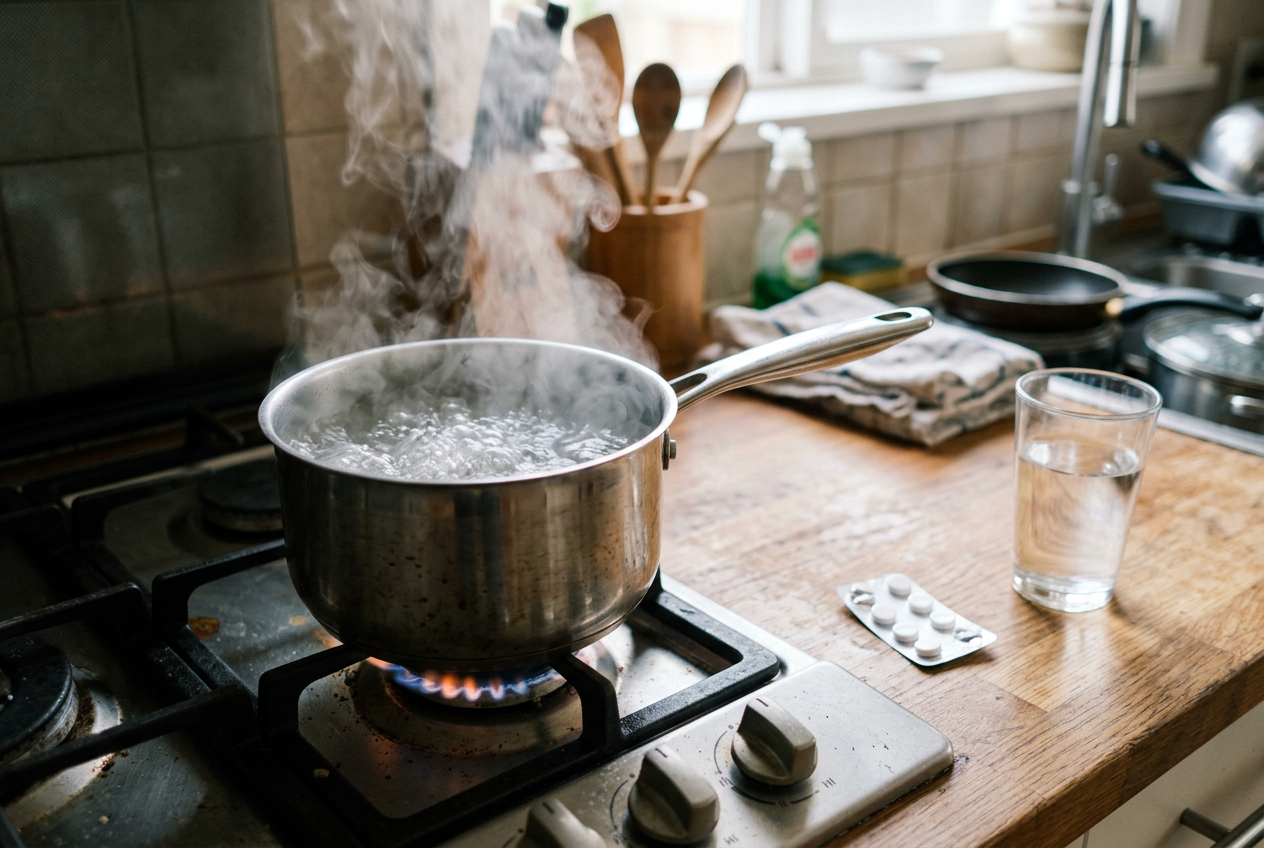
When a boil water advisory is in place, you must treat tap water before you drink it. There are two reliable household methods for germs: boiling is best, and disinfection tablets are a backup when you cannot boil. If officials say chemicals or fuel may be present, use bottled water instead; neither method removes them.
Method 1: Boil the Water
Boiling kills germs that can make you sick. It is the method most water utilities recommend during an advisory.
Here are the steps:
- Fill a clean pot with tap water.
- Put it on the stove and turn the heat up.
- Wait for a rolling boil. That means big bubbles that do not stop when you stir.
- Keep it at a rolling boil for one full minute, or three minutes above 6,500 feet.
- Turn off the heat. Let the water cool on its own.
- Store the cooled water in clean, covered containers.
Do not rush this step. Use the full boil time for your elevation. Let the water cool before you drink it or give it to kids or pets.
If the power is out and your stove will not work, you may not be able to boil. That is when tablets help.
Method 2: Disinfection Tablets
Water purification tablets kill germs in water when boiling is not possible. They are small, light, and easy to store. This makes them a smart backup for your emergency kit.
Here is the key limit: tablets kill germs, but they do not remove cloudiness or dirt. If the water looks cloudy, let it settle first. Pour the clear water off the top into a clean container. You can also pour it through a clean cloth or coffee filter. Then add the tablet.
Always follow the directions on the package. Each brand has its own dose and wait time. Do not skip the wait time. The tablet needs time to work.
Two common options are below.
Aquatabs are a widely used tablet. The maker says they remove most bacteria, viruses, and cysts like Giardia. One 397mg tablet treats about 4 gallons in 30 minutes.

Potable Aqua tablets are another trusted choice. They come in two bottles of 50 tablets each. The maker says they make water safe to drink in emergencies.
Here is a quick comparison:
Remember: tablets are a backup, not a cloudiness filter. If you can boil, boil. If the water is cloudy, let it settle and filter it before you treat it. Keep tablets dry and check the expiration date on the package.
When Water Is Cloudy or Comes From an Uncertain Source
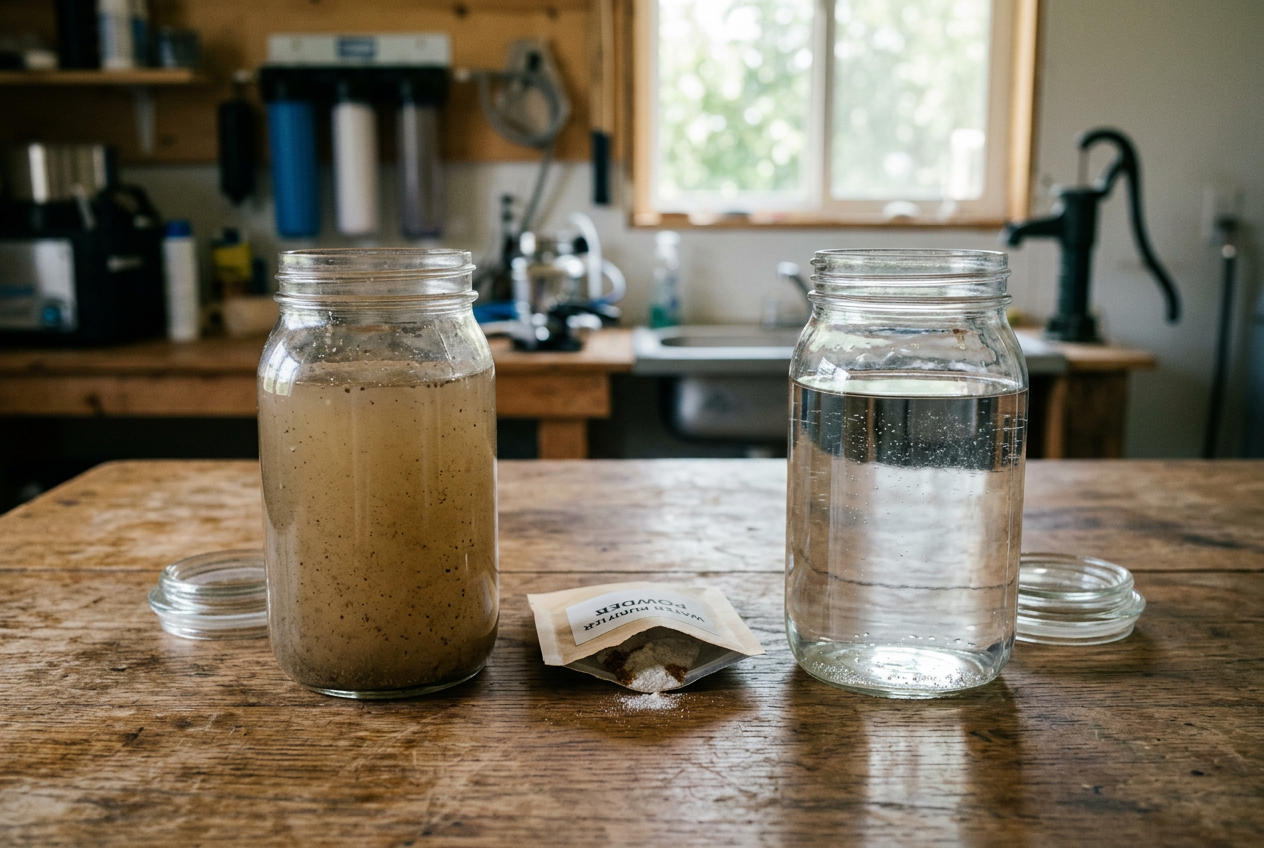
Sometimes the water from your tap looks cloudy or dirty. This can happen after a main break stirs up the pipes. It can also happen if you must use water from a less certain source. Cloudy water is a problem for two reasons. It may carry germs. It can also block the disinfectants you would use to clean it.
Why Cloudy Water Is Harder to Treat
Boiling is the safest way to make water safe to drink. Boiling still works even if the water looks murky. But if you plan to use chlorine drops or tablets, cloudy water gets in the way. The dirt and tiny bits in the water protect germs. The chlorine cannot reach them. So you need to make the water clear first, then disinfect it.
Clear the Water Before You Disinfect
To make dirty water clear, you can use a clarifying powder packet. These packets work in two steps. First, the powder makes the tiny bits in the water clump together. The clumps sink to the bottom. Then you pour the clear water through a clean cloth to strain it out. The powder also disinfects as it works.
This is different from a plain chlorine tablet. A chlorine tablet only disinfects. It does not clear the water. For clear tap water, a simple tablet or a few drops of plain bleach may be enough. For murky water, a clarifying powder packet does more of the job in one step.

These packets are made for exactly this problem. The product says it clarifies turbid water, which just means cloudy water. It is EPA registered as a disinfectant. The packets are small and light, so they fit in an emergency kit. Always follow the directions on the package. The usual steps are to stir, wait for the clumps to settle, then pour through a clean cloth.
Which Method Should You Use?
Here is a simple way to compare your options.
A Few Reminders
Boiling is still your first choice when you have heat and fuel. Use clarifying powder or chlorine only when boiling is not possible. If the water has fuel, chemicals, or a strange smell, do not try to treat it at all. No home method makes that water safe. Wait for official word that your tap water is back and safe to use.
Countertop Gravity Filters: A Daily-Use Backup for Your Kitchen
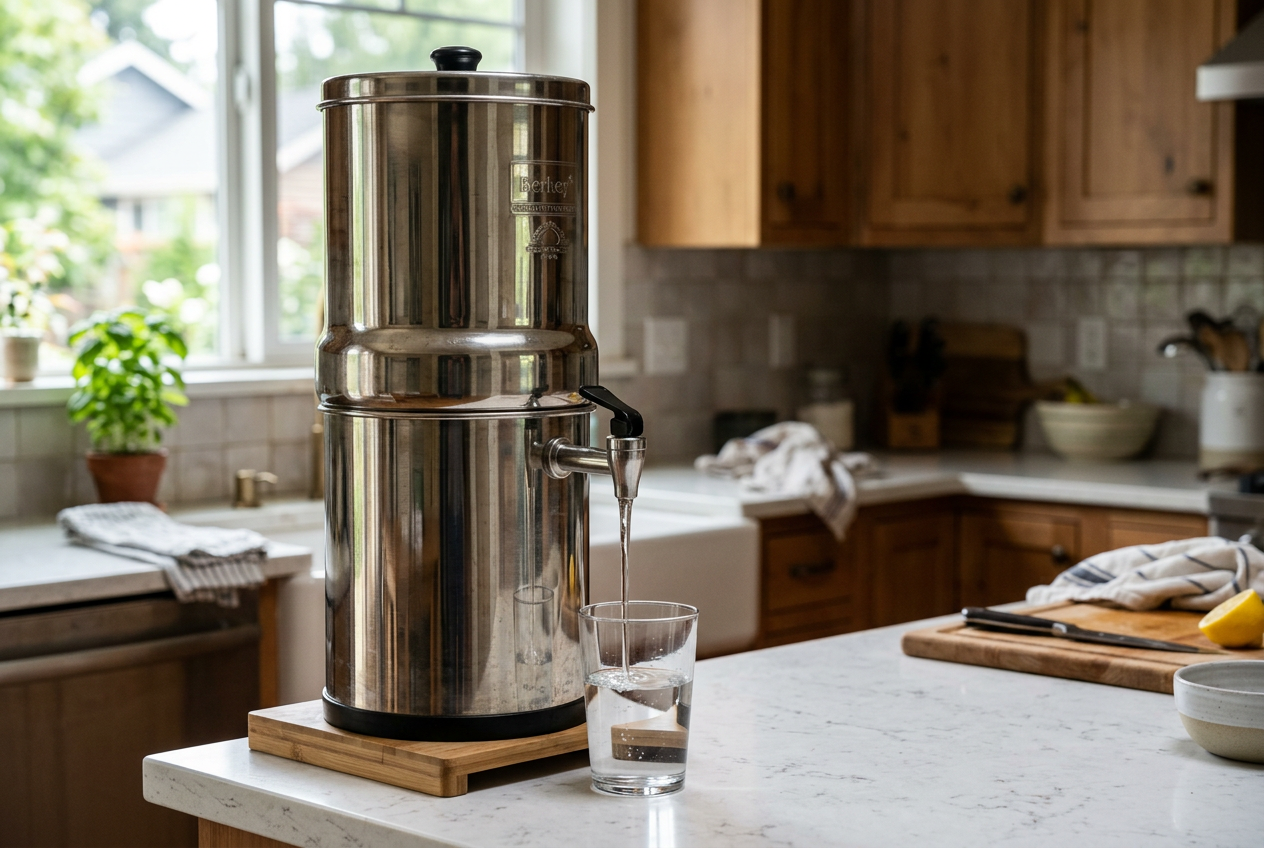
The recent power failure at the WSSC Potomac Water Filtration Plant showed how fast millions of households can lose safe tap water. Boiling works, but it uses power or fuel. A countertop gravity filter gives you another option. It needs no electricity, no plumbing, and no water pressure. That makes it useful during a long outage.
How a Gravity Filter Works
The design is simple. You have two stacked containers. You pour water into the top chamber. Gravity pulls the water down through a filter and into the bottom chamber. Then you use the spigot to fill a glass or pot. There are no pumps and no cords.
These filters sit on your counter and work every day. During a normal week they clean your drinking water. During an outage, they keep working the same way. That is the main benefit. You are not scrambling to learn a new tool when the tap goes bad.
One caution. Read the maker’s instructions for your model. Some gravity filters are built for treated tap water, not for muddy or unknown sources. If your water looks cloudy, pre-filter and handle it as the earlier sections explain. A filter is a backup layer, not a magic fix for every situation.
Comparing Three Gravity Filter Options
All three systems below use stainless steel chambers and hold about 2.25 gallons. They differ in filter technology and certifications. Match the features to what your household cares about most.
The Purewell uses a three-stage filter with a tiny 0.01 micron membrane. Its carbon filter carries NSF/ANSI 42 and 372 certifications. It is a solid pick if you want documented chlorine and sediment reduction.
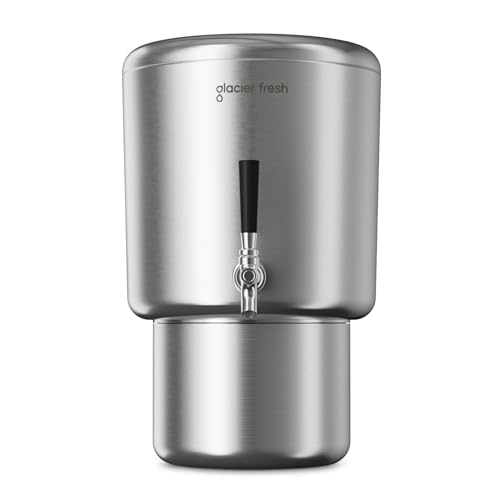
The Glacier Fresh uses a different method called electrosorption. The maker says it targets heavy metals, PFOA, and PFOS. It installs in minutes and works during power outages, snowstorms, or floods.
The Big Berkey is a long-known name in gravity filtration. It ships with two Black Berkey elements and is sized for about one to four people. The upper chamber nests inside the lower one for easier storage.

Pick the size and filter that fit your household. Buy it before the next outage, set it up, and use it every day. That way it is ready when you need it most.
Storing Water Before the Next Outage
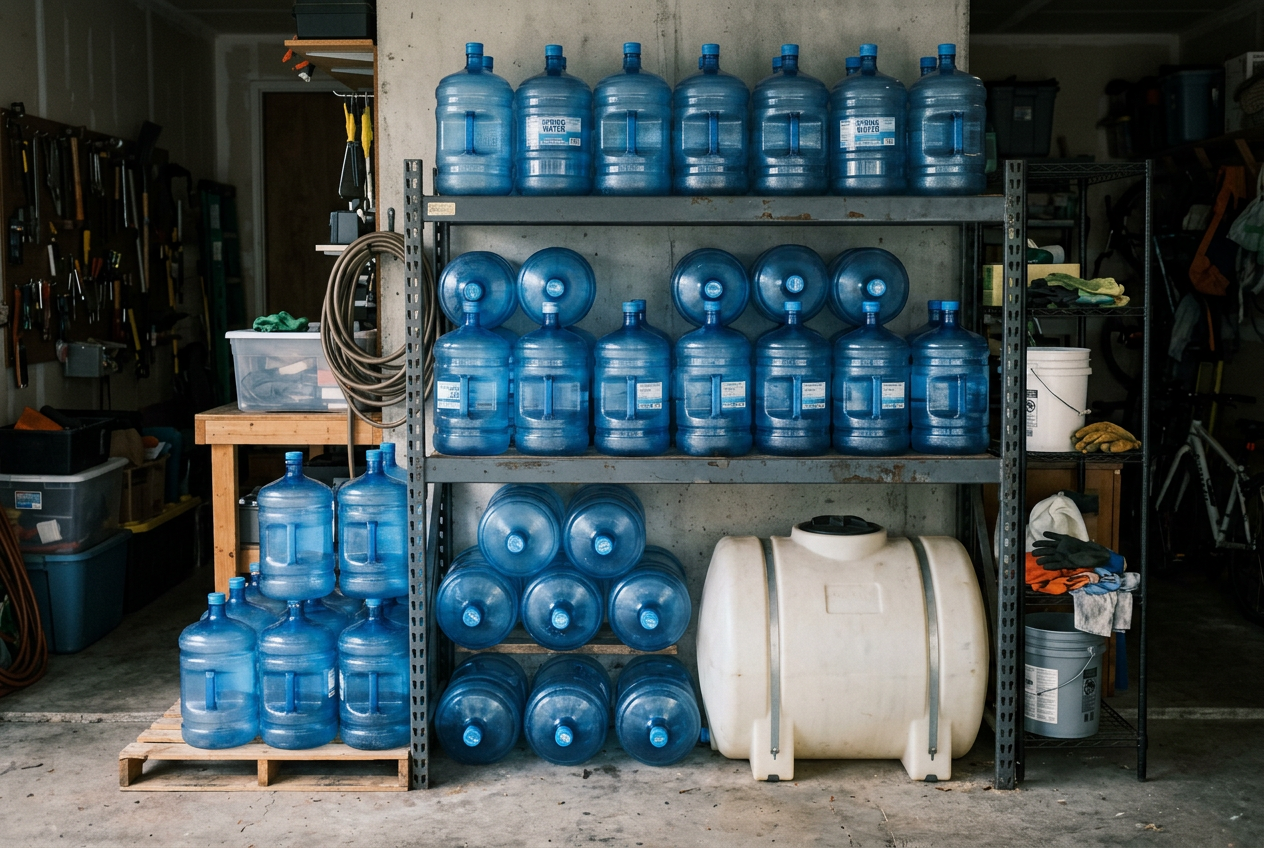
The best time to store water is before you need it. When a treatment plant loses power, millions of homes can lose safe water at once. Store shelves empty fast. If you already have water at home, you can skip the rush and stay calm.
How Much Water to Store
Start with a simple rule. Plan for at least half a gallon of drinking water per person each day. For cooking and basic washing, you will want more. Many people aim for one gallon per person per day when they can.
After the recent WSSC Potomac plant outage, officials recommended a three-day emergency water supply. That is a good minimum. If you have room, build up to a two-week supply. A two-week supply gives you real breathing room during a large outage.
Here is the math for a family of four:
- Three days, drinking only: about 6 gallons
- Three days, with cooking and washing: about 12 gallons
- Two weeks, with cooking and washing: about 56 gallons
Do not count water you drink every day. Store this water separately and leave it alone until you need it.
For Apartments and Small Spaces
If you live in an apartment, you do not have room for a big tank. Smaller jugs are easier to fit in a closet or under a bed. Stackable containers help you store more in less space.
A set of 5-gallon jugs is a good choice. They have handles, so you can carry each one. They stack on top of each other. The built-in pour ports make it easy to fill a pot or cup without the jug glugging.

Fill each jug and tuck it away. Four 5-gallon jugs give you 20 gallons. That covers a family of four for several days of cooking, drinking, and washing.
For Homes With a Garage or Basement
If you have more space, a larger tank stores more water with less fuss. A 55-gallon tank can hold enough drinking water for a family of four for up to two weeks. It is made from food-grade plastic that is safe for long-term storage.
Put it in a garage, basement, or shed. Keep it off a bare concrete floor if you can. A board or mat under the tank helps.
Keep Your Stored Water Safe
Store all water out of direct sunlight. Sunlight can warm the water and help algae grow. A cool, dark spot is best.
Rotate your water so it stays fresh. A simple plan is to empty, rinse, and refill your containers about once a year. Write the fill date on each container with a marker. That way you always know which water is oldest.
Keep lids closed tight until you need the water. Clean, sealed containers in a cool place will serve you well when the tap goes out.
Cooking, Cleaning, Hygiene, and Pets During an Advisory
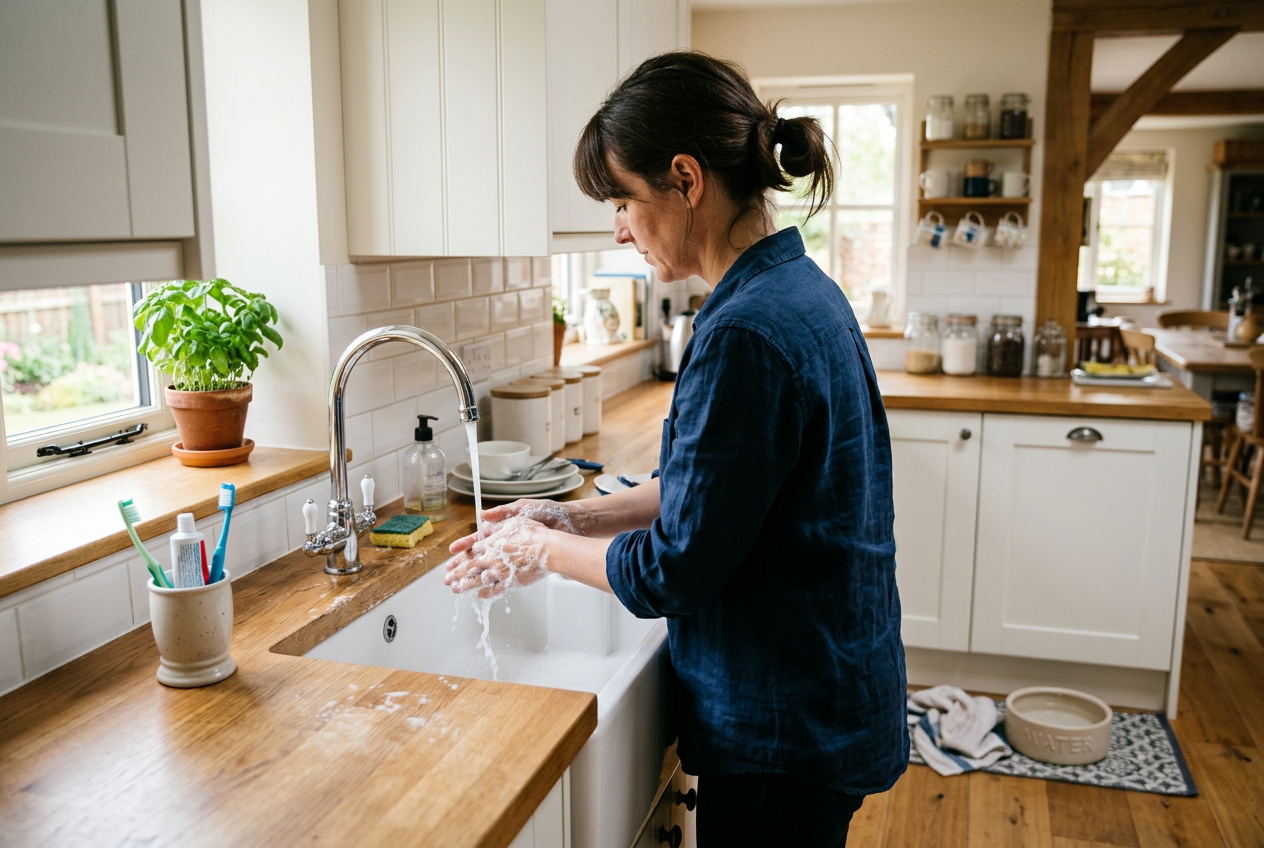
A boil advisory does not stop all water use. It only means the tap water may not be safe to drink as is. You can still use tap water for many daily tasks. Here is what needs treated water and what does not.
Cooking
Treat tap water before you use it in food or drinks. This means water for soups, pasta, rice, coffee, tea, baby formula, and ice. Boil clear water for one minute, or three minutes above 6,500 feet, then let it cool. Or use stored or bottled water. Wash fruits and vegetables with treated water too, since you often eat those raw.
If a recipe heats water to a full boil for the whole cook time, that water becomes safe during cooking. But it is simpler to start with treated water so you do not have to track boil times.
Handwashing
You can wash your hands with tap water and soap during most boil advisories. Scrub for at least 20 seconds, then dry your hands well. Soap and friction remove germs. If you prefer, use hand sanitizer with at least 60 percent alcohol after washing. Keep your hands away from your mouth while washing.
Dishwashing
Hand washing dishes with tap water and soap is usually fine. After you wash and rinse, dip the dishes in a sanitizing rinse. You can make one with a small amount of unscented bleach in a sink of water, then let the dishes air dry. A home dishwasher is safe if it has a hot water setting or a sanitizing cycle. If you are unsure, use paper plates and cups for a few days to cut down on dishwashing.
Brushing Teeth
Use treated or bottled water to brush your teeth. Do not use tap water. You can swallow small amounts while brushing, so this task needs safe water. Rinse your toothbrush with treated water too.
Bathing and Showering
Adults and older children can bathe or shower with tap water. Just try not to swallow any. Keep showers short and keep your mouth closed. For babies and young children, give a sponge bath instead so they do not drink the bath water. Watch them closely.
Pets
Pets need safe water the same way you do. Give your dogs, cats, and other animals treated or bottled water to drink. Do not fill their bowls straight from the tap. Boil and cool tap water, or use stored water. Wash their food and water bowls with soap, then rinse with a bleach solution or treated water.
A Simple Rule
If water will enter your mouth, treat it first. If it only touches your skin or gets washed off, tap water with soap is usually fine. When in doubt, use treated water. Follow any specific advice your water provider gives, since some advisories have stricter rules.
Frequently Asked Questions
Is it safe to shower during an advisory?
In most cases, adults can shower during a boil water advisory. Just keep your mouth closed and try not to swallow any water. Be careful washing your face.
Young children need more care. They may swallow water by accident. Give them a sponge bath with safe water instead. Use boiled or bottled water for babies.
If your advisory came with different safety rules, follow those. Local officials sometimes give specific guidance. Check your water provider’s updates first.
Can I give tap water to my dog?
No. If the water is not safe for you, it is not safe for your pets. Give your dog the same water you would drink yourself.
Use boiled and cooled water, bottled water, or water you have treated and filtered. Cats, dogs, and other pets can get sick from the same germs that make people sick.
How long do advisories usually last?
There is no set time. Some advisories end in a day. Others last longer. It depends on the cause and how fast repairs happen.
A power failure at a treatment plant, like the one at the WSSC Potomac Water Filtration Plant, can affect a huge number of people at once. That event touched nearly 2 million Maryland customers. Large problems can take more time to fix and test.
Do not guess when it will end. Watch your water provider’s official updates. They will tell you when testing is done and the water is safe again.
What do I do when the advisory is lifted?
Wait for an official all-clear before you drink straight from the tap. Your water provider will announce it.
Once it is lifted, flush your pipes first. Run the cold water taps for a few minutes. This clears out old water that sat in your pipes during the advisory.
Then do these steps:
- Flush and clean any faucets with screens or aerators.
- Run water through your fridge dispenser and dump the first batch of ice.
- Replace or flush water filters if your maker says to.
- Run your dishwasher empty once before washing dishes.
If you used a gravity filter during the advisory, follow its care steps. Check the maker’s directions for cleaning or replacing filter parts.
Should I keep my stored water after the advisory ends?
Yes. Keep it for next time. A large outage can happen again with little warning. Officials have urged Maryland households to keep a three day water supply on hand.
Rotate your stored water so it stays fresh. Label the fill date. Food grade containers like stackable storage tanks make this easier. Store them in a cool, dark spot away from sunlight.
Keeping water ready means you will not scramble during the next event. You will already have what your family needs.
Your Action Checklist and Next Steps
Here is a simple checklist you can follow. This page can be printed. Just use your browser’s print option to keep a copy near your water supplies.
Your First Hour
- Confirm the advisory. Check your utility’s website or alerts.
- Turn off ice makers and water-based appliances.
- Fill clean containers, pots, and pitchers with stored water.
- Fill the bathtub if you have a clean tub for washing water.
- Tell everyone in your home not to drink from the tap.
- Set out bottled water if you have it.
Making Water Safe
- Bring clear water to a rolling boil for one minute, or three minutes above 6,500 feet.
- Let boiled water cool before drinking.
- If you cannot boil, use water purification tablets. Follow the label.
- For cloudy water, clarify it first, then follow official boil or treatment instructions.
- Use bottled or boiled water for drinking and cooking until the advisory is lifted.
Supplies to Keep Ready
- At least a 3-day water supply. Officials recommend this amount.
- A simple rule is about one gallon per person per day.
- Water purification tablets or purifier packets.
- A gravity countertop filter for everyday backup.
- Clean, food-grade storage containers.
- Bleach-free cleaning supplies and hand sanitizer.
Compare Your Backup Options
Your Next Steps
Do not wait for the next outage. A power failure at a treatment plant can affect millions of homes at once. Take these three steps now.
1. Sign up for utility alerts. Visit your water provider’s website. Add your phone and email. This way you learn about an advisory right away.
2. Store a 3-day water supply. Officials recommend at least three days of water for your home. Stackable containers make this easy, even in small spaces. Try the Saratoga Farms 5-gallon stackable containers for a starter supply, or the 55-gallon stackable tank for larger homes.
3. Keep a treatment method on hand. Tablets work when you cannot boil. A gravity filter gives you clean water every day, even during an outage.
Set a reminder to check your stored water twice a year. Rotate it and refill your containers. A little work now means you stay calm and ready when the tap is not safe.
Sources and Further Reading
- CDC: How to Make Water Safe in an Emergency
- WSSC Water (@WSSCWaterNews) on …
- WSSC issues boil water advisory for portion of Montgomery …
- IMPORTANT: WSSC Water Essential Water Use Only Request
- Water Main Breaks, Boil Water Advisories and Your Home Fire …
- Boil water advisory lifted for DC, Arlington County after safety …
- Officials recommend 3-day emergency water supply after power outage hit 1.9 million Maryland customers
- Maryland ‘Day Without Water’ urges household preparedness, federal aid for utilities on ‘brink of crisis’