Ready
Austere and Wilderness First Aid Supplies to Stock When Care Is Delayed (2026)
Help is not always minutes away. On a backcountry hike, a remote road trip, or during a storm that knocks out power at home, an ambulance could be hours or even days from reaching you. That gap is what we mean by “delayed care.” An “austere” situation is simply any time you must handle an injury without quick access to a hospital or trained responder.
This guide is about what to stock for those moments. It is a stocking guide, not a first-aid course. Having the right supplies matters, but supplies alone do not treat an injury. Some items here, like tourniquets and chest seals, can save a life when used correctly and cause harm when used wrong. Those require hands-on training before you ever need them. Stocking good gear is a first step, not a substitute for learning and for real medical care.
We will keep this simple and practical. First, we cover the everyday items every household should have, like gloves, gauze, tape, and wound cleaning supplies. Then we add trauma items for serious bleeding and broken bones, with clear notes on what needs training. We suggest quantities for both a home stockpile and a smaller portable kit. We also break everything down by budget, from budget to premium, and point you to complete kits and individual parts you can buy to build or restock your own supply.
- Bleeding control: Includes a real tourniquet and packing gauze for severe bleeding.
- Wound coverage: Has seals and bandages for chest wounds and deep cuts.
- Bone support: Offers a moldable splint for fractures, sprains, and strains.
- Broad range: Handles both small scrapes and life-threatening injuries.
Below are the supplies we trust most when help is far away. Keep reading the full article to see how each one fits into your plan.

CareTac IFAK Trauma Kit
This kit earned Top Pick because it covers the widest range of injuries in one package, from minor cuts to severe bleeding. With a CAT Gen 7 tourniquet, Israeli bandage, chest seal, hemostatic gauze, splint, CPR mask, and 221 pieces, it is the most reliable all-in-one choice when care is delayed.

SAM Splint 36 inch
A favorite for a reason, this moldable splint shapes to almost any limb to hold fractures, sprains, and strains steady. Its aluminum and foam build is light enough to pack anywhere.
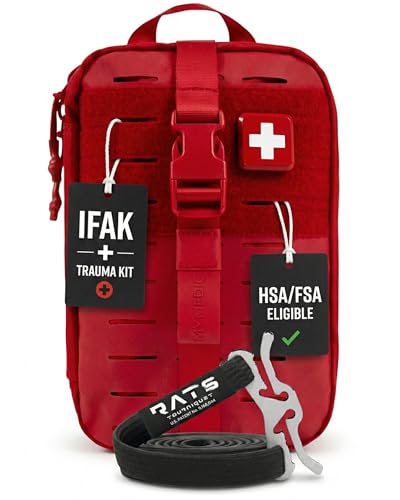
MY MEDIC MyFAK PRO
This premium pick is a true IFAK and trauma kit built for real emergencies, not just scrapes. It pairs the RATS tourniquet with trauma supplies for serious, life-threatening situations.
In this guide



Reviewed by Elena V., Ryan C. & James W. — contributors with hands-on preparedness experience. How we test
One practical preparedness move each week. No fear-mongering, ever.
Why Trust This Guide?
This article was researched and reviewed by contributors with hands-on experience in emergency preparedness. They have tested gear, built real systems, and lived through situations where these skills actually mattered.
How to Stock: Core Items, Trauma Add-Ons, Quantities, and Storage
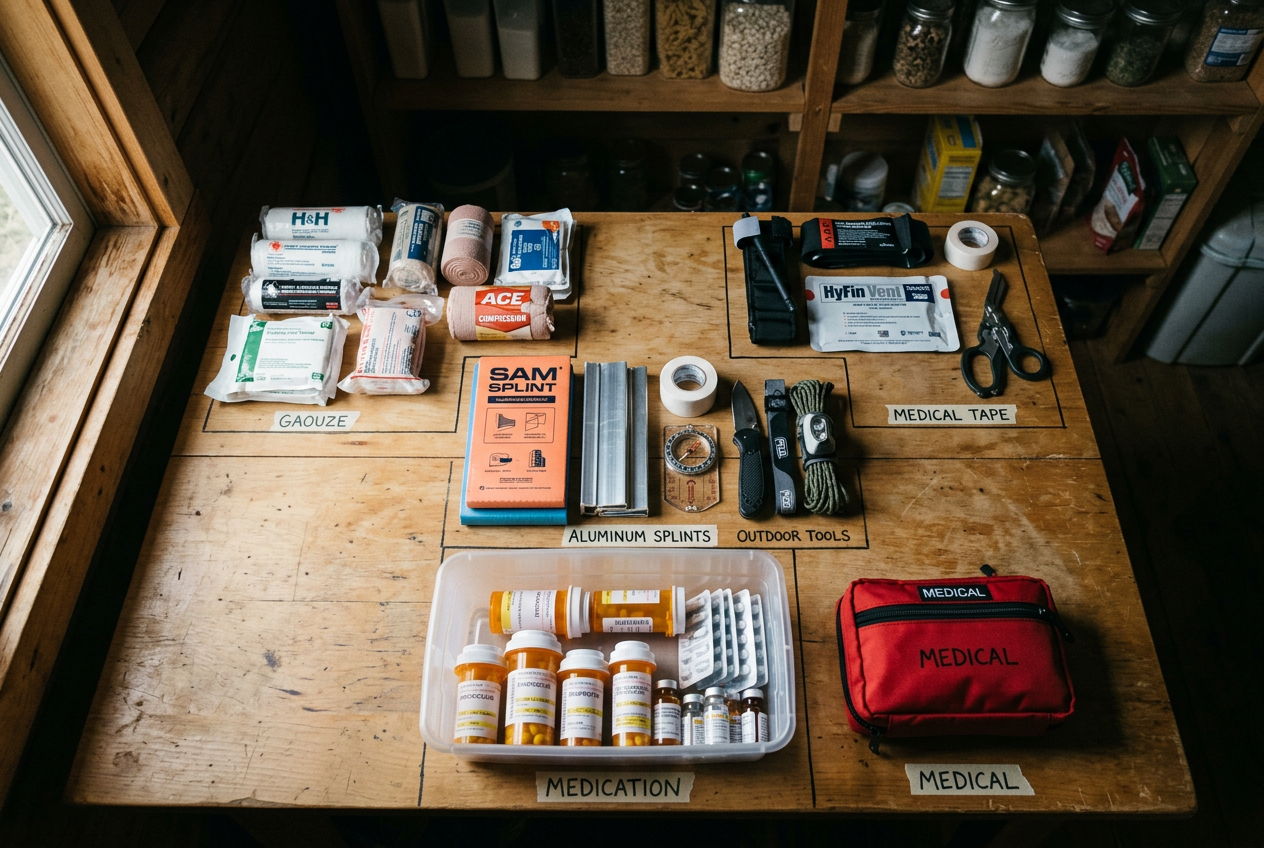
When help may be delayed, think in two layers. Keep a larger stockpile at home. Keep a smaller grab-and-go kit, often called an IFAK, in your car or pack. The home supply handles many minor problems over days. The IFAK goes with you when you leave or need to move fast.
Sort your supplies into five groups. This keeps things simple and easy to find.
- Wound care: gloves, saline or clean water, gauze, nonadherent pads, adhesive bandages, tape, and self-adherent wrap.
- Bleeding control: pressure bandages, rolled gauze, and trauma add-ons like a tourniquet.
- Splinting: a moldable splint and triangular bandages for sprains and broken bones.
- Medications: pain relievers, antihistamines, and topical ointments. Guides to building a first aid kit commonly list wound care, tools, and medicine among the core parts.
- Tools: trauma shears, tweezers, a light, a marker, and an emergency blanket.
Realistic Quantities
A portable kit holds enough for one or two injuries. A home stockpile should hold more, because you may treat the same wound many times as it heals. Here is a rough guide for an average household.
These are starting points, not rules. Adjust for your family size and how far you live from care.
Core Items Versus Trauma Add-Ons
Most core items are safe for anyone to use. Washing a cut, covering it with gauze, and taping it down takes no special training.
Trauma add-ons are different. A tourniquet and a chest seal can save a life, but they can also cause harm if used wrong. These belong to people who have learned how to use them. The STOP THE BLEED program offers bleeding-control courses so ordinary people can learn these skills. Take a class before you rely on these tools. Stocking them without training is not enough.
Rotation, Expiration, and Storage
Many supplies have a shelf life. Medicines, saline, and some ointments carry expiration dates. Check your kit twice a year. A good trick is to check it when the clocks change. Write the soonest expiration date on the outside of the kit so you know when to look.
Store supplies in a cool, dry, dark place. Heat and sunlight break down adhesives and medicines faster. A closet shelf works better than a hot car trunk or a damp basement. Keep your portable kit in the car, but swap heat-sensitive items out during very hot or cold months.
Remember, even a well-stocked supply is not a substitute for real medical care. It buys time until help arrives.
Quick Comparison: Kits and Components at a Glance
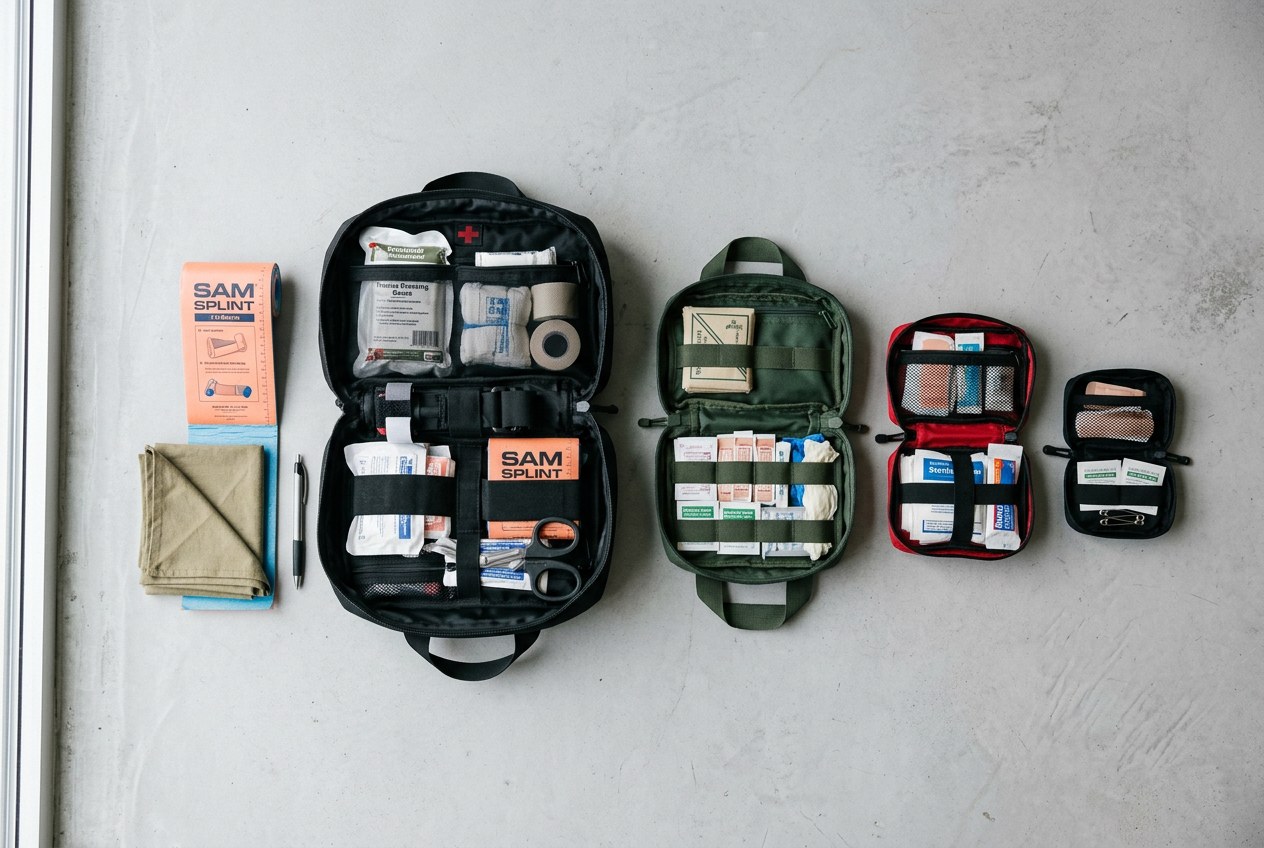
This table gives you a fast look at the featured kits and standalone components. It helps you see whether you need a full kit, a trauma kit, or just individual items to restock. Read down the list and match each one to your household and your skill level.
Remember two things as you compare. First, trauma items like tourniquets and chest seals need training to use safely. Second, austere stock is not a substitute for advanced care. These supplies help you hold on until help arrives or you reach a hospital.
The full kits
If you want one box that covers minor and major injuries, start with a complete kit. The premium pick packs trauma tools and wound care into one labeled system.
The mid-range option gives you trauma coverage, including a CAT Gen 7 tourniquet, in a mountable pouch. Per the manufacturer listing, it holds the most pieces of any kit here. Verify the current piece count and contents on the product listing before you buy.
The portable and budget picks
For a small kit to toss in a pack or glove box, the compact option covers cuts, blisters, and minor burns. It is not a trauma kit, so pair it with trauma items if you need those.

If you want a low-cost way to start building bleeding control, the budget trauma kit includes an Israeli bandage, chest seal, tourniquet, and splint. Get training before you rely on these tools.

The standalone components
Buy individual items when you want to restock a used kit or build your own. A moldable splint supports fractures and sprains and trims to size.
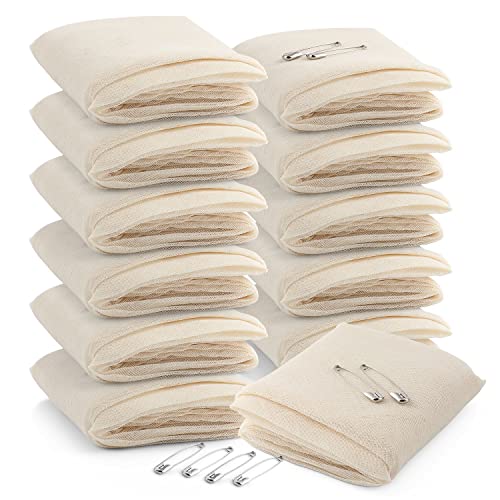
A pack of triangular bandages gives you slings, splint ties, and extra coverage. A 12 pack is good value for a household stockpile.
For simple wound care refills, a basic kit of gauze and tape keeps your main kit stocked.

Use this table as a starting map. The sections below explain each kit and component in more detail, including what it does, what it does not do, and when to call for professional help.
MY MEDIC MyFAK PRO IFAK Trauma & First Aid Kit, Premium All-in-One
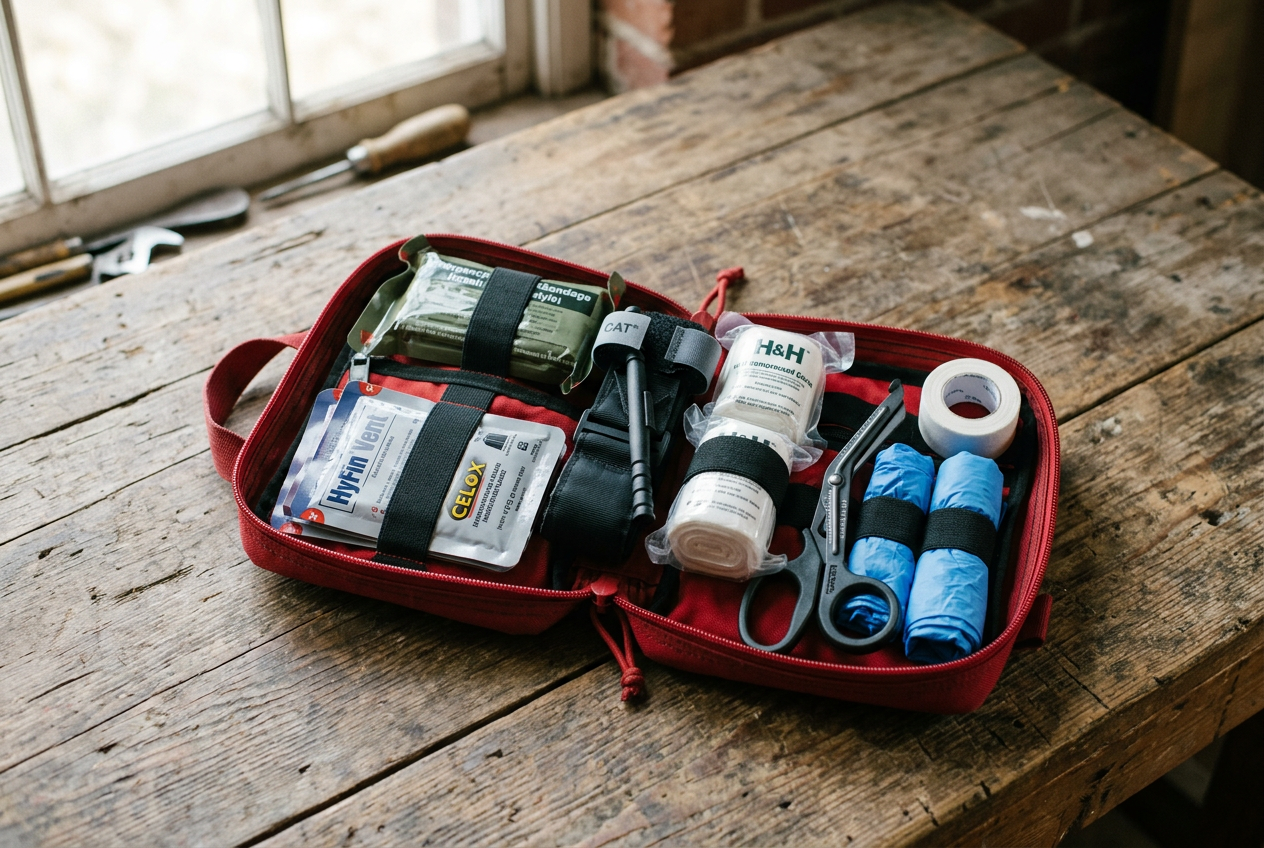
If you want one kit that does almost everything, the MY MEDIC MyFAK PRO IFAK Trauma Kit & First Aid Kit is a strong premium choice. It mixes real trauma gear with everyday wound care in a single bag. This is not the little kit in your junk drawer. It is built for serious situations, like a roadside crash, a worksite cut, or a bad injury far from help.
What is inside
According to the manufacturer’s listing, the MyFAK Pro holds 146 medical supplies, grouped by what they do. On the trauma side, the listing describes a tourniquet for severe arterial bleeding, hemostatic gauze to help control heavy bleeding, a pressure bandage for deep wounds, a chest seal for penetrating chest wounds, and EMT shears that cut through clothing and seatbelts. These are the tools a first responder reaches for when basic first aid is not enough. Confirm the current contents on the product listing before you buy.
For everyday needs, the kit also covers wound care. That means butterfly closures, gauze rolls, wound wash, and adhesive bandages in many sizes. There is a stocked medication module too, plus simple clinical tools like gloves, a light, a marker, and an emergency blanket.
One note on the tourniquet: this kit ships with the My Medic RATS Tourniquet, not a CAT or SOFTT-W. The RATS works differently from the windlass style you may have read about. If you want a specific device, check the listing before you buy. You can always add a vetted tourniquet from the manufacturer or an authorized seller.
Why the folding layout helps
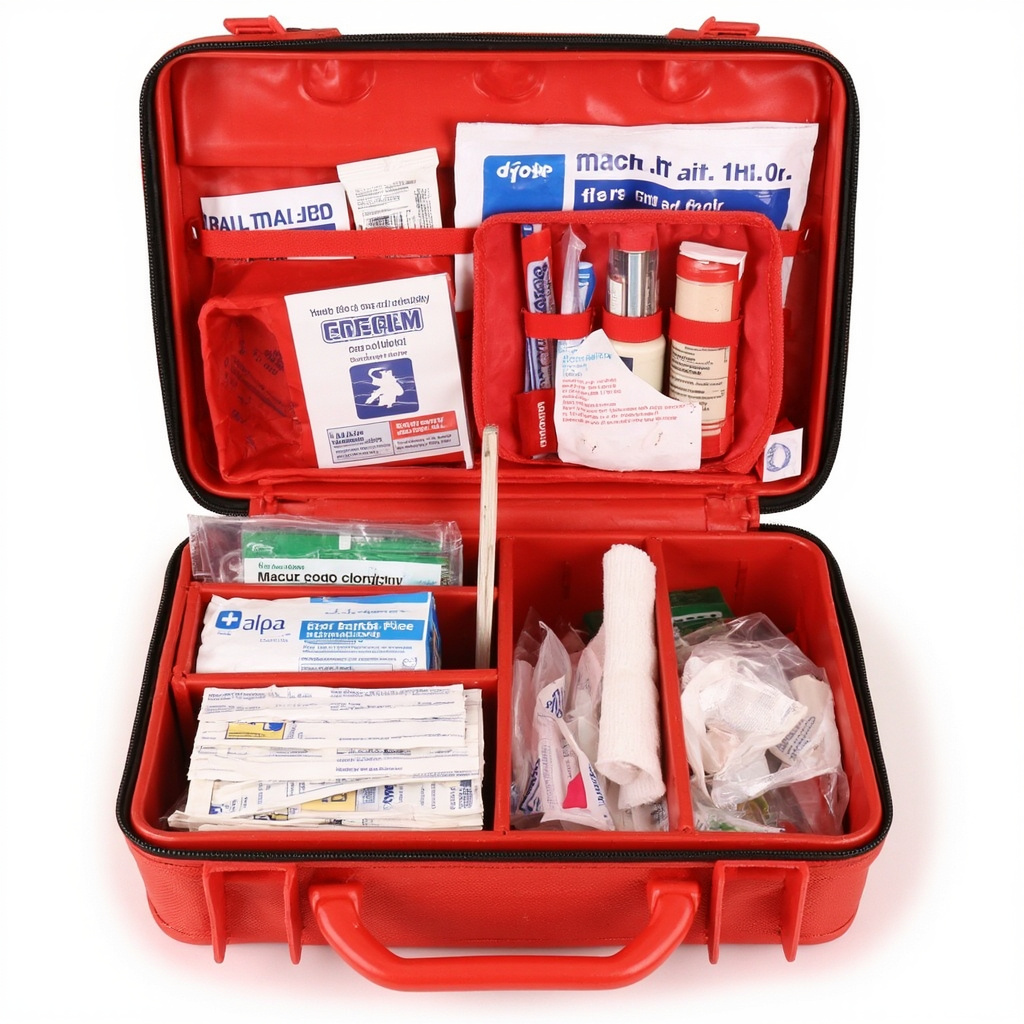
The standout feature is the folding-page system. Inside a tear-away panel, the supplies open like the pages of a book. Every item is visible at once. Each page is color-coded by function, so trauma gear, wound care, and medication each have their own area. Everything is labeled.
This matters when the clock is running. You do not want to dig through stuffed pouches while someone is bleeding. With this design, the right tool is one motion away. For a stressed household member who is not a trained medic, clear labels and visible supplies can make a real difference.
Who it is for
This kit fits a household that wants trauma capability without building a bag from scratch. It works well in a home, a vehicle, or a cabin where help may be delayed. It is heavier and costs more than a small portable kit, so it is best as your main base kit, not a pocket carry.
Important limits
The trauma items in this kit require training to use correctly. A tourniquet, hemostatic gauze, and a chest seal can harm someone if used the wrong way. Take a hands-on class, such as Stop the Bleed, before you rely on these tools. The kit is a strong head start. It is not a substitute for training or for advanced medical care.
CareTac IFAK Trauma Kit with CAT Gen 7 Tourniquet, Mid-Range Trauma Coverage
If you want real bleeding-control gear without paying premium prices, this kit is worth a look. It packs trauma items and everyday first aid supplies into one MOLLE pouch. That makes it a solid middle choice between a basic boo-boo kit and a top-tier IFAK.
What You Get
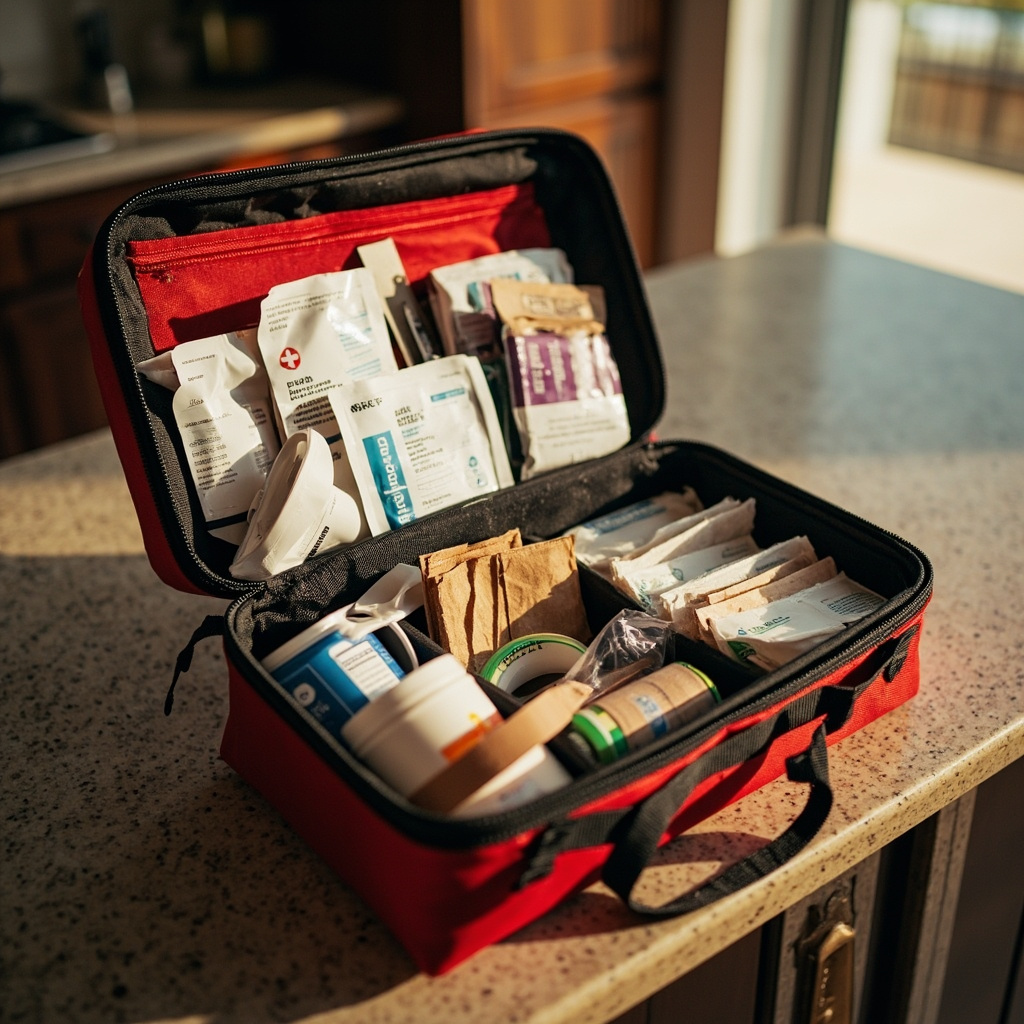
According to the maker’s listing, the CareTac IFAK Trauma & First Aid Kit with CAT Gen 7 Tourniquet is a 221-piece set. The maker says it covers everything from minor cuts and scrapes to severe injuries. That range is a big part of its appeal for a household that wants one grab bag.
The trauma side is where this kit earns its spot. The listing describes a C.A.T. Gen 7 tourniquet for limb bleeding. It also lists compressed wound packing gauze and a tactical pressure bandage, often called an Israeli bandage. The listing also notes a chest seal, a splint for fractures, a CPR face shield, a nasopharyngeal airway (NPA), and an emergency blanket to help manage shock. Check the listing to confirm the current contents before you buy.
The rest of the kit handles common problems. Think bandages, wipes, and other basic wound care. So you are not buying a trauma-only box. You get day-to-day supplies too.
Why It Fits the Mid Tier
This kit gives you bleeding-control capability at a lower price than a full premium IFAK. For many households, that balance makes sense. You get the items that matter most when care is delayed, packed in a portable pouch.
The MOLLE pouch mounts in several ways. You can attach it to a bike, keep it in a car, or carry it hiking. It also works as a home kit you can grab fast. Put it somewhere everyone in your home knows.
Important Caveats Before You Rely on It
Read this part carefully. A tourniquet and a chest seal are advanced tools. They are not plug-and-play. You need hands-on training before you trust them in a real emergency. Look for a Stop the Bleed class in your area. Training teaches you where and how to apply a tourniquet, how hard to tighten it, and when to use one at all.
Counterfeit tourniquets are a real problem. A fake can fail when you need it most. The listing names a C.A.T. Gen 7, which is a well-known design. Still, if you ever replace the tourniquet, buy a genuine CAT or a vetted device like the SOFTT-W from the maker or an authorized seller. Do not gamble on a no-name copy.
One more honest note. The NPA and CPR shield are airway items that also call for training. And this kit, like any kit, is not a substitute for advanced care. It helps you hold the line until help arrives or you reach a doctor.
Bottom line: this is a strong mid-range pick if you plan to learn how to use the trauma items. Buy it, train with it, and check it over so you know what is inside.
My Medic Sidekick Compact First Aid Kit, Budget Portable Pick
The My Medic Sidekick is a small, lightweight kit built for everyday carry. It holds about 70 items and fits in a pack, glove box, or travel bag. If you want a simple starter kit that handles common injuries, this is a solid budget pick.
What it does well
The Sidekick covers the small stuff you deal with most often. Think minor cuts, scrapes, blisters, and small burns. The kit includes gloves, adhesive bandages, blister care, and mini burn aids. It also has basic hydration tools. These are the items you reach for on a day hike or a long drive.
Because it is compact, it is easy to keep more than one. You can put one in each car and one in your backpack. It is made in the USA. It is also HSA and FSA eligible, so you may be able to use health funds to buy it. Check your own plan first.
What it does not do
This is the important part. The Sidekick is a minor-injury kit, not a trauma kit. It does not include a tourniquet, a pressure dressing, or a chest seal. Those items are what you need for serious bleeding when care is delayed. The Sidekick is not built for that job.
For true delayed-care or grid-down planning, you must add bleeding-control supplies on your own. A quality tourniquet and an Israeli-style pressure bandage are the core add-ons. Remember that tourniquets and chest seals require training to use safely. We cover those items in the components section below. When you buy a tourniquet, source an authentic CAT or SOFTT-W from the manufacturer or an authorized seller. Counterfeit tourniquets can fail.
Who it is for
Pick the Sidekick if you are new to first aid and want a clean, portable starting point. It works well as a car add-on, a travel kit, or a hiking companion. Just know its limits. Pair it with trauma supplies if you need to handle big injuries far from help.
Bottom line
The Sidekick is a good value for everyday minor injuries. It is light, portable, and easy to stash in several spots. But it is not a complete austere or delayed-care kit on its own. Treat it as your base layer. Then build your bleeding-control supplies around it using the standalone components below.
Survival First Aid Kit with Israeli Bandage, Chest Seal, Tourniquet & Splint, Budget Trauma Option
If you want trauma supplies but your budget is tight, this kit gives you a lot of parts in one package. It is built for bleeding control and basic fracture care in the field. It costs less than premium kits, so it is a good starting point for a household that is just beginning to stock.
What is inside
According to the listing, this kit focuses on serious injury care. It describes a tourniquet, an Israeli-style pressure bandage, and hemostatic gauze for heavy bleeding. The listing also notes a vented chest seal. The maker describes the vent as letting air move out of the chest while blocking air from going back in. The chest seal pouch is described as puncture resistant with tear notches so you can open it fast. Confirm the contents on the listing before you buy.
For broken bones and sprains, the kit has a 36-inch moldable splint. You can cut it to size for an arm or a leg. It also includes triangular bandages and elastic wraps. Together these let you hold a splint in place or make a sling. This covers the most common injuries that happen far from help, where care may be delayed.
The tourniquet caveat you must not skip
Here is the most important warning for any budget trauma kit. A tourniquet is a life-saving tool only if it is well made. Some low-cost kits include tourniquets that have not been proven to work. A device that slips, snaps, or fails to stop blood can cost someone their life.
Before you trust the included tourniquet, check it closely. The safest path is to buy a known, vetted tourniquet from the maker or an authorized seller. Look for an authentic CAT (Combat Application Tourniquet) or a SOFTT-W (SOF Tactical Tourniquet Wide), or another device your training program trusts. Counterfeits of these are common. If you have any doubt about the one in this kit, set it aside for practice only and carry a verified tourniquet as your real-use device. Do not gamble on an unproven tool.
Training is not optional
A chest seal and a tourniquet are not simple bandages. They need training to use right. Placing a tourniquet too loosely, in the wrong spot, or leaving it on without noting the time can cause harm. A chest seal must be applied to a clean, dry area to stick and work. Take a Stop the Bleed class or a wilderness first aid course before you rely on these items. Practice with your gear until the steps feel natural.
Who this kit fits
This is a smart budget trauma option for a first household kit, a vehicle, or a bag you keep for travel. It gives you broad coverage for the price. Just remember that it is a starting stock, not a replacement for advanced medical care. Verify the tourniquet, get trained, and refill any items you use.
Standalone Components to Build or Restock Your Supply
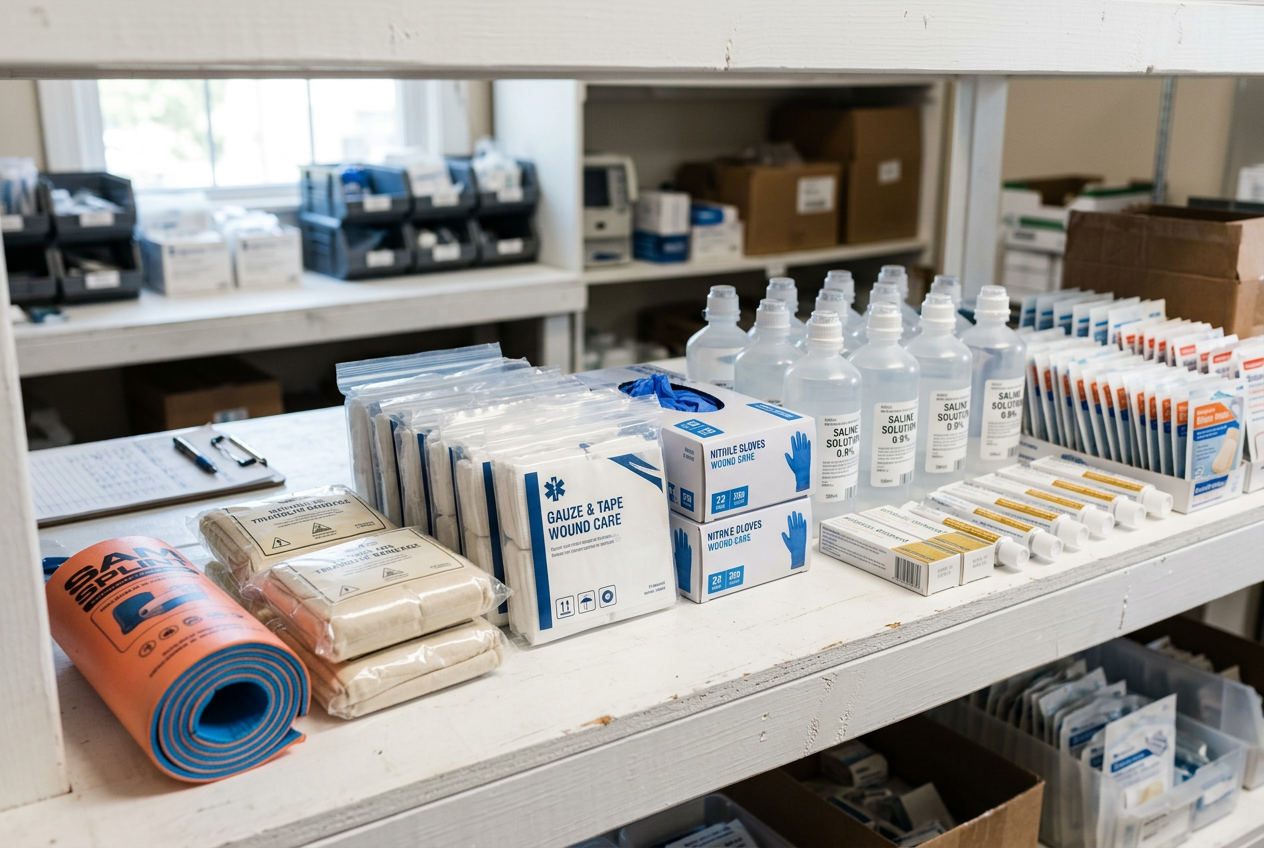
A full kit is a good start. But supplies run out. You use tape and gauze faster than anything else. You may also want to build depth in one area, like splinting. Buying key items on their own lets you restock what you use and skip what you do not need. Here are three solid building blocks for a delayed-care supply.
Moldable splint for fractures and sprains
A broken bone or bad sprain needs support until you reach care. A moldable aluminum splint does that job. It has a soft foam layer over a thin metal core. You bend it to fit an arm, wrist, ankle, or leg. It holds its shape and keeps the injury still. This matters most when help is far away or hours out. It will not fix the bone. It just keeps things stable and less painful during the wait.
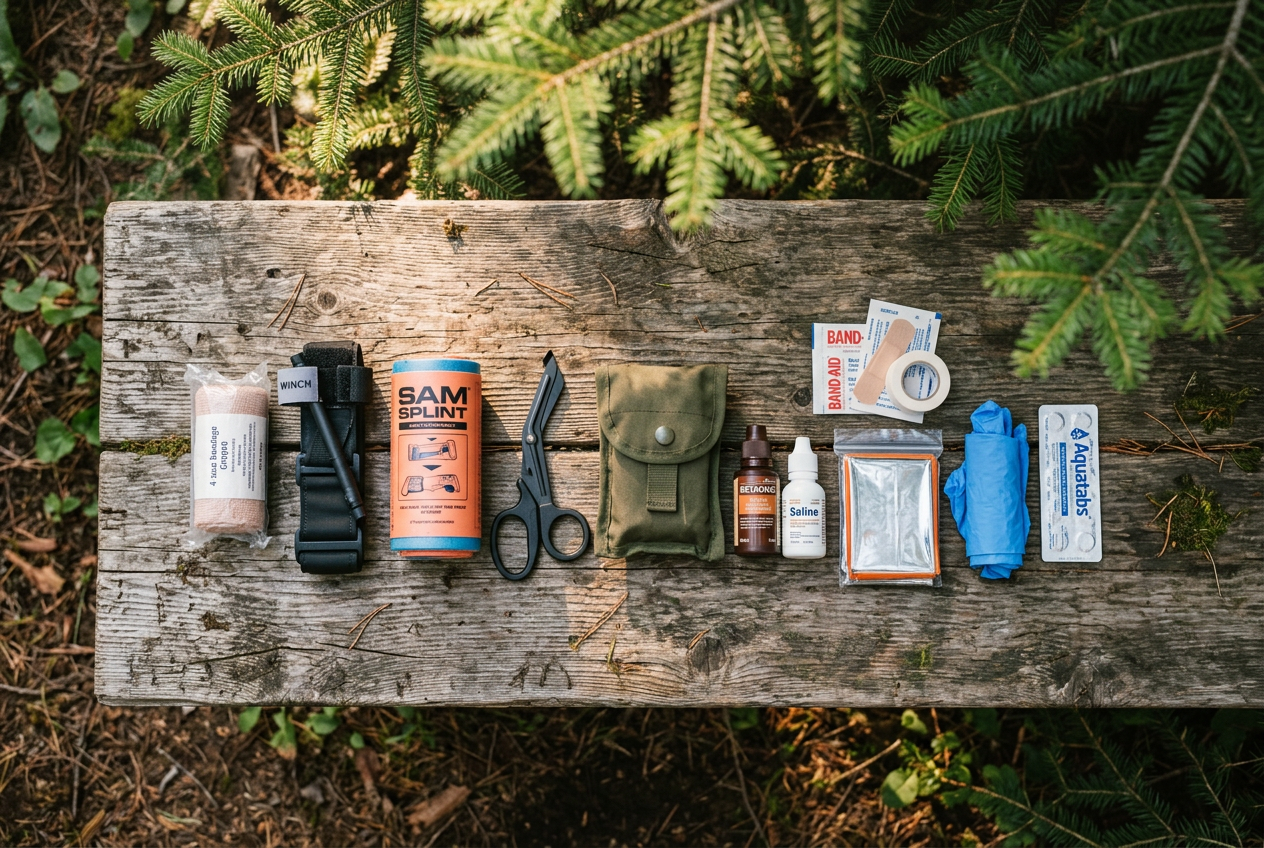
The Sam Splint, 36", Orange & Blue is a trusted option. Per the manufacturer listing, it is light, reusable, and water-resistant, and you can trim it with trauma shears to the size you need. One splint covers many injuries. Confirm the current specifics on the product listing before you buy. Keep at least one in your home supply and one in any kit you carry on trips.
Triangular bandages for slings and securing dressings
Triangular bandages are simple and very useful. You can fold one into a sling to support an injured arm. You can tie one to hold a splint in place. You can use one to keep a dressing on a wound. Having several on hand gives you options.
The Primacare D-3680 First Aid Triangular Splint Bandage with Safety Pins is listed as a pack of 12, latex-free, with two safety pins each. That is enough to stock your home kit and refill portable kits too. Confirm the pack count and details on the product listing before you buy. Buying a multipack is a cheap way to add depth.
Wound care gauze and tape for restocking
You will go through gauze and tape fast. Scrapes, cuts, and blisters all need covering. A wound care kit with assorted gauze and tape makes restocking easy.
The CURAD Naturals 25-Piece Wound Care Kit with Baking Soda Gauze and Tape includes assorted gauzes and tape in one pack. It is small enough to tuck into a bag or car kit. Keep one at home and rotate it into kits as you use up supplies.
Do not forget the basics
Depth also means the everyday items you reach for most. Stock plenty of these:
- Disposable gloves to keep wounds and your hands clean
- Rolled and sterile gauze for packing and padding
- Saline or clean water for rinsing out dirt and debris
- Medical tape to hold dressings in place
- Triple antibiotic ointment for minor cuts and scrapes
- Blister care like moleskin or blister pads
One note on triple antibiotic ointment. It helps small wounds, but it can cause skin rashes in some people. It does not replace cleaning the wound first. And it is not a fix for a deep or infected injury. Clean the wound, cover it, and seek care when a wound looks bad or will not heal.
Trauma supplies to add with training
These items support bleeding-control training. They do not replace it. For tourniquets, buy an authentic device from its maker or an authorized seller rather than relying on an unverified marketplace listing.
Trauma shears help cut clothing away from an injury without using a sharp knife. See the Madison Supply 7.5 Inches Premium Stainless Steel Trauma Shears for Left and Right Hand - Non-Stick Coated Blades Medical Scissors - Durable Fluoride-Coated Nurse Scissors - Black.

A pressure bandage is a compact dressing to practice using in a bleeding-control course. See the EVERLIT Israeli 6 Inch Emergency Bandage Compression Trauma Pressure Wound Dressing Sterile Vacuum-Sealed Packaging for Bleeding Control, Medical Trauma Kit, Gun Shot, First Aid IFAK.

Chest seals are advanced trauma supplies; learn when and how to use them before adding them to a kit. See the North American Rescue HyFin Vent Chest Seal (Twin Pack) NAR Vented Wound Chest Seals for Trauma, Wounds (10-0037).

Dressings and restocking supplies
Restock the supplies you actually use, and check the packaging and expiration dates when you rotate your kits.
Self-adherent wrap can help hold a dressing or splint in place. See the 24 Packs Self Adherent Cohesive Wrap Bandages 2’’ Wide, 5 Yards, First Aid Tape,Elastic Self Adhesive Tape,All Sports Athletic Tape, Non-Woven Bandage,Breathable Wound Tape,Skin Colour Athletic Tape.

Sterile rolled gauze adds depth for dressing changes. See the MED PRIDE Sterile Krinkle Gauze Roll,6-Ply Cotton,4.5 in x 4.1 yd,12-Pack.

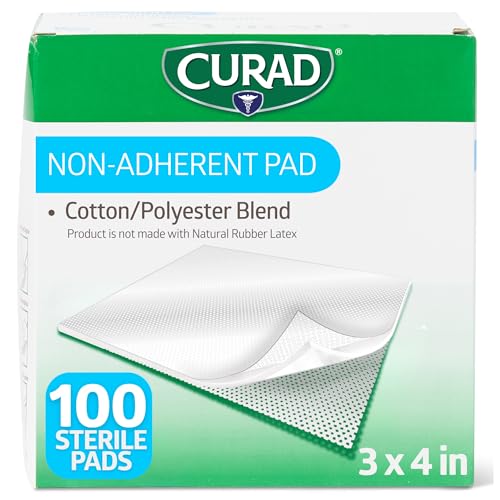
Nonadherent pads help cover a wound without sticking to it. See the CURAD Sterile Non-Adherent Dressing Pads, 3 in x 4 in, Box of 100 | Absorbent Rayon and Polyester Material, Cushions Wounds Comfortably, Soft Edges for Gentle Protection.
Gentle paper tape secures dressings. See the Nexcare Gentle Paper Tape, Medical Paper Tape, Secures Dressings and Lifts Away Gently - 1 In x 10 Yds, 2 Rolls of Tape.

Individually packed nitrile gloves are useful when stocking portable kits. See the Lightning X Products Nitrile Exam Glove Pairs - Individually Packed, 50 Gloves, 25 Pairs, Resealable Zip Bag - Large (Blue).

Assorted adhesive bandages cover minor cuts and scrapes. See the BAND-AID Brand Flexible Fabric Adhesive Bandages, Assorted Sizes, 100 Count | Comfortable Protection, Sterile Wound Care for Minor Cuts, Scrapes & Burns, First Aid Kit Essential, Non-Stick Hurt-Free Pad.

Cleaning and foot care
Cleaning a minor wound comes before a topical product. Follow the product label, and seek care for deep, infected, or worsening wounds.
Sterile saline wound wash gives you a compact rinsing option. See the NeilMed NeilCleanse Wound Wash - Sterile Saline Spray - 6.3 fl oz | 0.9% Sodium Chloride, USP Grade Water, Preservative Free, For Superficial Abrasions, Any-Angle Dispensing, 177 ml.

Triple antibiotic ointment is an option for minor cuts, but some people develop a rash from it. See the Amazon Basic Care First Aid Triple Antibiotic Ointment, Treats Minor Cuts, Scrapes and Burns, 2 Ounces.

Moleskin pads can reduce friction where boots or shoes are starting to rub. See the Moleskin Adhesive Pads & Blister Bandages for Feet - 30ct Moleskin Padding | Blister Pads for Heels and Toes, Soft Cushioning to Help Reduce Shoe Friction During Walking, Running & Travel.

How to Choose What to Stock for Your Household
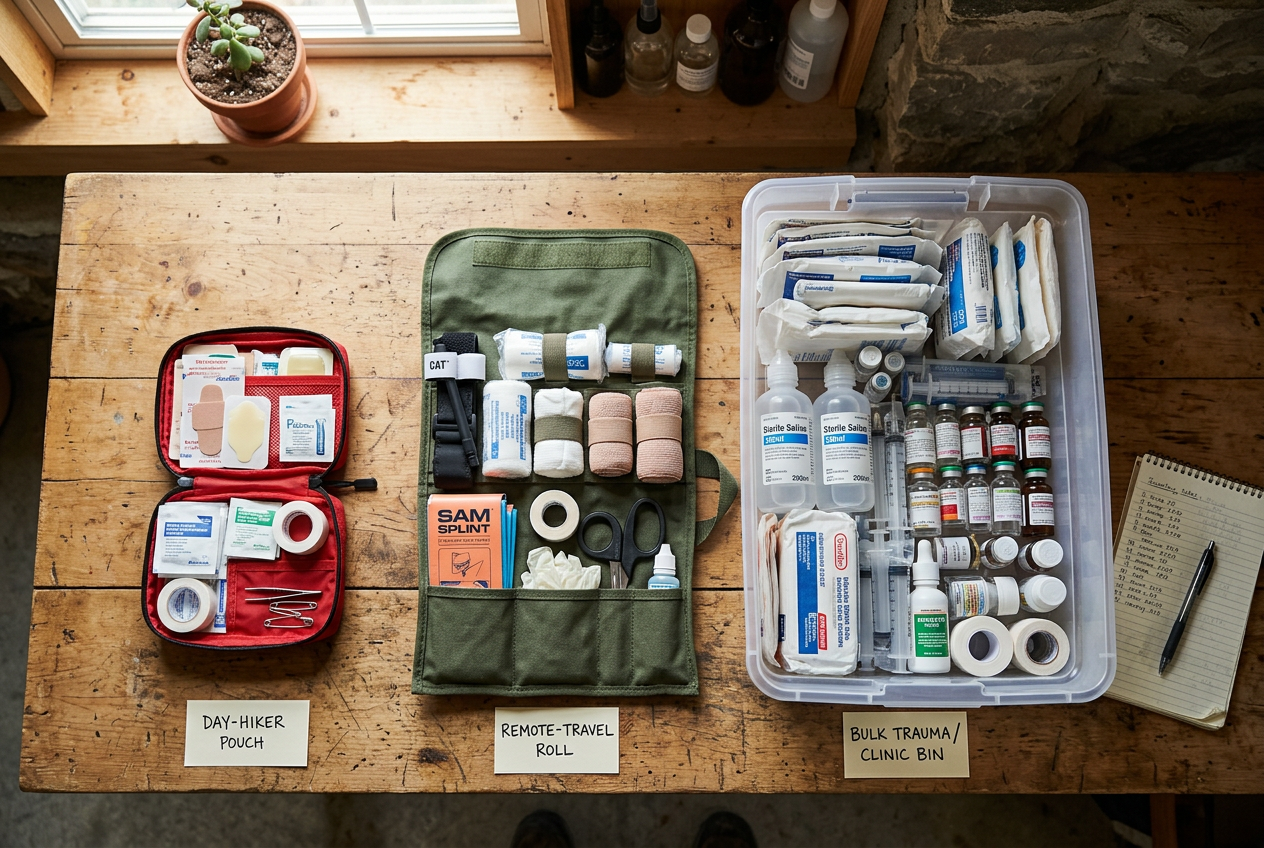
The right supplies depend on where you are and how far help is. Start by thinking about your real risks, not worst-case movie scenes.
Match supplies to your situation
Day hikers and short trips. You are usually a few hours from a trailhead. Focus on the small stuff that happens often. That means blister care, adhesive bandages, antiseptic, gloves, and a way to wrap a sprain. A compact kit like the My Medic Sidekick Camping, Hiking and Backpacking First Aid Kit covers these common problems in a small package.
Remote travelers and backcountry trips. Here help may be a day away or more. Add splinting for a broken bone, more gauze, and the ability to stop serious bleeding. A reusable Sam Splint 36-inch Moldable Aluminum Foam Splint packs flat and handles many injuries. Carry enough wound supplies for more than one person.
Home grid-down stockpile. This is about depth, not portability. Keep larger amounts of everyday items you will burn through. Stock extra adhesive bandages, rolled gauze, tape, triangular bandages, and topicals. A home base can hold a trauma kit plus a deep backup of basics.
Picking a budget tier
Budget. Cover the common injuries first. Scrapes, cuts, blisters, and sprains happen far more often than life-threatening bleeding. The Survival First Aid Kit with Israeli Bandage, Chest Seal, Tourniquet, Splint adds basic trauma items at an entry price point.
Mid-range. You want a bag you can grab fast with trauma tools included. The CareTac IFAK Trauma and First Aid Kit with CAT Gen 7 Tourniquet bundles a vetted tourniquet style with broader supplies.
Premium. You want organization and quality for serious situations. The My Medic MyFAK Pro IFAK Trauma and First Aid Kit groups supplies by function so items are easy to find under stress.
Full kit or build your own?
A full kit is the simpler starting point. It arrives organized and saves you from hunting for parts. Building your own makes sense once you know your gaps. Many people buy a kit, then add standalone items like the Sam Splint or extra gauze to fill holes.
Train before you buy advanced gear
Tourniquets and chest seals can save a life. They can also cause harm when used wrong. Take a hands-on class before you rely on them. The STOP THE BLEED program offers bleeding-control courses, and local first aid providers often offer training too. Gear without skill is a false sense of safety.
A note on topicals
Triple antibiotic ointment and similar products can help minor wounds, but they are not magic. Some people get an allergic reaction or contact dermatitis from them. Topicals do not replace proper cleaning. They are also not a substitute for systemic treatment from a doctor if an infection sets in. When in doubt, clean the wound well and seek care.
Frequently Asked Questions
How much should a household stock versus a portable kit?
Think in two layers. Keep a portable kit for each person or vehicle. This is your grab-and-go kit, like the My Medic Sidekick Compact First Aid Kit. Then keep a larger supply at home for refills and bigger problems. A good rule is to stock enough wound care, gloves, gauze, and tape to treat a few small injuries without running out. Buy common items in bulk. Keep rarer trauma items simple and clearly labeled.
Do I need a tourniquet, and how do I avoid counterfeits?
A tourniquet can stop deadly bleeding from an arm or leg. It is useful if you live far from care or spend time outdoors. But a tourniquet needs hands-on training to use well. Fake tourniquets are common and can fail when you need them most. Buy an authentic CAT (Combat Application Tourniquet) or SOFTT-W/SOF device. Buy only from the maker or an authorized seller. Avoid very cheap listings and unknown brands. A real tourniquet is worth the cost because your life may depend on it.
What expires, and how often should I rotate?
Many supplies have a limited shelf life. Check these on a set schedule, like twice a year.
Write the date you open or check a kit on the outside. Use the oldest items first in daily life, then replace them. Store supplies in a cool, dry place away from heat and sunlight. Heat shortens shelf life fast.
When should I take a Stop the Bleed or wilderness first aid course?
Take training before you need it, not after. A Stop the Bleed course teaches you how to use pressure, wound packing, and tourniquets for serious bleeding. A wilderness first aid course is a good fit if you hike, camp, or travel far from help. These classes are short and worth your time. Items like tourniquets and chest seals only help if you know how to use them. Buying gear without training gives you false confidence.
Do stocked supplies replace a doctor or hospital?
No. Your supplies buy time and treat minor injuries. They do not replace professional care. Trauma items are meant to stabilize someone until help arrives or you reach care. Get real medical help as soon as you can for any serious injury.
Are topical antibiotics enough to treat a wound?
No. Triple antibiotic ointment and similar creams help some minor scrapes. But they do not replace cleaning the wound well first. Some people get a rash or allergic reaction from these products. They are not a fix for deep wounds or infection that spreads. See a doctor if a wound looks infected, swells, or will not heal.
Next Steps: Build, Train, and Rotate
You do not need to buy everything at once. A good plan starts small and grows. Here is a simple way to move forward without feeling overwhelmed.
Step 1: Start With a Solid Everyday Kit
Begin with the basics that cover most real injuries. That means gloves, bandages, gauze, tape, and simple wound care. These items handle cuts, scrapes, blisters, and small burns. Those are the problems you will face most often. Build this kit first, before you spend money on advanced trauma gear.
If you want a compact kit to start with or to carry, the My Medic Sidekick is a sensible pick. It packs everyday supplies into a small, portable bag. It works well for a car, a backpack, or a first kit at home.
Step 2: Add Trauma Items Only With Training
Bleeding-control tools like tourniquets and chest seals can save a life. But they can also cause harm if used wrong. Do not buy them and tuck them away untouched. Learn how to use them first.
A good next step is a kit that pairs trauma gear with everyday supplies. Per the manufacturer listing, the MY MEDIC MyFAK PRO IFAK Trauma Kit brings both together in one labeled, easy-to-find layout. Confirm the contents on the product listing before you buy. If you plan to add bleeding control, sign up for a class before you rely on it.
Look for a local first aid course or a Stop the Bleed class. These classes are short and often low cost. They teach you how to pack a wound, apply pressure, and use a tourniquet the right way. The skill matters more than the gear. A tourniquet in a drawer helps no one if you have never practiced with one.
Remember the limits. These supplies buy time until real medical help arrives. They do not replace a hospital, a doctor, or emergency responders. The goal is to keep someone stable until that care is possible.
Step 3: Track Expirations and Rotate
Many supplies break down over time. Medications, saline, and some topicals have dates printed on them. Write a note with the soonest expiration date and tape it inside your kit. Check it twice a year. Pick easy dates to remember, like when the clocks change. Replace what is old and restock what you used.
Step 4: Keep Two Kits
Build one larger supply for home and one small grab-and-go bag. The home stockpile holds extra gauze, tape, and refills. The grab-and-go bag goes with you in the car or during an evacuation. Both pull from the same list, just in different sizes.
Start where you are. Buy the everyday kit first. Add trauma gear only when you have trained with it. Then set a reminder to check and rotate. Small steps now mean you will be ready when care is delayed.
Sources and Further Reading
- First Aid Content: Essential Guide for 2026
- Camping First Aid Kits, Checklist and Resource Guide
- 27 Considerations for a Wilderness First Aid Kit
- Everyday Carry First Aid Kit Essentials for 2026
- Wilderness First Aid Kit Checklist 2026
- www.stopthebleed.org
- www.redcross.org
- www.cdc.gov
- www.fda.gov
- www.ready.gov