Best Gas Masks and Respirators for Emergencies (2026)
Most emergency kits have a first aid kit, water, and food. But many people forget one thing: a way to protect their lungs. The air you breathe can hurt you fast. A chemical spill, wildfire smoke, or a house fire can fill the air with things you should not breathe.
Think about the threats you might face. A train could derail and leak toxic gas. Wildfire smoke can drift for miles and make it hard to breathe. A nuclear event could send fallout into the air. A fire in your home fills rooms with deadly smoke in seconds. In each case, a good mask can buy you time to get out or stay safe.
This guide covers the best gas masks and respirators for different needs. Some are made for the worst threats. Others handle simple dust and fumes. You will learn which one fits your plan.
Here is one key thing to know first. There are two main types. A certified CBRN mask protects against chemical, biological, radiological, and nuclear threats. These are full-face masks built to strict standards. A basic particulate respirator only blocks dust and small particles. It will not stop toxic gas. Knowing the difference helps you pick the right tool.
Below, you will find masks for every budget and need. We compare them on design, filters, and real-world use so you can choose with confidence.
- CBRN Certified: Look for real certification against chemical, biological, radiological, and nuclear threats.
- Filter Compatibility: Pick a mask that fits standard 40mm NATO filters so you can find replacements.
- Full Face Seal: A full face design protects your eyes and skin, not just your lungs.
- Comfort Fit: Adjustable straps and a flexible seal let you wear it longer without pain.
We tested and sorted the best options below. Keep reading the full article to see why each one made our list.

MIRA Safety CM-6M Full Face Mask
This is a real CBRN-certified, professional-grade full-face reusable respirator with 40mm NATO filter fit and a built-in drinking system. It gives the broadest, most reliable protection against chemical, biological, radiological, and nuclear threats, which is why it earns our top spot.

Adult and Infant CPR Mask Kit
This simple combo kit covers a basic need many people forget in an emergency. It packs everything you need to safely give CPR in one portable bag.

ALDZA Full Face Respirator
This reusable full face mask is the pick most people reach for during projects like painting, sanding, and woodworking. It stays light and adjustable for long, comfortable wear.

MIRA Safety CM-I01 Industrial Mask
This premium industrial-grade mask offers strong breathability and complete coverage against gases, vapors, solids, and liquid particles. Its universal 40mm NATO filter fit makes it a flexible choice for tough jobs.
In this guide



Reviewed by Marcus T., Elena V. & James W. — contributors with hands-on preparedness experience. How we test
Why Trust This Guide?
This article was researched and reviewed by contributors with hands-on experience in emergency preparedness. They have tested gear, built real systems, and lived through situations where these skills actually mattered.
Gas Masks and Respirators at a Glance
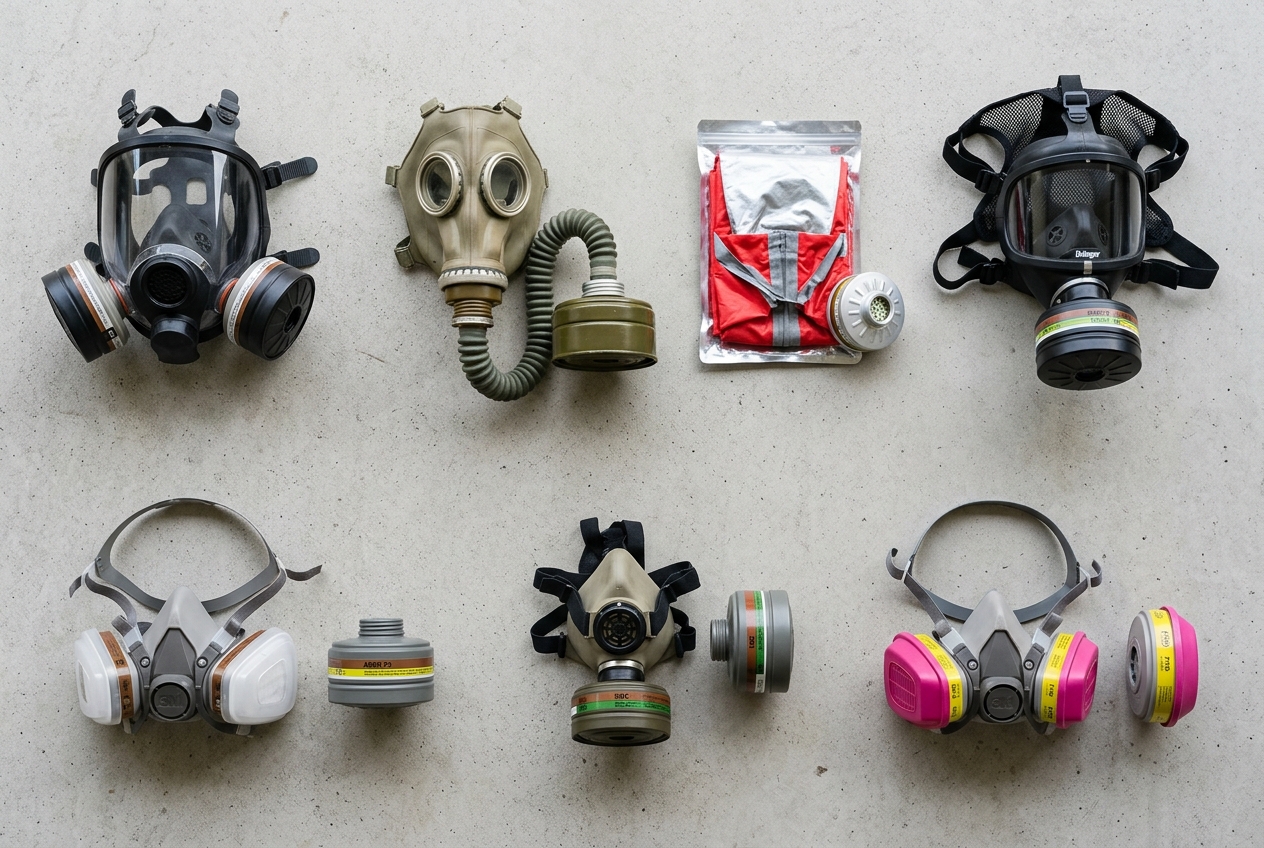
Not every mask does the same job. Some protect against war-grade threats like nerve gas. Others just block dust or paint fumes. The right pick depends on what you fear most and how much you want to spend.
Below is a quick look at all six masks in this guide. Scan the table first. Then read the full reviews for the ones that fit your needs.
What each mask is built for
The MIRA Safety CM-6M sits at the top. It is a full-face mask with a real CBRN rating. That means it is made to guard against chemical, biological, radiological, and nuclear threats. It has a 20 year shelf life and even a built-in drinking system. This is the premium choice for people who want the best.
The MIRA Safety CM-I01 is the industrial pick. It uses any 40mm NATO filter, so replacements are easy to find. It guards against gases, vapors, and particles in work settings.
The Owenri Full Face Gas Mask is the budget survival option. It takes a 40mm carbon filter and covers your whole face. It is not certified like the MIRA masks, but it works for basic protection at a low price.

The ALDZA Premium Full Face Respirator is built for DIY jobs. Think painting, sanding, and woodworking. It comes with clear anti-fog glasses. It is not for chemical warfare. It is for keeping fumes and dust out of your lungs at home.
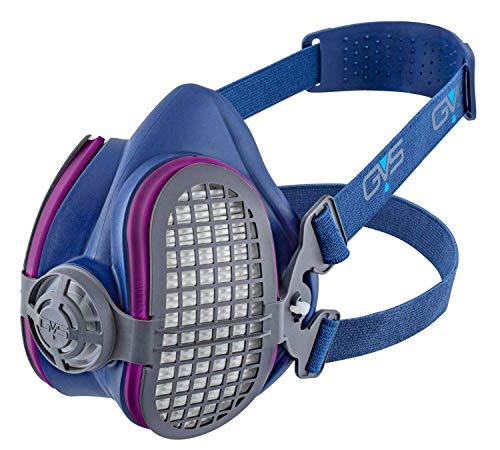
The GVS Elipse P100 is a half-mask. It is light and small. It blocks dust and fine particles like silica, wood, and asbestos. The filters last up to five years. This is a great pick if you only need dust protection and want comfort.
The Emergency Fire Escape Smoke Hood is different from the rest. It is not a reusable respirator. It is a one-use hood for escaping a house fire. It uses a wet filter to cut smoke and heat. Keep it by your bed for quick grabs.

Now that you have the big picture, let’s dig into each mask one by one.
MIRA Safety CM-6M: Best CBRN Full-Face Gas Mask
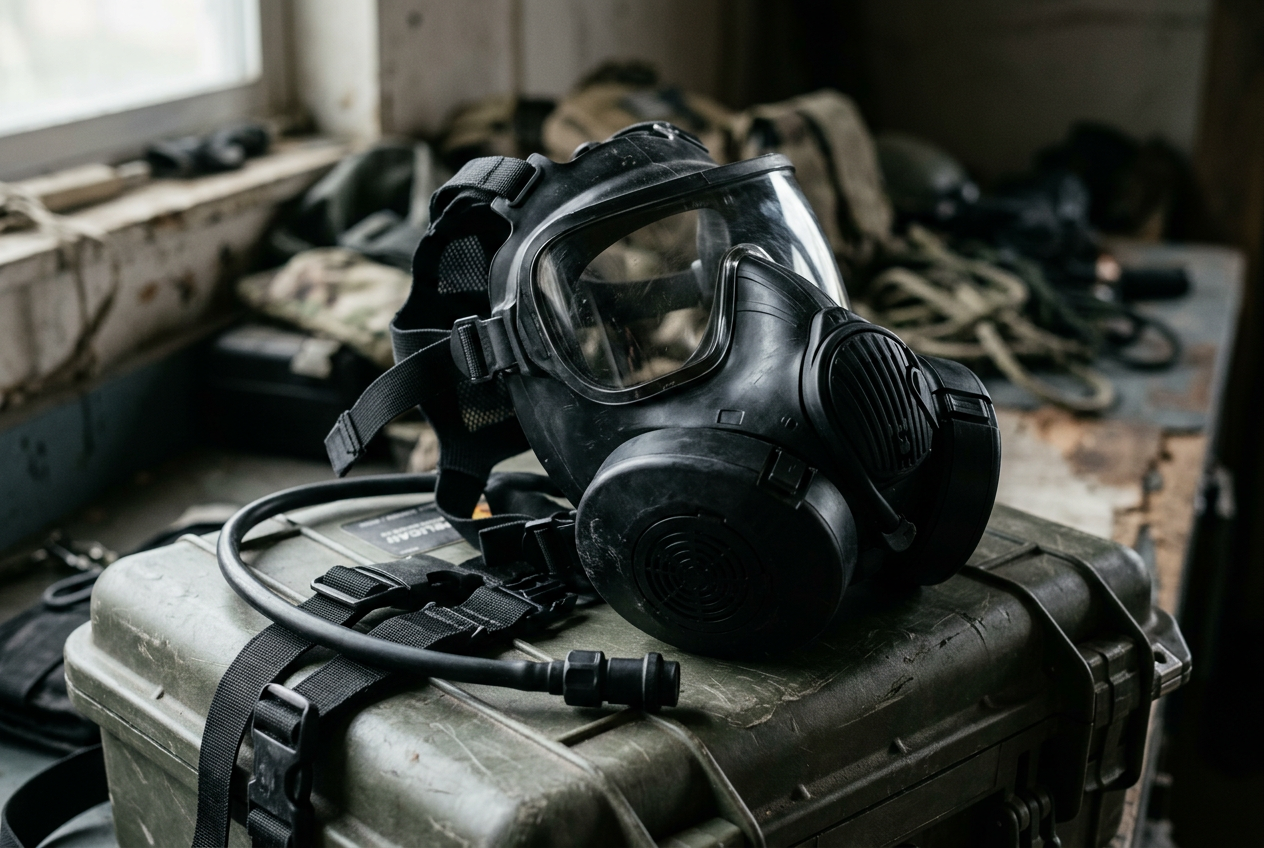
The MIRA Safety CM-6M is our top pick for serious protection. If you want a mask built for real chemical, nuclear, and biological threats, this is the one to get. It is a certified CBRN full-face respirator. That means it is made to guard against some of the worst airborne dangers out there.
Built to last
The CM-6M is made from bromobutyl rubber. This is a tough material that holds up well over time. It also resists many harsh chemicals. The mask has a 20-year shelf life. That is a long time. You can buy it now and store it for years without worry. MIRA backs it with a 5-year manufacturer warranty too. For a piece of safety gear you may only use once, that long shelf life matters a lot.
The full-face design covers your eyes, nose, and mouth. The face piece is clear and wide. This gives you a good view of what is around you. A blocked view can be dangerous in an emergency, so this is a real plus.
Drinking system and speech
One standout feature is the built-in drinking system. The mask comes with a 900 mL water bottle canteen. You can drink water without taking the mask off. This may not sound like a big deal, but it is. In a real event, you may need to keep your mask on for hours. Staying hydrated without breaking the seal keeps you safer.
The CM-6M also has a speech diaphragm. This helps people hear you when you talk. Masks often muffle your voice. With this feature, you can still speak clearly to your family or team. Good communication can make a hard situation much easier to handle.
Why it is the top pick
For CBRN threats, you want a mask that meets a high standard. The CM-6M is a professional-grade, certified mask. It is trusted by civilians who take prep seriously. It uses standard 40mm filters, which are easy to find and swap out. This makes it flexible for many kinds of threats.
The CM-6M sits in the premium price range. It costs more than the budget masks later in this guide. But you get what you pay for here. The build quality, the drinking system, the speech diaphragm, and the long shelf life all add up. If your main goal is real protection against nuclear, chemical, or biological dangers, this mask earns its spot at the top.
The MIRA Safety CM-6M is the mask to choose when you want the most trusted option. It is comfortable, well made, and ready when you need it.
MIRA Safety CM-I01: Best Industrial-Grade 40mm Mask
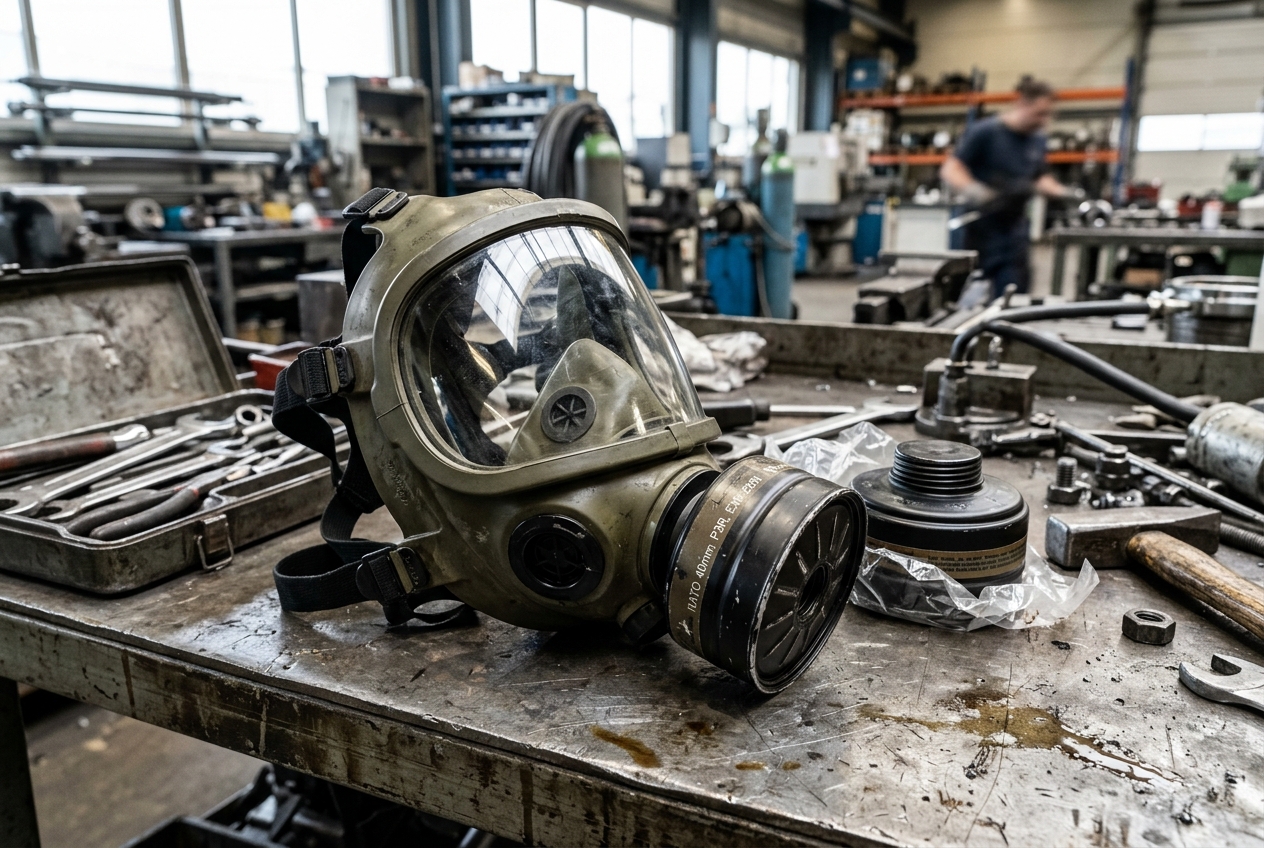
The MIRA Safety CM-I01 sits between the top-tier CBRN masks and the budget survival options. It gives you strong protection without the highest price. If you want a mask for work around chemicals, dust, and fumes, this one is worth a close look.
Built for real work
The CM-I01 is a full-face mask. This means it covers your eyes, nose, and mouth all at once. That matters because some gases and vapors can hurt your eyes. A half-mask leaves your eyes open to harm. The full-face design also keeps dust and liquid splashes off your face.
MIRA made this mask for industrial jobs. It protects you from gases, vapors, solids, and liquid droplets. That covers a wide range of hazards you might face at work or during a cleanup. The clear lens gives you a good view so you can still see what you are doing.
Universal 40mm filter compatibility
The best feature of the CM-I01 is its filter port. It fits any 40mm NATO standard filter. This is a big deal for a few reasons.
First, 40mm NATO filters are common. You can find them from many brands, not just one. That means you are not stuck buying a single special part.
Second, easy replacement keeps you covered over time. Filters do not last forever. They wear out based on use and what they block. With a 40mm mask, you can stock up and swap filters when needed. You will not have trouble finding more.
Third, you get options. Different filters block different things. Some handle organic vapors. Some handle particles. Some do both. Because the CM-I01 takes standard filters, you can match the filter to the job.
Smart valve design
The CM-I01 uses an advanced valve system. Valves control how air moves in and out of the mask. Good valves make it easier to breathe. They also help clear out the moist air you breathe out. This cuts down on fog on the lens and lets you wear the mask longer without feeling worn out.
MIRA built this mask for breathability and comfort. That is important if you plan to wear it for more than a few minutes. A mask that is hard to breathe in gets set aside fast. This one aims to stay comfortable during longer tasks.
Who should buy it
Pick the CM-I01 if you want industrial-grade coverage at a mid-range price. It is a smart choice for DIY work, cleanup jobs, and general emergency prep. The full-face fit and standard filters make it flexible.
If you need certified CBRN protection for the worst threats, look at the CM-6M instead. But for most home and work needs, the CM-I01 gives you strong value and easy filter access in one package.
Owenri Full Face Gas Mask: Best Budget Survival Option
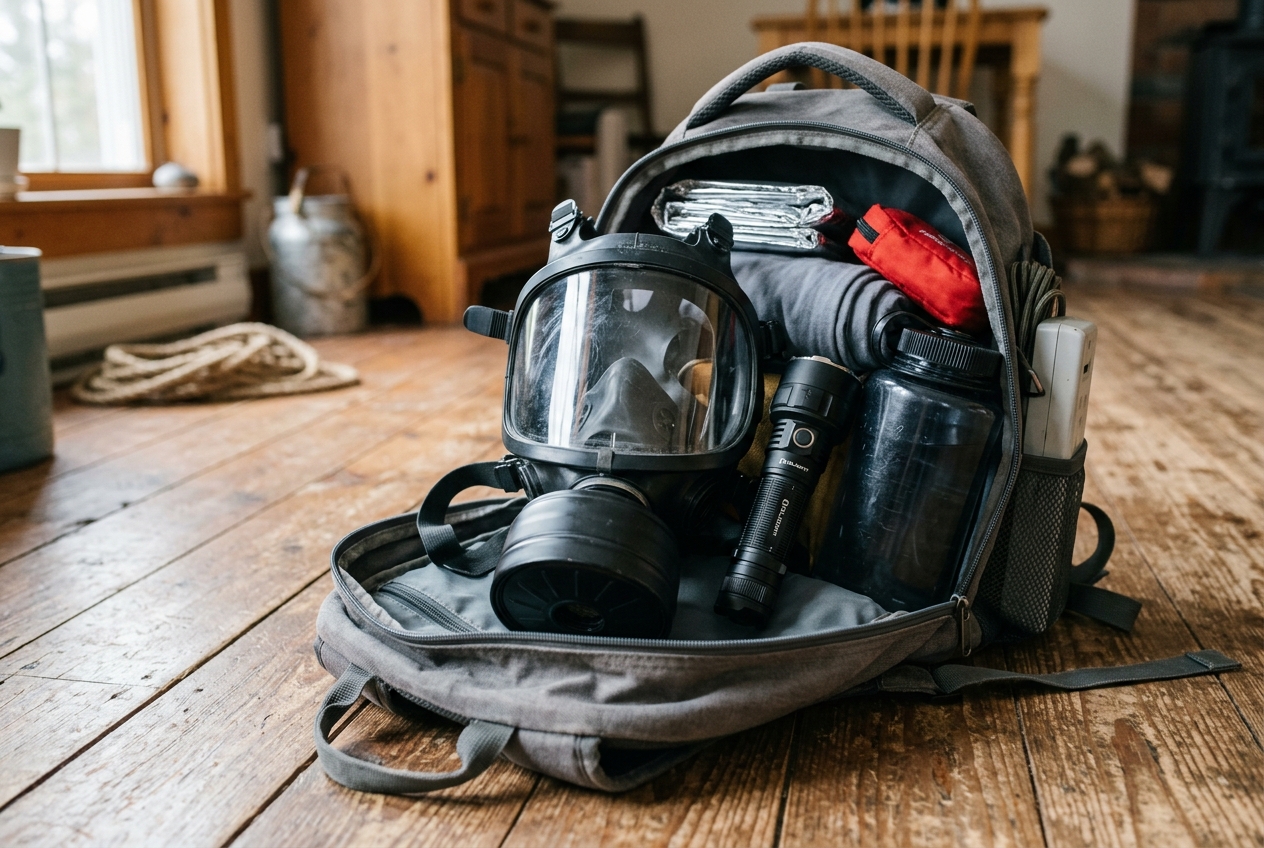
If you want basic full-face protection without spending a lot, the Owenri gas mask is worth a look. It covers your whole face. It uses a standard 40mm activated carbon filter. It gives you a starting point for a home emergency kit when money is tight.
What you get
The Owenri mask has a full face seal. This helps block dust, gases, and vapors from reaching your eyes, nose, and mouth. The headband adjusts, so it fits most adults. It is light and easy to store in a bag or bin.
The face shield is large. It is treated to resist fog and scratches. That means you can see clearly while you wear it. A clear view matters if you need to move around or handle tools.
The mask has an exhalation valve. This pushes your warm, wet breath out. It cuts down on fog and makes breathing feel easier. There is also a speaking diaphragm. It helps other people hear you when you talk through the mask.
The 40mm activated carbon filter is a common size. Many filters use this thread. That gives you some choice when you need to replace the filter later.
Who it suits
This mask fits people who want a low-cost safety layer. It is a fair pick for dust, fumes from cleaning, or smoke from far away. It works for prepping a family kit where you need several masks but have a small budget.
It is also good for new users. The setup is simple. You screw on the filter, put it on, and tighten the straps. There is not much to learn.
Limits to know
You need to be honest about what this mask can and cannot do. The Owenri is a budget mask. It does not carry a verified CBRN rating like the Owenri full-face gas mask entry-level buyers hope for in a true chemical warfare event. Do not treat it like a certified CBRN unit.
Certified masks, like the MIRA Safety CM-6M, go through strict testing. They meet known standards for nerve agents and other threats. The Owenri does not publish that kind of proof. So it is best for common hazards, not the worst-case ones.
The single filter port is another point. Higher-end masks may offer twin ports or better sealing. The included carbon filter also has a shelf life. Check the date and store spares in a sealed bag.
Bottom line
The Owenri is a solid budget survival mask. It gives you full-face coverage, a clear shield, and an easy setup. Just match it to the right job. Use it for dust, fumes, and general readiness. For serious chemical threats, step up to a certified mask.
ALDZA Premium Full Face Respirator: Best for DIY and Dust
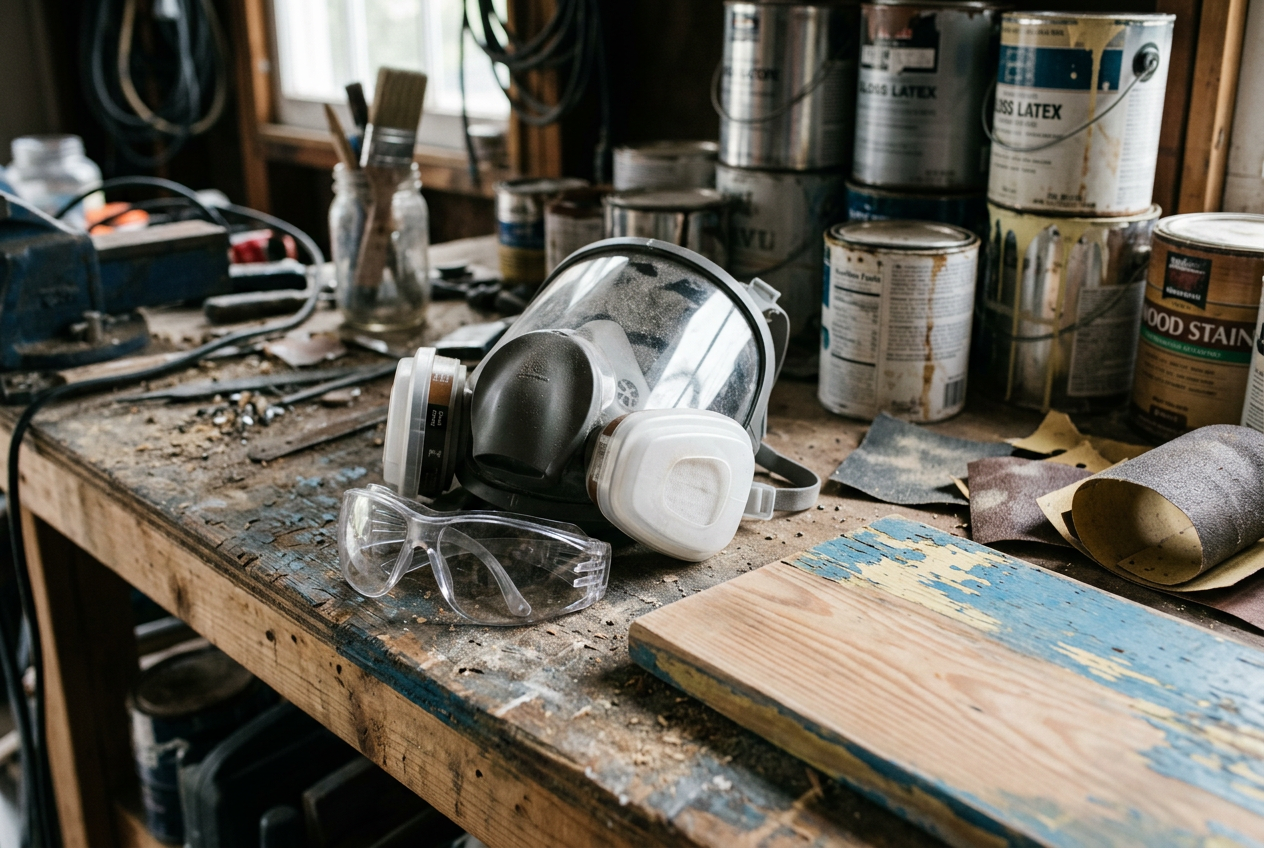
If your main worry is dust, paint fumes, and smoke, the ALDZA Premium Full Face Respirator is a smart pick. It is built for workshop jobs. That focus makes it a strong tool for certain emergencies too. Just know its limits before you buy.
What it is made for
This mask is a DIY tool first. It works well for painting, sanding, welding, polishing, and general shop work. The full-face design covers your eyes, nose, and mouth. That keeps dust and spray off your face while you work.
The ALDZA is reusable. You can swap out the filters when they wear down. The body is lightweight and the straps adjust to fit your head. That matters if you plan to wear it for a long time. A mask that hurts your face gets left in a drawer. This one is made for daily use, so comfort is part of the design.
It also comes with clear safety glasses. They have an anti-fog coating to help you see. This is a nice add-on if you want eye protection for other tasks. But note that the glasses are separate from the mask seal. The mask itself covers your eyes on its own.
Where it fits in emergency prep
Think of the ALDZA as your smoke and particulate mask, not your chemical mask. It shines against things you can see and feel in the air. Wildfire smoke, ash, sawdust, drywall dust, and mold spores are all good examples. If you live where wildfires happen, a particulate respirator is a real help for cleanup and evacuation days.
It also works for cleanup after storms or floods. That kind of work kicks up dust, dirt, and mold. A full-face respirator keeps that junk out of your lungs and off your eyes.
Here is the key limit. This is not a CBRN mask. It is not built to stop war gases, nerve agents, or many industrial chemical vapors. Those threats need a certified gas mask with the right rated filter, like the MIRA options in this guide. The ALDZA matches paint and particulate filters, not full-spectrum chemical cartridges.
So do not treat this as your only mask if you want real chemical protection. Treat it as the tool you reach for during smoke, dust, and messy cleanup. Many people keep both. They use a cheap or mid-range mask like this one for common jobs. Then they keep a certified mask sealed away for rare, serious events.
For the price, the ALDZA is a solid mid-range choice. It gives you real protection for the threats most people actually face. Just match the filter to the job, and know what it cannot do.
GVS Elipse P100: Best Half-Mask Respirator
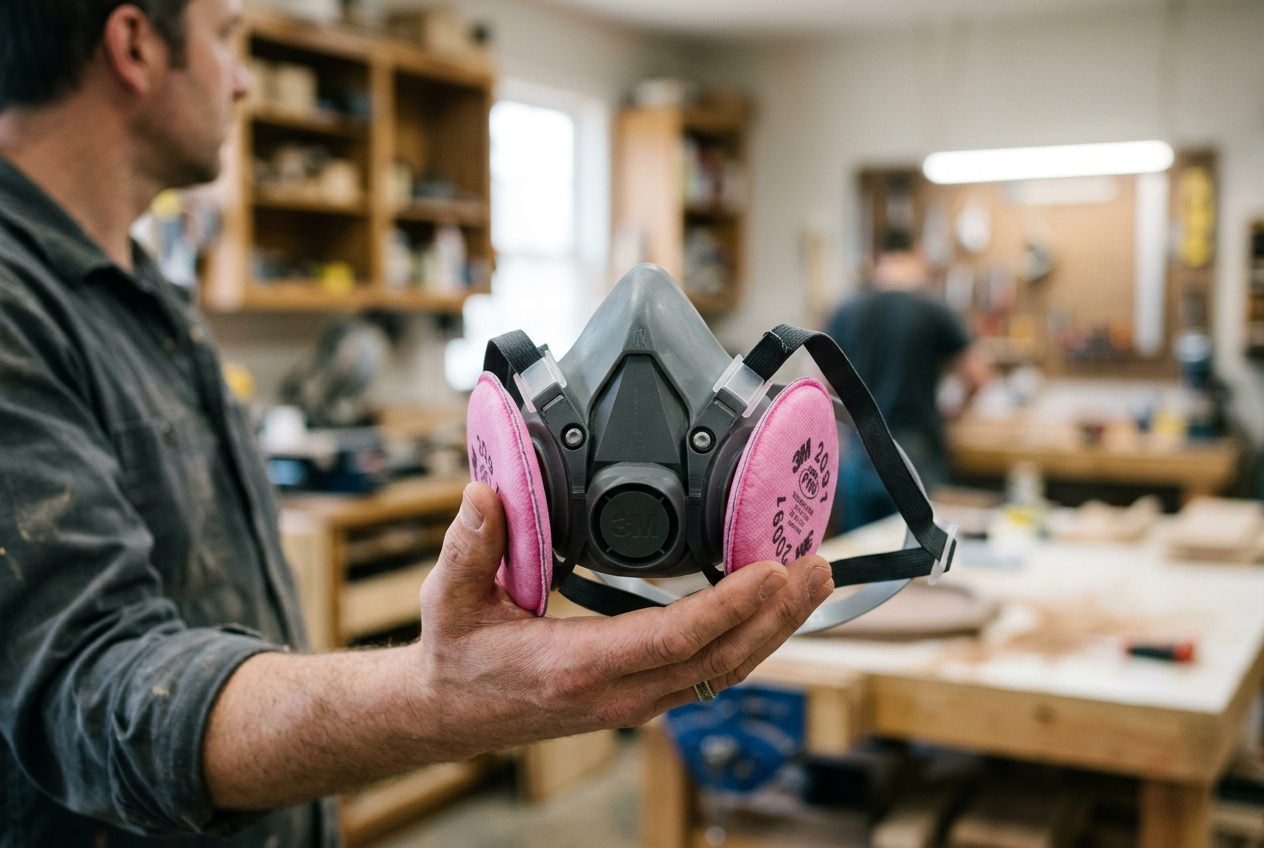
Not every emergency calls for a full-face gas mask. Sometimes you just need to keep fine dust and smoke out of your lungs. That is where a half-mask respirator shines. The GVS Elipse P100 is our top pick for this job. It is light, small, and easy to wear for hours.
What It Protects Against
The Elipse P100 uses P100 filters. That means it blocks at least 99.97% of tiny particles in the air. It works well against dust, smoke, and fine junk that can hurt your lungs. This includes things like silica, coal dust, wood dust, and even asbestos fibers.
It also helps with dust from marble, gypsum, iron, and many other materials. If you are cleaning up after a fire, sanding old paint, or dealing with smoke in the air, this mask is a smart choice.
One thing to know. A P100 filter stops particles. It does not stop gases or vapors on its own. So this is not a replacement for a CBRN gas mask. Think of it as protection against dust, smoke, and airborne debris.
Comfort and Fit
The best mask is the one you will actually wear. The Elipse P100 is very light and compact. The filters sit low and flat against your face. This gives you a full view and keeps the mask out of the way.
That low profile matters. You can wear safety glasses or ear protection at the same time with no trouble. The design does not block your line of sight like bulkier masks do.
Breathing resistance is low too. That means it takes less effort to pull air through the filters. Less effort means less fatigue. You can wear it during long jobs without feeling worn out. For anyone doing cleanup work or wearing a mask for hours, this is a big plus.
Filter Life and Replacements
The filters that come with the Elipse P100 can last up to 5 years if stored right. They are also reusable and easy to swap out. No tools needed. You just click the old ones off and the new ones on.
Over time you will need fresh filters. Filters clog with use and lose their power. Keeping spares on hand means your mask is always ready.

These P100 replacement filters come in a 2 pack. They fit the Elipse SPR models and the LPR-100 mask. The universal design works with both the S/M and M/L sizes. They use the same high-density pleated material for 99.97% filtration. Having a few spare sets in your kit is a good idea.
Who It Is For
Pick the Elipse P100 if you want light, reliable protection from dust and smoke. It is great for cleanup, DIY work, and wildfire smoke days. Just remember it will not protect you from toxic gases. For that, you need a full-face mask with the right filter.
Emergency Fire Escape Smoke Hood: Best for House Fires

Most gas masks on this list protect you from chemicals, dust, or long-term hazards. A fire escape smoke hood does one job. It helps you get out of a burning building alive. That is a different problem, so it needs a different tool.
When a house catches fire, smoke is the real danger. Most people who die in fires do not burn. They breathe in toxic smoke and hot gases first. Smoke fills a room fast. It blocks your vision and steals the air you need. A smoke hood buys you the minutes you need to reach a door or window.
What It Does
This smoke face cover protects your whole face. It shields your eyes, nose, and mouth in one piece. The goggles are heat-resistant and rated to handle up to 752°F. That means you can keep your eyes open and see where you are going, even with flames and smoke around you.
The filter uses a moisture barrier. It combines distilled water with natural extracts. This wet filter helps neutralize harmful gases and cuts down the heat you breathe in. Hot air can burn your throat and lungs. The barrier lowers that risk while you move toward safety.
The mask also has a reflective film. If you are stuck in a dark, smoky room, rescuers can spot you more easily. That small feature can matter a lot when firefighters are searching a house they cannot see through.
A Grab-and-Go Item, Not a Respirator
This is the key thing to understand. A smoke hood is not a reusable respirator. You do not put it on for yard work or DIY projects. You use it once, in an emergency, and then it is done. Think of it like a fire extinguisher for your face.
Because of that, storage matters more than filters or fit. Keep it where you can reach it in the dark, half-asleep, in a panic. A bedside table drawer is the best spot. You can also store one in the kitchen, the garage, a car, or an office. It works for both adults and children, so it fits most people in your home.
Who Should Get One
Anyone who wants a fire plan should own at least one smoke hood. It is a budget item, so it is easy to buy a few and place them around the house. Put one in each bedroom. If a fire starts at night, every second you save getting the mask on counts.
Do not think of this as your main survival mask. Think of it as backup gear for one specific event. Pair it with working smoke alarms and a clear escape route. Together, those three things give your family a real chance to get out safe.
How to Choose a Gas Mask or Respirator
Picking the right mask starts with one question. What do you need it to do? A mask made for dust will not stop nerve gas. A CBRN mask is overkill for sanding wood. Match the mask to the threat, and you will not waste money.
Full-Face vs Half-Mask
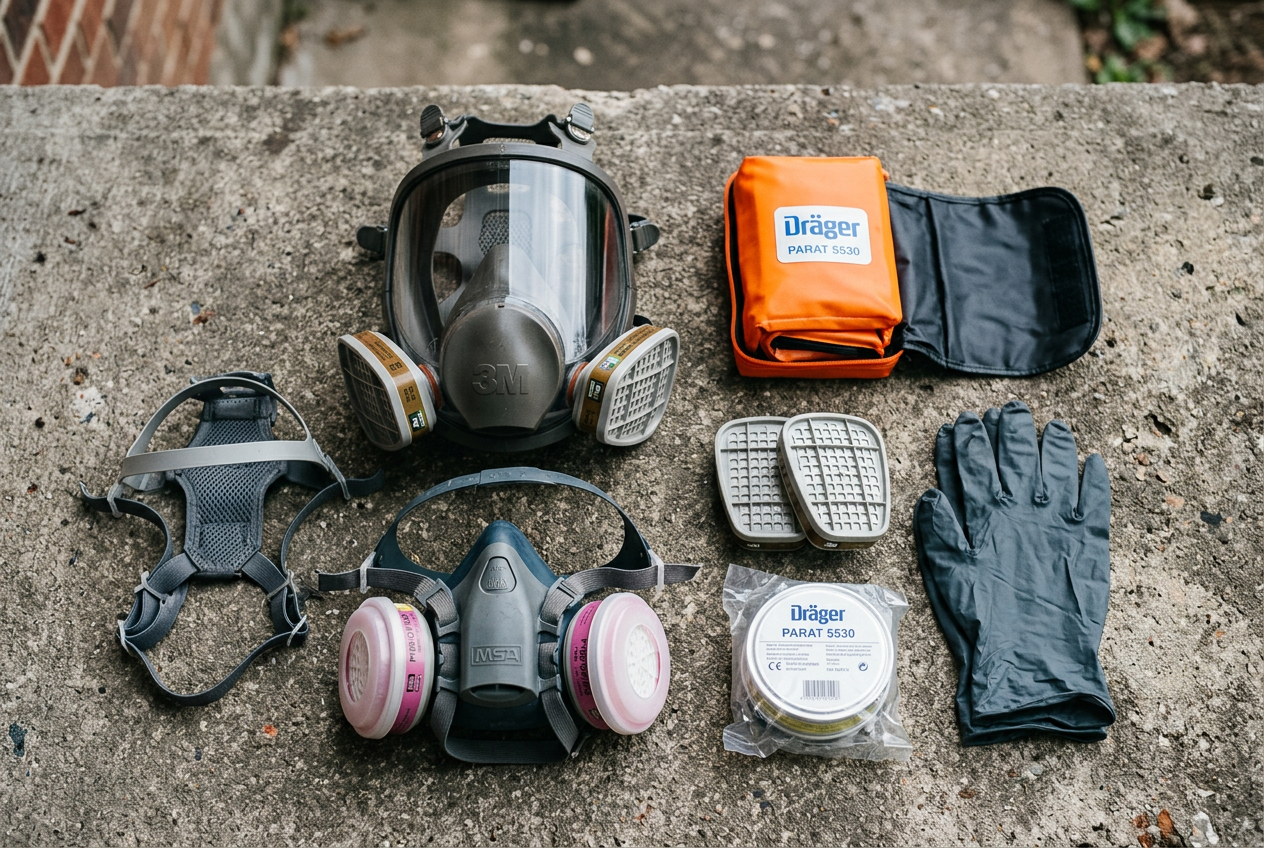
Full-face masks cover your eyes, nose, and mouth. They protect your face from gases that can burn or irritate your eyes. Masks like the MIRA Safety CM-6M are full-face for this reason. Use full-face for chemical, nuclear, or biological threats.
Half-masks cover only your nose and mouth. They are smaller and lighter. The GVS Elipse P100 is a good example. Half-masks work well for dust, pollen, and some fumes. But they leave your eyes open. You would need separate goggles for gas threats.
Filter Types
Filters matter as much as the mask itself.
P100 filters stop 99.97 percent of tiny particles. They are great for dust, mold, silica, and lead. They do not stop most gases or vapors on their own.
40mm NATO filters screw into many full-face masks. This is a standard size. Masks like the MIRA Safety CM-I01 use it. The big plus is that filters are easy to find and swap. Different filters block different threats, so read the label.
CBRN filters are the top tier. CBRN stands for chemical, biological, radiological, and nuclear. These filters are tested to strict rules. If you want protection from the worst threats, look for a mask and filter rated CBRN.
Fit and Seal
A mask only works if it seals to your face. Air will take the easy path. If there is a gap, unfiltered air leaks in. Facial hair breaks the seal. Shave clean for the best fit. Adjust the straps until the mask feels snug but not painful. Do a quick check by covering the filter and breathing in. The mask should pull tight to your face.
Shelf Life and Storage
Masks and filters do not last forever. Rubber can crack. Filters can lose their power. The CM-6M lists a 20 year shelf life for the mask. Filters usually last less. Keep sealed filters in their packaging until you need them.
Store your gear in a cool, dry place. Keep it out of sunlight. Heat and moisture break down rubber and filter media. A sealed bag or hard case helps.
Stock Spare Filters
One filter is not enough. Filters clog and expire. Buy spares and rotate them. For half-masks, packs like these P100 replacement filters make it easy to stay ready. Write the open date on each filter so you know when to swap it.
Frequently Asked Questions
How long do gas mask filters last?
It depends on the filter and what you breathe in. Most 40mm filters have a long shelf life when sealed in the package. Once you open a filter and start using it, the clock changes. A filter can get used up fast in a heavy chemical cloud. It can last much longer against light dust. Watch for signs it is done. If breathing gets harder, or you smell or taste something, the filter is spent. Replace it right away.
The GVS Elipse P100 filters can last up to 5 years and are easy to swap. Sealed filters like the ones on the MIRA Safety CM-6M stay good for years until you open them.
Does a gas mask protect against radiation?
Not the way many people think. A gas mask filters the air you breathe. It can stop radioactive dust and particles from getting into your lungs. That matters, because breathing in fallout is dangerous. But a mask does not stop radiation itself. Gamma rays pass right through a mask. To block that kind of radiation, you need distance, thick walls, or earth between you and the source. So a mask is one part of your plan, not the whole thing.
Do I need a fit test?
A good seal is the whole point. If air leaks around the edges, the filter does nothing. Full-face masks like the MIRA Safety CM-I01 use adjustable straps to pull the mask tight to your face. Facial hair breaks the seal. A beard or heavy stubble lets bad air sneak in. For the best fit, shave first. You can do a simple check at home. Put the mask on, cover the filter with your hand, and breathe in. The mask should suck against your face and hold. If air leaks, adjust the straps and try again.
Are there gas masks for children?
This is hard. Most adult masks do not seal well on a small face. A loose mask gives false safety. Some products are made to cover both adults and kids, like the Emergency Fire Escape Smoke Hood, which uses a hood style instead of a tight seal. For real chemical or biological threats, finding a proper child mask is tough and often costly. Plan ahead if you have young kids. Do not assume an adult mask will keep a child safe.
What can I realistically expect?
Be honest about the limits. A civilian gas mask buys you time. It helps you get out of a bad area or shelter in place. It is not a magic shield. It will not let you walk into a heavy chemical cloud with no risk. Store your gear where you can grab it fast. Learn to put it on in seconds. Keep spare filters sealed. A mask you can find and use quickly beats a better mask stuck in a closet.
Recommended Gear
These are solid, widely available picks that cover the needs discussed in this guide.
You have seen a lot of options. Now let’s make it simple. The best mask for you depends on what you are worried about and how much you want to spend.
The Best Pick for Each Situation
If you want the strongest all-around protection, go with the MIRA Safety CM-6M. It is built for chemical, biological, and nuclear threats. It has a 20 year shelf life and a built-in drinking system. This is the top choice if you want peace of mind and can spend more on premium gear.
If your main worry is dust, mold, or fumes from work or projects, the GVS Elipse P100 is a smart buy. It is light, comfortable, and easy to wear for long stretches. The filters last up to 5 years and swap out fast. This half-mask does not protect your eyes, so pair it with goggles. It sits in the budget to mid-range zone and covers most everyday breathing hazards.
If you want to be ready for a house fire, keep an Emergency Fire Escape Smoke Hood near your bed or door. It covers your whole face and helps you breathe while you get out. It fits adults and kids. This is not a mask you wear every day. It is a grab-and-go tool for one job: escaping smoke. Keep one on each floor.
Do Not Forget Spare Filters
A mask is only as good as its filter. Filters do not last forever. Once you open one and use it, the clock starts ticking. Buy at least one or two extra filters for any full-face or half-mask you own. Store them sealed until you need them. Write the date on each one so you know how old it is.
Build a Full Emergency Kit
Your mask is one part of a bigger plan. Pair it with these basics:
- Clean water and a way to carry it
- A first aid kit
- A flashlight with spare batteries
- Goggles if your mask does not cover your eyes
- Gloves and sturdy shoes
Keep everything in one bag or bin. Store it where you can grab it fast.
Practice Before You Need It
This is the step most people skip. Do not wait for an emergency to try your mask for the first time. Put it on now. Check the fit. Make sure the seal is tight against your skin. Facial hair can break the seal, so shave if you need to. Practice breathing in it for a few minutes.
The more you practice, the calmer you will be when it counts. Take your mask out of the box today and try it on. That one small step makes all the rest worth it.