Ready
California Gasoline Supply Worries: What Households Should Do as Pump Prices Climb (2026)
If you live in California, you have probably noticed gas prices climbing. You may have also seen scary headlines about a possible fuel shortage. The news has linked these worries to the war with Iran. That conflict has pushed up oil prices around the world. Many news sources report that US pump prices are holding above $4 per gallon. California prices run even higher. One report shows the state sitting about 36% above the national average.
Some California officials have raised the alarm about fuel supply. One reason is that California brings in a share of its refined fuel from overseas. The war could make those imports harder to get.
Here is the calm truth. No source says California has run out of gas. The state is at higher risk, not in a confirmed shortage. That difference matters. It means you have time to plan instead of panic.
This article helps you take smart, simple steps. You will learn how to cut your fuel use starting today, with no purchase needed. You will learn whether keeping extra gas at home makes sense, and how to do it safely and legally. We will cover safe gas cans, fuel storage, and careful refueling habits. You will also get a short action checklist you can follow.
Let’s start with what is really happening, and what it means for your driveway.
- Keep a small fuel reserve at home using safety cans so you are not stuck if stations run low.
- Fill up early and keep your tank above half full to avoid long lines.
- Store gasoline in approved metal cans rated for flammable liquids, and keep them in a cool, well ventilated spot.
- Add a fuel stabilizer so stored gas stays usable for up to 24 months.
- Rotate your stored fuel every few months so it stays fresh and ready to use.



Reviewed by Elena V., James W. & Beth O. — contributors with hands-on preparedness experience. How we test
Getting ready for tighter fuel supplies starts with a few smart tools you can keep on hand. Read on to see how each one helps you stay ready when pumps get busy.

Eagle 5 Gallon Safety Can
This Type I steel can lets you safely store and pour gasoline with a self closing lid and built in funnel. It helps keep a backup supply ready without spills or leaks.
Check Price on Amazon
Wavian NATO Jerry Can
Built from rust resistant cold rolled steel, this 5 gallon can is made for tough, long term storage. It is a dependable way to hold extra fuel until you need it.
Check Price on Amazon
STA-BIL Fuel Stabilizer
One 16 ounce bottle treats 40 gallons and keeps stored fuel fresh for up to 24 months. It protects your reserve from corrosion and ethanol damage so the gas is ready when you are.
Check Price on AmazonIn this guide
Why Trust This Guide?
This article was researched and reviewed by contributors with hands-on experience in emergency preparedness. They have tested gear, built real systems, and lived through situations where these skills actually mattered.
What’s Actually Happening: Separating Headlines From Your Driveway
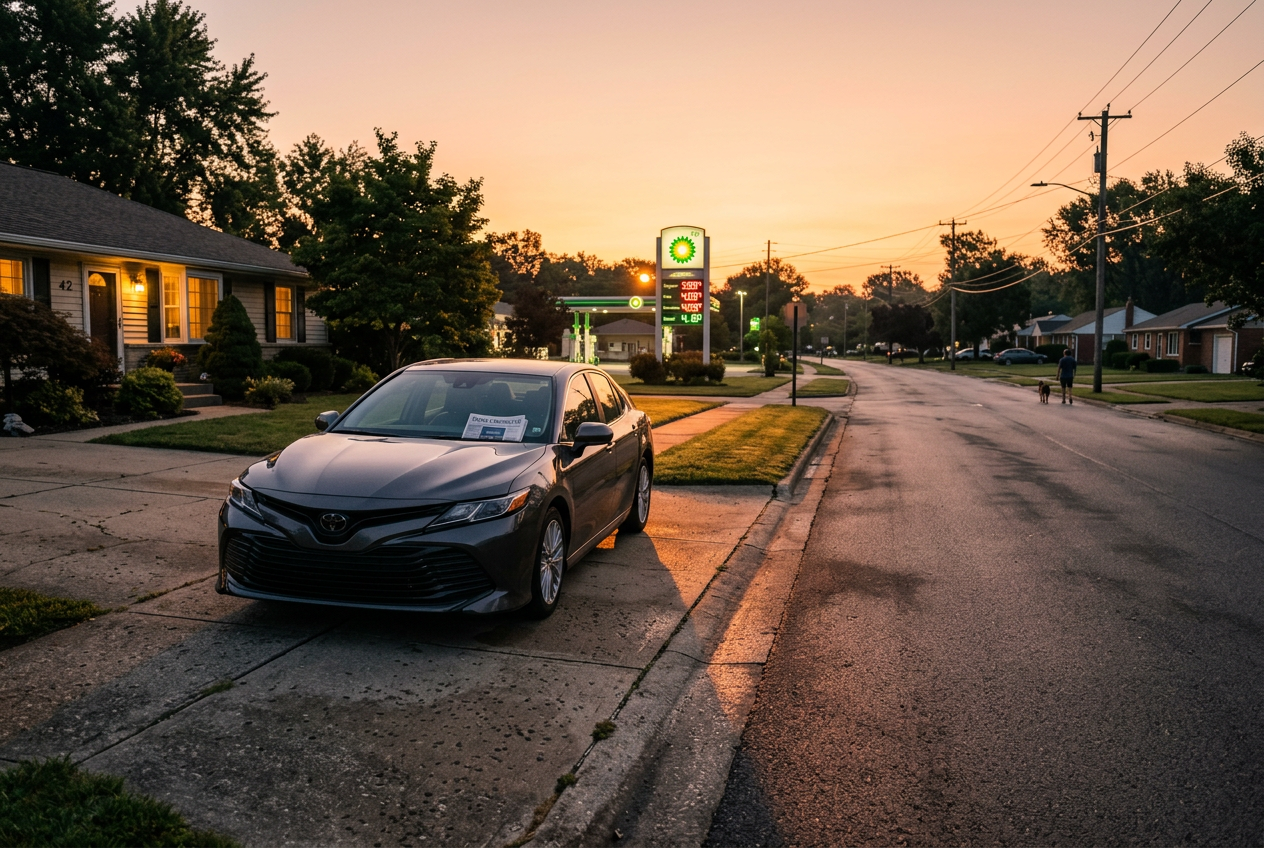
The news can feel scary right now. But let’s slow down and look at the facts. Then you can make calm choices for your home.
The Current Situation
The war with Iran has pushed up oil prices around the world. When oil costs more, gas costs more too. News reports from October 2026 say the average U.S. gas price is holding above $4 per gallon. Some reports call this record territory. This is a national problem, not just a California one.
California drivers feel it more. AAA data cited by ABC News shows California gas prices run about 36% higher than the national average. California often pays more than other states. The Iran war has made that gap feel sharper.
Some California officials have warned about a possible oil and gas shortage. Chevron, a major refiner, also warned the state could face a fuel crisis if the war does not ease. One reason is that California brings in about 20% of its refined fuels from outside the state. A lot of that comes from Asia. The war threatens those shipments. That is why the warnings exist.
But here is an important point. California’s own petroleum watchdog said in a June 2026 update that the state had enough gasoline to meet demand. Reports also note California retains enough gasoline to satisfy demand. So warnings about risk are not the same as a shortage happening today.
Price Spike Is Not the Same as a Shortage
This is the key idea for your household. A price spike and a shortage are two different things.
A price spike means gas still flows, but it costs more. The pumps work. You can fill up. Your wallet just feels the pain. That is what most people are living through now.
A shortage means gas is hard to find at all. Stations run dry. Lines form. This is a much bigger problem, and it is not what the current data shows for California.
Why does this matter? Because panic leads to bad choices. If many people rush out and top off their tanks at once, they can create the very shortage they fear. Experts warn against hoarding for this reason. Hoarding is not a safe or helpful plan. It can make things worse for everyone and raise safety risks in your home.
What This Means for You
Right now, you are mostly facing higher prices, not empty pumps. That is good news. It means you have time to plan. You do not need to panic.
The smart move is to use less fuel and build simple habits. The next sections will show you how. You will learn easy, no-cost ways to stretch each tank. We will also cover if and how to store a small amount of gas safely, and only if you choose to.
Keep the headlines in view. But keep your eyes on your own driveway too. Calm, steady steps beat fear every time.
Cut Your Fuel Use Starting Today (No Purchase Needed)
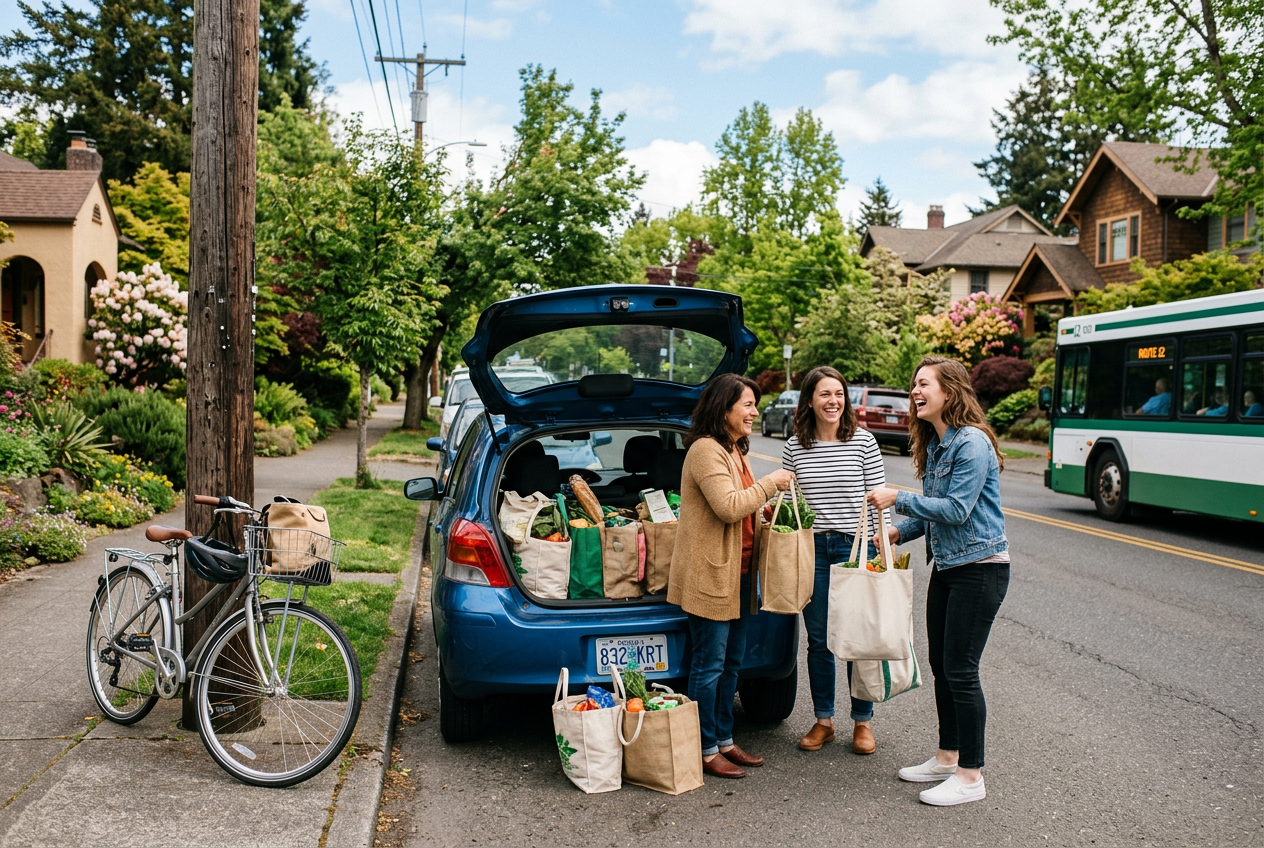
The best first step costs nothing. Before you think about gas cans or storage, change how you drive and plan. Using less fuel helps your budget right away. It also means you need the pump less often. That matters when prices climb and supply feels uncertain.
Here are simple habits you can start today.
Plan Your Trips as One Loop
Every cold start burns fuel. So does driving the same roads twice. Try to group your errands into one trip. Pick up groceries, mail, and the pharmacy run on the same outing. Map the stops in order so you are not backtracking.
A little planning each week adds up. You drive fewer miles. You buy less gas. You spend less time in the car.
Keep Your Tank Above Half
This one habit lowers your stress. If a station near you runs low or closes for a short time, you are not stuck. You still have fuel to reach another station or get to work.
Make it a rule. When the needle drops to half, fill up on your next planned trip. You do not need a full tank at all times. You just want a cushion. Keeping the tank above half is a calm, steady way to handle supply worries. It beats rushing to the pump in a panic.
Do not hoard fuel or top off every day. That strains stations and can make shortages worse for everyone.
Share Rides When You Can
Carpooling splits the cost and cuts the miles. Ask a coworker who lives near you. Trade off driving days with a neighbor. Even one shared ride a week helps.
Think about school runs and group activities too. One car doing a shared pickup saves gas for several families.
Check Local Transit and Rideshare
You may have options you have not used in a while. Look up your local bus or train routes. Many cities have apps that show schedules and stops. For some trips, transit may be faster than you expect and cheaper than driving.
Rideshare apps can fill gaps for a single trip. They will not replace daily driving. But for an occasional outing, they save you a tank fill and a parking hunt.
Ease Off the Gas Pedal
How you drive changes how much fuel you use. Hard, fast starts burn more gas. So does heavy braking. Try to accelerate gently. Coast toward red lights instead of racing to them. Keep a steady speed on the highway.
Also check your tires. Soft tires make the engine work harder. Follow the pressure number in your owner manual or on the driver door sticker.
None of these steps require you to buy anything. They are the first and most reliable way to handle high pump prices. Start with them before you consider anything else.
Should You Keep Extra Gasoline at Home? Safety First
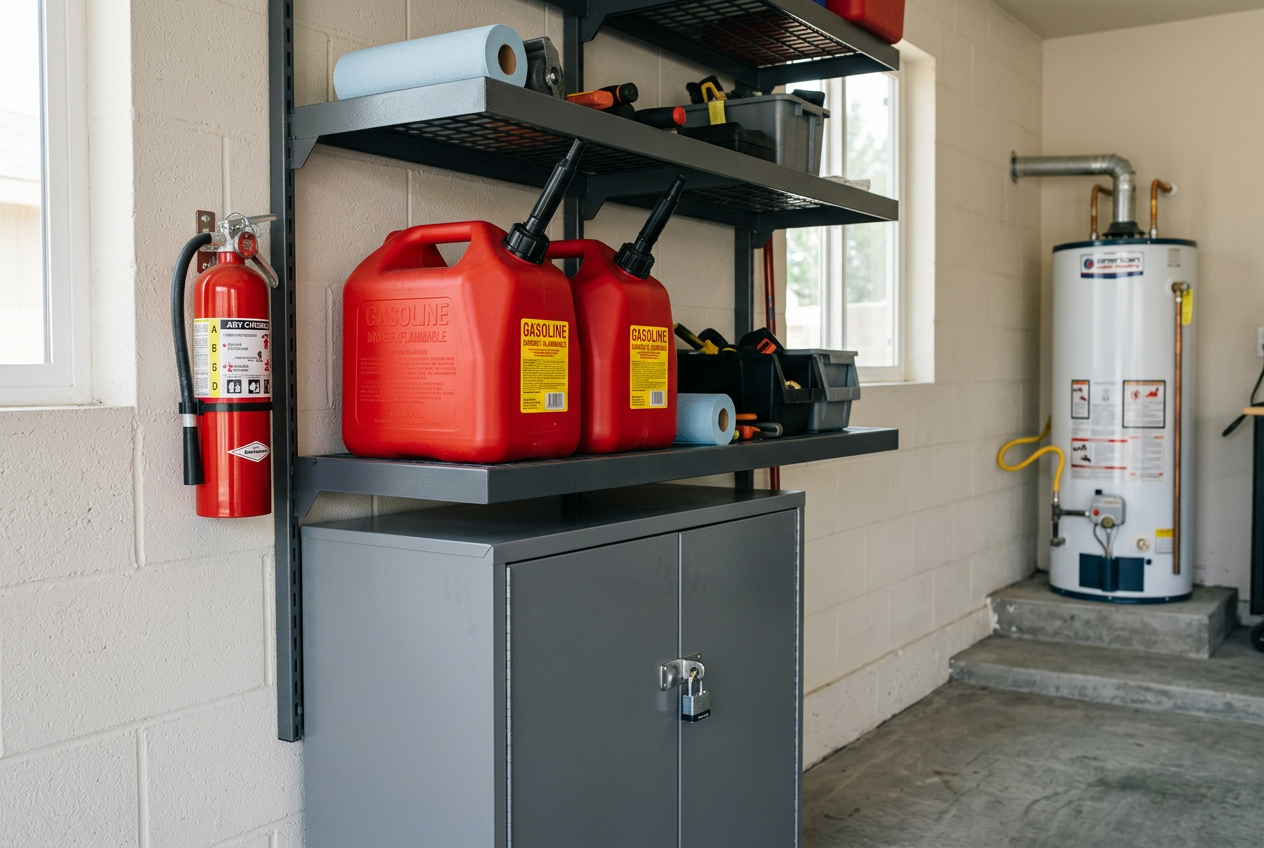
A small amount of stored gasoline can help your household get through a short supply crunch. One or two trips to work. A run to the pharmacy. A way to top off the car when lines are long. That is the honest goal here. A modest reserve, kept safely, can give you some breathing room if stations run short for a few days.
But more is not better. Hoarding gasoline is both dangerous and unhelpful. Gasoline is a fire hazard. Its vapors can ignite from a single spark. Storing large amounts at home raises the risk of fire, spills, and fumes inside your house. Buying up extra fuel also leaves less for your neighbors and can make shortages worse. Keep your plan small and simple.
How much is reasonable?
Think in terms of a short bridge, not a stockpile. For most households, one or two approved cans is plenty. That covers a few days of basic driving without turning your garage into a hazard. Before you store any fuel, check your local fire code. Many areas limit how much gasoline you can keep at home. Your local fire department can tell you the rules where you live.
The core safety rules
These rules are not optional. Follow every one of them.
Use approved containers only. Store gasoline only in a container made and rated for it. Approved cans have features like flame arrestors and self-closing lids that lower the risk of fire. Never use a milk jug, a water bottle, or any random container. We cover how to pick a safe, legal can in the next section.
Never store gasoline in living spaces. Keep it out of your home, your bedroom, your kitchen, and your basement. A detached garage or a shed works far better. You want a spot that is cool, dry, and well ventilated. Gasoline vapors are heavier than air. They can spread along the floor and reach a flame or spark you cannot see.
Keep it away from ignition sources. Store fuel far from anything that makes heat, sparks, or flame. That means water heaters, furnaces, pilot lights, electric motors, and cigarettes. Even a small spark can set off gasoline vapors.
Keep it away from children and pets. Store cans up high or in a locked space if you can. Gasoline is poisonous and dangerous to curious hands.
Follow the maker’s directions. Each container comes with its own instructions. Read them. Do what they say.
One more point. Stored gasoline does not last forever. It breaks down over time. Later in this article we explain how to keep fuel usable and when to rotate it out. For now, remember the simple rule. Store a little, store it safely, and never treat gasoline like something you can pile up without risk.
Choosing a Safe, Legal Gas Can for California
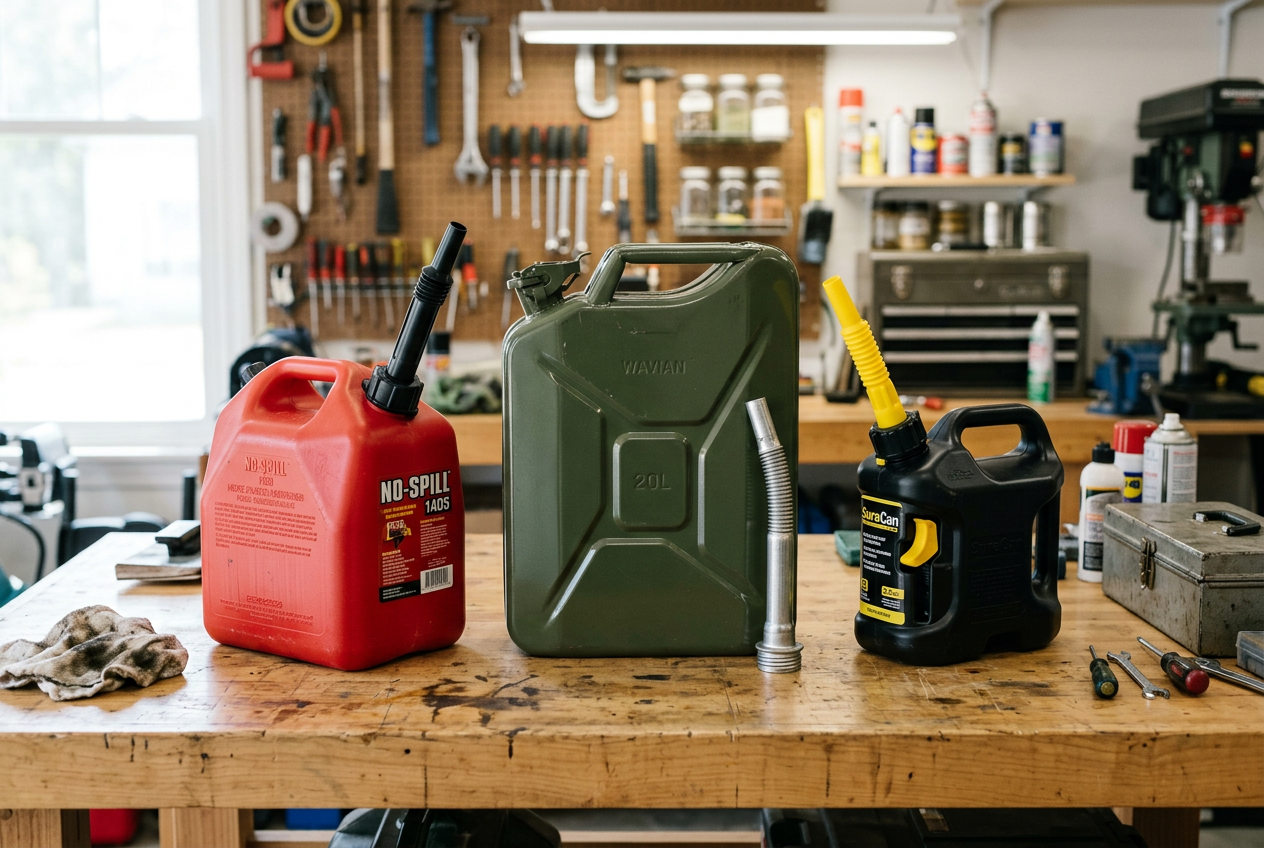
If you decide to keep a small amount of fuel, the can matters. Not every container is legal or safe here. California has its own rules through CARB, the California Air Resources Board. Your can should meet both CARB and EPA standards.
What CARB and EPA Compliance Means
CARB and EPA rules limit fuel vapors that escape from the can. A compliant can seals tight and vents safely. This cuts spills and fumes. For California buyers, look for a can labeled CARB compliant. That label tells you it is legal to sell and use in the state. Some cans list an EPA number and a CARB EO number right on the product page.
Beyond the label, a safe can has a self-closing or sealing spout, a sturdy body, and a secure cap. Many metal safety cans also have a flame arrester. This part helps stop flames from spreading into the can.
Metal Versus Plastic
Both metal and plastic cans can be safe and legal. Here is the simple trade-off.
Metal cans are tough and resist heat. Steel safety cans often add features like flame arresters. They tend to cost more and weigh more.
Plastic cans are lighter and easier to lift. Many use spill-proof spouts that control the flow. They are often easier for new users to pour without mess.
Pick the one you feel comfortable handling. A can you can lift and pour without spilling is the safer can for you.
Comparing the Listed Cans
Here is a quick look at five options. All hold about 5 gallons, a common household size.
The Eagle is a heavy-duty steel safety can with a self-closing lid and a flame arrester. It is a good match if you want classic safety features.
The Wavian is a steel NATO-style can. It lists both EPA and CARB numbers, so compliance is clear.
The Scepter is plastic with a SmartControl spout. It is built for easy, no-spill pouring, which helps new users.
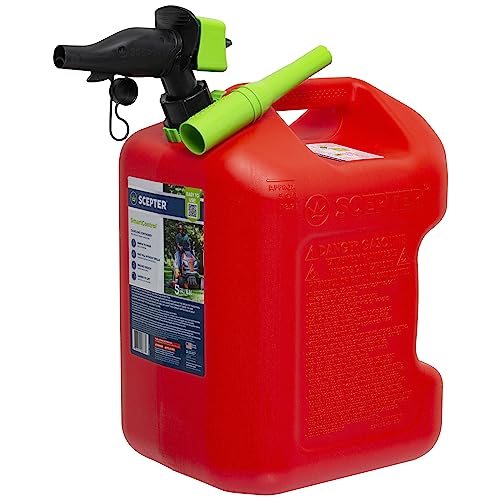
The Fuelworx is a plastic, USA-made can with a fast-flow trigger spout. It stacks for tidy storage.

The VEVOR is a compact metal can that fits in a trunk. It suits road trips and small spaces.

Whatever you choose, follow the label and the maker’s directions. Store fuel only in a can rated for gasoline. Never reuse an old jug or unrated container.
Keeping Stored Fuel Usable: Stabilizers and Rotation
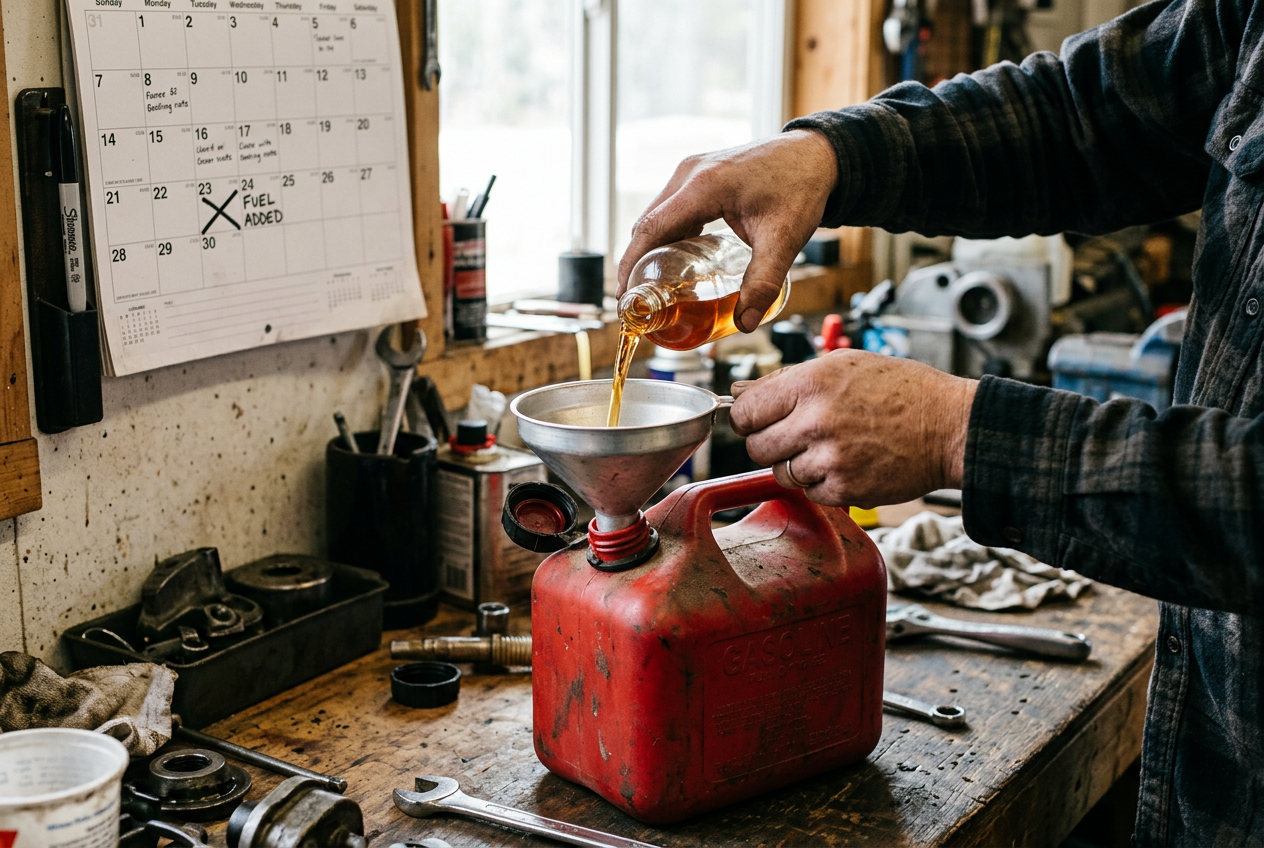
Gasoline does not last forever. Over weeks and months, it slowly breaks down. The fuel can turn gummy and stale. Ethanol in the gas can also draw in water and cause problems in your engine. If you choose to keep a small, legal amount of gas at home, you need a simple plan to keep it fresh.
What a Fuel Stabilizer Does
A fuel stabilizer is a liquid you add to your gasoline. It helps slow down the breakdown of stored fuel. It can help protect against corrosion and ethanol damage while the gas sits in your can.
Here is the key limit. A stabilizer only works on fresh gas. You add it when the fuel is still good. It cannot fix or clean gasoline that has already gone bad. If your gas is old, stale, or smells like varnish, a stabilizer will not bring it back. So treat the fuel right when you first store it, not later.
One common option is a storage stabilizer. It is made to keep fuel fresh during storage for a set period of time.
Another option uses enzyme technology. It is designed to help engines start and run cleaner after the fuel has sat unused. It also works to prevent ethanol-related issues like rough idling.

Both products are made to treat a certain number of gallons per bottle. Always read the label before you pour. Follow the exact mixing directions from the maker. Do not guess the amount. Using too little or too much will not help your fuel.
Rotate Your Stored Gas
Even with a stabilizer, the best habit is simple. Use the gas before it ages too much. This is called rotation. You keep your stored fuel moving so nothing sits for years.
Here is an easy routine for an ordinary household:
- Label each can with the date you filled it.
- Every few months, pour the stored gas into your car’s tank.
- Fill the empty can again with fresh gas.
- Add stabilizer to the new fuel right away.
When you pour stored gas into your car, do it when the tank is low. That way the fresh gas from the pump mixes in and gets used up normally. Your car burns the fuel, and nothing goes to waste.
Rotation does two good things. It keeps your stored fuel usable. It also means you are not sitting on a large stash of old gas. Remember, this guide is not about hoarding. A small, well-managed supply that you rotate is safer and more useful than a big pile of gas you forget about.
Keep your routine steady. Label, rotate, and treat fresh fuel. That simple cycle is the best way to make sure the gas you store will actually work when you need it.
Safe Refueling and Transfer Habits
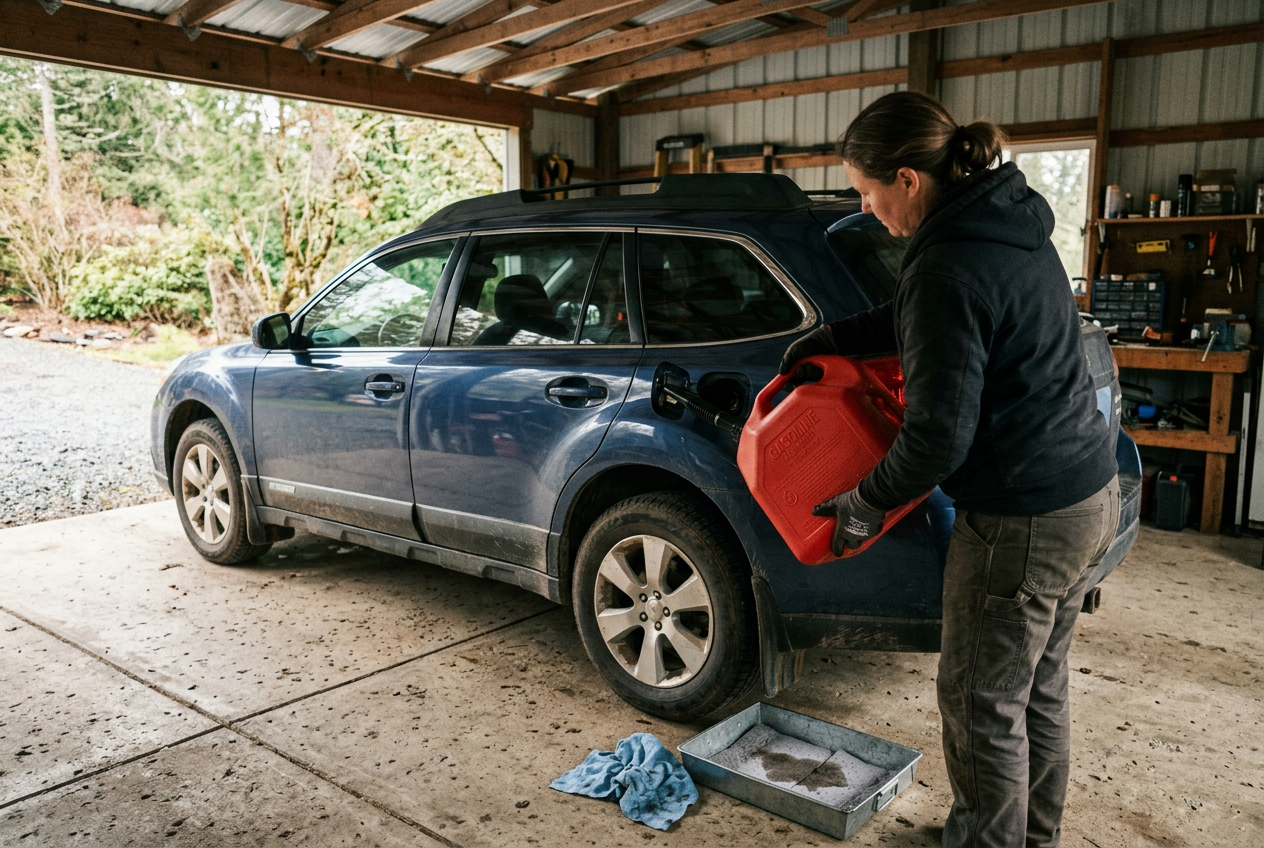
Filling a gas can or pouring fuel into your car seems simple. But gasoline is flammable. A small mistake can cause a spill, a fire, or a burn. These habits keep you safe every time you handle fuel.
Filling Your Can at the Pump
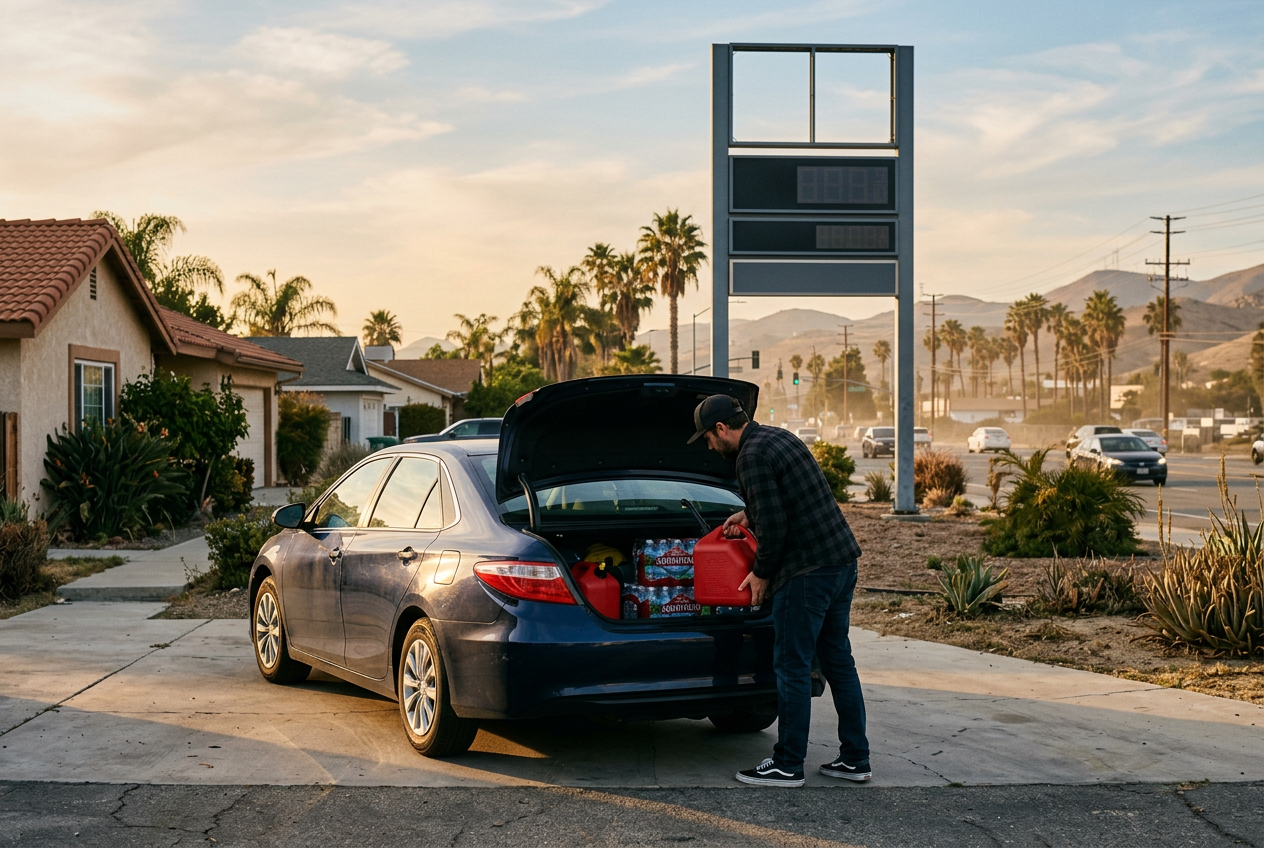
Always set your gas can on the ground before you fill it. Do not fill it inside your car trunk or truck bed. Fuel can build up static electricity. On the ground, that static can safely escape. On a surface like a plastic bed liner, it may spark.
Use only a gasoline-rated pump and a gasoline-rated can. Do not fill a container that was made for water, milk, or other uses. Your can should say it is made for gasoline. Cans like the Scepter SmartControl and the Fuelworx 5 gallon are built for fuel and meet California rules.
Keep your phone in your pocket while you pump. Turn off your engine. Do not smoke. Fill the can slowly to cut down on splashing and fumes. Leave a little space at the top. Fuel expands when it warms up.
Pouring Into Your Vehicle
Let a hot engine cool before you add fuel. A hot engine or exhaust pipe can ignite gas vapors. Wait a few minutes after driving.
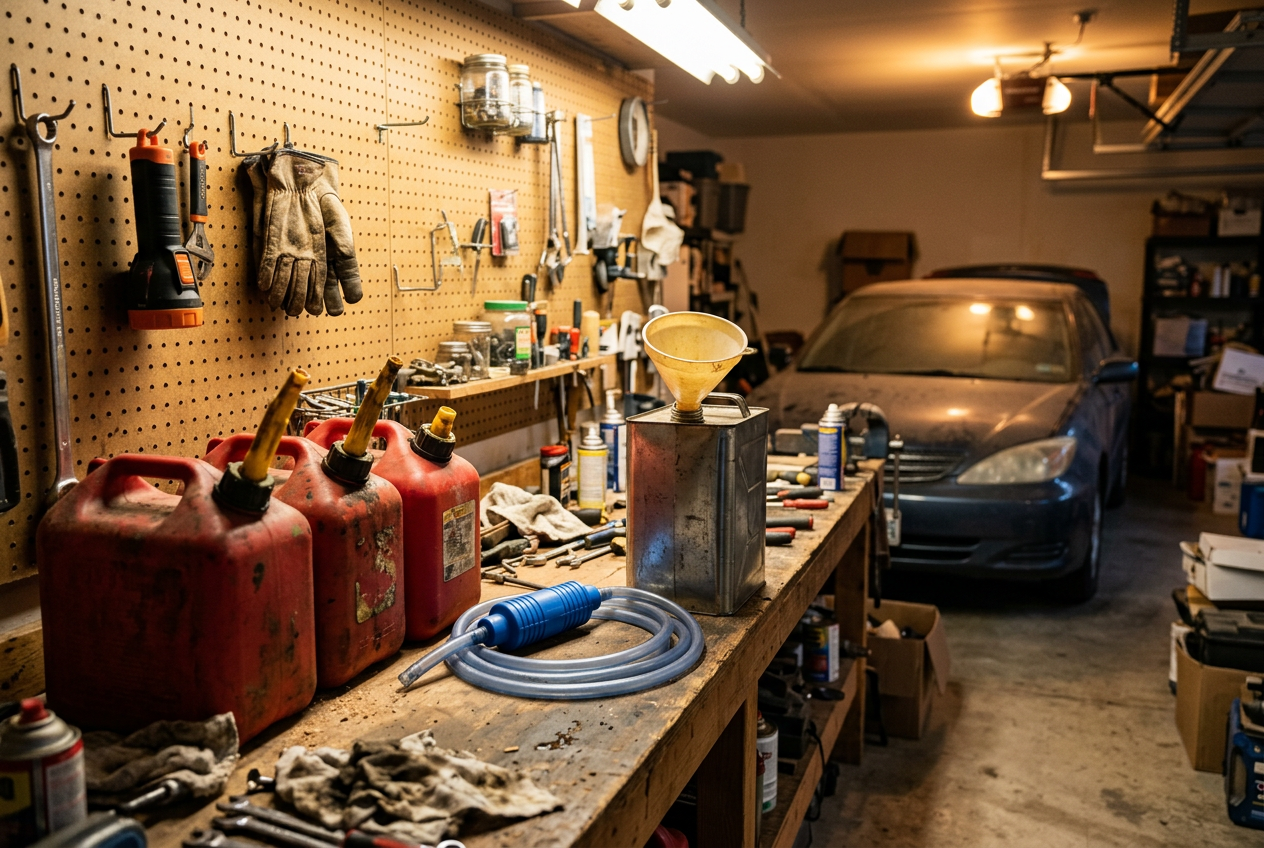
Pour slowly. Use the funnel or spout that came with your can. Many cans include one. The Eagle Type I safety can comes with an F-15 funnel to guide the fuel. A steady, slow pour means fewer spills and fewer fumes.
Never siphon fuel by mouth. Swallowing gasoline or breathing it in can make you very sick. If you need to move fuel from one container to another, use a proper spout or a hand pump made for fuel.
Clean Up Spills Right Away
If you spill gas, wipe it up fast. Use rags or paper towels. Do not leave a wet spot to soak in or give off vapors. Let soaked rags dry outdoors, away from your home, before you throw them out. Never toss gas-soaked rags in a closed trash can inside the house. They can catch fire on their own.
Wash your hands after you handle fuel. If gas gets on your clothes, change them before you go near any flame or heat.
Store Cans the Safe Way
After you refuel, put your cans back in a safe spot. Keep them outside your living space. A detached shed or a well-aired garage away from the house works best. Keep fuel away from water heaters, furnaces, pilot lights, and other ignition sources. Keep it out of reach of children and pets.
Always follow the directions from your can’s maker. Follow your local fire rules too. They are there to keep your home and family safe.
Frequently Asked Questions
Is California actually running out of gas?
No. Reports do not say California is out of gas. News sources describe higher prices and worry about supply, not empty pumps. California gas prices run about 36% above the national average, according to AAA data cited by ABC News. Some officials have warned about a possible shortage tied to the Iran war. One Chevron executive also warned that California could face a fuel crisis if the war does not ease, in part because the state relies on imported fuel from Asia. These are warnings about risk. They are not a statement that stations have run dry. Check your local news for current conditions before you make any changes.
How much fuel is reasonable to keep at home?
Keep only a small, safe amount. Think enough for your lawn tools or a short backup, not a large stockpile. Do not hoard gasoline. Hoarding is unsafe and can make shortages worse for everyone. Local fire rules may also limit how much you can store. Check your city or county rules first. When in doubt, store less. The safest choice for most households is simply to keep your car tank above half and plan your trips well.
How long does stored gasoline last?
Gasoline does not last forever. Over time it breaks down and can gum up engines. A fuel stabilizer can help fresh fuel stay usable longer during storage. For example, STA-BIL Storage Fuel Stabilizer states it keeps fuel fresh for up to 24 months. Add stabilizer to fresh fuel, not to old fuel. Stabilizer does not fix gas that has already gone bad. The best habit is to rotate your stored fuel. Use the older gas in your car or tools, then refill with fresh fuel and more stabilizer. This keeps your supply usable and reduces waste.
Is it legal to store gas cans in my apartment or garage?
Rules vary by location, so check your local fire code first. Apartments often have stricter limits than houses, and some leases ban stored fuel entirely. Here are the safety basics that apply everywhere. Never store gasoline inside your living space. That means no fuel in bedrooms, kitchens, or hallways. Use only approved gas containers, not milk jugs or random bottles. Keep fuel away from any ignition source like a water heater, furnace, or stove pilot light. Keep it away from children. Store cans in a cool, well ventilated spot such as a detached shed, if your rules allow it. A CARB compliant can like the Scepter SmartControl gas can is built for safe storage and pouring. If you are not sure whether storage is allowed where you live, ask your landlord or local fire department before you store any fuel.
Your California Fuel-Readiness Action Checklist
Here is the whole guide in one place. Use this list to check your own habits. You can print this page if you want a copy to keep in your car or on your fridge. Work through each item at your own pace. Most of these steps cost nothing.
Drive smarter and use less fuel
These steps help right away. They do not need a purchase.
- Keep your gas tank above half full. This gives you a buffer if lines get long or stations run low.
- Plan your trips before you leave. Group errands into one outing instead of many short drives.
- Pick the shortest route that makes sense. Avoid heavy traffic when you can.
- Check your tire pressure. Soft tires waste fuel.
- Slow down a little on the highway. Easy driving uses less gas.
- Clear heavy items out of your trunk. Extra weight means extra fuel.
Know your backup ways to get around
If prices climb or supply tightens, you want options.
- Look up your local bus or train routes now. Know which lines run near your home and work.
- Ask about carpool options with coworkers, neighbors, or school families.
- Keep a short list of these options in your phone or on paper.
Decide if you will store any fuel at home
Storing gas is a personal choice. It is not required. Do not hoard. Only store a small amount if it fits your needs and your local fire rules allow it.
- Check your local fire rules before you store any gasoline.
- Choose an approved, labeled container. Look for EPA or CARB compliant cans sold for California. Good examples include the Scepter SmartControl can and the Fuelworx CARB compliant can.
- Never store gas in milk jugs, water bottles, or any container not made for fuel.
Keep stored fuel usable
Gasoline does not last forever. These steps help it stay fresh.
- Add a fuel stabilizer when you fill the can. A product like STA-BIL Storage Fuel Stabilizer can help keep fuel fresh during storage.
- Remember that stabilizer cannot fix fuel that has already gone bad. It only helps fresh fuel.
- Rotate your stored fuel. Pour it into your car before it ages, then refill the can.
- Label each can with the date you filled it.
Store and handle gas safely
Safety matters most. Follow these rules every time.
- Never store gasoline inside your home or living space.
- Keep cans in a cool, shaded spot like a detached shed or garage, per local rules.
- Keep fuel away from any flame, spark, heater, or pilot light.
- Keep cans out of reach of children.
- Let a hot engine cool before you refuel.
- Never use your mouth to start a siphon.
- Follow the directions on your can and your equipment.
Work through this list once. Then review it again in a few months.
Next Steps for Your Household
You do not need to do everything at once. The best first steps cost nothing. Start there, then build from the basics if your situation calls for it.
Start This Week With Free Habits
Pick the no-purchase actions first. These help right away, and they do not require a trip to the store.
- Plan your trips. Group errands into one outing instead of many small drives. Fewer cold starts and fewer miles mean less fuel used.
- Keep your tank above half. This gives you a cushion if a station runs low or lines get long. It is a simple habit that lowers stress.
- Know your backup options. Look up local carpool routes, bus lines, or train service before you need them. A few minutes of research now saves time later.
These steps work whether prices stay high or ease off. They are good habits for any household, not just a response to today’s news.
Add Safe Storage Only If It Fits
Storing a little extra gasoline at home is not for everyone. It only makes sense if you have a safe place to keep it, away from your living space, heat, and children. If you rent a small apartment or have no safe outdoor spot, skip it. The free habits above matter more.
If storage does fit your home, use the right gear and follow the rules. An approved container is a must. A metal option like the Wavian NATO jerry can or a CARB compliant plastic can like the Scepter SmartControl are both built for gasoline. Add a stabilizer such as STA-BIL Storage to help keep stored fuel fresh. Remember, stabilizer cannot fix fuel that has already gone bad. It only helps protect fresh fuel during storage.
Never store more than you can handle safely. Do not hoard. A small, well managed supply is far better than a large, risky one.
Watch Official Updates, Not Rumors
News and social media can move fast and get details wrong. Fear spreads quickly online. For real information about California fuel supply, look to state sources like the California Energy Commission and its petroleum watchdog updates. These give you facts without the hype. When you hear a scary claim, check it against an official source before you act on it.
Keep Learning
This guide is one piece of your plan. For more help, see our related guides on cutting household fuel costs and on safe home gas storage. They go deeper into saving money at the pump and keeping stored fuel usable over time.
You can also print this page if you want the action checklist on paper. Keep it where your household can see it.
Start small. Build steady habits. Stay calm and informed. That is how you protect your household without panic.
Sources and Further Reading
- Is California at risk of a gasoline shortage amid the Iran war …
- California’s Petroleum Watchdog Issues Market Update Amid …
- Is California at risk of a gasoline shortage amid the Iran war …
- Chevron Warns California Risks Fuel Crisis Unless Iran …
- California risks fuel crisis unless Middle East war eases …
- Gas Prices Remain Above $4 in October
- Is California at risk of a gasoline shortage amid the Iran war? Experts explain
- Gas Prices Break Unwanted Record Under Donald Trump
- US Pain at the Pump Worsens After More US-Iran Fighting Lifts Oil Prices