Ready
Ready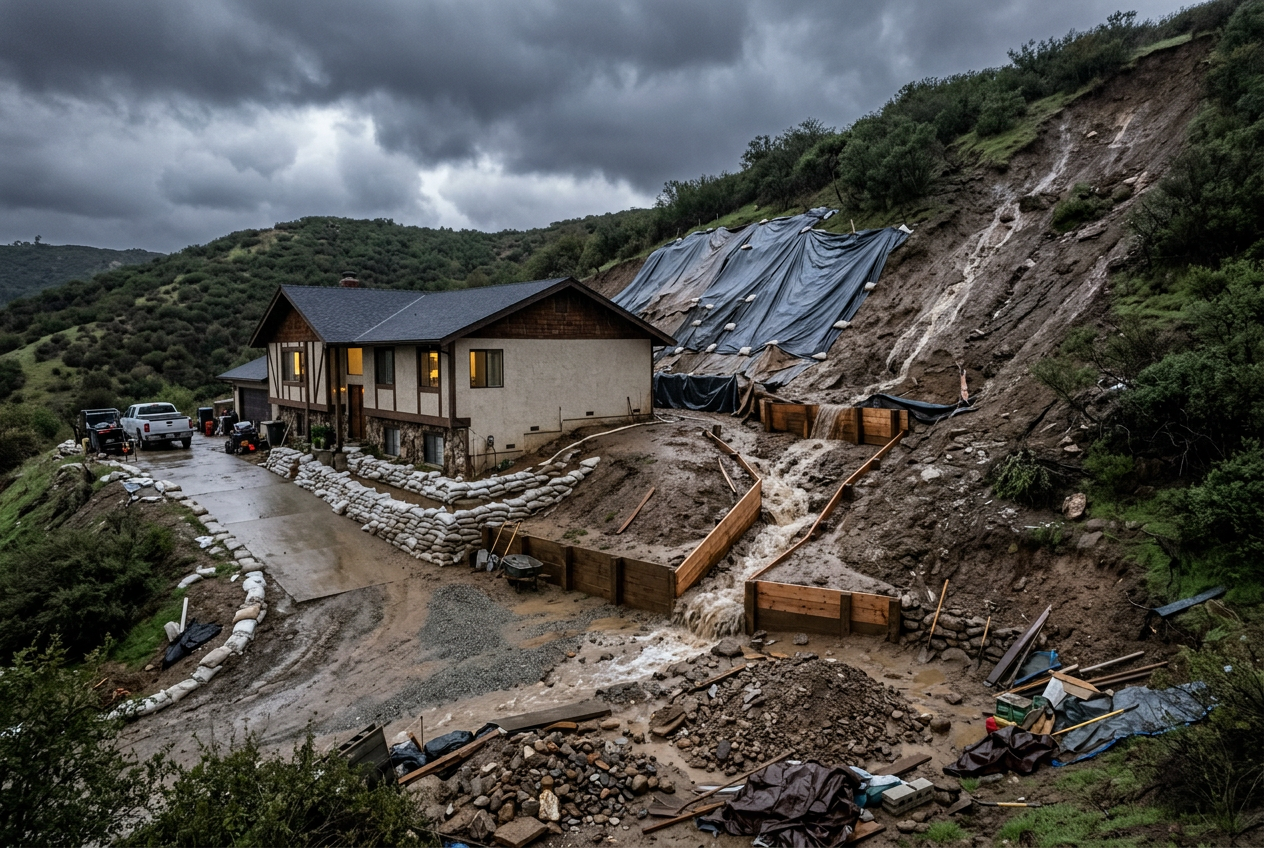
Historic El Niño Ahead: How California Hillside Households Can Prepare for Mudslides and Debris Flows (2026)
On September 21, 2026, Governor Newsom declared a statewide state of emergency in California. The reason is a historic El Niño season ahead. State leaders and experts warn it could bring heavy floods, mudslides, and power outages this winter.
If your home sits on a hillside, or below a recent burn scar, you face a special danger called a debris flow. A debris flow is a fast river of mud, rocks, and water that rushes down a slope during heavy rain. Burned hillsides are worse. The fire strips away plants and roots that used to soak up rain and hold the soil in place. Without them, water runs off fast and pulls loose dirt and rocks with it. This can happen quickly, sometimes with little warning.
The good news is that you can do a lot right now. You do not need to be an expert. You just need a plan and some simple steps.
This guide walks you through it in plain language. You will learn how to know if your home is at risk. You will learn how to direct water away from your house and build barriers to slow mud and water. We compare sandbags with water-activated bags. You will also learn how to stay informed when the power and cell service go out, and how to plan your evacuation before the storm hits. Start now, before the rain arrives.
- Burn scar areas can send debris flows moving in seconds, so know your evacuation route before the first big storm.
- Build a barrier line around low doors and vents to steer mud and water away from your home.
- Sign up for local alerts and keep a hand crank radio ready in case power and cell service go down.
- Pack a go bag for each person with 3 days of water, food, and medicine.
- Watch the forecast during El Nino and act early when heavy rain is predicted, not after it starts.



Reviewed by Marcus T., Elena V. & James W. — contributors with hands-on preparedness experience. How we test
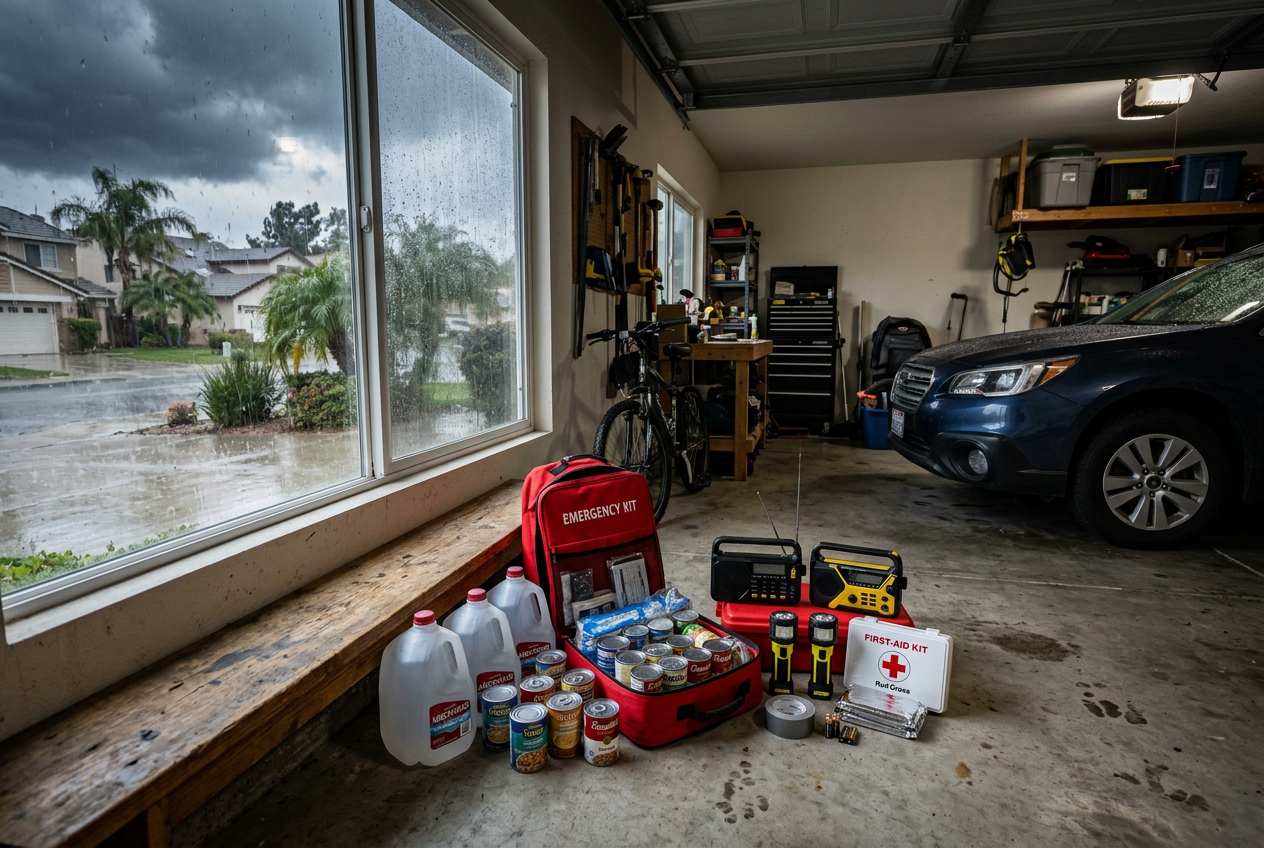
Getting ready for mudslide season starts with a few key supplies in your garage. Grab these first, then read on to learn how they fit into your plan.

Water Activated Flood Barriers
These barriers grow to about 3.5 inches high in minutes once they get wet, so you can block doorways fast. Their long, flexible shape lets you guide muddy water away from your home.
Check Price on Amazon
Heavy Duty Sandbags 10 Pack
Fill these tough woven bags with sand or soil to build a wall that slows debris flows. The UV treated material holds up outdoors, so you can stack them early and leave them in place through the season.
Check Price on Amazon
Hand Crank Solar Radio
When storms knock out power, you can crank or solar charge this radio to hear emergency updates and evacuation orders. It also stores backup power to keep your phone working when you need to call for help.
Check Price on AmazonIn this guide
Why Trust This Guide?
This article was researched and reviewed by contributors with hands-on experience in emergency preparedness. They have tested gear, built real systems, and lived through situations where these skills actually mattered.
Know Your Risk: Are You Below a Burn Scar or on a Slope?
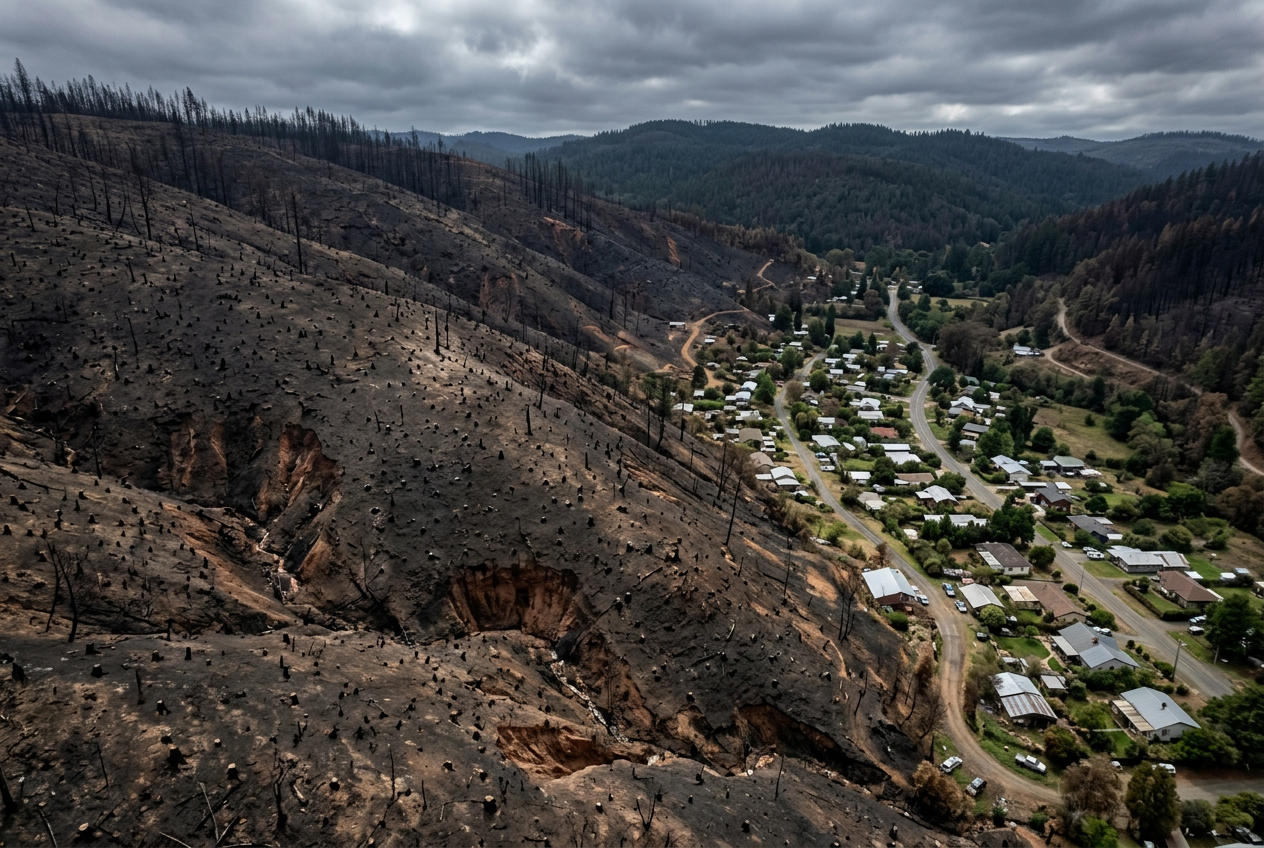
Before you can protect your home, you need to know how much danger you face. Not every house is at the same risk. Some homes sit in the direct path of a debris flow. Others are safer. This section helps you find out where you stand.
What Is a Debris Flow?
A debris flow is a fast-moving mix of mud, rock, and water. It rushes down a slope during heavy rain. It can move faster than you can run. It can carry boulders, trees, and other heavy junk. That mix is what makes it so dangerous. Plain mud is heavy. Mud loaded with rocks and logs can crush walls and sweep cars away.
Debris flows often start on hillsides above homes. Then they travel downhill and pile up at the bottom. If your house sits below a slope, you may be in the path even if you live on flat ground.
Why Burn Scars Are So Risky
A burn scar is land that burned in a recent wildfire. Burned ground is far more likely to slide during heavy rain. Here is why. Healthy plants and roots soak up rain and hold soil in place. Fire destroys that plant cover. It can also bake the soil so water no longer soaks in. Instead, rain runs off fast, picking up loose dirt and rock as it goes.
This is why land below a burn scar can produce a debris flow even in a storm that would be harmless elsewhere. California is bracing for what officials call a historic El Niño season. Governor Newsom has declared a state of emergency, and experts warn of rising mudslide risk. If you live near a recent burn area, you need to take that warning seriously.
How to Check Your Local Hazard
You do not have to guess. You can look up your risk.
- Search online for your county’s hazard maps. Many California counties and state agencies post maps that show burn scars and slide-prone areas.
- Call your local fire department or emergency office. Ask if your address sits below a burn scar or in a debris-flow zone.
- Look at the land around you. Do you live at the bottom of a slope or canyon? Is there burned ground uphill from your home? Both raise your risk.
Warning Signs to Watch and Listen For
During a storm, trust your senses. A debris flow can give you a few seconds of warning.
- A rumbling or roaring sound coming from uphill.
- A sudden smell of fresh dirt or soil.
- Water in a creek that turns muddy or rises fast.
- Cracking trees or knocking rocks.
If you notice any of these signs, do not wait. Move to higher ground right away. Even a short head start can save your life. Knowing your risk now lets you plan calmly, before the rain arrives.
Direct Water Away From Your Home
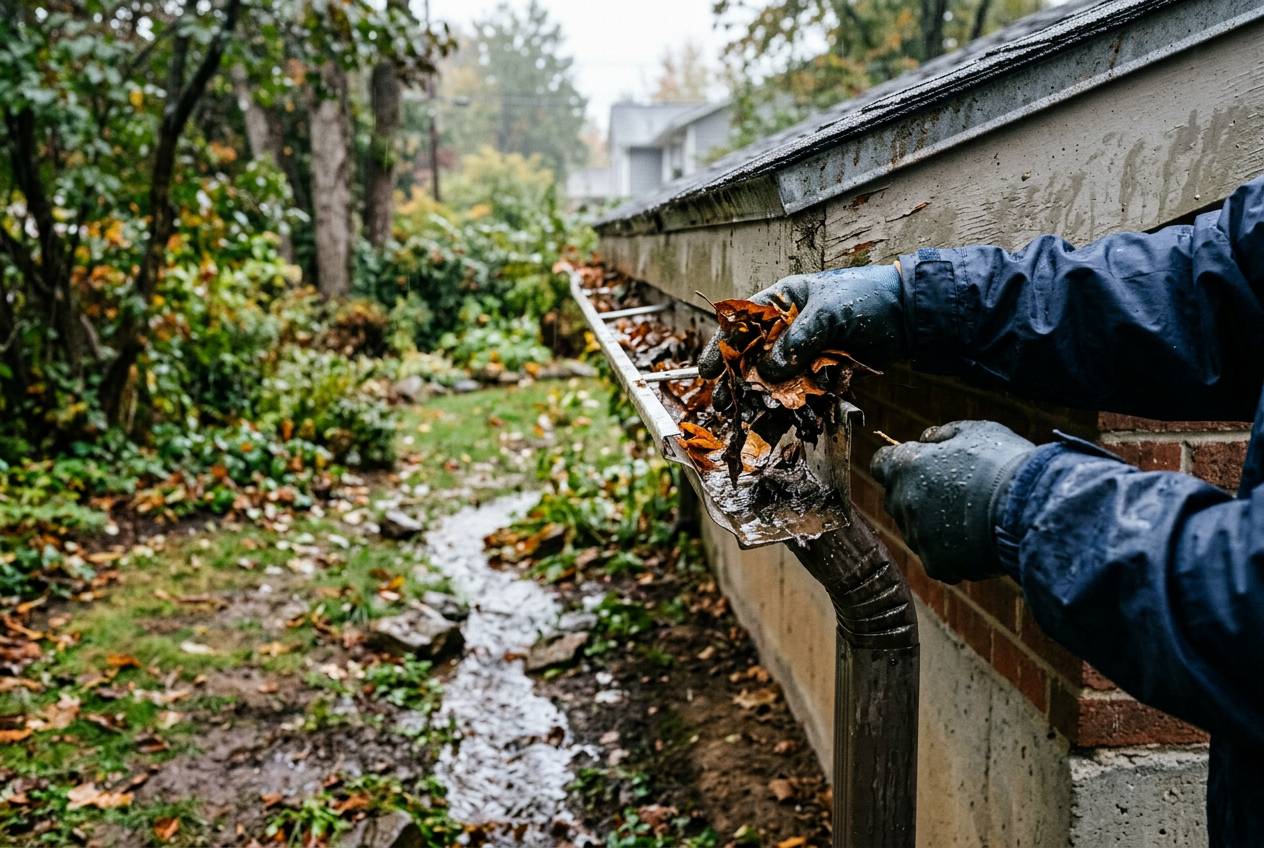
Water needs a clear path away from your house. If it pools against your walls or slope, it can seep in, weaken the ground, and make mud problems worse. The good news is that many of the best steps here cost nothing. You just need a little time before the rain starts.
Clear Your Gutters and Downspouts
Start at the top. Leaves, twigs, and dirt build up in gutters over time. When they clog, rain spills over the sides and dumps water right next to your foundation.
Clear out your gutters by hand or with a scoop. Wear gloves. Use a stable ladder and have someone hold it for you. Then run a hose through to check the flow. Water should move freely to the downspouts and out the bottom.
Check your downspouts too. These are the pipes that carry water from the roof to the ground. Make sure nothing is stuck inside. When water leaves the downspout, you want it moving away from the house, not puddling at the base.
Extend Where Downspouts Empty
A downspout that dumps water right at your foundation is a problem. Add an extension so the water lands farther out. Even a simple splash block or a length of pipe can push runoff a few feet away.
Aim the flow toward a spot that slopes away from your home. Never aim it at a slope above or below your house where mud already worries you.
Watch Where Water Flows in Your Yard
Before the storm, walk your yard and picture where water will go. The easiest way to learn this is to watch during a light rain. See where puddles form and which way the water runs.
Look for low spots near your walls. Look for spots where the ground tilts toward the house instead of away. These are the places you want to fix.
You can also look for signs from past storms. Dried mud lines, washed-out soil, or dead grass in a channel shape all show you where water has traveled before.
Simple Ways to Redirect Runoff
You do not need a big project to move water. Small changes help.
- Clear leaves and debris from outdoor drains and grates so they do not clog.
- Rake soil or add mulch to gently slope the ground away from your foundation.
- Dig a shallow channel to guide water toward a safe drain or the street.
- Move loose items like patio furniture that could block the flow.
If water keeps pooling against your house no matter what you try, a bigger drainage fix may be needed. That is when a landscaper or contractor can help. They can add proper drains or grading that a quick fix cannot match.
Getting water to flow away is your first line of defense. Once your gutters and drains are clear, you are ready to slow down whatever still reaches your home.
Build Barriers to Slow Mud and Water
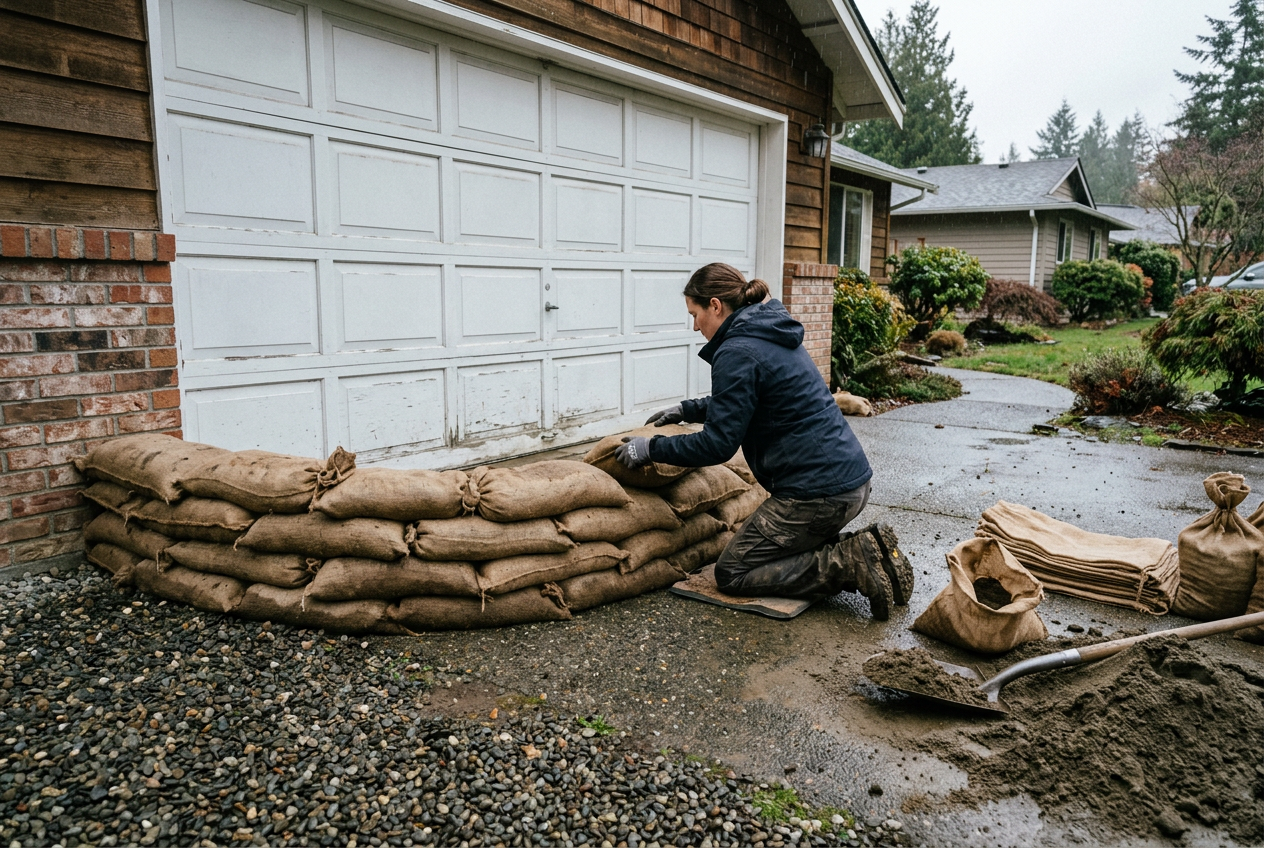
Barriers can help push shallow mud and water away from your doors and low spots. A good barrier buys you time and keeps small amounts of muck out of your home.
But you need to be honest about the limits. A large debris flow is a fast wall of mud, rocks, and broken trees. No home barrier stops that. If a big debris flow is coming, you leave. Barriers are for the shallow water and thin mud that spread across your yard, not for the fast-moving flow that comes off a burn scar. When in doubt, get out.
How to Fill and Stack Sandbags
Sandbags are the classic barrier. Fill each bag about half full. A half-full bag molds better and stacks tighter than a packed one. Fold the top under, or tie it closed, so sand does not spill out.
Stack them like bricks. Lay the first row flat. Then place the next row so each bag covers the seam below it. Press each bag down with your foot to seal the gaps. Point the tied or folded ends toward the water. A low wall two or three bags high can steer shallow water around a doorway.
These heavy-duty bags come empty, so you add your own sand. The material resists sun damage, which helps if you fill them early and leave them in place through the season.
This pack gives you more bags for a wider doorway or a longer low spot. Same idea: fill halfway, stack like bricks, seal the seams.

Some sandbag kits come with a tie-strap to close the top and even include a shovel to help you fill them. That can make the job easier if you are new to this.

When Quick-Deploy Barriers Make Sense
Filling sandbags takes time and muscle. If a storm is close and you cannot shovel sand, water-activated barriers are a faster choice. You just add water and they swell up in minutes. They are light and flat before you use them, so they store in a closet until you need them.
These grow to a few inches high once wet. They work well as a long, flexible line across a walkway or a low spot near your home.
These are made to sit in front of a sliding door or a set of french doors. They fill with water and no sand is needed, so there is no heavy lifting or shovels.

Whichever type you pick, set your barriers early. Do not wait for the rain to start. Place them across doorways, garage openings, and any low path where water could reach your house. And remember: a barrier slows shallow water and thin mud. It does not replace your plan to leave when a real debris flow threatens.
Barrier Options Compared: Sandbags vs. Water-Activated Bags
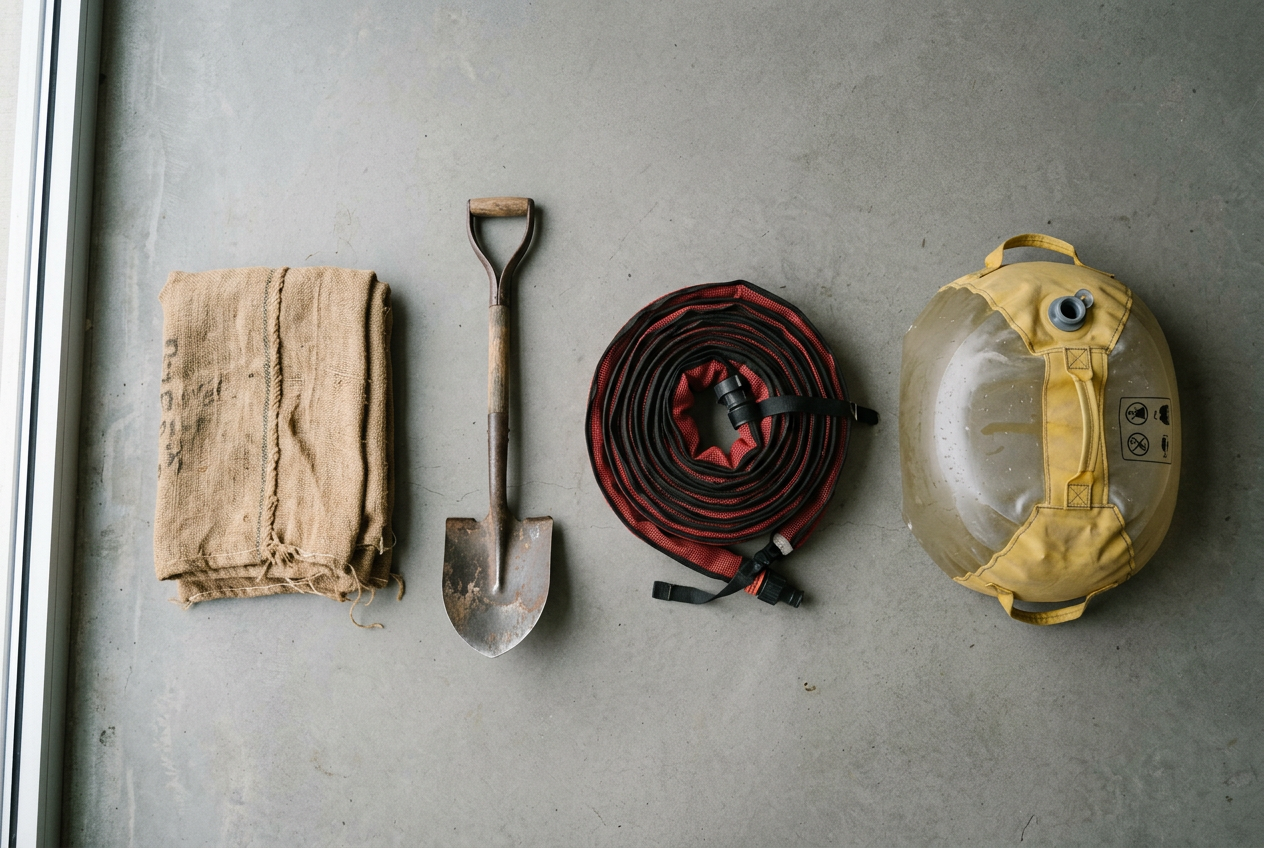
There are two main kinds of barriers for keeping mud and water away from your home. The first kind is a traditional sandbag. You fill it yourself with sand. The second kind is a water-activated bag. You just add water and it swells up on its own. Each type has good points and bad points. The right choice depends on how much time you have, how much space you can store them in, and where you plan to use them.
How the two types differ
Sandbags cost less and can stack into strong walls. They work well on slopes and along driveways. But they take time to fill. You need sand, a shovel, and often a second person. Filling many bags is hard work.
Water-activated bags are faster. You lay them down and wet them. They swell in a few minutes. No sand or shovel is needed. They store flat, so they take up little space. They work best on flat ground, like in front of doors. They are not made for building tall walls.
Side-by-side comparison
Here is how the listed products stack up. Sizes and features come from each maker.
Which one fits your home?
If you have a slope or a burn scar above your home, you may need to build a wall. Sandbags do this better. Stack them like bricks in an offset pattern. The DURASACK and Sandbaggy bags are made from tough polypropylene. Both are UV treated, so they hold up in sun and rain.
If you are short on time or storage space, water-activated bags are easier. They store flat and swell fast when wet. The Quick Dam and Flood Hero bags are good for doors and low spots.
Many homes do best with both. Use sandbags to build the main barrier. Keep a few water-activated bags on hand for doors and quick fixes. Buy and set up your barriers before the rain starts. Filling sandbags in a storm is hard and unsafe. Get your supplies now while stores still have them.
Stay Informed When the Power and Cell Service Go Out
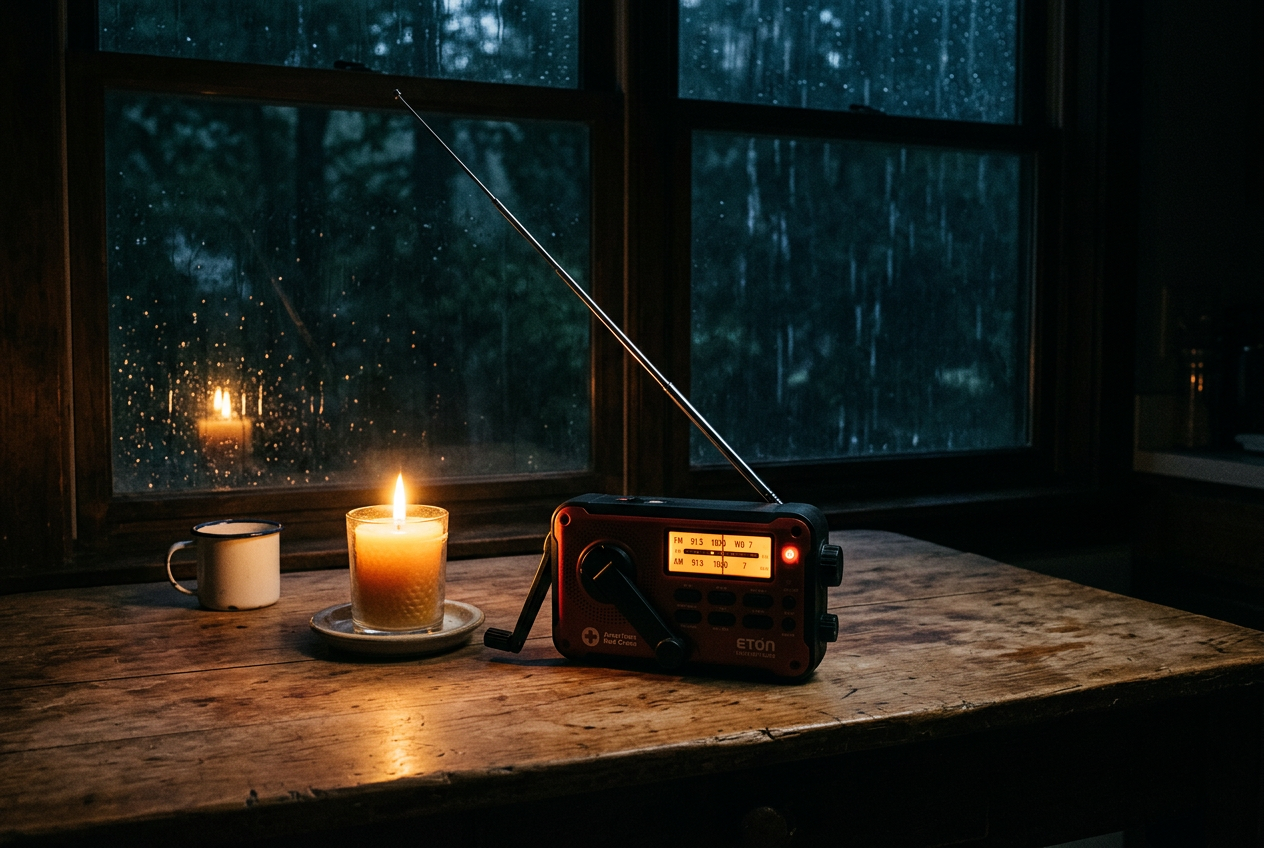
Big storms can knock out the power. Wind, rain, and slides can bring down power lines. They can also damage cell towers. When that happens, your phone may stop working. You may lose the internet too. This is a real risk during a strong El Niño.
Losing power at the wrong time is dangerous. You need to hear weather updates. You need to hear evacuation orders. If a debris flow is coming, minutes matter. A dead phone cannot warn you.
Why a Phone Is Not Enough
Your phone is great, until the battery runs low. During a long outage, you may have no way to charge it. Cell towers can go dark for hours or days. Even with a full battery, you may not get a signal.
A hand-crank NOAA weather radio fixes this problem. It does not need the power grid. It does not need a cell tower. You crank a handle to make power. Many models also charge from the sun. Some hold a spare battery too. This means you can get alerts even when everything else is down.
How These Radios Work
NOAA is the National Oceanic and Atmospheric Administration. It runs weather stations across the country. These stations broadcast warnings all day and night. A NOAA weather radio picks up those broadcasts. You hear storm warnings, flood alerts, and other hazard news for your area.
Most emergency radios also get AM and FM stations. That helps you hear local news and evacuation orders. Look for a radio with more than one power source. A hand crank, a solar panel, and a battery backup give you options. A built-in flashlight and phone charger are useful too.
Here are three hand-crank NOAA radios to consider.
The first has a built-in battery that works as an emergency power bank. It comes with three charge cables built in. That means you can charge a phone without hunting for a cord. It also picks up NOAA, AM, and FM stations.
The next radio is from FosPower. It has the same size power bank to charge a small phone or tablet. It runs on three power sources. It also has two light sources, a reading light and a flashlight. That keeps you out of the dark during an outage.

The third radio has a larger power bank. It uses a big solar panel to charge faster in low light. It also has a high-torque crank. The maker says a few minutes of cranking gives you power when other sources fail.

Pick one and keep it where you can grab it fast. Test it before the storms come. Crank it up and find your local NOAA station now. Keep spare batteries nearby if your model uses them. That way you will hear the warning even if the lights go out.
Plan Your Evacuation Before the Storm Arrives
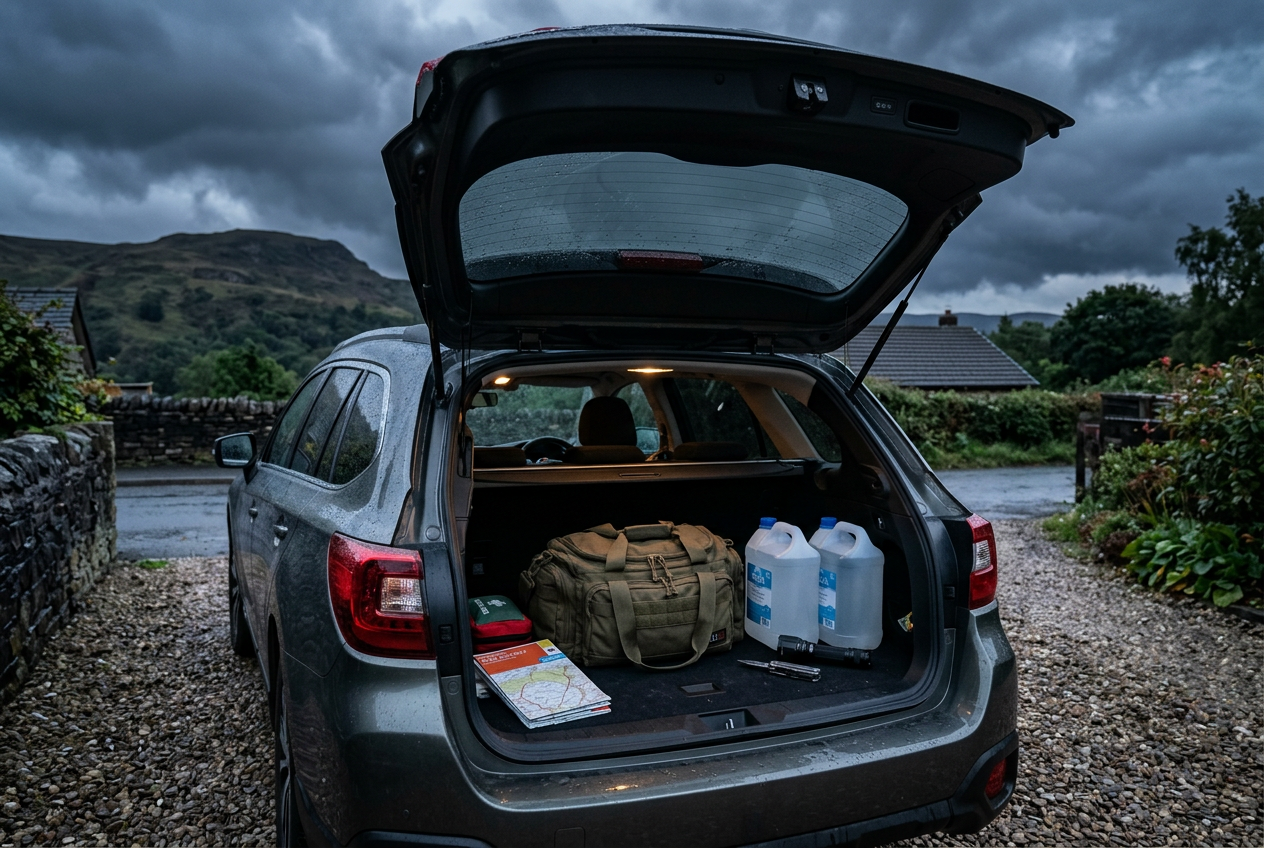
A debris flow is a fast mix of mud, water, rocks, and broken trees. It can rush down a hill in seconds. You cannot outrun it on foot. You may not even have time to drive away once it starts. That is why the safest plan is often to leave early. When heavy rain is forecast over a burn scar or a steep slope near your home, do not wait to see what happens. Leave before the storm hits.
Pack a Go-Bag Now
A go-bag is a small bag you can grab and carry fast. Pack it before storm season starts. Keep it by the door you use most.
Put these things inside:
- Water and easy snacks for each person
- Any daily medicine you take
- Copies of ID and important papers in a sealed plastic bag
- A phone charger and a small flashlight
- A change of clothes and a warm layer
- Cash in small bills
- A hand-crank radio so you can hear alerts if the power and cell service go out
A hand-crank radio does not need wall power. You wind it by hand or charge it in the sun. It picks up NOAA weather alerts and local AM/FM news. Keep one in your go-bag.
Map Two Exit Routes
Roads can flood or get blocked by mud. If your normal way out is cut off, you need a backup. Sit down with a map and find two ways to leave your area. Pick roads that head away from the hill, not along the bottom of it. Drive both routes once when the weather is clear. That way you know them when you are stressed.
Share both routes with everyone in your home. Make sure any driver knows the plan.
Decide Where You Will Go
Do not wait until you are leaving to figure out where to stay. Pick a spot now. It could be a friend or family member who lives on flat ground away from slopes. It could be a hotel farther from the risk zone. Call ahead if you can. Write the address and phone number in your go-bag so you have it even if your phone dies.
If you have pets, plan for them too. Many shelters do not take animals, so know a pet-friendly option in advance.
Expect Little Warning
Evacuation warnings for hillside zones can come fast. A storm can move in quicker than expected. You may get only minutes to leave. Sign up for your county’s emergency alerts so you hear the order right away. Keep your phone charged when rain is coming. When officials say go, go. Do not stop to pack more. Your early planning is what keeps that moment simple.
Frequently Asked Questions
How is a debris flow different from a normal flood?
A normal flood is mostly water. It rises, spreads out, and can soak into your home. A debris flow is different. It is a fast-moving mix of mud, rocks, trees, and water. It moves like wet concrete. It can hit hard and fast. It can carry big objects and knock down walls. Debris flows often start on slopes and burn scars. That is why hillside homes need special care, not just flood cleanup plans.
Can sandbags stop a mudslide?
No. Sandbags cannot stop a mudslide or a large debris flow. A moving wall of mud and rock has too much force. Sandbags are made to slow down and redirect shallow water and thin mud. They can help protect doors and low openings from smaller flows. They are useful, but they have limits. If a real debris flow is coming, the only safe choice is to leave early. Do not stay behind to guard your home with sandbags.
You can still use barriers for lighter runoff. Traditional bags like DURASACK sandbags work as building blocks near doors. Water-activated bags like Quick Dam barriers are easier to store and set up fast. Both help with water and light mud, not a full slide.
Does flood insurance cover mud damage?
This depends on your policy. Standard homeowners insurance usually does not cover flood or mud damage. Flood insurance is a separate policy. Experts say the first step for at-risk homes is to get flood insurance, and not to wait until the storms start. Coverage rules for mud and debris can vary. Read your policy closely. Ask your agent what is and is not covered before winter. Some flood policies have a waiting period, so buy early.
How much warning will I get before a slide?
Sometimes very little. Debris flows can start with only seconds or minutes of warning. They often happen during heavy rain, at night, or when the power is out. You may not get a phone alert in time. That is why you should not wait for an official warning to act. If heavy rain is falling on a burn scar or steep slope, treat that as your signal to be ready to leave.
Have a way to get alerts when cell service fails. A NOAA weather radio can keep working when phones do not. A hand-crank model like the FosPower emergency radio runs on solar power and a crank, so you are not stuck without news.
What sounds might warn me a slide is starting?
Listen for a rumbling or roaring sound that grows louder. You might hear trees cracking or boulders knocking together. Muddy water in a stream is another clue. If you notice these signs, do not investigate. Move to higher ground right away and follow your evacuation plan.
Your Debris-Flow Preparedness Checklist
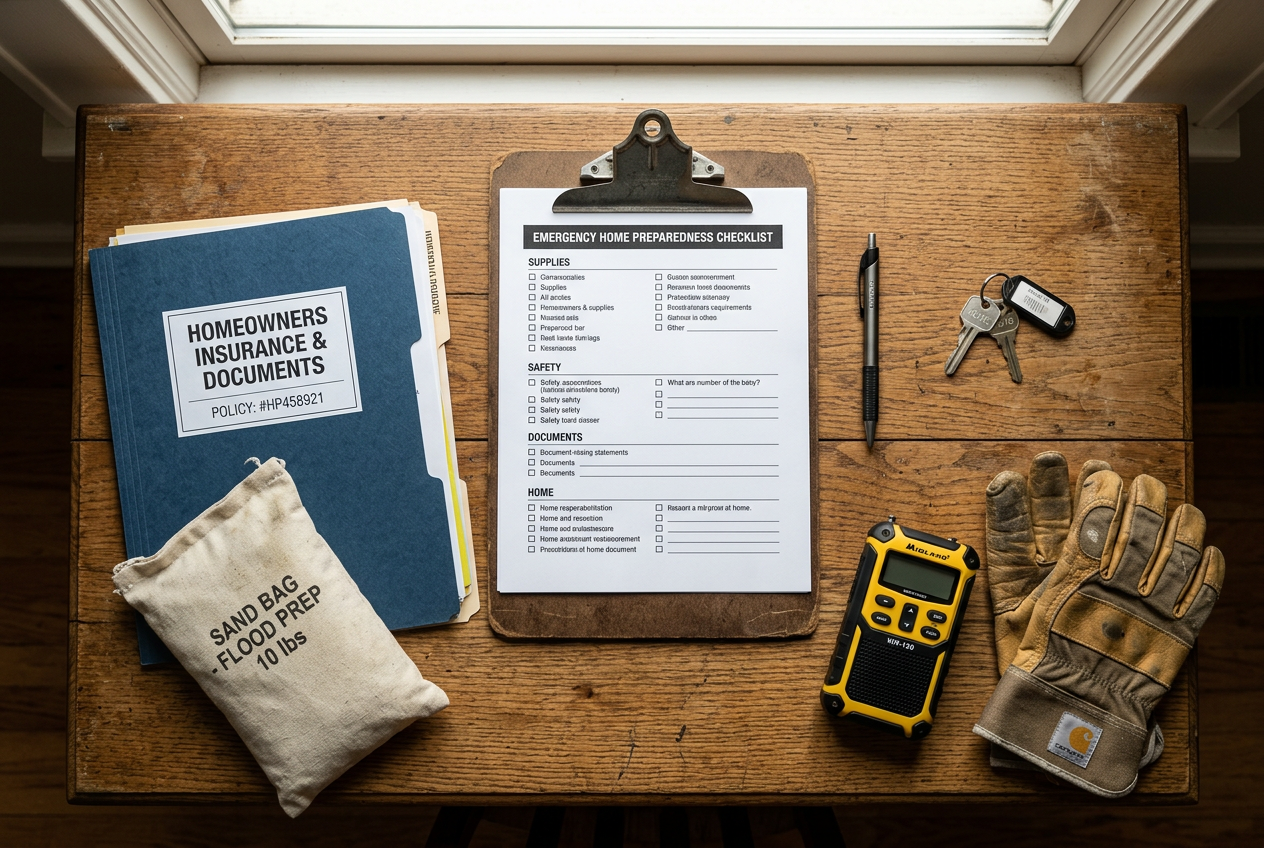
Use this checklist to get ready this week. Work through it one step at a time. You do not need to do everything in one day. Just start at the top and keep going.
You can print this page and check off each item as you finish. Keep the list somewhere the whole household can see it.
1. Check your hazard risk
Find out if you live below a burn scar or on a slope. Look at your local hazard maps. Talk to your county emergency office if you are not sure. Knowing your risk shapes every other step.
2. Clear your drains and gutters
Clean out your gutters. Clear leaves and dirt from outdoor drains. Blocked drains let water pool and push mud toward your home. This step costs nothing but your time.
3. Direct water away from your home
Look at how water flows across your yard. Move it away from your walls and low doors. Fix any spots where water pools near the house.
4. Stage your barriers
Get your barriers ready before the rain, not during it. Sandbags need sand and time to fill, so fill them early. Water-activated bags store flat and swell when wet, so they are easy to keep on hand.
Place barriers at doors, garage entries, and other low spots where water and mud can come in.
5. Set up a weather radio
Cell service and power can go out during a big storm. A hand crank weather radio keeps you connected to alerts. Pick one that gets NOAA weather bands. Charge it now and learn how it works before you need it.
Keep spare batteries near the radio. Test the crank and solar features so you know they work.
6. Review your insurance
Standard home insurance often does not cover flood or mud damage. Do not wait until storms start. Call your agent this week. Ask what your policy covers and whether you need flood insurance. Some policies take time to take effect, so act early.
7. Rehearse your evacuation plan
Sit down with your household. Pick your exit routes. Choose a place to meet if you get separated. Pack a go bag with medicine, documents, water, and a flashlight. Then walk through the plan together so everyone knows what to do.
Practice leaving quickly. In a debris flow, you may have very little time. If officials tell you to go, go right away.
Keep the list handy
Post this checklist where you can see it. Review it before each storm. When heavy rain is in the forecast, do a quick pass through every step again. A little work now can protect your home and your family later.
Next Steps: Act Before the Rain
The best time to prepare is now. Not when the first storm rolls in. Not when the rain is already falling on the hillside above you. Right now, on a dry day, when you have time to think clearly and work at your own pace.
California is under a state of emergency ahead of what forecasters say could be a historic El Niño season. State leaders warned early for a reason. They want households to act before the storms arrive, not after. That warning is your cue to start today.
Work Through the Checklist This Week
Go back to the debris-flow preparedness checklist in this article. Pick a start date. This week is best. Break the tasks into small steps so the list does not feel overwhelming.
Start with the no-cost actions first. Look at the slope or burn scar above your home. Clear your gutters and drains. Cut back dead branches. Move loose items away from the paths where water and mud could travel. These steps cost nothing but your time, and they make a real difference.
Then handle the tasks that take supplies. If you plan to build barriers, get your sandbags or water-activated bags now. Waiting until the storm means empty store shelves and no time to set them up. Fill and place them before the rain, not during it.
Set Up Your Backup Information Now
If the power or cell service goes out, you still need weather updates. Test your hand-crank or solar emergency radio before you need it. Learn how it works. Charge it up. Keep it somewhere you can find it fast. A radio you have never used is not much help in the dark.
Plan Your Exit and Trust It
Here is the most important point. When a debris flow threatens your home, leaving early is the safest choice. Mud and water can move faster than you expect. You cannot outrun a debris flow once it starts. No sandbag wall will stop a large flow.
So decide your route now. Talk it through with everyone in your home. Know where you will go and how you will get there. If officials tell you to evacuate, go right away. Do not wait to see how bad it gets. Do not go back for things. A packed bag and a clear plan let you leave in minutes.
Keep Reading Before the Season
Debris flows are one piece of the El Niño picture. Your household may also face flooding and, in fire-prone areas, wildfire evacuation. Look for our related guides on flood preparation and wildfire evacuation on ReadyGuidance. Reading them now helps you prepare for the full range of risks this winter.
You do not need to do everything at once. But you do need to start. Take one step today. Then take another tomorrow. By the time the first storm arrives, you will be ready.
Sources and Further Reading
- How homeowners should prepare for ‘supersized’ El Niño …
- 9 Steps to Prepare for El Niño - VOICE
- El Niño Checklist: 15 Ways to Prepare Yourself and Your …
- Ready for El Niño: A Guide to Preparedness and Mitigation …
- How prepared are rural homes for El Niño and …
- Governor Newsom proclaims state of emergency to bolster statewide El Nino preparedness, protect California
- State of emergency declared for all of California ahead of strong El Niño forecast
- Newsom declares state of emergency as California prepares for historic El Niño this winter