Ready
13-State Grid Emergency: What US Households Should Do Right Now to Stay Ready for Outages (2026)
The lights are still on. But the power grid is under stress, and officials want you to know it.
This week, U.S. officials declared a temporary power grid emergency across several states. The reason is simple. More electricity is being used than the grid can comfortably handle. Grid operators have asked people to use less power to help keep things running.
At the same time, the Pentagon is making its own plans. It wants major military bases to be able to run for 90 days without the grid if power and supplies get cut off. That is a separate plan for bases, not your home. But it shows that people in charge are taking grid problems seriously.
So what should an ordinary household do? That is what this guide is for.
We will cover two things. First, how to cut your electricity use right now. These are free, simple steps that help the whole grid. Second, how to get ready in case an outage actually happens at your home.
You do not need to panic. You do not need to hoard supplies or spend a lot of money. Most of the best steps cost nothing at all. A few low-cost items can also help you stay safe and comfortable if the power goes out.
Let’s walk through it, one step at a time.
- With 13 states facing grid strain, expect outages that can last from a few hours to several days.
- Keep a power station charged so you can run phones, lights, and a CPAP machine when the grid drops.
- Store at least 2 battery lanterns so every room has safe, flame free light.
- Make a plan to recharge your gear using solar panels when outages stretch past 24 hours.
- Build your kit before a warning hits, not during one.
One practical preparedness move each week. No fear-mongering, ever.



Reviewed by Marcus T., Elena V. & Beth O. — contributors with hands-on preparedness experience. How we test
A little gear now means you stay calm when the lights go out. Here are the items worth grabbing, and below you will see why each one earns a spot in your kit.

Jackery Explorer 300 Power Station
This 292Wh battery weighs only 7.5 pounds, so you can carry backup power to any room. It keeps phones and small devices running through a long blackout.
Check Price on Amazon
Etekcity LED Lanterns 2 Pack
Two collapsible lanterns give you up to 154 lumens of safe, flameless light. Place one in each key room so nobody is stuck in the dark during an outage.
Check Price on Amazon
EnginStar 300W Power Station
This 296Wh unit has a pure sine wave outlet that is gentle enough to power a CPAP machine overnight. At 6.5 pounds it is easy to move wherever you need backup power.
Check Price on AmazonIn this guide
Why Trust This Guide?
This article was researched and reviewed by contributors with hands-on experience in emergency preparedness. They have tested gear, built real systems, and lived through situations where these skills actually mattered.
What a Grid Emergency Actually Means for Your Home
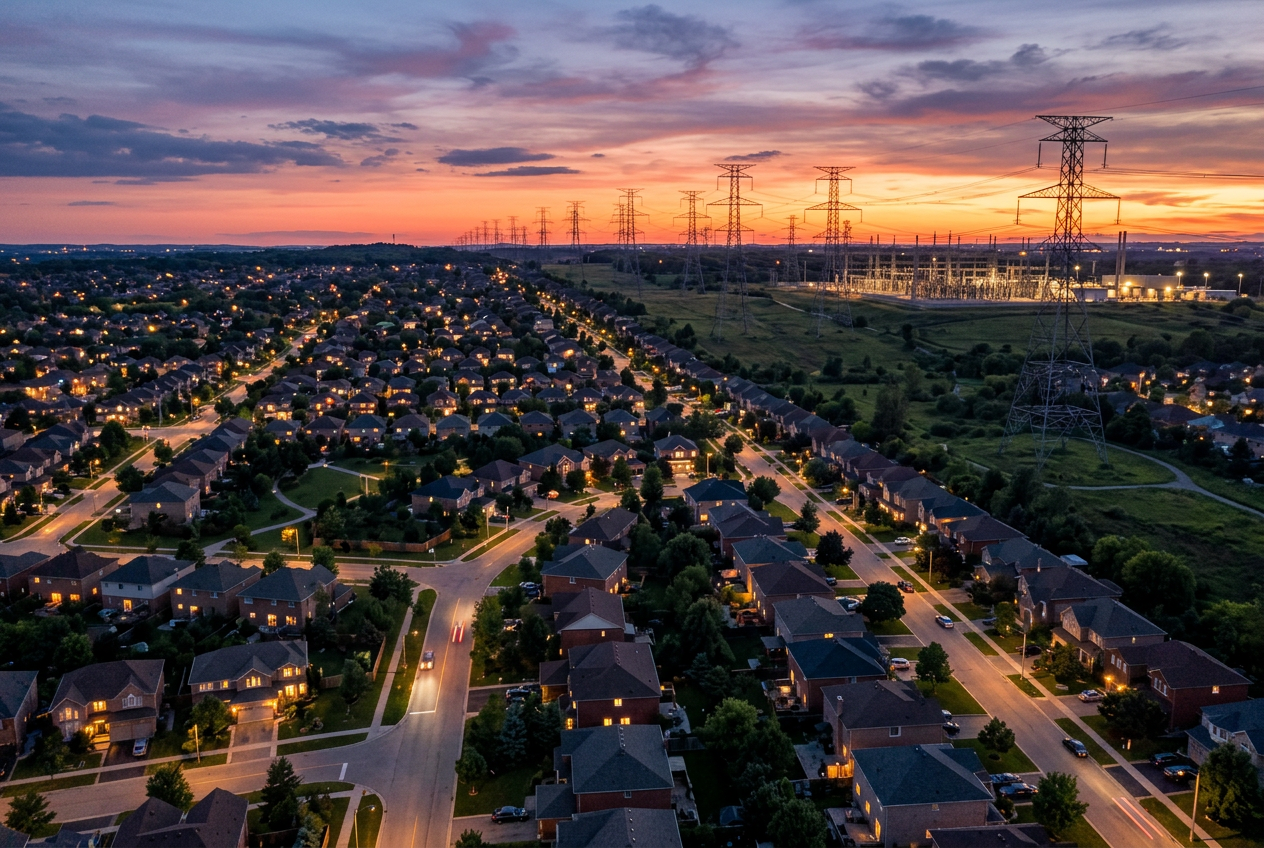
A grid emergency sounds scary, but the idea is simple. The power grid is the system that moves electricity from power plants to your home. It has to keep supply and demand in balance. When a lot of people use power at the same time, demand can climb close to what the grid can make. When supply may not keep up, grid operators step in.
This week, the U.S. Department of Energy declared a temporary power grid emergency across several states. Reports point to 13 states and Washington, D.C., under the operator known as PJM Interconnection. That area covers millions of people. Other grid operators, like ERCOT, have also issued alerts at times. These warnings are a signal that the system is under strain.
Who runs the grid
You do not buy power straight from a power plant. Grid operators manage the flow for large regions. PJM is one of them. ERCOT covers Texas. When these operators see demand rising fast, they can take steps to keep the lights on. One recent order even let some power plants run harder than normal pollution limits allow, just to keep enough supply online. That tells you how tight things can get.
What a conservation advisory is
A conservation advisory is a request, not a rule. Officials ask households to cut power use, usually during certain hours. They are trying to lower total demand so supply can keep up. If enough people cut back, the grid stays balanced and no one loses power.
Sometimes operators warn of rolling outages. These are short, planned power cuts. The operator turns off power to one area for a while, then moves to another. The goal is to protect the whole system from a bigger, uncontrolled blackout. Rolling outages are a last step, not the first one.
This is not a storm outage
A grid emergency is different from a storm knocking out your line. In a storm, a tree or wind damages wires near your home. The problem is local. Repair crews fix the line and your power comes back.
A grid emergency is about the whole region. The wires to your house may be fine. The trouble is that demand across many states is pushing against the limit of what the grid can supply. That is why officials ask everyone to help at once.
Why your actions matter
Demand is highest at certain times of day. These are called peak hours. When you cut your use during peak hours, you take a small load off the grid. One home does not fix the problem. But millions of homes doing the same thing can. Cutting demand during peak hours helps prevent outages for everyone, including you.
The next sections show simple, free steps you can take today, plus how to get ready in case the power does go out.
Cut Your Power Use Today: Free Steps That Help the Grid
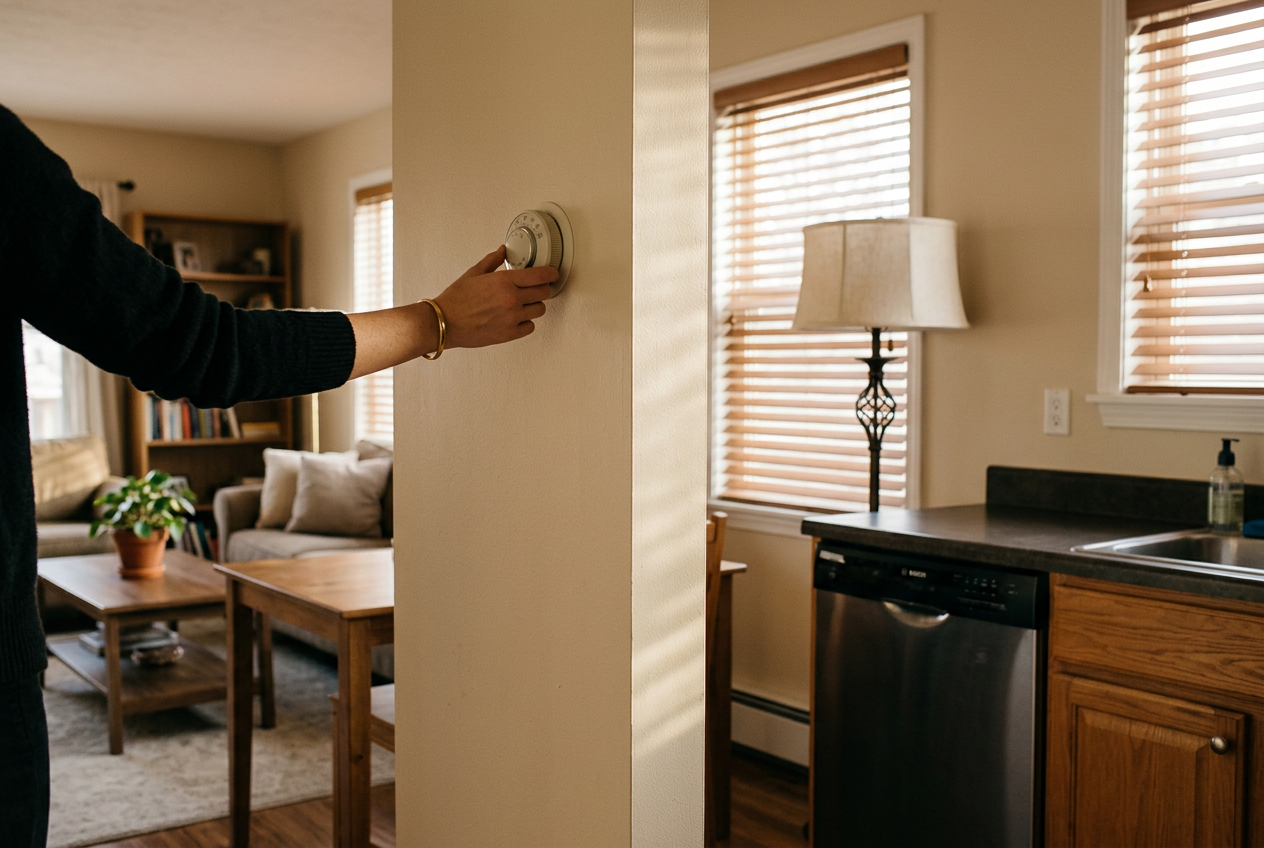
When the grid is under stress, your home can help. Grid operators ask people to use less power during busy times. You do not need to buy anything. You just need to shift a few habits for a short while. These steps cost nothing. They also help lower your own power bill.
Know the peak hours
The grid gets busiest in the late afternoon and early evening. That is when people come home, cook, and turn on lights. If you can cut back during those hours, it makes a real difference. Think of the hours from about 4 p.m. to 9 p.m. as the time to go easy on power. These are temporary habits. You can go back to normal once the advisory ends.
Adjust your thermostat a few degrees
Heating and cooling use the most power in most homes. You do not have to be uncomfortable. Just move the thermostat a few degrees. In hot weather, set it a little higher. In cold weather, set it a little lower. Wear a sweater or use a fan to stay comfortable. Even a small change takes pressure off the grid.
Wait to run big appliances
Some chores can wait a few hours. Try not to run these during peak times:
- The dishwasher
- The clothes dryer
- The oven
Run them early in the morning or later at night instead. If you must cook, use a microwave or stove top. These use less power than a full oven. Wash full loads only. Half loads waste energy.
Turn off what you are not using
Walk through your home and look for things left on. Turn off lights in empty rooms. Switch off the TV when no one is watching. Unplug chargers and small electronics you are not using. Many devices draw a little power even when they look off. On a stressed grid, every bit helps.
Close blinds against the heat
On a hot day, sunlight through windows makes rooms warmer. That forces your air conditioner to work harder. Close your blinds or curtains on the sunny side of the house. This keeps rooms cooler without using power. In cold weather, do the opposite. Open blinds during the day to let warm sun in. Close them at night to hold heat.
Make it a short-term habit
You do not need to do all of this forever. The goal is to ease demand while the warning is in effect. Pick a few steps and do them each day during peak hours. Ask others in your home to help. When many households cut back at once, it can lower the risk of an outage for everyone.
Prepare for a Possible Outage Before It Happens
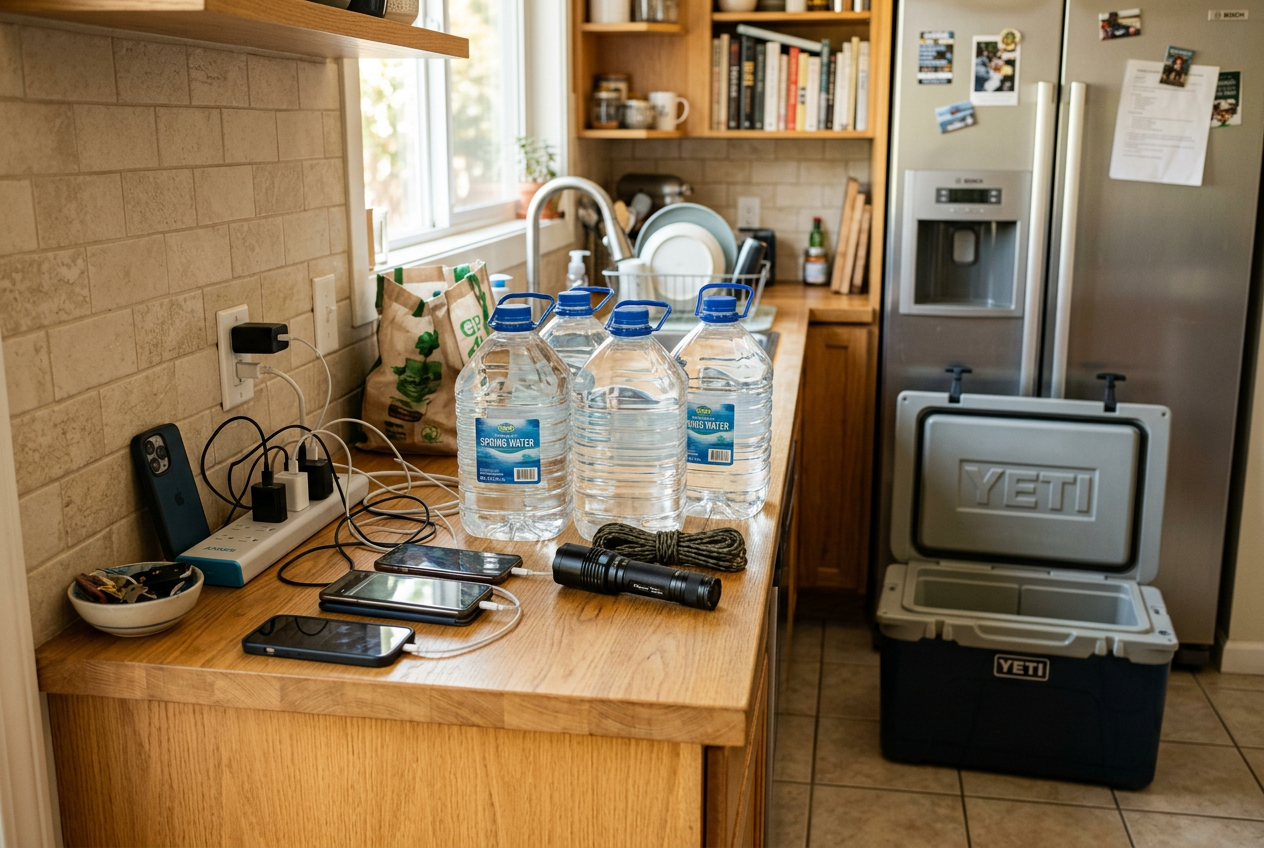
Cutting your power use helps the grid. But it may not be enough. Outages can still happen during a grid emergency. The good news is you can get ready today. These steps take just a few minutes each. Do them now, while the power is still on.
Charge Your Phones and Key Devices
Start by charging everything that matters. Plug in your phone and keep it topped off. Charge any backup battery packs you own. If you have a laptop or tablet, charge that too.
Think about any medical device that runs on power. A CPAP machine is one example. If you rely on one, make a plan now for how you will power it during an outage. A small portable power station can help here. We cover backup power for phones and small essentials later in this article.
Fill Water Containers
Fill clean containers with water before an outage hits. If your water comes from a well, your pump may need electricity. No power can mean no water from the tap.
Fill a few jugs or pitchers for drinking. Fill a larger container or two for washing and flushing. A common rule is to store at least one gallon per person per day. Plan for several days if you can.
Know Where Your Lights Are
Do not wait for the dark to look for a flashlight. Find your lights now. Put them somewhere easy to reach. A battery lantern by the door or on a shelf works well.
Check that your batteries are fresh. Keep spare batteries nearby. A good lantern lights a whole room and frees up your hands. We compare lantern options later in this article.
Get a Cooler Ready for Food
An outage can spoil the food in your fridge. A cooler can save some of it. Pull out a cooler now and set it where you can grab it fast.
Here are simple food tips for an outage:
- Keep the fridge and freezer doors closed as much as you can. This keeps the cold in longer.
- Move the food you use most into a cooler with ice. This means you open the fridge less.
- Freeze water in bottles or bags now. These act as ice packs later. They also give you drinking water as they melt.
When in doubt about any food, throw it out. Do not risk getting sick.
Keep Your Focus on Today
These steps are about same-day readiness. They help you handle a short outage without stress. For a full plan, our deeper outage guides on ReadyGuidance walk through longer prep, food storage, and family plans. For now, charge up, fill water, find your lights, and ready a cooler. You will be in a much better spot if the lights go out.
Light Without the Grid: Lanterns and Battery Lights
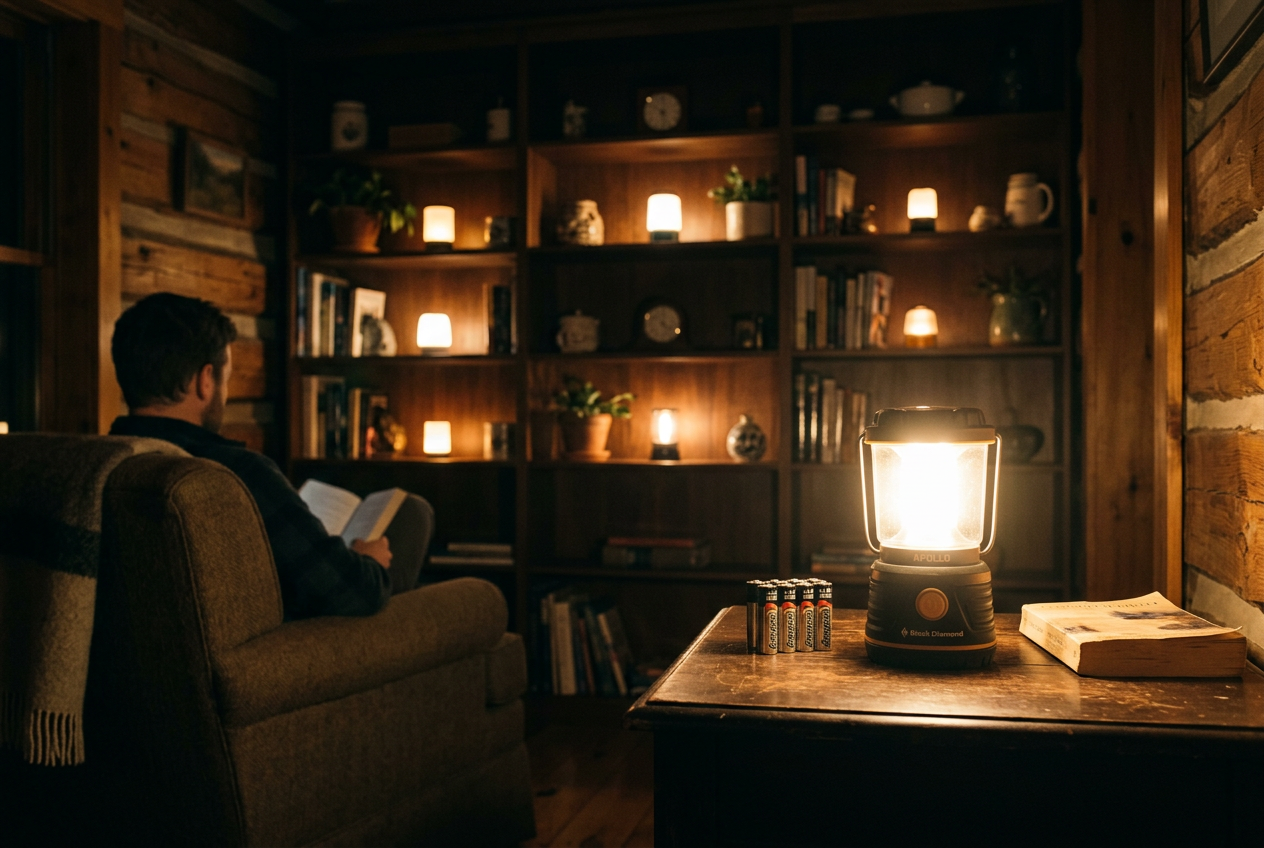
When the power goes out, your first instinct may be to reach for candles. Try not to. Candles are an open flame. They can tip over, catch curtains, or burn small hands. During a stressful outage, that risk goes up. Battery-powered lanterns give you steady light with no flame. They are safer for kids and pets. They will not fill your home with smoke. And you can carry them from room to room without worry.
Here is a simple plan. Think about your home room by room. You do not need to light up every space at full brightness. You just need enough light to move around safely and do the things that matter.
Spread Light Around the Home
Most homes need light in more than one spot at once. The bathroom, the kitchen, a bedroom, and a hallway all matter. A multi-pack of smaller lanterns lets you place one in each key room. That way nobody is walking through the dark to reach the only light in the house.
A two-pack of collapsible LED lanterns works well for this. You can set one in the bathroom and keep one by a bed. The collapsible design makes them easy to store in a drawer or a kit until you need them. They dim down too, so you can use low light overnight and save battery life.
Brighten Your Main Living Area
You also want one brighter light for the room where your family gathers. This is usually the kitchen or living room. A single high-output lantern fills that space with enough light to cook, eat, and sit together. It helps the night feel more normal for everyone.
A lantern with a strong lumen output and a few brightness modes is a good pick for this main-room job. You can run it bright when you need it and turn it down later to stretch the batteries.

Keep Spare Batteries and Test Early
A lantern is only useful if it turns on. Check what battery type each light uses. Some use common AA cells. Others use larger D-cell batteries. Keep a fresh set of spares for each lantern in the same drawer or kit. Store them where you can find them in the dark.
Test your lights before an outage, not during one. Turn each lantern on today. Make sure it works and the batteries are good. Then switch it off and put it back in its spot. Do this a couple of times a year.
A few minutes now means you will not be fumbling in the dark later. Place your lanterns, stock your spare batteries, and you are set for the next outage.
Backup Power for Phones, CPAP, and Small Essentials
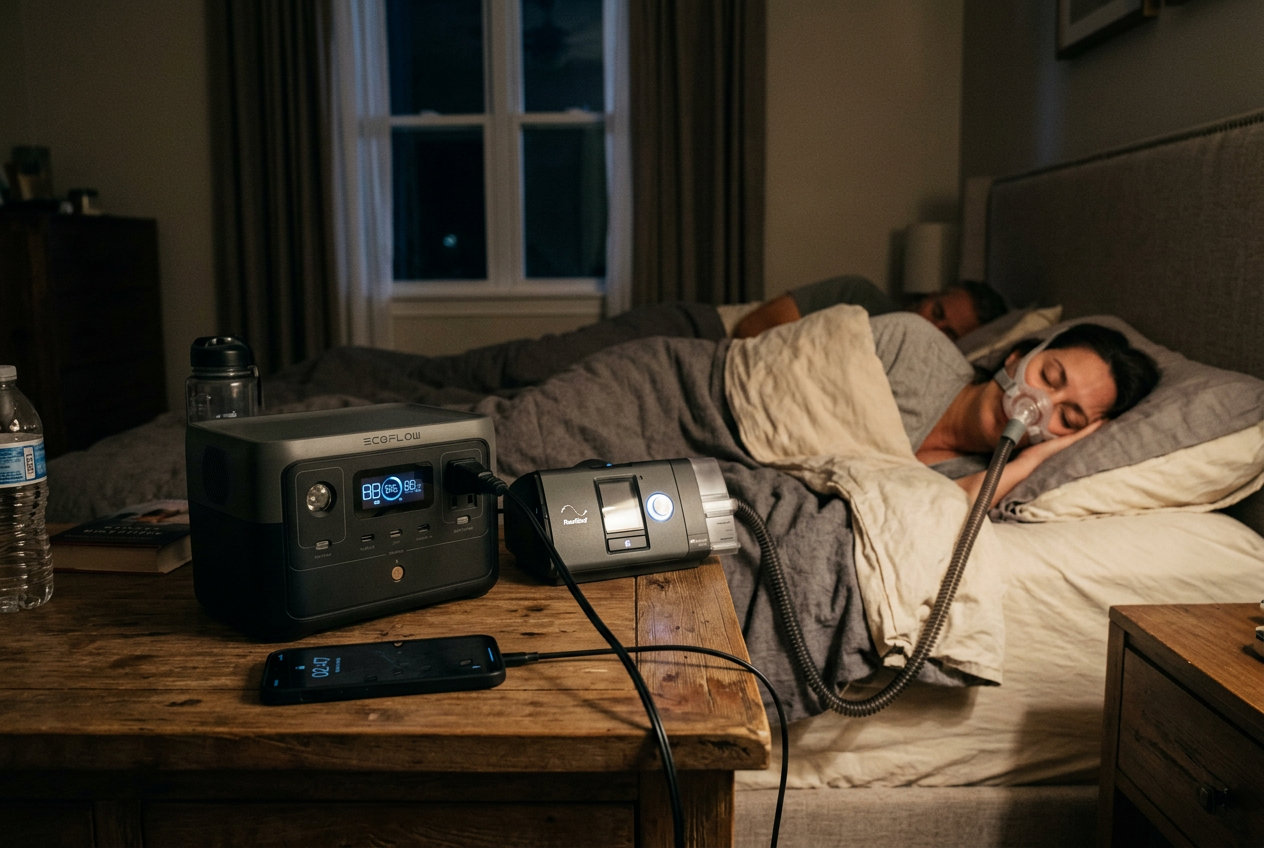
A portable power station is a battery in a box. It stores power so you can use it later. These units are quiet and safe to use indoors. That makes them good for a short outage. You can keep your phone charged. You can run a small medical device like a CPAP machine. You can power a few small electronics.
These are not whole-home generators. They will not run your fridge for days or power your whole house. They are made for small, important jobs. Think phones, lights, and small devices. Match the unit to what you need to power.
What Watt-Hours Mean
The key number is watt-hours, written as “Wh”. It tells you how much energy the unit holds. Here is a simple way to think about it. Take your device’s power use in watts. Divide the watt-hours by that number. That rough number is how many hours it can run.
For example, a 10 watt phone charger on a 100Wh unit could run many hours. A device that pulls more watts runs for less time. Always check your device’s wattage first. Make sure the unit’s output can handle it.
Pocket-Size for Phones and Small Gear
A small unit is light and easy to grab. It is good for phones, tablets, and small lights. The ENOFLO holds about 97.68Wh. It weighs just 2.2 pounds. It has one AC outlet, USB ports, and DC ports. It also has a built-in LED light with an SOS mode. That is handy during a dark outage. This size fits a basic emergency kit well.

Mid-Size for CPAP and More
A mid-size unit holds more power. It can run a CPAP machine for part of a night. It can charge laptops and cameras too. Always check your CPAP’s wattage. Turn off the heated humidifier to save power.
The Jackery Explorer 300 holds 292Wh. It has two AC outlets and several USB and car ports. It uses LiFePO4 battery chemistry, which is built for many charge cycles. The EnginStar unit holds 296Wh and uses pure sine wave outlets. Pure sine wave means cleaner power for sensitive devices like a CPAP or laptop.
Quick Comparison
Pick the size that fits your real needs. A small unit keeps phones alive. A mid-size unit can handle a medical device for a while. Charge your unit full before any storm. Keep it topped off so it is ready when you need it.
Comparing Portable Power Stations for Outages
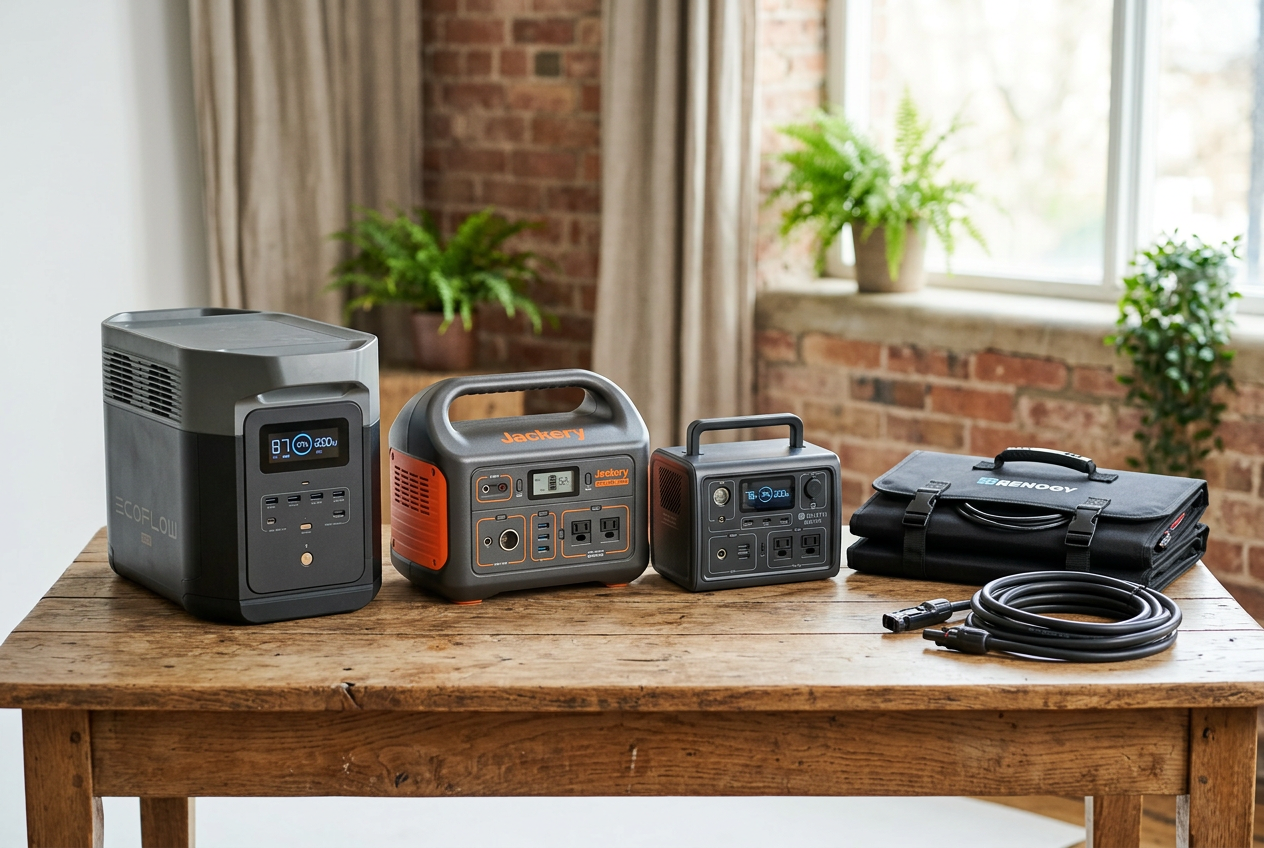
A portable power station is a big battery in a box. You charge it ahead of time. Then it runs your phone, lights, or a few small devices during an outage. These are not whole-home generators. But they can keep your essentials going.
The main trade-off is simple. Small units are light and easy to carry. They hold less power. Larger units run more devices and last longer. But they weigh more and are harder to move. Pick the size that matches what you need to power.
Here is how three options compare.
Small and Light
The BLUETTI Elite 30 V2 is the lightest here at 9.4 lbs. Its 288Wh capacity is small, so it is best for the basics. Think phones, small lights, a laptop, or a CPAP machine. It also has a Power Lifting Mode for short bursts up to 1500W. This is a good starter unit if you want something easy to carry and store.

Mid-Range
The Jackery Explorer 1000 v2 holds more power at 1070Wh. It puts out 1500W, with a 3000W surge peak. That lets it run a small fridge, lights, and several devices at once. It weighs 23.8 lbs, so it is still fairly easy to move. This is a solid middle choice for a household that wants more than just phone charging.

Large Capacity
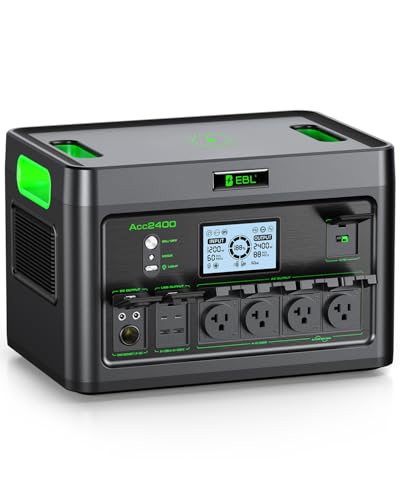
The EBL 2400W is the biggest option here. It has 1843.2Wh of capacity and 2400W of output. It has 12 outlets, so many devices can run together. It can handle higher-watt gear too. The trade-off is weight. This unit is heavier and better suited to staying in one spot during a long outage.
How to Keep Them Ready
All of these recharge from a normal wall outlet. Charge yours fully before an outage hits. Keep it topped off so it is ready when you need it.
You can also recharge them with solar panels during an outage. Panels are usually sold separately. Solar is helpful if the power stays off for a long time. But it is slower and depends on sunlight. For most short outages, a full charge from the wall is enough.
Action Checklist: Do These Steps This Week
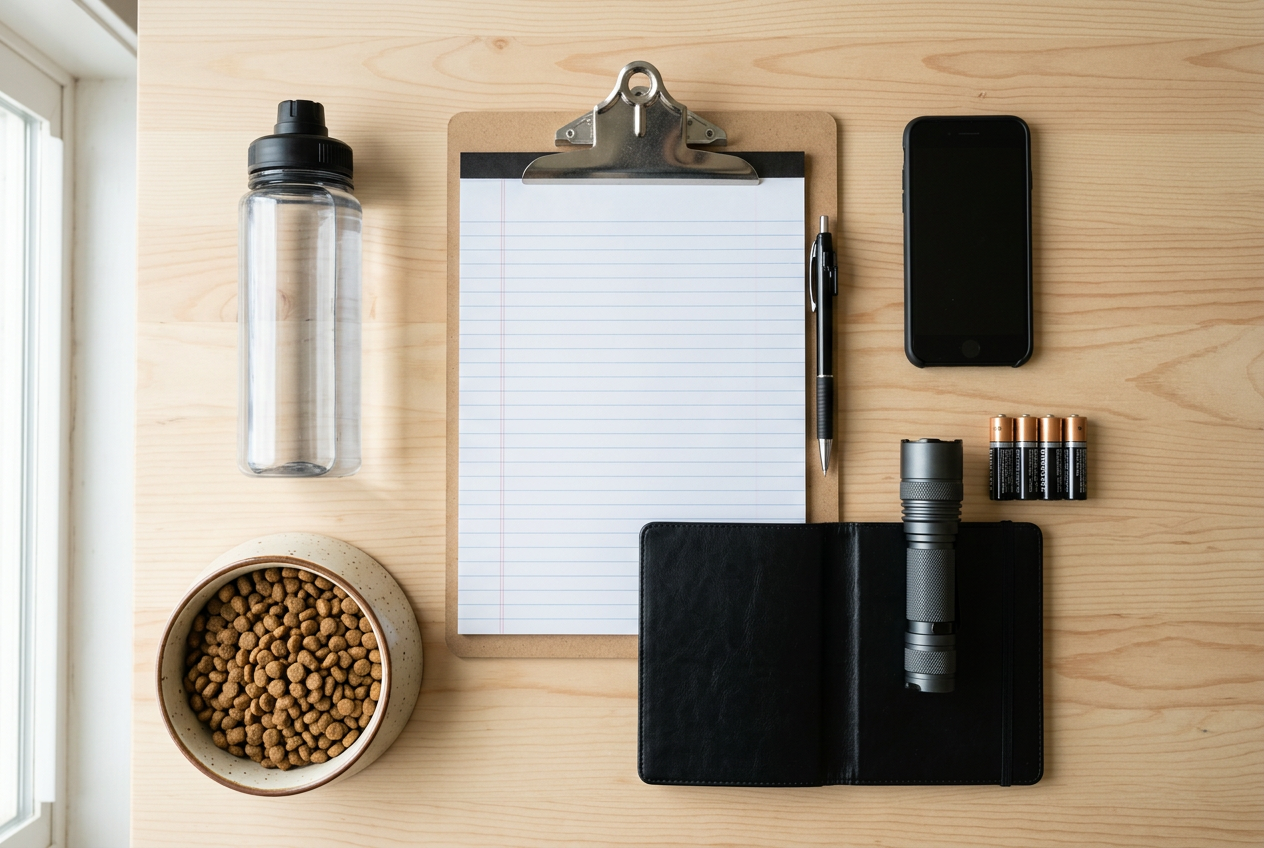
Use this list to get ready fast. You do not need to buy anything to start. Check off what you can today. You can print this page or take a screenshot to keep it handy.
Cut Your Power Use During Peak Hours
Grid operators ask people to use less power when demand is high. This often happens on hot afternoons and cold evenings.
- Run big appliances early or late. Use the dishwasher, washer, and dryer in the morning or at night.
- Set your thermostat a few degrees higher in heat or lower in cold.
- Turn off lights and devices you are not using.
- Close blinds on hot days to keep rooms cooler.
- Delay charging an electric car until off peak hours if you can.
Charge Up Before an Outage
A charged battery is useless after the power is already gone. Charge now while you have grid power.
- Charge all phones, tablets, and laptops.
- Charge power banks and any portable power station you own.
- A small power station can keep phones and a CPAP going. The Jackery Explorer 300 is a lightweight option for small essentials.
Stage Your Lights and Batteries
- Put lanterns where you can reach them in the dark.
- Battery lanterns are safer indoors than open flames. See the Etekcity LED lanterns for a simple two pack.
- Stock fresh batteries in the sizes your lights and devices need.
- Keep one light near your bed and one near your main living area.
Store Water
- Fill clean jugs or bottles with tap water now.
- Store some water for drinking and some for flushing or washing.
- Keep a few bottles in the freezer. They help keep food cold if the power drops.
Plan for Medical Devices and Pets
- Know how your medical device gets backup power. A CPAP or other device may need a power station sized for its wattage.
- Keep any medicine that needs cold storage in a cooler plan.
- Set out pet food, water, and a leash or carrier.
- Write down your doctor and pharmacy numbers in case your phone dies.
Sign Up for Alerts
Alerts tell you when the grid is stressed and when an outage may hit.
- Sign up for outage and emergency text alerts from your electric utility. Check their website for how to enroll.
- Turn on emergency alerts on your phone.
- Sign up for your city or county alert system if one exists.
- Follow your local emergency office for official updates.
Final Quick Checks
- Keep your car gas tank at least half full.
- Have some cash on hand. Card readers may not work in an outage.
- Agree on a family meeting spot and a check in plan.
Do what you can this week. Even a few steps will leave you more ready than most households.
Frequently Asked Questions
Does reducing my power use really help?
Yes. When many homes cut power at the same time, it lowers the strain on the grid. During this recent emergency, grid operators asked people to use less power to keep the system stable. Your small changes add up when your whole area does them too. Simple steps like raising your thermostat, running big appliances at night, and turning off extra lights all help.
What causes a grid emergency?
A grid emergency happens when demand for electricity gets close to or past what the system can supply. In the recent case, officials pointed to high demand and strained infrastructure. Hot or cold weather can push demand up fast. During this event, an emergency order even let some power plants run harder than normal to keep the lights on. The goal is to avoid blackouts when the system is stretched thin.
Will I definitely lose power?
No. A grid emergency is a warning, not a promise of an outage. Operators declare these alerts to prevent blackouts, not to announce them. Many emergencies pass with no outage at all. Still, it is smart to prepare. Think of it like a weather watch. You get ready just in case, even if nothing happens.
Can I run a power station indoors?
Yes, if it is a battery power station. Battery units like the Jackery Explorer 300 or the BLUETTI Elite 30 V2 make no fumes. They are safe to use inside your home. This is very different from a gas generator. Never run a gas generator indoors, in a garage, or near windows. Gas generators give off carbon monoxide, which is deadly. Battery power stations are the better choice for indoor backup power for phones, lights, and small devices.
What about refrigerated food and medications during an outage?
Keep your fridge and freezer doors shut as much as possible. A closed fridge stays cold for about four hours. A full freezer can hold its cold for about two days. Do not open them just to check. If food warms above safe levels, throw it out. When in doubt, toss it.
For medications that must stay cold, this matters even more. Talk to your pharmacist or doctor now about how long your medicine can stay out of the fridge. Ask what to do if the power goes out for a long time. A battery power station can run a small cooler or help keep medicine cold for a while. Have a plan before you need it.
How long could an outage last?
There is no set answer. Short emergencies may cause no outage at all. Longer events are harder to predict. The safest move is to prepare for at least a few days. Keep water, food, lights, and backup power ready so you are set no matter how long it lasts.
Your Next Steps
A grid emergency can sound scary. But you are not helpless. Two simple habits make a real difference. First, use less power during busy hours. Second, get a little ready before the lights ever go out.
Let’s recap why these two habits matter.
When many homes pull power at the same time, the grid gets strained. This often happens on very hot or very cold days. Grid operators sometimes ask households to cut back. When enough people do this, it helps keep the power on for everyone. Your small choices add up. Turning off extra lights, waiting to run the dryer, and nudging your thermostat all help. None of these cost you a thing.
Being ready for an outage is just as important. You cannot control the grid. But you can control your own home. A little prep now means much less stress later. If the power does go out, you will know where your lights are. You will have a way to charge your phone. You will not be fumbling in the dark.
Start With the Checklist
The fastest way to get ready is the action checklist in this article. It breaks the steps into small, clear tasks. You can do most of them in a single afternoon. There is no download to find. Just scroll up to the checklist, or print this page so you have it on paper. A printed copy is handy if your phone battery runs low during an outage.
Work through the list one item at a time. Check off each step as you go. You do not need to buy much. Many steps use things you already own.
Build Your Light and Power Supply
Two small purchases cover most households. A battery lantern gives you safe, steady light with no flame. The Etekcity LED camping lanterns come in a two-pack, so you can light more than one room. For keeping phones and small devices going, a portable power station is a smart pick. The Jackery Explorer 300 is light and easy to carry. It can charge phones and run a CPAP machine for a while. Both are covered in detail in the sections above.
Keep Learning
Outage prep is a skill you build over time. Once you have the basics, you can go deeper. Look for our evergreen guides on building a home emergency kit and keeping food safe during a power outage. These guides stay useful long after this one grid emergency passes. They apply to storms, heat waves, and any other reason the power might stop.
Start small. Do one thing today. Then do the next thing tomorrow. A ready household is a calmer household. You will be glad you took these steps before you needed them.
Sources and Further Reading
- warning residents in 13 states that electricity demand …
- Department of Energy issues emergency order across 17 …
- grid operator PJM can now fire up extra power plants …
- A U.S. electric grid operator has issued a warning for 14 …
- Department of Energy issues emergency order across 17 …
- 13-state power grid emergency points to America’s vulnerable infrastructure
- Inside the Pentagon’s doomsday plan to keep America fighting if global war erupts
- Pentagon orders bases to plan for 90 days without the grid as Britain urges families to stockpile food and water