Hurricane Kit: Everything You Need to Ride Out the Storm (2026)
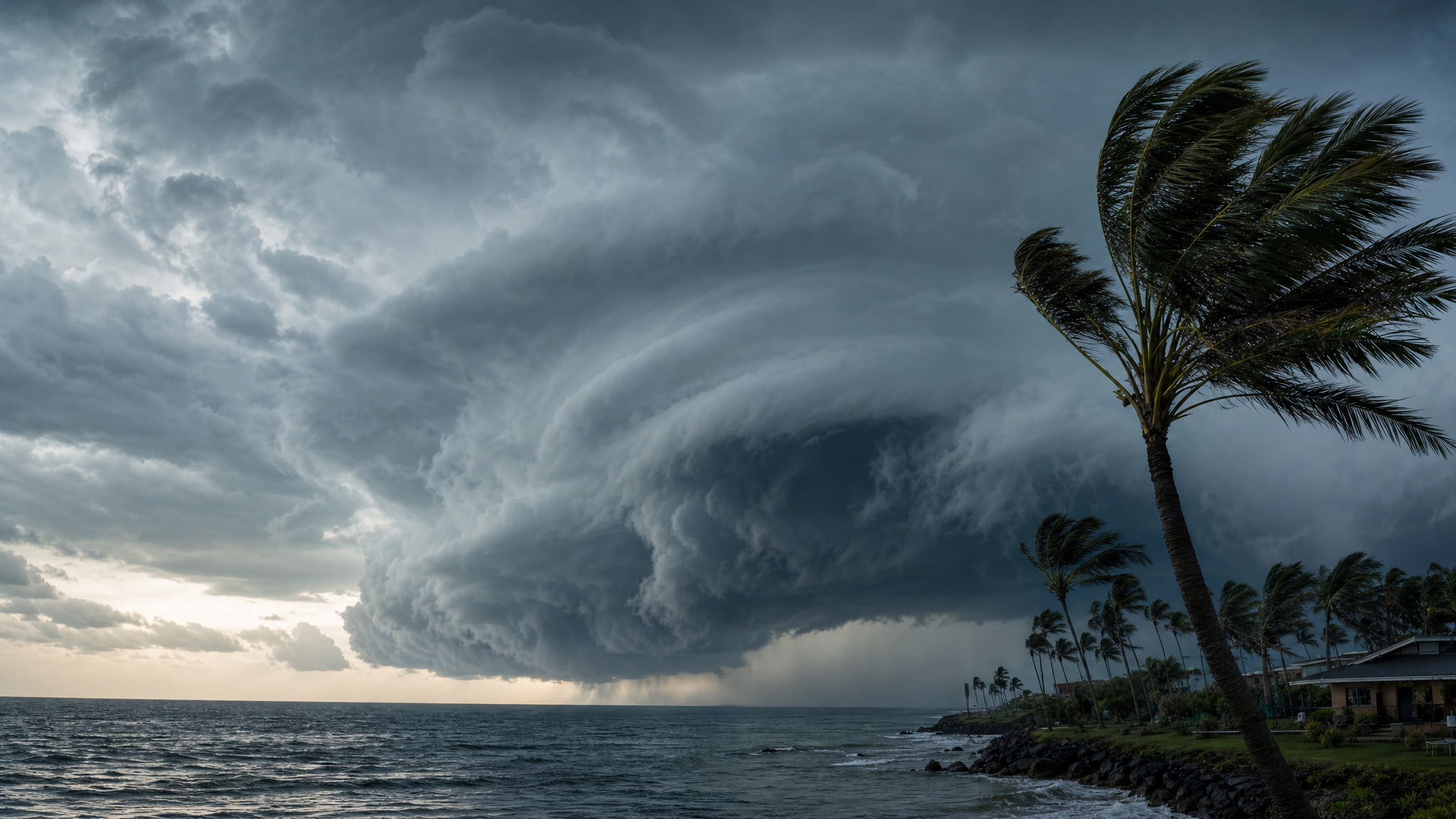
When a hurricane hits, the store shelves empty fast. Roads flood. The power goes out. You may be stuck at home for days with no help coming. That is why you need a hurricane kit ready before the storm ever forms.
A hurricane kit is not the same as a basic emergency kit. Most general kits are built for short problems. A hurricane brings a mix of dangers all at once. You get heavy flooding, long power outages, and blocked roads. That means no fresh water, no way to cook, and no quick trip to the store. A good hurricane kit is built to handle all of these at the same time.
Here is the key rule. Your kit should keep your household going for at least 72 hours. Better yet, plan for up to two weeks. After a big storm, crews may take days to clear roads and turn the power back on. The longer you can care for yourself, the safer you will be.
This article walks you through everything you need. You will learn how much water to store and how to treat it. You will see what food and cooking gear to pack. We cover shelter, first aid, light, power, and NOAA weather alerts. We also compare pre-packed kits with building your own. By the end, you will have a clear checklist to get ready.
Why Trust This Guide?
This article was researched and reviewed by contributors with hands-on experience in emergency preparedness. They have tested gear, built real systems, and lived through situations where these skills actually mattered.



Water: How Much to Store and How to Treat It
Water is the most important part of your hurricane kit. You can go days without food. You cannot go long without water. After a storm, tap water may stop flowing. It may also get dirty and unsafe to drink. So you need to store your own.
How Much Water to Store
The basic rule is simple. Store one gallon of water per person per day. Half of that is for drinking. The other half is for cooking and cleaning.
Plan for at least three days. A week is better. Storms can knock out water service for a long time. Roads and stores may be closed too.
Do not forget other people in your home. Add extra water for babies, older adults, and anyone who is sick. Pets need water as well. A good rule is one extra gallon per day for a medium dog.
Storing Your Water
Store water in clean, food-safe containers. Store-bought bottled water is the easiest choice. Just leave it sealed until you need it.
You can also use large water jugs made for storage. Fill them before the storm hits. Keep them in a cool, dark spot. Sunlight and heat can help bacteria grow.
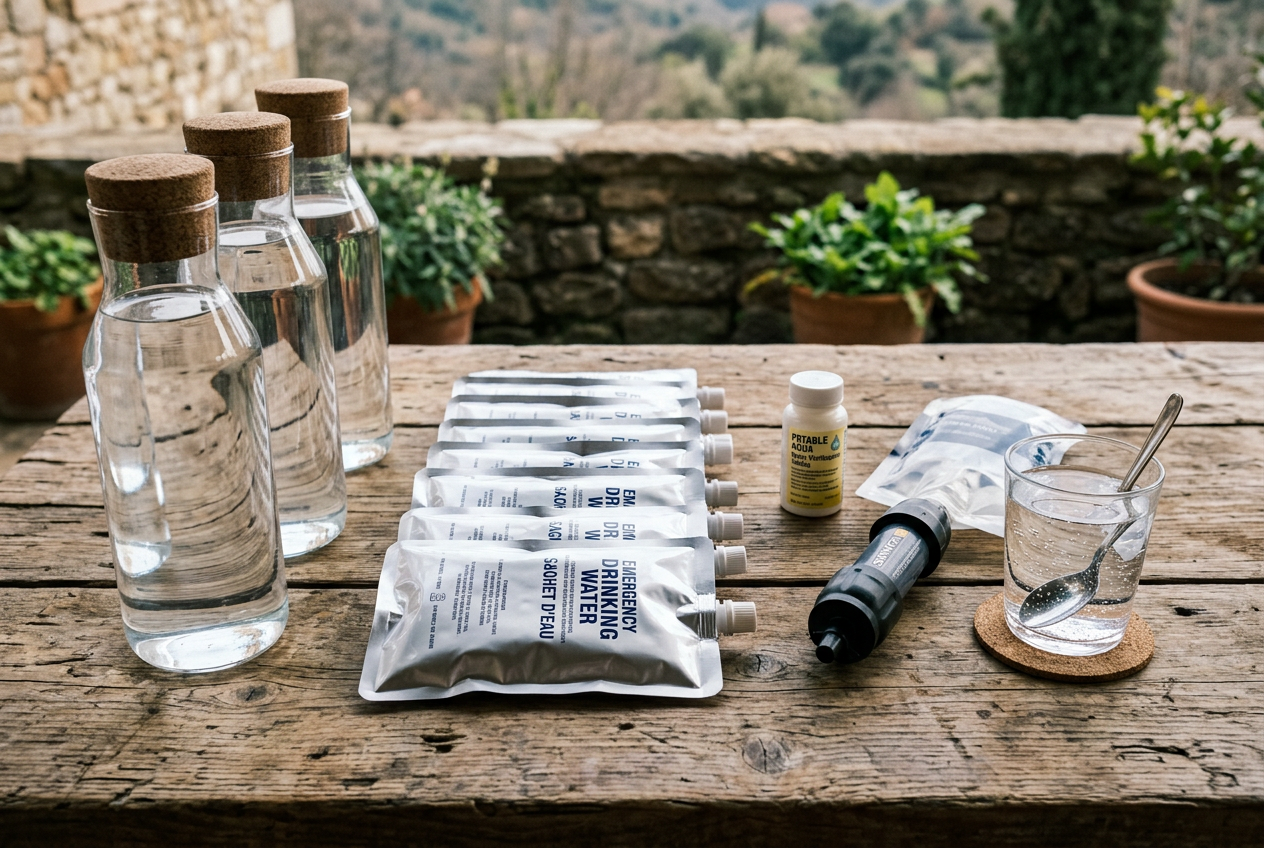
Water pouches are another option. They are small and easy to pack. Many pre-made kits include them. They are handy because you can grab and go if you have to leave.
Treating Water When It Is Unsafe
Sometimes you run out of stored water. Or you may need to use water from an unknown source. That is when treatment steps in.
You have three main backups.
- Boiling. Boil water for at least one minute. Let it cool before you drink it. This kills most germs. But it does not remove chemicals.
- Treatment tablets. These small tablets kill germs in water. Each tablet usually treats one to two liters. They are light and easy to store. They are a smart backup for any kit.
- Filtering. A water filter removes dirt and many germs. Some filters are small enough to carry in a pocket. Filters work well with tablets for extra safety.
A ready-made kit can cover your basics fast. The kit below packs water storage pouches and treatment tablets in one bag.

It gives you six water storage pouches. The pouches hold water when you need it. The kit also includes treatment tablets. Each tablet makes one to two liters drinkable. Remember, water is not included. You still need to add your own.
Here is a quick look at your treatment options.
Use more than one method when you can. That way you always have a backup ready.
Food and Cooking Supplies
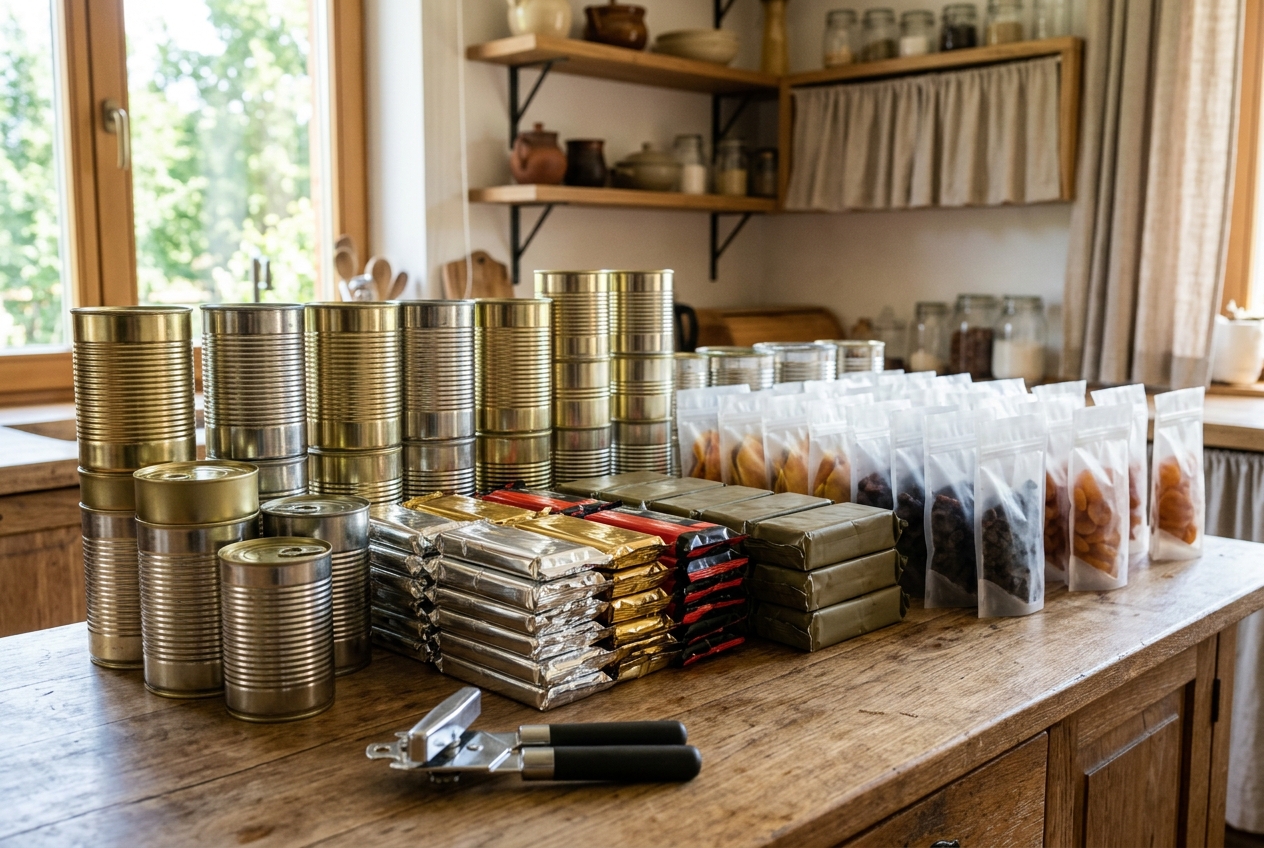
When a hurricane hits, the power can go out for days. Your fridge will stop working. Stores may close. You need food that keeps well and is ready to eat. The best choice is calorie-dense food that needs no cooking, no heating, and no fridge.
Pick No-Cook Food First
After a big storm, you may not have a stove or clean gas. So plan for food you can eat right out of the package. Good picks include:
- Canned meat, beans, and vegetables
- Peanut butter and nuts
- Crackers and dry cereal
- Granola bars and dried fruit
- Emergency food ration bars
Food ration bars are a smart base for any hurricane kit. They pack a lot of calories in a small space. Many are made to not make you thirsty, which matters when your water is limited. They also last for years, so you can store them and forget about them until you need them.
If you want a canned or hot meal, you can add a small camp stove. But do not count on it. Keep enough no-cook food so your family can eat even if you cannot heat anything.
Size Food for Your Whole Household
Plan for at least three days of food per person. More is better. Many experts now suggest two weeks if you have the room. Count every person in your home, including kids and older family members. Do not forget pets. Store extra pet food too.
Think about calories, not just meals. Adults need around 2,000 calories a day. Storms are stressful and you may be doing hard work like cleaning up. So aim high, not low.
A pre-packed kit can take the guesswork out of food planning. The Family Emergency Kit below is built for four people. It comes with food ration bars and water that are US Coast Guard approved. The rations have a 5-year shelf life. They are calorie dense and need no water to prepare and no reheating. That makes them a solid starting point for your food supply.

The whole kit fits in a compact backpack that is 19 by 15 by 10 inches. So it is easy to grab if you need to leave fast. You can also add your own canned food and snacks to stretch it further for a longer outage.
A Few Simple Tips
- Store food in a cool, dry spot away from sun.
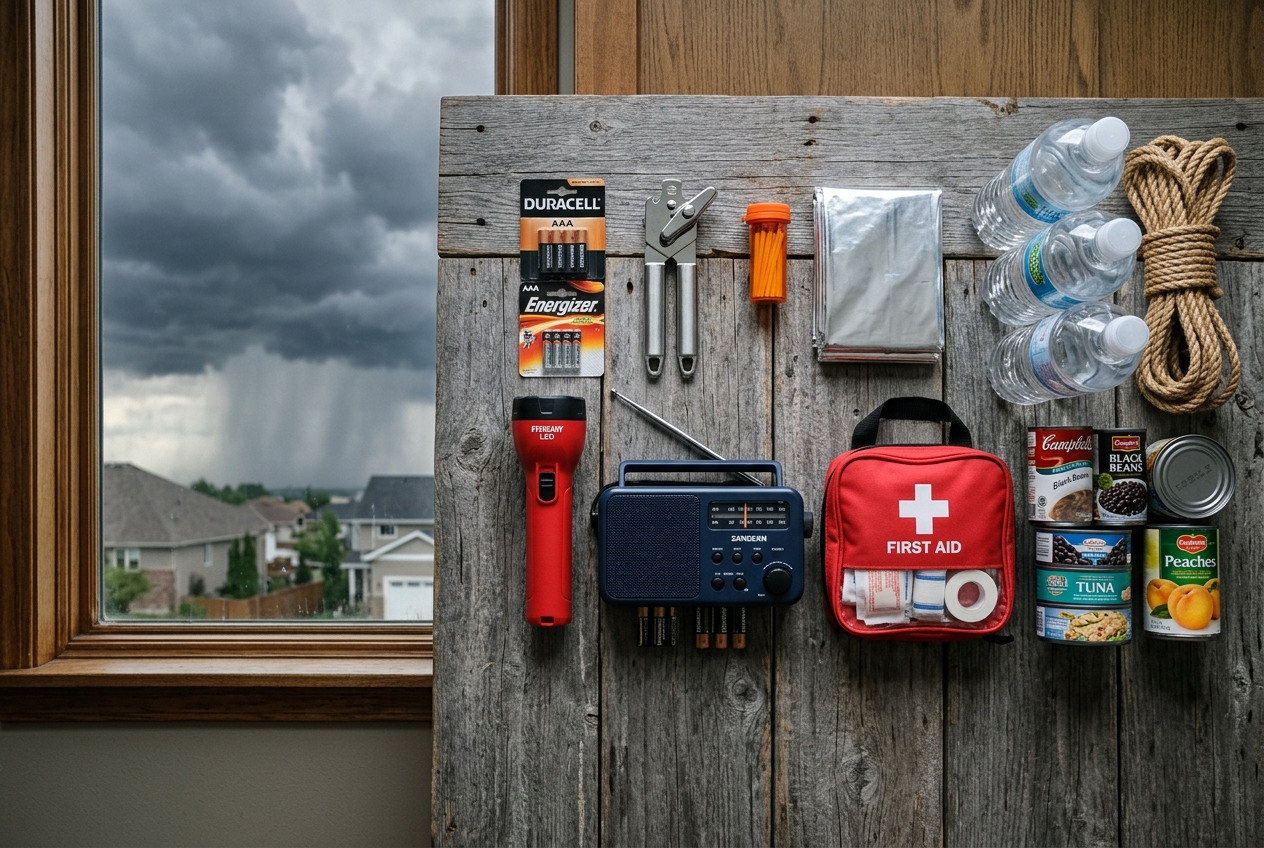
- Keep a manual can opener in your kit. A power outage makes an electric one useless.
- Pack paper plates, plastic forks, and a knife so you do not waste water on dishes.
- Check dates once a year and swap out anything old.
- Choose foods your family will actually eat.
Stock enough food now, before the season starts. That way you will not be fighting empty store shelves when a storm is on the way.
Shelter, Warmth, and Staying Dry
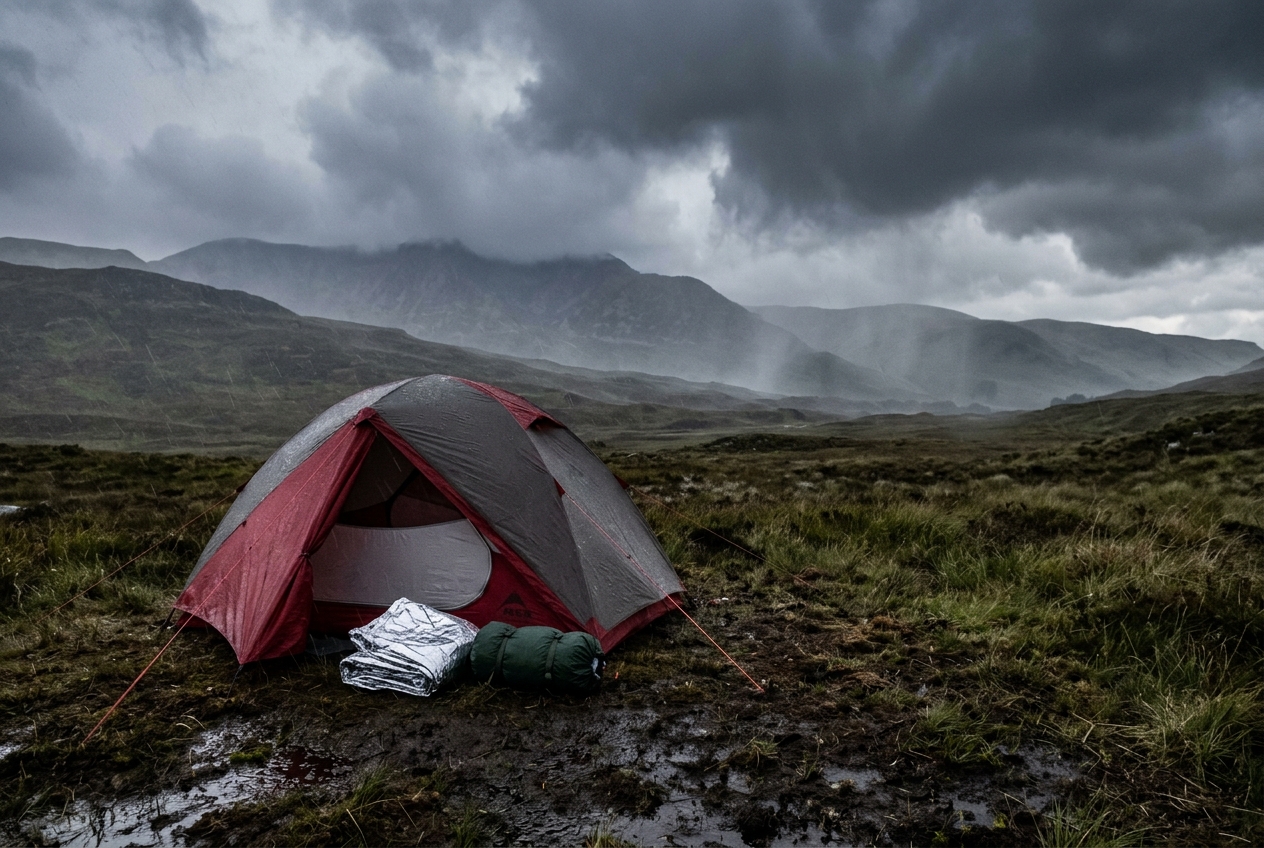
A hurricane can rip off part of your roof or blow out a window. Rain can pour in fast. If your home gets damaged, or if you have to leave, you need a way to stay dry and warm. That is what your hurricane kit’s shelter gear is for.
Why Staying Dry Comes First
Wet clothes and wet skin pull heat away from your body fast. This happens even when it is not very cold outside. A soaked person can start to shiver and feel weak in just a short time. This is called hypothermia, and it can happen after a storm more often than people think.
So your first job is simple. Stay dry. Then stay warm. If you can do both, you can wait out the worst of it in much better shape.
Emergency Tents and Shelters
A regular tent takes up a lot of space and gets heavy. For a hurricane kit, you want something small and light that still blocks wind and rain. An emergency tent is a great fit. It packs down small, weighs very little, and sets up fast.
The Go Time Gear Emergency Tent is one good option. It weighs only 8.7 ounces. That is lighter than a can of soda. It is waterproof and windproof, so it keeps rain and gusts off you. The inside has a reflective layer that bounces your body heat back at you. That helps you stay warm. You can set it up using trees, rocks, or a cord. It fits easily in a go bag or backpack.

If you have more than one person in your home, look at the two-pack version. The Go Time Gear Ultralight Survival Tent comes with two shelters. It is made from military-grade Mylar, the same shiny material used in space blankets. Each one works as a tent, a bivy sack, or an emergency blanket. Having two means each family member, or each pair, can have their own dry spot. It also gives you a backup if one gets torn.

Add Thermal Blankets and Dry Clothes
Even with a good shelter, pack a few thermal blankets too. They are cheap, small, and reflect your body heat. Keep one per person in your kit.
Also pack a full change of clothes for each person. Store them in a sealed plastic bag so they stay dry. Wool socks are smart because wool keeps you warm even when it is a little damp. A rain poncho for each person helps a lot if you have to move outside.
Keep all this shelter gear in one spot. That way you can grab it fast if the storm gets bad or if you need to leave in a hurry.
First Aid and Medical Essentials
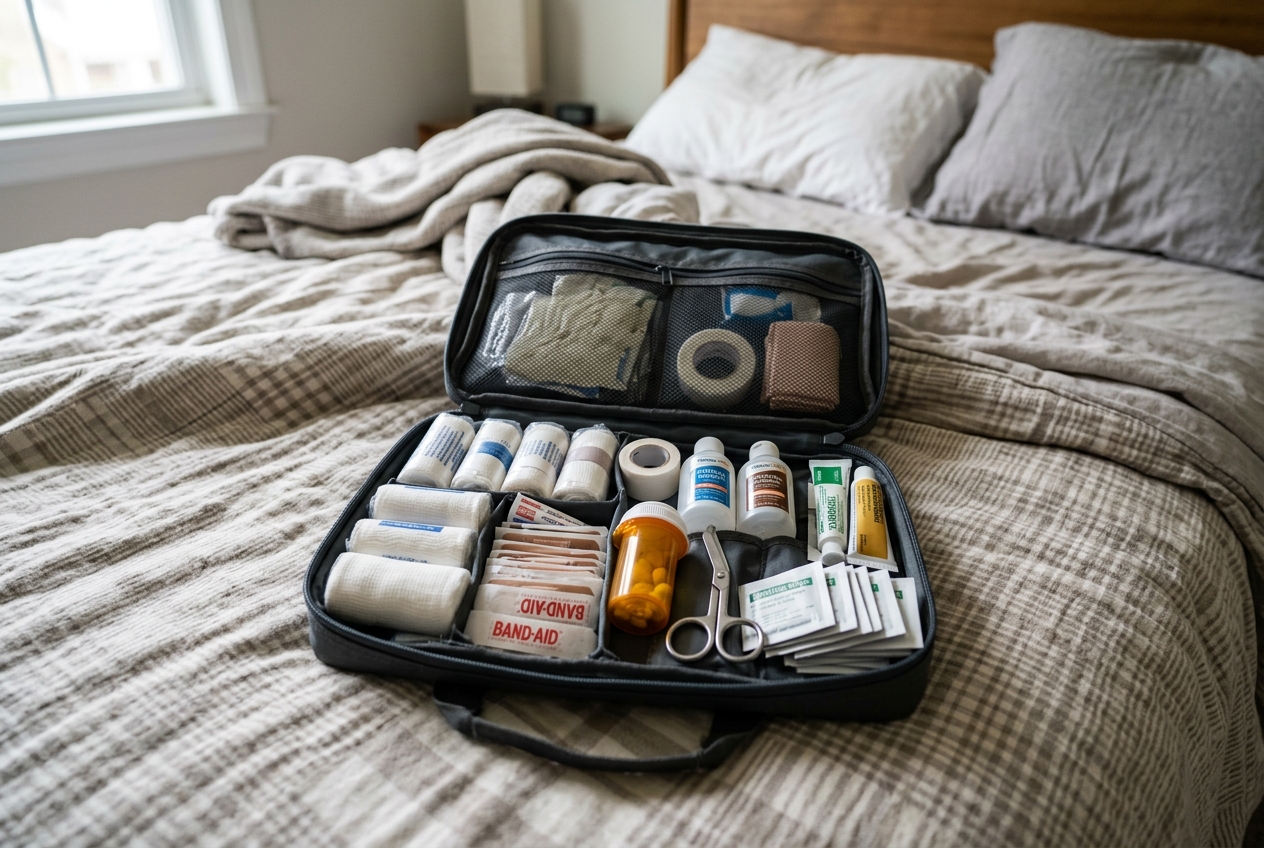
After a hurricane, help may not come fast. Roads can flood. Power lines can fall. Ambulances may take hours or even days to reach you. That is why your hurricane kit needs good first aid supplies. You may have to treat small injuries yourself and wait out the storm.
Start with the basics for wound care. You want to clean cuts and cover them fast so they do not get infected. Here is what to pack:
- Bandages in many sizes
- Sterile gauze pads and medical tape
- Antiseptic wipes or wound cleaning solution
- Antibiotic ointment
- Tweezers for splinters or glass
- Scissors to cut tape or clothing
- Nitrile gloves to keep hands clean
A pre-made first aid kit is an easy way to cover a lot of these items at once. The Ready America 72 Hour Emergency Kit comes with a 33-piece first aid kit inside. It has bandages, wound cleaning supplies, and nitrile gloves. It also packs food bars, water pouches, survival blankets, dust masks, and ponchos for two people. That makes it a solid starting point that you can add to later.

Prescription Medicine
Do not forget your daily medicine. Pharmacies may be closed for days after a storm. Try to keep at least a two week supply of any prescription drugs. Ask your doctor if you can get an extra refill for emergencies. Keep the medicine in its original bottle so you know the name and dose. Write down the drug name, the dose, and your doctor’s phone number. Put that list in a zip bag to keep it dry.
If anyone in your home needs special gear, pack it too. This can include an inhaler, an EpiPen, insulin, or diabetic supplies. Some medicine needs to stay cool. Have a cooler and ice packs ready if the power goes out.
Over-the-Counter Items
Add some common drugstore items to your kit. These help with pain, fever, and stomach trouble.
- Pain reliever like acetaminophen or ibuprofen
- Antacids
- Anti-diarrhea medicine
- Allergy pills
- Any vitamins you take daily
Sanitation Supplies
Clean hands stop the spread of germs. After a storm, clean water may be hard to find. That makes sanitation even more important.
- Hand sanitizer
- Wet wipes
- Toilet paper
- Soap
- Trash bags for waste
- Feminine hygiene products
- Diapers if you have a baby
Think About Your Whole Family
Every family is different. Look at who lives in your home. Do you have older adults, a baby, or a pet? Each one may need special care items. Make a list for each person. Then check your kit once a year. Toss out any medicine or supplies that have expired and put in fresh ones.
Light, Power, and NOAA Weather Alerts
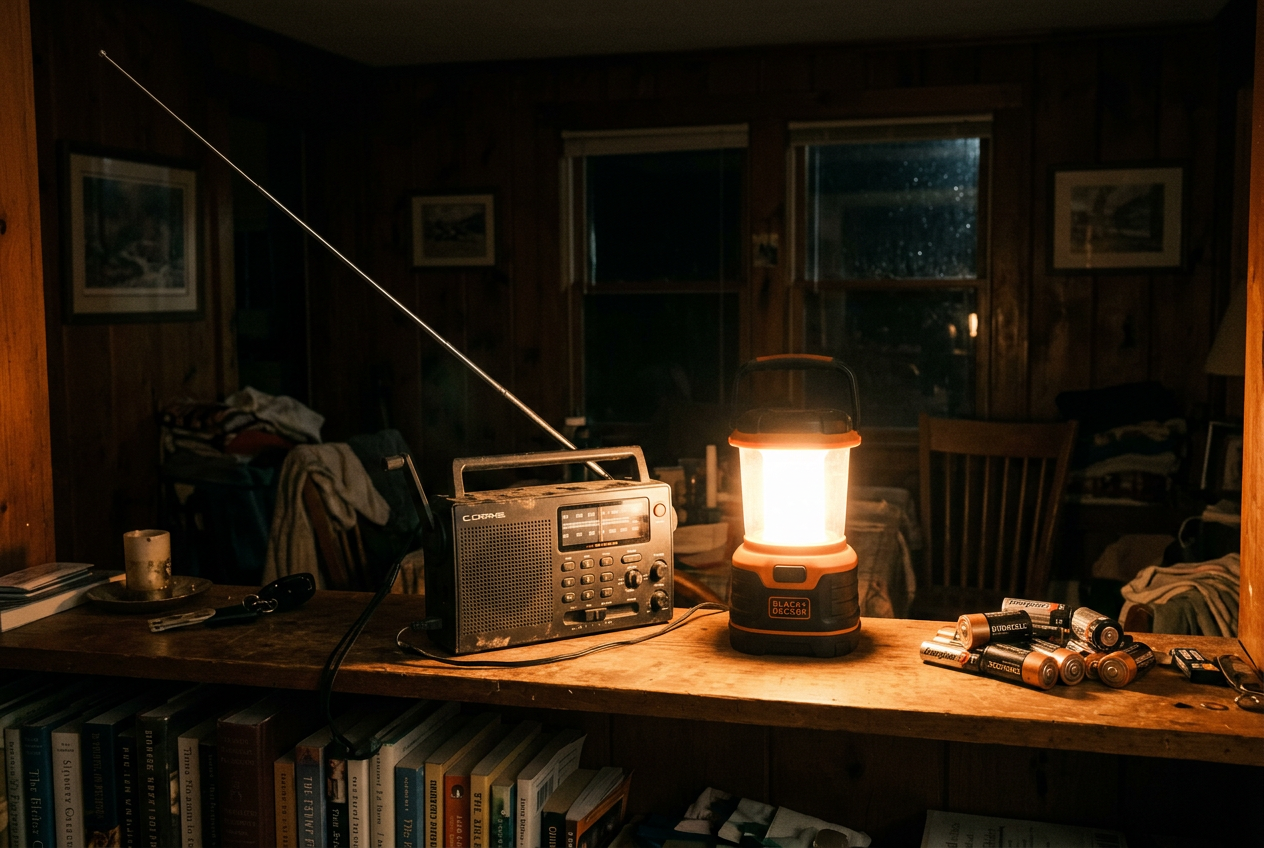
When a hurricane hits, the power often goes out first. It can stay off for days or even weeks. Cell towers can fail. Internet can drop. You need your own light, your own power, and your own way to get news. This is one of the most important parts of your hurricane kit.
Light for the Dark Hours
You need light you can trust. A flashlight or a lantern lets you move around safely at night. It helps you check on family, find supplies, and stay calm.
Battery lanterns are a good choice. They light up a whole room. Headlamps are also handy because they keep your hands free. Keep candles as a backup only. Open flames are risky in a home full of people and pets.
Pack plenty of extra batteries. Store them in a dry spot. Better yet, choose gear that also runs on a hand crank. That way you never fully run out of power.
Power That Does Not Depend on the Grid
The whole point of hurricane gear is that it works when the grid is down. So skip anything that only plugs into a wall.
Look for battery power and hand-crank power. A hand crank lets you make your own power by turning a handle. It is slow, but it always works. Some devices also have small solar panels. Solar is nice on sunny days, but you cannot count on sun right after a storm. A hand crank is the surest backup.
A power bank is smart too. Charge it before the storm. Use it to keep a phone alive. Even with no cell service, a charged phone can store maps, contacts, and notes.
NOAA Weather Alerts
The most important tool may be a NOAA weather radio. NOAA stands for the National Oceanic and Atmospheric Administration. They send out weather alerts all day and night.
When your phone and internet go dark, a NOAA radio still works. It tells you where the storm is going. It warns you about floods, tornadoes, and orders to leave. This news can keep you safe.
Pick a radio that runs on batteries or a hand crank. Many combo units include a radio, a light, and a phone charger all in one. That saves space in your kit.
A Kit That Covers the Basics
If you want light, power, and weather alerts in one bundle, a pre-packed kit is worth a look. The Sirius Survival kit includes a hurricane lantern and a weather radio, plus food and other supplies for two people. Everything comes in a waterproof bag, so your gear stays dry and ready.

A kit like this is a good starting point. You can always add extra batteries, a power bank, and a spare flashlight to make it stronger.
Pre-Packed Hurricane Kits vs. Building Your Own
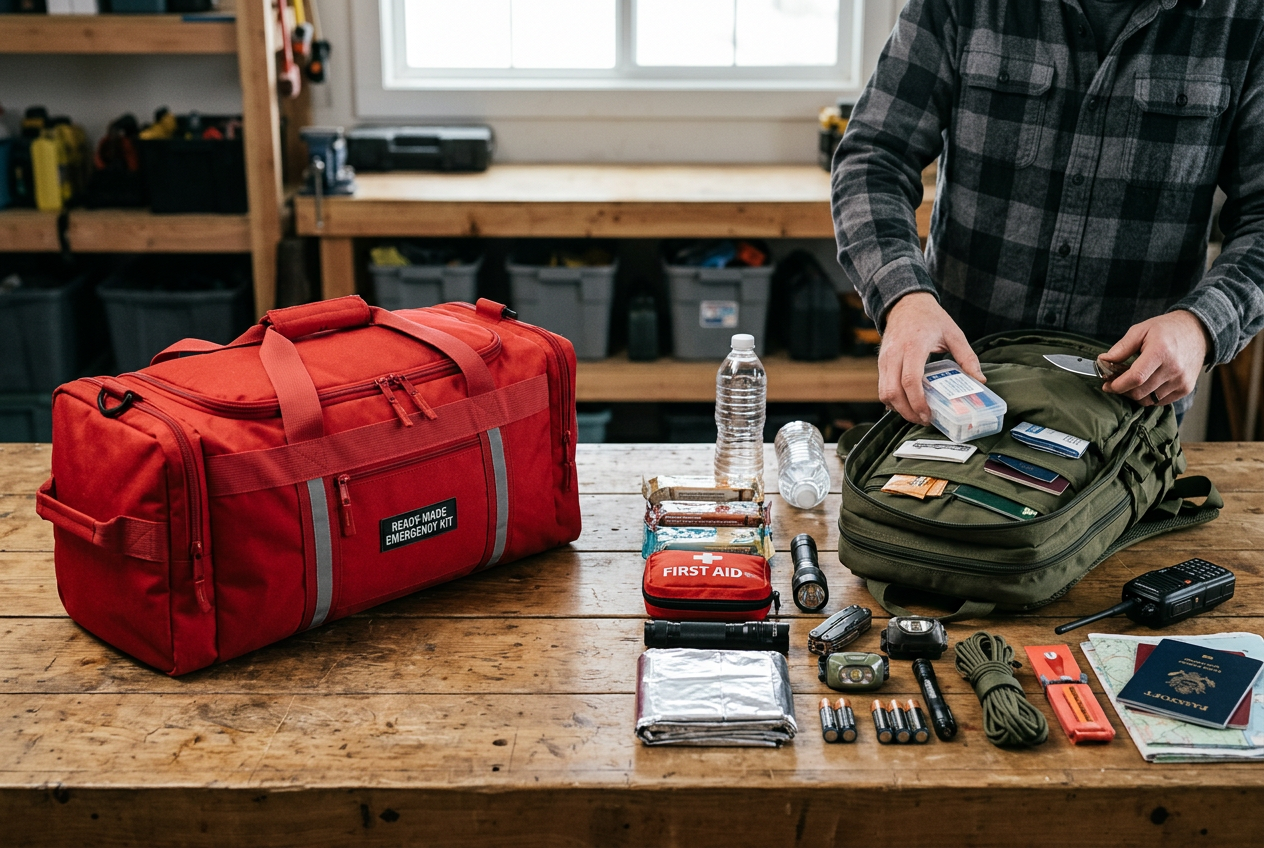
You have two main ways to get a hurricane kit ready. You can buy one that comes packed and ready to go. Or you can build your own from scratch. Both work. The right choice depends on your time, your budget, and your needs.
When a Pre-Packed Kit Makes Sense
A pre-packed kit saves you time. Someone else did the shopping and packing for you. Most come in a bag you can grab and carry fast. That helps when a storm is close and you have little time left.
Pre-packed kits are great if you feel unsure about what to buy. They give you a solid base. You can still add your own items later, like extra water or your own medicine.
The Emergency Survival Kit for Hurricane, Storm, Tornado is one option. It is hand-assembled in New England by a real person. Each kit is checked by hand before it ships. It works well as backup supplies when weather catches you off guard.

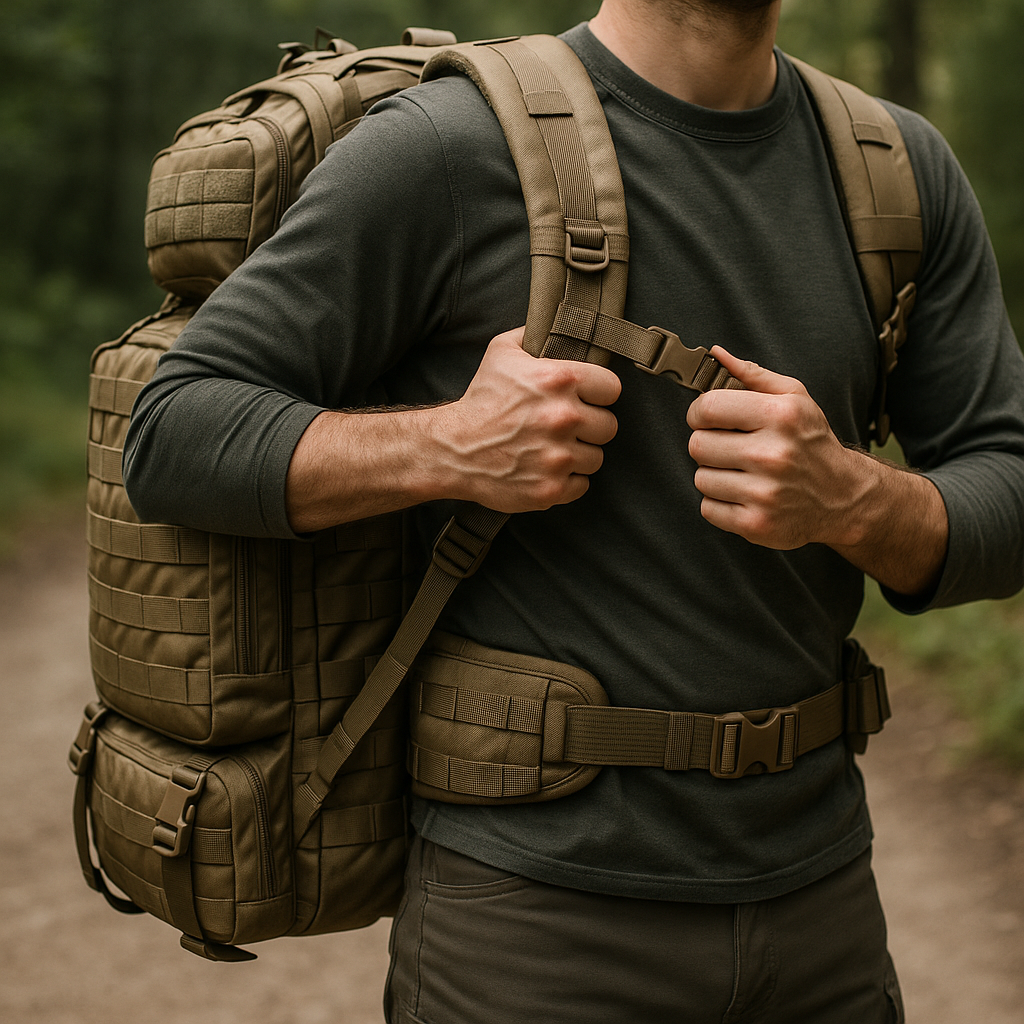
For families, the First My Family All-in-One 4 Person kit covers four people for 72 hours. It packs food, water rations, an 85-piece first-aid kit, and shelter items in a black backpack. It meets or beats Red Cross guidelines for preparedness.

When Building Your Own Makes Sense
Building your own kit gives you full control. You pick every item. You can match the kit to your family size, your health needs, and your pets.
This path can cost less if you already own some gear. You can buy things a bit at a time. But it takes more work. You have to plan, shop, and pack it all yourself. It is easy to forget something. Use the checklist in this guide so you do not miss key items.
Many people do both. They start with a pre-packed kit. Then they add their own supplies to fill the gaps.
Compare the Pre-Packed Kits
Here is a quick look at the two kits covered in this guide.
The Bottom Line
Pick a pre-packed kit if you want speed and less hassle. Build your own if you want full control and time to shop. Either way, the goal is the same. You want supplies ready before the storm arrives, not after.
Hurricane Kit Action Checklist
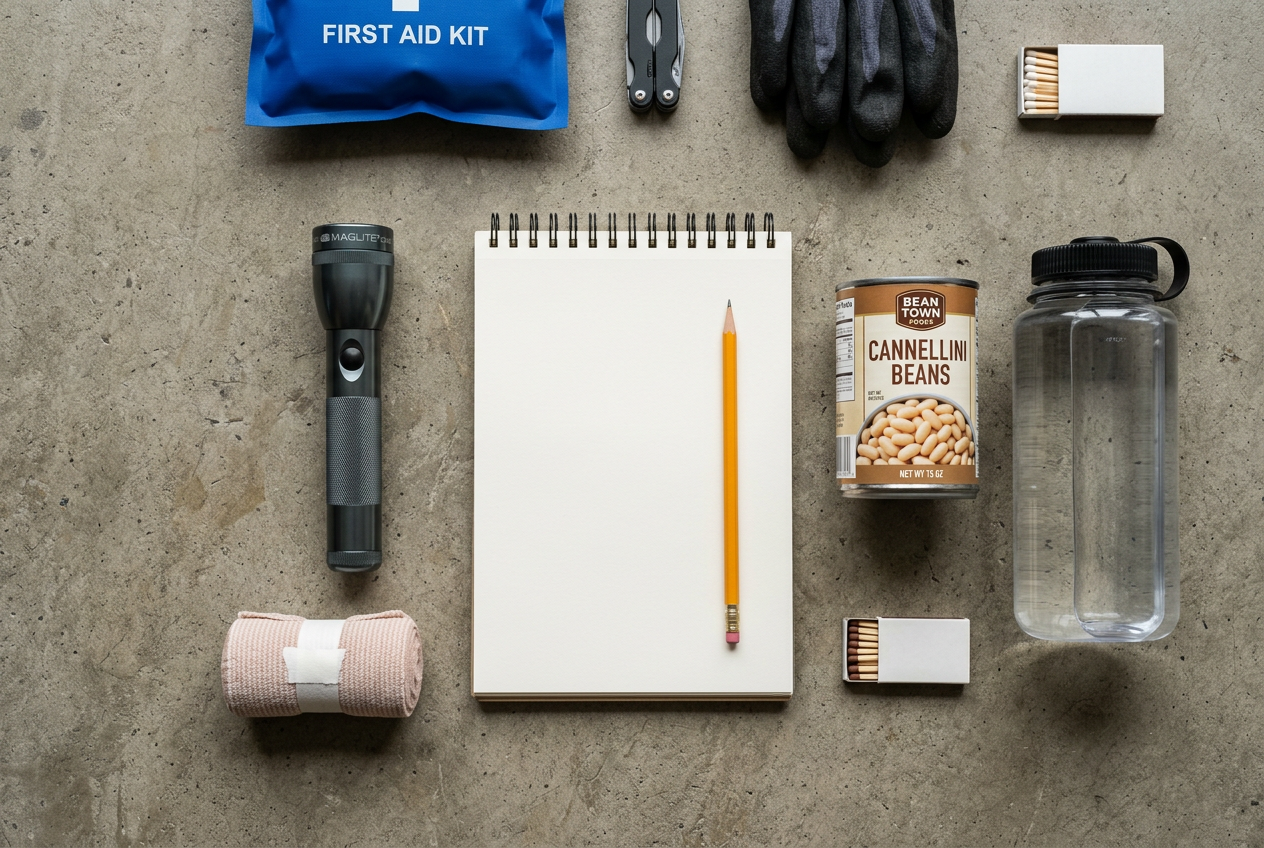
Use this checklist to build your kit step by step. Work through one category at a time. Check off each item as you pack it. Keep this list in your kit so you can refresh it each year.
Step 1: Water
- Store one gallon per person per day.
- Plan for at least three days. A week is better.
- Add water treatment tablets or drops as backup.
- Write a refill date on each container.
Step 2: Food and Cooking
- Pack three days of no-cook food per person.
- Include high-calorie food bars with a long shelf life.
- Add a manual can opener.
- Toss in plates, cups, and utensils.
Step 3: Shelter and Warmth
- Pack an emergency tent or bivy for each pair of people.
- Add survival blankets to hold in heat.
- Include ponchos to stay dry.
- Keep a change of clothes in a waterproof bag.
Step 4: First Aid and Medicine
- Pack a stocked first aid kit.
- Add a week of any prescriptions.
- Include pain relievers and any daily meds.
- Add gloves, a mask, and hand sanitizer.
Step 5: Light, Power, and Alerts
- Pack flashlights and spare batteries.
- Add a NOAA weather radio.
- Include a power bank for your phone.
- Keep a whistle to signal for help.
Step 6: Documents and Cash
- Copy your ID, insurance, and medical papers.
- Seal copies in a waterproof bag.
- Keep some small bills on hand.
Maintain Your Kit
A kit is not “set it and forget it.” Food, water, and batteries all go bad over time. Check your kit twice a year. Many people pick the start and end of hurricane season. Swap out anything that is close to expiring. Use the table below to know when to check each item.
Buy or Build
If building from scratch feels like too much, start with a pre-packed kit. Something like the 2 Person Hurricane Survival Kit covers many of these boxes for two people. You can add water, meds, and personal items on top. Either way, get your kit ready before a storm is on the way. Stores sell out fast when a hurricane is close.
Frequently Asked Questions
How much water should I store for a hurricane?
Store one gallon of water per person per day. Plan for at least three days. That means a family of four needs 12 gallons for 72 hours. A week is even safer if you have room. Do not forget water for pets. If you take medicine or live in a hot climate, add more.
Many pre-packed kits come with water pouches and treatment tablets. These help, but they are not enough on their own. The 2 Person Hurricane Survival Kit includes six water pouches and treatment tablets that make dirty water safe to drink. Use kit water as backup, not your main supply.
How long do hurricane kit supplies last?
Food bars and water pouches in most kits have a 5-year shelf life. Check the date once a year and swap out old items. First aid supplies, batteries, and medicine can expire sooner. Batteries lose power over time, so store spares and check them each season.
Write the date on your kit when you build or buy it. Set a phone reminder to check it every spring before hurricane season starts.
Where should I keep my hurricane kit?
Keep your kit where you can grab it fast. A hall closet, garage shelf, or spot near the front door all work. Pick a place that stays dry and cool. Heat can ruin food and shorten battery life.
Store it in a waterproof bag or bin. Flooding is a real risk during storms. A kit like the Sirius Survival Pre-Packed Hurricane Kit comes in a waterproof bag for this reason. If you may need to leave home, make sure the kit is light enough to carry.
How is a hurricane kit different from a bug out bag?
A hurricane kit and a bug out bag are close cousins. Both hold food, water, first aid, and shelter. The main difference is how you plan to use them.
A hurricane kit often stays at home. You use it to ride out the storm and the days after. A bug out bag is built to grab and go if you must leave fast. Many kits work for both jobs. The First My Family 4 Person Kit comes in a backpack, so you can stay put or take it with you.
How much time do I have before a storm hits?
Less than you think. Storms can speed up or shift course. You may have only 48 hours from warning to landfall. Stores sell out of water, batteries, and food fast once a warning goes up.
Do not wait for the forecast. Build or buy your kit now, before the season starts. Then you only need to top off fresh items when a storm is on the way.
Next Steps: Get Your Kit Ready Before the Season
You now know what goes into a good hurricane kit. The last step is the most important one. Take action before a storm shows up on the map. Stores sell out fast when a hurricane is coming. Roads close. Power goes down. The best time to prepare is when the weather is calm and there is no pressure.
Start With the Basics
If you have to pick where to begin, start with the items that keep you alive. Water comes first. Store one gallon per person per day. Aim for at least three days, and more if you can. Food is next. Choose items that need no cooking and last a long time. After that comes shelter, first aid, and a way to hear NOAA weather alerts. Get these five things in place, then build up from there.
Keep your kit in one spot. Use a bag or bin you can grab fast. Check it twice a year. Swap out old water, expired food, and dead batteries. A kit only helps if the gear inside still works.
Build Your Own or Grab a Pre-Packed Kit
You have two good paths. You can build your kit piece by piece. This lets you match your family’s needs. Or you can start with a pre-packed kit and add to it. A ready-made kit saves time and covers the basics fast.
If you want a strong starting point, a kit like the First My Family 4 Person 72 Hour kit covers food, water, first aid, and shelter for a family. For a hurricane-specific option, the 2 Person Hurricane Survival Kit includes water pouches, treatment tablets, and an AM/FM/WB radio for NOAA alerts. Either one gives you a base you can grow over time.
Plan for Your Whole Family
Gear is only half the job. Your family needs a plan too. Talk about where you will meet if you get split up. Pick someone out of town everyone can call. Write down key phone numbers on paper in case your phone dies. Make sure each person knows where the kit is and how to use what is inside.
Think about the people and pets who depend on you. Babies need diapers and formula. Older family members may need extra medicine. Pets need food and water too. Add these items now so you are not scrambling later.
Don’t Wait for the Warning
El Niño years can push storms closer to the coast with little warning. You may get as little as 48 hours to get ready. That is not much time. The families who ride out storms best are the ones who prepared early.
Read our full hurricane preparedness guide and our family emergency planning guide next. Then build or upgrade your kit today, before the next storm forms.