Ready
Ready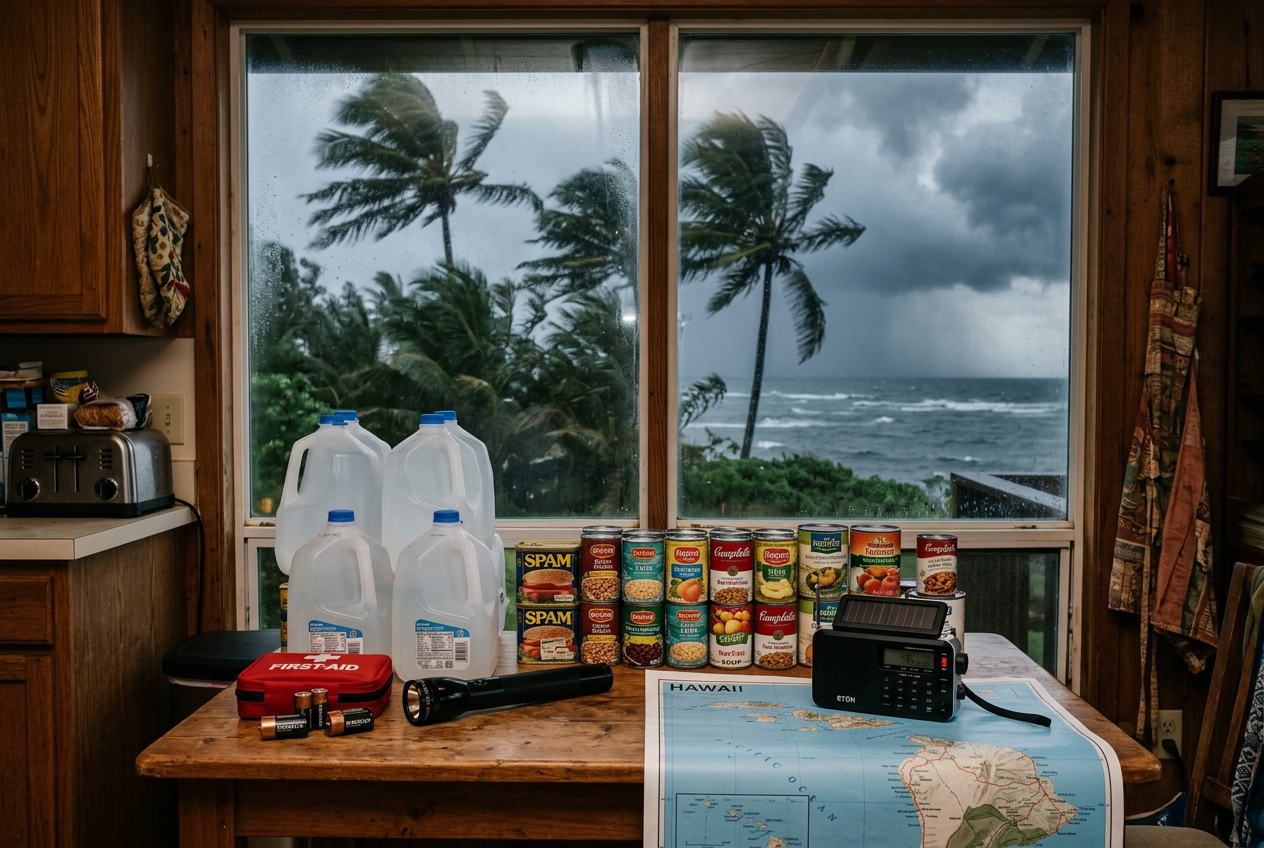
Tropical Storm Nolo Approaches Hawaii: A Household Checklist Before the Storm Arrives (2026)
Tropical Storm Nolo has formed, and it is tracking toward Hawaii. A hurricane watch is now in effect for the islands. Forecasters warn of heavy rain, flooding, and strong winds. Some rainfall totals could reach 15 to 30 inches, with even higher amounts in spots. That much rain can cause dangerous, life-threatening flooding.
This is not the time to wait and see. The hours before a storm are when you get things done. This article is a fast, do-it-today checklist. It focuses on the steps that matter most right now, before Nolo arrives.
Hawaii faces a special challenge. The islands depend on shipments from far away. When a storm hits, those supply lines can break down fast. Store shelves empty quickly. Local officials suggest keeping at least 14 days of food, water, and other essentials on hand per person. That is why stocking up early matters so much here.
Here is what you will find below. You will learn how to check your evacuation zone and listen for official orders. You will see how to store water before your taps are affected. You will get simple tips for food, power outages, lighting, and securing your home. You will also learn how to build a go-bag.
Let’s get started. Act today, and you will feel more ready when the storm comes.
- Store at least 1 gallon of water per person per day for a minimum of 3 days.
- Keep 3 days of nonperishable food and a working first aid kit ready to go.
- Have battery powered lights and flashlights so you can see during power outages.
- Fill your bathtub with clean water before the storm to cover washing and flushing needs.
- Pack a grab and go bag with essentials for every person in your household.



Reviewed by Marcus T., Elena V. & James W. — contributors with hands-on preparedness experience. How we test
Getting ready for Nolo means grabbing a few key supplies now, before store shelves empty. Read on to learn why each one belongs in your home.

waterBOB Bathtub Water Bladder
This food grade liner turns your bathtub into clean water storage holding up to 100 gallons. It keeps drinking and washing water safe when the taps stop working.
Check Price on Amazon
Lichamp LED Lantern 4 Pack
These bright collapsible lanterns give you 360 degree light during power outages. Having four means every room and every family member stays lit.
Check Price on Amazon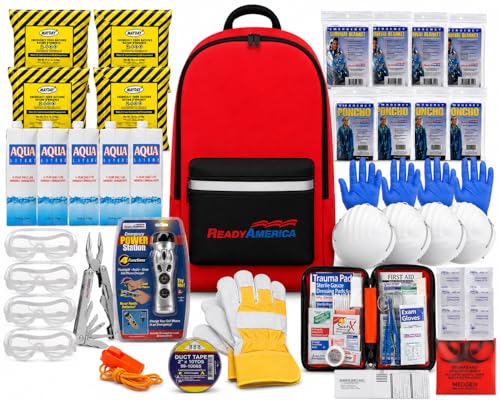
Ready America 72 Hour Kit
This backpack supports four people for three days with food, water, first aid, and shelter. It is a ready made go bag you can grab fast if you need to move.
Check Price on AmazonIn this guide
Why Trust This Guide?
This article was researched and reviewed by contributors with hands-on experience in emergency preparedness. They have tested gear, built real systems, and lived through situations where these skills actually mattered.
Know Your Evacuation Zone and Listen for Official Orders
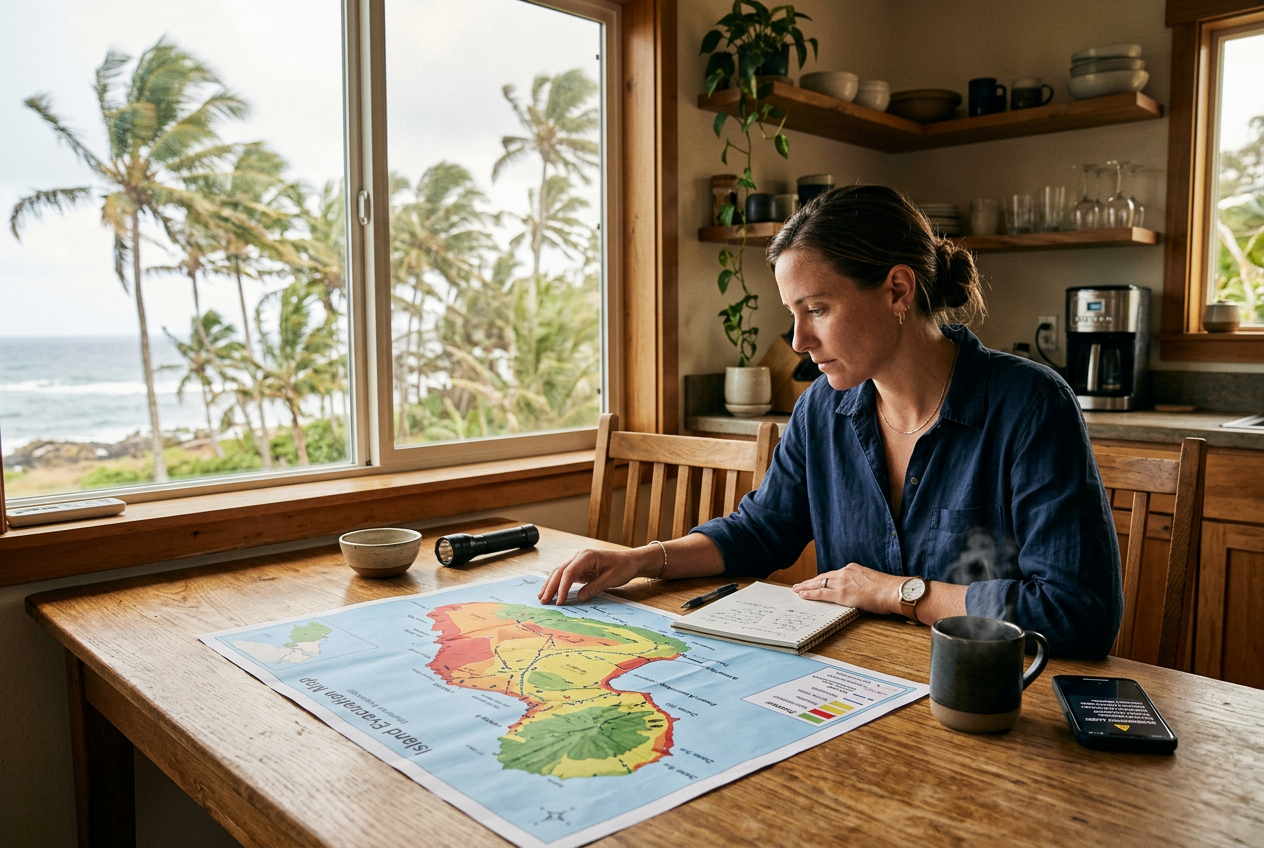
Before you do anything else, find out if you live in an evacuation zone. This is the single most important step. Water and supplies matter, but knowing when to leave can save your life.
Find Your Zone Right Now
Hawaii breaks each island into evacuation zones. Your zone tells you if you may need to leave your home during a storm. Officials use these zones to give clear orders about who should move and when.
To find your zone, visit the Hawai’i Emergency Management Agency website. You can also check your county emergency page. Maui County reminds residents to know their evacuation zone if they live in a risk area. Look up your address, write down your zone, and share it with your family. Do this today, not when the wind starts.
While you are online, find your nearest shelter. Shelters can fill up or change based on the storm. Note more than one option in case your first choice is closed.
Southeast Hawai’i Island Residents
Officials gave a specific warning for people in southeast Hawai’i Island. They were told to consider evacuating to a safer shelter. If you live in that area, take this seriously. Do not wait to see how bad things get. Roads can flood and become unsafe fast.
If you plan to leave, go early. Leaving before the storm arrives is much safer than trying to escape during heavy rain and wind. Nolo could bring very heavy rainfall and life threatening flooding, so give yourself extra time.
Sign Up for Official Alerts
You need real information, not rumors. Sign up for alerts from Hawaii emergency agencies so you get updates on your phone. Many counties offer text or email alert systems. You can find the sign up link on your county emergency management website.
Also keep other ways to get news:
- Turn on Wireless Emergency Alerts on your phone. These come automatically for serious warnings.
- Keep a battery or hand crank radio ready in case power and cell service go down.
- Follow your county and the Hawai’i Emergency Management Agency on their official pages.
Follow the Orders You Get
When officials tell you to evacuate, do it. When they say shelter in place, stay put. These orders come from people watching the storm closely. Guessing on your own is risky.
Check on your neighbors too. Hawai’i County asks residents to check in with people who may have trouble moving, like older adults or those with mobility needs. A quick knock on a door can make a big difference.
Know your zone. Watch for orders. Act fast when the word comes. That is how you keep your household safe as Nolo gets closer.
Store Enough Water Before Taps Are Compromised
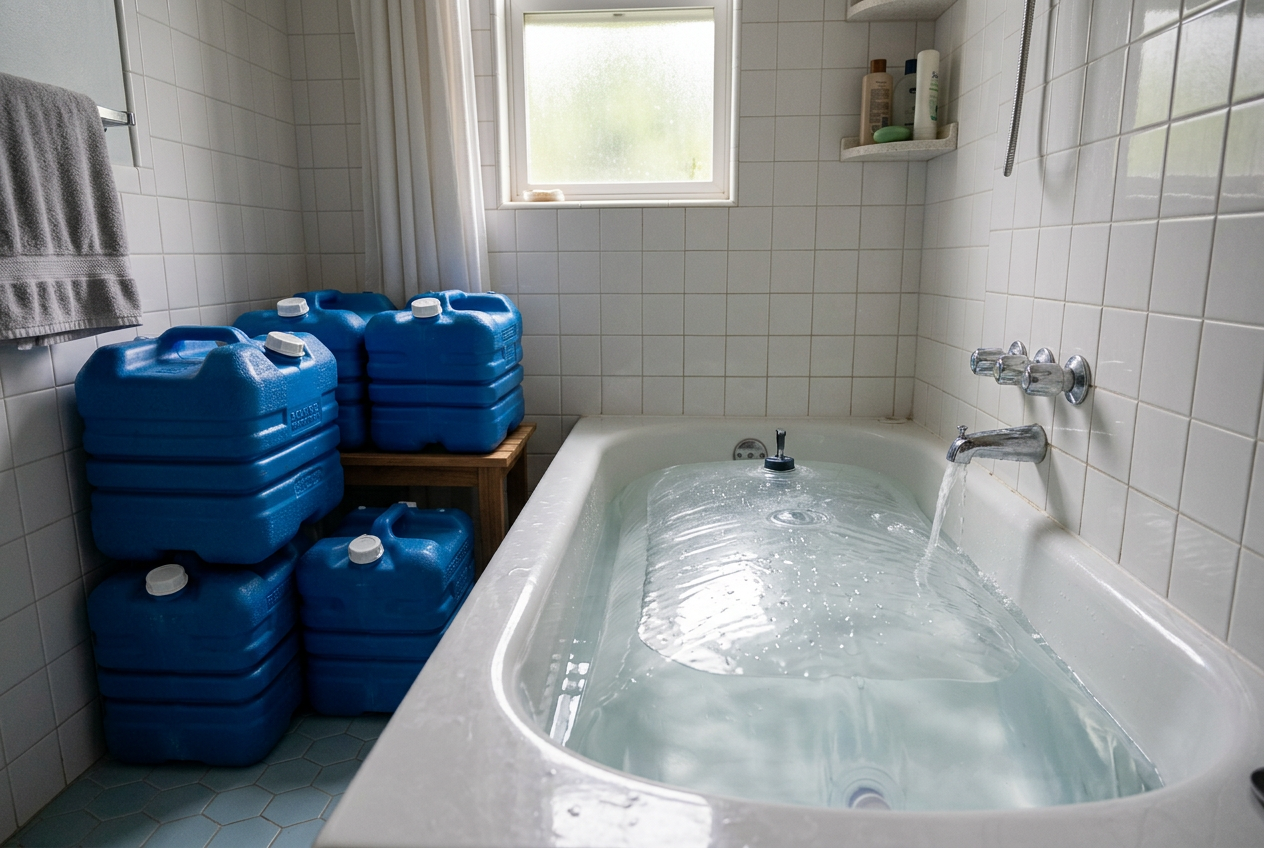
Storms can cut off or dirty your tap water. Nolo may bring 15 to 30 inches of rain, with some spots reaching 35 inches. That kind of flooding can damage water lines or contaminate the supply. So you need clean water stored before the storm hits.
How Much Water You Need
Use a simple rule. Store one gallon per person per day. That covers drinking and basic cooking. Hawaii Emergency Management recommends supplies for at least two weeks per person. For a family of four, two weeks means about 56 gallons. That sounds like a lot. But you can reach it fast with the right containers.
Fill Your Bathtub for Large Backup
Your bathtub can hold a big backup supply. But an open tub picks up soap, dirt, and debris. A bathtub bladder fixes that. It is a food-grade liner that fits inside your tub. You fill it from the faucet and it seals the water clean.
The waterBOB holds up to 100 gallons. It comes with a hand pump so you can draw water out easily. Fill it before the storm arrives, while your taps still work.
The AquaPod Kit works the same way. It also holds up to 100 gallons and uses BPA-free, food-grade material. Both turn a tub you already own into a large water tank. Pick one, place it before Nolo arrives, and fill it early.

Add Portable Jugs You Can Move
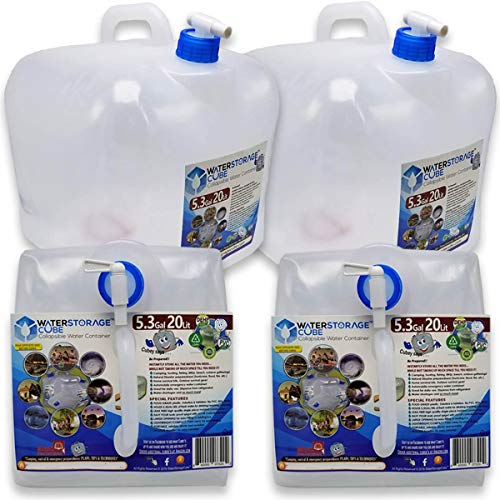
Bathtub water stays in the bathroom. You also want water you can carry. Collapsible jugs solve this. They fold flat for storage and pop open when you fill them. A spigot lets you pour without spilling.
The WaterStorageCube comes in a two-pack. Each jug holds about 5.3 gallons. They are light and easy to hold. You can keep some in the kitchen, some near your go-bag, and refill them as needed.
Compare Your Water Options
Do This Now
Fill your bathtub bladder and any jugs while the taps still flow. Also fill clean pots, pitchers, and bottles you already have. Every container helps. Do not wait until the storm is close. Water pressure can drop or stop with little warning. The goal is simple. Have clean water ready before you need it.
Stock Food and Supplies for a Longer Disruption
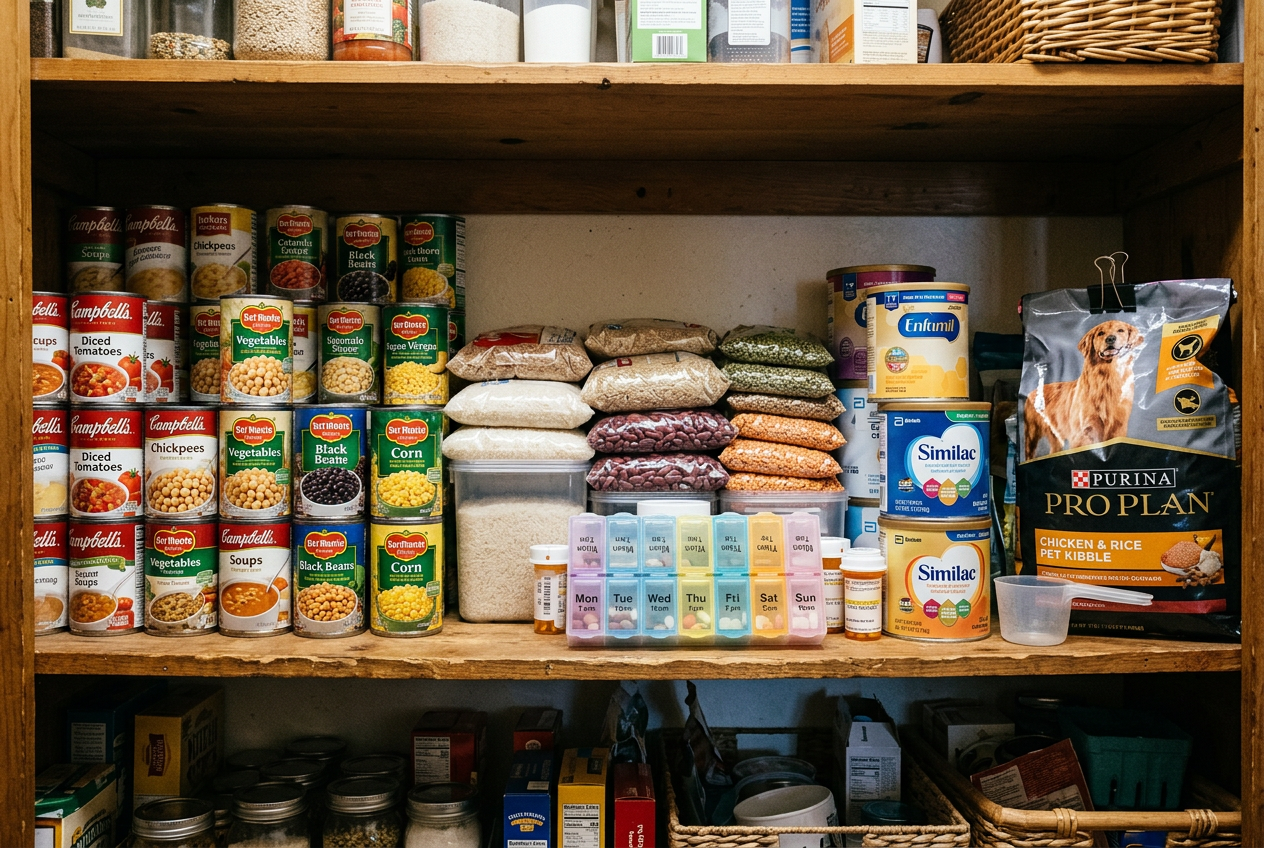
Hawaii is different from the mainland. Food, medicine, and other supplies arrive by ship and plane. A storm like Nolo can slow or stop those deliveries. Store shelves can empty fast. That is why Maui County officials and the Hawaii Emergency Management Agency recommend at least two weeks of food, water, and medications for each person.
Do not panic buy or hoard. Just build a steady supply now, while stores are still open.
Focus on food that needs no cooking
Power may go out. Your stove and fridge may not work. Choose food that is ready to eat or needs no cooking and no refrigeration. Good picks include:
- Canned meats, beans, soups, and vegetables
- Canned fruit and peanut butter
- Crackers, granola bars, and dry cereal
- Shelf-stable milk and juice boxes
- Nuts, dried fruit, and trail mix
Pick foods your family already likes. Buy a manual can opener too. An electric one will not work without power. Keep some paper plates and plastic utensils so you do not need to wash dishes.
Do not forget medications
Refill your prescriptions now if you can. Try to keep at least a two-week supply on hand. Also stock over-the-counter basics like pain relievers, allergy medicine, and any daily vitamins. If a family member needs medicine that must stay cold, ask your pharmacist how to keep it safe during a power outage.
Plan for babies and pets
Babies and pets cannot skip meals. Add these to your supply if they apply to you:
- Baby formula, baby food, and diapers
- Wipes and any special baby items
- Pet food for two weeks
- Extra water for your pets
- Any pet medicine
A ready-made kit can fill gaps
If you are short on time, a prepacked kit can cover some basics fast. Kits usually include emergency food bars and water made to last. They are not a full two-week supply on their own, but they help. See the table below to compare two options.

A few simple tips
Write the date on food you buy. Use older items first and replace them later. Store food in a cool, dry spot away from sunlight. Keep a small cooler and ice packs ready in case you need to save some cold food for a short time. Check in with neighbors, especially older adults or anyone with limited mobility, and make sure they have supplies too.
Prepare for Power Outages and Lighting
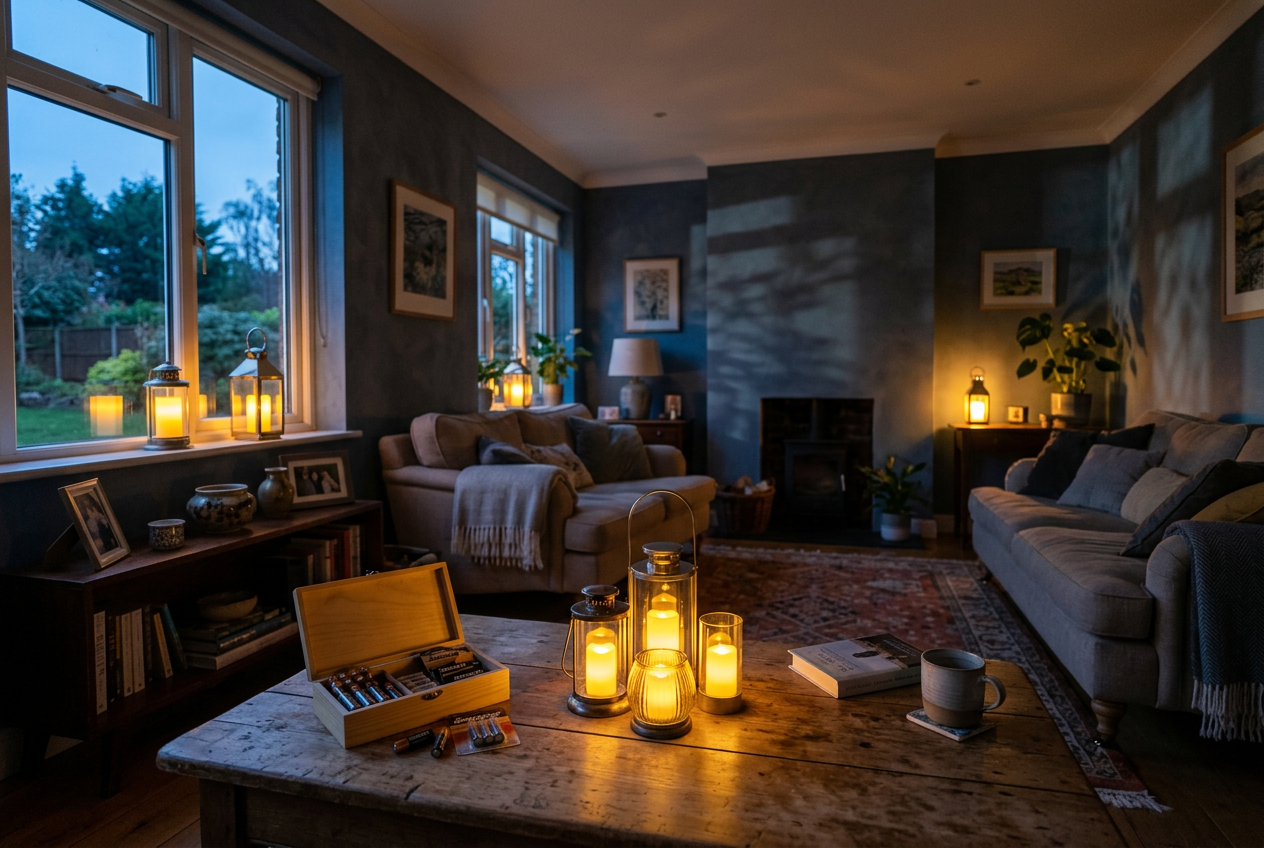
Hawaii Emergency Management officials warn people to prepare for power outages as Nolo moves in. Strong winds and heavy rain can knock out power for hours or even days. You need a plan for light before the storm arrives.
Skip the Candles, Use LED Lanterns
Candles feel simple, but they are risky indoors. An open flame can start a fire. It can tip over in the dark. Kids or pets can knock it down. During a storm, help may take longer to reach you. That is why flameless LED lanterns are the safer choice.
LED lanterns run on batteries. They give steady light with no flame and no smoke. Many stay cool to the touch. You can set them on a table, hang them from a hook, or carry them room to room. They are safe to use around children.
Put Lights in Every Room
Do not keep all your light in one spot. Spread lanterns across your home. Put one in the kitchen, one in each bedroom, and one in the bathroom. Keep a light near your bed so you can grab it fast if the power drops at night. Having a light in each room means no one walks through the dark.
A multi-pack makes this easy. The Lichamp set comes with four lanterns, so you can cover several rooms at once. Each one uses AA batteries and folds flat for storage. Pull up the handles to turn it on and set the brightness.
If you want fewer lights or a smaller home to cover, a two-pack works too. The Etekcity lanterns are dimmable and collapse down small. You can adjust how bright they get by raising or lowering the top.

For a light you can toss in a bag or keep by the bed, a compact single lantern is handy. The MalloMe folds down small and turns on when you pull it up. It uses AAA batteries.

Stock Spare Batteries Now
A lantern is useless with dead batteries. Check what size each one takes. Some use AA, and some use AAA. Buy extras of the right size before the storm. Store them in a cool, dry spot you can reach in the dark.
Test your lanterns today. Put fresh batteries in and make sure each one turns on. Do this before Nolo arrives, not after the power goes out. A quick check now means you will not be caught in the dark later.
Keep one lantern and a set of spare batteries near your go-bag so you can grab them fast if you need to leave.
Secure Your Property Against Wind and Flooding
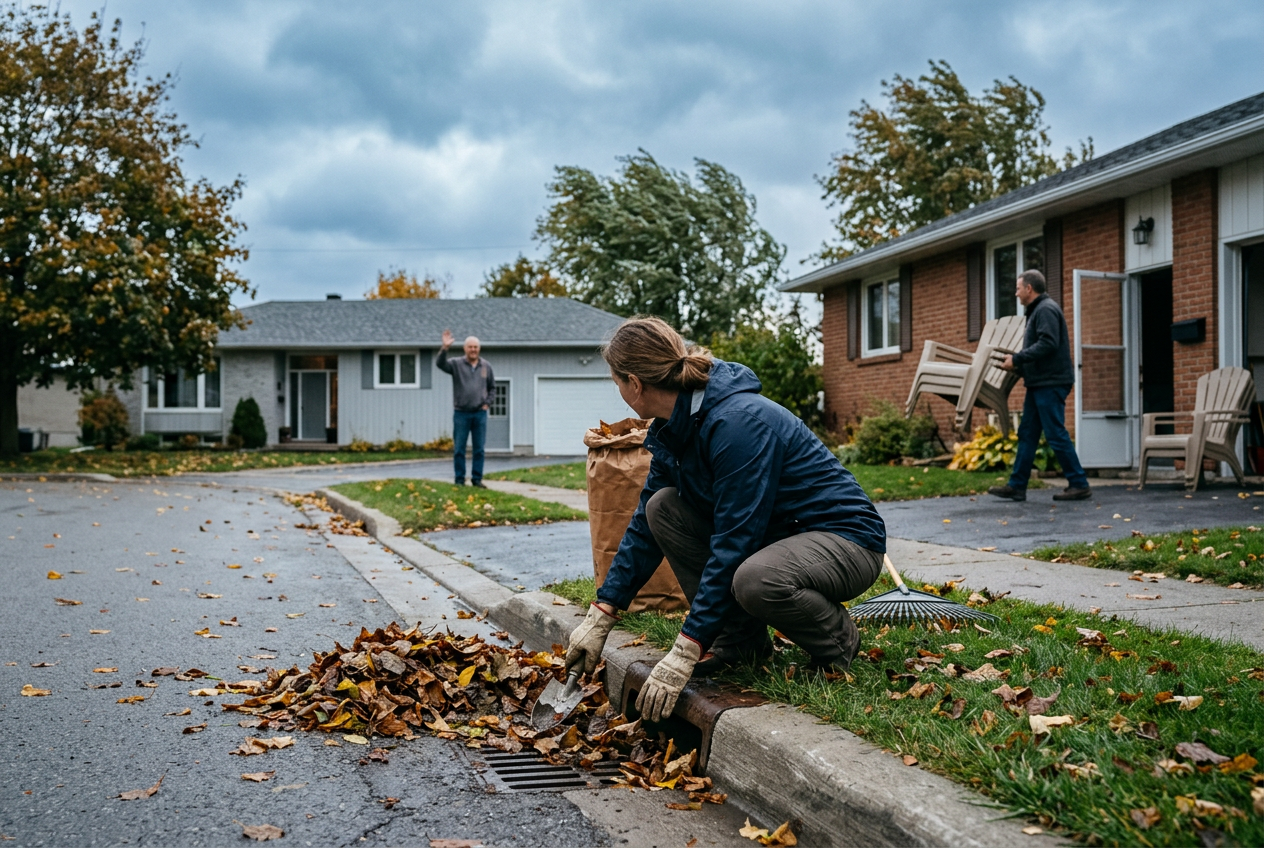
Nolo is expected to bring strong winds and heavy rain. Forecasters warn of rainfall totals of 15 to 30 inches, with some spots reaching 35 inches. That much rain can cause serious flooding. Wind can turn loose objects into flying hazards. You can lower your risk of damage right now. Most of these steps cost nothing.
Clear Drains and Remove Debris
Start outside. Look for anything that blocks water from draining away. Clear leaves, branches, and trash from gutters, storm drains, and ditches near your home. Blocked drainage makes flooding worse. Water backs up and pools where it should not. A few minutes of raking now can protect your home later. Move any debris to a safe spot where wind cannot pick it up.
Bring In or Tie Down Loose Items
Walk around your yard. Look for anything the wind can lift or throw. Bring these items indoors or into a garage or shed:
- Patio furniture and cushions
- Grills and propane tanks
- Potted plants and garden tools
- Trash cans and recycling bins
- Kids’ toys, bikes, and sports gear
- Umbrellas, flags, and decorations
If something is too big to move, tie it down or anchor it. Loose objects can break windows or hurt people during high winds. Clearing your yard is one of the fastest ways to reduce damage.
Protect Your Windows
Windows are weak points during a storm. Flying debris can shatter glass. Broken windows let wind and rain into your home. If you have storm shutters, close them. If you have plywood cut to fit, put it up before the storm arrives. Do this while it is still safe to be outside.
If you do not have shutters or plywood, close and lock all windows. Move furniture and valuables away from windows. Close curtains or blinds. This can help hold back broken glass if a window fails. Stay away from windows once the wind picks up.
Move Belongings to Higher Ground
If flooding is a risk in your area, move important items up high. Put documents, electronics, and keepsakes on upper shelves or higher floors. Lift furniture off the floor if you can. This gives you a better chance of keeping them dry.
Check On Your Neighbors
Preparing is not just about your own home. Check in with the people around you. Some neighbors may need extra help. This includes older adults, people with disabilities, and anyone with mobility challenges. They may not be able to clear debris or bring in heavy items on their own.
A quick knock on the door can make a big difference. Ask if they have water, food, and a plan. Offer to help them secure their property or reach a safer place. Working together makes your whole neighborhood safer before Nolo arrives.
Build or Grab a Ready-Made Go-Bag
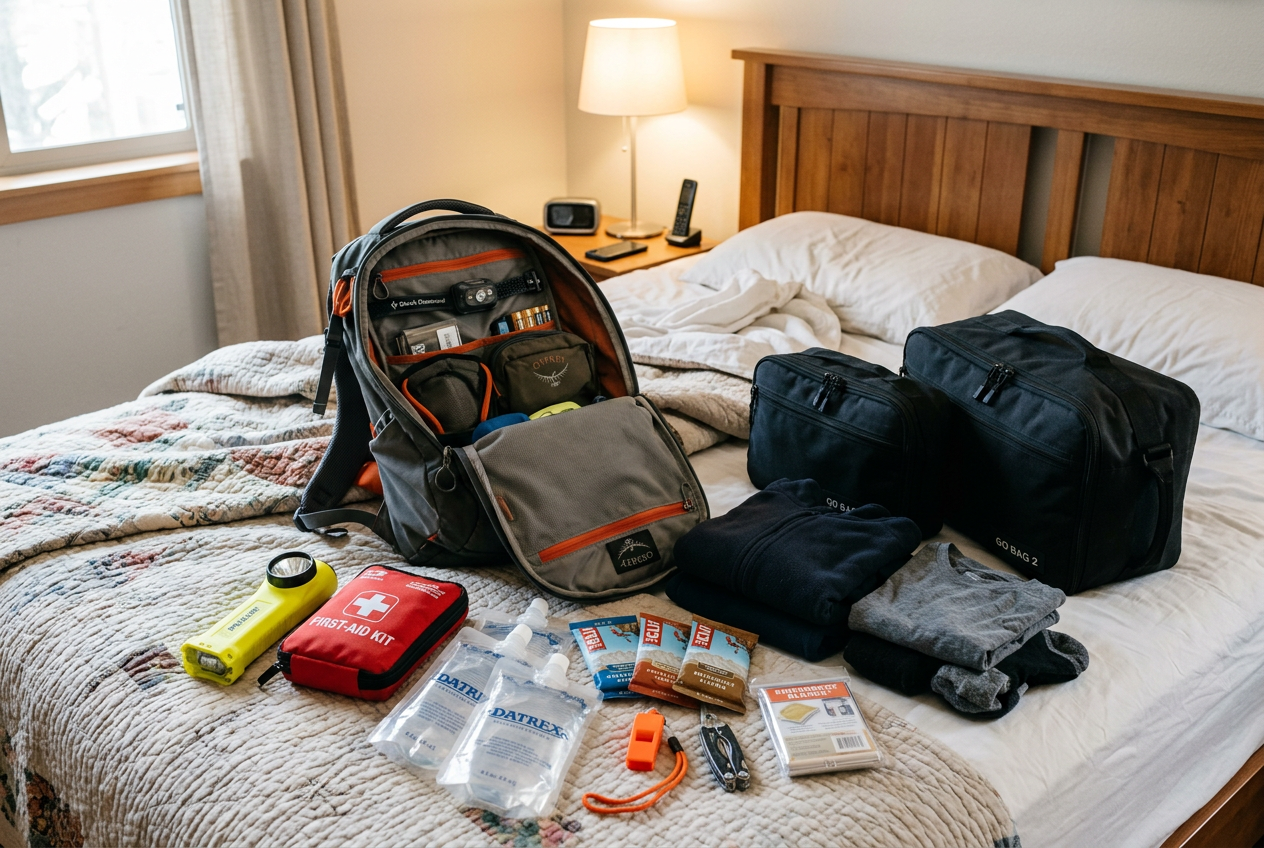
If officials tell you to leave, you may have very little time. A go-bag is a packed backpack you can grab and carry out the door. It holds the things you need for a few days away from home. Having one ready means you will not waste time searching for supplies while a storm bears down.
What Belongs in a Go-Bag
Pack these basics for each person:
- Drinking water and easy food that needs no cooking.
- A first aid kit and any daily medications.
- A flashlight or lightsticks, plus extra batteries.
- Copies of important papers, like ID and insurance, in a waterproof bag.
- A whistle to signal for help.
- A poncho or rain gear, and a blanket for warmth.
- Basic hygiene items and gloves.
Maui County officials say to know your evacuation zone and secure important documents before a storm. Keep your go-bag near the door so you can grab it fast.
If You Did Not Pre-Build One
Store shelves empty quickly before a storm. If you did not build a kit yet, an all-in-one family kit is a smart shortcut. These come packed and ready. Below are two options that support a four-person household. Compare them on what fits your family and where you plan to shelter.
The Ready America 72 Hour Deluxe kit is built for four people for up to three days. It packs food and water together in one backpack. It includes four 2,400-calorie food bars and four 1-liter water cartons. You also get survival blankets, ponchos, and lightsticks for outages or evacuation. The first aid side is strong. It has a 107-piece first aid kit, safety goggles, nitrile gloves, leather work gloves, biohazard bags, and an emergency whistle. If you want a kit with more first aid and safety gear, this one covers a lot.
The Family Emergency Kit is also built for four people. Its main strength is size and shelf life. The backpack measures 19 by 15 by 10 inches, so it is compact and easy to carry. The food and water rations are US Coast Guard approved and have a 5-year shelf life. The food bars need no extra water and no reheating. They are made to not make you thirsty. If storage space is tight or you want a longer shelf life before you rotate supplies, this kit fits that need.
Both kits are starting points, not a full plan. Hawaii officials urge two weeks of supplies per person, and a three-day kit does not meet that. Add your own extras. Include more water, personal medications, phone chargers, and items for babies or pets. Check the food and water dates when you get the kit, and note when to replace them.
Grab or build your go-bag now. Do not wait until Nolo is close.
Comparison Table: Water, Lighting, and Go-Bag Picks
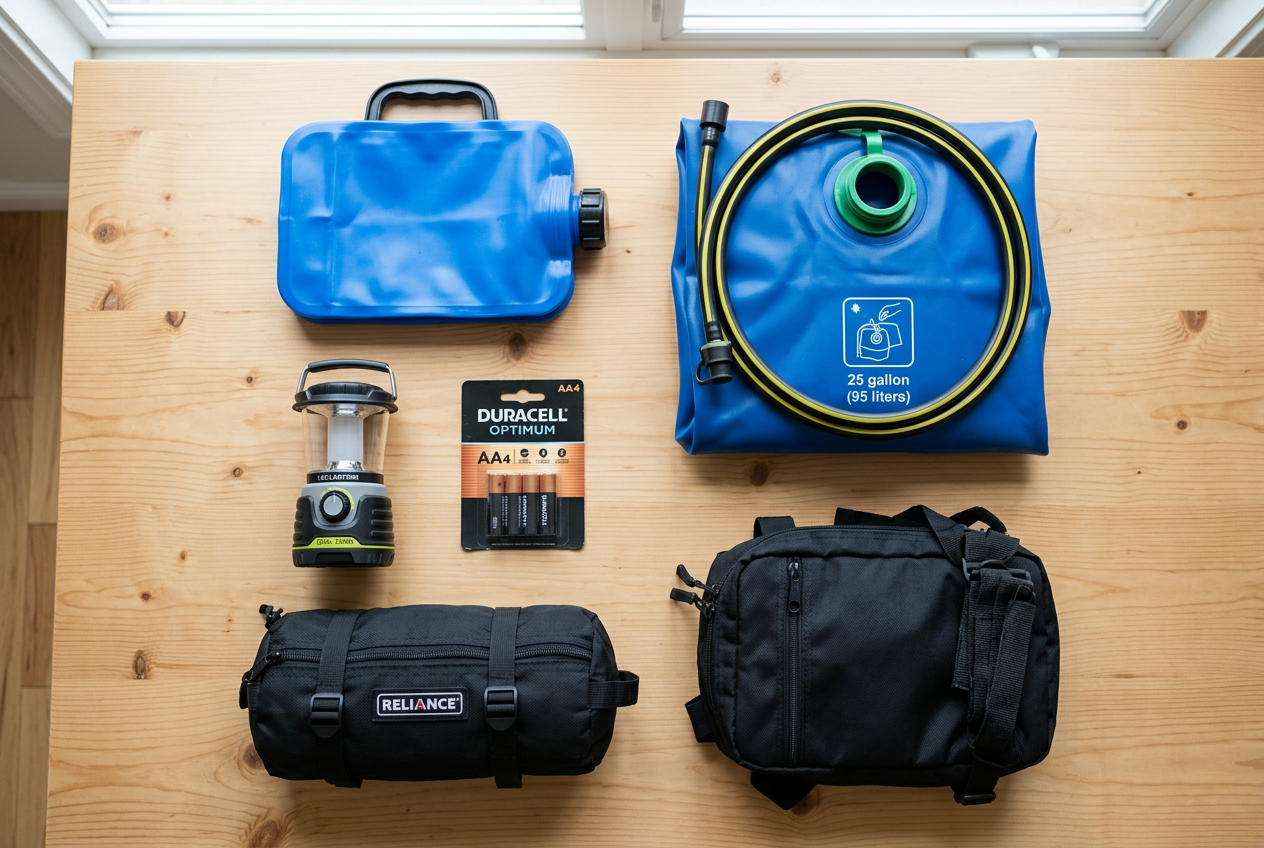
Time is short before Nolo arrives. Use this table to pick what you need fast. It groups the products by type. It shows the main feature and the best use for each. That way you can decide quickly and get back to preparing.
Water storage: what each solves
The waterBOB and AquaPodKit both turn your bathtub into a large water tank. You fill them before the storm hits. They hold clean water for drinking, cooking, washing, and flushing. Use one of these if you have a bathtub and time to fill it. The WaterStorageCube is different. It folds up small and has a spigot. It is easy to carry. Use it if you may need to move water or take some with you.
Lighting: what each solves
Power outages are common in storms. All three lanterns run on batteries, so buy fresh ones now. The Lichamp 4-Pack gives you four lights at once. That covers more rooms for a bigger household. The Etekcity 2-Pack is simple and dimmable. Pull it up to turn it on. The MalloMe lantern is pocket-sized and bright for its size. It works well for one room or a tent. Pick based on how many rooms you need to light.
Go-bags: what each solves
If officials tell you to evacuate, you need supplies ready to grab. The Ready America 72 Hour Kit holds food, water, first aid, and shelter for four people for three days. The Family Emergency Kit also covers four people and includes food rated for a 5-year shelf life. Both fit in a backpack. Keep one by the door so you can leave in a hurry.
Remember, officials suggest two weeks of supplies per person. A go-bag covers only the first days. Pair a kit with your stored water and food at home. Buy what fills your biggest gap first.
Frequently Asked Questions
How much water should I store for Tropical Storm Nolo?
Hawaii Emergency Management recommends at least two weeks of supplies per person. That includes water. A common planning number is one gallon per person each day. For a two week supply, that means about 14 gallons per person. Add extra for pets and for cooking. If you cannot store that much, store what you can. Some water is better than none.
Is tap water safe to store?
Yes. Clean tap water from a treated public system is safe to store for later use. Fill clean, food grade containers. Collapsible jugs like the WaterStorageCube containers are made from food grade plastic and are easy to fill and stack. Keep containers sealed and out of sunlight. Store them somewhere cool if you can.
How long does bathtub water stay usable?
If you use a sealed liner, the water stays cleaner much longer. The waterBOB liner is made to keep water fresh for up to 16 weeks. An open bathtub is different. Open water can pick up soap film, dirt, and debris. Water stored in an open tub is best used for washing and flushing, not drinking. A sealed liner like the waterBOB or the AquaPod Kit keeps your drinking water protected.
What should I do if I am told to evacuate?
Follow official orders right away. Hawaii officials have said to consider evacuating to a safer shelter, especially in southeast Hawaii Island. Do not wait. Grab your go bag, your important documents, and your medications. Know your evacuation zone before the storm arrives. Bring a lantern or flashlight in case the power is out. Check in with neighbors, especially anyone who may have trouble moving on their own.
How do I spot a fake storm alert?
Trust official sources only. Real updates come from the National Hurricane Center, Hawaii Emergency Management, and your county government. Be careful with posts or messages from unknown accounts. A real alert will not ask you to pay money or share bank details. If a message seems off, check the official websites before you act. When in doubt, go straight to the source.
Should I stock up on more than water?
Yes. Store at least 14 days of food, medications, and other essential items, as Maui County advises. Choose foods that need no cooking or refrigeration. Do not hoard. Buy what your household needs so others can prepare too. A ready made kit can fill gaps fast. The Ready America 72 Hour Deluxe Kit packs food, water, and first aid in one bag for quick grab and go.
Your Before-the-Storm Action Checklist
Use this list to move fast. Start at the top and work down. Check off each step as you finish it. You can print this page and keep it handy.
1. Know your evacuation zone
Find out if you live in an evacuation zone right now. If you are in southeast Hawaiʻi Island, officials say you may need to move to a safer shelter. Listen to local emergency updates. If an order comes, leave early. Do not wait for the roads to fill up.
2. Store water before the taps fail
Storm damage can shut off or dirty your water supply. Fill clean containers now.
- Fill a bathtub bladder like the waterBOB or the AquaPodKit. Each holds up to 100 gallons.
- Fill smaller jugs like the WaterStorageCube for easy pouring.
- Fill pots, pitchers, and clean bottles too.
Hawaiʻi Emergency Management recommends two weeks of water per person, so store as much as you safely can.
3. Stock two weeks of food and supplies
Maui County officials say to keep at least 14 days of food, medications, and essential items. Add hand sanitizer and face masks. Pick foods that need no cooking. Fill medication refills now if you can.
4. Set up lighting for outages
Power outages are likely. Have battery lanterns ready in each main room. Options include the Lichamp 4-pack, the Etekcity 2-pack, and the MalloMe lantern. Check that you have fresh batteries. These lanterns use AA or AAA batteries, so buy the right size.
5. Secure your property
- Remove debris that could block drainage. This lowers your flood risk.
- Bring in loose outdoor items that wind could throw.
- Close and secure windows and doors.
6. Protect your important documents
Gather your ID, insurance papers, and other key documents. Seal them in a waterproof bag. Keep them where you can grab them fast if you leave.
7. Pack a go-bag
If you have not built one yet, grab a ready-made kit. The Ready America 72 Hour Deluxe Kit and the Family Emergency Kit each support four people for short-term needs. Keep your bag by the door.
8. Check on your neighbors
County officials ask you to check in with neighbors, especially those who have trouble moving around. A quick knock can help someone who needs a ride or extra supplies.
9. Charge and stay informed
Charge your phone and any power banks now. Keep following official storm updates. Nolo could bring 15 to 30 inches of rain, with life-threatening flooding possible. Act today, while you still have time.
Conclusion: Act Today, Stay Informed
Tropical Storm Nolo is tracking toward Hawaii. A hurricane watch is in effect. The National Hurricane Center warns that Nolo could bring rainfall totals of 15 to 30 inches, with some spots seeing up to 35 inches. That much rain can cause catastrophic, life-threatening flooding. The safest thing you can do is finish your preparations now, before the storm arrives.
You have read the steps in this guide. Now is the time to act on them. Do not wait for the weather to worsen. Stores get busy fast, and supplies run low. Fill your water containers today. Check your food supply. Hawaii Emergency Management Agency recommends at least two weeks of supplies per person. Maui County officials suggest 14 days of food, water, medications, and other essentials. Island households can face supply delays, so stocking up early matters more here than in many other places.
Do These Things Right Now
Take a few minutes to run through the basics one more time:
- Store water. If you have a clean bathtub, a product like the waterBOB can hold a large emergency supply. Fill smaller jugs too.
- Check your food and medicine. Aim for two weeks per person if you can.
- Get lighting ready. Set out lanterns and check your batteries.
- Secure your property. Clear debris that could block drains and cause flooding. Bring loose items indoors.
- Know your evacuation zone. Officials have said residents in southeast Hawaiʻi Island may need to move to a safer shelter.
- Grab your go-bag. Keep it by the door in case you must leave quickly.
You can print this page to keep the checklist handy. That way you have it even if the power goes out.
Keep Following Official Updates
Preparing is only half the job. You also need to stay informed. Storm tracks can change. Warnings can be upgraded. Evacuation orders may come with little notice. Keep checking trusted sources like the Hawaiʻi Emergency Management Agency, your county emergency office, and the National Hurricane Center. Follow local news for the latest. If officials tell you to evacuate, do it right away.
Check in with your neighbors too. County officials have asked people to look out for those who may have trouble moving on their own. A quick knock on the door can make a big difference for someone who needs help.
Now is also a good time to review your family emergency plan. Make sure everyone knows where to go and how to reach each other if you get separated. Talk about it before the storm hits, not during it.
The steps you take today can keep your household safe. Act now. Stay calm. Keep listening for official guidance as Nolo gets closer.
Sources and Further Reading
- Tropical Storm Nolo Updates, Hawai’i Emergency …
- County News
- County of Maui officials encourage preparedness ahead …
- Tropical Storm Nolo Public Advisory - National Hurricane Center
- Hawaii State Department of Health
- Hurricane watch issued for Hawaii. Tropical Storm Nolo forms
- Hawaiʻi Must Reframe Its Food Priorities