Ready
Ready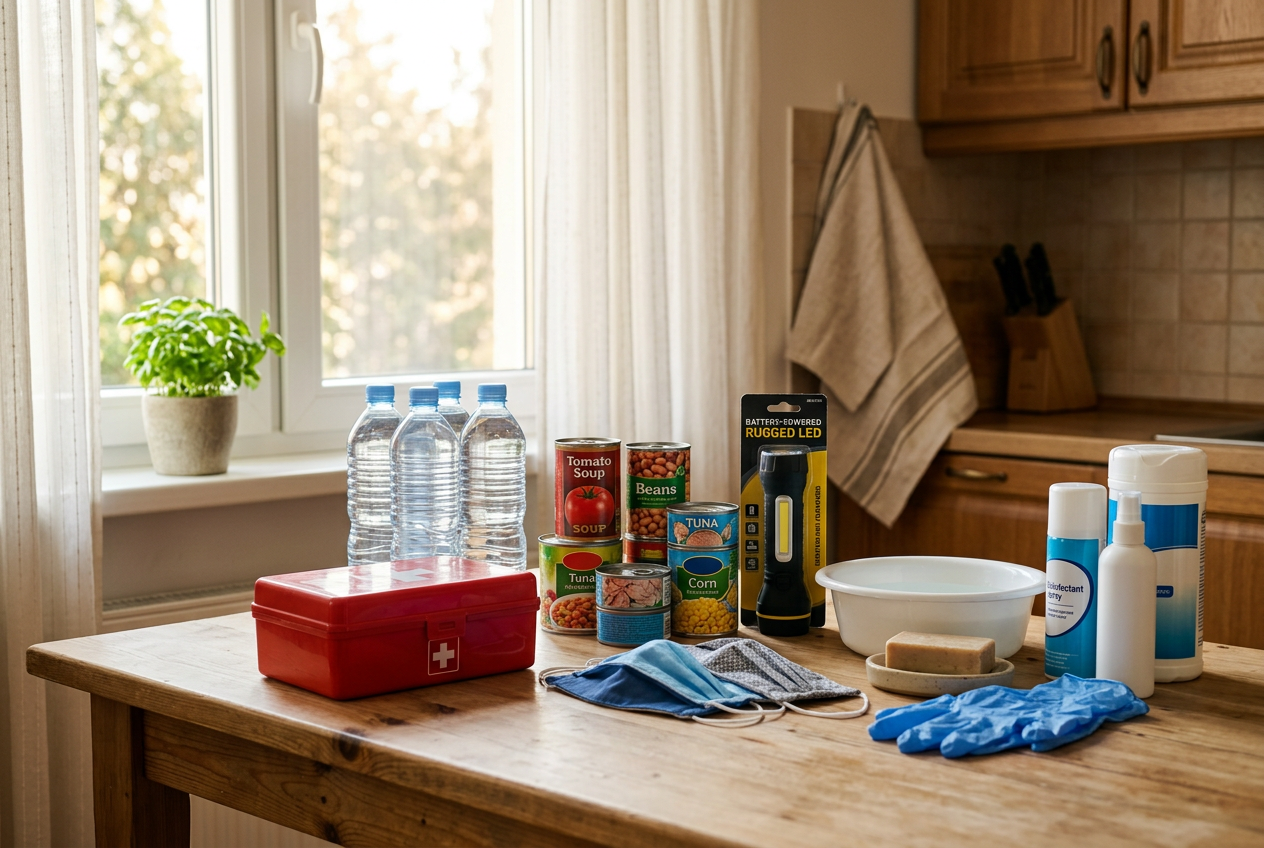
Russian Plague: A Household Hygiene and Preparedness Guide (2026)
News reports about a new pathogen in Russia can feel scary. You may see headlines and wonder what to do next. The good news is this: you do not need to panic. You just need a plan.
Stories like these are a good reminder to review the basics. Simple hygiene and a little home readiness go a long way. These habits help with many kinds of illness, not just one. So the time you spend now is never wasted.
This guide keeps things calm and clear. We will explain what plague actually is in plain words. Plague is caused by a germ called Yersinia pestis. You will learn how it can spread and why everyday hygiene is your first line of defense.
We will also cover masks and respirators. You will see what they can do and what they cannot do. We will compare common mask types so you can choose wisely. Then we will walk through simple ways to reduce rodent and flea contact around your home. After that, we will help you build a small illness-ready supply without hoarding.
One important note. This article is general preparedness advice, not medical advice. It does not replace a doctor or your local health department. If you feel sick or have questions about your health, reach out to them.
Ready? Let us start with the simple, practical steps that matter most.
- Wash your hands often with soap for at least 20 seconds, and use hand sanitizer when soap is not around.
- Keep a stock of NIOSH approved N95 masks to filter out at least 95 percent of airborne particles.
- Clean high touch surfaces like doorknobs, phones, and counters every day.
- Limit close contact with sick people and stay home if you feel ill.
- Store a 2 week supply of food, water, and hygiene items so you can avoid crowds during an outbreak.



Reviewed by Marcus T., Elena V. & James W. — contributors with hands-on preparedness experience. How we test
Getting ready starts with a few key supplies in your home. Grab these items now, then read on to learn why each one matters.

3M N95 Respirator 20 Pack
This NIOSH approved N95 mask filters out at least 95 percent of non oil particles in the air. The adjustable nose clip gives a snug seal and keeps your glasses from fogging.
Check Price on Amazon
Germ-X Hand Sanitizer Liter
This gel kills 99 percent of common germs in as little as 15 seconds when soap and water are not nearby. The pump bottle with aloe keeps hands clean without drying them out.
Check Price on Amazon
GIKO N95 Masks 15 Pack
These NIOSH certified masks filter out almost 95 percent of dust, pollutants, and particles in the air. The breathing valve makes them easier to wear for longer stretches.
Check Price on AmazonIn this guide
Why Trust This Guide?
This article was researched and reviewed by contributors with hands-on experience in emergency preparedness. They have tested gear, built real systems, and lived through situations where these skills actually mattered.
What Plague Actually Is (Plain Language)

Plague is an illness caused by a germ called Yersinia pestis. This germ is a type of bacteria. It is not a new mystery sickness. Doctors and health experts have studied plague for a long time. That means we already know a lot about how it spreads and what it does to the body.
How It Usually Spreads
Most of the time, plague spreads to people through flea bites. A flea bites an infected animal, like a rodent. Then that same flea bites a person. The germ passes along with the bite. This is why rodents and fleas matter so much when we talk about plague. We will cover ways to reduce flea and rodent contact later in this guide.
Not every form of plague spreads the same way. Some forms can spread differently. One form affects the lungs. This lung form is harder to deal with because it can spread between people through the air in close contact. Health manuals point to a sudden, bloody, or wet cough as one warning sign of the lung form in a person who was otherwise well. If you ever notice that kind of cough in yourself or someone near you, it is time to call a doctor. We explain when to reach out in a later section.
Common Reported Symptoms
Health sources list symptoms that can come with plague. These include:
- Chills
- Fever
- Body aches and pains
- Headache
- Weakness
- Dizziness
- Chest discomfort
These symptoms are not special to plague. Many common illnesses can cause the same feelings. That is important to remember. Having a fever and body aches does not mean you have plague. It usually means something far more ordinary, like a cold or the flu. Still, it helps to know the signs so you can act calmly if a doctor needs the full picture.
What We Do and Do Not Know Right Now
A new pathogen is being reported in Russia. News reports can tell us that something is happening. They do not give us solid medical facts about every detail. So let us be clear about the limits.
What we do know, from long-standing health sources, is what plague is, how it usually spreads, and the kinds of symptoms it can cause. We also know that health experts study ways to prevent and treat it, including work on a safe and effective vaccine.
What we do not know from current reporting is a lot of specific detail. Do not assume you know the exact spread, the exact risk, or the exact timeline from a single post or headline. Those facts come from health agencies over time, not from early news.
The good news is simple. The basic steps that protect you from many germs also help here. The rest of this guide walks you through those steps in plain language.
Why Everyday Hygiene Is Your First Defense
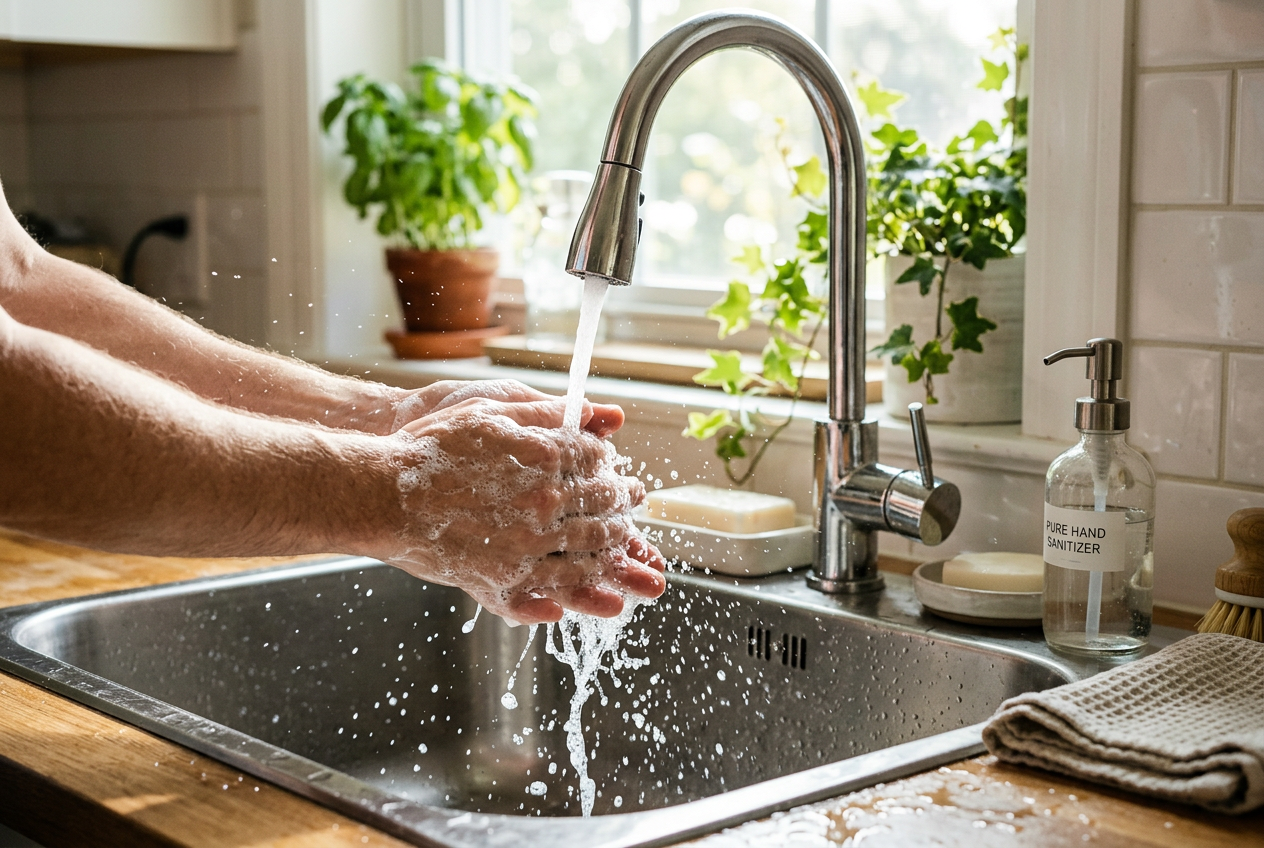
Before you buy a single mask or stock a shelf, start with your hands. Clean hands are your simplest defense against many germs. This habit costs nothing. You already have most of what you need at home.
Why hands? You touch your face often without noticing. You rub your eyes. You touch your nose and mouth. Germs can ride from a surface to your hands, then into your body. Washing your hands breaks that chain. It is a small step that does a lot of work.
How to Wash Your Hands the Right Way
Soap and water are the gold standard. Here is the simple method:
- Wet your hands with clean water.
- Add soap.
- Scrub all parts for about 20 seconds. That includes the backs of your hands, between your fingers, and under your nails.
- Rinse well.
- Dry with a clean towel or air dry.
A good trick for timing: hum a short song twice. That is close to 20 seconds. You do not need special soap. Plain soap works fine. The scrubbing and rinsing do the real job.
When to Wash
Wash your hands at key moments during the day. Good times include:
- Before you eat or cook.
- After you use the bathroom.
- After you cough, sneeze, or blow your nose.
- When you come home from being out.
- After you touch animals or clean up after them.
You do not need to wash every few minutes. Focus on these moments and you cover most of the risk.
When Hand Sanitizer Is a Reasonable Backup
Soap and water come first. But you cannot always get to a sink. That is where hand sanitizer helps. It is a backup, not a replacement. Use it when water is not available, like in the car, on a walk, or at a store.
Pick a sanitizer with enough alcohol to kill common germs. Rub it over all parts of your hands until they feel dry. Do not wipe it off early. One note: sanitizer works best on hands that are not heavily dirty or greasy. If your hands look dirty, use soap and water when you can.
A pump bottle is handy for the kitchen or entryway at home. A moisturizing gel can help if frequent cleaning dries out your skin.
For the car, a bag, or a backpack, smaller bottles are easier to carry. A multi-pack lets you keep one in several spots. That way you always have a bottle within reach when a sink is not.

Keep it simple. Wash with soap and water when you can. Keep sanitizer where water is not. These two habits form the base for everything else in this guide.
Masks and Respirators: What They Can and Can’t Do
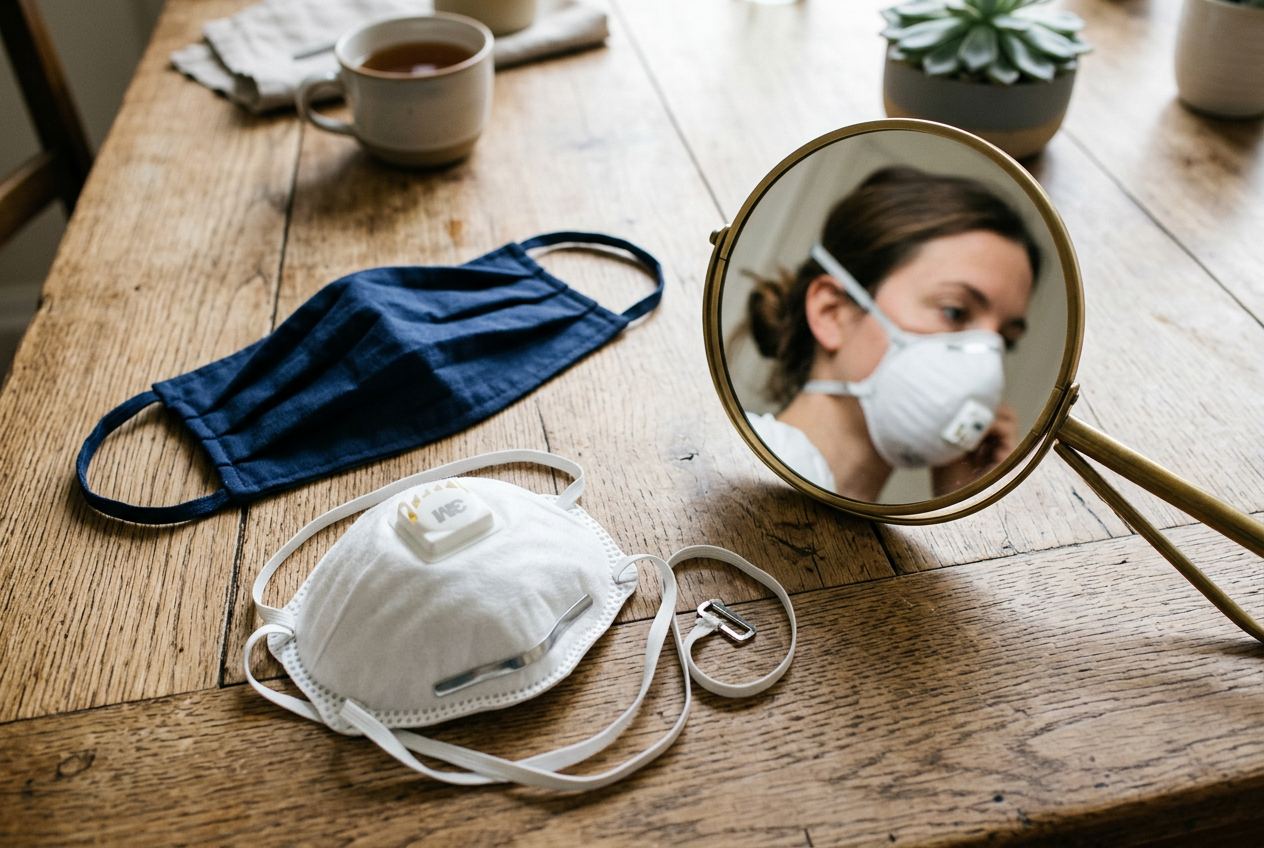
Masks can help. But not all masks work the same way. It helps to know the difference before you buy or wear one.
Simple Face Masks vs. Respirators
A simple cloth or paper mask covers your mouth and nose. It can block large droplets from coughs or sneezes. But it does not seal tight to your face. Air leaks in around the edges. That means it does not filter small particles well.
A respirator is built to filter the air you breathe. An N95 respirator is tested and approved by NIOSH. NIOSH is a U.S. government group that checks safety gear. An N95 filters at least 95 percent of certain tiny particles in the air. That is why it offers more protection than a basic mask.
What NIOSH Approved Means
When a mask is NIOSH approved, it has passed real tests for filtering and for breathing comfort. Look for the words “NIOSH approved” and often a TC number on the box. This tells you the mask met the standard.
The 3M 8210 is one example of a NIOSH approved N95. It has an adjustable nose clip to help it seal against your face.
The GIKO N95 is also NIOSH approved. It has a breathing valve. A valve can make it easier to breathe out. But know this: a valve lets your own breath escape unfiltered. That protects you, not the people around you. If you are sick, skip the valve.
KN95 Masks
KN95 masks are made to a different standard. Many are not NIOSH approved. They can still add a layer of protection and feel comfortable. But they are often labeled non-medical. Read the label so you know what you are getting.


Fit and Seal Matter Most
Even the best respirator fails if it does not fit. Air takes the easy path. If there are gaps, air flows around the filter, not through it. Press the nose clip down. Make sure the edges touch your skin all the way around. Facial hair breaks the seal, so a clean shave helps.
When a Mask Is Worth Wearing
A mask makes the most sense in crowded indoor spaces. Think buses, waiting rooms, or busy stores. Air sits still indoors and people are close. A good mask lowers your risk in those spots.
One Layer, Not a Shield
A mask is one layer of protection. It is not a guarantee. Keep washing your hands. Keep your distance when you can. A mask works best when you pair it with other smart habits. No single step keeps you fully safe, so stack a few together.
Mask Comparison: N95 vs. KN95 vs. Valved
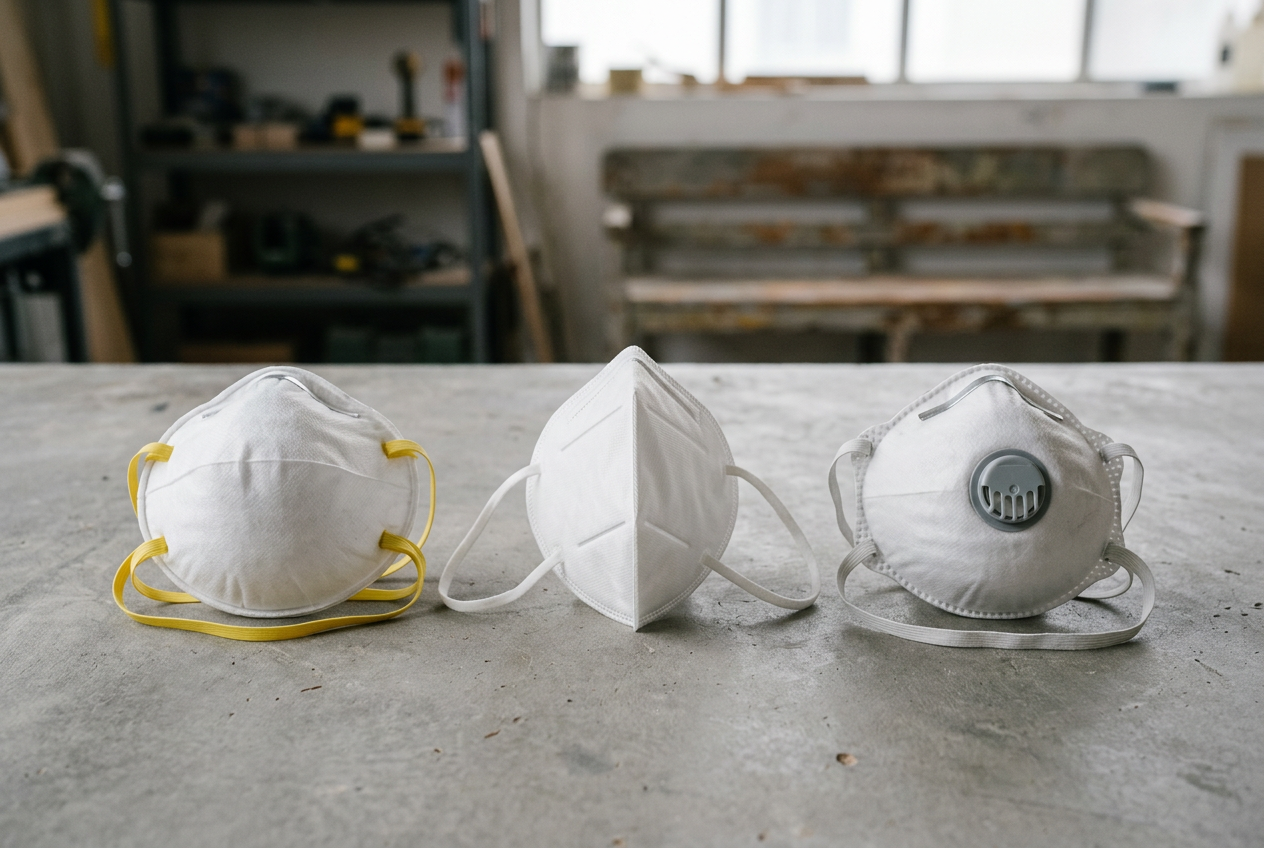
Masks can look alike but work in different ways. The main things to check are the approval, the fit, and whether the mask has a valve. Here is a plain look at the masks you can choose from.
What the Labels Mean
An N95 that is NIOSH approved has passed United States testing. NIOSH is a government agency that checks masks. A NIOSH approved N95 filters at least 95 percent of certain non oil based particles. That is a known, verified standard.
KN95 masks follow a different standard. They are not NIOSH approved. Many KN95 masks are sold as non medical masks. They can still help, but the testing behind them is not the same.
A Quick Word on Valves
Some respirators have a one way valve. The valve makes it easier to breathe out. It lets warm air and moisture escape, which cuts down on fogging.
Here is the catch. A valve protects the wearer, but it does not filter the air you breathe out. So if you are sick, a valved mask does not protect the people around you. For a household where you want to protect each other, a mask without a valve is the better pick.
Side by Side
How to Pick for Your Home
If you want the most trusted option, choose a NIOSH approved N95. The 3M 8210 N95 has an adjustable nose clip. That helps make a snug seal and cuts down on fogging if you wear glasses. It comes without a valve, so it helps protect other people too.
If you like a valve for easier breathing, the GIKO N95 is NIOSH approved and has an exhalation valve. Just remember the valve does not filter your breath on the way out. Save valved masks for times when you only need to protect yourself.
KN95 masks like the akgk KN95 and the LEMENT KN95 come in large packs. They are a budget choice and are labeled non medical. They use ear loops, which many people find comfy. The trade off is they are not NIOSH approved.
No mask works well if it does not seal. Pick one that fits your face, cover your nose and mouth, and press the nose clip down. A good seal matters more than the brand on the box.
Reduce Flea and Rodent Contact Around Your Home
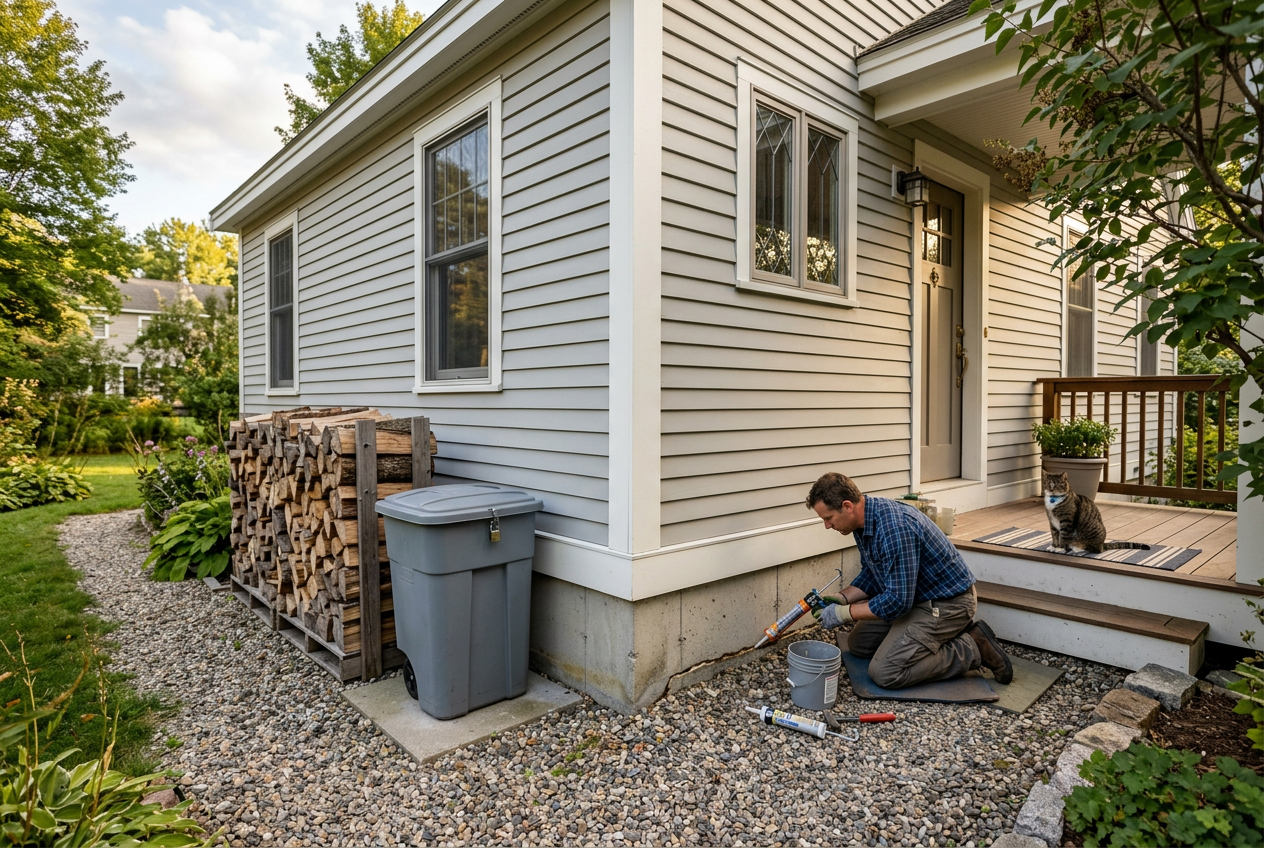
Plague is usually spread by the bites of infected fleas. Fleas often travel on rodents like rats and mice. So one of the best things you can do is make your home less friendly to rodents and fleas. Many of these steps cost nothing. They just take a little time and care.
Keep Rodents Away From Food and Trash
Rodents come looking for an easy meal. Take that meal away. Store dry foods like rice, cereal, and pet food in sealed containers. Glass jars or hard plastic bins with tight lids work well. Do not leave food out on counters overnight.
Clean up crumbs and spills right away. Wash dishes instead of letting them sit. Take out your trash often. Use trash cans with lids that close all the way. If bags pile up, that gives rodents food and shelter.
Do not leave pet food bowls out all night. Feed your pet, then pick up the bowl once they finish.
Remove Hiding Spots Around Your Home
Rodents like clutter. They hide and nest in piles of stuff. Clearing these spots makes your yard and home less inviting.
Here are simple no-cost steps you can take:
- Move woodpiles away from the walls of your house. Keep them off the ground if you can.
- Clear away leaves, brush, and junk piles near your home.
- Pick up clutter in your garage, basement, and shed.
- Trim tall grass and weeds close to the house.
- Keep boxes and bags off the floor where mice can hide.
The less cover rodents have, the less they will want to stay.
Seal Up Entry Points
Mice can squeeze through very small gaps. Walk around your home and look for holes and cracks. Check around pipes, vents, and door frames. Seal gaps with steel wool, caulk, or hardware cloth. Fix gaps under doors with weather stripping. This keeps rodents from getting inside in the first place.
Protect Your Pets From Fleas
Pets can bring fleas into your home. Dogs and cats that go outside are most at risk. Talk to your vet about flea control that is safe for your pet. Your vet can suggest the right product for your animal’s size, age, and health. Do not use a product made for dogs on a cat, and never guess the dose. Follow the directions on the label.
Check your pet’s fur often for fleas. Keep their bedding clean and washed.
Call a Professional for Infestations
Sometimes rodents or fleas get out of hand. If you see many droppings, hear noise in your walls, or keep finding fleas, call a pest control professional. They have tools and training to handle larger problems safely. Do not try to tackle a big infestation on your own. If you think you have a plague risk in your area, contact your local public health office too.
Build a Simple Illness-Ready Supply at Home
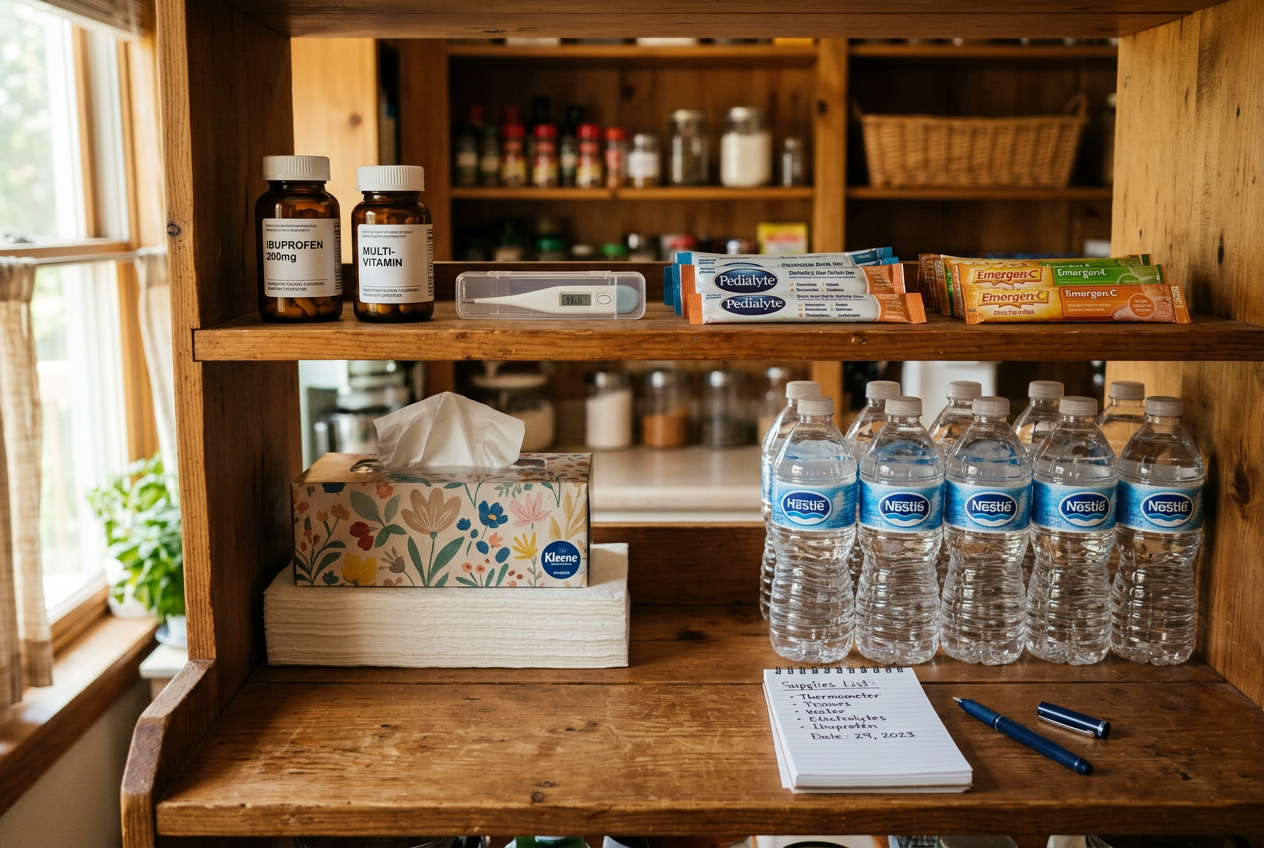
You do not need a bunker. You need a small, smart stock of basics. The goal is simple. If you or someone at home gets sick, you should not have to run to the store. A sick person should stay home and rest. A good home supply makes that easier.
Start with what you already buy. Think about the items your family uses every month. Soap. Hand sanitizer. Pain and fever medicine. Tissues. Then keep a little extra on hand. This is not hoarding. It is just buying one or two more of the things you already use.
Hygiene Basics
Clean hands are your first defense. Keep plenty of soap in the house. Also keep a hand sanitizer for times you cannot reach a sink. A pump bottle is easy to use and share.
If you want smaller bottles to spread around the house or keep in a bag, a multi-pack works well.
Both of these contain alcohol and kill common germs fast. Keep one near the door and one in the kitchen. Also stock tissues, paper towels, and a few cleaning supplies for high-touch spots like doorknobs and light switches.
Fever and Pain Basics
When someone feels sick, the signs can include chills, fever, body aches, headache, and weakness. You cannot treat plague at home, but you can stay more comfortable while you get medical help.
Keep a basic fever and pain medicine on hand, like acetaminophen or ibuprofen. Buy the kind your family already uses. Always follow the label for the right dose. Ask a pharmacist or doctor if you are unsure.
A thermometer is a must. A simple digital one is fine. It helps you track a fever and tell a doctor real numbers. Clean it before and after each use.
Fluids and Comfort
A sick person needs to drink fluids. Keep some extra water on hand. You can also stock drinks with electrolytes. Clear broths and simple foods help too. Pick things your family likes and will actually use.
For a deeper look at storing water and food the right way, see our full storage guides on this site. They explain how much to keep and how to keep it safe.
Rotate, Do Not Hoard
The key is to use your stock and replace it. This is called rotating. When you open a new box of tissues from your extra pile, add tissues to your next shopping list. The same goes for medicine. Check the dates. Use the older items first. Replace what you use.
This way your supply stays fresh. Nothing goes to waste. And you avoid the panic of running out. A little extra of the right things goes a long way. You do not need a huge pile. You just need to be ready.
When to Call a Doctor or Public Health
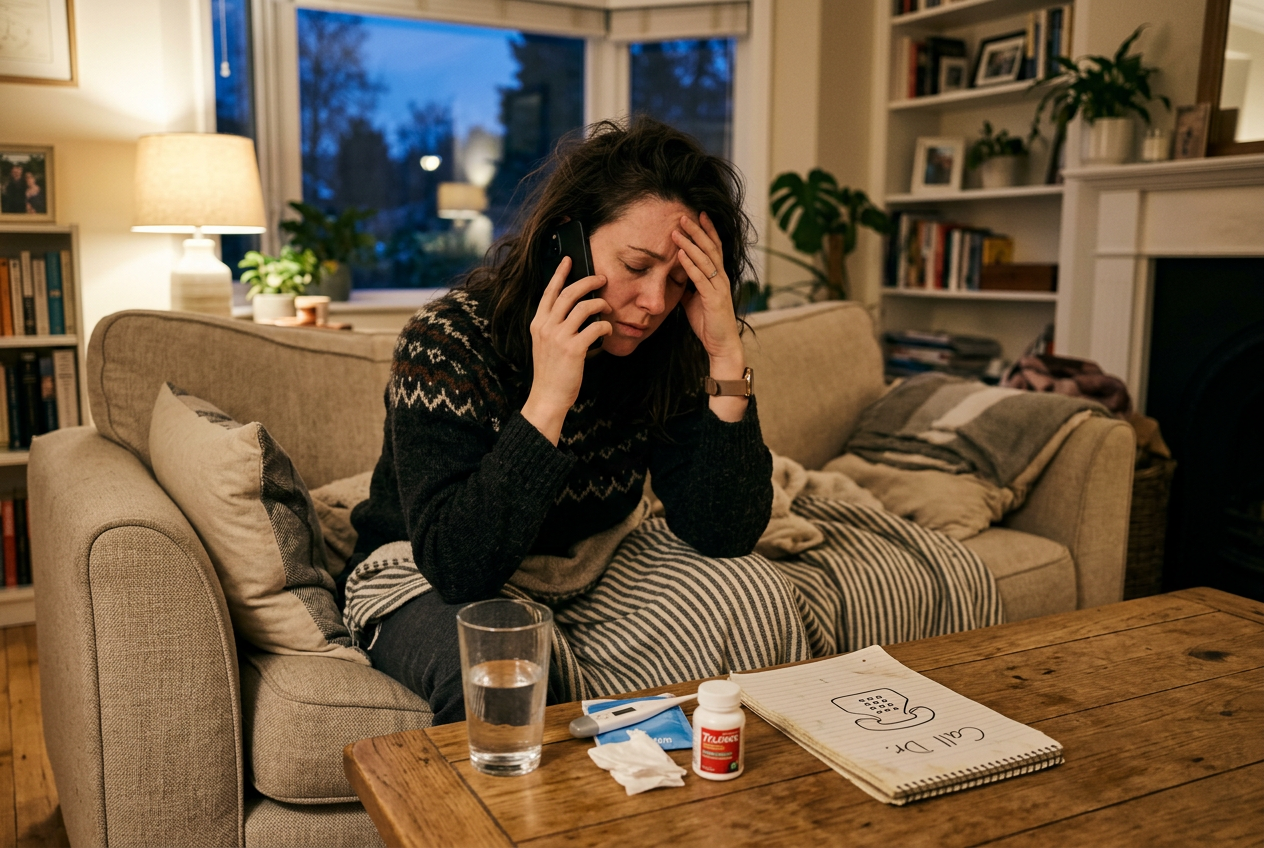
Plague is a serious illness. It is caused by a bacterium called Yersinia pestis. If you think you or a family member may be sick, you need real medical care. This is not something to treat at home on your own.
Plague is also a reportable disease. That means doctors and public health agencies track it closely. Some agencies ask that cases be reported right away. So if a doctor suspects plague, they will likely contact public health officials for you. Your job is simple. Get help early and share what you know.
Warning Signs Worth a Prompt Call
Plague symptoms can look like other illnesses at first. That is why you should not wait to guess. Call a doctor if you notice these signs, especially if you have had contact with fleas, rodents, or sick animals.
A sudden cough that brings up blood is a serious warning sign. Health officials note this can mark the lung form of plague. If this happens, do not wait. Seek care fast.
Tell Them What You Know
When you call a doctor or nurse line, share the full picture. Tell them about any recent flea bites. Mention contact with rodents or dead animals. Say if you handled a sick pet. Also mention any travel. These details help the doctor act quickly and make the right call.
If you feel very sick, you may need to go to urgent care or the emergency room. Call ahead if you can. Let them know your symptoms before you arrive. This helps staff protect themselves and other patients.
Do Not Self-Treat
A serious bacterial infection is not something to handle with home remedies. Do not try to ride it out. Do not save or share old antibiotics. Those steps can waste time and make things worse. Only a medical professional can test for plague and decide on the right treatment.
Follow Official Local Guidance
Public health rules can change based on where you live and what is happening nearby. Your local or state health department is your best source for current advice. They may post updates about cases, reporting steps, and what to do if you are exposed. Follow their guidance over rumors or social media posts.
The bottom line is simple. Everyday hygiene and smart home habits lower your risk. But if real symptoms show up, step back from self-care and let professionals help. Early care gives the best chance for a good outcome.
Frequently Asked Questions
Is plague treatable?
Plague is caused by bacteria called Yersinia pestis. Only a doctor can diagnose and treat it. If you feel sick and worry about plague, call a doctor or your local health agency right away. Do not try to treat yourself at home. Early medical care matters. The sooner a doctor sees you, the better.
What are the symptoms?
Reported symptoms of plague include chills, fever, and body pains. Other signs can include headache, weakness, dizziness, and chest discomfort. These symptoms also match many common illnesses. That means symptoms alone cannot tell you if you have plague. A doctor must decide that. One serious form, called pneumonic plague, can cause a sudden bloody cough. If you see that sign, seek medical help without delay.
How does plague spread?
Plague usually spreads to people through bites from infected fleas. Those fleas often live on rodents. That is why keeping rodents and fleas away from your home helps lower your risk. Some forms of plague can spread in other ways too. Because of this, health workers may use special precautions around sick patients. For your household, the main goal is simple. Reduce contact with fleas and rodents, and keep your hands and home clean.
Do masks help?
Masks can help in some cases, but they are not a cure-all. A NIOSH approved N95 respirator is built to filter at least 95 percent of certain particles from the air. It must fit well to work as designed. KN95 masks offer a lower, non-medical level of protection. No mask protects against flea bites. So a mask is only one small part of your plan, not the whole plan. Your doctor or health agency can tell you if and when a mask makes sense for your situation.
Does everyday hygiene really matter?
Yes. Everyday hygiene is one of your easiest and cheapest defenses. Washing your hands often with soap and water is a strong habit. When soap and water are not handy, hand sanitizer can help. Keeping your home clean and free of rodents also lowers your risk. These simple steps do not require special gear or training. They also protect you from many other common germs, not just plague.
Who should I trust for advice?
Trust your doctor and your local or state health agency. They can tell you what is happening in your area and what to do. News reports give you context, but they are not medical advice. If you are unsure, call a professional. This guide gives you general steps, but only a doctor or health agency can advise on your personal case.
Your Action Checklist
Here are the main steps from this guide in one place. Most cost nothing. You can start today. Want a copy? Just print this page.
Clean Hands Often
- Wash your hands with soap and water for at least 20 seconds.
- Wash after using the bathroom, before eating, and after touching animals.
- Keep hand sanitizer nearby for times when you cannot reach a sink. Look for a gel with at least 60 percent alcohol. The Germ-X Advanced Hand Sanitizer and Amazon Basic Care Hand Sanitizer are both good options for your home or bag.
- Try not to touch your face with dirty hands.
Keep a Few Masks On Hand
- Store a small supply of respirator masks at home.
- An N95 mask gives a tight seal and filters at least 95 percent of certain particles when it fits well. The 3M 8210 N95 is a NIOSH approved choice.
- Skip valved masks if your goal is to protect others. The valve lets your breath out unfiltered.
- Make sure the mask fits snug over your nose, mouth, and chin.
Reduce Rodents and Fleas
- Plague often spreads to people through the bites of infected fleas. Cutting down on fleas and rodents lowers your risk.
- Store food in sealed containers. Clean up crumbs and spills right away.
- Take out trash often and keep lids closed.
- Seal gaps and holes where mice or rats could get in.
- Clear clutter, wood piles, and brush away from your home. These give rodents places to hide.
Protect Your Pets
- Keep your pets free of fleas. Ask your vet about safe flea control.
- Do not let pets roam and hunt wild rodents if you can help it.
- Keep pet bedding clean.
- If a pet gets sick after contact with rodents or fleas, call your vet.
Build a Simple Home Supply
- Keep soap, sanitizer, and a few masks ready.
- Add a thermometer and any medicine your family uses.
- Keep a short list of phone numbers for your doctor and local health office.
- You do not need to hoard. A small, steady supply is enough.
Know When to Get Help
- Plague symptoms can include fever, chills, headache, body aches, weakness, and dizziness.
- A bloody, productive cough that starts fast can be a warning sign. Treat this as urgent.
- Call your doctor or local public health office right away if you feel sick and worry about plague.
- Tell them if you had contact with rodents, fleas, or a sick animal.
Stay Informed
- Follow trusted public health updates about any new illness in your area.
- Do not panic. Simple daily habits do most of the work.
Pick two or three of these steps and do them today. Small actions add up to real protection.
Conclusion and Next Steps
News about a new pathogen in Russia can feel scary. But you do not need to panic. Most germ worries come down to the same simple steps. Those steps work for many illnesses, not just one. When you build good habits now, you are ready for whatever comes next.
Plague is caused by a bacterium called Yersinia pestis. It often spreads to people through the bites of infected fleas. That means your daily habits matter. Clean hands, fewer fleas, and fewer rodents around your home all lower your risk. None of this takes special skill. It just takes steady effort.
Keep Doing the Simple Things
Washing your hands is still your best everyday tool. Use soap and water when you can. When you cannot, a hand sanitizer with enough alcohol works well. Keep a bottle in your bag and by your door. A moisturizing formula is easier on your skin when you use it a lot.
Keep rodents and fleas away from your living space. Seal food. Clear clutter where pests hide. Fix gaps where mice can get in. These are low cost or no cost steps. They protect you from more than one disease.
If you want a mask on hand, pick one that fits well. A NIOSH approved N95 gives you a strong seal and good filtration. Skip valved masks when you want to protect others, since the valve lets your breath out unfiltered.
Review Your Family Plan
Take a few minutes to look over your family emergency plan. Does everyone know who to call if someone gets sick? Do you have a small supply of the basics at home? Think about a simple illness kit. That means things like a thermometer, fever medicine, fluids, and any daily medicines your family needs. You do not need to hoard. A steady, modest supply is enough.
Talk with your household about the plan. Make sure kids and older family members know the steps too. A short talk now saves stress later.
Watch Only Trusted Sources
During an outbreak, rumors spread fast. Stick to official health updates. That means your local or state health department, and national health agencies. These groups give clear, checked facts. Social media posts can be wrong or out of date. If you see a scary claim online, check it against an official source before you act.
Your Next Read
If you are new to preparedness, do not stop here. These same habits are the base of being ready for many events. Our beginner’s preparedness guide walks you through the first steps in plain language. It helps you build a simple plan at your own pace.
You can bookmark or print this page to keep the checklist handy. Steady habits beat panic every time. Start small, stay calm, and keep going.
Sources and Further Reading
- Plague - Controls
- Plague Prevention and Therapy: Perspectives on Current and …
- Plague | Wisconsin Department of Health Services
- Plague | Missouri Department of Health and Senior Services
- Plague
- x.com