Ready

AI Voice Cloning and Deepfake Scams: How Families Can Verify a Call Before Sending Money (2026)
The phone rings. It is your daughter. She sounds scared. She was in a car accident, and she needs money fast. The voice is hers. So you act.
But here is the hard truth. That voice may not be real. Scammers now use AI to copy a loved one’s voice from just a few seconds of audio. They can fake a boss’s voice too. Some even fake video on a call. Then they rush you to send money before you can think.
This is not rare. Federal prosecutors in New York charged three people in a scheme worth about $129 million. The group used AI to impersonate CEOs and attorneys in business fraud. Other versions of these scams target families and grandparents through fake emergency calls, as consumer protection authorities have warned.
The good news is simple. You do not need special tools to stay safe. A few easy habits stop almost all of these scams. The key is to slow down and verify before you send a dime.
In this guide, you will learn how these scams work and the warning signs to watch for. We will show you how to hang up and call back on a number you already know. You will set up a family code word. We will explain which payment methods scammers love and why you should refuse them. And if you already paid, we will walk you through the next steps.
Let’s build a plan your whole family can use.
Why Trust This Guide?
This article was researched and reviewed by contributors with hands-on experience in emergency preparedness. They have tested gear, built real systems, and lived through situations where these skills actually mattered.



How AI Voice and Deepfake Scams Actually Work

These scams work because of one simple fact. A computer can now copy a voice. It does not need much to do this. A short clip of someone talking is often enough. Reports say as little as a few seconds of audio can be used to make a cloned voice, though some sources note a fully convincing clone may take closer to 30 seconds.
Where does that audio come from? It can come from many places. A video posted online. A voicemail greeting. A short clip from social media. A scammer takes that sound and feeds it into a voice cloning tool. The tool then learns how the person speaks. After that, it can say almost anything in that voice.
So the scammer does not need the real person at all. They can make a phone call that sounds like your child, your parent, or your boss. They can leave a voicemail that sounds just like a loved one. The words are fake. The voice sounds real.
Deepfake video can fake a face too
Voice is not the only trick. Some scams now use deepfake video. This means a computer puts a fake face on a video call. The face may look like someone you know. It may even move its mouth as it talks. On a small phone screen, this can be hard to catch.
The goal is the same. The scammer wants you to believe you are talking to a real person you trust.
Who gets targeted
These scams can reach almost anyone. But a few groups are common targets.
- Families. The scammer pretends to be a family member in trouble. This is often called a family emergency scam. The FTC warns that scammers now use AI to make these schemes sound more real.
- Employees. The scammer pretends to be a boss or a company leader. Federal officials in New York charged three people in a scheme that used AI to impersonate CEOs and attorneys. Reports say the scheme involved about $129 million and targeted company accounting departments.
- People contacted by “officials.” The scammer pretends to be from a government agency. They may make the call look like it comes from a trusted source.
Why these calls feel so convincing
There are two reasons these calls work so well.
First, the voice sounds right. Your brain hears a familiar voice and wants to trust it. You are not expecting a fake.
Second, the scammer uses pressure. They act like something bad is happening right now. They push you to act before you can check. One report put it simply. You are asked to act before you can verify.
That mix is powerful. A trusted voice plus a rush to act. It can fool careful, smart people. Knowing how the trick works is the first step. The next sections show you how to slow down and check before you ever send money.
The Warning Signs: Urgency, Secrecy, and Unusual Payment
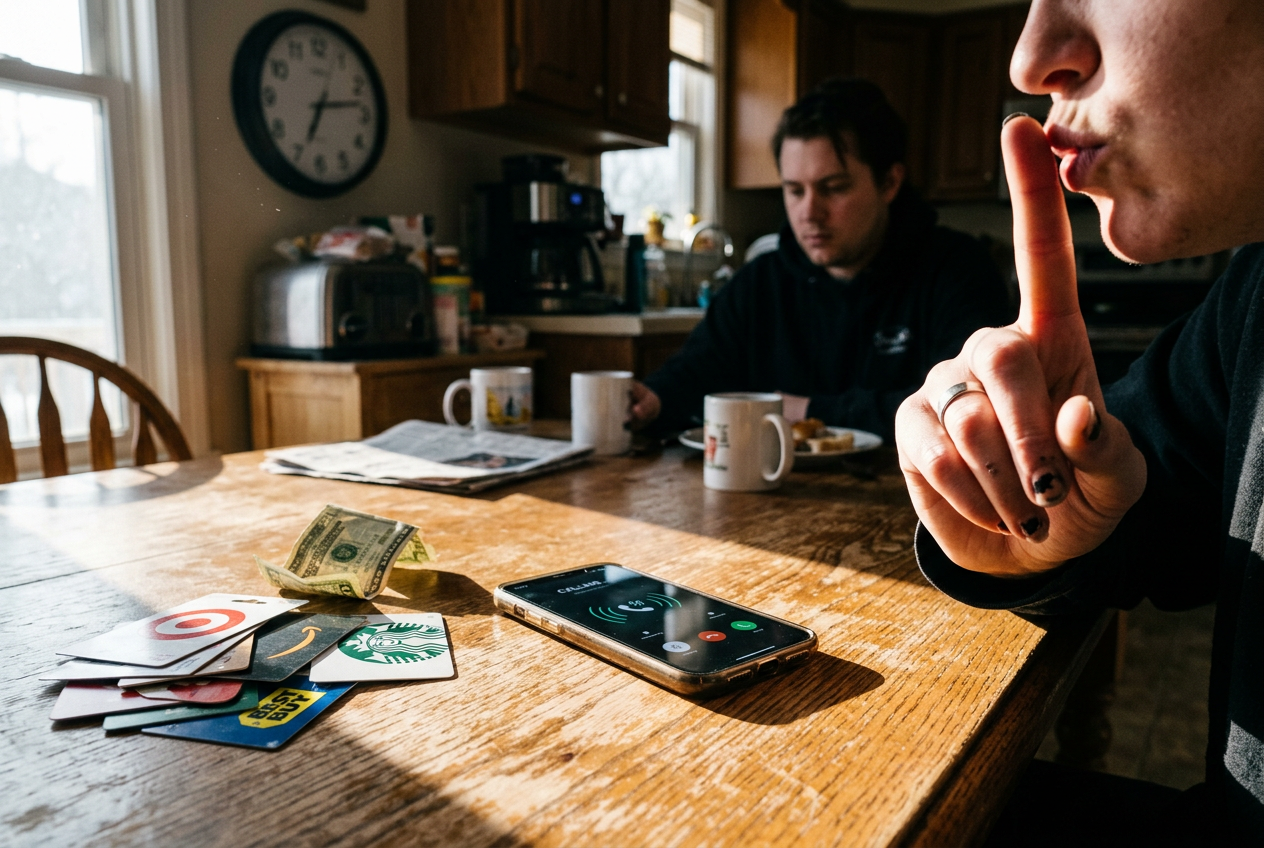
Most of these scams follow the same script. Once you know the warning signs, they get easier to spot. The call may sound real. The voice may sound like your child or your boss. But the pressure feels the same every time. Learn the pattern, and you can pause before you act.
A Sudden Emergency
The call almost always starts with a crisis. Someone you love is in trouble. There was an accident. They got arrested. They need bail money right now. The FTC warns that scammers use AI to make these “family emergency” stories feel real. They clone a voice and tell a scary story. Your fear does the rest.
Real emergencies do happen. But a real family member can usually wait a few minutes while you check. A scammer cannot. That is the key difference.
Pressure to Act Right Now
Scammers push you to act before you can think. They say there is no time. They say you must send money this minute. One security report put it plainly. You are asked to act before you can verify.
This rush is on purpose. If you slow down, the story falls apart. So any time a call makes you feel like you must act instantly, treat that as a red flag. Urgency is a tool scammers use against you.
A Request to Keep It Secret
Watch for anyone who tells you not to tell other people. The scammer may say your son does not want the family to know. They may say the deal is confidential. They may say you will get your boss in trouble if you talk.
Secrecy protects the scammer, not you. A real loved one in trouble would want you to call other family. A real boss would not ask you to hide a payment. If someone says keep this between us, stop and check with someone you trust.
Odd Ways to Pay
The payment request is often the biggest clue. Scammers want money you cannot get back. They ask for wire transfers. They ask for gift cards. They ask for cryptocurrency. Sometimes they ask you to read gift card numbers over the phone.
Here is why this matters. These payments are hard to trace and nearly impossible to reverse. Once the money is gone, it is gone. The FBI’s IC3 and the FTC have both flagged these methods in AI-driven scams.
Think about it this way. A real hospital bills you later. A real court has a process. A real company sends an invoice. None of them need gift cards from the store down the street.
The Pattern to Remember
Put these signs together. A scary emergency. A demand to act fast. A push to stay quiet. A request for wire transfer, gift cards, or crypto. When you see two or more of these at once, stop. Do not send money. The next section shows you how to verify the call safely.
Verify Before You Pay: Hang Up and Call Back

Here is the most important rule in this whole guide. Do not act on the call that just came in. Hang up. Then call the person back on a number you already have saved.
This one step stops most of these scams. It works because the scammer controls the incoming call, but they do not control the number in your phone.
Why the call itself cannot be trusted
Two things you normally rely on can both be faked.
First, the caller ID can lie. Scammers can make a call look like it comes from a trusted source. That can be a family member, a friend, or even a government agency. The name and number on your screen may look exactly right. That does not prove who is really calling.
Second, the voice can be faked too. AI voice cloning can copy a loved one’s voice in seconds. A caller can sound like your child, your parent, or your boss. Sounding familiar is no longer proof of identity.
So when a call asks for money, slow down. A real voice and a real-looking number together still prove nothing.
The step-by-step method
Follow these steps every time money or sensitive information is involved.
- Stop. Do not send money. Do not read out codes, card numbers, or account details. Do not stay on the line out of panic.
- Hang up. End the call completely. A real family member in real trouble will understand. If the caller gets angry or tries to keep you on the line, that is a warning sign.
- Call back on a number you already know. Use the number saved in your phone, or one you have used before. Do not call any number the caller gave you. Do not just hit redial on the call that came in. Those can send you right back to the scammer.
- Reach the person a different way. If they do not answer, try another known channel. Text them. Call a second family member. Call their workplace through its main line. The goal is to reach the real person through a path you trust.
The FTC gives this same advice. Always double-check unexpected requests for money or sensitive information, even if the voice sounds familiar. Then verify by contacting the person through a number you already trust.
A simple way to remember it
Think of it as two separate channels. The scammer owns the first channel, the call that reached you. You own the second channel, the number already in your phone. Verification always means switching to the channel you control.
This takes only a minute or two. That short pause is exactly what a scammer does not want you to take. Urgency is their main tool. Calling back on a known number takes that tool away.
If you cannot reach the person and still feel pressured to pay, treat that as a scam until you prove otherwise.
Set a Family Code Word

A family code word is one of the simplest ways to stop a voice-clone scam. It is a secret word or phrase that only your family knows. If someone calls claiming to be a loved one in trouble, you ask for the code word. A real family member will know it. A scammer will not.
The FTC suggests this exact step. Scammers can clone a voice from just a few seconds of audio. They can sound scared, hurt, or rushed. But they cannot know a secret you set up in private. That is why a code word works even when the voice sounds real.
How to pick a good code word
Choose something easy for your family to remember but hard for others to guess. Here are a few tips:
- Pick a random word or short phrase. A silly or odd one works well, like “purple tractor” or “banana lamp.”
- Avoid anything a stranger could find online. Do not use pet names, street names, birthdays, or school mascots. Scammers can dig these up on social media.
- Keep it short. One or two words is enough. You want it easy to say under stress.
You can also use a code question instead of a word. For example, “What did we name the fish?” Only real family members would know the answer.
Keep it private
A code word only works if it stays secret. Share it in person or over a trusted channel, not in a public post or group chat that others can see. Do not write it on a sticky note by the phone. Do not mention it in voicemails or emails. The fewer places it lives, the safer it stays.
If you ever think the code word leaked, pick a new one. It takes two minutes to update.
Teach it to everyone
A code word only helps if the whole family knows it. Make sure to include:
- Kids. Teach them the word in simple terms. Tell them that if someone calls claiming to be Mom or Dad and asks them to do something, they can ask for the code word first.
- Older relatives. Grandparents are common targets for fake emergency calls. Walk them through it slowly. Write down the plan, not the word itself, so they remember to ask.
- Anyone who might get a scary call. That includes adult children, siblings, and close family who handle money or care for others.
When to use it
Use the code word any time a call feels off. If someone says a loved one is hurt, arrested, or stuck and needs money fast, pause and ask for the word. If the caller refuses, stalls, or gets angry, that is a red flag. Hang up and call your family member back on a number you already have saved.
A code word costs nothing and takes only a few minutes to set up. Pick one with your family today, and practice saying it out loud so it feels natural when you need it.
Payment Methods Scammers Love and Why You Should Refuse

Scammers do not ask for just any kind of payment. They pick methods that work in their favor. These methods are fast. They are hard to trace. And once the money is gone, it is very hard to get back.
Here is the key idea. A real family member, a real boss, or a real government office will not demand these payment types. The FTC is clear on this. If someone says you must pay with gift cards or crypto, that alone is a sign of a scam.
Let’s look at the payment methods scammers love most. See why each one appeals to them. And see how hard the money is to recover.
Gift cards
A scammer may tell you to buy gift cards. Then they ask for the numbers on the back. Once they have those numbers, the money is spent. There is no way to call it back. No real business or agency will ever ask you to pay a bill with gift cards.
Wire transfers
A wire transfer sends money straight to another account. It often moves fast and can go overseas. Once it clears, the money is usually gone. This is one method scammers use in big schemes, like the ones that target businesses.
Cryptocurrency
Crypto is digital money, like Bitcoin. It is hard to trace. There is no bank in the middle to reverse a payment. Scammers like this because once you send it, you cannot undo it.
Payment apps
Payment apps let you send money from your phone in seconds. That speed is handy for friends. But it is also handy for scammers. The transfer feels like handing over cash. Getting it back can be hard.
The simple rule
Notice the pattern. Every method on this list is fast and hard to reverse. That is exactly what a scammer wants. They push you to pay before you can stop and think.
So use this rule in your home. If a caller insists on gift cards, a wire transfer, crypto, or a payment app, stop. Do not pay. Hang up and call back on a number you already know and trust.
Real requests give you time. Real requests do not need secret payment tricks. When someone rushes you toward one of these methods, treat it as a warning sign. The payment type is often the clearest clue that a call is fake.
What to Do If You Already Paid

If you already sent money, take a breath. You are not the first person this has happened to, and there are clear steps you can take right now. Acting fast gives you the best chance to stop or get back some of the money. So move quickly, but stay calm.
Step 1: Contact your bank or card issuer right away
Call your bank, credit union, or card company as soon as you can. Use the number on the back of your card or on your statement. Tell them you think you were scammed. Ask them to stop or reverse the payment.
Speed matters here. Some payments can be stopped if you catch them in time. Others cannot. But the sooner you call, the better your odds. Wire transfers in particular can sometimes be frozen if they are reported very quickly, often within about 72 hours, so do not wait.
Be ready to explain:
- How you paid. This could be a wire transfer, a card, a gift card, or crypto.
- When you paid and how much.
- Where the money went, if you know.
If you paid with a gift card, call the company that issued the card too. Tell them the card was used in a scam. Some of them may be able to help if the funds are still on the card.
Step 2: Report it to the FTC
Next, report the scam to the Federal Trade Commission. You can do this online at ReportFraud.ftc.gov. The FTC collects these reports to track scams and warn other people.
Your report helps more than you might think. It gives the FTC real data about how these scams work and who they target. That can help protect other families from the same trick.
Step 3: File a report with the FBI’s IC3
Also file a report with the FBI’s Internet Crime Complaint Center. The website is ic3.gov. This is the main place to report online crimes, including AI voice and deepfake scams that ask for money.
When you file, give as much detail as you can. Include any phone numbers, account numbers, or wallet addresses the scammer used. The FBI uses these reports to investigate and sometimes to recover funds.
Keep records of everything
Write down what happened while it is fresh in your mind. Save anything you still have, such as:
- Call logs or voicemails.
- Text messages or emails.
- Receipts, transfer confirmations, or screenshots.
- The exact amount and date you paid.
These records help your bank, the FTC, and the FBI do their work. They also help you keep your story straight if you need to make more than one call.
Do not pay again
One last warning. Scammers sometimes come back and offer to help you “recover” your lost money for a fee. This is another scam. Real agencies will never ask you to pay to get your money back. If someone makes that offer, hang up and report it too.
You handled a hard moment. Taking these steps now puts you back in control.
Frequently Asked Questions
How much audio does a scammer need to clone a voice?
Not much. Reports describe voice clones made from very short clips, as little as a few seconds of audio. Scammers can pull that audio from a voicemail, a social media video, or a quick phone call. This is why a familiar voice is not proof that you are really talking to your loved one. The voice can sound right and still be fake.
Can scammers fake video calls too?
Yes. Scammers now use AI to create fake video and fake audio, not just cloned voices. A call can be made to look and sound like it comes from a family member, a boss, or even a government agency. In a federal case in New York, three people were charged with using AI to impersonate CEOs and attorneys in a scheme of about $129 million. So treat a surprise video request for money the same way you treat a surprise phone call. Verify before you act.
Is it rude to hang up and call back?
No. Hanging up and calling back on a number you already know is a smart, normal step. A real family member will understand. A real boss will understand. If someone pushes back hard when you say you want to verify, that pressure is itself a warning sign. You are not being rude. You are being careful. Take the extra minute.
What is the single best thing I can do right now?
Set a family code word. This is a simple word or phrase that only your family knows. If someone calls claiming to be a loved one in trouble, ask for the code word. A scammer with a cloned voice will not know it. Pick something that is not easy to guess and not posted anywhere online. Share it in person, not by text or email.
How do I protect my older parents?
Older adults are common targets, so talk with them before a scam call ever happens. Keep it calm and simple. Tell them three things. First, a familiar voice can be faked. Second, if anyone asks for money by gift card, wire transfer, or crypto, it is almost always a scam. Third, when in doubt, hang up and call you or another trusted person on a known number. Write down your real phone number and tape it near their phone. Practice the plan together so it feels natural.
What if the caller says there is an emergency and no time to verify?
Slow down anyway. Urgency and secrecy are the scammer’s main tools. The Federal Trade Commission warns that scammers use AI to make family emergency stories sound real and push you to act fast. A real emergency can wait the two minutes it takes to call back on a number you trust. If the story falls apart when you try to verify, you just avoided a scam.
Your Family Verify-Before-You-Pay Checklist
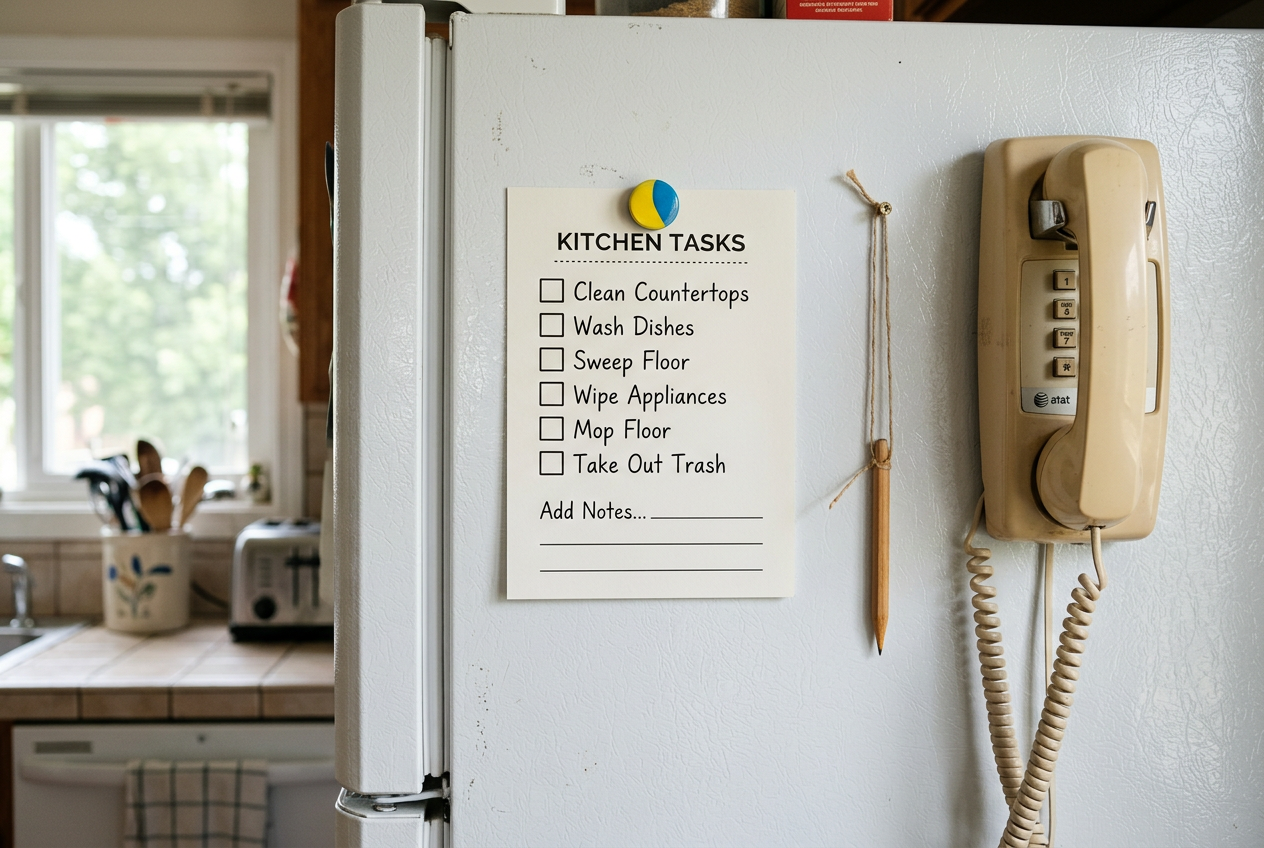
Here is a short checklist your family can use. Print this page or take a screenshot. Post it near your phone, on the fridge, or anywhere your family will see it. When a call feels scary or urgent, this list helps you stop and think.
Slow down
A real emergency can wait two minutes. Scammers push you to act fast so you cannot think. If someone says “hurry” or “do this right now,” that is a warning sign. Take a breath. You are allowed to pause.
Hang up and call back
Do not trust the voice on the call, even if it sounds just like your loved one. AI can copy a voice from a short clip of audio. Hang up. Then call the person back on a number you already have saved. If you cannot reach them, call another family member who can check on them. Scammers can make a call look like it comes from a trusted source, so caller ID is not proof.
Ask for your code word
If your family has set up a secret code word, ask for it now. A real family member will know it. A scammer will not. If the caller cannot give the word, hang up. If you have not set a code word yet, pick one with your family tonight. Choose something only you would know. Do not share it in texts or on social media.
Watch for secrecy
Be careful if the caller tells you to keep the call secret. Real family members do not usually ask you to hide things from everyone else. Secrecy is a trick to stop you from checking the story. Talk to someone you trust before you send any money.
Refuse gift cards and crypto
Never pay with gift cards, cryptocurrency, or a wire transfer because someone on the phone asked you to. These are the payment methods scammers love. They are hard to trace and hard to get back. No real emergency, bank, or government office will ask you to pay this way. If you hear these words, it is almost always a scam.
Report it if you paid
If you already sent money, act fast. Call your bank or the company you used to pay. Ask if they can stop or reverse the payment. Then report the scam to the FTC at ReportFraud.ftc.gov. You can also file a report with the FBI’s Internet Crime Complaint Center, known as IC3, at ic3.gov. Reporting helps investigators, and it may help others avoid the same trap.
Keep this plan simple
You do not need to remember every detail. Just remember these steps: slow down, hang up and call back, ask for the code word, refuse gift cards and crypto, and report it if you paid. Share this checklist with the older adults and young people in your family too. Everyone can be a target, and everyone can learn the plan.
Next Steps: Practice the Plan Tonight
You do not need a big plan to stay safe. You need a few small steps, done tonight. The best time to set this up is before a scary call ever comes. Here is how to start.
Pick your family code word
Sit down with the people in your home. Choose one word or short phrase that only your family knows. Keep it simple but not easy to guess. Do not use a pet’s name or a street you have posted online. Say it out loud a few times so everyone remembers it.
Then agree on one rule. If someone calls in a panic and asks for money, you ask for the code word. If they cannot give it, you hang up and call back on a number you already know. That one habit stops most of these scams cold.
Share the plan with relatives
Call your parents, grandparents, or any family members who live alone. Explain the plan in plain words. Tell them scammers can now fake a loved one’s voice. Tell them the safe move is always the same. Hang up. Call back on a saved number. Ask for the code word.
Older family members are often the target. A short talk now can save them a lot of money and worry later. You can even practice a pretend call together so the steps feel normal.
Save the key numbers today
Add a few numbers and websites to your phone right now, while you are thinking about it:
- Your bank’s fraud line, printed on the back of your card.
- The FTC at ReportFraud.ftc.gov, where you can report scams.
- The FBI’s Internet Crime Complaint Center at ic3.gov, where you can report online and voice-clone fraud.
If you ever get a strange call, these are the first places to turn. Having them ready means you will not waste time searching during a stressful moment.
Remember the core rules
Keep these simple rules in your head. They work for fake family emergencies, fake bosses, and fake officials alike.
- Slow down when a call feels urgent or secret.
- Never pay by gift card, wire transfer, or crypto on the spot.
- Hang up and call back on a number you already know.
- Ask for the family code word before you send any money.
Build the rest of your household plan
A code word is one piece of a calm, ready home. Once you set this up, take a few minutes to look at other planning guides on readyguidance.com. Simple steps like keeping a list of trusted contacts, talking through emergencies with your kids, and knowing who to call in a crisis all fit together.
You can print this page and keep the checklist near your phone. Share it with the people you love. A short talk tonight gives your whole family a clear, steady answer the next time a call tries to rush you.
Sources and Further Reading
- How to avoid ai voice cloning phone scams
- AI Voice Cloning Scams: How 3 Seconds of Audio Becomes a …
- How to verify an AI voice clone scam call?
- Scammers use AI to clone the voices of people you trust. …
- AI Voice Cloning Scams: How to Spot and Stop Them
- www.securityweek.com
- consumer.ftc.gov
- www.ic3.gov