 Ready
ReadyGuidance Daily: November Winter Heating Backup Planning
Today's news review was incomplete because one or more searches failed, so this is an evergreen planning edition. With November underway and the first cold snap approaching for much of the country, this edition focuses on setting up a winter heating backup plan before you need it.
Today’s focus: seasonal preparedness and household planning.
Build Your Winter Heating Backup Plan Before the First Cold Snap
What to plan for: Today's news review was incomplete because one or more searches failed. Rather than report on current events, this is a routine seasonal planning edition for November, when colder weather returns across much of the United States and households start leaning hard on furnaces, wood stoves, and pellet stoves.
What it may mean for households: The first truly cold day tends to expose small weaknesses in a heating system right when it is hardest to fix them. Common low-cost parts fail first, and when the cold arrives everyone needs the same parts, so local stores run low and shipping slows. A simple backup plan built in advance takes the pressure off and keeps your home warm if your primary heat source falters during an outage or part failure.
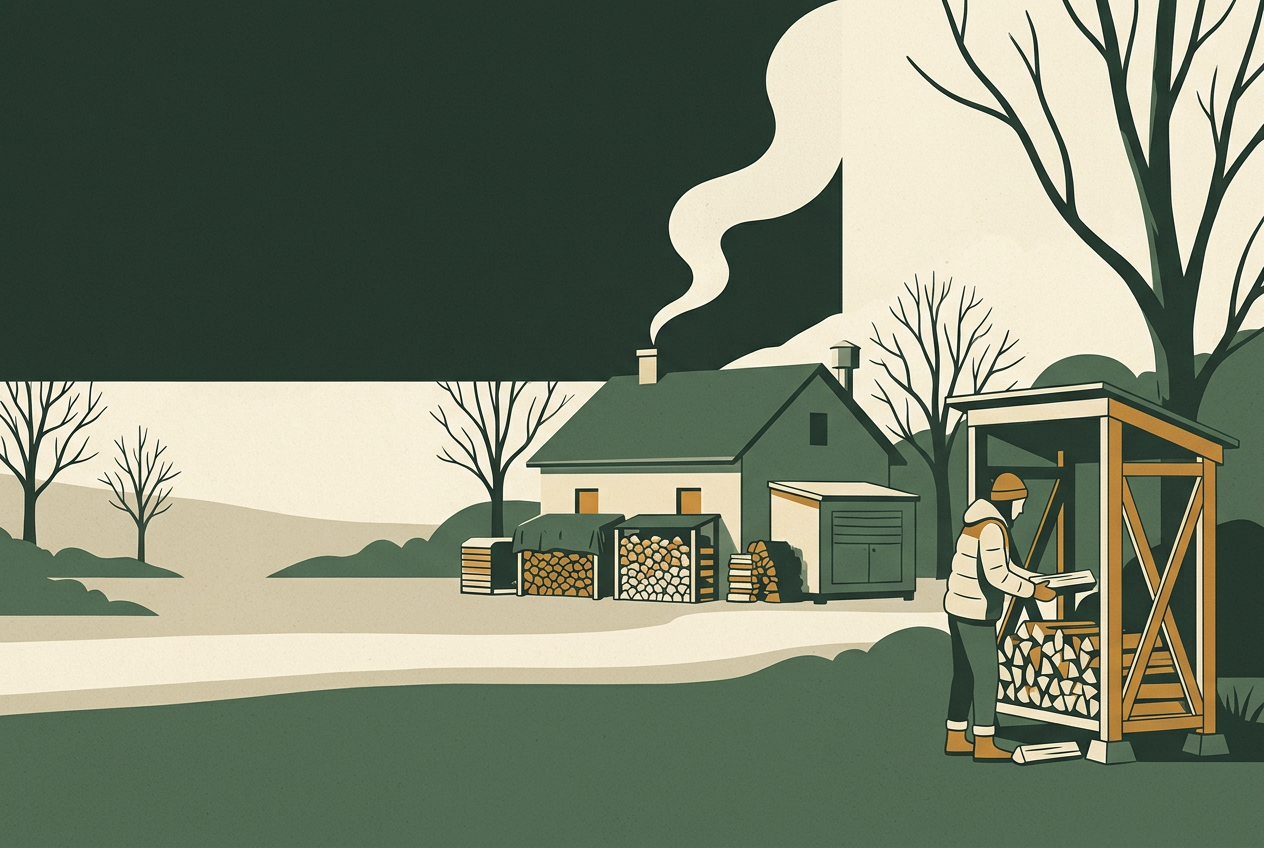
One practical step: Take four low-risk steps this week. First, identify your primary heat source and its likely weak points: a wood stove's gaskets, a pellet stove's igniter, or a furnace's blower motor, igniter, or fuses, and keep one or two inexpensive spare parts on hand. Second, store firewood or fuel so it stays dry and ready to burn. Third, set up one safe backup heat option and the warm layers and sleeping bags to hold body heat if the main system goes down. Fourth, and most important, make sure you have a working carbon monoxide alarm with fresh batteries any time you plan to use backup heat, and never run unvented or outdoor-rated equipment inside the living space.
Today’s takeaway: The first hard freeze finds every weak spot in a heating system. A little planning now, before parts run short and demand spikes, keeps your household warm and safe through a cold-weather disruption.