 Ready
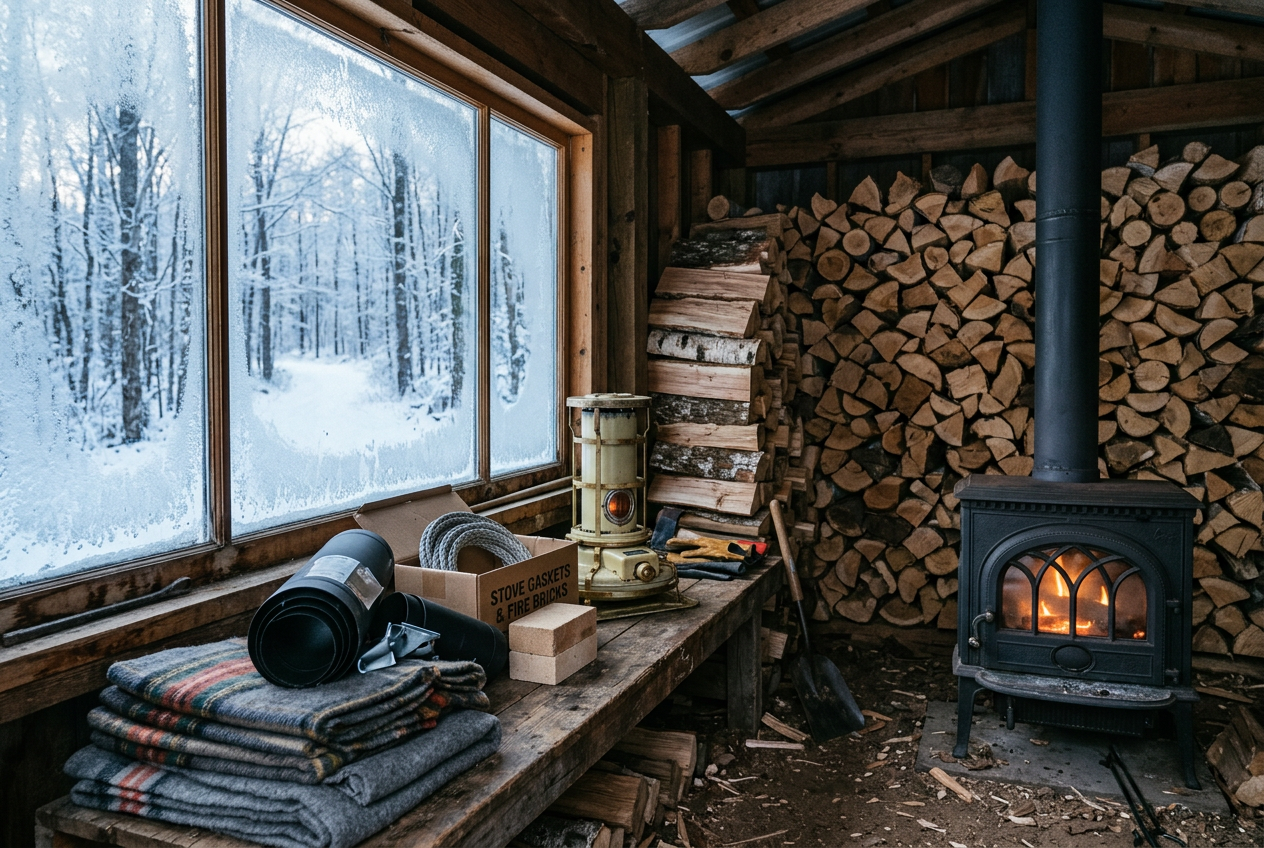
Winter Heating Backup Plan: Spare Parts, Firewood, and Backup Heat Before the First Cold Snap (2026)
The first truly cold day of the season has a way of finding every weak spot. Your wood stove, pellet stove, or furnace works fine all fall. Then the temperature drops, you push the heat hard, and a small part gives out. A gasket, an igniter, a blower motor, a fuse. These little parts fail first, and they fail at the worst time.
Here is the catch. When the cold hits, everyone else needs parts too. Local stores run low. Shipping slows down. You could wait days, or longer, for a part that costs very little. In the meantime, your house gets cold.
The good news is you can fix this now. A simple backup plan takes the pressure off. You stock a few key spare parts. You keep your firewood or fuel dry and ready. You set up a safe way to stay warm if your main heat goes down. None of this has to be fancy or costly.
This guide walks you through it step by step. We cover the critical spare parts to keep on hand. We show you how to store firewood so it burns well. We go over backup heat and backup power. We cover warm layers and sleeping bags to hold body heat. And we explain carbon monoxide safety, which matters any time you use backup heat. Let’s build your plan before the first freeze.
- Have a backup heat source ready that can warm a small room, like a radiant propane heater rated for spaces up to 225 sq. ft.
- Store at least a half face cord of dry, covered firewood so you always have fuel ready to burn.
- Keep a dual fuel generator on hand so you can run on gas or propane depending on what you have.
- Check and stock spare parts for your heater, generator, and wood stove before the first cold snap.
- Keep all firewood off the ground and under a waterproof cover so it stays dry and ready.
One practical preparedness move each week. No fear-mongering, ever.



Reviewed by Beth O., Ryan C. & Marcus T. — contributors with hands-on preparedness experience. How we test
The time to set up your winter heat backup is before the cold hits, not during it. Grab these three items now, then read on to see how each one keeps your home warm when the power or furnace quits.

Mr. Heater Portable Buddy Midnight Series
This radiant propane heater gives you backup warmth for a room up to 225 sq. ft. when your main heat goes out. It has 4,000 and 9,000 BTU settings, and it is approved for indoor use in most states, so check your local rules first.
Check Price on Amazon
Westinghouse Dual Fuel Generator
This generator keeps your power on so your furnace, fans, and lights keep running during an outage. It runs on gas or propane, and it can pair with an automatic transfer switch for hands-off backup power.
Check Price on Amazon
Gtongoko 8FT Firewood Rack
This 8FT rack holds up to a half face cord of firewood and keeps your logs off the wet ground. The included waterproof cover shields your wood from rain and snow so it stays dry and ready to burn all winter.
Check Price on AmazonIn this guide
Why Trust This Guide?
This article was researched and reviewed by contributors with hands-on experience in emergency preparedness. They have tested gear, built real systems, and lived through situations where these skills actually mattered.
Know Your Primary Heat Source and Its Weak Points
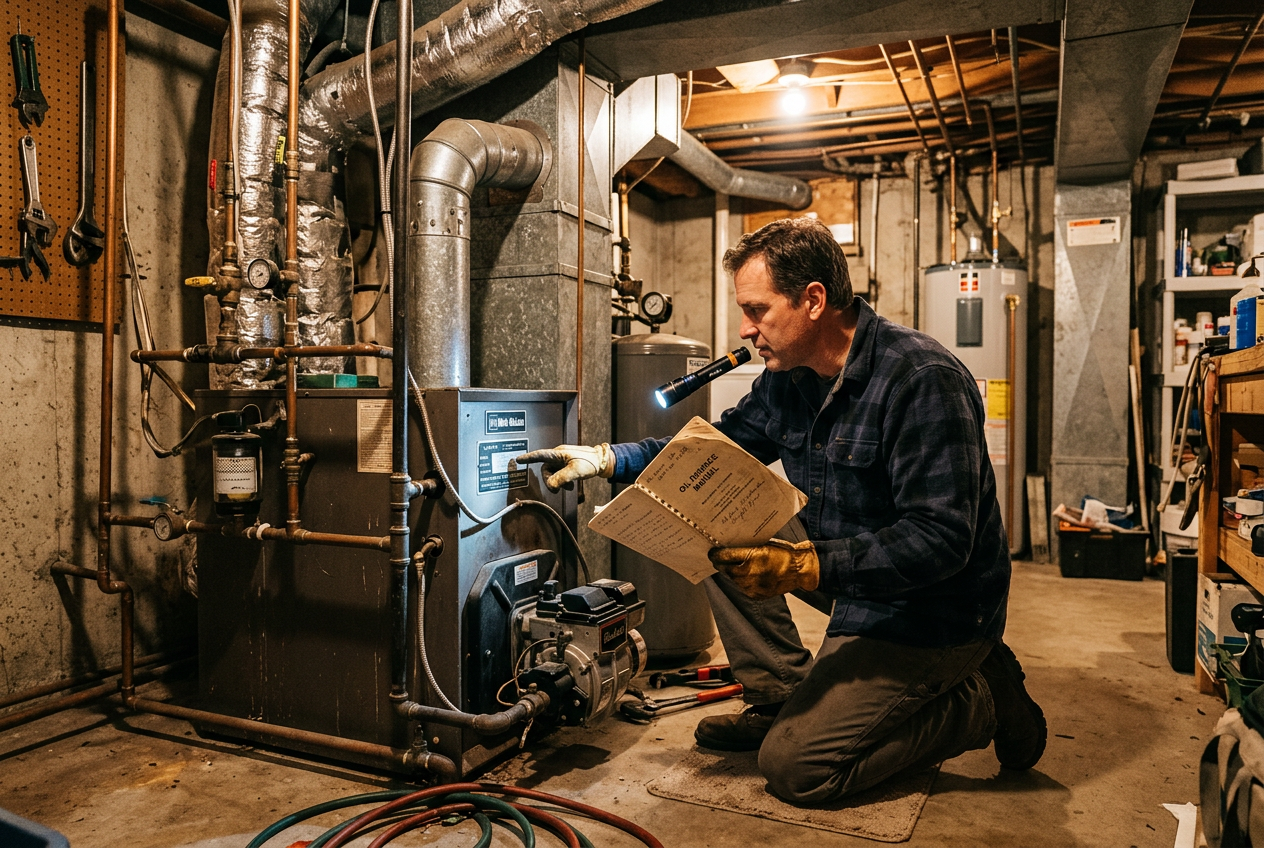
Before you buy a single spare part, you need to know exactly what heats your home. It sounds obvious. But many people are not sure what kind of system they have or how it works. A few minutes now can save you a cold, stressful day later.
Name Your Main Heat Source
Start by figuring out which one you have:
- Wood stove. Burns logs. Simple, but it still has parts that wear out, like gaskets and firebrick.
- Pellet stove. Burns small wood pellets. It uses electric motors and fans to feed pellets and push heat. No power means no heat.
- Oil or gas furnace. Blows warm air through ducts. It uses electric igniters, blowers, and filters.
- Boiler. Heats water or steam and sends it through pipes or radiators. It also relies on electric parts and pumps.
If you are not sure, look at the unit itself. Check for a brand name and a model number. Take a photo of the label with your phone.
Why the Small Parts Fail First
Here is the key thing to understand. Big, heavy parts like the stove body or the furnace shell rarely break. It is the small parts that quit first. And they tend to quit on the coldest day, when the system works hardest.
The usual weak points are electric parts and small consumables. Think igniters, fans, blower motors, sensors, and control boards. On a pellet stove, a tiny auger motor or a fan can stop the whole unit. On a furnace, a bad igniter means no heat at all. These parts are cheap, but they are easy to overlook.
Consumables are items you use up and replace. Air filters, stove gaskets, and firebrick all fall here. A clogged filter or a cracked gasket can cut your heat long before the part fully dies.
The problem is timing. When cold weather hits, local stores sell out fast. Shipping slows down. You can end up waiting days for a small part while your house gets cold. That is why you stock the parts now, before the first cold snap.
Check Your Manual Today
Your owner’s manual is your best friend here. It lists the parts your system uses and often shows part numbers. Pull it out now while you have time.
If you cannot find the paper copy, search online using your brand and model number. Many makers post manuals on their websites for free. Write down the model number and keep it somewhere easy to find.
Once you know your heat source and its weak points, you can build a short list of the right spare parts. The next section covers which spares matter most and how to stock them before you need them.
Critical Spare Parts to Stock Before the Cold
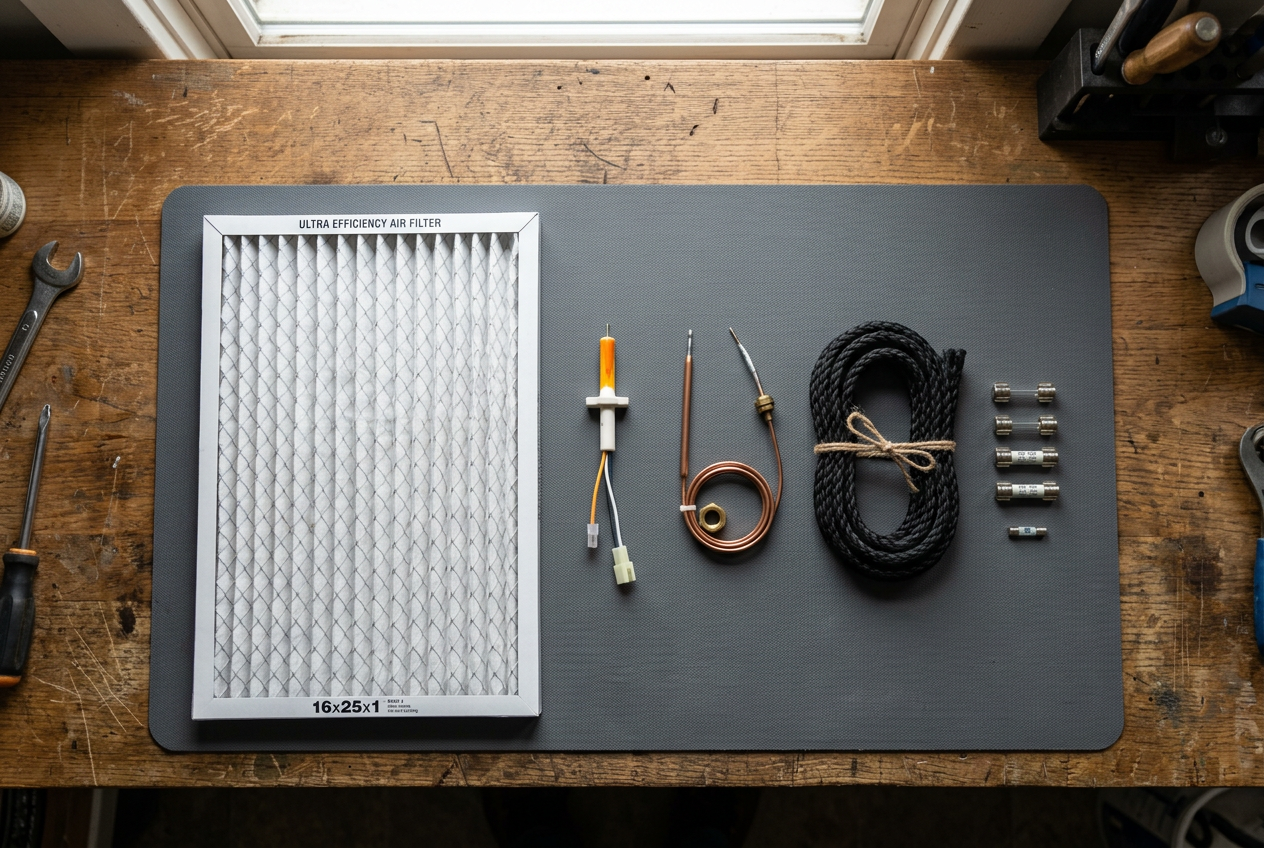
Small parts fail first. A worn gasket or a burned-out igniter can stop your heat on the coldest day. Local stores may be sold out. Shipping can take days. That is why it helps to keep a few key spares on hand before the first cold snap.
Here are the common parts worth stocking for home heat sources.
Furnace and forced-air parts
Air filters. This is the easiest one. A dirty filter blocks airflow and makes your furnace work harder. Keep two or three spare filters ready. Check the size printed on the side of your current filter and buy the same size.
Igniters. Many furnaces use a hot surface igniter to light the burner. These wear out over time and can crack. A cracked igniter means no heat. A spare is small and easy to store.
Thermocouples. Older furnaces and some gas appliances use a thermocouple. It is a small safety sensor. If it fails, the burner will not stay lit. These are cheap to keep on hand.
Blower fuses. A blown fuse can stop the fan that moves warm air. Keep a few spare fuses that match the rating for your unit. Check your manual for the correct type.
Wood and pellet stove parts
Stove door gaskets. The rope-like seal around your stove door wears out and gets brittle. A bad seal lets air leak and hurts how well the stove burns. A replacement gasket kit is a smart spare.
Pellet stove gaskets. Pellet stoves have seals too. Worn gaskets reduce efficiency and can cause poor burning.
Auger motors. A pellet stove uses an auger to feed pellets into the fire. The auger motor can fail with heavy use. This is a part worth having on hand if your stove is older.
How to confirm the right part
Buying the wrong part wastes money and time. Find your model number first. It is usually on a metal plate or sticker on the appliance. Write it down. Match the model number to the part in your manual or on the maker’s website. If you are not sure, call the maker or a local parts dealer with your model number ready.
When to call a technician
Some repairs are simple. Swapping an air filter or a door gasket is fine for most people. Other jobs are not.
Do not try to repair gas lines, wiring, or sealed combustion parts yourself. Gas work and electrical work carry real risks. If the repair involves gas, open flames, or wiring you do not understand, call a qualified technician.
Having the part ready still helps. The technician can install it fast instead of waiting on a slow order. Stock the spares now. Keep your manual nearby. Know which jobs are yours and which need a pro.
Store Firewood So It’s Dry and Ready to Burn
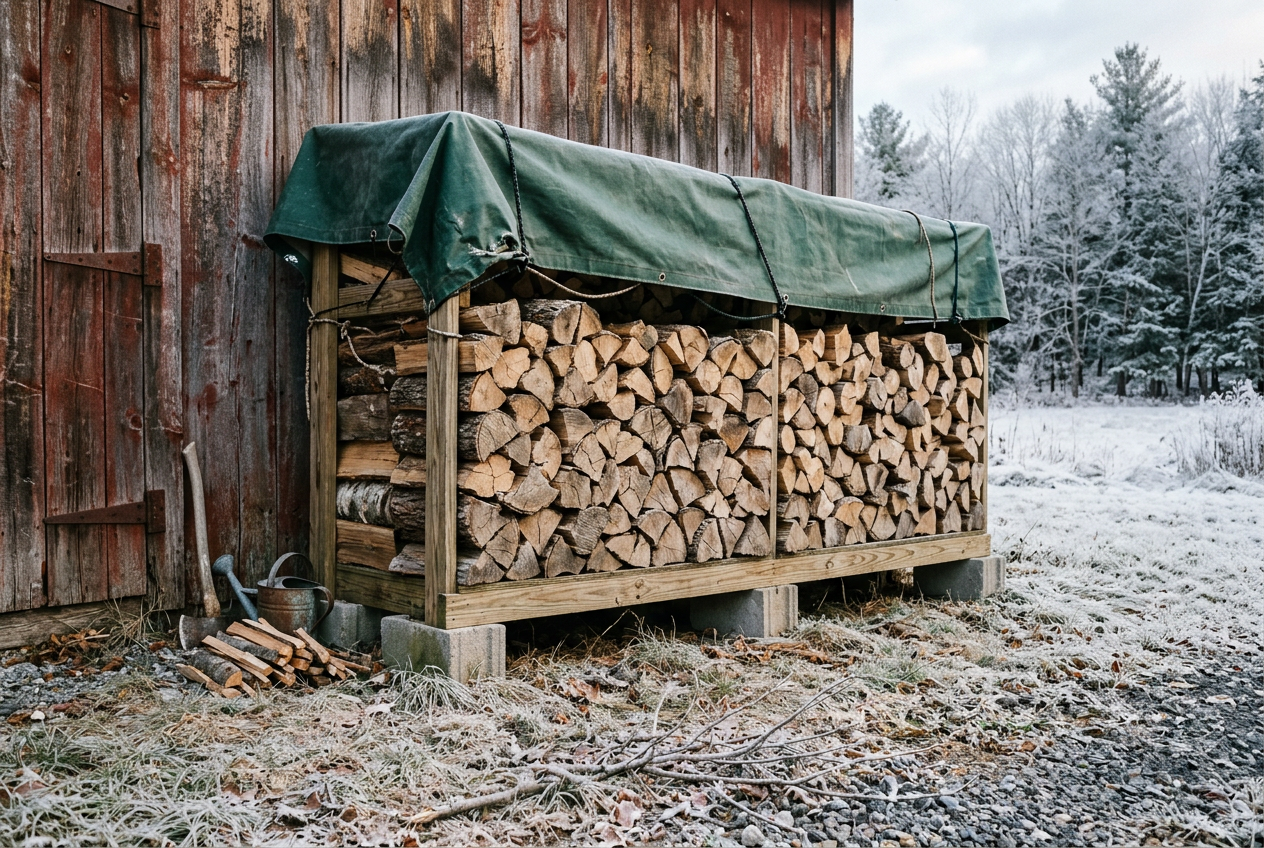
Dry wood is the whole game. Wet or green wood is hard to light. It burns cool and smoky. Worse, it builds up creosote in your chimney. Creosote is a sticky, tar-like coating that forms when wood does not burn hot and clean. Too much of it can catch fire inside your flue. So keeping your wood dry is not just about easy fires. It is a safety step too.
Keep Wood Off the Ground and Covered
Two things keep firewood ready to burn. First, get it off the ground. Wood sitting on dirt or grass soaks up moisture from below. It can also get moldy or draw bugs. Lift it up on a rack so air can move under it. Second, cover the top. Rain and snow should run off, not soak in. But do not wrap the whole pile tight. The sides need air to keep drying out the wood. A cover on top with open sides is the sweet spot.
A good rack does both jobs at once. It raises the wood and comes with a fitted cover. Look for a steel frame with a rust-resistant finish so it holds up outside all winter.
Size Your Storage to What You Burn
Buy or build storage that fits how much wood you actually burn. This is where the term “face cord” helps. A full cord is a stack of wood 4 feet tall, 4 feet deep, and 8 feet long. A “face cord” is one row of that stack. It is 4 feet tall and 8 feet long, but only as deep as the logs are long. Most people burn through face cords over a season, so racks are often sized that way.
Think about your own use. If you only run a stove on cold nights, a smaller rack is fine. If wood is your main heat, you need more. Having your season’s wood stacked and drying before the cold hits means you are not hauling wet logs in a storm.
Here are three covered, elevated racks at different sizes. Pick the one that matches your space and how much you burn.
For a smaller, adjustable option with a rain cover and a raised base, this 4-foot rack works well on a porch or patio.

For a mid-size load, this 8-foot rack holds up to a half face cord. It has a waterproof cover and an elevated design that helps air flow under the wood.
For homes that lean hard on wood heat, this 12-foot rack holds the most. It has a heavy steel frame and a zippered cover to protect a large pile all season.

Whatever size you choose, stack your wood now. Give it time to dry before the first cold snap. Dry wood lights fast, burns hot, and keeps your chimney cleaner.
Fuel Storage and Refueling Safety
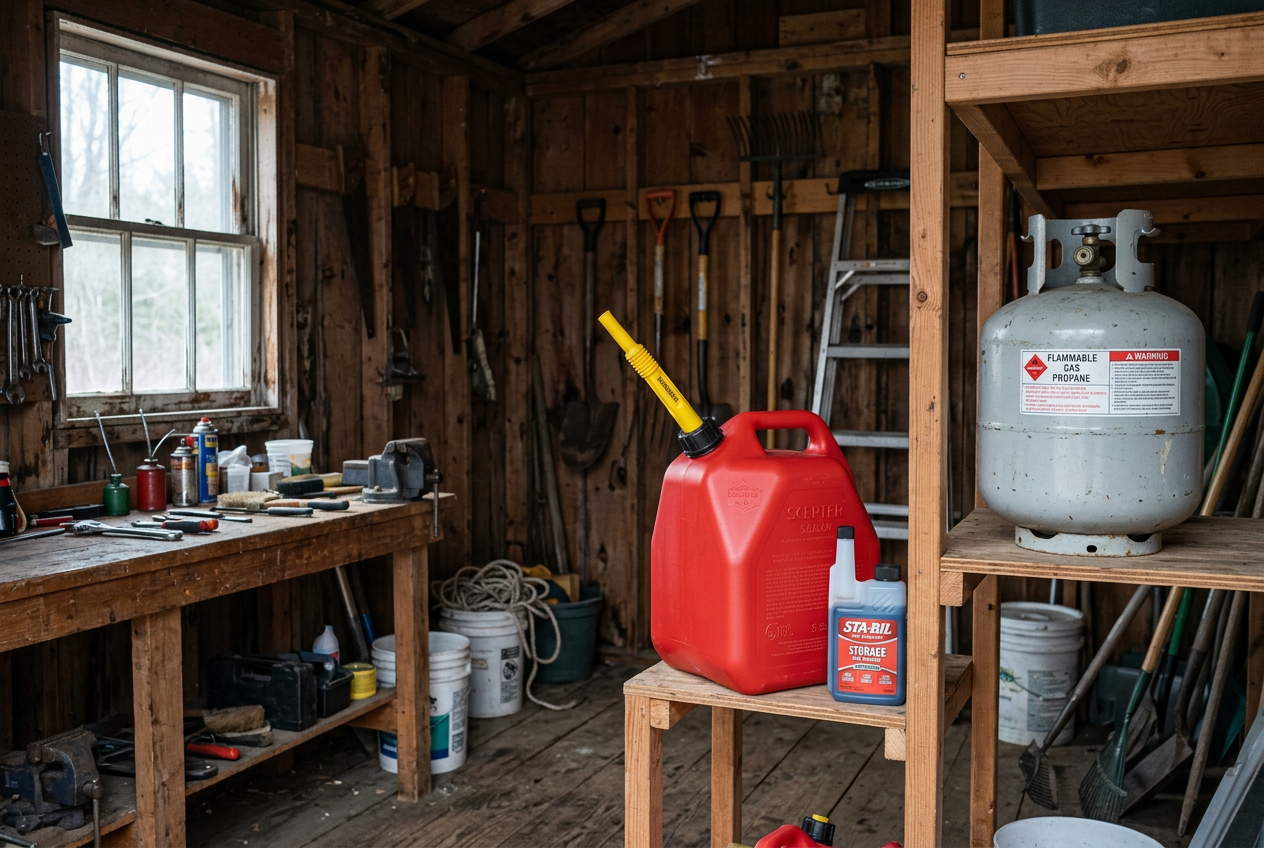
Having fuel ready before the cold hits is smart. Stores can sell out. Shipping can slow down. A little planning now saves you stress later. But storing fuel the wrong way is dangerous. Follow these rules to stay safe.
Buy Enough, Not Too Much
Stock up on your main fuel before the season. That might mean filling your propane tank, buying dry firewood or pellets, or topping off heating oil. The goal is to have what your household needs for the cold months. The goal is not to hoard. Buying far more than you can use safely store creates waste and risk. Think about your normal use. Then buy a reasonable backup on top of that.
Use Approved Containers Only
Store fuel only in containers made for that fuel. Gasoline goes in a gas-rated can. Propane stays in its proper tank. Never use a random jug or an old container. The wrong container can leak or fail. Approved containers are built to handle the pressure and the fumes.
Keep Fuel Out of Living Spaces
Do not store fuel inside your home. That means no gas cans in the kitchen, the bedroom, or the hallway. Fuel gives off fumes you may not smell. Those fumes can build up and catch fire. Store fuel in a detached shed or a well ventilated spot outside. Keep it away from your furnace, your water heater, and any open flame. These are ignition sources. A single spark can start a fire.
Keep all fuel away from children. Lock it up if you can. Kids should never be able to reach fuel or fuel caps.
Refuel the Safe Way
If you run a generator or a fuel powered heater, refueling needs care. Always turn the engine off first. Then let it cool down. Hot engine parts can ignite fuel vapors. Wait until the engine is cool to the touch before you add more fuel.
Use a proper pump or spout made for gasoline. Pour slowly to avoid spills. Never siphon fuel by mouth. You can swallow fuel or breathe in dangerous fumes. Use a hand pump instead.
Always follow the directions that came with your equipment. Also follow your local fire rules. Some areas limit how much fuel you can store at home.
A Note on Fuel Stabilizer
Gasoline does not last forever. Over time it breaks down and loses power. Fuel stabilizer can slow this aging. Add it when the fuel is fresh. But stabilizer does not fix fuel that has already gone bad. If your gas is old and degraded, stabilizer will not bring it back. Use fresh fuel when you can, and rotate your stock so nothing sits too long.
Store fuel right, refuel with care, and your backup heat will be ready when you need it.
Backup Heat and Backup Power Options
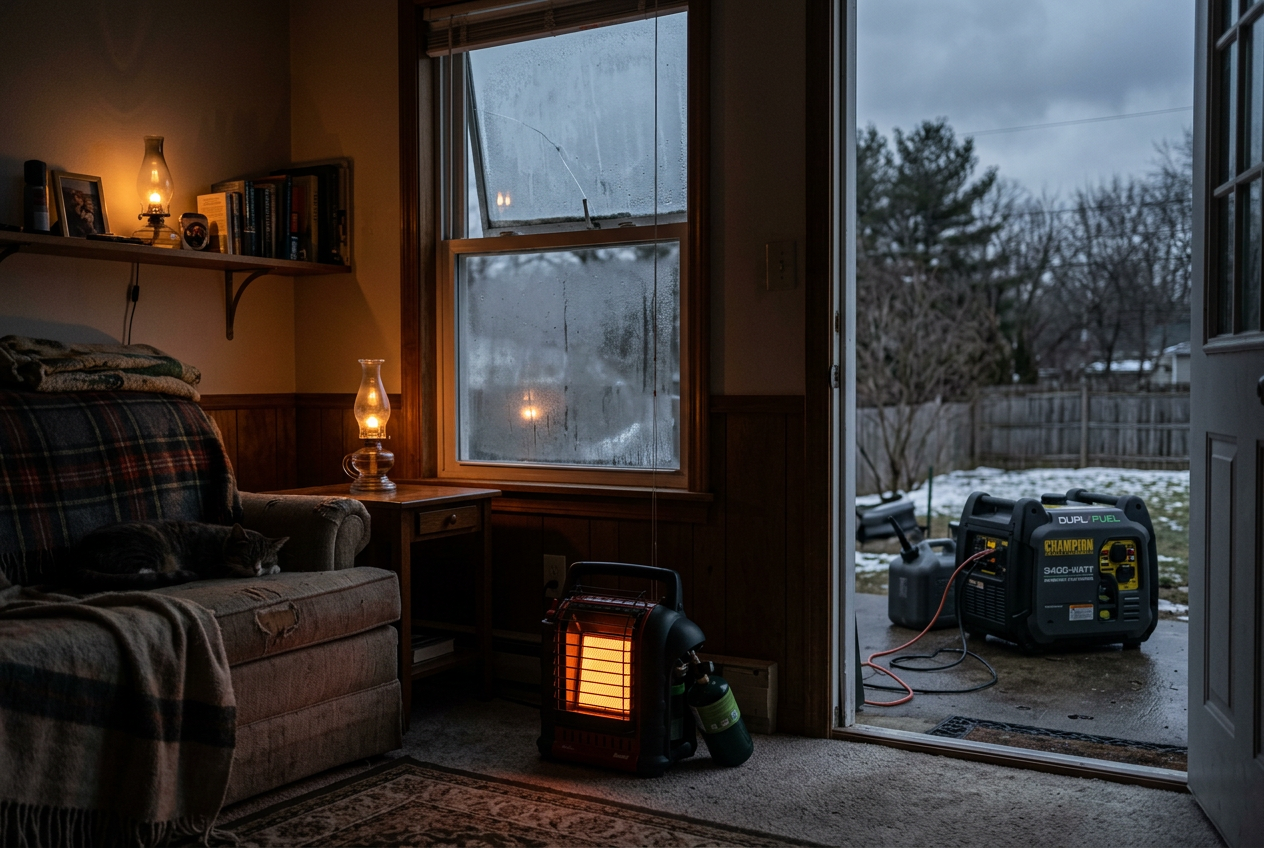
When your main heat fails on a cold day, you need a plan B. There are two problems to solve. First, how to warm a room without your main heat. Second, how to keep a furnace blower or pellet stove running during a power outage. Let’s look at both.
Indoor-Rated Portable Propane Heaters
A small propane heater can warm one room while you wait for repairs. Pick one that is rated for indoor use. Size it to your space, not your whole house. The goal is to keep one room livable, like a bedroom or living room.
For a tiny space, a small radiant heater works well. The Mr. Heater Little Buddy puts out 3,800 BTU and heats up to 95 square feet. That is enough for a small room.

If you need to warm a larger area, step up to a bigger unit. The Mr. Heater Portable Buddy Midnight Series offers 4,000 or 9,000 BTU. It heats spaces up to 225 square feet. You can turn the heat level down for a smaller room.
One important note. These heaters are designed and approved for indoor and outdoor use. But indoor use is not approved in Canada or Massachusetts. Check your local rules before you buy. Always follow the maker’s directions. Crack a window for fresh air. Never leave a heater running while you sleep. More on safety in the carbon monoxide section below.
A Generator to Keep Your System Running
Here is something many people miss. A pellet stove needs electricity to run. So does a furnace blower. If the power goes out, so does your heat, even if you have fuel. A generator fixes this.
A dual-fuel generator runs on gasoline or propane. That gives you flexibility. If one fuel runs short, you can switch. The Westinghouse 13500 Peak Watt generator is transfer switch ready. It can run up to 19 hours at 25 percent load on a full gas tank. You can start it with a button or a remote key fob.
A generator is a bigger job to set up. You need safe placement and proper wiring. Never run a generator indoors or in a garage. For install details and safe hookup, see our full generator guide.
Quick Comparison
Match the tool to your need. A heater warms a room. A generator keeps your system running. Many households want both.
Backup Heat and Firewood Options Compared
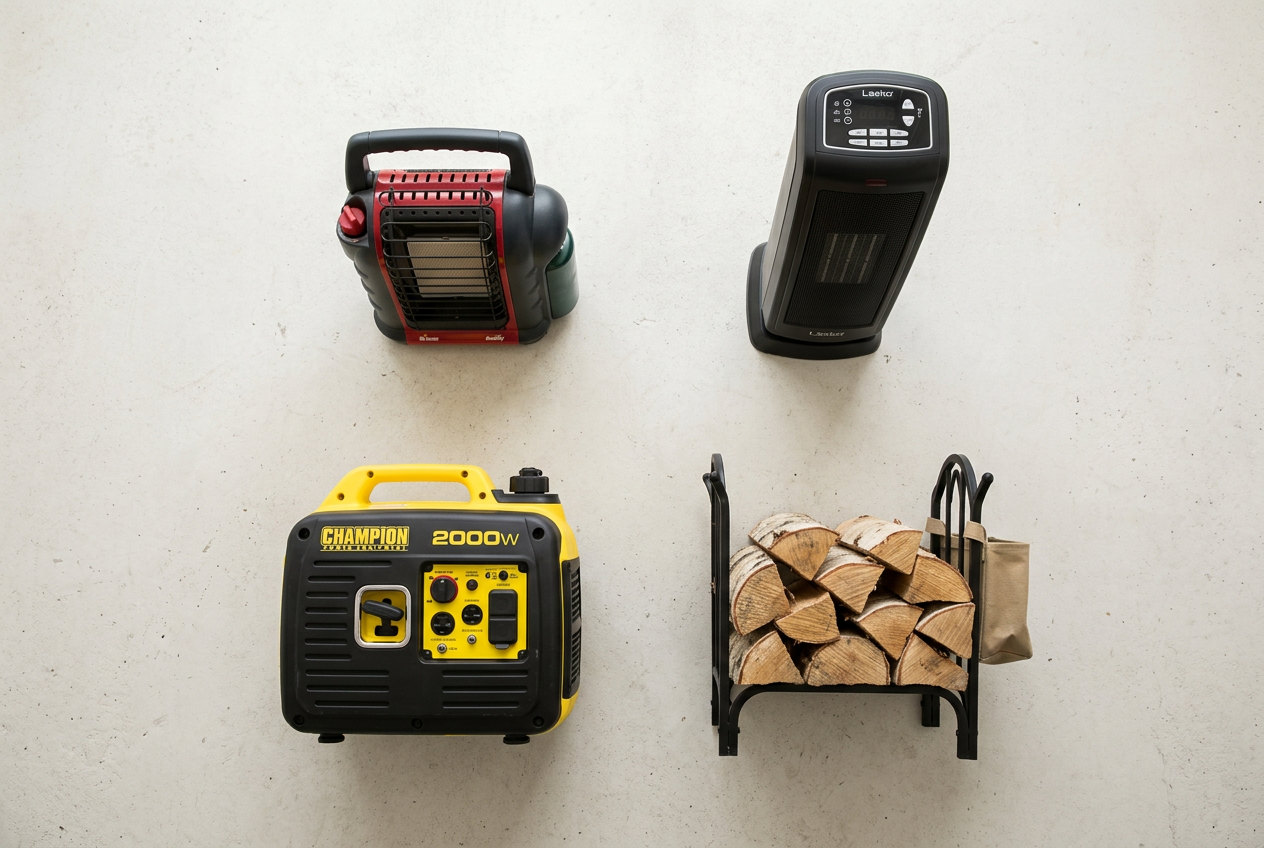
You have read about each option on its own. Now here is a quick side-by-side look. This table puts the heaters, generator, and firewood racks in one place. Use it to match a product to your home and your situation. Read the safety notes closely. They matter as much as the numbers.
How to read this table
Start with your main need. Do you need backup heat, backup power, or better wood storage? Each row answers a different problem.
For heat, match the room size to the heater. The Little Buddy heats up to 95 square feet. That fits a small room or a single sleeping space. The Mr. Heater Portable Buddy Midnight Series heats up to 225 square feet. That suits a bigger living area. Both run on propane. Both need carbon monoxide safety steps. Read the next section before you use either one indoors.
Generator and compatibility notes
The Westinghouse dual fuel generator is a different kind of backup. It makes power, not heat. It can run on gasoline or propane. That gives you flexibility if one fuel runs low. Note that the automatic transfer switch is sold separately. A generator is a bigger step. Never run it indoors or in a garage. Keep it outside and far from windows.
Matching a wood rack to your supply
The firewood racks come in three sizes. Think about how much wood you burn. The GARDENWORK 4FT rack holds a smaller load and can work indoors. The Gtongoko 8FT rack holds about half a face cord. The VIVOHOME 12FT rack holds the most, up to three-quarters of a rope. All three come with a cover. All three raise the wood off the ground. That keeps your firewood dry and ready to burn.
Pick the size that fits your space and your season. You do not need the biggest rack if you burn little wood. Do not hoard wood or fuel you cannot use.
Warm Layers, Sleeping Bags, and Low-Cost Ways to Hold Heat
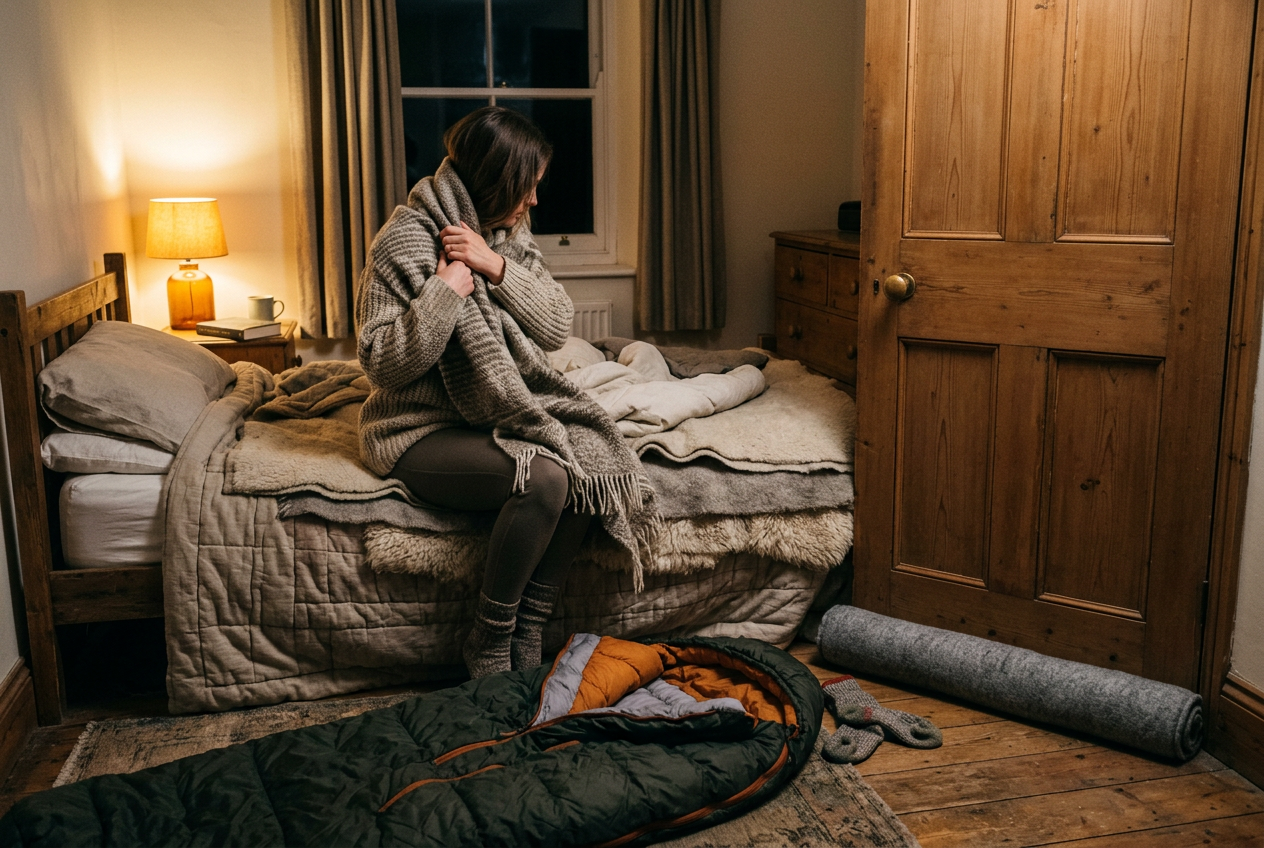
When your main heat is down, your first job is simple. Keep the heat you have and stop losing it. Many of these steps cost nothing. You can start right now.
Pick One Room and Close Off the Rest
You do not need to heat the whole house. Pick one small room to be your warm room. A bedroom or a room with a wood stove works well. Smaller is better. A small space heats up faster and holds warmth longer.
Close the doors to rooms you are not using. Shut them off from your warm room. This keeps the warm air where you need it. If a room has no door, hang a heavy blanket in the doorway. That blocks the gap and slows the cold air.
Block Drafts and Trap the Warmth
Cold air sneaks in through small gaps. Warm air leaks out the same way. Find these leaks and seal them.
Here are low-cost ways to stop drafts:
- Roll up a towel and push it against the bottom of each door.
- Close curtains and blinds at night to hold heat in.
- Open curtains on sunny windows during the day to let warmth in.
- Cover drafty windows with a blanket or plastic sheet.
- Stuff rags into gaps around window frames.
These small fixes add up. They help you stay warmer with less effort.
Layer Your Clothing
Dress in layers instead of one thick coat. Layers trap warm air between them. You can add or take off layers as you need. Start with a base layer close to your skin. Add a middle layer like a fleece or sweater. Put a warmer layer on top of that.
Do not forget your head, hands, and feet. Wear a hat indoors if you are cold. Thick socks and gloves help a lot. Most of your body heat can escape fast if these areas are bare.
Keep Blankets and Sleeping Bags Ready
Have extra blankets out and ready before the cold hits. Pile them on beds. Keep a few in your warm room.
A cold-rated sleeping bag is one of the best ways to stay warm at night. A good bag keeps you warm even when the room is cold. Pull a bag over your blankets for extra warmth. Everyone in the house should have one ready.

For help picking a bag that fits your climate, see our emergency sleeping bag guide and cold-weather gear guide. They cover what to look for and how to match a bag to your winter.
Warm Up Before Bed
Go to bed warm. Eat a hot meal. Drink something warm. Do a little light movement to warm your body first. Once you are in your sleeping bag, your body heat helps keep you warm through the night. Share body heat if you can. Two people in one room stay warmer than two people in separate rooms. For outage cooking options, see our emergency stove guide.
Carbon Monoxide Safety When Using Backup Heat
Any heater or generator that burns fuel can make carbon monoxide. This gas is often called CO. You cannot see it. You cannot smell it. It can build up fast indoors and it can kill. This is the most important part of any backup heat plan. Read it before you light a heater or start a generator.
Never Run a Generator Indoors
A portable generator must always run outside. Keep it far from your home. Keep it away from windows, doors, and vents. If the exhaust drifts inside, CO can collect in your rooms. Never run a generator in a garage, even with the door open. Never run one in a basement, shed, or crawl space. This rule holds true for a dual fuel unit like the Westinghouse dual fuel generator. Point the exhaust away from the house. Follow the maker’s directions for safe placement.
Follow Heater Directions for Ventilation
Indoor-safe propane heaters still need fresh air. Read the manual that comes with your heater. Some heaters, like the Mr. Heater Portable Buddy Midnight Series, are made and approved for indoor use in most places. But indoor use is not approved in Canada or Massachusetts. Check the rules where you live.
Even an indoor-rated heater needs some airflow. Crack a window a little. Never seal a room up tight. Follow the size limits the maker lists. A small heater like the Little Buddy is made for a small space. Do not use any fuel-burning heater in a space it was not made for.
Install Working CO Alarms
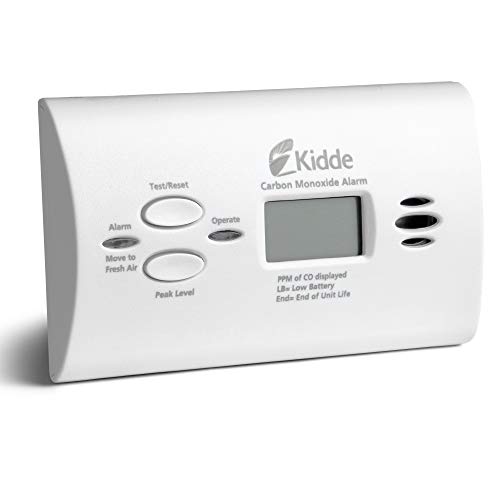
A carbon monoxide alarm is cheap protection. It can warn you before the gas reaches a deadly level. Put a CO alarm on each floor of your home. Put one near where people sleep. Test it. Put in fresh batteries before the cold season starts. Keep spare batteries on hand. An alarm with dead batteries protects no one.
Know the Warning Signs
CO poisoning is easy to miss. It can feel like the flu. Watch for these signs:
- Headache
- Dizziness
- Weakness or feeling very tired
- Upset stomach or throwing up
- Chest pain
- Confusion
If more than one person feels sick at the same time, that is a strong warning. Pets may get sick too.
What to Do Right Away
If your CO alarm sounds, or if people feel these signs, get outside fast. Move to fresh air. Take everyone with you, including pets. Do not stop to find the cause. Once you are outside and safe, call 911 or your local emergency number. Do not go back inside until help says it is safe. If anyone passed out or cannot breathe well, tell the operator right away.
Frequently Asked Questions
How much firewood do I need?
The honest answer is that it depends. It depends on your stove, your home, and how cold your winters get. A good rule is to store more than you think you need. Running low in the middle of a cold snap is stressful. Keep your wood dry and off the ground, as covered in the firewood section above. A covered rack like the VIVOHOME 12 ft firewood rack helps you store a larger supply and keep it ready to burn. Just do not go overboard and hoard. Buy what fits your space and your season.
Is a propane heater safe to run indoors?
Some propane heaters are made for indoor use, and some are not. Never assume. Check the label and the manual before you bring one inside. The Mr. Heater Portable Buddy Midnight Series is designed and approved for indoor use, but indoor use is not approved in Canada or Massachusetts. Even with an indoor-rated heater, you must have fresh air and a working carbon monoxide alarm. Carbon monoxide is a silent danger. Read the carbon monoxide safety section before you run any backup heat inside. Never use an outdoor-only heater indoors.
Do I need a generator if I heat with wood?
Maybe. It depends on your stove. A plain wood stove burns without electricity. But many pellet stoves and some wood furnaces use fans, motors, or electric controls. If yours needs power to run, a power outage can shut it down even when you have plenty of fuel. In that case, a generator helps. A dual fuel model like the Westinghouse 13500 peak watt generator can keep key parts running. Check your stove’s manual to see if it needs electricity. If it does not, you may not need a generator for heat at all.
How do I know which spare parts fit my stove or furnace?
Start with your owner’s manual. It usually lists part numbers for common wear items. Write down the make, model, and serial number of your unit. Keep that information somewhere easy to find. When you order parts, match them to those numbers. Do not guess. The wrong part can be unsafe or simply will not fit. See the spare parts section above for which items tend to fail first.
When should I call a professional?
Call a pro when you are unsure. If a repair involves gas lines, wiring, or your furnace’s inner workings, that is a job for a trained technician. The same goes for chimney cleaning and yearly system checks. Stocking spare parts does not mean you should attempt every repair yourself. Know your limits. A safe home in winter is worth the call.
For a quick summary of all these steps, see the action checklist near the end of this article. You can print this page to keep it handy.
Your Before-the-Cold-Snap Action Checklist
Work through this list one step at a time. You do not have to finish it in a day. Start at the top and check off each item as you go. If you want a copy, you can print this page.
Step 1: Know Your Heat Source
- Find the brand and model number of your main heater, stove, or furnace.
- Write down the model number and keep it on your phone or a note by the stove.
- List the parts that tend to wear out or fail first. Think gaskets, igniters, fans, or filters.
Step 2: Order Critical Spare Parts Now
- Make a short list of the small parts your heat source needs most.
- Order those spares early. Local stores and shipping can leave you waiting on the first cold day.
- Store the parts in a labeled box near your heat source so you can find them fast.
- Buy only what you need. Do not hoard.
Step 3: Stock and Cover Your Firewood
- Count how much dry firewood you have.
- Set up a rack that keeps logs off the ground and lets air flow through.
- Cover the wood so rain and snow stay off, but let the sides breathe.
A sturdy covered rack keeps your wood dry and ready to burn.
Step 4: Secure Your Fuel Safely
- Fill your propane tank or restock pellets before the first freeze.
- Store fuel in approved containers only.
- Keep fuel out of living spaces and away from any flame, heater, or spark.
- Keep fuel away from children.
- Let engines cool before you refuel. Use a gas-rated pump. Never siphon by mouth.
- Remember that fuel stabilizer does not fix fuel that has already gone bad.
Step 5: Set Up and Test Backup Heat
- Pick a backup heat source you can use safely.
- Read the maker’s directions before you ever need it.
- Test it now, not during a storm, so you know it works.
A small indoor-safe propane heater can warm one room if your main heat stops.
Step 6: Gather Warm Layers
- Pull out extra blankets, sleeping bags, hats, and wool socks.
- Keep them in one spot where everyone can reach them.
- Pick one room to close off and keep warm if the power goes out.
Step 7: Install or Test Your CO Alarms
- Put a carbon monoxide alarm on each level of your home.
- Test every alarm and put in fresh batteries.
- Never run any fuel-burning backup heat without a working CO alarm nearby.
Once all boxes are checked, you are ready for the first cold snap. Keep this list handy so you can repeat it next year.
Next Steps Before the First Freeze
A little planning now saves you a cold scramble later. The small parts fail first. The spare you forgot to buy is the one the store sells out of. Shipping slows down when everyone needs the same thing. That is why you prepare before the first cold snap, not during it.
You do not need to spend a lot. Most of the steps in this guide are cheap or free. A few spare parts for your stove. A dry stack of firewood. A warm sleeping bag you already own. These small moves add up to real protection when the temperature drops.
Start With the One-Week Checklist
The fastest way to begin is the action checklist in this article. Work through it one item at a time. You can print this page and check off each step as you go. There is no PDF to download. The printed page works just as well.
Pick the easy wins first. Stack and cover your firewood so it stays dry. A rack like the Gtongoko 8FT firewood rack keeps logs off the ground and under cover. Order your critical spare parts. Test your carbon monoxide alarm and put in fresh batteries. These take an afternoon and give you peace of mind.
Schedule Professional Service for Your Main Heat
If your main heat source has not been inspected recently, book a service visit now. A wood stove, pellet stove, or furnace works harder and safer when it is clean and checked. A pro can spot worn parts before they fail. Chimneys and flues need attention too. Buildup inside them is a fire and carbon monoxide risk.
Do not wait until the first freeze to call. Service techs get busy fast once the cold hits. Early fall is the quiet season. You will get a faster appointment and a calmer tech who has time to answer your questions.
Line Up Your Backup Heat and Power
Have a backup heat source ready before you need it. A small indoor-rated propane heater like the Mr. Heater Portable Buddy Midnight Series can warm a single room during an outage. If you want to keep more of your home running, a dual fuel generator like the Westinghouse 13500 peak watt generator gives you more options. Follow all fuel and carbon monoxide safety rules covered earlier in this guide.
Keep Learning
Want to go deeper on any one topic? Check our related site guides. We cover how to choose and run a generator safely. We cover how to pick a warm sleeping bag for cold nights. And we cover broader winter storm prep for power outages, frozen pipes, and bad roads.
Start today. One small step now beats a cold, stressful night later. Your future self will thank you when the first freeze arrives and you are already ready.
Sources and Further Reading
- How to Keep Your Home Warm, Safe & Cozy This Winter
- Winter Heating Resources | Maine Department of Energy …
- Winter Weather
- Winter Storm Preparedness & Blizzard Safety
- Winter Preparedness Checklist for You and Your Home
- Winter Weather Preparedness Guide & Safety Tips
- 4 Ways to Prepare for Winter Weather Emergencies


