Ready
What to Do If Protests Break Out in Your City: A Nonpartisan Safety Guide (2026)
Protests can start fast. You might wake up to news that a march is forming downtown. You might hear chanting a few blocks from your home. You might own a small shop near where a crowd is gathering. When this happens, you need calm, clear steps. You do not need panic.
This guide is simple and nonpartisan. It does not take a side on any issue. It does not care who is marching or why. Its one goal is to help you and your family stay safe when protests or civil unrest happen near you.
Here is the core message: the safest choice is to stay away. Avoid the area. Do not go to watch. Do not join a crowd to see what is going on. Most protests stay peaceful. But crowds can shift fast, and you cannot control what happens around you. Staying clear keeps you out of harm’s way.
This article is for ordinary households and small business owners. It is not a guide for anyone planning to attend a protest. It is for people who just want to get through a tense time safely.
Here is what we will cover:
- How to stay informed and know where the activity is
- How to stay home or leave safely
- What to do if you get caught near a crowd
- How to protect a small business or storefront
- What to know about tear gas and smoke
- Basic first aid at home
Let’s start with staying informed.
- Stay informed in real time, and keep at least one radio that works without wifi or cell service.
- Pick calm routes and know 2 or 3 ways to get home before you ever need them.
- Keep a mask handy, since crowds can mean tear gas, pepper spray, or heavy dust in the air.
- Move away from large groups fast, and never argue or film people in a way that draws attention.
- Have a family check-in plan with a meeting spot and a backup contact who lives far away.
One practical preparedness move each week. No fear-mongering, ever.



Reviewed by Elena V., Marcus T. & James W. — contributors with hands-on preparedness experience. How we test
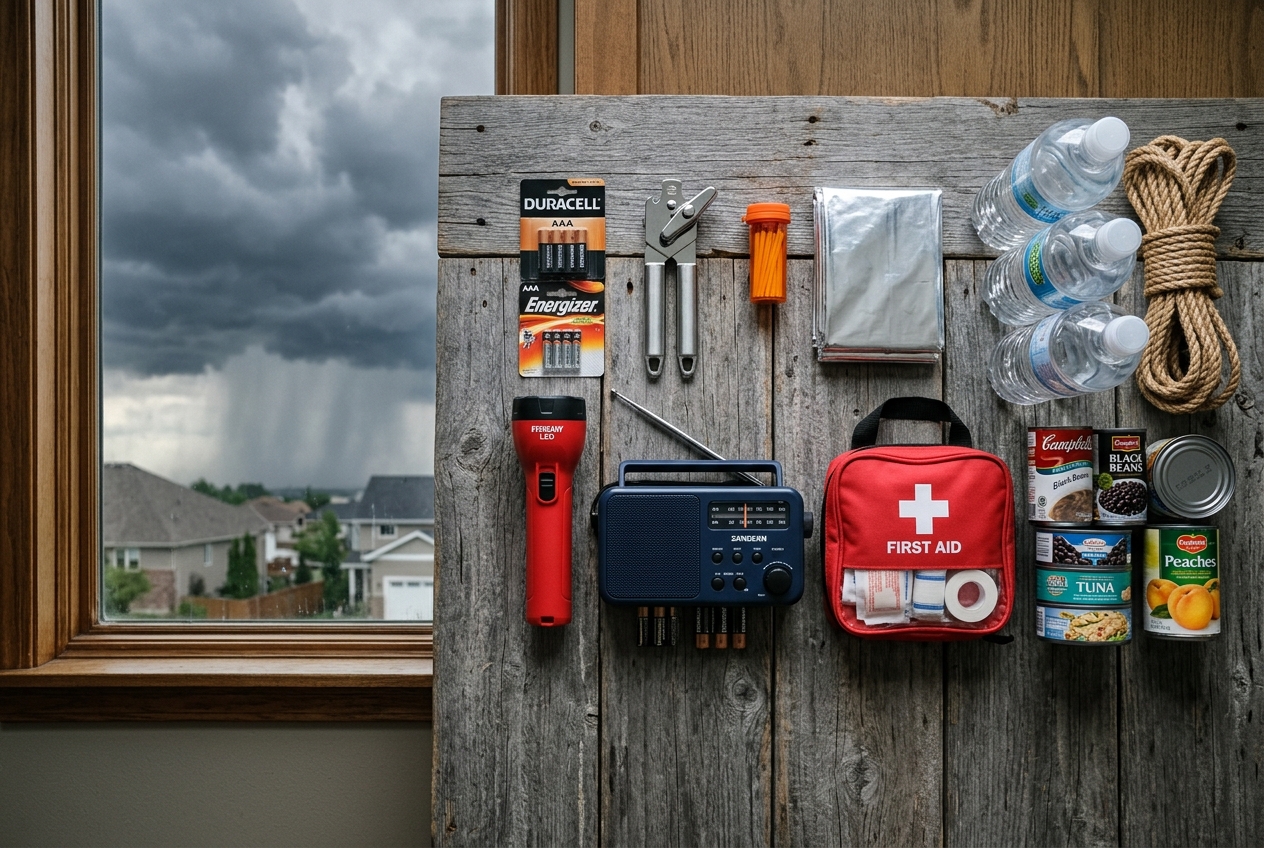
A little gear now means a lot less stress if things get tense in your area. Grab these basics, then read on to see exactly how each one helps.

FANGTIAN N95 Masks, 30 Pack
This full case of NIOSH approved N95 masks helps filter out smoke, dust, and spray particles if the air gets bad. Having 30 means your whole family stays covered for days.
Check Price on Amazon
FosPower Solar Crank Radio
This hand crank and solar radio keeps you tuned to AM, FM, and weather alerts even if the power or cell network goes down. It also works as a flashlight and can charge your phone when you need to reach family.
Check Price on Amazon
AccuMed BNX N95 Masks
These USA made NIOSH certified N95 masks use over the head bands for a snug fit, which helps block airborne particles. The 20 pack gives you spares to share or swap out when one gets dirty.
Check Price on AmazonIn this guide
Why Trust This Guide?
This article was researched and reviewed by contributors with hands-on experience in emergency preparedness. They have tested gear, built real systems, and lived through situations where these skills actually mattered.
Stay Informed and Know Where the Activity Is
The best way to stay safe is to know where the activity is happening. When you know which streets are affected, you can plan around them. Your main goal is simple. Stay away and do not join in.
Use Official Local Alerts First
Start with sources you can trust. Many cities send out alerts about road closures and large gatherings. Sign up for your city or county alert system if you have not already. These alerts often come by text or email. They can tell you which areas to avoid.
Local news is another good tool. Watch your local TV station or check its website. News can show you where crowds are forming and where traffic is blocked. This helps you pick safer routes if you must travel.
Check Community Notices
Neighbors often share updates fast. A local community group or neighborhood app can tell you what is going on close to home. Just be careful. Not every post is correct. People sometimes share rumors or old photos. Check what you read against official alerts and local news before you act on it.
The key point is to avoid the affected area. Official guidance for civil unrest says your best course of action is to stay away from marches and similar activities. If you do not need to be near a demonstration, do not go.
Plan Your Routes
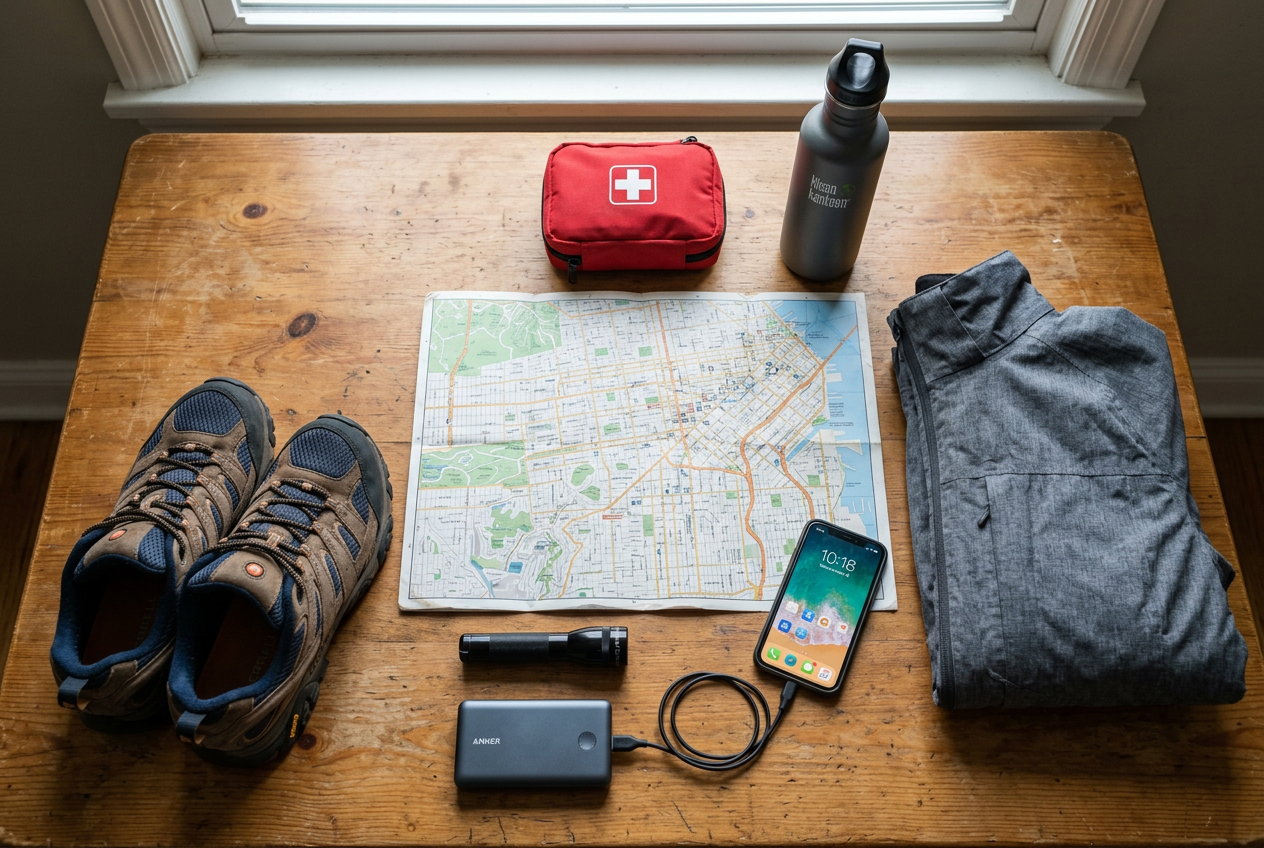
Once you know where the activity is, think about how you move. If you may need to leave your home or business, plan more than one route out. Pick a main route and a backup. That way, if one road is blocked, you still have a way to go. This also helps if you need to get home from work or school.
Keep Updates Coming If Power or Cell Service Drops
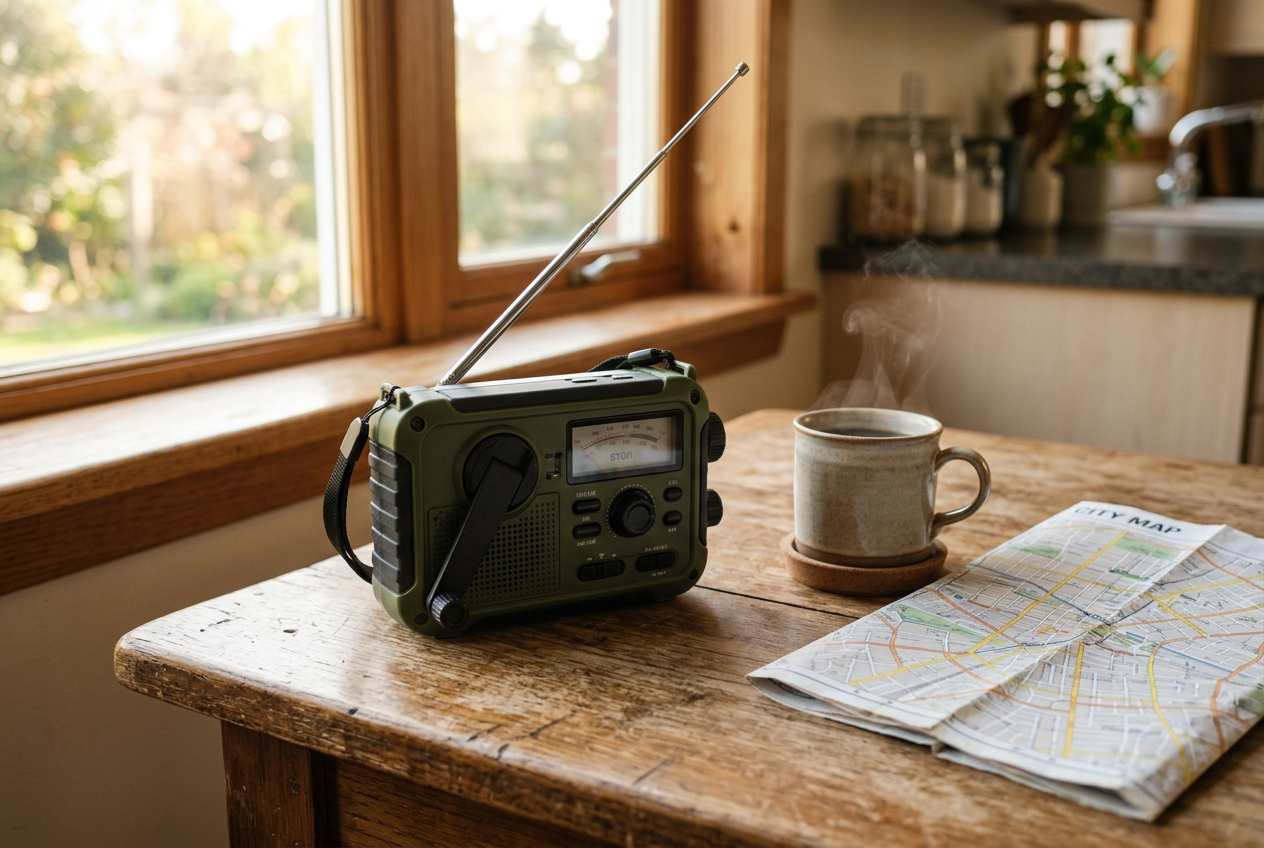
Large crowds or emergencies can strain cell networks. Power can also go out. If your phone dies or service is down, you lose your main way to get news. A hand-crank emergency radio solves this problem. It does not depend on the power grid or your cell signal.
The FosPower NOAA Emergency Weather Radio picks up AM, FM, and weather band stations. That lets you hear local news and official weather alerts even when the power is out. It has four power options. You can use a hand crank, a solar panel, AAA batteries, or its built-in power bank. The crank and solar panel let you make power without a wall outlet.
The radio also holds a 7400mWh power bank. That can give a small boost to a phone or tablet. It is not meant to fully charge a dead phone many times, but it can help you check one more alert. The built-in flashlight and reading light also help if the lights go out.
Keep the radio charged now, before you need it. A tool you have ready is worth far more than one you wish you had.
Stay Home or Leave Safely
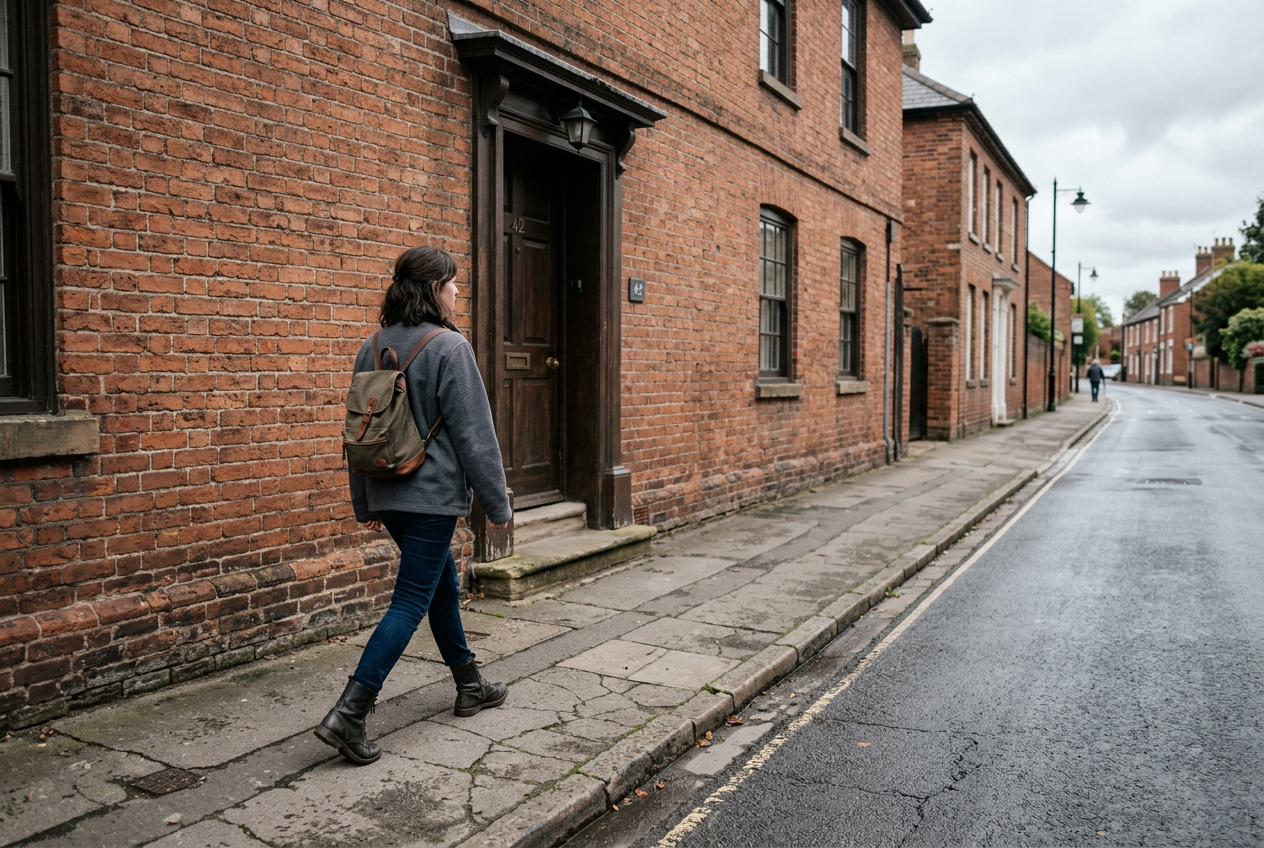
When protests or unrest break out nearby, the safest choice is usually to stay home. Avoid the area where the activity is happening. Crowds can grow fast and change direction. A peaceful gathering can turn tense in minutes. If you are not part of it, there is no reason to be close to it.
Staying home also means staying calm. Keep your doors locked. Keep the lights low if a crowd passes your street. Watch and listen for official updates so you know what is going on outside. A weather and emergency radio can help you hear alerts even if the power or internet goes down. One good option is a hand crank and solar model that works without wall power.

Why Home Is Usually Safest
Being inside keeps you away from the main risks. You avoid the crush of a crowd. You avoid any clashes between groups or with police. You also avoid tear gas and smoke, which we cover later. If you have children, pets, or older family members, home is the easiest place to keep them safe and together.
Stock a little water, some snacks, and any medicine you need. That way you will not feel pushed to go out while things are active. Wait for the all clear from local officials before you travel.
If You Must Leave
Sometimes you have to go out. Maybe you need to get home from work. Maybe you need to reach family. If you must travel, plan ahead and stay calm.
Plan more than one route. Know at least two ways in and two ways out of your area. If one road is blocked by a crowd, you can switch to another. Check local updates first so you know which streets to avoid.
If you are with others, pick a meeting spot. Agree on where you will all go if you get separated. Keep your phone charged and keep a way to reach each other.
Moving Through or Near a Crowd
If you end up near a crowd on foot, stay on the edge. The center of a crowd is the most crowded and the hardest to leave. The edge gives you room to move and to step out.
Walk, do not run. Running can cause panic. It can also make others think there is danger and start to push. Move at a steady pace and keep your footing.
If a crowd comes toward you, get out of its path. Step into a building, a doorway, or a side alley. Wait there until the crowd passes. Once the way is clear, keep moving toward safety. Stay calm, keep your hands visible, and avoid getting pulled into any conflict.
If You Get Caught Near a Crowd
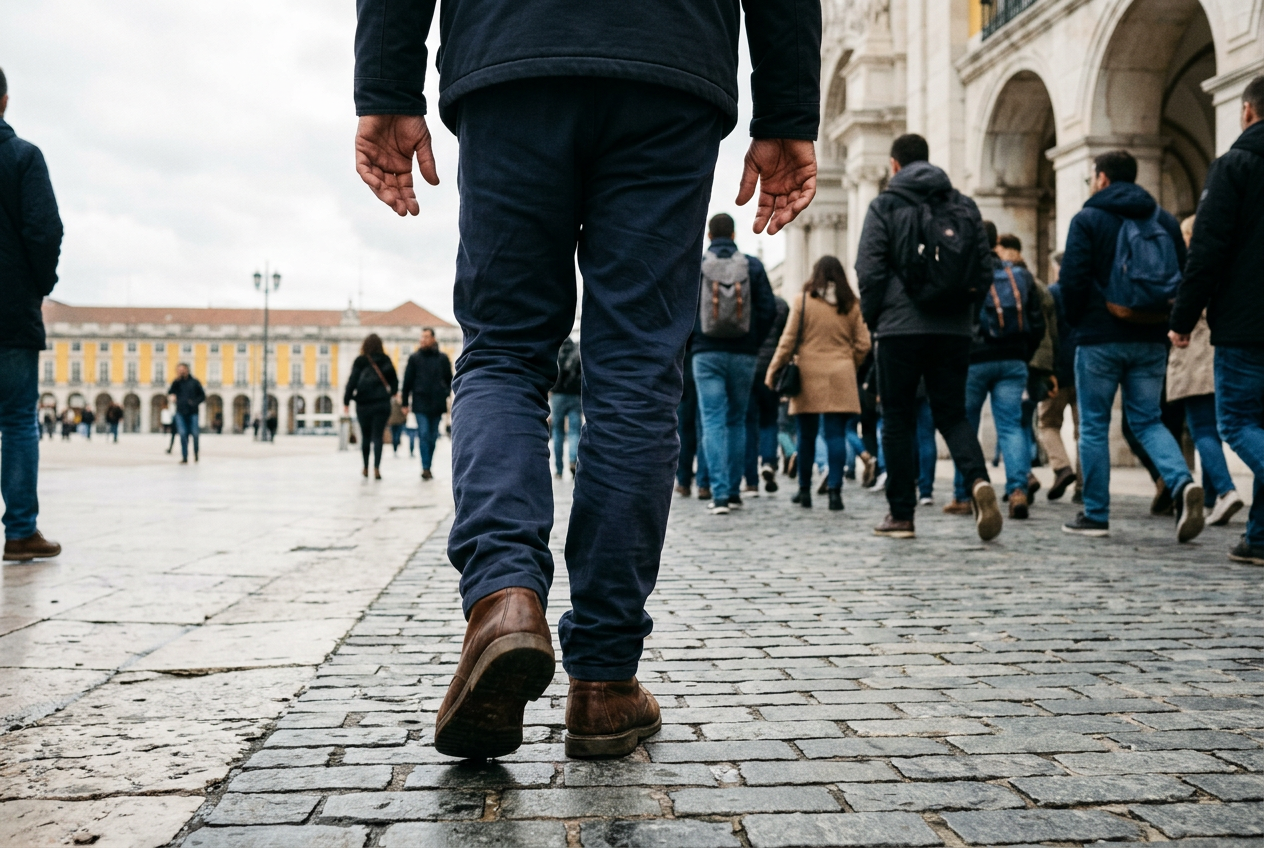
The best advice in this guide is simple: stay away. But sometimes a crowd forms fast. You may turn a corner and find yourself in the middle of one. If that happens, do not panic. Staying calm is your most important tool. A calm head helps you think clearly and move with care.
Keep Moving Toward the Edge
If things get heated, stay calm and keep moving. Do not stand still, and do not sit down. A moving crowd can shift quickly, and standing still puts you at risk of being pushed or trapped.
Head for the edge of the crowd. The edge is almost always safer than the center. Pick a steady pace and work your way outward, one step at a time. Try to go with the flow of people when you can. Fighting against the crowd takes energy and draws attention.
Make a Quick Exit Without Running
Once you reach the edge, make a quick exit. Leave the area swiftly. But do not run. Running can cause others to panic. It can also make you look like a threat to police or security. A fast, steady walk is best.
As you move, look for a safe place to step out of the crowd. A building, a doorway, or an alley can give you shelter until the crowd passes. Duck inside a store or lobby if one is open. These spots let you catch your breath and wait for things to calm down.
Set a Rally Point With Family
If you are out with family or friends, you can get separated in seconds. Plan ahead for this. Before you go anywhere near crowded areas, set a rally point. A rally point is a spot where everyone agrees to meet if you lose each other.
Pick a place that is easy to find and away from the crowd. A specific store, a parking lot, or a landmark a few blocks away all work well. Make sure everyone knows the spot. A messaging app like Signal can help you stay in touch if phones still work. But do not count on cell service. Crowds and emergencies can slow it down.
If Police Stop You
You may be stopped by police or security. If that happens, stay polite and calm. Keep your hands visible at all times. Do not make sudden moves. Do not reach into pockets or bags without saying what you are doing.
You can ask if you are free to leave. Ask in a calm, respectful way. If the answer is yes, walk away at a steady pace. If the answer is no, do not argue or resist. Stay quiet and wait.
The goal in every one of these moments is the same. Protect yourself, avoid trouble, and get home safely. You are not there to take sides or take part. You are just trying to get out.
Protecting a Small Business or Storefront
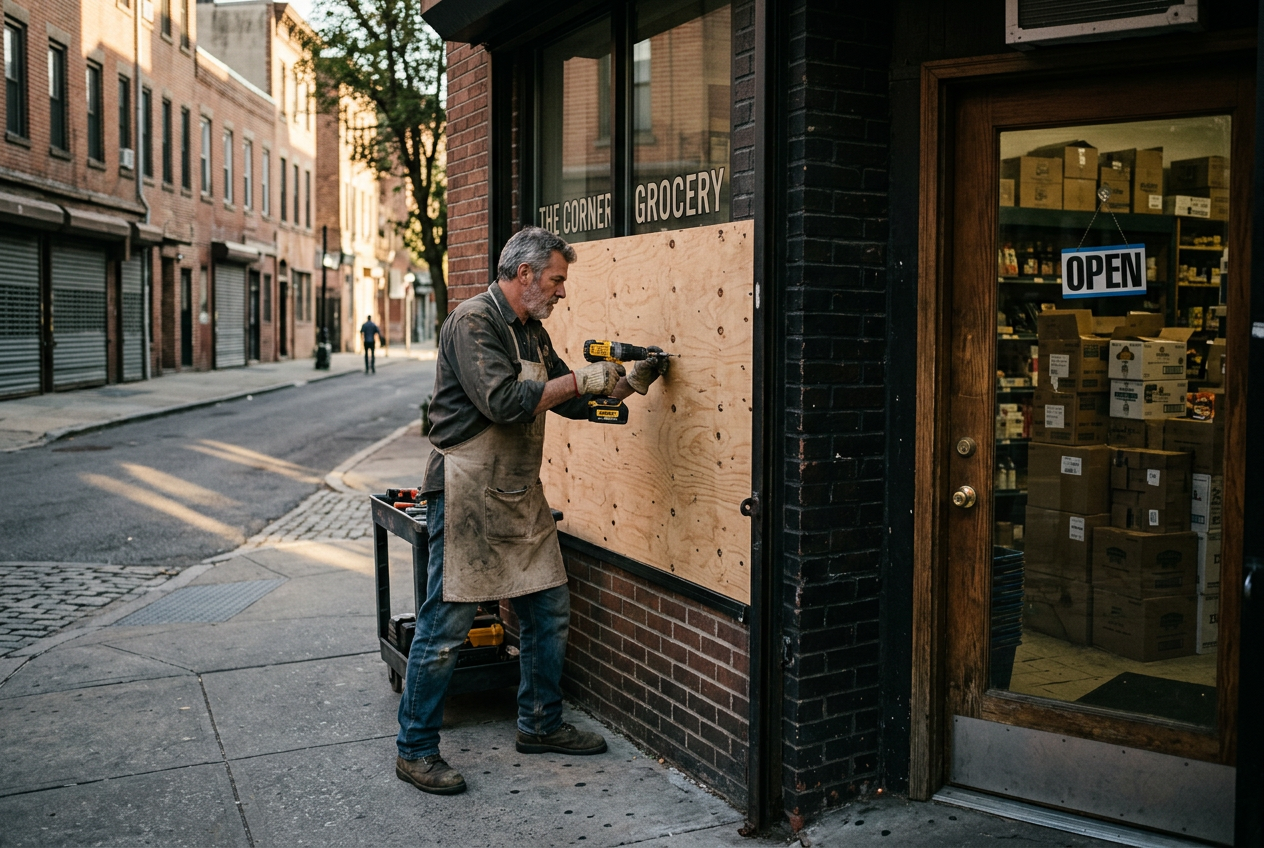
If protests or unrest are near your shop, your safety comes first. Property can be repaired or replaced. You cannot. The goal here is simple. Secure what you can, then leave the area. Do not stay to guard your store.
Start by staying informed. Know where the activity is happening and which way it may move. If your block looks likely to be affected, act early. It is much easier to secure a shop during a calm morning than in the middle of a crowd.
Secure Doors and Windows
Lock all doors and windows. Check back doors, side doors, and any delivery entrance. Turn off outdoor displays or signs that might draw attention. If you have a security gate or roll-down shutter, use it. These give solid protection and take only minutes to close.
Board Up Glass
Large glass windows are the weak point in most storefronts. If you expect trouble, cover them. Plywood is the common choice. Cut panels to fit each window ahead of time if you can. Screw or bolt them into the frame, not just the glass. Boards that are only taped or leaned in place will not hold.
If you do not have plywood, even moving valuable items away from the window helps. The idea is to reduce what can be seen and what can be broken.
Remove Valuables From Display
Clear out anything small, costly, or easy to grab. Move display items to a back room, a safe, or take them home. Empty the cash register and leave the drawer open so it is clear there is no money inside. This can prevent damage from someone checking it.
Keep a short list of what you moved and where. That makes it easier to put things back later and to confirm nothing went missing.
Document the Premises
Before you leave, take photos and video of the whole shop. Get the inside and outside. Capture your inventory, fixtures, windows, and doors. Date-stamped photos help a lot if you need to file an insurance claim later. Store these on your phone or in the cloud so they are not lost if the building is damaged.
Also save copies of your insurance policy and important contacts somewhere you can reach them from home.
Then Leave the Area
Once your shop is secured, go. Do not wait around to watch or defend the building. Standing near an active crowd puts you at risk, and no product on a shelf is worth your safety.
Plan a safe route out before you need it. Avoid streets where activity is building. Let a family member or employee know you are leaving and where you are headed.
Remember the main rule for this whole guide. Stay away and do not join in. Your job as an owner is to protect yourself first, secure the shop quickly, and then get to a safe place.
Tear Gas, Smoke, and Breathing Protection
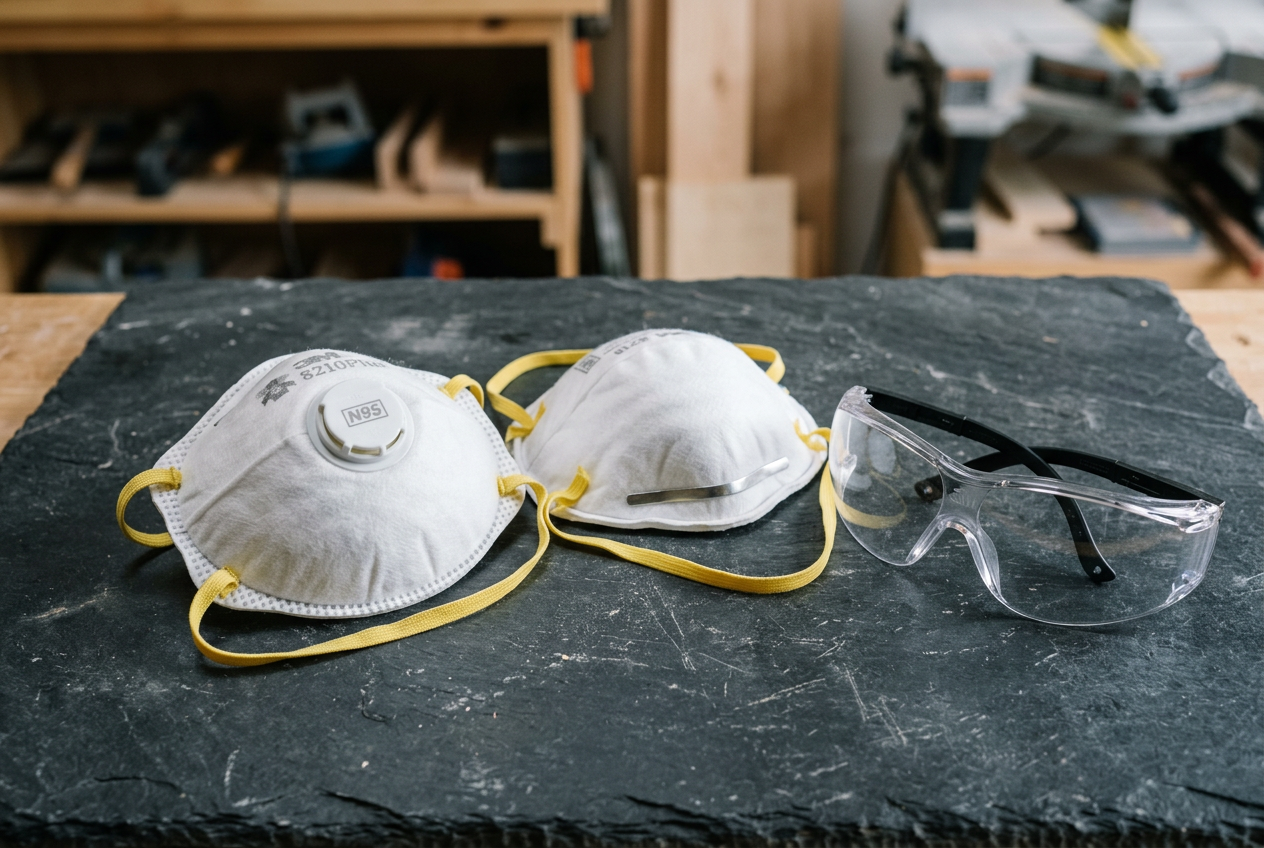
Sometimes protests involve tear gas or smoke. You may smell it before you see it. Tear gas can sting your eyes, nose, throat, and skin. It can make you cough, cry, and struggle to catch your breath. Smoke from fires can do the same. Both can drift far from where they started. You do not have to be in the crowd to feel the effects.
The best protection is simple. Get distance. Leave the area. No mask, cloth, or gear protects you as well as being somewhere else. If you smell or see tear gas or smoke, move away from it. Walk, do not run. Head uphill and upwind if you can, since the air is usually clearer there. Go inside a building if one is open. Once inside, close windows and doors to keep bad air out.
If your eyes or skin burn, do not rub them. Rubbing spreads the irritant. Blink and let tears flush your eyes. Fresh air helps most. When you are safe, rinse your skin with cool water and remove clothing that got exposed.
Where an N95 Fits In
An N95 respirator is a mask that filters at least 95 percent of certain airborne particles. This can help with smoke and dust in the air. But an N95 has limits. It is not made to block tear gas or other chemical vapors. It filters solid and liquid particles, not gases. So a mask may make smoky air easier to breathe, but it is not a shield against tear gas. It is also not a reason to stay near danger. Think of a mask as a small backup, not a plan. Distance comes first. A mask only helps if it fits your face and seals well. Air that leaks around the edges is not filtered.
For a mask to count, look for NIOSH approval. NIOSH is the U.S. agency that tests and certifies respirators. An approved N95 will list a NIOSH approval number.
Here are two NIOSH approved N95 options for a home kit. The first is a large pack. Each mask has an adjustable nose clip to help get a snug seal. The latex-free material is meant for comfort during wear. A larger supply means more for your household or to share.
The second is made in the USA by a NIOSH and FDA registered maker. It uses elastic bands that go over your head instead of over your ears, which can feel more secure. It uses a five-layer design the maker says is very breathable. It comes in a smaller pack.
Keep a few masks at home with your other supplies. But remember the main point. If the air is bad, leaving is always safer than staying and relying on a mask.
Product Comparison: Radios and Masks at a Glance
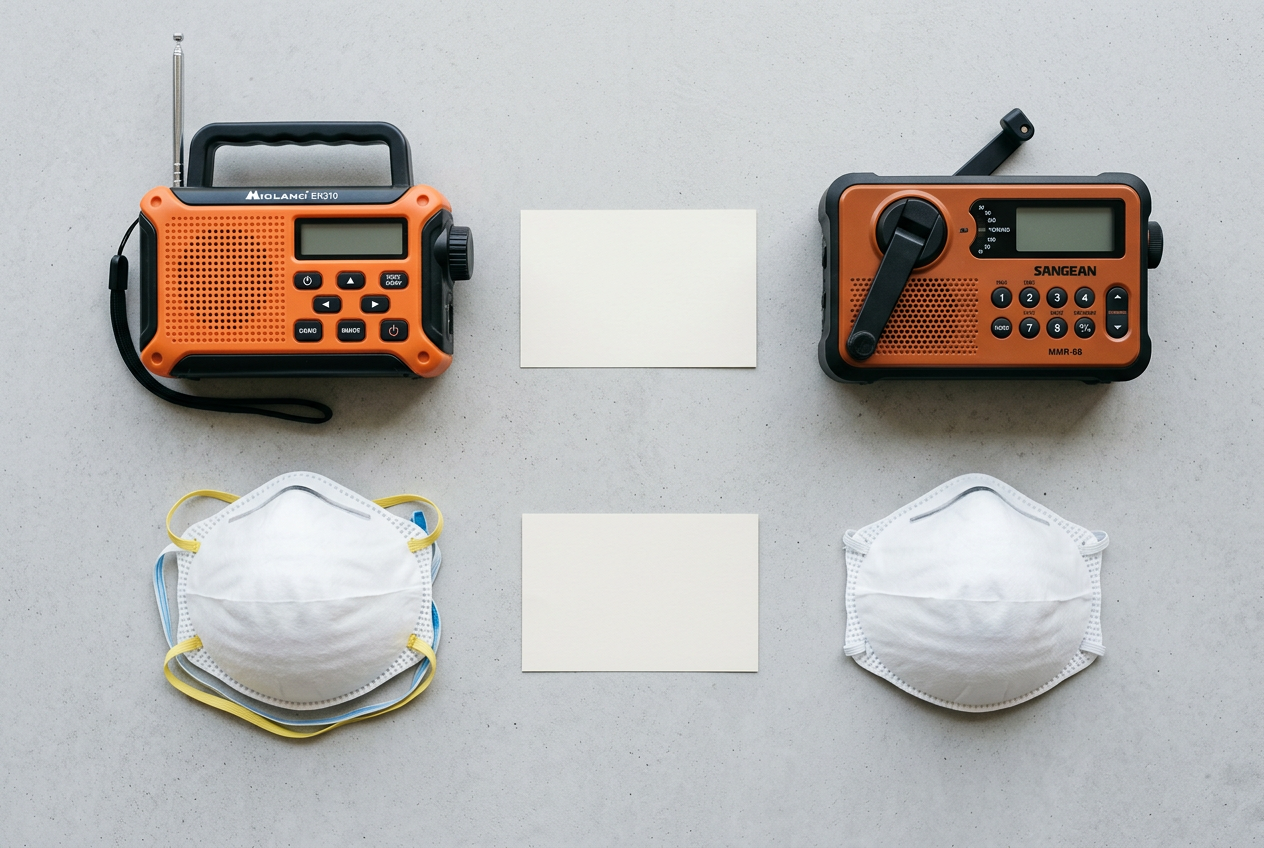
This guide covers two main needs when protests happen nearby. The first is staying informed. A good emergency radio helps you get news and alerts, even if the power goes out. The second is breathing protection. An N95 mask can help if you are near smoke or crowd control agents. Below is a quick look at the products mentioned in this guide. This lets you see which ones help you listen and which ones help you breathe.
Remember, the best plan is to stay away from protest areas. These products support staying safe at home or leaving safely. They are not tools for joining a crowd.
Emergency Radios
Both radios below pick up NOAA weather alerts. They also work without wall power. That matters during a blackout. Each has a hand crank and solar panel. So you can keep them running without batteries.
The FosPower NOAA radio has a built-in power bank. It can give a small charge to a phone. It also has a flashlight and reading lights. The Peakeep NOAA radio scans all seven NOAA channels for alerts. It offers four ways to charge, including USB Type-C. Both are solid picks for staying informed.
N95 Masks
Both masks below are NIOSH approved. That means they are certified to filter at least 95 percent of certain non-oil particles. This can help with smoke and dust. Note that an N95 is not made to protect against every type of gas. Still, it is better than a cloth mask for fine particles.
The FANGTIAN N95 comes in a case of 30. It has an adjustable nose clip for a snug fit. The AccuMed BNX N95 is made in the USA. It comes in a 20-pack. Its bands go over the head, not the ears. Pick the one that fits your face best. A good seal matters more than the brand.
How to Choose
If your main worry is losing power and missing news, start with a radio. Either one keeps you updated when the grid is down. If your worry is smoke or air quality near your home, start with masks. Buy a small supply, not a hoard. Many households will want both. These are everyday prep items, not just for protests. They also help during storms and other emergencies.
Basic First Aid at Home
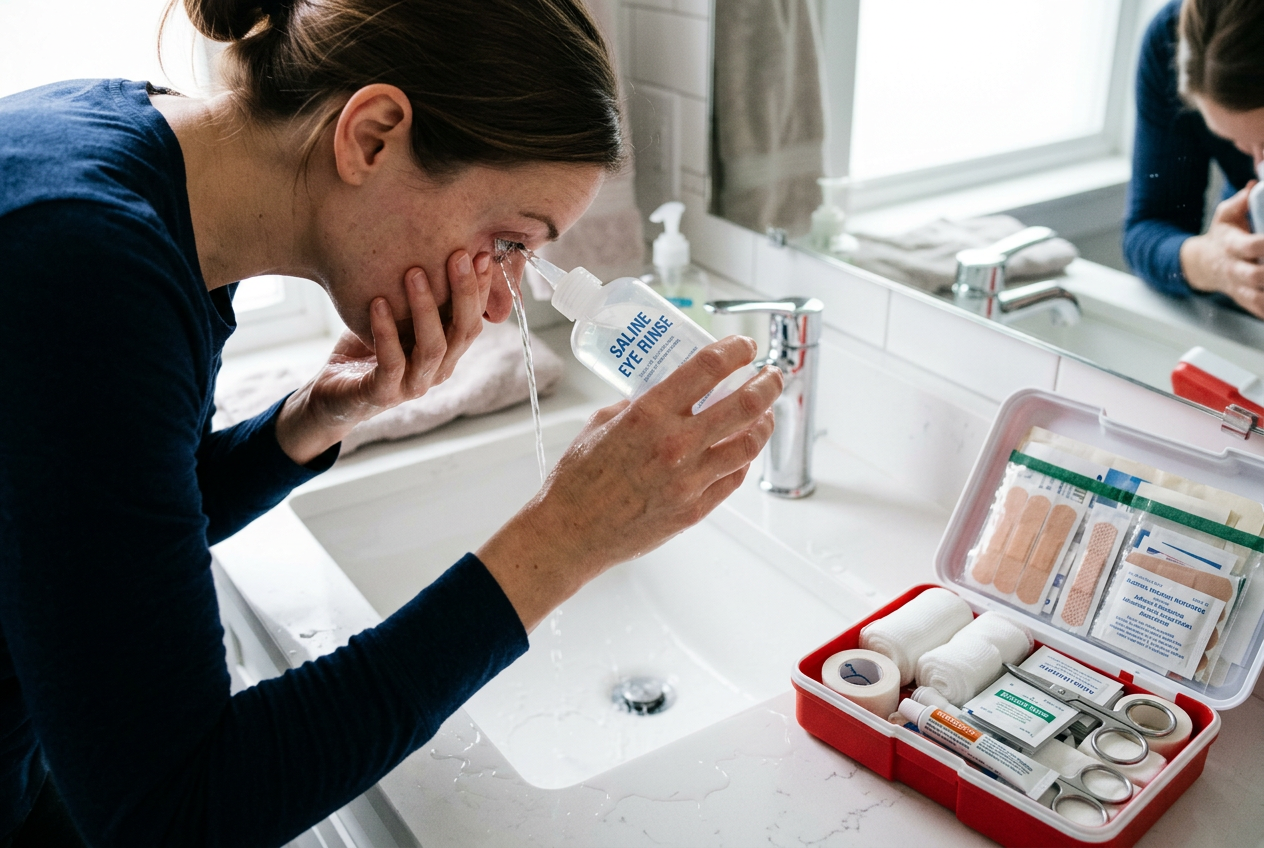
If protests break out near you, the safest choice is to stay away. But small injuries can still happen at home during any disruption. A minor cut, a scrape, or irritated eyes are easy to handle with basic care. This section covers simple first aid for an ordinary household. It is not a substitute for a doctor. When an injury is serious, call for professional help right away.
Keep a Basic First Aid Kit Ready
The time to gather supplies is before you need them. Keep a simple first aid kit where everyone in your home can find it. Store it in a spot that is easy to reach, not buried in a closet. A basic kit should include a few helpful items:
- Clean bandages and gauze pads
- Medical tape
- Antiseptic wipes
- A pair of scissors
- Clean bottled water for rinsing
- Any daily medicines your household needs
Check your kit now and then. Replace anything you used or anything that has expired.
Rinsing Irritated Eyes
Eyes can get irritated by dust, smoke, or other particles in the air. If your eyes sting or water, do not rub them. Rubbing can make it worse. Instead, rinse them gently with clean water. Use bottled water or clean tap water if it is safe. Tilt your head and let the water flow across the eye. Keep rinsing for several minutes. Blink often to help clear anything out. If your vision stays blurry or the pain does not stop, get medical help.
Treating Small Cuts and Scrapes
Minor cuts and scrapes are common. Here is a simple way to treat them:
- Wash your hands first if you can.
- Rinse the cut with clean water to remove dirt.
- Clean around the cut with an antiseptic wipe.
- Cover it with a clean bandage or gauze.
- Change the bandage if it gets wet or dirty.
Keep the wound clean while it heals. Watch for signs of infection, like redness that spreads, swelling, warmth, or pus. If you see those signs, see a doctor.
When to Call for Professional Help
Basic first aid is only for small problems. Some injuries need a professional. Call for emergency help if you see any of these:
- Heavy bleeding that will not stop
- A deep or large wound
- Trouble breathing
- A head injury or someone who is confused or passes out
- Burns that are large or deep
- Severe pain that does not ease
Do not wait if something feels serious. Trust your instincts. It is always better to get help early.
Staying calm helps you think clearly. Keep your first aid kit stocked, know these simple steps, and you will be ready to handle the small stuff at home while you wait for any disruption to pass.
Action Checklist and FAQ
Here is a quick list you can follow. You can print this page to keep it handy.
- Stay informed. Check local news and official alerts. Know where the activity is. A hand crank radio keeps you updated if the power or internet goes down.
- Avoid the area. The best move is to stay away. Do not go near marches or large crowds.
- Plan your routes. Know more than one way in and out of your area. Pick a spot where your family can meet if you get split up.
- Secure your home or shop. If you run a business, think about boarding up windows and locking things down before trouble reaches you.
- Keep supplies ready. Have a radio, N95 masks, water, and a basic first aid kit on hand. Keep phones charged.
- Stay calm. If things get heated near you, do not run. Move away steadily and find safety.
Should I join the protest?
This guide is about staying safe, not taking sides. Our main advice is simple: stay away and do not join. The safest place during unrest is away from the crowd. If you choose to take part in a peaceful event, that is your right, but this guide focuses on protecting yourself and your household.
What if police or security stop me?
Stay polite and calm. Keep your hands visible. You can ask if you are free to leave. If the answer is yes, walk away calmly. Do not argue or make sudden moves. Being calm and clear helps keep the moment safe for everyone.
What do I do if I get caught in a crowd?
Keep to the edge of the crowd. The edge is safer than the middle. Look for a building, doorway, or alley where you can wait until the crowd passes. Stay calm. Do not sit down or stand still if things get tense. Leave the area swiftly, but do not run. Running can cause panic or draw attention.
Should I stock up on supplies?
No. Do not hoard. Keep a sensible amount of water, food, and first aid items. A good radio and a few masks are smart to have. Here is one reliable crank radio option:
What about tear gas or smoke?
Stay away from areas where it is used. If you must go out and air quality is poor, an N95 mask can help filter some particles in the air. Here is a NIOSH approved option:
What is the single most important thing?
Avoid the area. Everything else is backup. Staying informed and keeping your distance will keep you safer than any gear. Make a simple plan with your household now, before anything happens, so you are not deciding in a rush.
Conclusion and Next Steps
Protests and civil unrest can feel scary. But you have one simple job. Stay away and stay calm. You do not need to join in. You do not need to watch up close. The safest place is far from the crowd, usually your own home.
The best time to get ready is before anything happens. Below are clear steps you can take today. Each one is easy. Most cost nothing at all.
Set Up Local Alerts
Know what is going on in your area. Follow local news and official city or police updates. Sign up for any local alert system your city offers. This helps you learn where activity is happening so you can avoid those streets. Staying informed is your first line of defense.
Plan Your Routes and a Rally Point
Think ahead about how you would leave an area if you needed to. Plan more than one route into and out of your neighborhood. If one road is blocked, you will have a backup. This simple step is backed by protest safety guidance from groups like the NAACP and HRC.
Also pick a rally point. This is one spot where your family or friends will meet if you get split up or if phones stop working. Tell everyone where it is. Make it a place that is easy to find and away from likely trouble spots.
Keep Basic Supplies on Hand
You do not need to hoard or buy a lot. A few simple items help you stay home safely during unrest.
A weather and emergency radio keeps you informed if the power goes out or your phone dies. Many models also work as a flashlight and can charge a phone. Two good options are the FosPower hand crank radio and the Peakeep emergency radio. Both run on solar, hand crank, or battery backup.
N95 masks can help if there is smoke or irritants in the air near you. NIOSH approved masks filter at least 95 percent of certain non-oil particles. Keep a few on hand. The AccuMed BNX N95 and the FANGTIAN N95 are both NIOSH approved.
Keep a basic first aid kit at home too. Simple supplies let you treat small cuts and scrapes without leaving the house.
A Quick Final Word
You can print this page to keep the full checklist handy. Share it with family and neighbors who may not have a plan yet.
Remember the main message. When protests break out near you, do not join and do not go sightseeing. Stay informed. Avoid the affected areas. Stay home if you can, or leave early and calmly if you must. If you are caught near a crowd, move to the edge and find shelter.
A little planning now gives you calm and control later. That is the whole goal. Stay safe.
Sources and Further Reading
- Protest Safety Guidance
- Protesting Safely (PDF)
- Tips for Preparedness, Peaceful Protesting, and Safety
- Law Enforcement Guidance For Policing Public Demonstrations
- Staying Safe During a Protest
- Protest Guidance - Duke Emergency Management
- Protesting Tips: What to Bring, How to Act, How to Stay Safe
- Riot Control Agents - CDC